

Michelin Plate · Macarfi 7.4 Food Rating
Our verdict
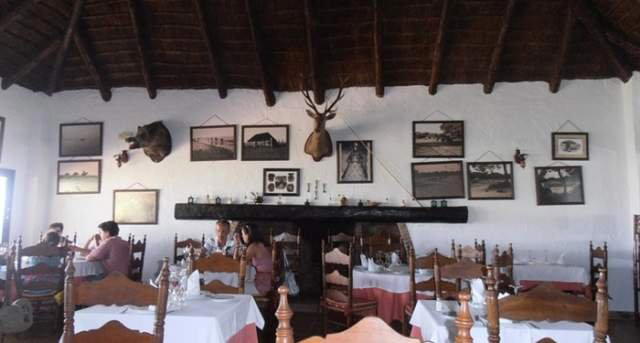
Twice awarded the Michelin Bib Gourmand (2024 and 2025), Aires de Doñana sits beneath a thatched roof on the edge of the El Rocío lagoon, with the famous sanctuary visible from the terrace. The kitchen draws on the Marismas del Guadalquivir larder — almadraba red tuna, trammel net-caught prawns, Mostrenca veal — served at prices that put serious regional cooking within reach of most budgets.

Pearl is the En Primeur Club membership app — saves, bookings, and concierge access live there. Same editors, same standards.
- Address
- Av. de la Canaliega, 1, 21730 El Rocío, Huelva, Spain
- Phone
- +34 959 44 22 89
- Hours
- Mon ClosedTue–Wed 1:30–6 PMThu–Sat 1:30–11 PMSun 1:30–6 PM
- Website
- airesdedonana.com
- Directions
- Get directions
The menu
What to order
- Mostrenca veal
- Trammel net-caught prawns
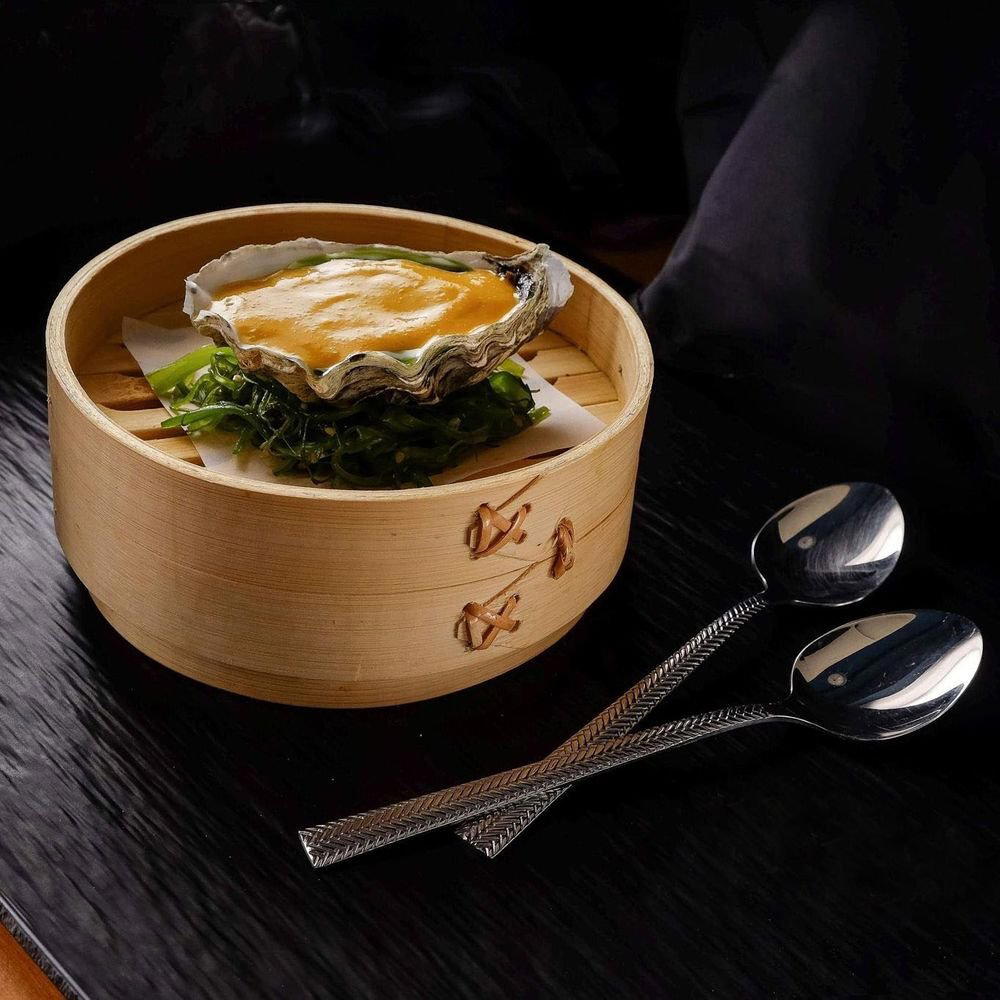
- Steamed clams
Where the Marismas Meet the Table
El Rocío is not a place you arrive at accidentally. The sandy, car-free streets, the white-walled hermitage, the horses tethered outside houses as casually as bicycles — all of it signals a village operating on its own terms, shaped by pilgrimage, by wetland ecology, and by a calendar that peaks during the Romería de El Rocío, one of the largest religious gatherings in Europe. The dining here reflects that same specificity. This is not a tourist corridor with generic Andalusian menus; it is a place where the kitchen is largely defined by what the Doñana ecosystem and the nearby Atlantic coast make available, and where the tradition of feeding pilgrims, hunters, and locals has produced a cooking style that is practical, product-led, and, at its finest, quietly accomplished.
Aires de Doñana sits on Avenida de la Canaliega, directly overlooking the lagoon and the sanctuary beyond. The building announces its allegiances from the outside: a thatched roof in the marshland style, a terrace facing the water, a sense of place so deliberate it could read as kitsch but lands instead as genuine. Inside, the decor continues the marismas aesthetic without laboring it. This is a room that feels inhabited rather than designed. For our full El Rocío restaurants guide, the venue represents the clearest case for sitting down to eat rather than moving on toward Huelva or Seville.
The Bib Gourmand Signal and What It Tells You
Michelin's Bib Gourmand designation, awarded to Aires de Doñana in both 2024 and 2025, identifies restaurants where inspectors found cooking worth a detour at a price point below the main star tier. In practical terms, that means a meal of real interest without the €80-plus-per-head commitment that Spain's tasting-menu circuit demands. At a single euro-sign price range, Aires de Doñana occupies a different competitive set entirely from the country's high-end operations — the multi-star rooms like Aponiente in El Puerto de Santa María, DiverXO in Madrid, or El Celler de Can Roca in Girona, and that distinction matters when reading the Michelin signal correctly. The Bib is not a consolation prize; it is a recommendation of a different order, pointing toward honest execution and value rather than technical ambition.
The broader picture of Spanish regional cooking suggests that Andalusia's traditional kitchen, centered on fresh seafood, Iberian meat, and the specific produce of its national parks and coastlines, has rarely attracted the same critical infrastructure as Basque or Catalan cuisine. Venues like Arzak in San Sebastián, Azurmendi in Larrabetzu, or Martin Berasategui in Lasarte-Oria have benefited from decades of serious culinary journalism concentrated on the north. A Bib Gourmand in El Rocío, of all places, carries an additional weight: it signals that Michelin inspectors were paying attention to a village most travelers treat as a scenic detour rather than a dining destination.
The Larder: Doñana on a Plate
The menu at Aires de Doñana is structured by geography as much as by technique. The Doñana National Park and the Atlantic coast between Huelva and Cádiz produce some of the most distinctive raw materials in southern Spain, and the kitchen organizes itself around that supply. Red tuna from the almadraba, the ancient trap-fishing method practiced each spring off the Strait of Gibraltar, appears here, connecting the restaurant to a seasonal tradition that dates back to the Phoenicians and that now supplies some of the most sought-after tuna in Europe. Trammel net-caught prawns from the local waters and Mostrenca veal, from the semi-wild cattle that roam the marshlands, anchor the menu in the specific animal life of the Marismas del Guadalquivir. Little nettle from La Rocina adds a foraged note that only makes sense in this particular microclimate.
Chef Erich Van Gheren oversees a kitchen where this raw material is handled with restraint rather than transformation. That approach aligns with a broader Andalusian tradition that has always prioritized product quality over culinary elaboration, a tradition evident at the other end of the price spectrum in places like Quique Dacosta in Dénia or Mugaritz in Errenteria, where product provenance underpins even the most technically ambitious menus. At Aires de Doñana, the equation is simpler and more direct: the region's larder is specific enough to carry the meal on its own terms.
For context on how traditional cooking can hold its own against more experimental formats in Spain, the trajectory of venues like Ricard Camarena in València or Cocina Hermanos Torres in Barcelona demonstrates that technique and tradition are not mutually exclusive. At the Bib Gourmand tier, however, the argument for tradition is often stronger: the reader gains the most from a kitchen that knows what it has and does not overcomplicate it.
The Terrace and Its View
The terrace at Aires de Doñana faces the lagoon and the Ermita del Rocío directly. In a village whose entire character is shaped by that view, the flamingos in the water, the pilgrimage crowds during the Romería, the horses moving through the sandy streets, eating outside here is not simply a pleasant option but the most complete version of what the restaurant offers. The experience of the marismas is partly visual and partly atmospheric, and the terrace collapses the distance between the two. Comparable terrace dining with a view of equal specificity is rare in southern Spain outside the coastal towns. For those visiting during the Romería (late May, Pentecost weekend), booking ahead is essential and availability across the village contracts sharply. Outside that period, El Rocío operates at a pace that rewards patience and benefits from forward planning rather than urgency.
Where Aires de Doñana Fits the Wider Region
El Rocío sits within a wider Huelva province that has historically been underserved by food tourism infrastructure. Visitors planning multi-day itineraries through Andalusia's interior, or combining a Doñana visit with time in Seville or the Cádiz coast, should treat Aires de Doñana as the strongest single dining argument for stopping here. For those building out a fuller picture of what El Rocío offers beyond the restaurant, our El Rocío hotels guide, bars guide, wineries guide, and experiences guide cover the surrounding options in depth.
For those whose appetite for traditional regional cooking extends to other parts of Spain, Atrio in Cáceres, Auga in Gijón, and Auberge Grand'Maison in Mûr-de-Bretagne represent comparable commitments to place-rooted cooking across different geographies and price points.
Planning Your Visit
Aires de Doñana is located at Av. de la Canaliega, 1, in El Rocío, within the municipality of Almonte in Huelva province. The restaurant sits at the edge of the lagoon, and the terrace view of the sanctuary is the spatial argument for the visit. El Rocío is most easily reached by car from Seville (roughly 80 km southwest) or from the Matalascañas coast road. The village's sandy streets are passable but distinctive. For pilgrimage weekends, accommodation and restaurant bookings across the village fill months in advance. Outside those dates, the pace is quieter and the experience of the marshland setting more meditative. Phone and booking information were not available at the time of publication; confirming current hours and reservation policy before travel is advisable.
Frequently asked questions
What dish is Aires de Doñana famous for?
The kitchen draws on a specific set of regional products that define its identity: almadraba red tuna, caught seasonally using the ancient trap-fishing method off the Strait of Gibraltar; trammel net-caught prawns from local Atlantic waters; Mostrenca veal from the semi-wild cattle of the Doñana marshlands; and foraged nettle from La Rocina. Michelin inspectors, who awarded the Bib Gourmand in both 2024 and 2025, recognized this product-led approach as the kitchen's core strength. No single signature dish dominates the record, but the almadraba tuna, given its rarity and the depth of tradition behind it, is the item most closely associated with the cooking here.
Is Aires de Doñana formal or casual?
El Rocío is a village shaped by pilgrimage, rural tradition, and proximity to a national park. Its character is deeply informal, and the restaurant reflects that. The thatched roof, marshland decor, and terrace facing the lagoon place this firmly in the casual dining register. The Bib Gourmand award and the €-tier pricing reinforce a setting where quality of produce matters more than ceremony. Visitors arriving from Seville or the coast need not dress for occasion; the room rewards comfort, particularly if you plan to spend time on the terrace. Even by the standards of Andalusian casual dining, the atmosphere here is relaxed.
Is Aires de Doñana okay with children?
The combination of a terrace with open views of the lagoon, traditional Andalusian cooking at single euro-sign prices, and a village that functions partly as a family pilgrimage destination makes this a setting that accommodates children without difficulty. El Rocío itself is oriented toward family visits, particularly during the Romería. The informal atmosphere and the relatively direct traditional menu present fewer challenges than a tasting-menu format would. Families visiting Doñana National Park with children will find Aires de Doñana a practical and appropriate dining stop, though confirming the current menu format and any booking requirements directly with the restaurant before arrival is recommended.
Comparable Spots, Quickly
| Venue | Cuisine | Price | Awards |
|---|---|---|---|
| Aires de DoñanaThis venue — the venue you are viewing | Traditional Spanish Marshland Cuisine | $30–50 | Michelin Plate · Macarfi 7.4 Food Rating |
| Aponiente | Progressive - Seafood, Creative | Not listed | Michelin 3 Star |
| Arzak | Modern Basque, Creative | Not listed | Michelin 3 Star |
| DiverXO | Progressive - Asian, Creative | Not listed | Michelin 3 Star |
| El Celler de Can Roca | Progressive Spanish, Creative | Not listed | Michelin 3 Star |
| Quique Dacosta | Creative | Not listed | Michelin 3 Star |
Recognition history
Dated appearances from independent guides and award organizations, with the underlying list record or original source where available.
Michelin Plate
Michelin
Macarfi 7.4 Food Rating
Macarfi
Full recognition history (4 entries)
Michelin Bib Gourmand
Michelin
Michelin Bib Gourmand
Michelin
Continue exploring
More in El Rocío
Restaurants in El Rocío
Browse all →
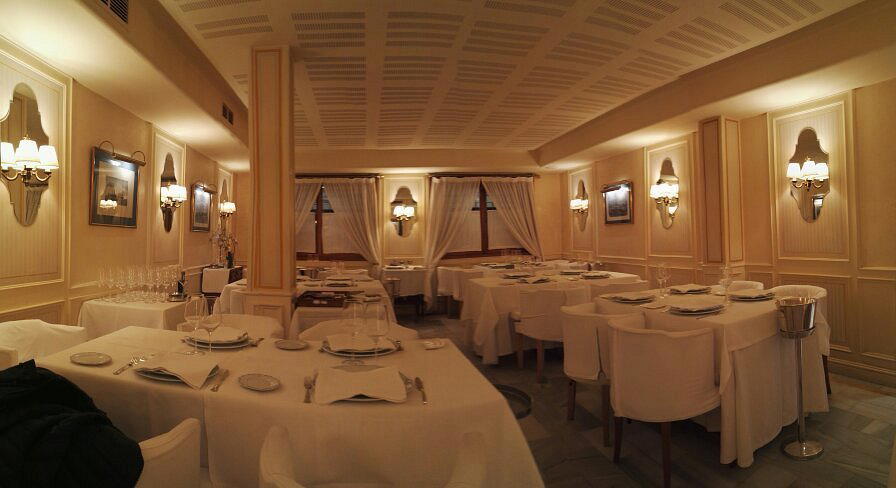
Bars in El Rocío
Browse all →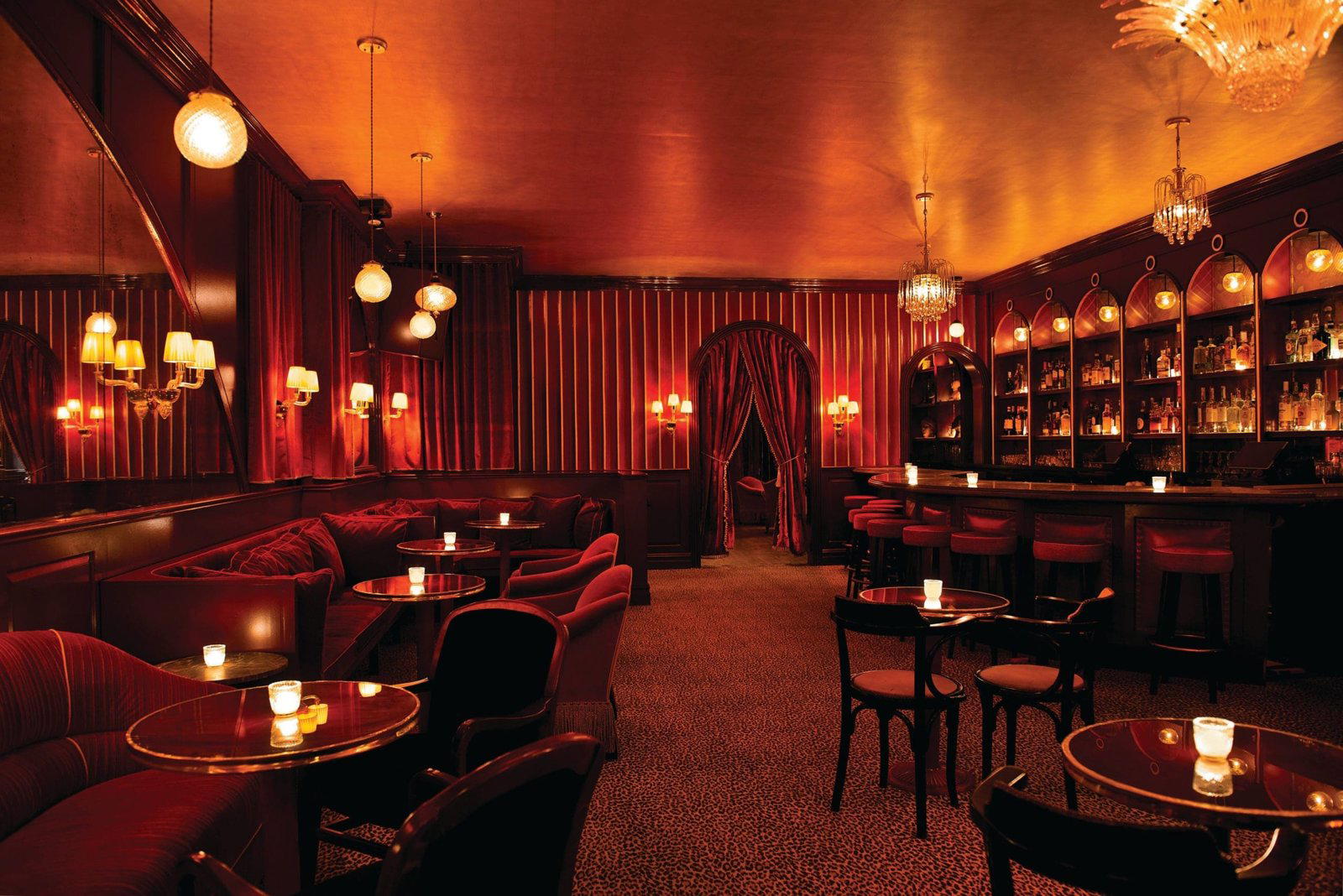
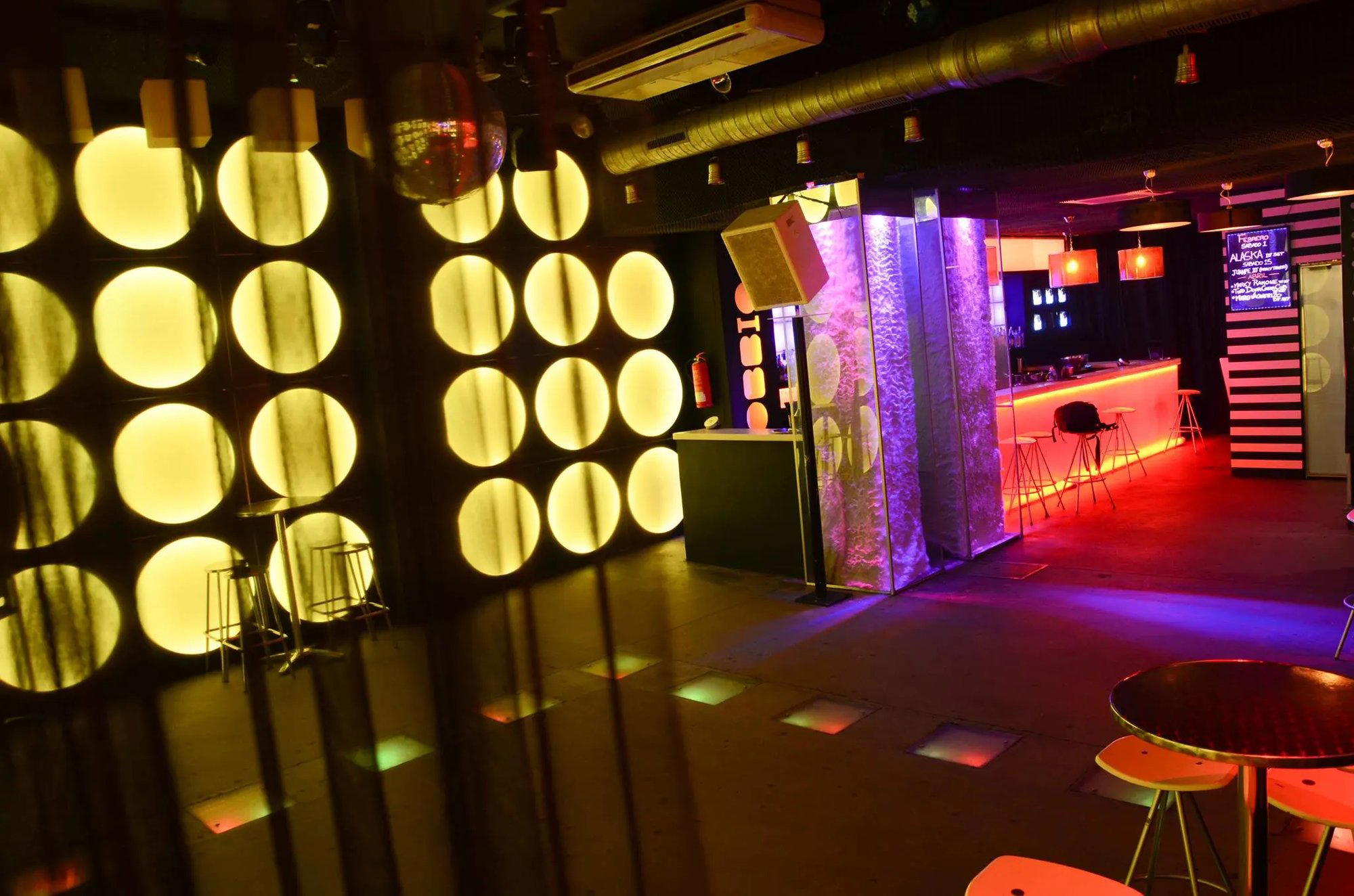
Hotels in El Rocío
Browse all →

Details
- Rustic
- Scenic
- Cozy
- Family
- Group Dining
- Casual Hangout
- Terrace
- Extensive Wine List
- Local Sourcing
- Waterfront
- Street Scene
- A La Carte
- Small Plates
- Vegetarian Friendly
Current opening hours
- Monday
- Closed
- Tuesday
- 1:30–6 PM
- Wednesday
- 1:30–6 PM
- Thursday
- 1:30–11 PM
- Friday
- 1:30–11 PM
- Saturday
- 1:30–11 PM
- Sunday
- 1:30–6 PM
Hours can change for holidays and private events. Last verified .
Relaxed and comfortable rustic atmosphere with thatched roof interior resembling a traditional marshland hut, enhanced by spectacular natural views.