
Tabelog 100 #63
Our verdict
Aimai is part of Osaka’s serious curry conversation: small-format, low-priced, and recognized in Tabelog 100 Curry WEST 2024, with earlier selections in 2019, 2020, and 2023.

Pearl is the En Primeur Club membership app, where members save venues, book tables and use the concierge.
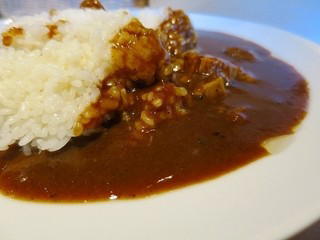
The menu
What to order
- Spicy Japanese curry
- Aimai retort curry “Majo”
- Aimai retort curry “Koakuma”
Osaka’s curry scene has always sat apart from the city’s better-known takoyaki and okonomiyaki shorthand. The stronger contemporary thread is small, independent curry counters and shops that build loyalty through heat, spice structure, and repeatable value. Aimai’s inclusion in Tabelog 100 Curry WEST 2024, alongside earlier selections in 2019, 2020, and 2023, places it in that more specialist category. Many Osaka restaurants are easy to fold into a loose day of eating; this one rewards a tighter schedule. The format is small, the service window is limited, and the evening opportunity is narrower than the lunch pattern. That changes the way a visitor should think about it: not as a fallback near Osaka Tenmangu, but as a targeted curry stop built into a Kita Ward day.
This is where Aimai differs from a broader, all-day café such as .cafe or a bakery-led stop like 52CHO-ME BAKERY. Those formats can absorb indecision. Curry shops with this kind of recognition usually ask for more discipline. A bowl of curry may be casual in price, but the logistics are not casual if the room fills or the day’s service ends early.
The comparison also explains why Osaka’s inexpensive dining tier deserves more respect than visitors sometimes give it. The city can move from the mass appeal of 551 Horai (551蓬莱) to tightly focused specialists without a dramatic shift in budget. That range is one of Osaka’s advantages: eating well does not always mean entering a luxury bracket. Aimai sits in the specialist lane, closer in spirit to a focused ramen stop such as Ramen Hayato than to a long à la carte evening at Sakeya Sakana Yoshimura or a sushi meal at Sushitsune. In Osaka, the stronger shops tend to be more personal and more exacting, using spice balance, heat, texture, and portion logic to create regular custom. Aimai’s public description points toward a spicy, addictive style associated with the memory of Hachi, a now-closed curry restaurant formerly connected to the same building. That reference is useful not as nostalgia, but as a clue to the local curry lineage: regulars remember heat and character, not just convenience. A curry specialist such as [Curry Senmon Ten] Maruyama Kyoju. in Sapporo belongs to a different local climate and customer rhythm, yet the same rule applies: a narrow brief can create stronger identity than a long menu. Kyoto’s [ki:] in Kyoto and Kumamoto’s.
That constraint is also why Aimai’s price tier is significant. In Osaka, that bracket can cover anything from curry and ramen to pizza, café food, and counter dining. A place such as 99 Pizza Napoletana Gourmet works through a different imported tradition; a canto (Italian) occupies another register again. Aimai’s argument is narrower: curry as the reason, not the category among many.
How to place it inside an Osaka itinerary
The smarter way to use Aimai is to plan around Kita Ward rather than cross the city only for a single short meal. For readers building a wider food plan, Our full Osaka restaurants guide gives the better framework, while Our full Osaka bars guide helps shape the evening after a daytime curry stop. Visitors staying nearby can cross-check the hotel base through Our full Osaka hotels guide.
There is also a useful national comparison. That applies across categories, from (Shoku) Vietnam in Kawasaki to -Grilled beef Sukiyaki- KAMAKURA TANUKIAN 鎌倉 たぬき庵 in Kamakura and. 鮪と炭火焼き うお炭 秋葉原店 in Tokyo. The connective tissue is not cuisine type; it is intent. A narrow restaurant with repeat recognition is usually telling the diner exactly why it exists.
For travelers mapping more than restaurants, Osaka’s appeal comes from stacking small, precise decisions rather than chasing a single grand meal. Our full Osaka experiences guide can help build the day around neighborhood movement, while Our full Osaka wineries guide is there for readers looking beyond the usual dining categories.
Frequently asked questions
When is Aimai open?
Hours at Aimai: Mon: 11 AM–1:30 PM; Tue: Closed; Wed: 11 AM–1:30 PM, 6–8 PM; Thu: Closed; Fri: 11 AM–1:30 PM; Sat: Closed; Sun: Closed.
What does dinner at Aimai typically cost?
Pricing at Aimai is listed as JPY 1,000 - JPY 1,999 JPY 1,000 - JPY 1,999.
Where is Aimai in Osaka?
Aimai is located in Osaka.
What do critics highlight about Aimai?
Critics single out Aimai’s repeat selection for Tabelog Curry WEST "Tabelog 100" in 2019, 2020, 2023, and 2024. The restaurant also draws attention for its 14-seat setup, counter seating, and limited opening hours in Tenjinbashi, Osaka.
Cuisine and Credentials
Nearby venues at a similar price tier for orientation.
| Venue | Cuisine | Price | Awards | Notes |
|---|---|---|---|---|
| AimaiThis venue (the venue you are viewing) | Spicy Japanese curry house | $1–10 | Tabelog 100 #63 | Not listed |
| Udon Bo Oosaka honten | Traditional Sanuki Udon Noodle Shop | $10–20 | Tabelog 100 #45 | Kita |
| Mensho Shisei | Ramen | Not listed | Tabelog 100 #63 | Nishi |
| Mutekko Oosaka ten | Rich Tonkotsu Ramen | $10–20 | Tabelog 100 #57 | Naniwa |
| NAKAGAWA Wazu | Niboshi-focused Ramen Counter | $1–10 | Tabelog 100 #1 | Higashiyodogawa |
| Shoyu to Kai to Men Soshite Hito to Yume | Ramen & Tsukemen | $10–20 | Tabelog 100 #31 | Nishiyodogawa |
Recognition history
Dated appearances from independent guides and award organizations, with the underlying list record or original source where available.
Tabelog 100 #63 · No. 63
Tabelog · Tabelog 100 - Curry - WEST - 2024
Continue exploring
More in Osaka
Restaurants in Osaka
All restaurants in Osaka →


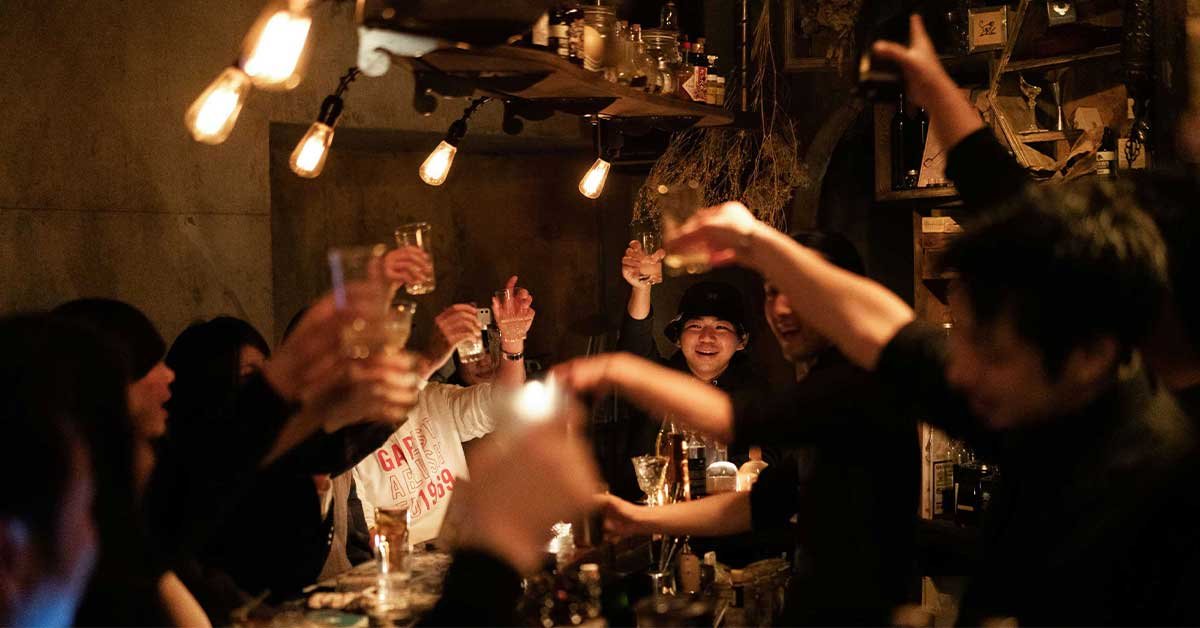
Bars in Osaka
All bars in Osaka →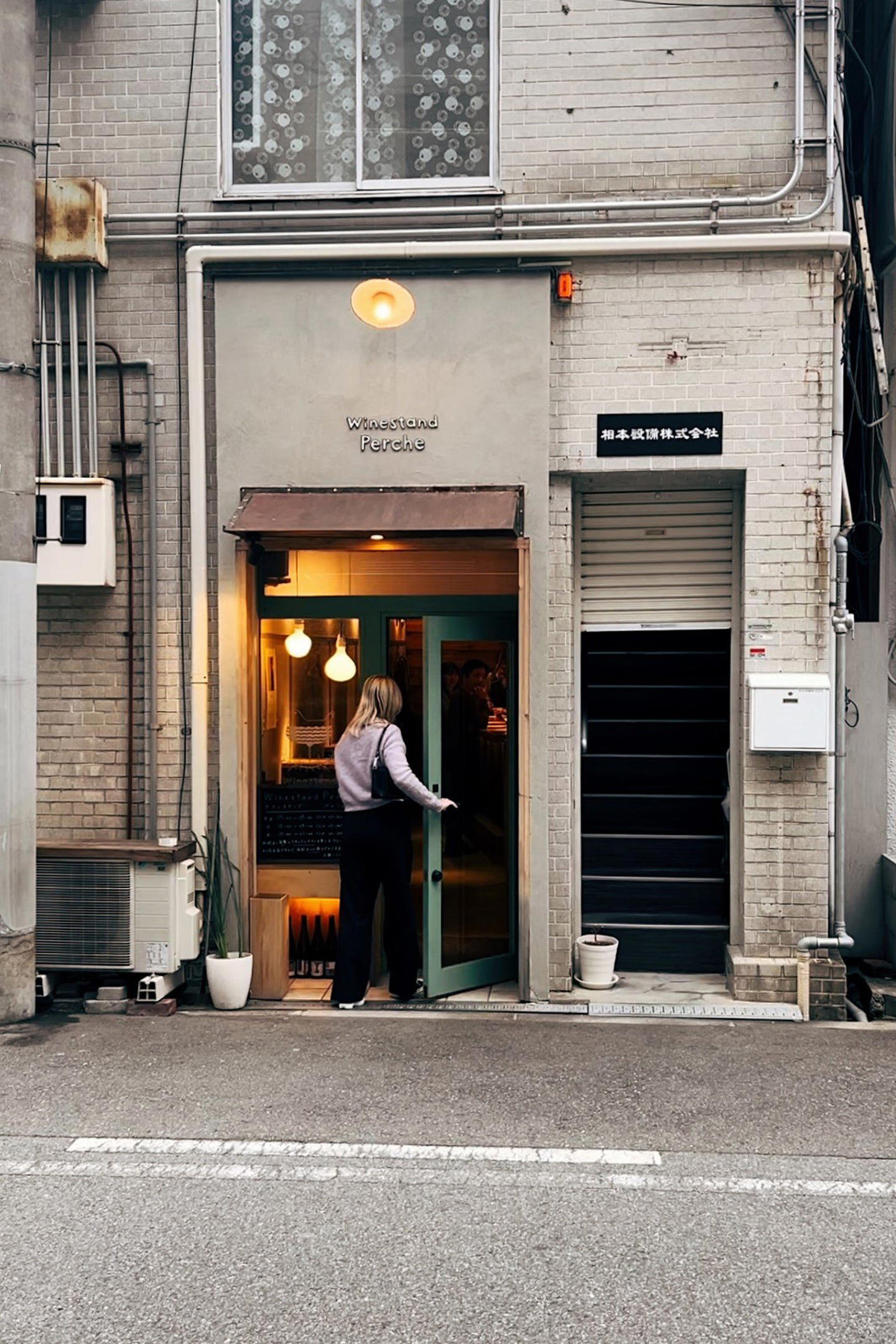


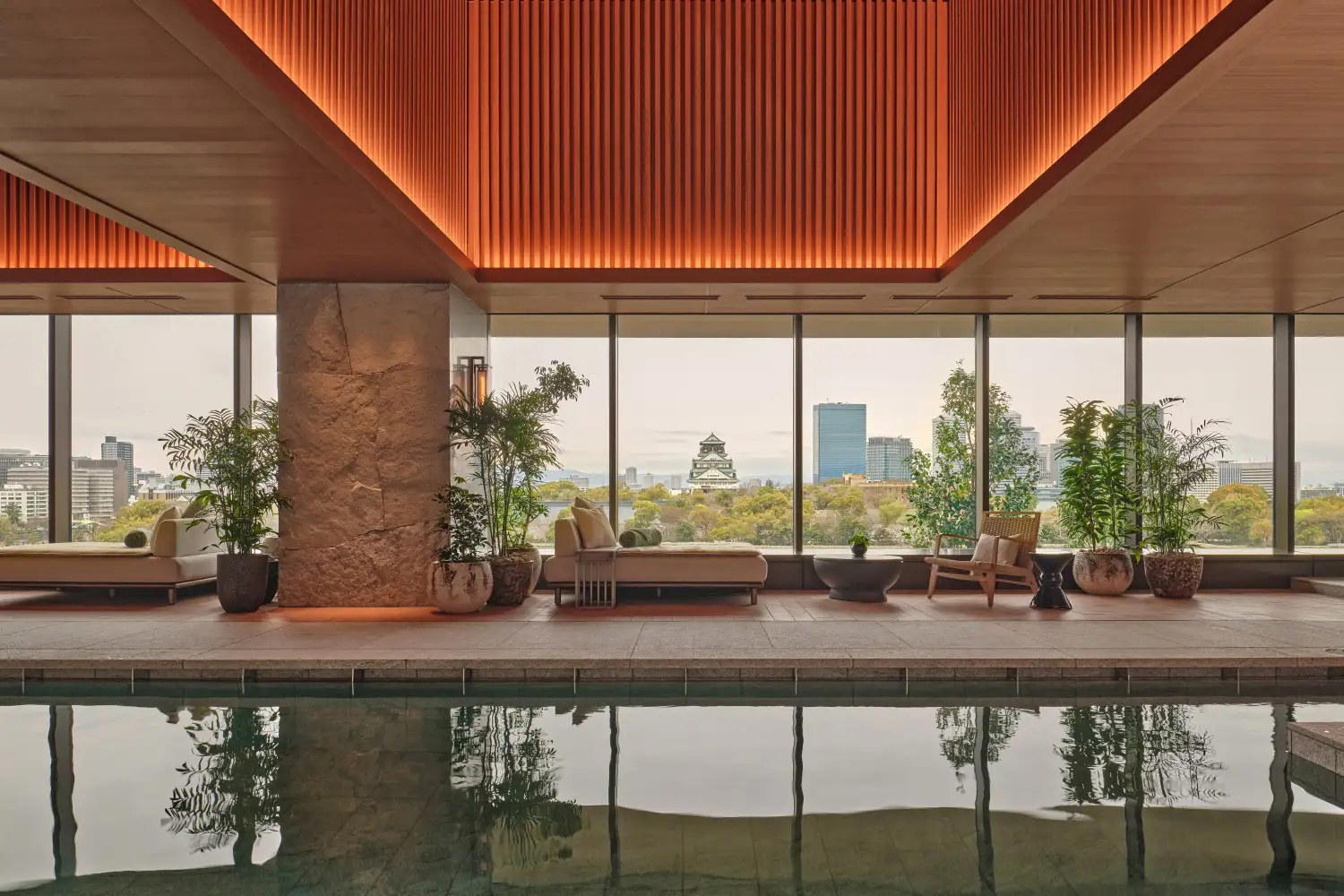
Hotels in Osaka
All hotels in Osaka →



Wineries in Osaka
Browse all →
Details
- Lively
- Cozy
- Solo
- After Work
- Casual Hangout
- Standalone
- A La Carte
- Counter Dining
Current opening hours
- Monday
- 11 AM–1:30 PM
- Tuesday
- Closed
- Wednesday
- 11 AM–1:30 PM, 6–8 PM
- Thursday
- Closed
- Friday
- 11 AM–1:30 PM
- Saturday
- Closed
- Sunday
- Closed
Hours can change for holidays and private events. Hours as of .
Casual, compact curry shop atmosphere typical of a shotengai side-street spot: functional rather than design-led, with a local, slightly hardcore spicy-curry fan vibe and quick in-and-out dining.