Aiko and Mumu
Aiko and Mumu occupies a Coconut Grove address in Miami's most restaurant-dense zip code, positioning itself within a neighbourhood scene that has shifted decisively toward technique-driven cooking over the past decade. Where comparable Coconut Grove addresses lean on atmosphere alone, this address invites comparison with Miami's broader wave of kitchens applying international method to Florida-sourced product.
Pearl is the En Primeur Club membership app — saves, bookings, and concierge access live there. Same editors, same standards.
- Address
- 2770 SW 27th Ave ste 2, Miami, FL 33133
- Phone
- +17868605993
- Website
- aikoandmumu.com
- Directions
- Get directions
 Saves & bookings on Pearl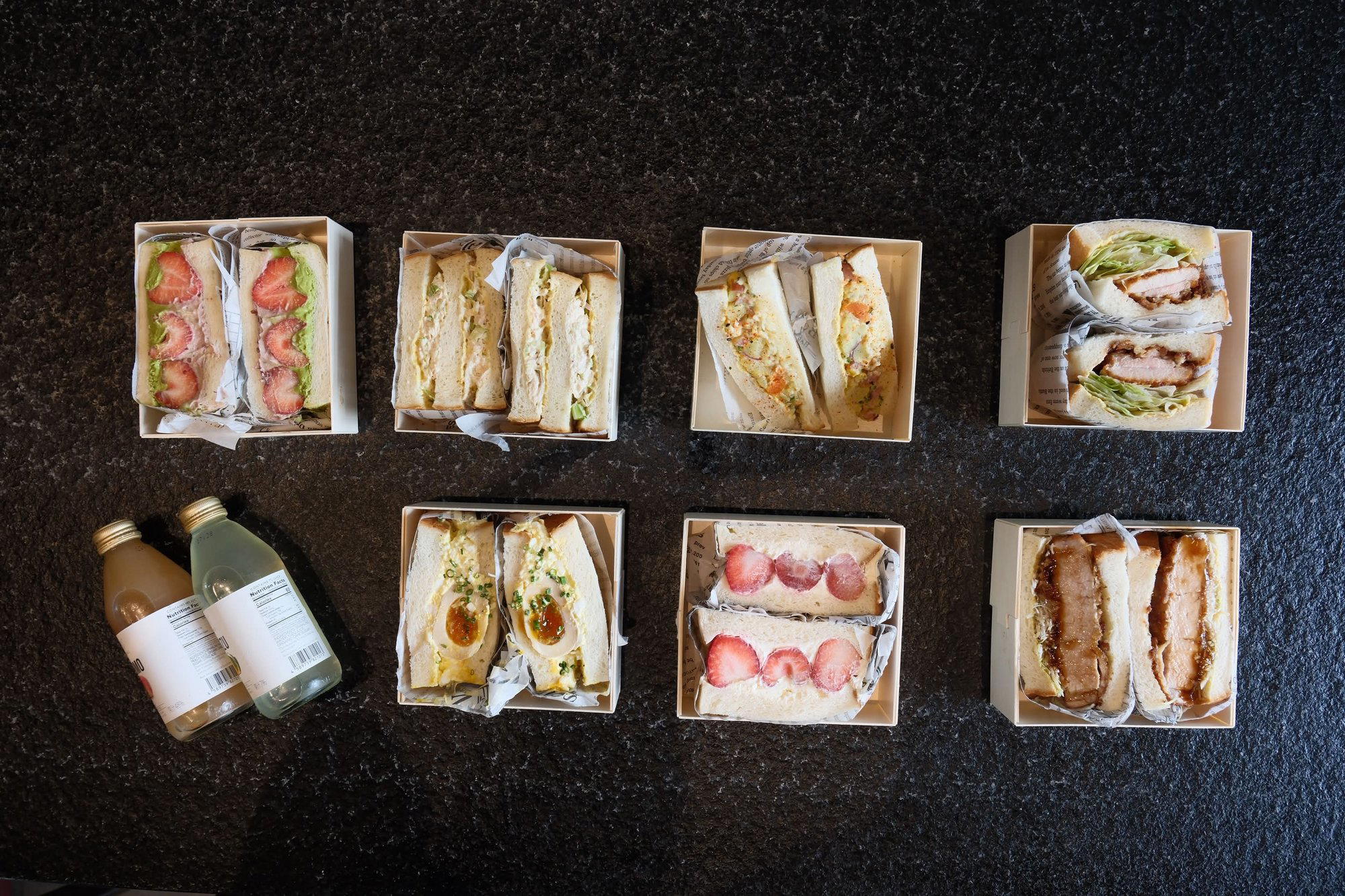
Coconut Grove and the Case for Neighbourhood Dining in Miami
Coconut Grove sits at a remove from the Brickell high-rises and South Beach spectacle that tend to dominate Miami dining conversation. That distance is not a liability. The neighbourhood's lower rents and residential density have historically supported the kind of independent restaurant that operates on culinary terms rather than foot-traffic economics. The address at 2770 SW 27th Avenue places Aiko and Mumu inside that tradition, in a city where the most interesting cooking has increasingly migrated away from the waterfront corridors and into streets that reward a deliberate visit. For a broader orientation to what is happening across Miami's dining scene, the EP Club Miami restaurants guide maps the full picture.
A Scene Built on Global Technique and Local Supply
The editorial framework that makes Miami's current restaurant generation worth tracking is the intersection of imported culinary training and Florida's extraordinary raw material. The state's subtropical growing conditions produce ingredients that have no direct equivalent elsewhere in the continental United States: stone crab, Florida spiny lobster, local snapper species, and a produce calendar that operates when the rest of the country is in winter. The kitchens that have made the most of this combination are the ones that bring European or Latin American technical rigour to that local supply without flattening what makes it distinctive.
That dynamic has played out across a range of Miami restaurants in ways that illuminate different entry points. ITAMAE applies Peruvian nikkei technique to Florida fish, treating the Gulf and Atlantic catch as raw material for a tradition that evolved on the other side of the hemisphere. Ariete in Coconut Grove anchors a modern American menu in the same neighbourhood logic, with a price point at the upper end of the local independent tier. Boia De applies contemporary Italian method to a menu that moves between seasons with the discipline of a much larger operation. Aiko and Mumu occupies a comparable position in that Coconut Grove cohort, where the expectation is cooking with a defined point of view rather than a broad crowd-pleasing menu.
What the Address Tells You
The suite address at 2770 SW 27th Avenue is characteristic of a Coconut Grove sub-format: restaurants that operate within mixed-use buildings or small commercial clusters rather than stand-alone street-fronted rooms. This format tends to filter the audience. Walk-in traffic is lower; destination intent is higher. The dining rooms that work in these configurations rely on word-of-mouth and repeat visitors in ways that South Beach venues, with their high tourist throughput, do not. It is a structure more common to the independent restaurant scenes of cities like San Francisco or Chicago than to the Miami that existed a generation ago.
That shift in Miami's independent restaurant geography mirrors what has happened in other American cities where serious cooking outgrew its original neighbourhood anchors. Lazy Bear in San Francisco and Smyth in Chicago both operate in formats where the physical setting recedes and the cooking carries the room. The principle applies in Miami: when the address is not inherently theatrical, the food has to do more work.
Placing Aiko and Mumu in Miami's Current Dining Tier
Miami's restaurant scene in the mid-2020s has stratified more clearly than at any previous point. At the upper end sit the internationally recognised operations: L'Atelier de Joël Robuchon Miami and Cote Miami, both with Michelin recognition and price structures to match. Below that bracket, but well above the casual dining floor, sits a cohort of independent kitchens where the value proposition depends on cooking quality rather than brand name. That middle tier is where Coconut Grove has historically been strongest, and where Aiko and Mumu competes for attention.
The comparison set at that level includes venues from other American cities that have built reputations on similar terms: Providence in Los Angeles, which made its name on California seafood treated with French technical discipline, and Addison in San Diego, which operates at the intersection of local produce and international technique in a Southern California context not entirely unlike Miami's. The parallel is not one of scale or recognition, but of the underlying editorial question each kitchen is answering: what does serious cooking look like when it is grounded in a specific American place?
Farms and ingredient sourcing have become the distinguishing variable at this tier nationally. Blue Hill at Stone Barns made the argument in its most explicit form, and Single Thread Farm in Healdsburg built a full hospitality operation around the same logic. Florida kitchens rarely operate with that degree of vertical integration, but the sourcing conversation has arrived in Miami, and the restaurants in the Coconut Grove independent tier are the ones most likely to be engaging with it.
Korean and Korean-Adjacent Influence on Miami's Technique Register
One of the more interesting currents in American restaurant cooking over the past decade has been the spread of Korean technique into kitchens that are not specifically Korean in identity. Atomix in New York City represents the high-end version of that conversation, where Korean culinary vocabulary is applied with the precision of a Michelin-rated tasting menu. Miami's version is more diffuse, appearing as fermentation practice, marination logic, and textural contrast in kitchens across multiple cuisines. The name Aiko and Mumu signals a Japanese-Korean linguistic register that places the kitchen somewhere in that cross-cultural technical space, though the specific menu details require verification on the ground.
For reference points on how global technique has been formalised at the highest levels of American dining, Le Bernardin in New York City, The French Laundry in Napa, and The Inn at Little Washington each represent a different answer to the question of what European training produces when it is rooted in American ingredients over decades. Atelier Moessmer Norbert Niederkofler in Brunico takes the argument further, insisting that technique and local ecology are inseparable. Miami's independent kitchens are working through a local version of the same debate.
Planning a Visit
Aiko and Mumu is located at 2770 SW 27th Avenue, Suite 2, in Coconut Grove, Miami. The suite format suggests a self-contained dining room rather than a street-level walk-in, which makes confirming hours and reservation availability before arriving a practical necessity. Coconut Grove is accessible by car with parking generally available in the surrounding blocks, and is reachable from Brickell and downtown Miami in under fifteen minutes outside peak traffic. For visitors building a wider itinerary, Emeril's in New Orleans offers a useful regional comparison point on how a southern American city has handled the relationship between local ingredient culture and formal technique over a longer timeline.
The Short List
Comparable options at a glance, pulled from our tracked venues.
| Venue | Cuisine | Price |
|---|---|---|
| Aiko and MumuThis venue — the venue you are viewing | Not listed | Not listed |
| Cote Miami | Korean Steakhouse, Korean | $$$ |
| Ariete | Modern American, Contemporary | $$$$ |
| Boia De | Italian, Contemporary | $$$ |
| Stubborn Seed | Progressive American, Contemporary | $$$$ |
| Los Fuegos by Francis Mallmann | Argentinian | $$$$ |
At a Glance
- Modern
- Trendy
- Casual Hangout
- Date Night
- Open Kitchen
Current opening hours
- Monday
- 9 AM–6 PM
- Tuesday
- 9 AM–6 PM
- Wednesday
- 9 AM–6 PM
- Thursday
- 9 AM–6 PM
- Friday
- 9 AM–6 PM
- Saturday
- 9 AM–6 PM
- Sunday
- 9 AM–6 PM
Hours can change for holidays and private events. Last verified .
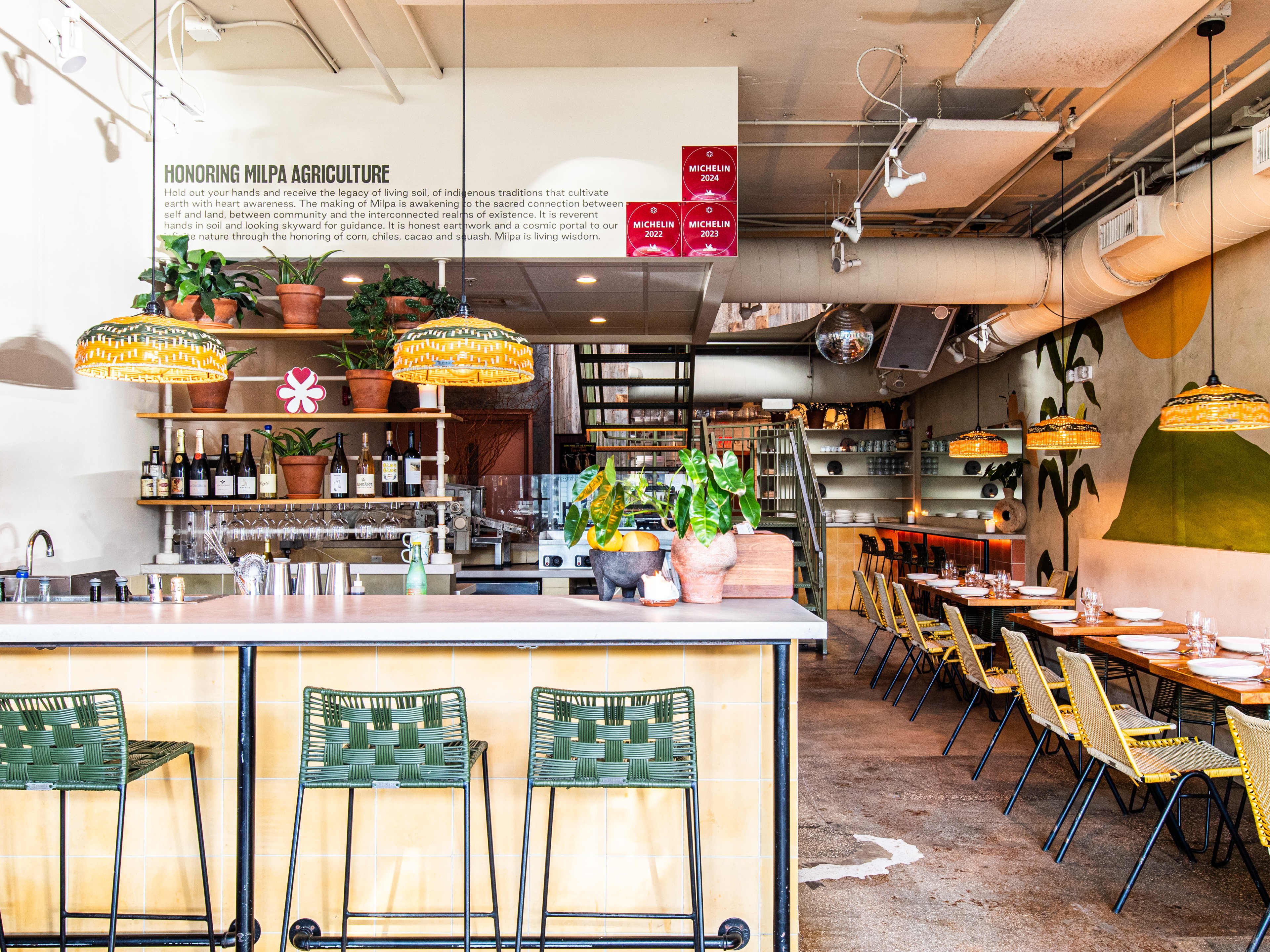
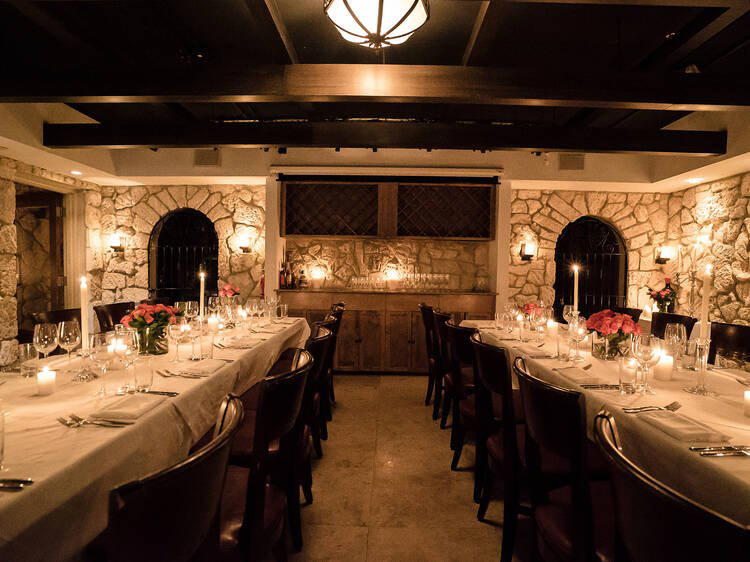
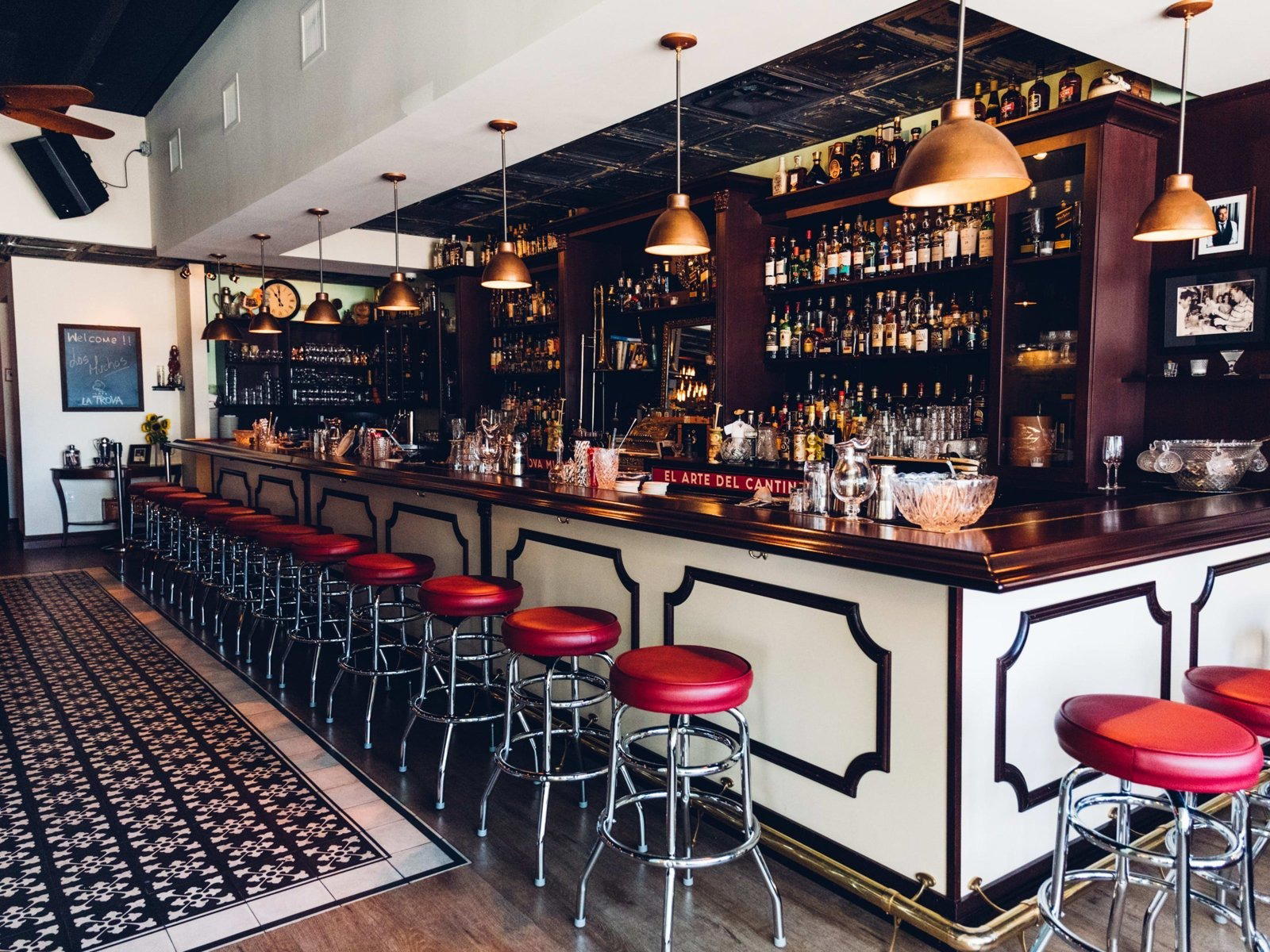
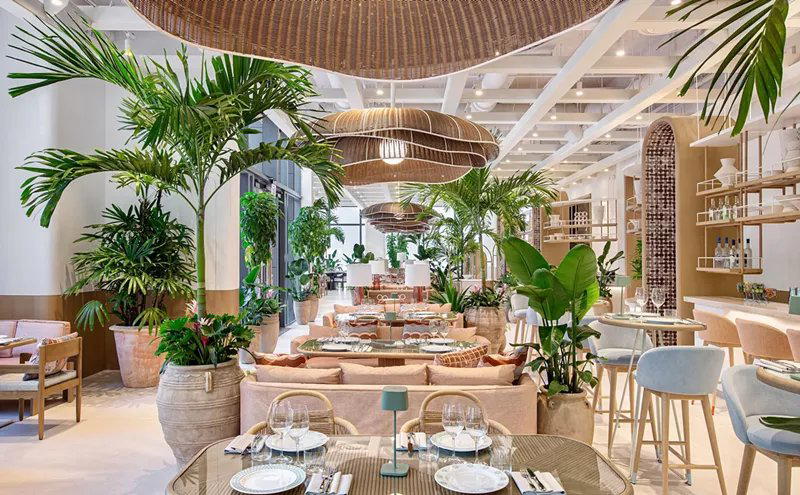
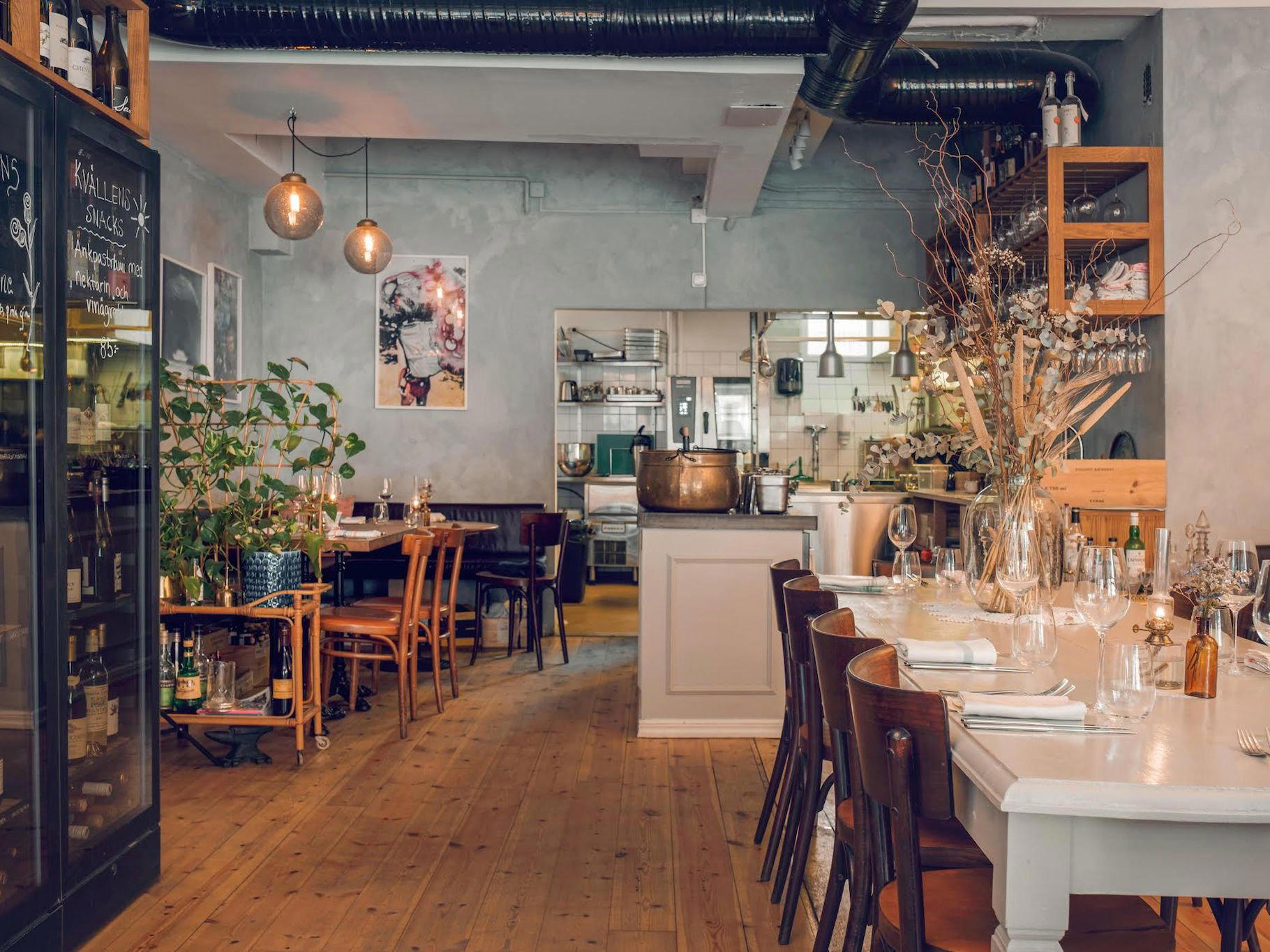
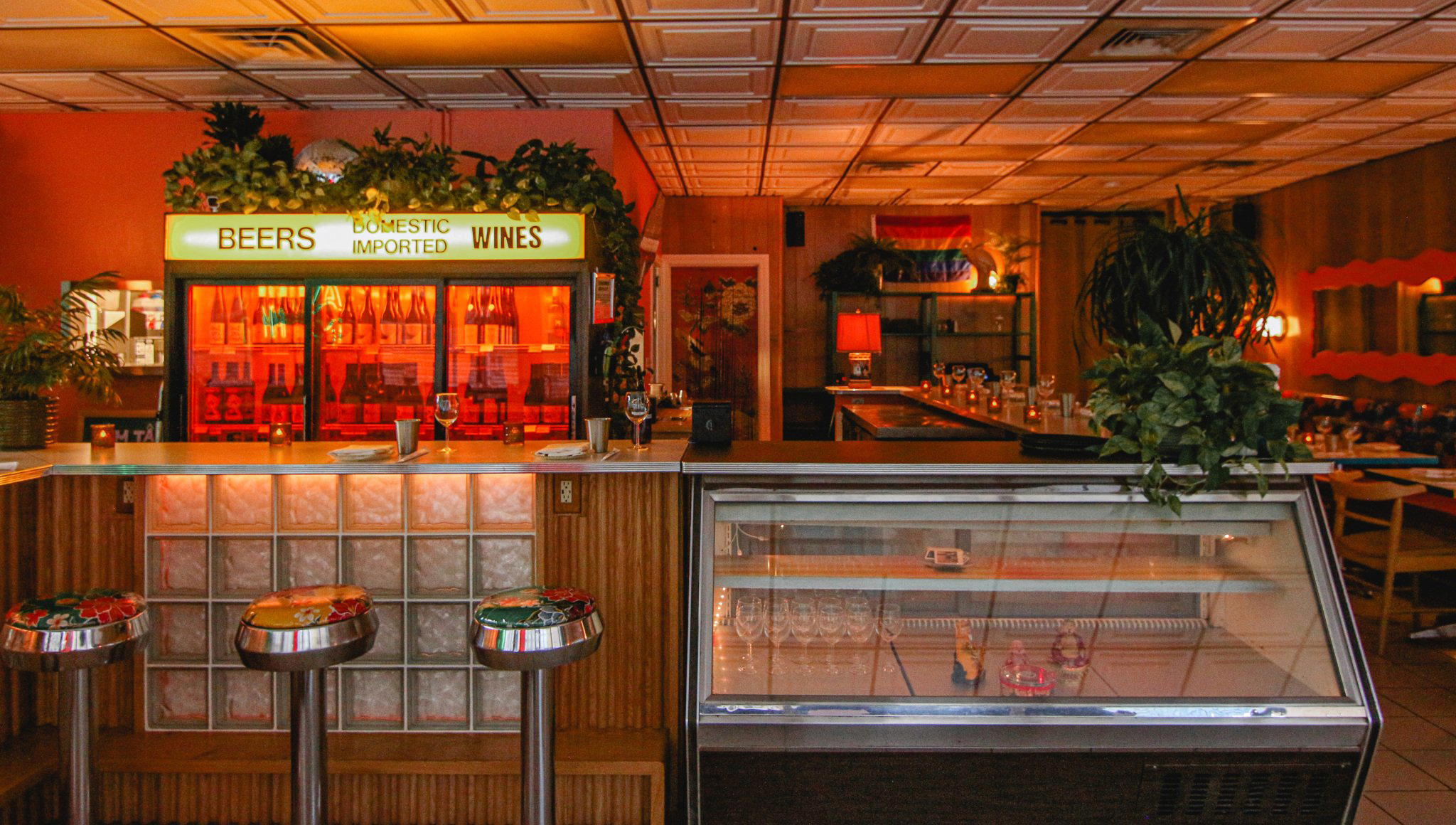
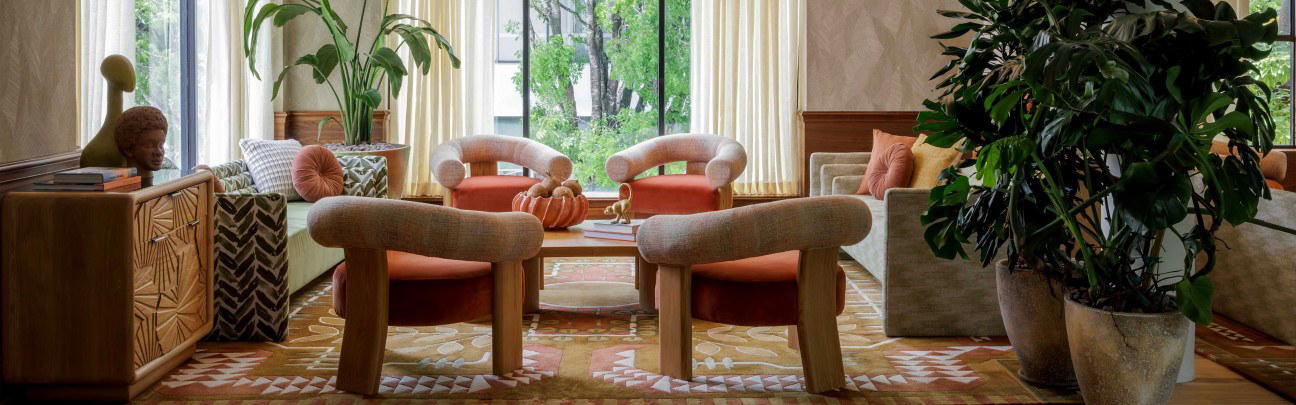
Refined and modern by day for quick meals, immersive cultural atmosphere by night with thoughtful design.
Know Before You Go
- Getting there
- 2770 SW 27th Ave ste 2, Miami, FL 33133