Aida
Our verdict
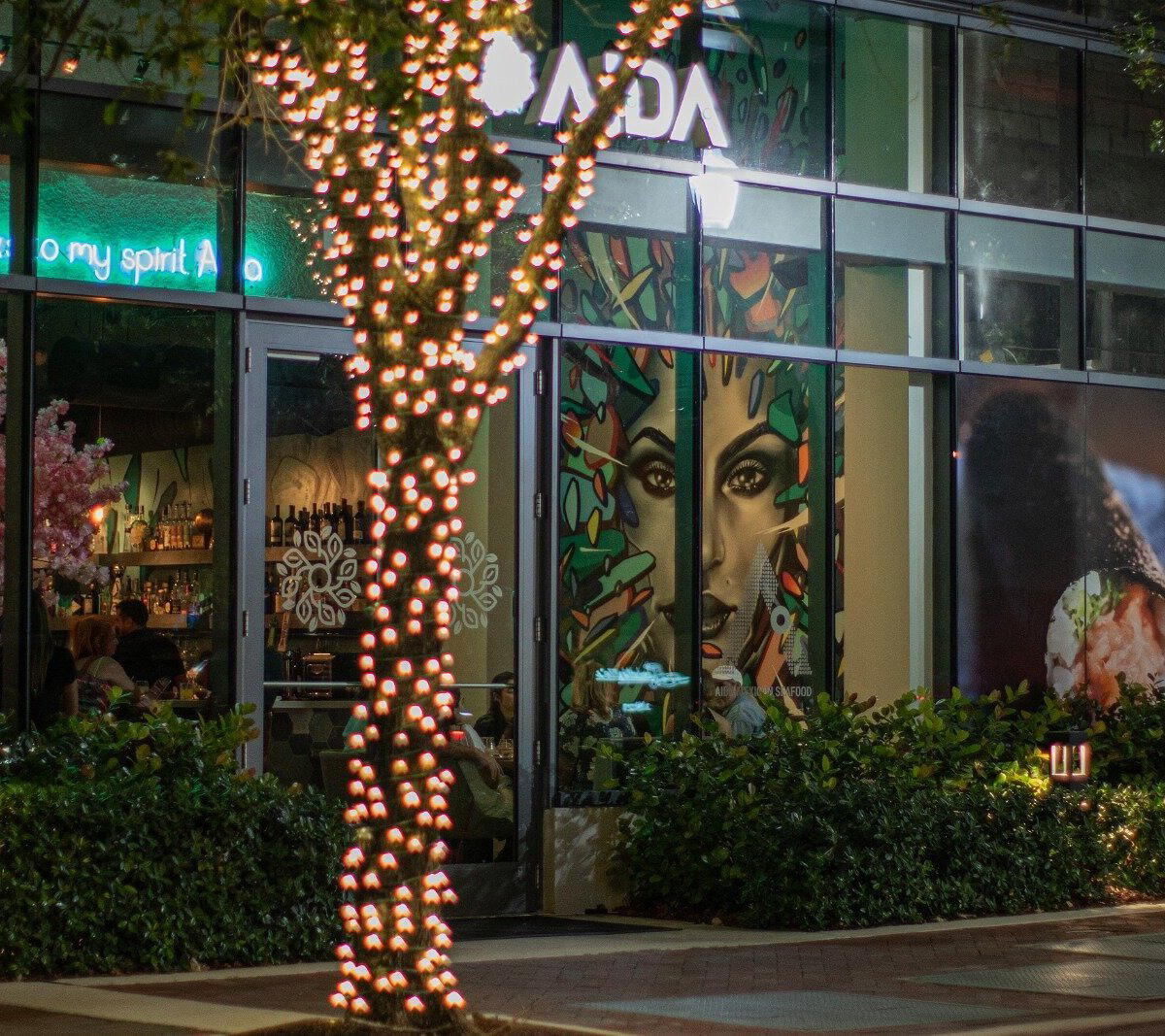
Aida occupies a Coconut Grove address at 3306 Mary St, placing it within one of Miami's most architecturally layered and food-serious neighbourhoods. The dining format and culinary identity position it in a tier of deliberate, progression-driven restaurants that reward advance planning. For visitors mapping a serious meal in Miami, Aida belongs in the same conversation as the city's most considered dining rooms.
The menu
What to order
- Whole red snapper
- Corn-crusted Chilean seabass
- Ceviche
- Fish tacos
- Lasagna azteca
Coconut Grove and the Case for Slower Dining
Miami's dining reputation leans hard on spectacle: waterfront terraces, name-brand imports, late-night energy. Coconut Grove operates at a different register. The neighbourhood's canopy streets and low-rise density have historically attracted a more settled crowd, and the restaurants that thrive here tend to favour craft over theatre. Aida, at 3306 Mary St, sits in that context — a Grove address that signals intent before the first course arrives.
Across American cities, a recognisable format has gained ground: restaurants where the meal is structured as a deliberate progression, each course building on or contrasting with the one before, pacing calibrated rather than left to the diner's instinct. You see this at Lazy Bear in San Francisco, at Smyth in Chicago, at Single Thread Farm in Healdsburg. The premise is that a meal with a narrative arc — quiet openings, a central momentum, a considered close, is more satisfying than a collection of individually strong dishes without connective logic. Aida belongs to that broader conversation in Miami.
Where Aida Sits in Miami's Serious-Dining Tier
Miami's premium restaurant tier has grown more varied in the past decade. The international import model, a name from New York or Paris planting a satellite, coexists with homegrown operations that have earned their own critical standing. L'Atelier de Joël Robuchon Miami represents the first category. Ariete and Boia De represent the second, locally rooted, press-recognised, and operating with a specificity that international satellites rarely manage. Aida reads closer to that second group: a Grove address, a focused operation, and the kind of positioning that suggests the room is built around a dining experience rather than a brand extension.
The comparison set also includes Cote Miami, which has established Korean steakhouse as a serious fine-dining format in the city, and ITAMAE, whose Peruvian-Japanese approach has made it one of the more distinctive voices in Miami's contemporary scene. Aida occupies a different lane, the progression-format, neighbourhood-anchored restaurant that competes less on cuisine category and more on the quality of the overall meal experience.
The Architecture of a Meal: How the Progression Works
The format that defines restaurants like Aida, and, at the higher end of the national spectrum, places like The French Laundry in Napa, Blue Hill at Stone Barns in Tarrytown, or Providence in Los Angeles, relies on sequencing logic. The early courses are typically lighter, more acidic, built to prime the palate rather than fill the stomach. A middle section carries the meal's weight: more complex preparations, protein-forward courses, the moments that stay with you after. The close tends toward sweetness or richness, a punctuation rather than a continuation.
What separates the better progression-format restaurants from merely ambitious ones is pace control and proportion. When the kitchen misjudges either, the meal tips into endurance rather than pleasure. The same challenge faces Addison in San Diego and The Inn at Little Washington, both multi-course operations where the evening's success depends as much on what is withheld as what is served. Miami's heat and energy create an additional variable: a format designed for measured, two-hour-plus dining has to earn the diner's patience in a city that doesn't naturally slow down.
The Coconut Grove location works in Aida's favour here. The neighbourhood's pace is inherently calmer than South Beach or Wynwood, making the deliberate, course-by-course format feel less at odds with its surroundings and more like a natural extension of them.
Miami in the National Context
For readers who track the national progression-format scene, Aida's Miami placement matters as a data point. The format has strong representation in New York (Atomix, Le Bernardin), Chicago, San Francisco, and the Napa-Sonoma corridor. Miami has historically been thinner in this category, strong on casual and mid-market Latin cooking, strong on hotel dining, weaker on the sustained, independent tasting-menu format. That gap has been narrowing, and Aida is part of that shift.
The international frame is worth noting too. Multi-course progression dining at the highest level, the kind practised at Atelier Moessmer Norbert Niederkofler in Brunico, treats each course as inseparable from local geography and season. Miami's subtropical sourcing calendar, with year-round access to tropical produce and Gulf seafood, gives a progression-format restaurant here a genuinely different palette than its counterparts in colder climates. A well-executed winter tasting menu in Miami can draw on ingredients that no Chicago or New York kitchen can source locally in January. That seasonal advantage, when a kitchen uses it deliberately, is what keeps a progression meal from feeling like a genre exercise and makes it feel like an argument for eating here specifically.
See our full Miami restaurants guide for broader coverage of how the city's dining scene is evolving across price tiers and neighbourhoods.
Planning Your Visit
Aida is at 3306 Mary St in Coconut Grove, a walkable neighbourhood with street parking and accessible via the Coconut Grove Metrorail station. For a progression-format restaurant at this level of positioning, booking several weeks in advance is standard practice; restaurants in this tier operating in smaller rooms often release tables in defined windows, and last-minute availability is uncommon outside of early-week slots. The Coconut Grove area rewards an evening approach: arrive before sunset, allow the meal to extend past two hours, and factor in the neighbourhood's relatively calm post-dinner energy compared to South Beach. If you are mapping a Miami dining itinerary across multiple nights, pairing Aida with a more casual Grove or Brickell option the following evening gives the meal its proper context rather than compressing it against similarly paced restaurants back-to-back.
Frequently asked questions
What dish is Aida famous for?
What the Grove address and restaurant positioning suggest is a kitchen oriented toward deliberate, progression-based dining rather than a single anchor dish. Readers planning a visit should confirm the current format and menu structure directly with the restaurant, as tasting-menu programs at this tier typically evolve seasonally.
How far ahead should I plan for Aida?
If Aida operates in the progression-format or tasting-menu tier that its positioning suggests, planning two to four weeks ahead is a reasonable baseline for weekend reservations. Miami's dining calendar is particularly compressed during Art Basel (early December) and the winter season running from November through April, when demand across the city's serious-dining tier tightens considerably. Early-week slots tend to carry more availability. Confirming booking method directly with the restaurant is advisable, as this tier in Miami increasingly uses reservation platforms with defined release windows rather than open phone booking.
Is Aida in Miami suited to a special-occasion dinner?
A Coconut Grove address, a format that rewards slow dining, and positioning alongside Miami's most deliberate restaurants collectively make Aida a reasonable candidate for a special-occasion meal. In the broader American context, progression-format restaurants in smaller, neighbourhood-anchored rooms, comparable in spirit to Emeril's in New Orleans as a city-defining dining destination, tend to perform well for milestone evenings precisely because the meal's structure provides its own ceremony. Confirming the current format and any group-booking policies in advance is recommended.
What It’s Closest To
A quick peer list to put this venue’s basics in context.
| Venue | Cuisine | Price | Awards | Notes |
|---|---|---|---|---|
| AidaThis venue — the venue you are viewing | Modern Mexican Seafood | Not listed | Not listed | Not listed |
| Cote Miami | Modern Korean Steakhouse with Table-Side BBQ | $150–200 | 1 Michelin Star · La Liste Top Restaurants | Korean Steakhouse, Korean |
| Ariete | Modern Cuban-American Fine Dining | $150–200 | 1 Michelin Star · Star Wine List | Modern American, Contemporary |
| Boia De | Modern Italian-Inspired | $50–100 | 1 Michelin Star · Star Wine List | Italian, Contemporary |
| Stubborn Seed | Modern American Fine Dining | $200–300 | 1 Michelin Star | Progressive American, Contemporary |
| Los Fuegos by Francis Mallmann | Argentinian Open-Fire Asado Steakhouse | $200–300 | Michelin Plate · Forbes 4-Star | Argentinian |
Continue exploring
More in Miami
Restaurants in Miami
All restaurants in Miami →
Bars in Miami
All bars in Miami →
Details
- Trendy
- Lively
- Elegant
- Date Night
- Casual Hangout
- Family
- Open Kitchen
- Craft Cocktails
- A La Carte
- Cocktails
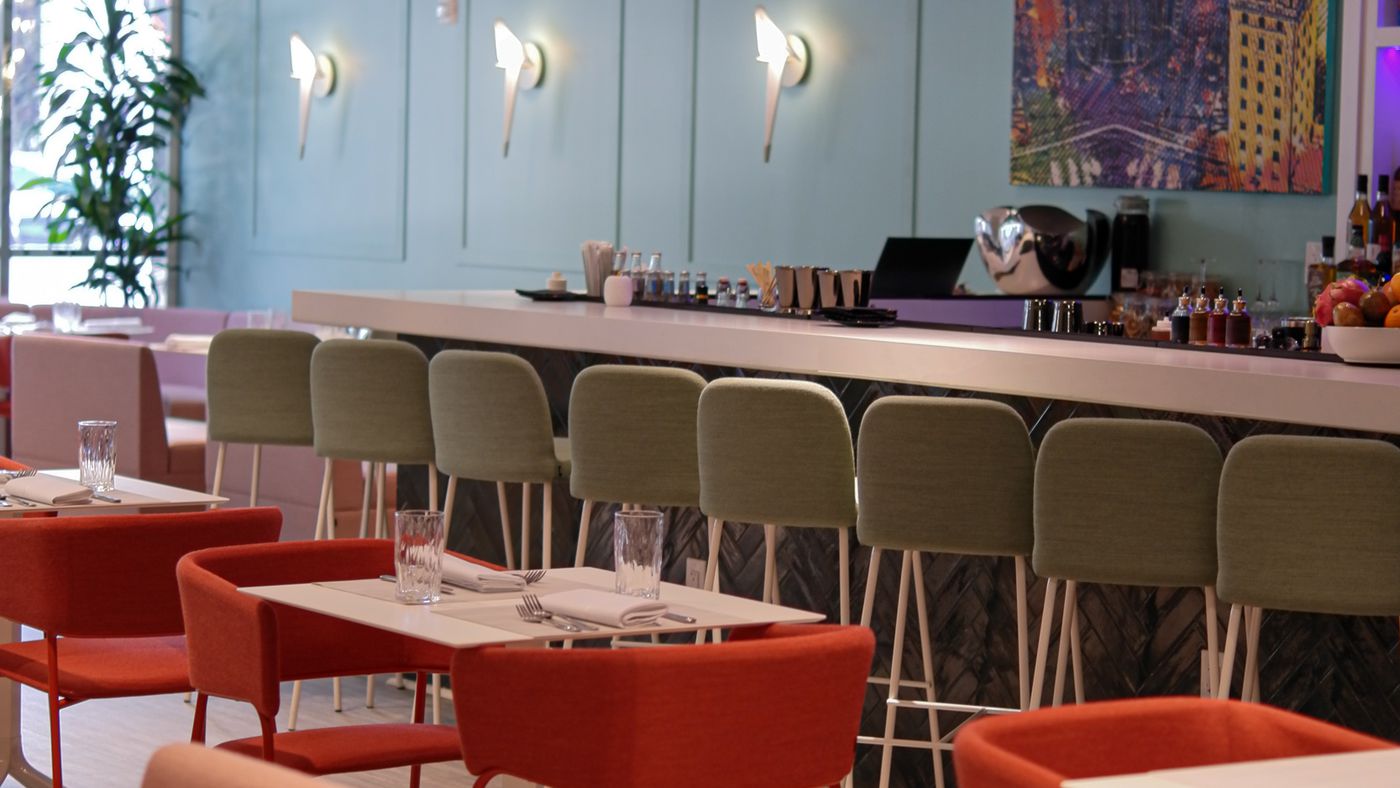
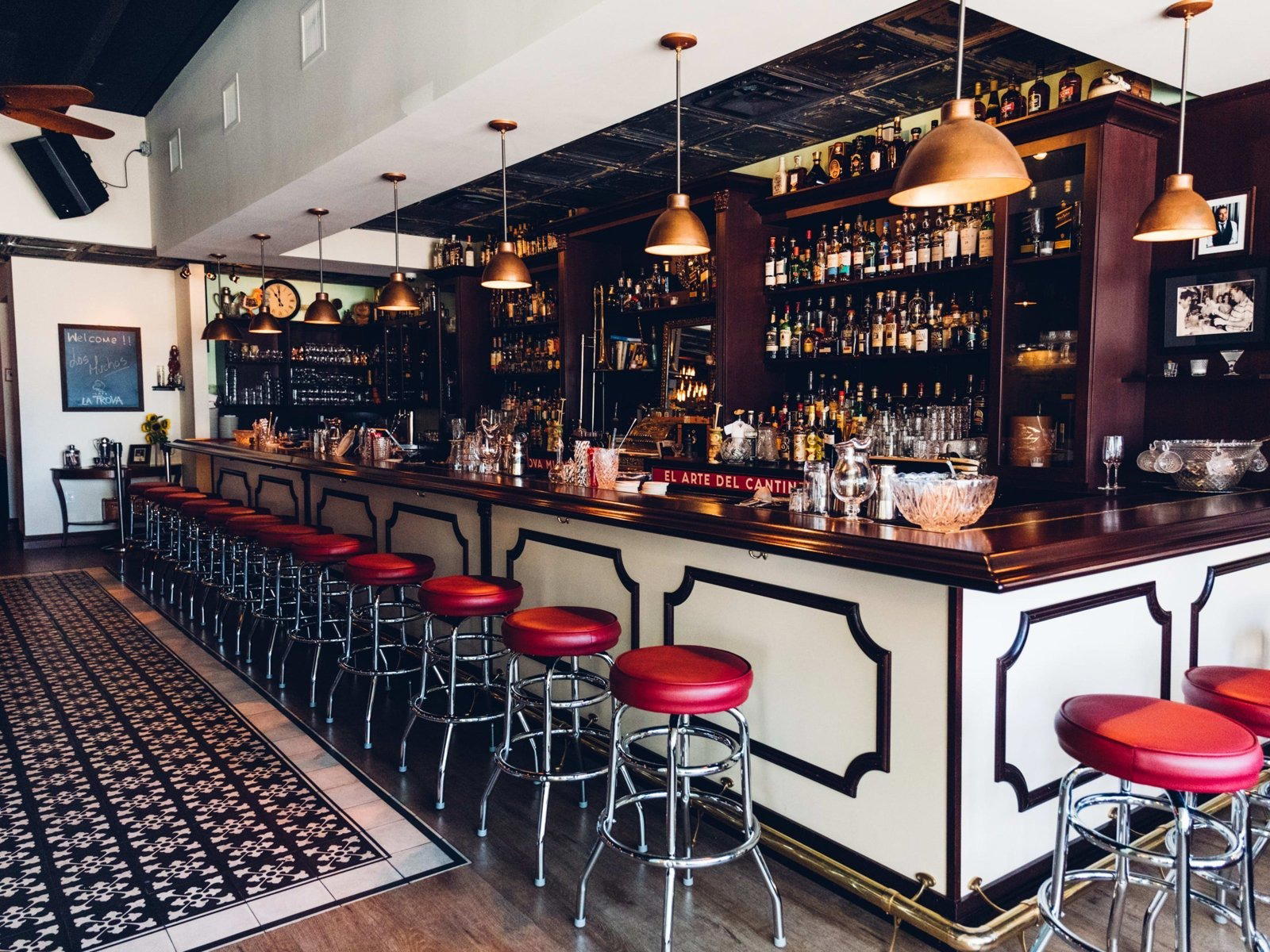
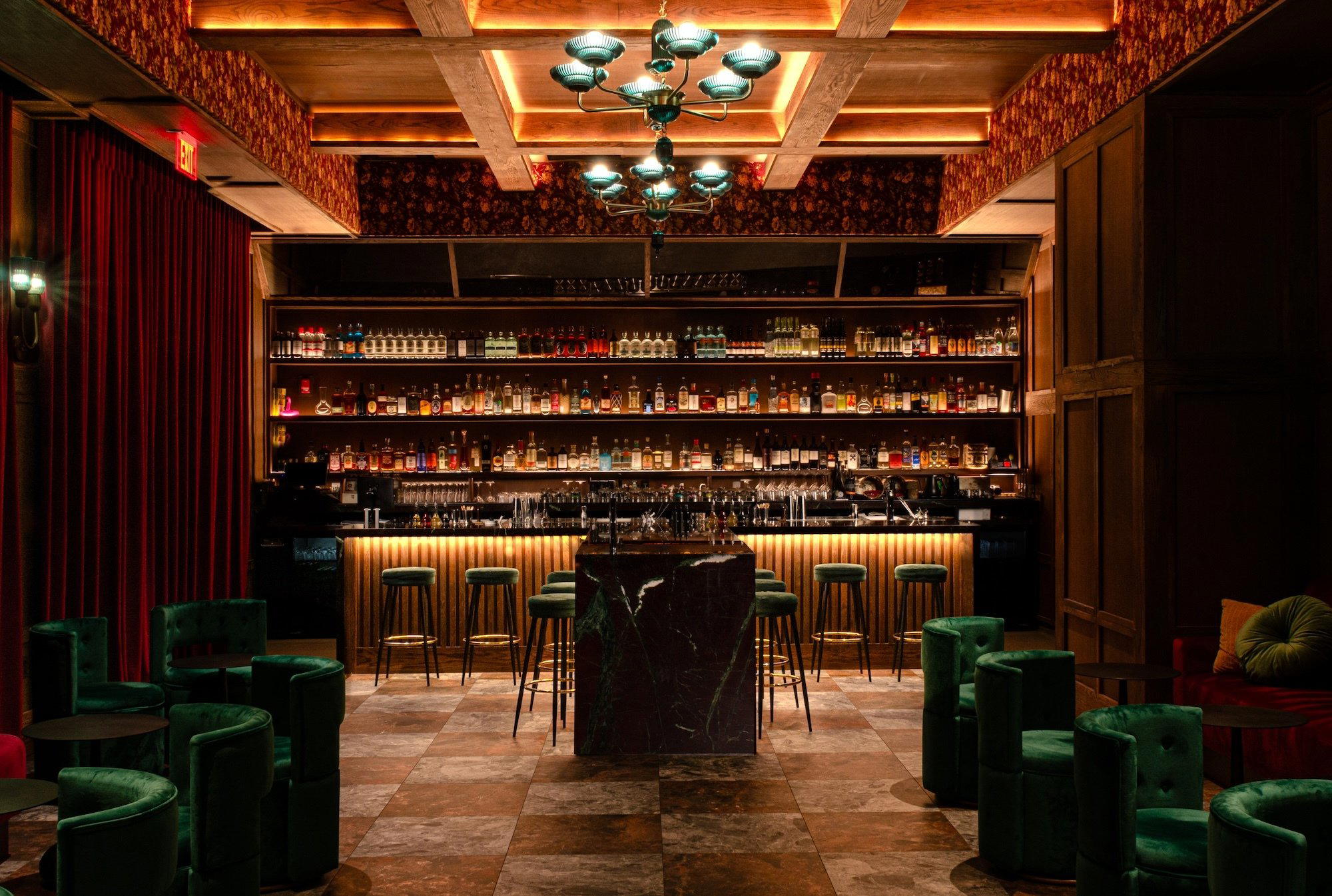
Relaxed atmosphere with artistic mural and lively Coconut Grove energy.