BAKAN
BAKAN occupies a converted space on NW 2nd Avenue in Wynwood, bringing Mexican cooking grounded in regional sourcing to a Miami neighbourhood better known for murals than serious cuisine. The kitchen draws on indigenous ingredients and preparation traditions that rarely surface in the city's broader Mexican restaurant scene, placing it in a distinct tier from the margarita-and-queso mainstream.
Pearl is the En Primeur Club membership app — saves, bookings, and concierge access live there. Same editors, same standards.
- Address
- 2801 NW 2nd Ave, Miami, FL 33127
- Phone
- +1 305 396 7080
- Website
- bakanwynwood.com
- Directions
- Get directions
 Saves & bookings on Pearl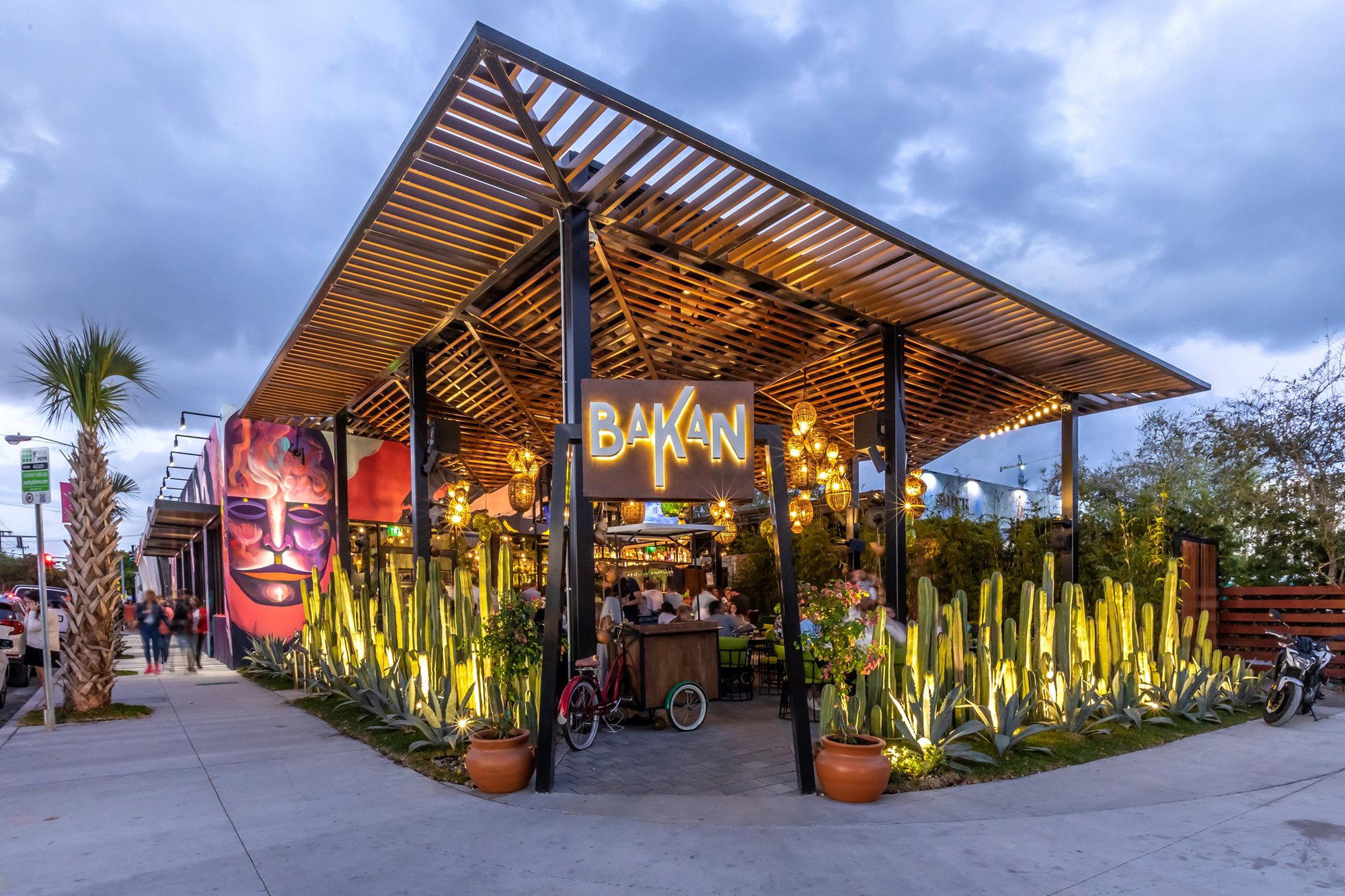
Wynwood's Mexican Counter-Argument
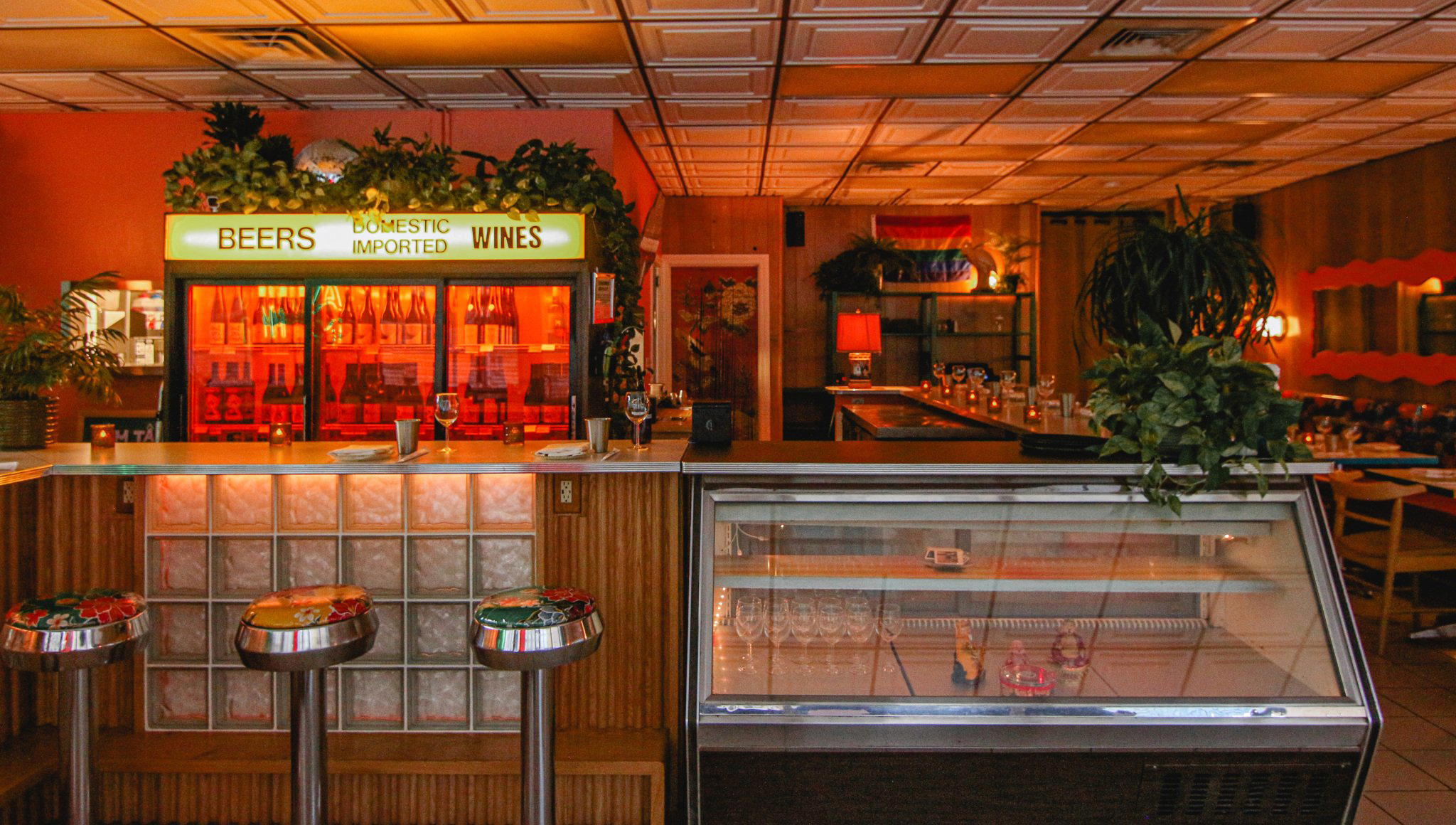
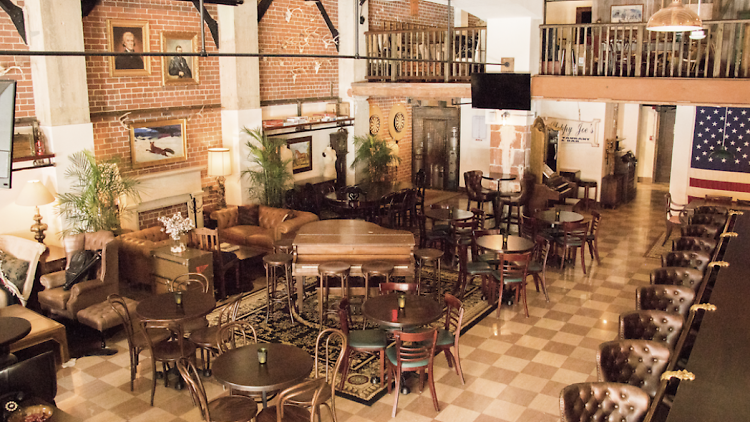
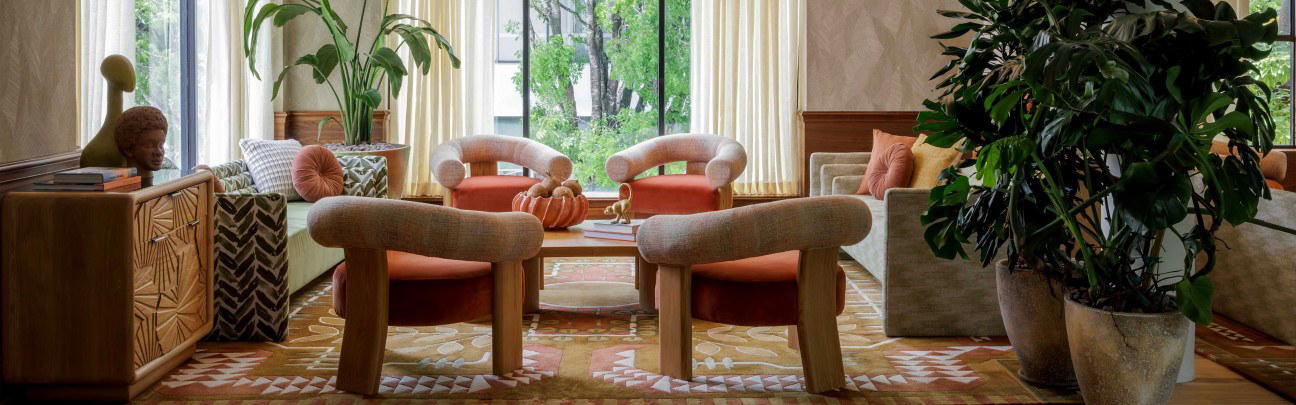
NW 2nd Avenue runs through the middle of Wynwood with the kind of restless energy that defines a neighbourhood still figuring out what it wants to be. Art galleries share blocks with production studios, pop-up retail, and a dining scene that has matured considerably since the area's wholesale arts-district reinvention. Within that context, BAKAN at 2801 NW 2nd Ave occupies a position worth examining: a Mexican restaurant that operates well outside the Tex-Mex or Americanised cantina formats that dominate Miami's broader market. The physical approach signals as much, the space reads as considered rather than casual, a design register that aligns with the editorial ambitions of the cooking rather than the transactional throughput of most Mexican dining in South Florida.
Where the Food Comes From, and Why That Changes Things
The ingredient sourcing argument sits at the centre of what separates serious Mexican kitchens from their imitators. Mexico's culinary geography is among the more varied in the Western Hemisphere: the corn diversity of Oaxaca alone encompasses hundreds of documented landrace varieties, each with distinct starch profiles and flavour registers that bear no resemblance to the commodity masa found in most North American restaurants. Chiles from Guerrero, herbs endemic to the Yucatán, dried fungi from the pine forests of Michoacán, these are not interchangeable with supermarket substitutes, and kitchens that source them operate in a fundamentally different register from those that don't.
BAKAN's positioning in Miami's Mexican scene connects to this broader shift in how ingredient provenance shapes perceived category. The restaurant is in Miami's Wynwood district and serves modern Mexican with regional specialties at a moderate price point. When a restaurant builds its menu around materials that require active procurement relationships with Mexican producers and importers rather than reliance on local broadline distributors, the menu itself becomes a reflection of sourcing discipline. That discipline is what places certain Mexican kitchens in the same conversation as farm-to-table formats in other cuisines, much as Blue Hill at Stone Barns in Tarrytown or Single Thread Farm in Healdsburg made ingredient origin the organising principle of their menus rather than an afterthought.
Miami's Mexican Restaurant Tier Problem
Miami's Mexican restaurant scene has historically lacked the regional depth found in cities like Los Angeles or Chicago, where large immigrant communities from Oaxaca, Jalisco, and Puebla created demand for geographically specific cooking. South Florida's Mexican population skews differently, and the restaurant infrastructure that developed around it reflects that. The result has been a market dominated by high-volume, low-specificity formats, sprawling menus of familiar dishes made with undifferentiated ingredients, aimed at a tourist and entertainment economy that prioritises familiarity over fidelity.
Against that background, BAKAN occupies a demonstrably different tier. Wynwood is a neighbourhood that has shown appetite for serious food, with the density of credentialed dining nearby providing context: Boia De on NE 2nd Ave has built a reputation for Italian cooking with genuine technical rigour, and Ariete in Coconut Grove has positioned itself at the serious end of the modern American spectrum. The emergence of restaurants like BAKAN represents a maturing of Miami's dining culture beyond its beach-and-steakhouse comfort zone. For comparison, ITAMAE has made a comparable argument for Peruvian cooking in Miami, that the city can sustain cuisine-specific restaurants built around sourcing intelligence rather than category recognition alone.
The Broader Conversation About Indigenous Ingredients
The sourcing argument for serious Mexican cooking connects to a wider movement in American dining. Chefs working in this tradition operate with a closer parallel to what Smyth in Chicago does with its hyper-local procurement or what Providence in Los Angeles demonstrates through its relationships with sustainable seafood suppliers: the supply chain is part of the editorial statement. In Mexican cooking specifically, that means engaging with the milpa agricultural system, with traditional nixtamalisation processes, and with the dried chile and mole ingredient categories that require expertise and access to execute with any fidelity.
The nixtamalisation question is particularly instructive. Masa made from properly nixtamalised heirloom corn, cooked with lime, rested, ground to order, produces tortillas and tamales with a flavour complexity and texture that mass-produced equivalents cannot approximate. Restaurants that operate at this level are making a capital investment in process as well as ingredient, and the menu pricing and format tend to reflect that. It is the same logic that separates the tasting menu format at The French Laundry in Napa or Addison in San Diego from mid-market French or continental cooking, the gap is in sourcing depth and technical commitment, not simply in room decor or portion size.
Positioning Within Miami's Broader Scene
Miami's serious restaurant tier has expanded considerably in recent years, with formats like Cote Miami establishing that the city can sustain Korean steakhouse concepts at a $$$ price point, and L'Atelier de Joël Robuchon Miami demonstrating appetite for formal French tasting formats. BAKAN operates within this context, a restaurant making a specific, ingredient-led argument in a city that increasingly has the dining culture to receive it.
For readers calibrating where BAKAN fits against American restaurants in the ingredient-provenance conversation more broadly, the relevant comparable set includes sourcing-led formats like Lazy Bear in San Francisco and Emeril's in New Orleans, which have each built credibility through sustained focus on a particular ingredient tradition. At the far end of that spectrum, the kind of farm-integration discipline seen at Atelier Moessmer Norbert Niederkofler in Brunico or Atomix in New York City represents what full commitment to sourcing philosophy looks like at the highest tier. BAKAN operates in a different price bracket and format, but the intellectual argument, that cuisine cannot be authentic without ingredient authenticity, runs through all of them.
Planning a Visit
BAKAN sits on NW 2nd Ave in Wynwood, walkable from the main gallery district and accessible by ride-share from most central Miami and Miami Beach locations. The neighbourhood is dense enough with dining options that an evening in Wynwood can begin or end at several of the addresses featured in our full Miami restaurants guide.
How It Stacks Up
Comparable venues nearby, for context on price, style, and recognition.
| Venue | Cuisine | Price | Notes |
|---|---|---|---|
| BAKANThis venue — the venue you are viewing | Modern Mexican with Regional Specialties | $$ | Not listed |
| Canta Corazón | Immersive Mexican Saloon & Nightlife | $$$ | Wynwood |
| Flora | Latin Plant-Powered | $$ | Morningside |
| Soya e Pomodoro | Authentic Southern Italian Trattoria | $$ | Miami Jewelry District |
| Sandwich Miami Brickell | French-Inspired Sandwiches | $$ | Miami Riverwalk |
| Miami Slice | Pizza | Not listed | Miami |
Continue exploring
More in Miami
Restaurants in Miami
Browse all →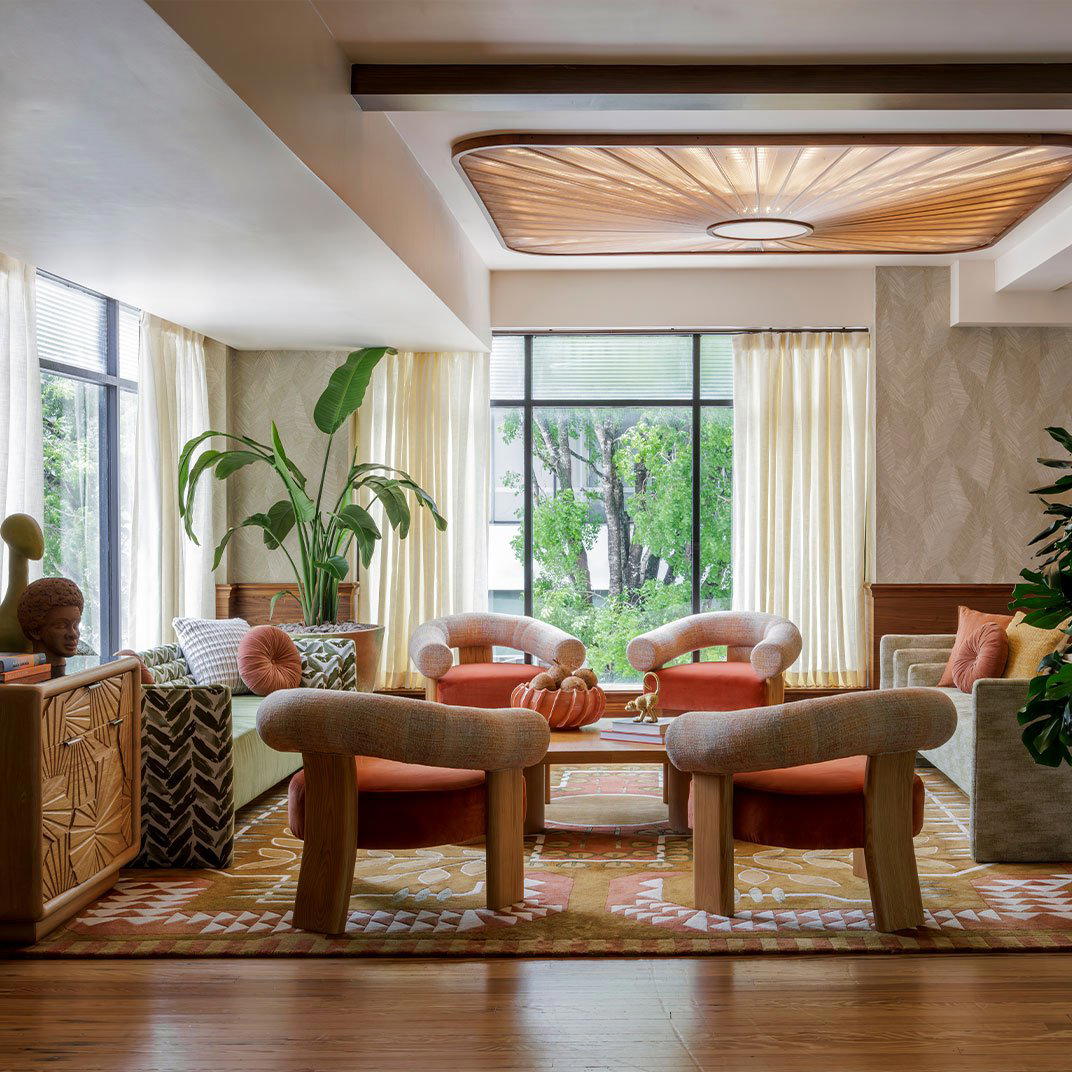

At a Glance
- Lively
- Modern
- Bohemian
- Trendy
- Casual Hangout
- Group Dining
- Date Night
- Open Kitchen
- Design Destination
- Terrace
- Extensive Wine List
- Craft Cocktails
- Organic
- Local Sourcing
Current opening hours
- Monday
- 12–11 PM
- Tuesday
- 12–11 PM
- Wednesday
- 12–11 PM
- Thursday
- 12 PM–2 AM
- Friday
- 12 PM–2 AM
- Saturday
- 12 PM–2 AM
- Sunday
- 12–11 PM
Hours can change for holidays and private events. Last verified .
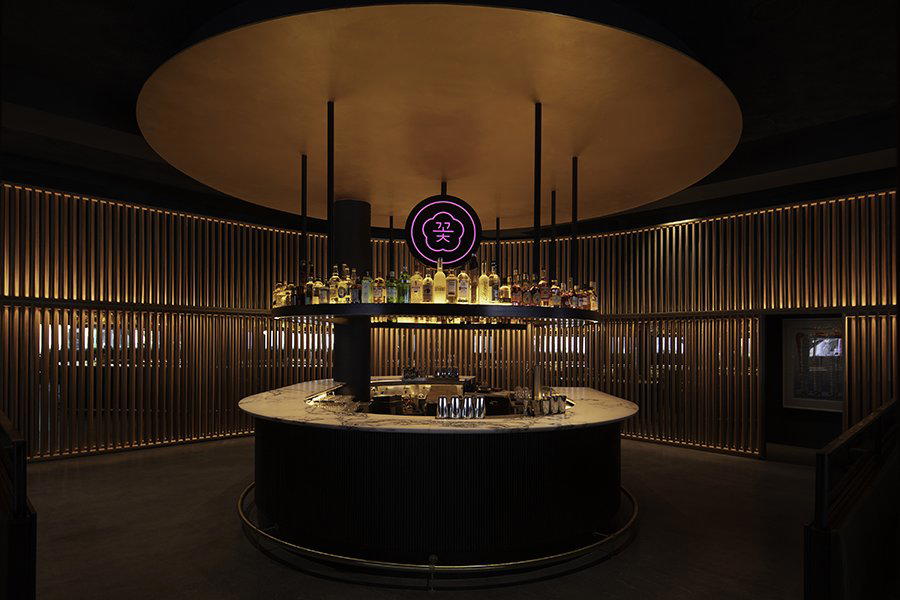
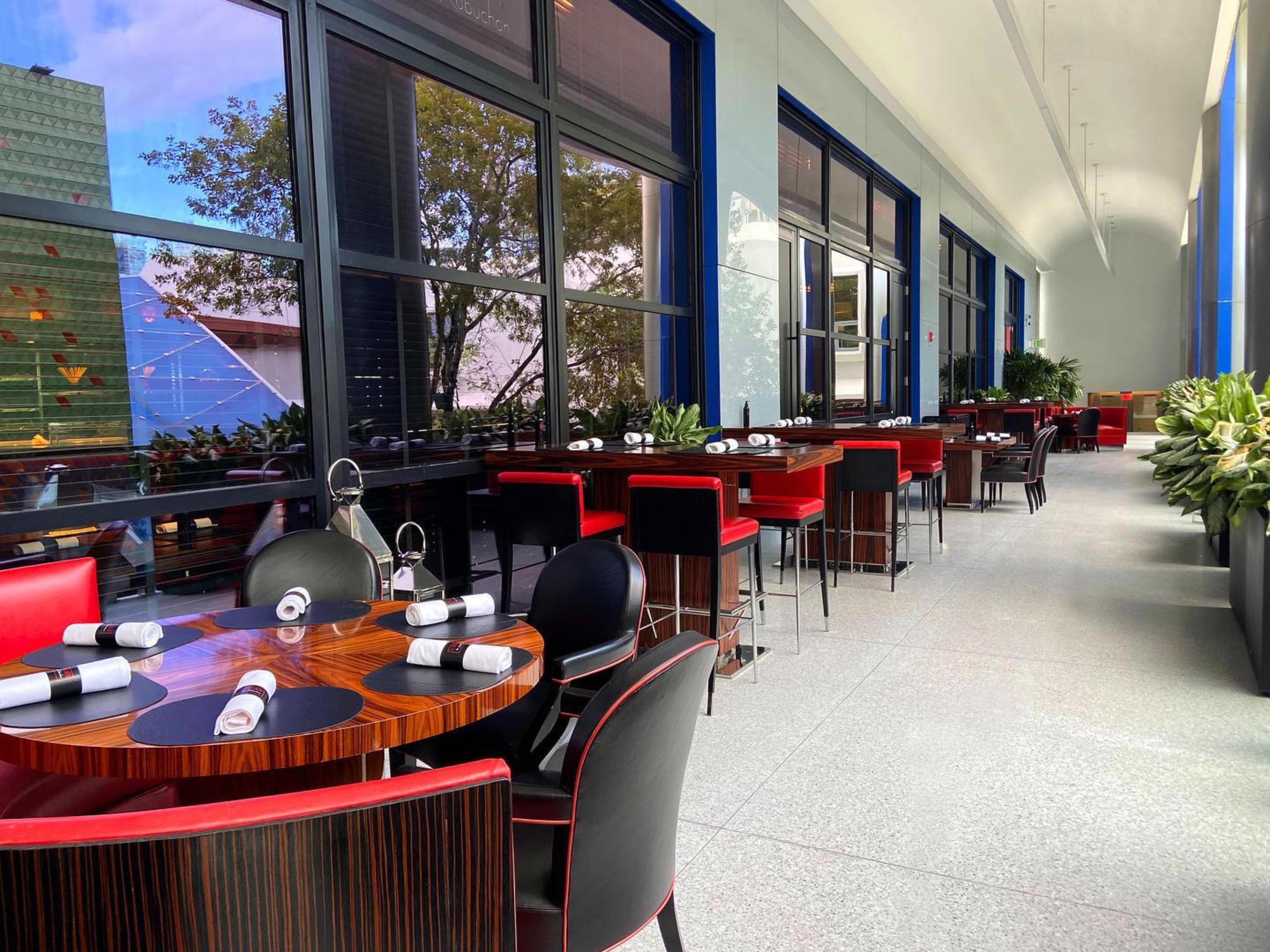
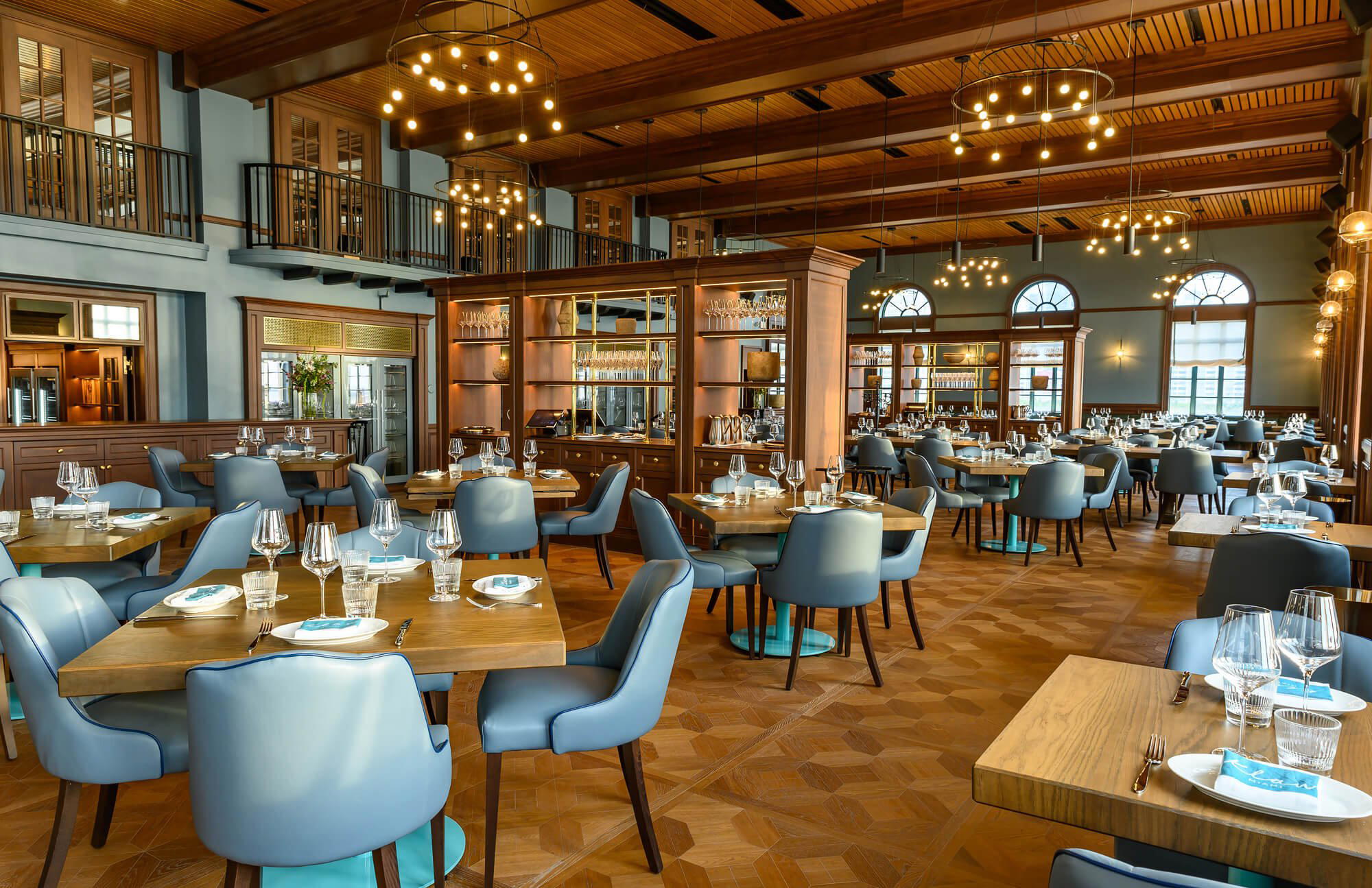
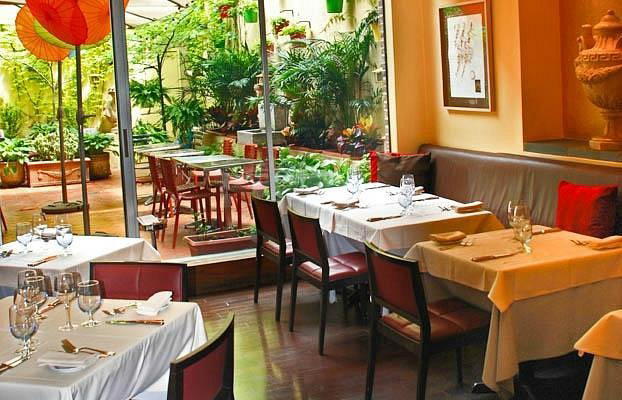
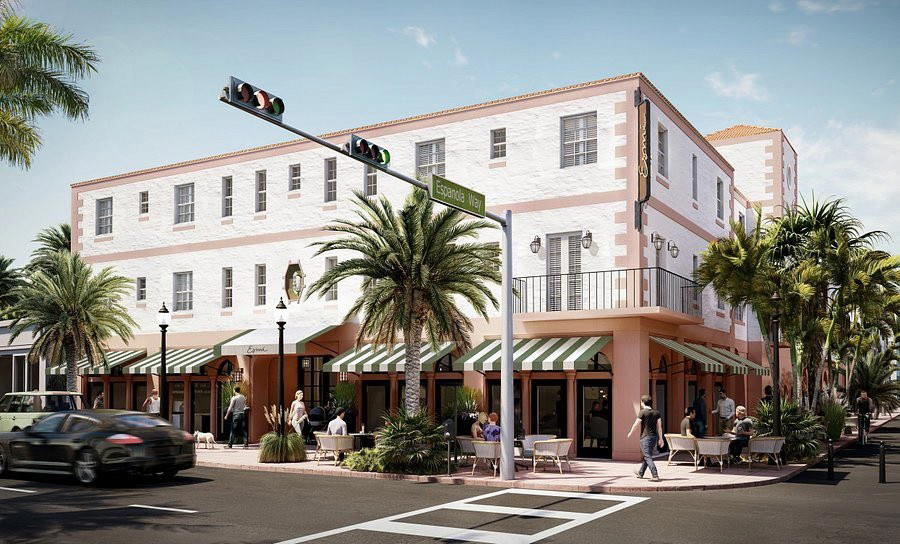
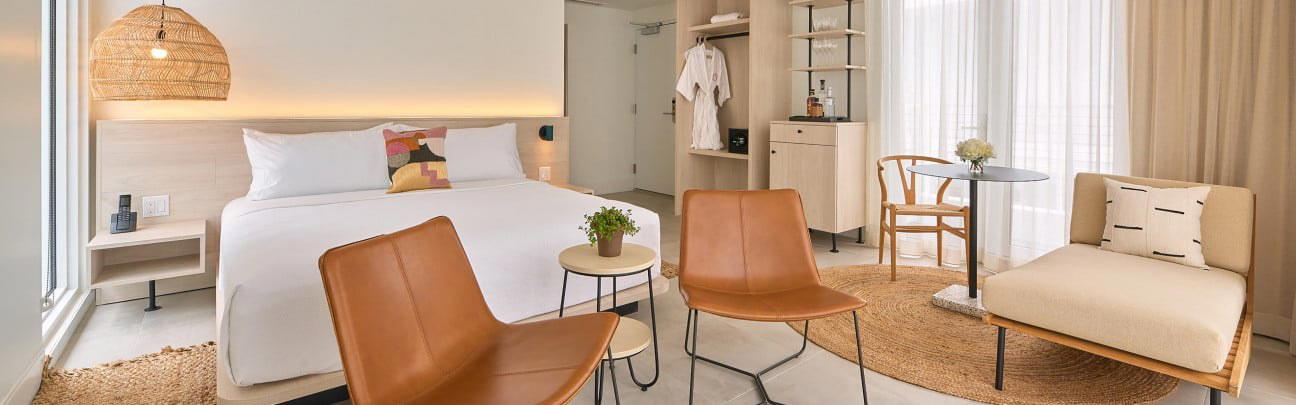
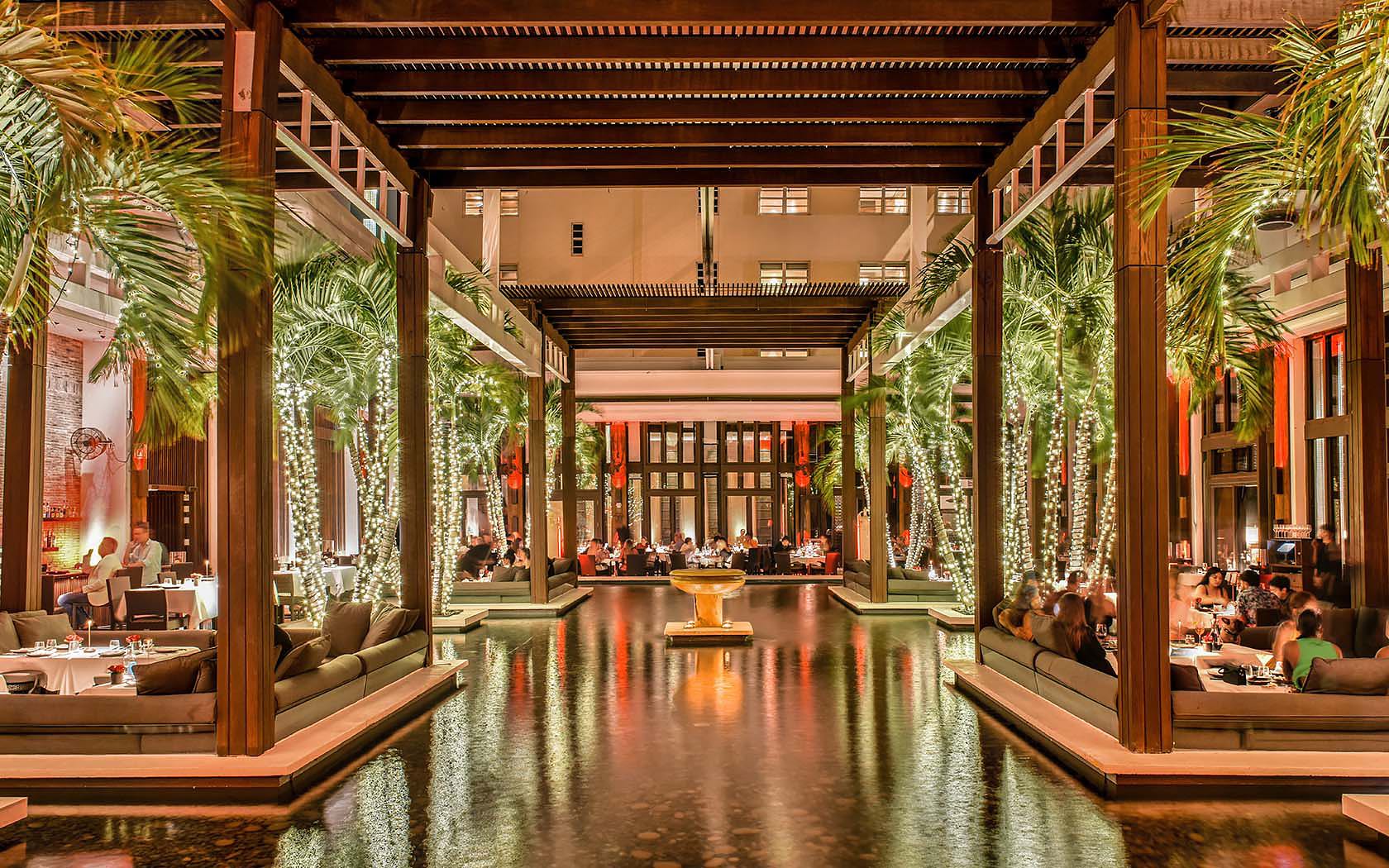
Bright, warm, and earthy aesthetic with large decorative cacti, hanging basket lanterns, and a tropical vibe; indoor-outdoor space with colorful, artistic design elements reflecting Wynwood's creative neighborhood character.