Alter
Alter occupies a converted warehouse space in Miami's Wynwood district, where the exposed-structure interior and locally-sourced progressive menu have placed it among the city's most critically recognised fine-dining addresses. The restaurant draws comparison to farm-driven tasting-menu programs at properties like Blue Hill at Stone Barns and Single Thread, but grounds its approach firmly in South Florida's seasonal produce and cultural crosscurrents.
Pearl is the En Primeur Club membership app — saves, bookings, and concierge access live there. Same editors, same standards.
- Address
- 223 NW 23rd St, Miami, FL 33127
- Phone
- +1 305 573 5996
- Website
- altermiami.com
- Directions
- Get directions
 Saves & bookings on Pearl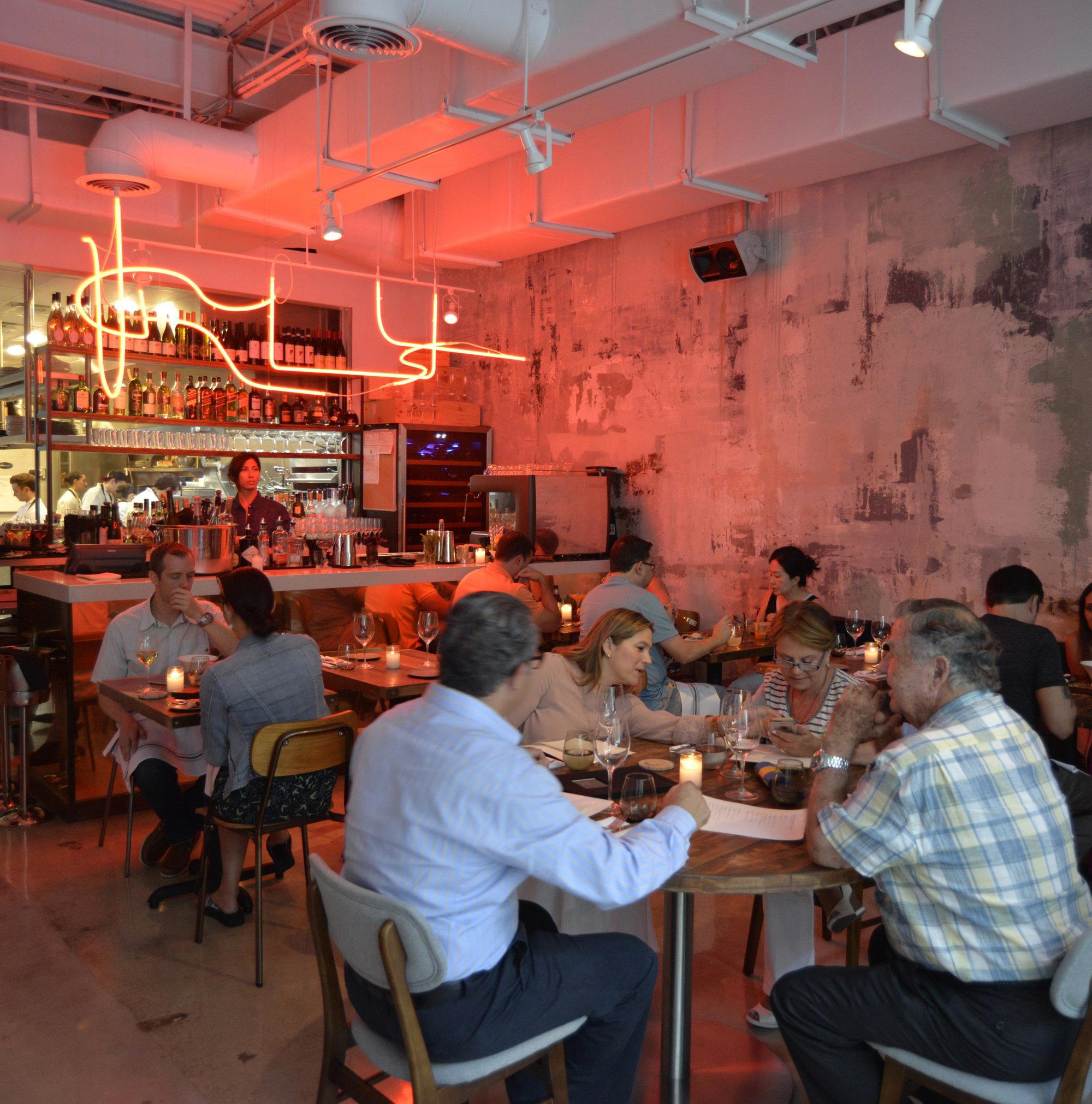
A Warehouse That Became a Dining Room
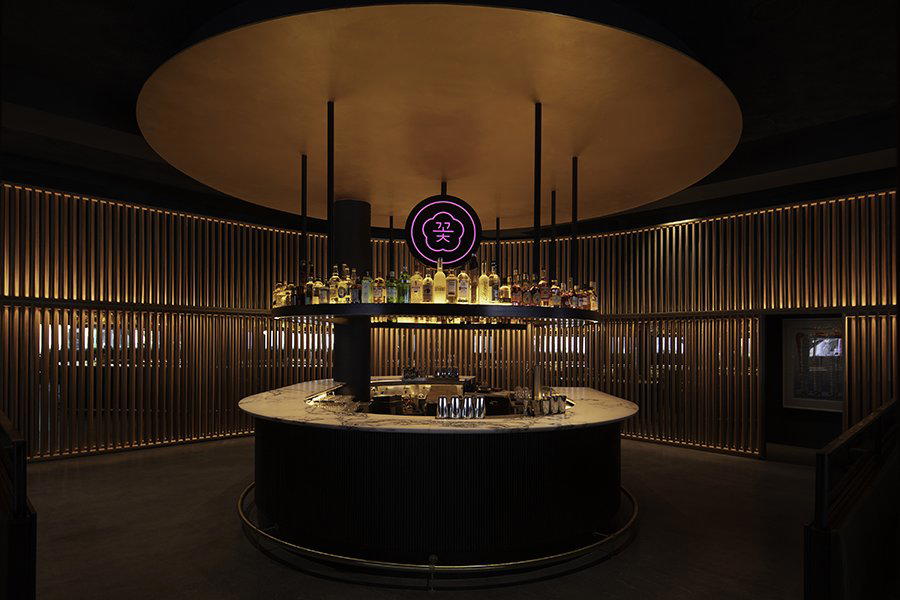
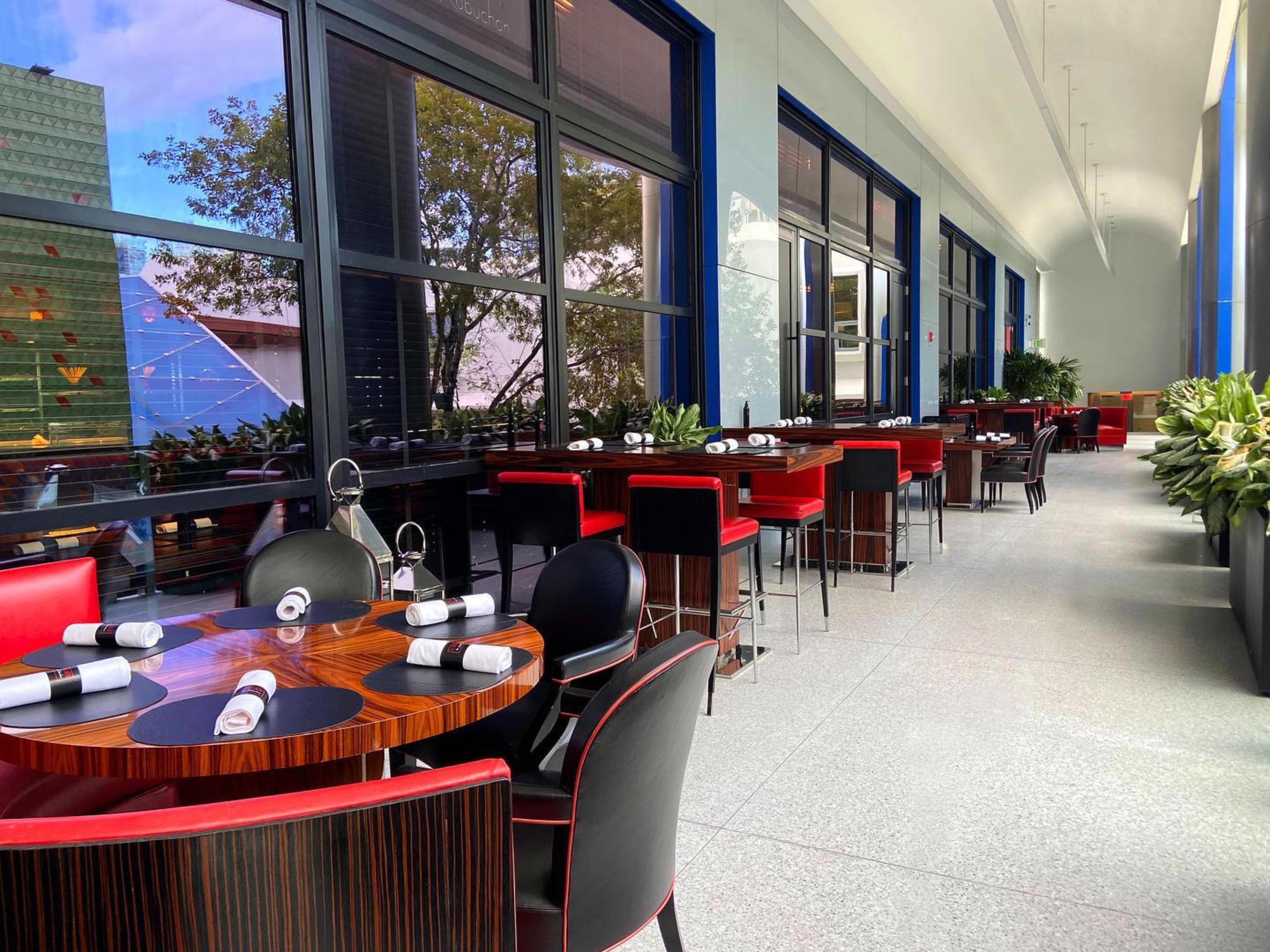
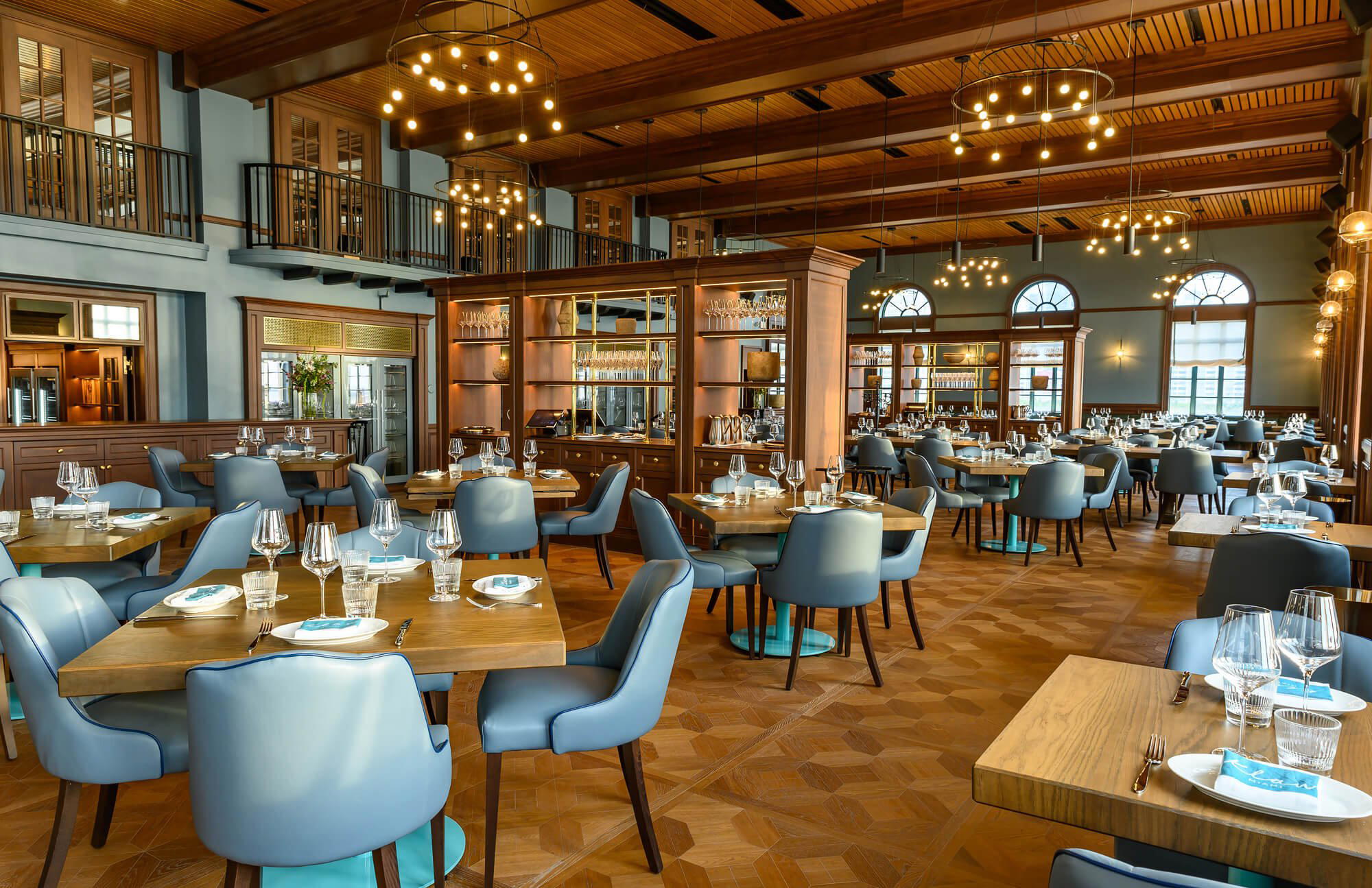
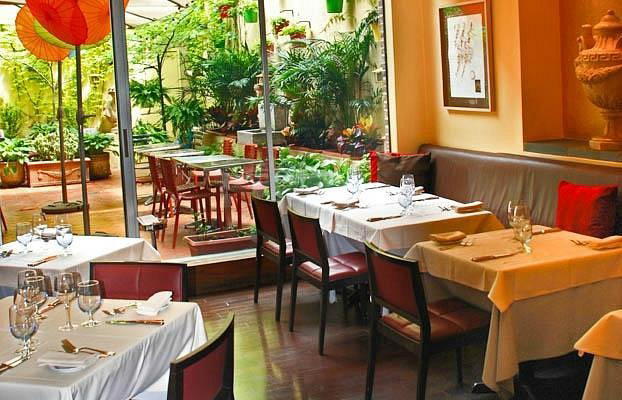
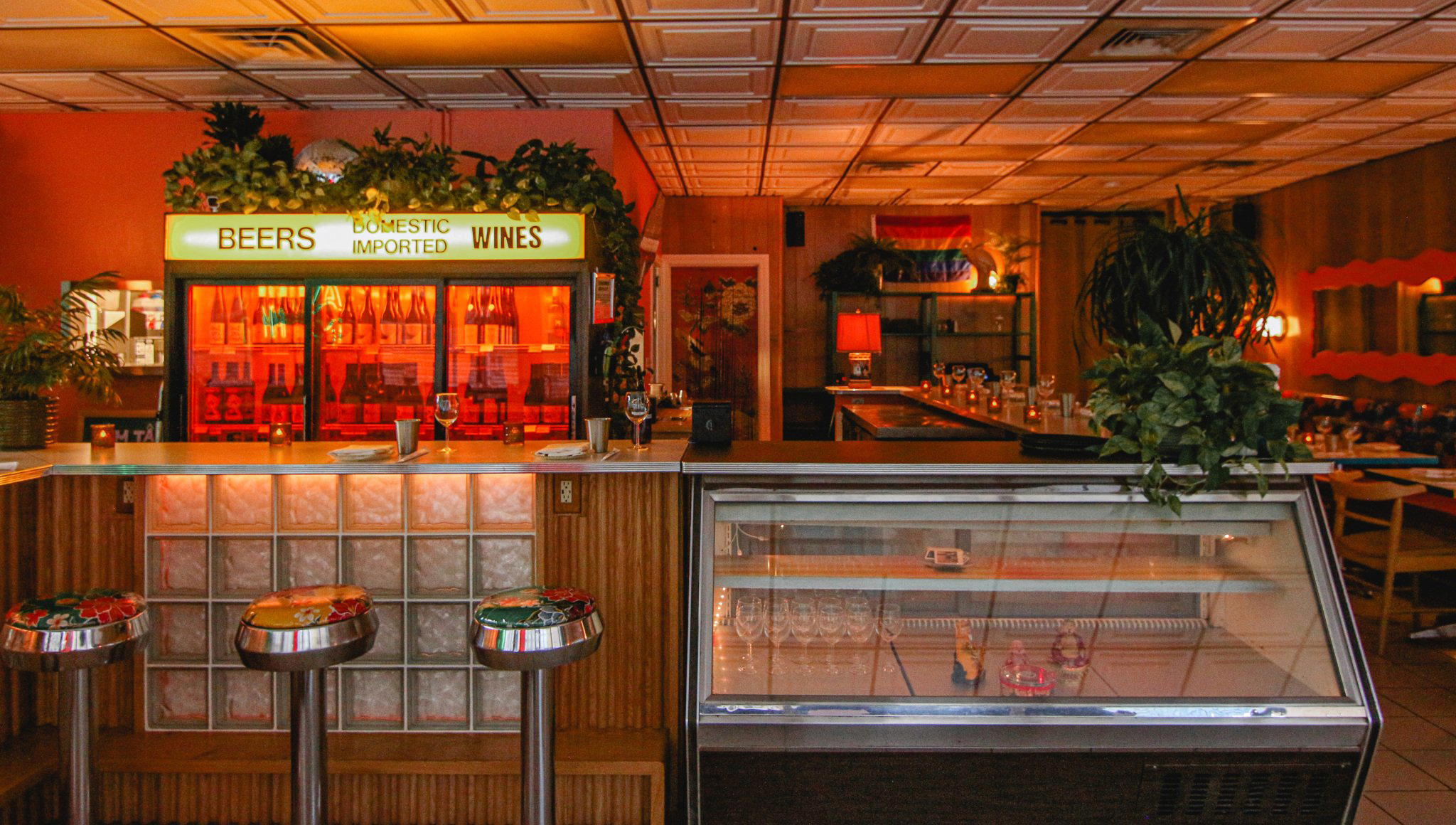
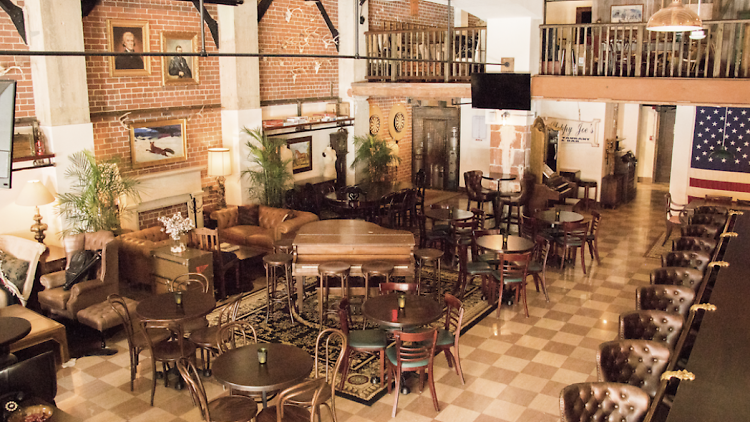
Wynwood's transformation from a storage and light-industrial corridor into Miami's most architecturally distinct neighbourhood took roughly a decade, and the restaurants that arrived in that window carry the neighbourhood's character with them. Alter, at 223 NW 23rd St, is a clear product of that transition: the space retains the raw structural envelope of its warehouse origins while layering in deliberate, restrained material choices. Exposed ceilings, hard surfaces, and open sightlines define the container, and that container shapes the entire dining register before a single plate arrives.
Miami's fine-dining addresses have historically clustered in hotel lobbies and South Beach corridors, where the architecture is imported rather than found. A restaurant that occupies an industrial shell in a working-class-turned-art district makes a different proposition: the building is not neutral scenery but an argument about where serious food belongs in this city. Alter's positioning inside Wynwood places it alongside neighbourhood-rooted projects like Ariete and Boia De, both of which have similarly resisted the gravitational pull of the resort corridor in favour of residential and arts-district addresses.
The Interior as Editorial Statement
The spatial logic of a converted warehouse imposes its own discipline on a dining room. There is no low-lit corridor to slow the entrance, no cascading floral arrangement to soften the transition from street to table. At Alter, the arrival is immediate and unmediated: the room presents itself at once, and the material palette does the atmospheric work that ornament would do in a more conventional setting. Hard edges, high ceilings, and a considered absence of excess are not signs of a pared-back budget but of a deliberate formal choice, one that aligns the physical space with the culinary philosophy operating inside it.
This design approach places Alter in a recognisable American tier of chef-driven tasting-menu restaurants that treat the dining room as an honest frame rather than a gilded one. The comparison set here reaches beyond Miami: farm-driven, produce-led programs at places like Blue Hill at Stone Barns in Tarrytown or Single Thread Farm in Healdsburg have similarly grounded their interior atmospheres in materials and structures that reinforce the sourcing story being told on the plate. Alter applies a Miami-specific version of that logic, where the sourcing story runs through South Florida's farms, fisheries, and the city's layered immigrant food cultures.
Miami's Progressive Fine-Dining Tier
To understand Alter's position in Miami, it helps to understand the shape of the city's fine-dining market. At the summit of the price bracket, hotel-anchored imports like L'Atelier de Joël Robuchon Miami operate on a different economic logic, with brand recognition and real estate doing much of the positioning work. Below that tier, a smaller set of independently operated tasting-menu restaurants compete on culinary specificity, sourcing depth, and critical recognition. Alter has occupied that middle-to-upper band, drawing attention from national food media and establishing itself as a reference point for place-specific cooking in South Florida.
The comparable set within Miami is worth mapping. Cote Miami operates in the high-end steakhouse format with Korean inflections, while ITAMAE concentrates on Peruvian-Japanese technique. Alter's territory is different: a progressive American tasting menu that draws on local agriculture and the biodiversity of South Florida's growing regions. That focus gives it a competitive position closer to what Smyth occupies in Chicago or what Providence holds in Los Angeles, restaurants where the menu is anchored in a specific geography and changes to reflect what that geography produces across the year.
Nationally, the tasting-menu format Alter operates within is well-populated with serious addresses. Le Bernardin in New York and The French Laundry in Napa anchor the highest formal tier. More relevant comparators for Alter's approach are restaurants like Lazy Bear in San Francisco and Addison in San Diego, where a strong regional identity and consistent critical recognition define the offer without the insulation of a hotel parent company. Atomix in New York demonstrates what sustained awards attention can do for a restaurant of comparable format and ambition. Internationally, the farm-to-table, local-sourcing commitment Alter embodies finds a European analogue in projects like Atelier Moessmer Norbert Niederkofler in Brunico, where regional produce and indigenous technique are treated as primary creative materials.
What the Menu Signals
Progressive American tasting menus in the Alter format work from a specific set of assumptions: the menu changes frequently, often seasonally or in response to what is available from named suppliers; the format is multi-course and structured; and the culinary reference points span American cooking traditions without being constrained by any single one. South Florida offers an unusually rich sourcing environment for this kind of program: the growing season is year-round, the proximity to Caribbean and Latin agricultural traditions opens ingredient possibilities unavailable in northern markets, and the surrounding waters provide seafood that doesn't appear on menus in Chicago or Seattle.
That sourcing breadth is what gives Alter's format genuine local specificity rather than generic tasting-menu ambition. Restaurants operating in a similar mode nationally, such as Emeril's in New Orleans and The Inn at Little Washington in Virginia, demonstrate that the strongest American fine-dining addresses are those that have found the discipline to cook from where they are rather than toward where the European canon points. Alter has made that argument consistently, and the critical recognition it has received reflects the clarity of that position.
Planning Your Visit
Alter's Wynwood address, at 223 NW 23rd St, sits in a neighbourhood where parking is available in the surrounding blocks and rideshare drop-off is direct. The restaurant operates at the tasting-menu price point consistent with its comparable set in the Miami progressive fine-dining tier, which means advance reservation planning is advisable; this format and recognition level typically runs bookings several weeks out. Specific hours are Wednesday and Thursday from 6 PM to midnight, Friday and Saturday from 6 PM to 3 AM, and Sunday from 6 PM to 1 AM. Dress expectations align with the space: the industrial-warehouse interior sets an atmosphere that is formal in culinary intention but not in sartorial prescription.
The Essentials
Comparable venues nearby, for context on price, style, and recognition.
| Venue | Price | Notes |
|---|---|---|
| AlterThis venue — the venue you are viewing | $$$ | Not listed |
| Elastika | $$$ | Design District, Modern American with Mediterranean Influences |
| CRAFT Midtown | $$ | Design District, American Comfort Food & Pizza |
| Glass & Vine | $$ | Coconut Grove, American with Latin and European Influences |
| LoKal | $$ | Coconut Grove, Sustainable American Burgers & Gastropub |
| Delilah | $$$$ | Miami Financial District, American Supper Club Steakhouse |
Continue exploring
More in Miami
Restaurants in Miami
Browse all →

At a Glance
- Modern
- Industrial
- Trendy
- Sophisticated
- Special Occasion
- Date Night
- Celebration
- Open Kitchen
- Design Destination
- Standalone
- Craft Cocktails
- Farm To Table
- Local Sourcing
Current opening hours
- Monday
- Closed
- Tuesday
- Closed
- Wednesday
- 6 PM–12 AM
- Thursday
- 6 PM–12 AM
- Friday
- 6 PM–3 AM
- Saturday
- 6 PM–3 AM
- Sunday
- 6 PM–1 AM
Hours can change for holidays and private events. Last verified .
Spartan industrial design with raw walls, simple wooden chairs, visible pipes, and neon signs creating a relaxed yet sophisticated atmosphere that contrasts with formal fine dining conventions.