Taqueria Viva Mexico
On SW 8th Street in the heart of Miami's Calle Ocho corridor, Taqueria Viva Mexico occupies a stretch of the city where Mexican culinary tradition runs deep and unpretentious. The taqueria format here prioritizes craft over ceremony, serving the kind of food that defines the neighborhood's everyday dining rhythm rather than its special-occasion calendar. For visitors orienting themselves in Little Havana, it functions as a useful anchor point on a street where authenticity is the baseline expectation.
Pearl is the En Primeur Club membership app — saves, bookings, and concierge access live there. Same editors, same standards.
- Address
- 2516 SW 8th St, Miami, FL 33135
- Phone
- +1 954 882 0563
- Website
- taqueriavivamexicousa.com
- Directions
- Get directions
 Saves & bookings on Pearl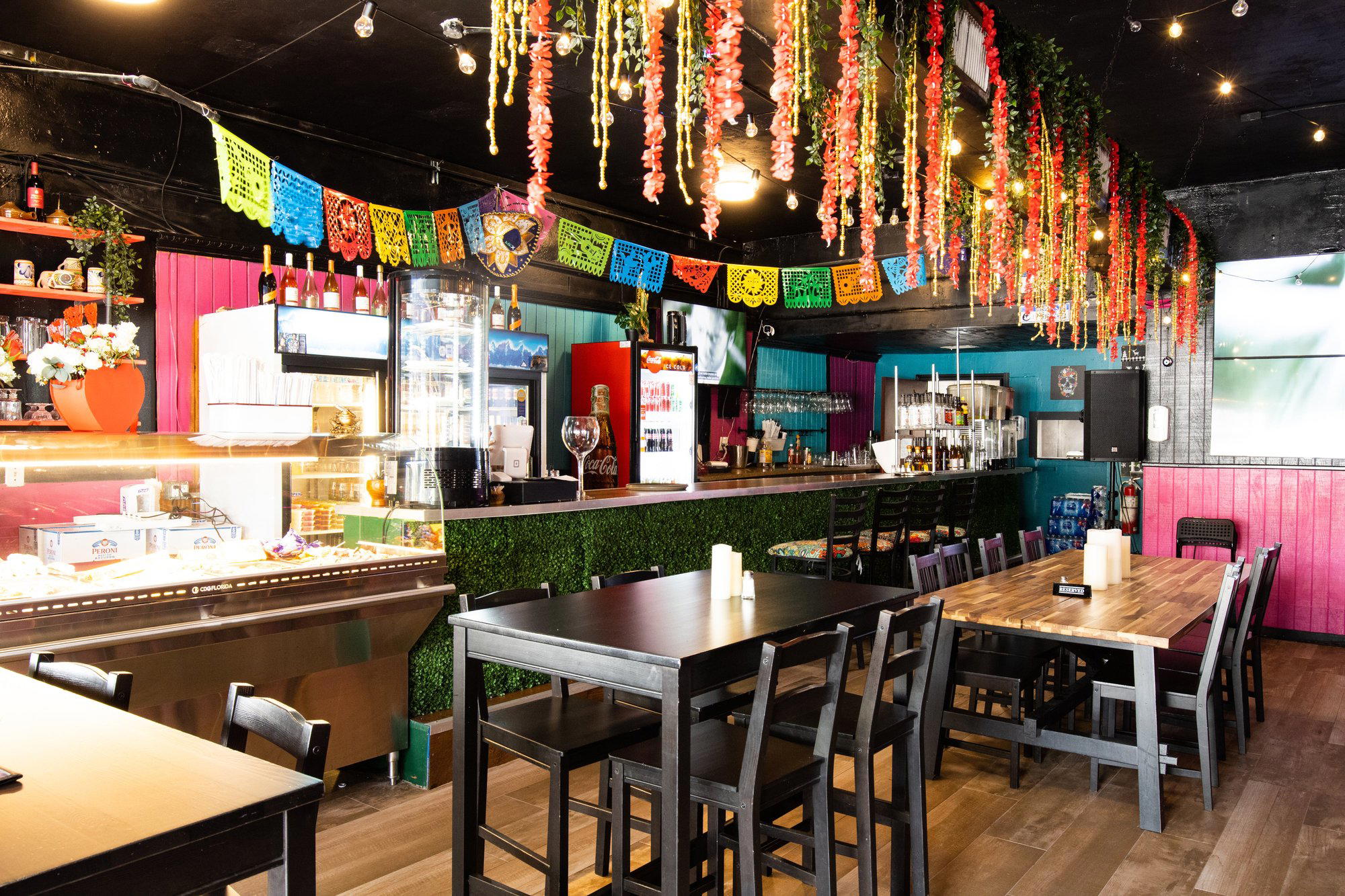
Calle Ocho and the Weight of the Street
SW 8th Street arrives with its own established identity before any single venue can claim it. In Miami's Little Havana, the corridor has functioned for decades as both a cultural spine and a practical dining artery, where Cuban-owned cafeterias, Venezuelan areperas, and Mexican taquerias operate in close proximity, each serving a different chapter of Latin American culinary history. Taqueria Viva Mexico sits at 2516 SW 8th St, planted firmly in that tradition rather than apart from it. The address is not a statement of contrast to the neighborhood, it is a product of it.
On this street, the measure of a taqueria is not innovation but fidelity. Regulars on Calle Ocho carry expectations formed over years: tortillas made with intention, proteins seasoned according to regional Mexican convention, and a format that does not ask much of the diner beyond showing up. The taqueria model, transplanted from Mexico's street-food culture into Miami's urban fabric, has taken hold here precisely because it requires no translation. The food communicates directly.
The Taqueria Tradition in Context
Mexican street food in the United States occupies a complicated tier within the broader dining conversation. At one end, fast-casual chains have flattened regional specificity into a uniform product. At the other, a smaller cohort of chef-led Mexican restaurants, sometimes financed at the level of fine dining, have made the case for Mexican cuisine as a subject for serious critical attention. The taqueria format sits between these poles, and in cities with established Mexican communities, it tends to be one honest expression of the cuisine's everyday logic.
Miami is not a Mexican-majority city in the way that Los Angeles or Chicago are, which means that the Mexican dining scene here is concentrated, smaller in scale, and shaped more directly by its immediate community. Little Havana, despite its name, has always been a more ethnically layered neighborhood than the moniker suggests, and SW 8th Street reflects that. For Mexican food specifically, the taqueria is often where the clearest argument for the cuisine gets made, absent the curatorial pressure of a fine-dining format. There are no tablecloths to manage expectations here, which means the food carries the full weight of the evaluation.
Across Miami's wider restaurant landscape, the conversation at the upper end of the market centers on venues like ITAMAE for Peruvian technique, L'Atelier de Joël Robuchon Miami for French formalism, and Ariete for modern American cooking rooted in local produce. Boia De and Cote Miami occupy a mid-to-upper tier where reservation pressure and critical attention converge. The taqueria occupies none of those brackets, and that is precisely the point. It answers a different question about what a city's dining culture is actually made of when you look below the award-circuit surface.
What the Format Delivers
The taqueria as a format carries a set of inherited commitments. The tortilla is the primary technical variable, whether corn or flour, pressed fresh or sourced, and it functions as the first signal of whether a taqueria is operating seriously. The fillings follow regional Mexican logic: al pastor derived from Lebanese shawarma traditions brought to Mexico in the early twentieth century, birria from Jalisco, carnitas from Michoacán. Each has a grammar, and each gets evaluated by diners who know that grammar from experience rather than research.
In Miami's warm climate, the outdoor or semi-open taqueria experience carries particular seasonal weight. During the city's dry season, roughly November through April, eating on or near the street in Little Havana is a genuinely comfortable proposition. The summer months, with heat and humidity both running high, shift the calculus toward speed and shade. A taqueria that moves efficiently, ordering direct, service fast, food arriving hot, earns its place in Miami's summer dining rotation precisely because it does not demand lingering.
Little Havana as a Dining Environment
Dining on SW 8th Street requires some orientation for first-time visitors. The strip is dense, parking is competitive, and the foot traffic on weekend afternoons is substantial. The payoff is a concentration of Latin American food that no other Miami neighborhood replicates at street level. The taqueria format in particular rewards walking the block before committing, the visual cues of a working kitchen, the smell of charred meat, and the composition of the crowd waiting outside all carry information that no review can fully substitute for.
Little Havana's dining character differs materially from Wynwood's or Brickell's. There is less design investment in the physical spaces, more focus on the food itself, and a local clientele that evaluates primarily on taste and consistency rather than atmosphere or social signal. For visitors accustomed to Miami's glossier dining corridors, it represents a genuine shift in register, not a downgrade, but a different set of priorities made legible through the menu and the room.
The reference point for understanding SW 8th Street's taqueria culture is not Miami's fine-dining circuit, where venues like Le Bernardin in New York City, The French Laundry in Napa, or Providence in Los Angeles set a different standard entirely. The conversation here is closer to the grassroots end of American dining, the tradition that venues like Emeril's in New Orleans once argued for at a regional level, translated into the immediate and accessible format the restaurant industry produces.
Planning a Visit
Taqueria Viva Mexico is located at 2516 SW 8th St in Miami's Little Havana, accessible by car or by the free Calle Ocho trolley that runs along the corridor. Walk-in is the standard approach for taquerias operating in this format and at this price tier, reservations are not a feature of the model. Visitors arriving during the November-to-April dry season will find the street at its most comfortable for unhurried eating; summer visits are best timed to early evening when temperatures drop slightly and the neighborhood's pace shifts.
Comparable Options
Comparable venues nearby, for context on price, style, and recognition.
| Venue | Cuisine | Price | Notes |
|---|---|---|---|
| Taqueria Viva MexicoThis venue — the venue you are viewing | Authentic Mexican Taqueria | $ | Not listed |
| Coyo Taco | Fresh Mexican Street Tacos | $$ | Miami Fashion District |
| Koko | Authentic Mexican with Oaxacan Influences | $$ | Coconut Grove |
| El Palacio de los Jugos | Authentic Cuban | $ | Coral Gate |
| Carrot Express | Healthy Fast-Casual Salads, Wraps & Smoothies | $ | Miami Financial District |
| La Esquina Tropical | Authentic Cuban | $ | Little Havana |
At a Glance
- Rustic
- Casual
- Casual Hangout
- Late Night
- Standalone
Current opening hours
- Monday
- Closed
- Tuesday
- 12:30–11 PM
- Wednesday
- 12:30–11 PM
- Thursday
- 12:30–11 PM
- Friday
- 12:30 PM–1 AM
- Saturday
- 12:30 PM–1 AM
- Sunday
- 12:30–8 PM
Hours can change for holidays and private events. Last verified .
Casual hole-in-the-wall spot with colorful decorations, picnic tables, and a focus on quick, no-frills street-style dining.