Our verdict
Agha Turkish Restaurant 2 brings the grilled-meat and slow-cooked traditions of Anatolian cooking to Roydon Place in Nepean, placing it among the small cluster of restaurants in the Ottawa area that take Middle Eastern and Eastern Mediterranean cuisine seriously. For residents of Nepean looking for something beyond the national chain circuit, it represents a distinct culinary reference point in a suburb better known for casual dining than for regional specificity.

Pearl is the En Primeur Club membership app, where members save venues, book tables and use the concierge.
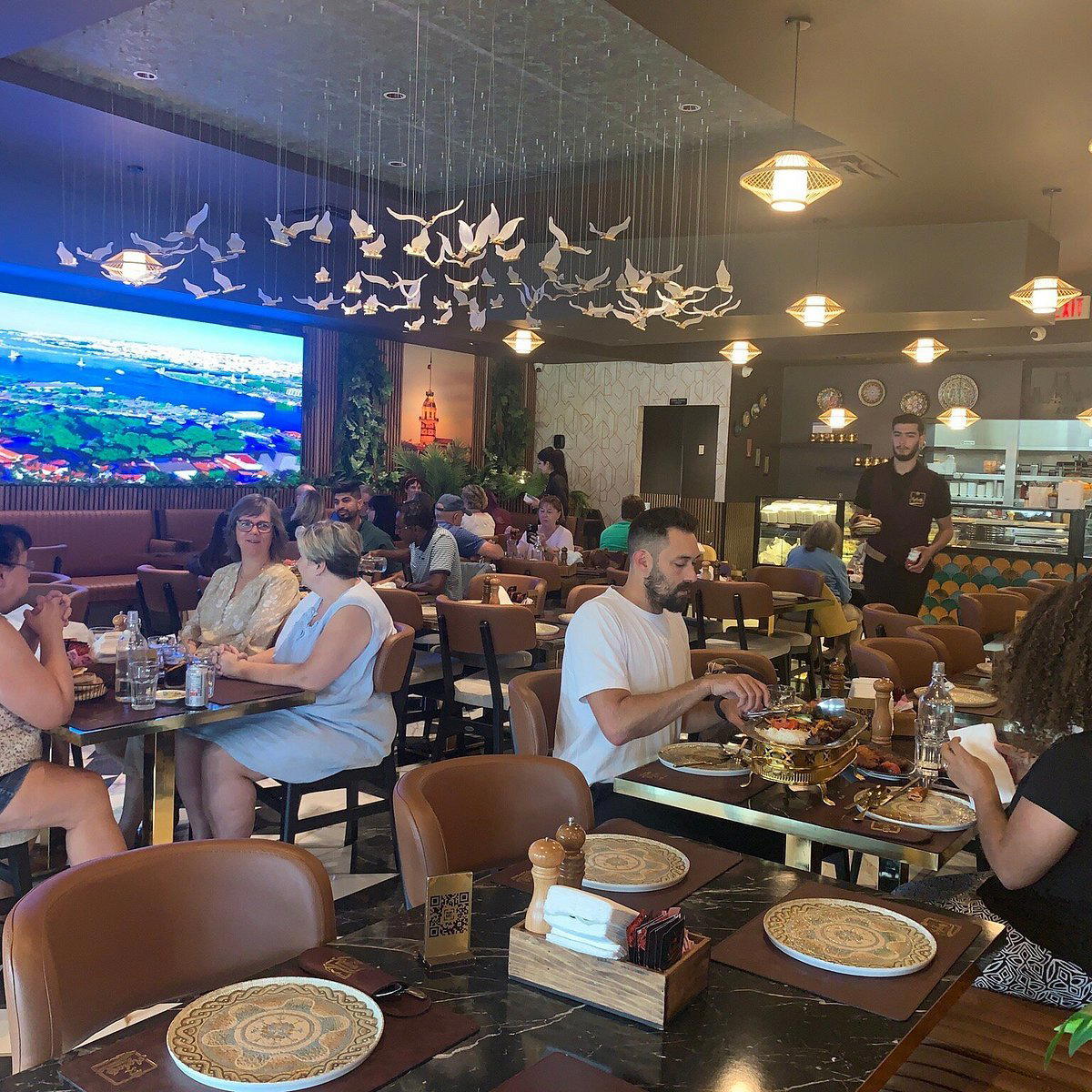
Turkish Cooking in Suburban Ottawa: What Nepean's Dining Scene Offers
Suburban Ottawa's restaurant mix has historically skewed toward national chains and casual Canadian comfort food. Nepean, the former municipality that now forms Ottawa's southwest quadrant, follows that pattern for the most part, with a handful of exceptions that bring more regionally specific cooking to an area where it is not the default. Turkish cuisine in this context is not common. Restaurants drawing on Anatolian traditions, the slow-braised lamb dishes, the charcoal-grilled kebabs, the layered pastry work that defines the broader Ottoman culinary inheritance, occupy a narrow slice of the local dining market. Agha Turkish Restaurant 2, located at 1 Roydon Place, sits inside that niche.
To understand where this kind of restaurant fits in the Canadian dining picture, it helps to look at what serious food in this country tends to reward. Tasting-menu formats at places like Alo in Toronto or farm-rooted ingredient programs at Eigensinn Farm in Singhampton define the upper tier of Canadian dining recognition. Quebec's sourcing-led tradition finds expression at Tanière³ in Quebec City and Narval in Rimouski. Those reference points matter because they illustrate what the broader Canadian critical conversation values: provenance, technique, and ingredient integrity. Turkish restaurants in suburban markets are rarely discussed in those terms, but the Anatolian cooking tradition they represent has its own deep logic around sourcing and preparation that deserves equivalent attention.
The Anatolian Approach to Ingredients
Turkish cooking is, at its structural core, an ingredient-driven tradition. The repertoire built up across centuries of Anatolian and Ottoman cooking prioritises the quality and preparation of primary materials over layered saucing or complex reduction. Lamb raised in open pasture tastes different from feedlot product, and in a tradition where grilled or roasted meat is often the main event, that difference is not masked. Dried pulses, which form the backbone of many Turkish soups and stews, reflect regional agricultural identity: the lentils grown in southeastern Anatolia, the chickpeas associated with central plateau cooking, the white beans that appear in northern coastal preparations all carry place-specific character. Spice use in Turkish cooking tends toward restraint compared to neighbouring cuisines, allowing the base ingredients to carry the dish.
This philosophy has parallels in how Canada's most ingredient-focused restaurants operate. Restaurant Pearl Morissette in Lincoln and Cafe Brio in Victoria both frame their menus around what is available and where it comes from. The logic in those contexts, that the provenance of a primary ingredient shapes the dish more than any technical intervention, is the same logic that has governed grilled-meat and slow-cooked traditions across Turkey for generations, even if the critical language applied to them differs considerably.
What the Nepean Context Means for a Turkish Restaurant
Nepean's restaurant options reflect a suburban demographic with practical priorities. The area around Roydon Place is not a destination dining neighbourhood in the way that Ottawa's Centretown or Westboro corridors can claim. Restaurants here succeed on consistency, value, and the ability to serve local residents who are not commuting across the city for a table. For a Turkish restaurant operating in this environment, the competitive reference is not the Ottawa fine dining tier but rather the broader casual dining market, where Kelseys Restaurant and similar operations set the default expectations for price and format.
Against that backdrop, a restaurant offering Anatolian cooking occupies a genuinely different position, not because it is competing on tasting-menu credentials, but because it is offering a distinct culinary tradition where very few alternatives exist in the immediate area. The our full Nepean restaurants guide maps the broader dining picture across the suburb, which helps contextualise just how narrow the Eastern Mediterranean presence remains.
Comparing the Regional Turkish Dining Category
Across Canada, Turkish and broadly Eastern Mediterranean restaurants tend to cluster in urban cores with established immigrant communities. Ottawa has a modest Turkish community relative to Toronto or Montreal, where a restaurant like Jérôme Ferrer - Europea in Montreal anchors a much denser and more competitive fine-dining conversation. The relative scarcity of Turkish dining options in the Ottawa-Nepean area means that a restaurant in this category faces limited direct competition but also limited critical infrastructure: there are fewer local diners with a calibrated frame of reference for what strong Anatolian cooking looks like, which both simplifies and complicates the restaurant's position.
For comparison, destination-driven Canadian restaurants tend to earn recognition precisely because they operate in environments with strong peer sets and critical attention. AnnaLena in Vancouver and The Pine in Creemore occupy distinctive positions in their local markets partly because the markets around them are competitive enough to require clear differentiation. Agha Turkish Restaurant 2 operates in a different kind of market, where the act of offering a distinct regional cuisine is itself the differentiation.
Planning Your Visit
Agha Turkish Restaurant 2 is located at 1 Roydon Place in the Nepean section of Ottawa, accessible from the main arterial roads that connect the suburb's residential and commercial zones. As with most independently operated restaurants in suburban Ottawa, booking ahead is advisable for weekend evenings, when family dining volumes tend to peak. Current hours, pricing, and reservation availability are best confirmed directly with the venue. For readers building a broader Ottawa dining itinerary, Cat's Fish & Chips in Ottawa represents a different register of the city's casual dining identity, while farther-flung options like Catch22 Lobster Bar in Moncton, Busters Barbeque in Kenora, and Chafe's Landing Restaurant in Division No 1 illustrate the range of regional Canadian dining worth tracking across the country. For those whose reference points extend internationally, Le Bernardin in New York City and Lazy Bear in San Francisco anchor the North American fine dining tier that sets the broader context in which all serious restaurant conversations now operate. Fogo Island Inn Dining Room in Joe Batt's Arm remains one of Canada's most compelling arguments for place-specific ingredient sourcing at the highest level of hospitality.
Frequently asked questions
Is Agha Turkish Restaurant 2 good for families?
Turkish restaurants in the Anatolian tradition typically offer a broad spread of shared dishes, mezes, grilled meats, flatbreads, that accommodate varied appetites and ages at one table. Nepean's dining demographic skews practical and family-oriented, which broadly suits a restaurant at this address on Roydon Place.
What's the overall feel of Agha Turkish Restaurant 2?
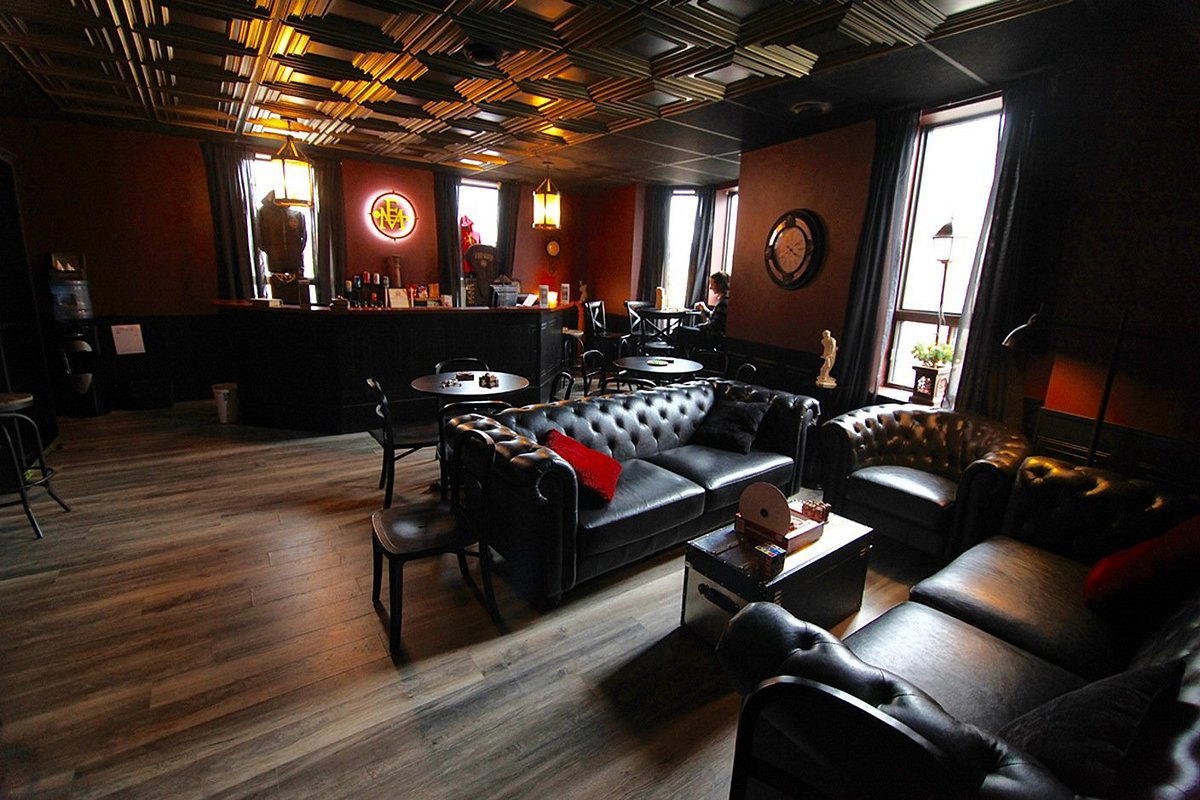
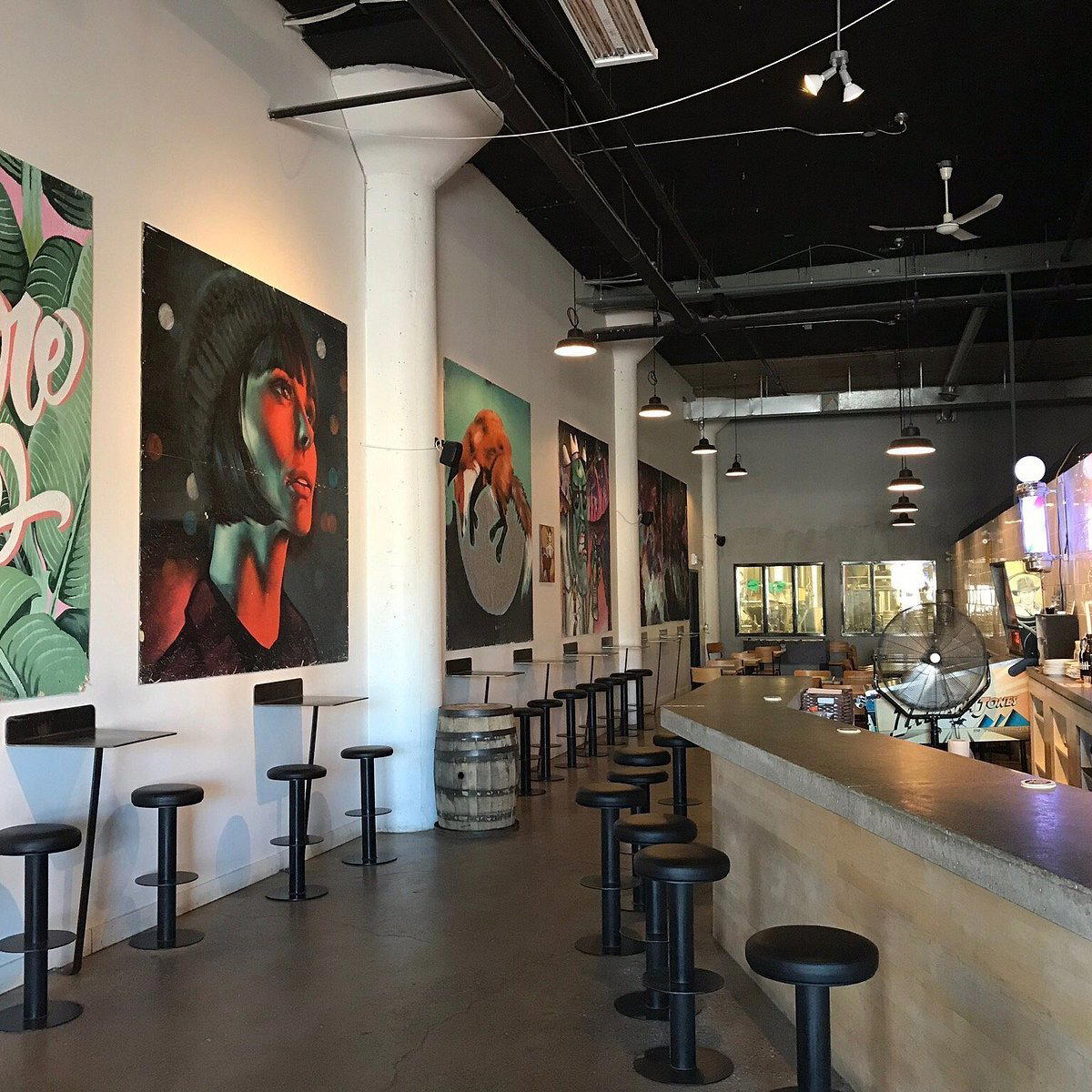
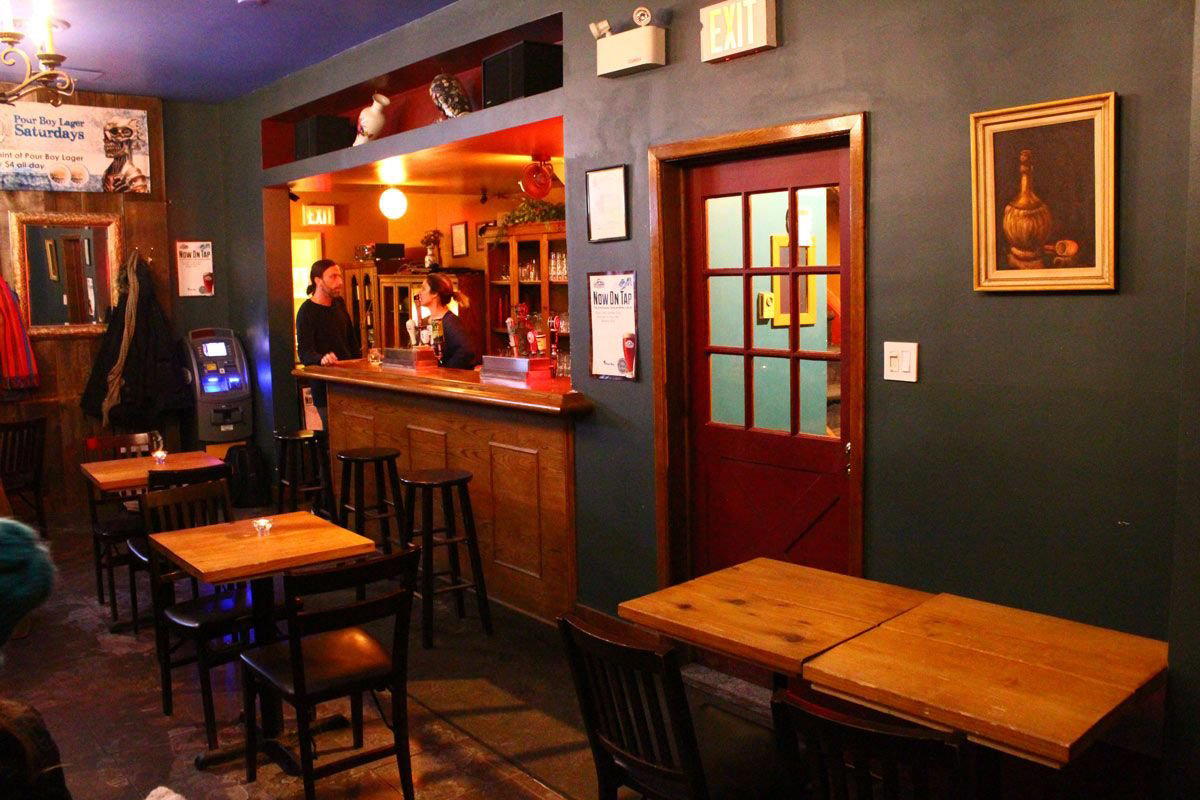
Located on Roydon Place in the Nepean section of Ottawa, this is a neighbourhood restaurant in a suburban commercial corridor rather than a destination dining district. The surrounding context suggests a straightforward, community-serving atmosphere rather than a formal or theatrical setting. Expect a functional dining room oriented around the food rather than the room itself.
How does Agha Turkish Restaurant 2 compare to other Turkish restaurants in the Ottawa area?
Turkish and broadly Eastern Mediterranean restaurants in Ottawa tend to concentrate in the urban core and in areas with established immigrant communities. Agha Turkish Restaurant 2's location at 1 Roydon Place in Nepean positions it as one of the few options serving this cuisine west of the city centre, making it a practical choice for residents in the suburban southwest without the need to travel into Ottawa proper.
What dish is Agha Turkish Restaurant 2 famous for?
Turkish restaurant menus in Canada broadly follow the Anatolian repertoire: kebabs, dips such as hummus and baba ghanoush, pide, and slow-cooked lamb preparations. For a confirmed list of house specialities at Agha Turkish Restaurant 2 on Roydon Place, checking directly with the restaurant is the most reliable approach.
Where is Agha Turkish Restaurant 2 located?
Agha Turkish Restaurant 2 is located at î1 Roydon Pl, Ottawa, ON K2E 1A3, Canada, Nepean.
Do I need a reservation for Agha Turkish Restaurant 2?
Suburban Ottawa restaurants in the Nepean area generally operate with walk-in capacity on weeknights, though weekend evenings can tighten availability at smaller independent spots. Given the Roydon Place address sits outside Ottawa's core dining corridors, peak demand is likely lower than downtown equivalents, but confirming ahead for larger parties remains sensible.
Comparable Venues
Comparable venues nearby, for context on price, style, and recognition.
| Venue | Cuisine | Price | Notes |
|---|---|---|---|
| Agha Turkish Restaurant 2This venue (the venue you are viewing) | Authentic Turkish | Not listed | Not listed |
| Kelseys Restaurant | American Roadhouse | $20–30 | Barrhaven |
| A La Istanbul Turkish Cuisine | Turkish Grill & Fusion | $20–30 | ByWard market |
| Sultan Ahmet Turkish Cuisine Ottawa | Authentic Turkish Cuisine | $30–50 | Centretown |
| Urban Crave | Global comfort food with hearty breakfast | $20–30 | Toronto Pearson International Airport |
| Mandarin Restaurant | Chinese-Canadian Buffet | $30–50 | Kanata |
Continue exploring
More in Nepean
Restaurants in Nepean
All restaurants in Nepean →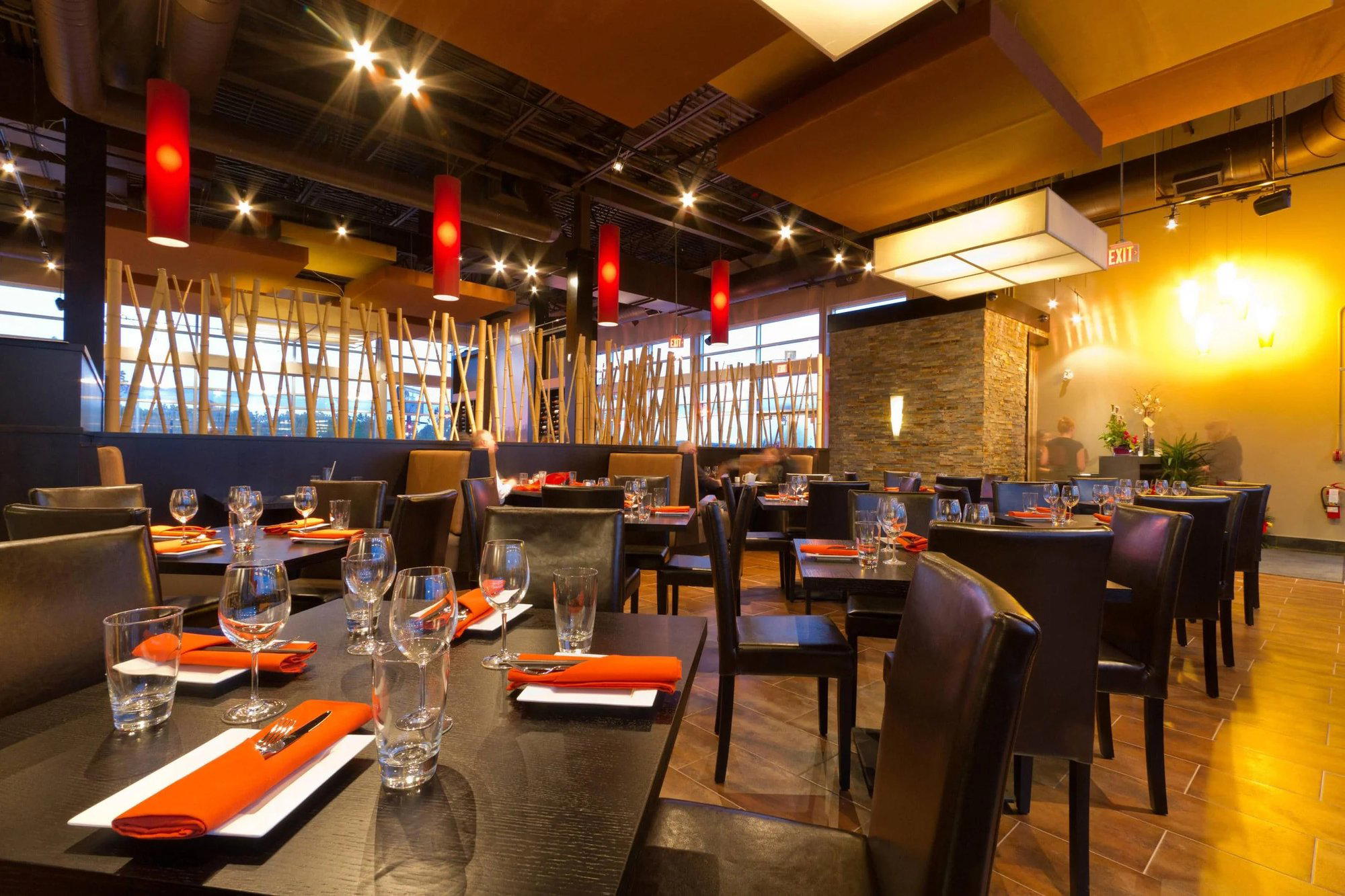
Details
- Cozy
- Lively
- Family
- Casual Hangout
- A La Carte
Current opening hours
- Monday
- 11 AM–10:30 PM
- Tuesday
- 11 AM–10:30 PM
- Wednesday
- 11 AM–10:30 PM
- Thursday
- 11 AM–10:30 PM
- Friday
- 9 AM–11 PM
- Saturday
- 9 AM–11 PM
- Sunday
- 9 AM–11 PM
Hours can change for holidays and private events. Hours as of .
Warm, inviting, fun atmosphere with superb ambiance, pleasant decor, and enjoyable music.