St. Lawrence Spirits
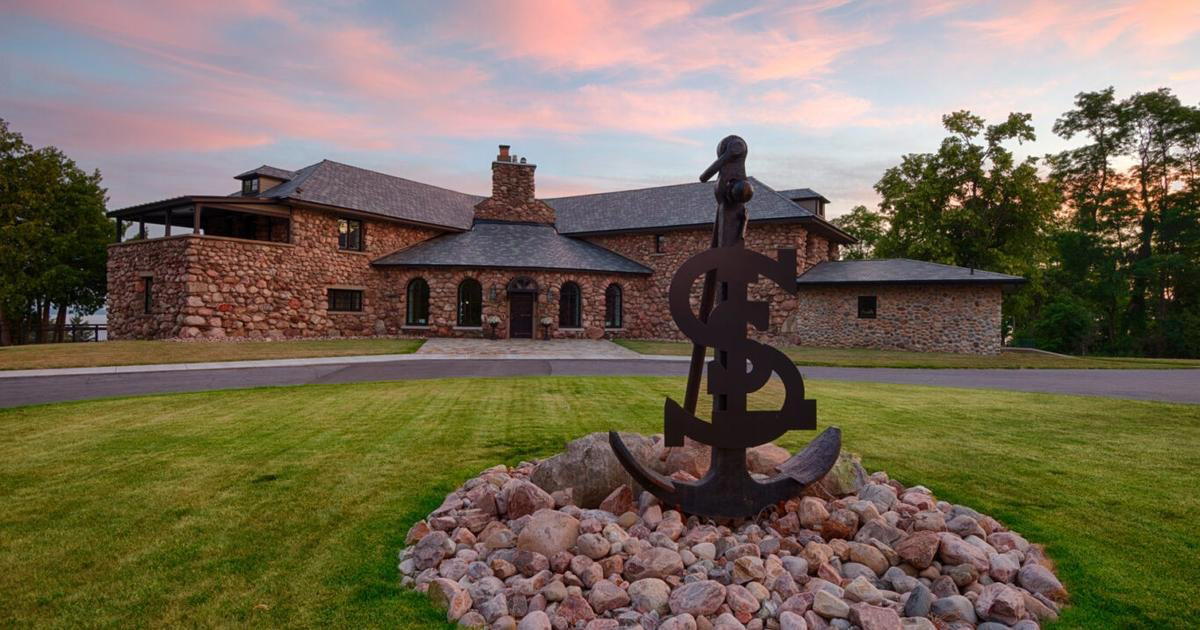
St. Lawrence Spirits sits on the Clayton waterfront along the Thousand Islands stretch of the St. Lawrence River. The operation places itself in a small cohort of spirits producers working from a geography that rarely surfaces in American craft spirits conversation, where river climate and regional character shape what ends up in the bottle.

Pearl is the En Primeur Club membership app — saves, bookings, and concierge access live there. Same editors, same standards.
- Address
- 514 Riverside Dr, Clayton, NY 13624
- Phone
- (315) 285-5224
- Website
- saintlawrencespirits.com
- Directions
- Get directions
Where the River Does the Work
The St. Lawrence River at Clayton is not a backdrop. At this latitude in northern New York, where the Thousand Islands scatter across the border between the United States and Canada, the river is a climate engine: cold winters that slow everything down, a short warm season that concentrates character, and water on every side that moderates temperature swings in ways that matter to fermentation and maturation. Our full Clayton restaurants guide covers the broader food and drink scene in this pocket of the North Country, but the spirits operation at 514 Riverside Drive deserves attention on its own terms. St.
The Terroir Argument for Northern New York Spirits
The terroir framework is not native to spirits the way it is to wine, but the conditions that shape grape-growing in cold-climate regions translate directly to grain and botanicals. Producers in comparable river and lake-effect zones, from the Finger Lakes to the Hudson Valley, have spent the past fifteen years demonstrating that northern New York geography produces material with distinct character. The St. Lawrence corridor sits at the northern edge of that conversation, and its specific position matters: the river narrows and speeds up through the Thousand Islands, the air carries real humidity, and the seasonal contrast is sharper than it is further south.
That kind of environment compresses growing seasons and concentrates sugars and esters in ways that warmer, more moderate climates do not. Compare this to the conditions that shape production at Adelsheim Vineyard in Newberg or Au Bon Climat in Santa Barbara, where the emphasis is on what the specific site does to the grape. The logic is the same here, applied to a different raw material and a different process. Location is not decoration; it is ingredient.
Placing St. Lawrence Spirits in the Craft Tier
American craft spirits have stratified considerably since the early 2010s when the category was defined primarily by newness. The field now has a recognizable upper tier of producers whose work is grounded in specific geography, consistent production discipline, and documented recognition from credentialed rating systems.
For context, the western American wine and spirits scene has long supplied reference points for terroir-driven production. Accendo Cellars in St. Helena and Alpha Omega Winery in Rutherford both operate in categories where appellation identity is well-established and peer comparisons are easy to make. The Thousand Islands corridor has no equivalent institutional framework yet, which makes the 2025 award more significant as a marker: it introduces a place into a conversation that mostly happens elsewhere. Producers like Adelaida Vineyards in Paso Robles and Alban Vineyards in Arroyo Grande built their reputations in part by demonstrating that overlooked regions could hold their own against established appellations. The dynamic in northern New York spirits is analogous.
Clayton as a Spirits Destination
Clayton is a small river town, population under 2,000, that has functioned primarily as a base for fishing, boating, and summer tourism on the St. Lawrence. The hospitality infrastructure is modest by comparison to wine regions like Napa or the Willamette Valley, where places such as Artesa Vineyards and Winery in Napa or Andrew Murray Vineyards in Los Olivos exist within dense tourism ecosystems. That relative isolation changes the visiting calculus. A trip to Clayton for spirits is a deliberate act, not an add-on to a wine country weekend, and it attracts a different kind of visitor: one who is coming specifically for the place and the product.
The address at 514 Riverside Drive puts the operation directly on the waterfront, which is the defining physical fact of the town. The river is visible and present in a way that shapes every business and every interaction in Clayton. For a spirits producer whose work is framed around regional identity, that visibility is not incidental. It is part of the communication. Distilleries and producers working in similarly water-defined geographies, including Aberlour in Scotland's Speyside, a river valley where the water source is central to production identity, share this logic. Water shapes what you make, and it shapes how you present it.
Reference Points From Outside the Region
Because the Thousand Islands has no established spirits appellation to anchor comparisons, it helps to triangulate from adjacent traditions. The cold-climate, short-season conditions are broadly similar to what makes Achaia Clauss in Patras distinctive as a producer working in a geography that most reference maps of European wine underweight. Producers that work outside the expected zones often develop character precisely because the constraints are real and the choices required to work within them show up in the product.
On the American west coast, Aubert Wines in Calistoga, B.R. Cohn Winery in Glen Ellen, Alexander Valley Vineyards in Geyserville, and Babcock Winery in Lompoc all operate within appellations that have well-mapped identity signals. That process takes time, and it is at an early, credible stage.
Planning a Visit
Clayton sits on Route 12 along the St. Lawrence, roughly 75 miles north of Watertown and accessible via I-81. The town is seasonal in character, with activity concentrated between late spring and early fall when the river is in full use. St. Given the scale of operations typical in this tier and this geography, the experience is likely more low-key and direct than the structured tasting-room formats common at larger regional producers. The award record from 2025 provides a reasonable basis for the visit on its merits.
Fast Comparison
Comparable venues nearby, for context on price, style, and recognition.
| Venue | Cuisine | Price | Notes |
|---|---|---|---|
| St. Lawrence SpiritsThis venue — the venue you are viewing | Thousand Islands | Not listed | Not listed |
| Hillrock Estate Distillery | Hudson Valley | Not listed | Ancram |
| Heart & Hands Wine Company | Pinot Noir, Riesling | Not listed | Union Springs |
| Iron Smoke Distillery | Finger Lakes | Not listed | Fairport |
| Red Newt Cellars | Riesling, Cabernet Franc | $20–30 | Hector |
| Boundary Breaks Vineyard | Winery | Not listed | Lodi |
Continue exploring
More in Clayton
Bars in Clayton
Browse all →
Restaurants in Clayton
Browse all →
Hotels in Clayton
Browse all →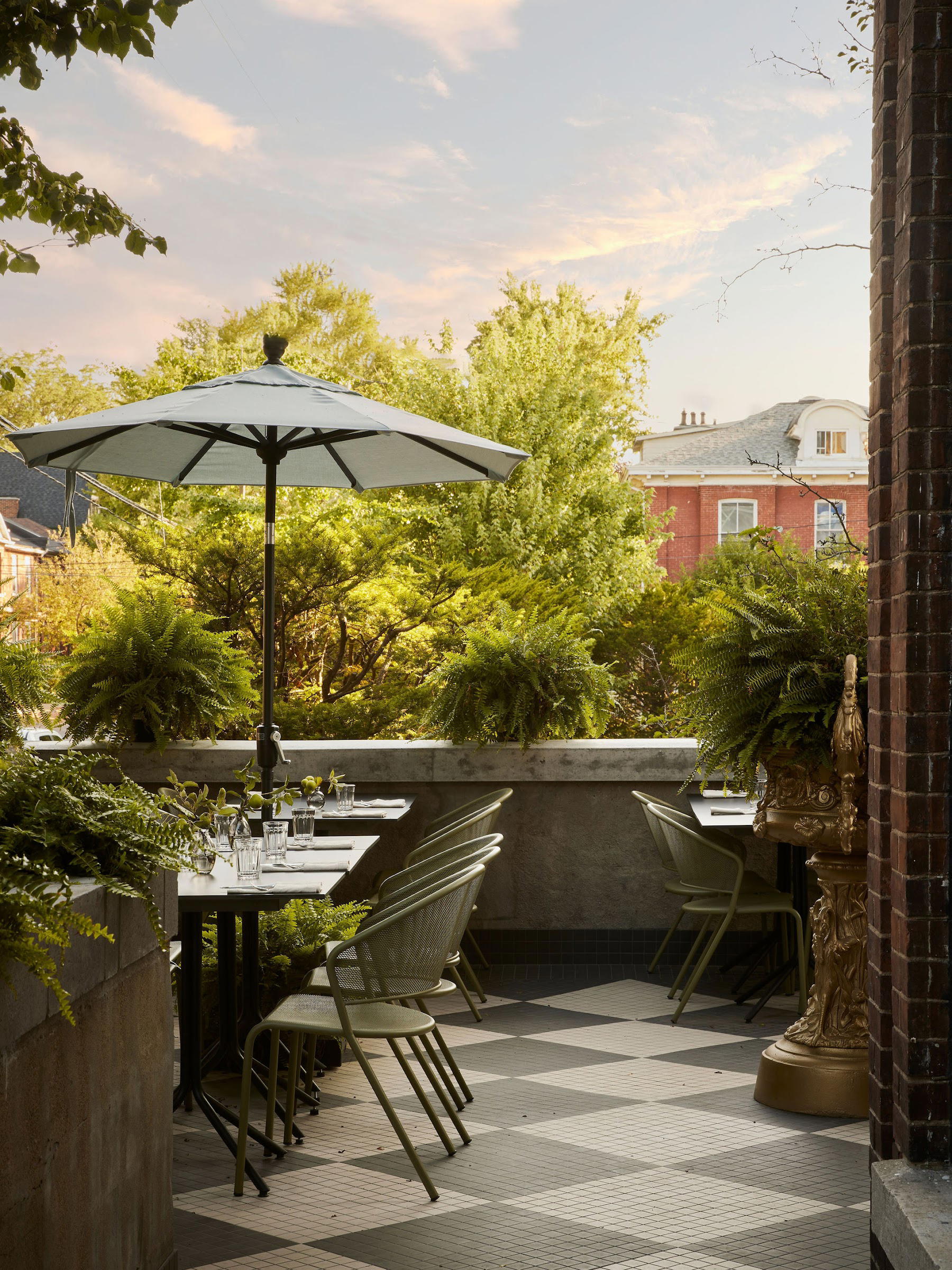
Details
- Scenic
- Rustic
- Elegant
- Celebration
- Special Occasion
- Waterfront
- Historic Building
- Terrace
- Sustainable
- Waterfront
- Spirit Tasting
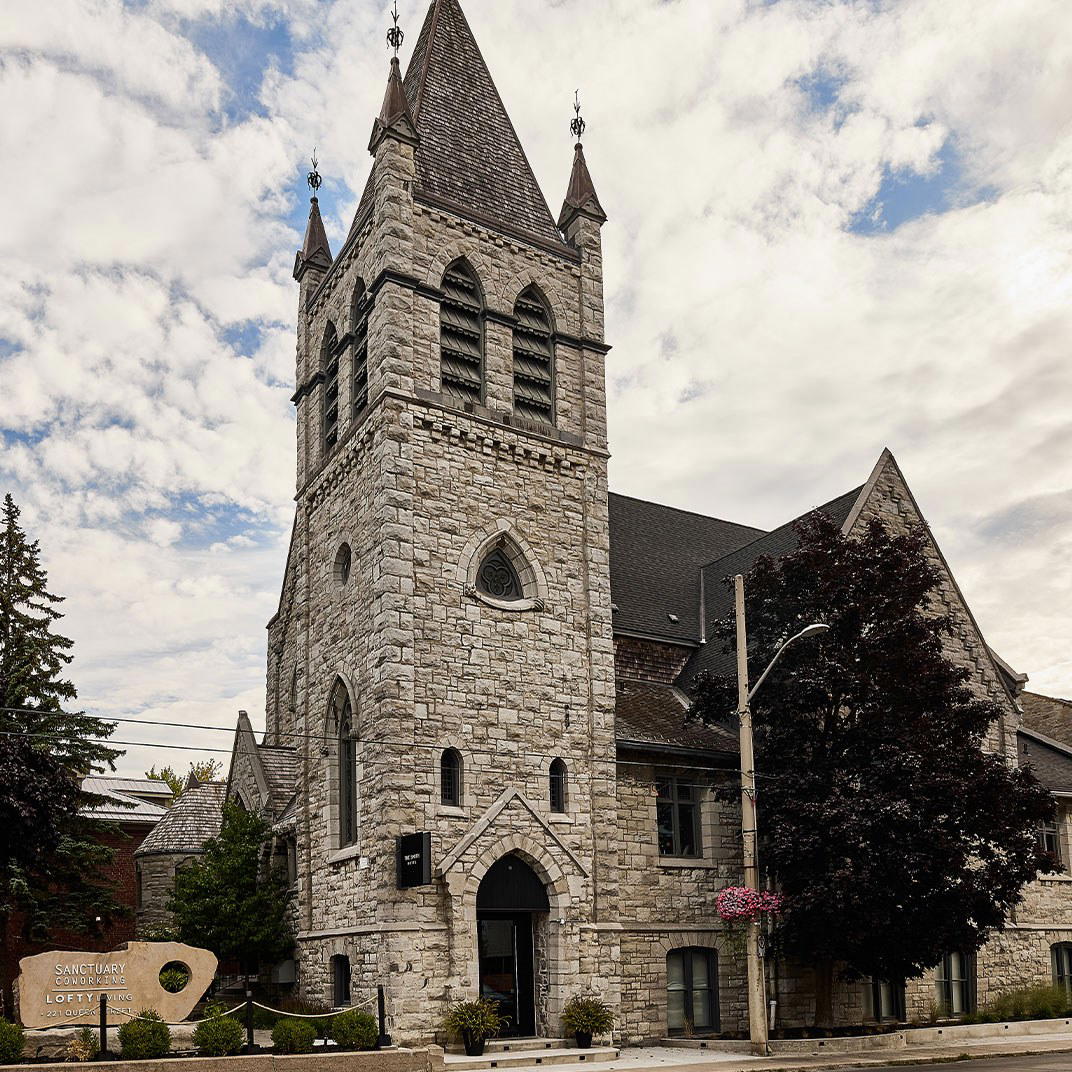
Spacious indoor seating with wide table spacing for private conversations, beautiful terrace overlooking the majestic river views, and comfortable historic atmosphere.