Afaria sits on Rue Desnouettes in the 15th arrondissement, where the Basque bistro tradition finds one of its most committed Paris expressions. The room draws a neighbourhood crowd that returns not for occasion dining but for the kind of Basque-accented cooking that rewards familiarity: piperade-laced plates, well-chosen southwestern wines, and a pace that belongs to the regulars as much as to first-timers.
Pearl is the En Primeur Club membership app — saves, bookings, and concierge access live there. Same editors, same standards.
- Address
- 15 Rue Desnouettes, 75015 Paris, France
- Phone
- +33148429590
- Website
- restaurant-afaria.fr
- Directions
- Get directions
 Saves & bookings on Pearl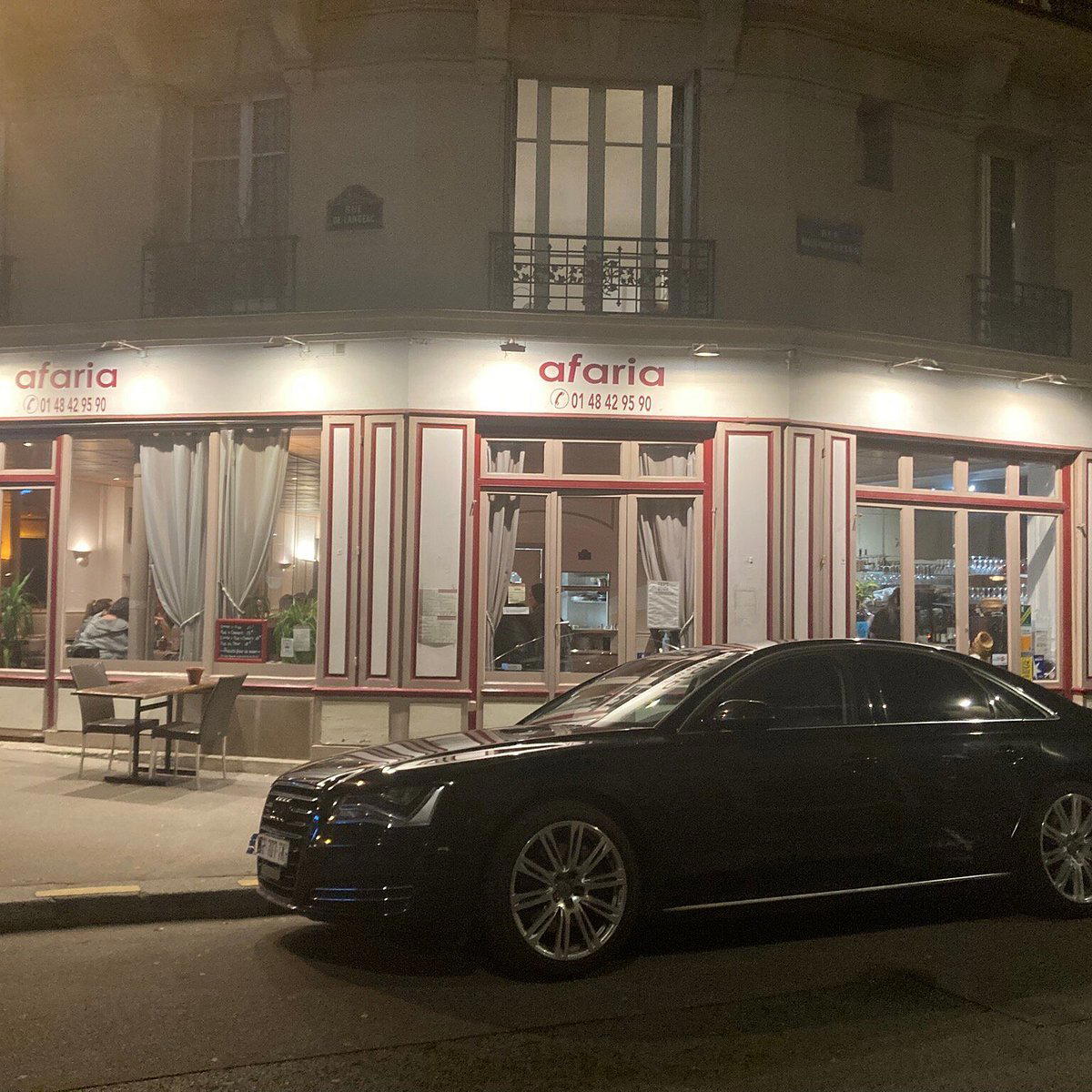
The 15th and Its Bistro Logic
Paris's 15th arrondissement does not traffic in spectacle. It is the city's most populous district and one of its least photographed, which is precisely why the bistros that thrive here do so on merit rather than foot traffic from tourists consulting maps. The neighbourhood selects for restaurants that earn loyalty through repetition: the couple who have ordered the same starter for three years, the group of colleagues who book the corner table every Friday. Afaria, on Rue Desnouettes, operates inside this logic.
Basque cooking in Paris occupies a specific register. It arrives in the capital stripped of the coastal theatrics you find in San Sebastián or Biarritz, but it keeps its structural markers: the assertive use of Espelette pepper, the preference for pork in its many forms, the wines drawn from Irouléguy and Jurançon rather than from Bordeaux or Burgundy. At its finest, it is peasant food made precise, and the bistros that carry it well tend to be the ones where the kitchen has deep familiarity with the source material rather than a passing interest in regional branding.
What Keeps the Regulars Coming Back
The rhythm of Afaria is set by its returning clientele. In a neighbourhood bistro of this type, the regular is not a curiosity but the economic and social backbone of the room. The people who come back repeatedly to a place like this are not chasing novelty; they are chasing reliability, which is a far harder thing to sustain in a Paris kitchen operating at mid-market prices. Basque cuisine, with its reliance on preserved meats, sturdy vegetable preparations, and a relatively fixed seasonal vocabulary, rewards this kind of relationship. You learn the menu's logic, and then you start to understand the departures from it.
The southwestern wine list is part of this compact. Irouléguy reds, made from Tannat and Cabernet Franc on the foothills of the Pyrenees, are not wines that seduce on first encounter. They need context, and they need food. Paired with the kind of Basque charcuterie and braised preparations that anchor a menu like Afaria's, they make considerably more sense than they do standing alone. This is the kind of pairing knowledge that regulars accumulate visit by visit, and it creates a different quality of relationship with a restaurant than a single tasting menu experience ever could.
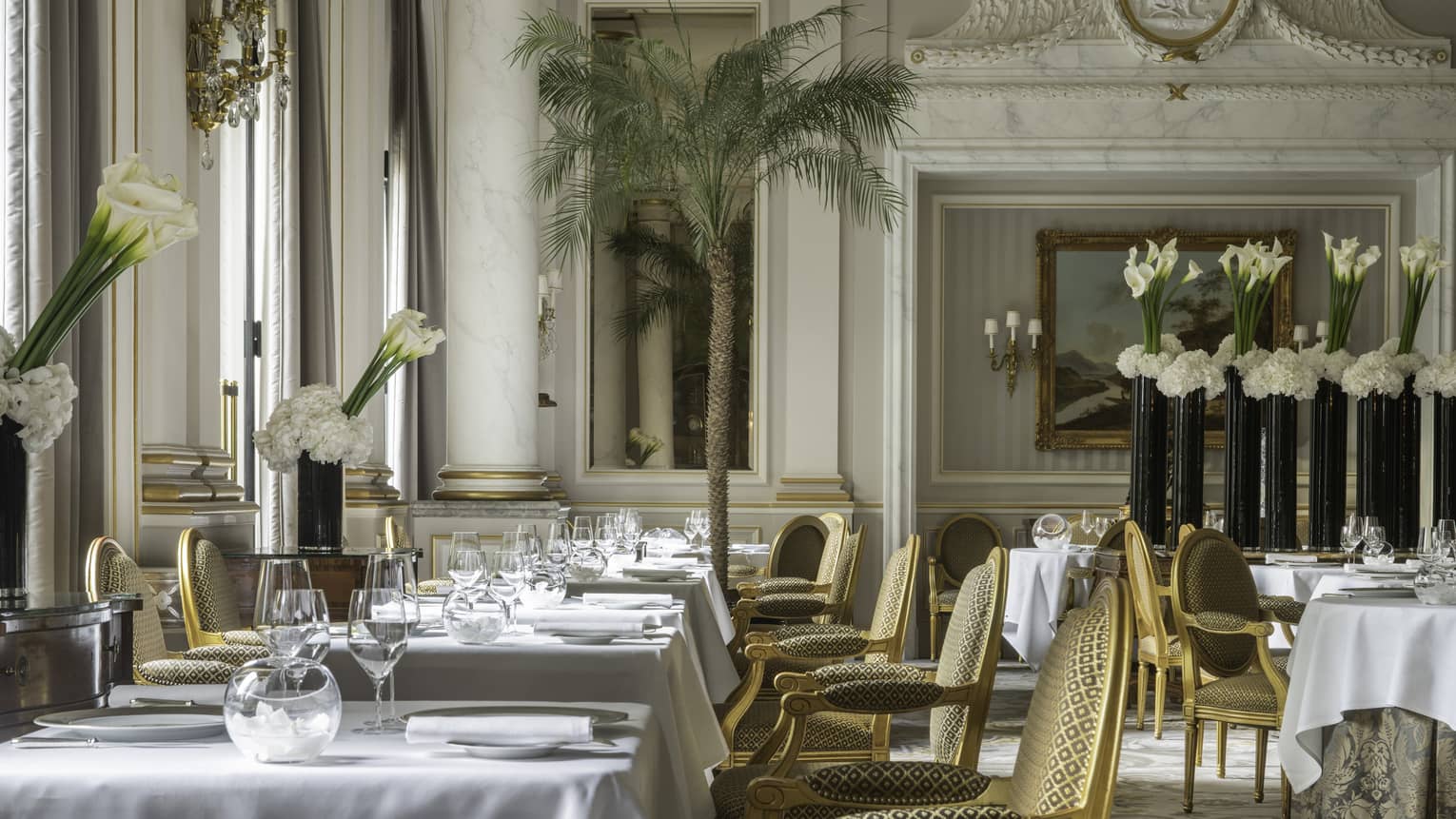
For contrast, consider where Afaria sits relative to the upper tier of Paris dining. The rooms at Alléno Paris au Pavillon Ledoyen, Arpège, and Le Cinq at the Four Seasons Hôtel George V are built around singular occasions, not repetition. Even Kei and L'Ambroisie, operating at the €€€€ tier, are destination restaurants in the strictest sense: you go once or twice for a specific meal, not because you are in the neighbourhood. Afaria functions differently. Its competition is not those rooms but the broader Paris bistro circuit, and within the Basque-accented subset of that circuit, it has built a following that speaks to consistency over time.
Basque Cooking and the Paris Bistro Format
The Basque bistro tradition in Paris has a lineage worth understanding. Southwestern French cooking reached the capital in waves throughout the twentieth century, carried largely by migrants from the Pays Basque and Gascony who brought their charcuterie cultures, their duck and goose fat traditions, and their preference for wines that most Parisians still find slightly confrontational. The cuisine has never achieved the metropolitan prestige of Breton seafood or the Loire's vegetable cooking, but it has its advocates, and those advocates tend to be intensely loyal.
This regional specificity places Afaria in a different frame than the broader French fine dining circuit. Restaurants like Flocons de Sel in Megève, Mirazur in Menton, or Troisgros in Ouches operate within the grand tradition of French regional cooking at its most technically ambitious. Afaria sits further down the formality register, closer to the spirit of Bras in Laguiole in its rootedness to a specific terroir, but without the fine-dining architecture. It is closer, in ambition and format, to what a good regional auberge might do if it relocated to a Paris arrondissement and kept its identity intact.
The broader French regional tradition rewards this kind of specificity. Houses like Auberge de l'Ill in Illhaeusern, Les Prés d'Eugénie in Eugénie-les-Bains, and Georges Blanc in Vonnas have sustained identity through deep commitment to a place and its cooking. At the bistro level, the mechanism is the same even if the formality and the price point differ substantially. Identity, when held consistently, creates the conditions for the kind of regulars who feel proprietary about a room.
Planning Your Visit
Afaria is located at 15 Rue Desnouettes in the 15th arrondissement, a residential stretch that sees no meaningful tourist traffic. Arriving by metro is direct: Convention on line 12 is the nearest station. The neighbourhood character means the restaurant functions at its natural pace rather than managing the throughput pressures of a more central address.
For those mapping Afaria against Paris's wider dining options, see our full Paris restaurants guide. For international context on how bistro-format regional cooking compares to high-commitment tasting experiences, Lazy Bear in San Francisco and Le Bernardin in New York City represent the far end of the format spectrum.
| Venue | Format | Price Tier | Booking Lead Time |
|---|---|---|---|
| Afaria | Basque bistro, neighbourhood | Mid-range | Short to moderate |
| Alléno Paris au Pavillon Ledoyen | Creative tasting menu | €€€€ | Weeks to months |
| Kei | Contemporary French, Modern | €€€€ | Weeks |
| L'Ambroisie | Classic French | €€€€ | Weeks to months |
| Le Cinq | French Modern, hotel dining | €€€€ | Weeks |
How Afaria Paris compares with similar nearby venues.
| Venue | Cuisine | Price |
|---|---|---|
| Biscotte | Modern Cuisine | €€ |
| L'Accolade | French, Modern Cuisine | €€ |
| Beurre Noisette | Farm to table | €€ |
Continue exploring
More in Paris
Restaurants in Paris
Browse all →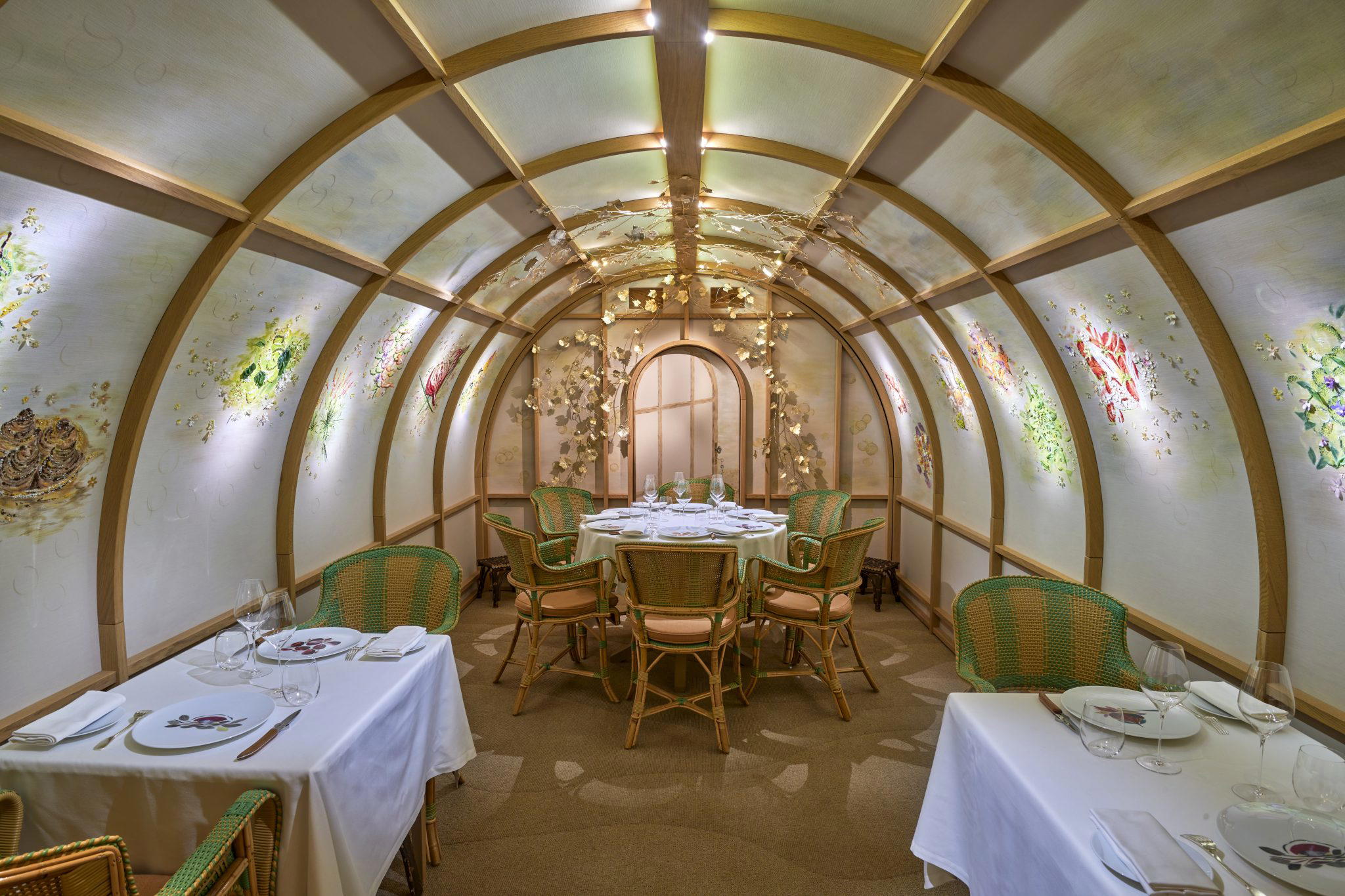
Bars in Paris
Browse all →
Hotels in Paris
Browse all →
At a Glance
- Cozy
- Classic
- Intimate
- Elegant
- Date Night
- Group Dining
- Casual Hangout
- Special Occasion
- Standalone
- Extensive Wine List
- Local Sourcing
Current opening hours
- Monday
- Closed
- Tuesday
- 12–2 PM, 7–10 PM
- Wednesday
- 12–2 PM, 7–10 PM
- Thursday
- 12–2 PM, 7–10 PM
- Friday
- 12–2 PM, 7–10 PM
- Saturday
- 12–2 PM, 7–10 PM
- Sunday
- Closed
Hours can change for holidays and private events. Last verified .
Warm, elegant, and minimalist with simple wooden chairs and tables, distressed mirrors displaying an extensive wine list, creating a quaint, unpretentious, and relaxing atmosphere.
Know Before You Go
- Getting there
- 15 Rue Desnouettes, 75015 Paris, France