La Grande Épicerie de Paris, at 38 Rue de Sèvres in the 7th arrondissement, is the food hall arm of Le Bon Marché and one of France's most recognisable destinations for premium provisions. Over more than a century it has shifted from a conventional grocery annexe into a curated showcase of French and international produce, pastry, charcuterie, and wine that draws both local households and serious food travellers.
Pearl is the En Primeur Club membership app — saves, bookings, and concierge access live there. Same editors, same standards.
- Address
- 38 Rue de Sèvres, 75007 Paris, France
- Phone
- +33144398100
- Website
- lagrandeepicerie.fr
- Directions
- Get directions
 Saves & bookings on Pearl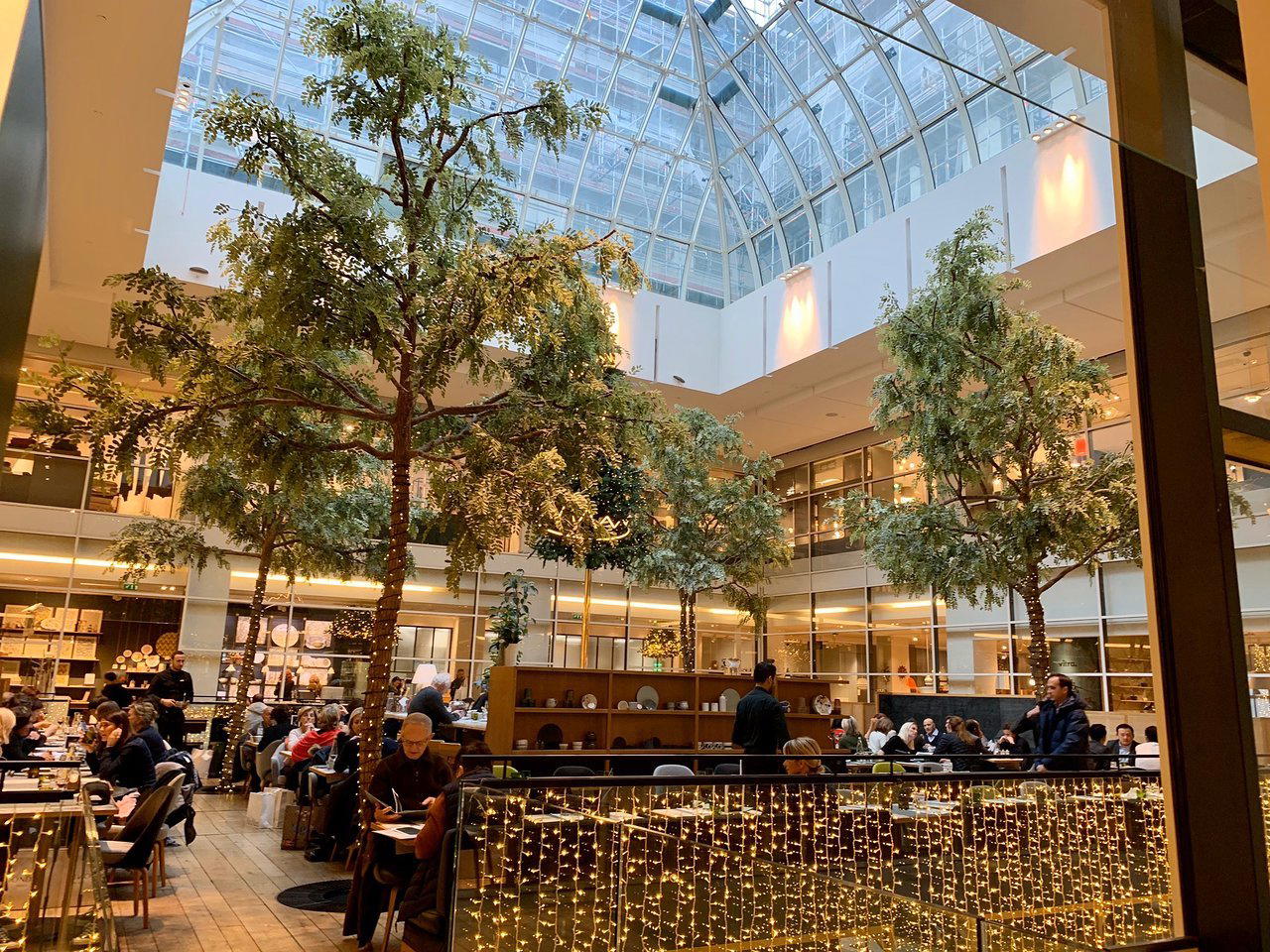
A Department Store Grocery That Became a Reference Point
Paris has always had its luxury food halls, but the category has narrowed considerably over the decades. Where the early twentieth century saw multiple grands magasins operating serious épicerie floors, the field now belongs to a handful of survivors with the scale, buying relationships, and floor space to do the format justice. La Grande Épicerie de Paris, attached to Le Bon Marché at 38 Rue de Sèvres in the 7th arrondissement, is particularly prominent of those survivors, and its evolution from a functional grocery counter into a destination in its own right says as much about how French retail food culture has shifted as it does about the venue itself.
The 7th is useful context here. It is not the arrondissement of tourist traps or brasserie rows aimed at passing trade. It sits between Saint-Germain-des-Prés and the Invalides, a neighbourhood of embassies, established apartment buildings, and a resident population that takes its provisioning seriously. The food hall's address places it inside a consumer culture that expects quality as a baseline rather than a selling point.
From Grocery Annexe to Curated Provisions Destination
The evolution angle matters here because La Grande Épicerie did not arrive fully formed. For most of its early history it functioned as the food floor of Le Bon Marché, LVMH's left-bank department store, following the model familiar to anyone who has spent time at Harrods Food Halls in London or KaDeWe's delicatessen floors in Berlin. The comparison is instructive: all three began as convenience extensions of large retail operations, and all three have, over time, acquired reputations independent of their parent buildings.
What changed in Paris specifically was the professionalisation of the buying operation and the physical separation of the food hall into a space that could be visited without entering the fashion and homeware floors of Le Bon Marché itself. That architectural and commercial decision, positioning the épicerie as a standalone destination, shifted the category it competed in. It was no longer simply a supermarket alternative for the 7th arrondissement's residents. It became a destination comparable, in its own register, to the specialist cheese caves, wine merchants, and pâtisseries that define serious Parisian food commerce.
That same transition has played out, in different ways, across France's most ambitious restaurant projects. Properties like Flocons de Sel in Megève, Mirazur in Menton, and Bras in Laguiole each started from a narrower premise and expanded their scope over time, building the kind of institutional identity that makes them reference points rather than just good options in their category. La Grande Épicerie followed a parallel trajectory in retail food.
What the Selection Signals About French Produce Culture
The range at La Grande Épicerie is built around categories where French producers have genuine technical depth: raw-milk cheeses, charcuterie from regional appellations, pastry from in-house production, wine across all major French regions, and imported specialities that complement rather than displace the domestic offer. This curatorial approach reflects a broader truth about how premium French food retail has repositioned itself since the 1990s: away from comprehensiveness and toward editorial selectivity.
The cheese counter, in particular, operates as a working illustration of how French affineur culture translates to retail. At the serious end of the market, a cheese selection is not a static display but a moving target calibrated to season and maturity. Shoppers who visit in autumn encounter a different landscape than those who arrive in spring, and the counter staff at operations of this calibre are expected to explain why. This seasonality is a feature of the format, not an inconvenience, and it aligns La Grande Épicerie with the sourcing logic that drives the kitchens of restaurants like Arpège or L'Ambroisie, where the calendar dictates the menu.
Wine section draws from across France's major regions and extends into international selections, positioning it closer to a specialist cave than a supermarket aisle. For visitors who want to carry a bottle home as a record of a trip rather than an afterthought purchase, this is a more purposeful stop than the duty-free options available at departure. France's broader wine geography, from the precision of Burgundy to the scale of Bordeaux, is reflected in a selection that rewards time spent with the staff rather than quick shelf-scanning.
Where It Sits Relative to Paris's Dining Scene
La Grande Épicerie is not a restaurant, and it is worth being clear about that distinction. It is a provisions destination whose relationship to the Paris dining scene is oblique but real. The same ingredients sourced here by private households are, in more rarefied form, the raw materials that kitchens like Alléno Paris au Pavillon Ledoyen, Le Cinq at the Four Seasons George V, and Kei build their menus around. A visit to the food hall offers a different kind of access to that produce culture, one that is self-directed rather than mediated through a tasting menu format.
For travellers building a serious Paris food itinerary, the épicerie functions as both a provisioning stop and a point of education. Understanding what a properly aged Comté looks and tastes like, or being able to compare two charcuterie producers side by side, adds context to any subsequent restaurant meals. The same principle applies to visitors heading further afield: those planning trips to Assiette Champenoise in Reims, Au Crocodile in Strasbourg, or Auberge de l'Ill in Illhaeusern will find that a stop here sharpens their awareness of the regional produce those kitchens draw from.
The international comparison is also instructive. Food halls in cities like New York, where Le Bernardin and Atomix represent the restaurant tier, have proliferated in the past decade, but most operate at a different register, closer to food court than épicerie. The Paris model, and La Grande Épicerie's version of it specifically, maintains a distinction between provisioning and grazing that gives the format a different character.
Planning Your Visit
Know Before You Go
- Address: 38 Rue de Sèvres, 75007 Paris, France
- Neighbourhood: 7th arrondissement, between Saint-Germain-des-Prés and the Invalides
- Getting There: Sèvres-Babylone métro station (lines 10 and 12) is directly adjacent
- Timing: Weekday mornings are quieter; weekends, particularly Saturday, draw the highest foot traffic and the freshest restocked counters
- What to Prioritise: The cheese and charcuterie counters reward conversation with staff; the wine section is extensive enough to warrant a focused visit rather than a quick pass
- Practical Note: The épicerie occupies a separate entrance from Le Bon Marché's main fashion floors, so a food-focused visit does not require navigating the full department store
What It’s Closest To
Comparable venues nearby, for context on price, style, and recognition.
| Venue | Cuisine | Price | Notes |
|---|---|---|---|
| La Grande Épicerie de ParisThis venue — the venue you are viewing | French Bistro with Modern Mediterranean Touches | $$ | Not listed |
| Au Vieux Colombier | Classic French Bistro | $$ | Saint-Germain-des-Prés |
| Eggs&Co. | French Egg-Centric Brunch | $$ | 6th Arrondissement (Luxembourg) |
| Le Café de Mars | French Fusion Bistro | $$ | Gros-Caillou |
| Le comptoir de la traboule | Creative French Bistro | $$ | Gros-Caillou |
| Chez Gladines Saint Germain | Basque Bistro | $$ | Quartier Latin |
Continue exploring
More in Paris
Restaurants in Paris
Browse all →
Bars in Paris
Browse all →
Hotels in Paris
Browse all →
Wineries in Paris
Browse all →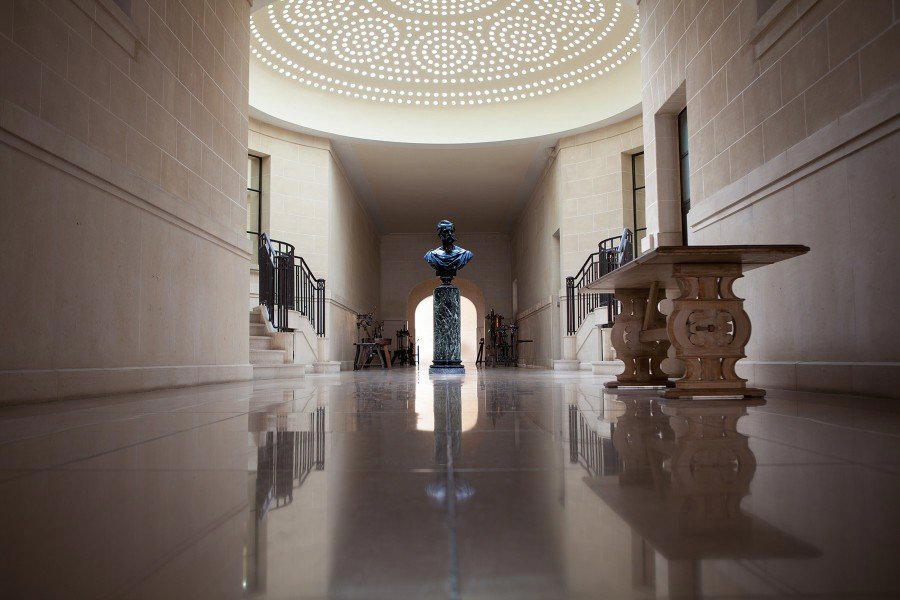
At a Glance
- Elegant
- Classic
- Sophisticated
- Brunch
- Historic Building
Current opening hours
- Monday
- 8:30 AM–5:30 PM
- Tuesday
- 8:30 AM–5:30 PM
- Wednesday
- 8:30 AM–5:30 PM
- Thursday
- 8:30 AM–5:30 PM
- Friday
- 8:30 AM–5:30 PM
- Saturday
- 8:30 AM–5:30 PM
- Sunday
- 8:30 AM–5:30 PM
Hours can change for holidays and private events. Last verified .
Bright and elegant with natural skylight glow, refined atmosphere evoking Parisian gastronomy excellence.