At 25 Rue de la Victoire in the 9th arrondissement, Le Cellier operates within a long Parisian tradition of provision-led dining, where the sourcing chain takes precedence over chef-driven transformation. Its address in the theatre and commerce district of the 9th places it in a neighbourhood where consistency and honest ingredient logic have sustained restaurants longer than critical decoration.
Pearl is the En Primeur Club membership app — saves, bookings, and concierge access live there. Same editors, same standards.
- Address
- 25 Rue de la Victoire, 75009 Paris, France
- Phone
- +33148746103
- Website
- stephanepitre.fr
- Directions
- Get directions
 Saves & bookings on Pearl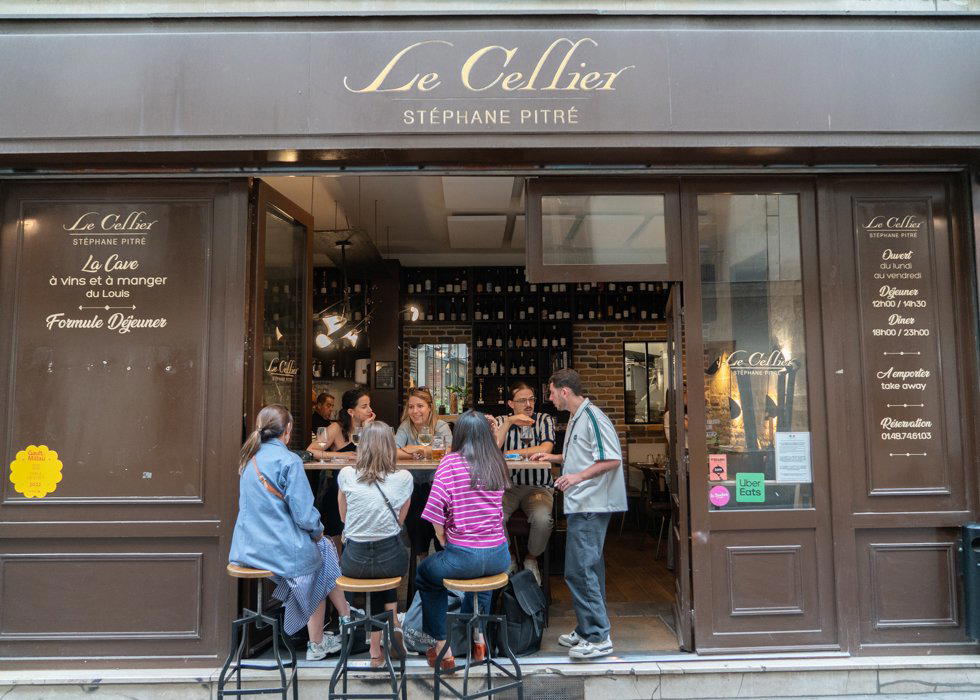
A Wine Merchant's Address in the 9th Arrondissement
The 9th arrondissement has long occupied an ambiguous position in Paris dining: not the trophy addresses of the 8th, not the chef-driven experimentation of the 11th, but a neighbourhood of working professionals, theatre crowds, and institutions that have quietly held their ground for generations. Le Cellier is a modern French bistro with Breton influences at 25 Rue de la Victoire in Paris, with a smart casual dress code and reservations recommended. Rue de la Victoire sits close to the Grands Boulevards axis, where the city's 19th-century commercial culture laid down roots that some addresses have never entirely shed. Le Cellier, at number 25, carries that address in a district where provenance and continuity tend to matter more than seasonal reinvention.
The word cellier in French denotes a storeroom or cellar, specifically one for provisions and wine. That etymology is not incidental. In the tradition of French cave-to-table dining, the relationship between what is stored, how it is sourced, and what eventually reaches the plate defines the entire proposition. Where the 21st-century wine-bar format in Paris often prioritises natural wine lists and small-production labels as an aesthetic stance, the older cellier model begins with the question of what is in the cellar, and works outward from there. That distinction shapes how a serious diner should approach Le Cellier.
Ingredient Sourcing as the Organising Logic
French regional sourcing traditions place the cellier concept inside a much larger argument about where food comes from. The French appellation system, which governs not just wine but cheese, butter, salt, and lentils, reflects a long-standing conviction that geography is the primary determinant of flavour. A restaurant operating under the cellier model implicitly accepts that logic: the sourcing chain matters, and the kitchen's job is to get out of the way. This is a different philosophy from the creative modernism at work at Alléno Paris au Pavillon Ledoyen, where transformation and technique carry the main weight, or the precision-led Japanese-French synthesis at Kei.
Across France, the restaurants that have built durable reputations on ingredient sourcing tend to anchor themselves to a specific region or supplier network. Bras in Laguiole built its identity around the Aubrac plateau. Flocons de Sel in Megève draws on Alpine terroir with the same coherence. Auberge de l'Ill in Illhaeusern has treated the Alsatian larder as a non-negotiable starting point for decades. In each case, the sourcing argument precedes the cooking argument. That sequencing produces a different kind of restaurant from those where the chef's technique is the primary story.
Paris cellars and cave restaurants occupy a specific tier within this tradition. They are not destination kitchens in the way that Mirazur in Menton or Troisgros in Ouches operate, drawing visitors from across the country or internationally. Their sourcing proposition is more local and more specific: proximity to Rungis, the wholesale market that supplies a significant share of Paris kitchens, combined with relationships to small producers in the Île-de-France region and beyond. The quality ceiling in that model is different from grand cuisine, but the honesty of the proposition, when it holds, is harder to fake.
The 9th Arrondissement as Dining Context
Diners approaching the 9th from the perspective of Paris's more decorated addresses will find a neighbourhood that operates at a different register. The grand rooms of Le Cinq at the Four Seasons George V, the Place des Vosges gravity of L'Ambroisie, and the Left Bank intellectual weight of Arpège are each products of a specific Parisian geography of prestige. The 9th is not that geography. It is a district of theatres, banks, and the historic Jewish quarter along Rue de la Victoire itself, which gives the street a particular cultural character that shapes the businesses along it.
For the visiting diner, this means that Le Cellier sits in a context where neighbourhood regulars and working lunchers are part of the room's composition. That is not a lesser condition; it is a different one. The restaurants that have lasted in this part of Paris have generally done so by delivering consistent value within a specific format, rather than by chasing critical recognition in the way that restaurants in the 1st, 6th, or 8th tend to do. The comparison set is less likely to include Michelin-starred peers and more likely to include the reliable bistrots and brasseries of the surrounding streets.
France's Sourcing Tradition in Wider Perspective
The emphasis on where food comes from, rather than what a chef does to it, has produced some of France's most durable restaurants. Auberge du Vieux Puits in Fontjoncouse operates in the Corbières with a hyper-local sourcing logic that has sustained three Michelin stars in a village of fewer than 200 inhabitants. Paul Bocuse's Auberge du Pont de Collonges in Collonges-au-Mont-d'Or built its entire identity on the assertion that the products of the Lyon region needed nothing more than skilled, respectful cooking. Assiette Champenoise in Reims draws on Champagne-region producers as a structural element of its menus. The pattern is consistent: when sourcing is the argument, the kitchen's role is to clarify rather than complicate.
That logic sits differently in Paris than in the regions, because Paris kitchens draw from everywhere rather than from a single terroir. AM par Alexandre Mazzia in Marseille and Au Crocodile in Strasbourg each have a regional anchor that Paris restaurants, by definition, lack. The capital's cellier-format restaurants compensate by building supplier relationships across multiple regions and using the breadth of Rungis access as a structural advantage. Whether that substitutes adequately for regional specificity is a question serious diners bring to any Paris sourcing claim.
Planning a Visit
The restaurant is at 25 Rue de la Victoire, in the 9th arrondissement, reachable from the Le Peletier or Notre-Dame-de-Lorette Métro stops within a few minutes on foot. Those building a broader French itinerary may also find useful reference points at Le Bernardin in New York City, which exemplifies the French sourcing-first tradition exported to an international context, and at Atomix, which applies a comparable rigour to Korean sourcing within a tasting-menu format.
Style and Standing
Comparable venues nearby, for context on price, style, and recognition.
| Venue | Cuisine | Price | Notes |
|---|---|---|---|
| Le CellierThis venue — the venue you are viewing | Modern French Bistro with Breton Influences | $$ | Not listed |
| Causses | French Farm-to-Table Bistro & Gourmet Grocery | $$ | Marais / South Pigalle |
| Vagenende | Classic French Brasserie | $$ | Saint-Germain-des-Prés |
| La Petite Périgourdine | South-West French Bistro | $$ | 5th Arrondissement |
| Chez Mademoiselle | Traditional French Bistro | $$ | Saint-Gervais |
| Café Delmas | Classic French Brasserie | $$ | Quartier Latin |



At a Glance
- Cozy
- Elegant
- Classic
- Casual Hangout
- Business Dinner
- Terrace
- Open Kitchen
- Extensive Wine List
- Local Sourcing
Current opening hours
- Monday
- 12–2:30 PM, 6:30–11 PM
- Tuesday
- 12–2:30 PM, 6:30–11 PM
- Wednesday
- 12–2:30 PM, 6:30–11 PM
- Thursday
- 12–2:30 PM, 6:30–11 PM
- Friday
- 12–2:30 PM, 6:30–11 PM
- Saturday
- Closed
- Sunday
- Closed
Hours can change for holidays and private events. Last verified .
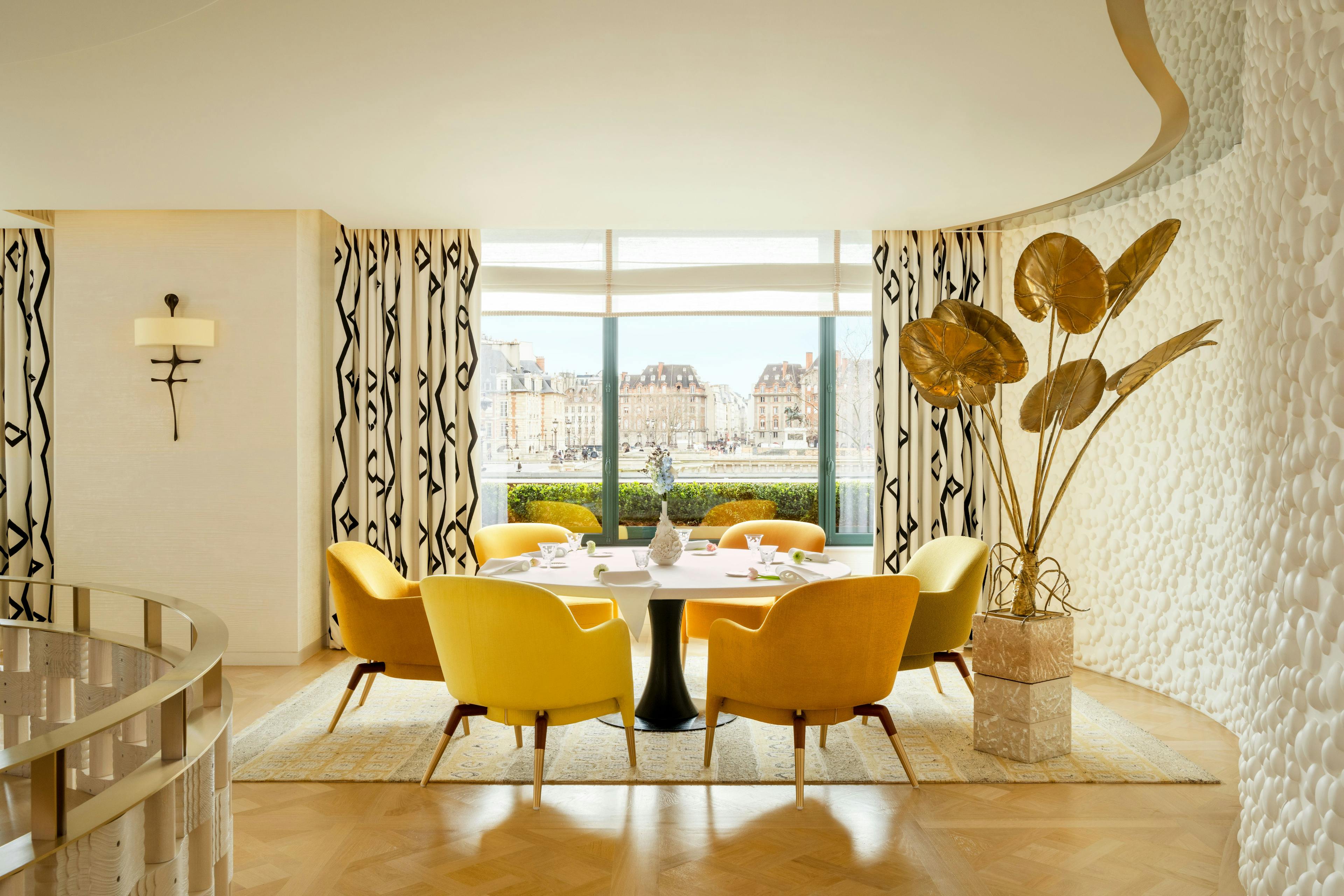
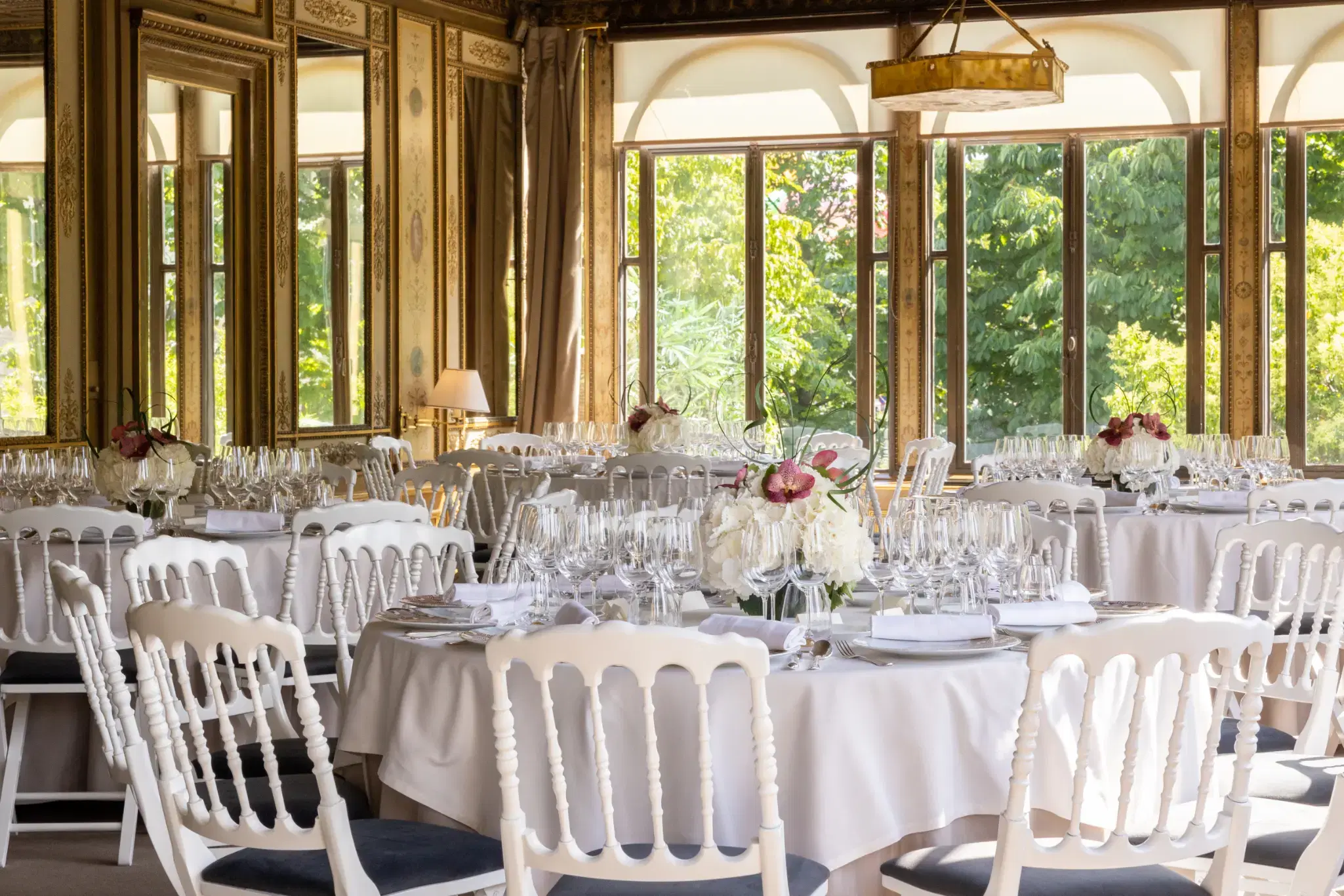
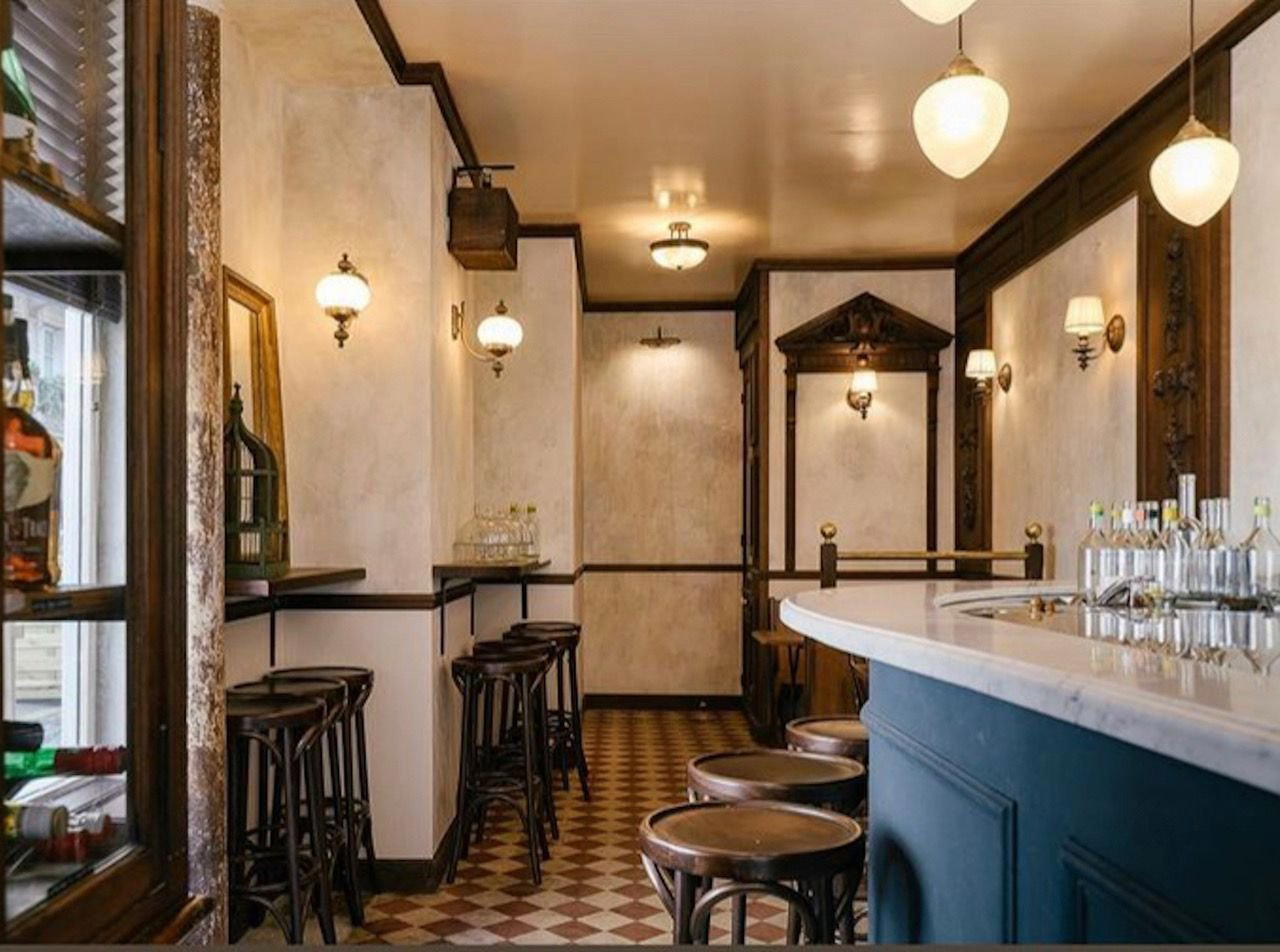
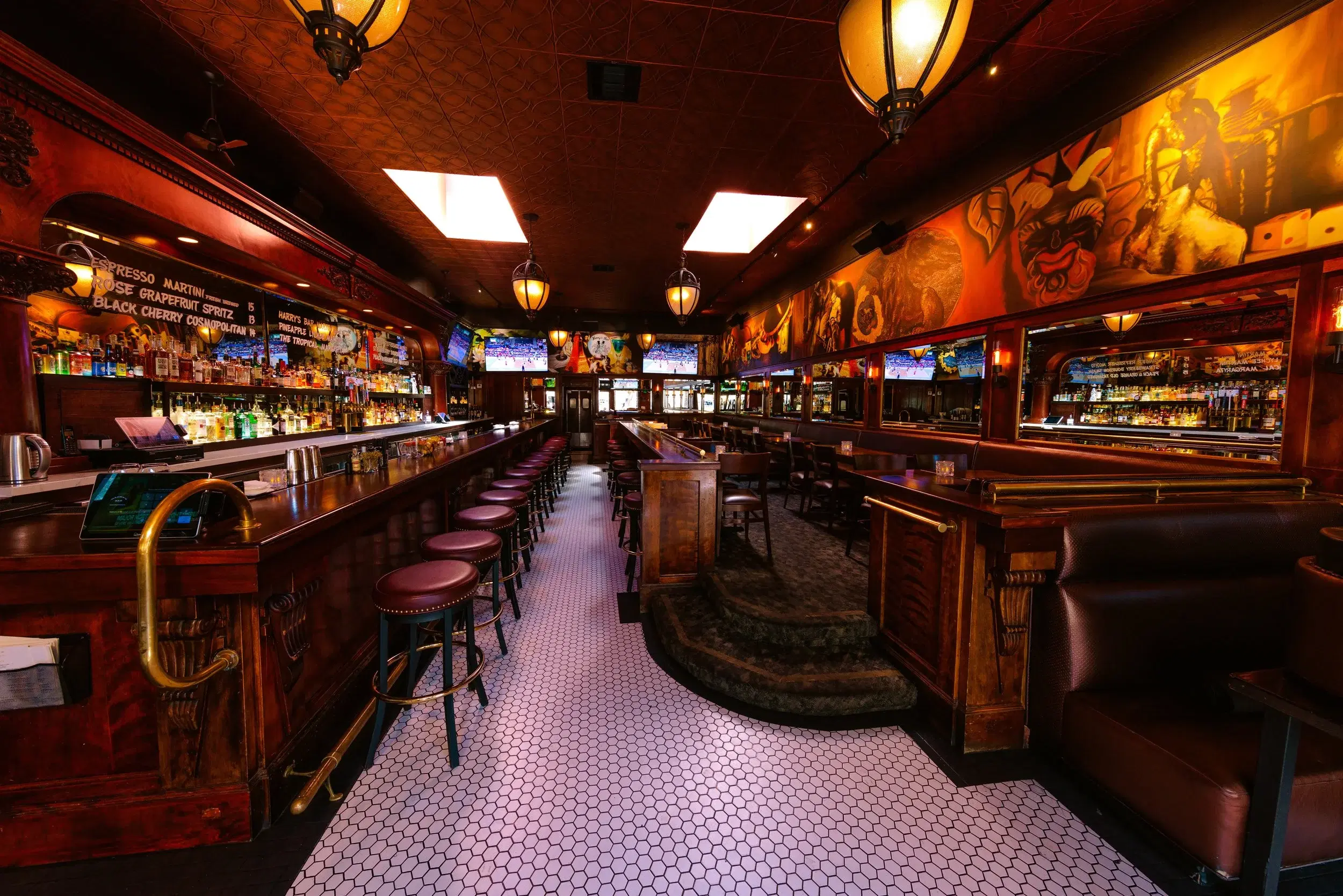
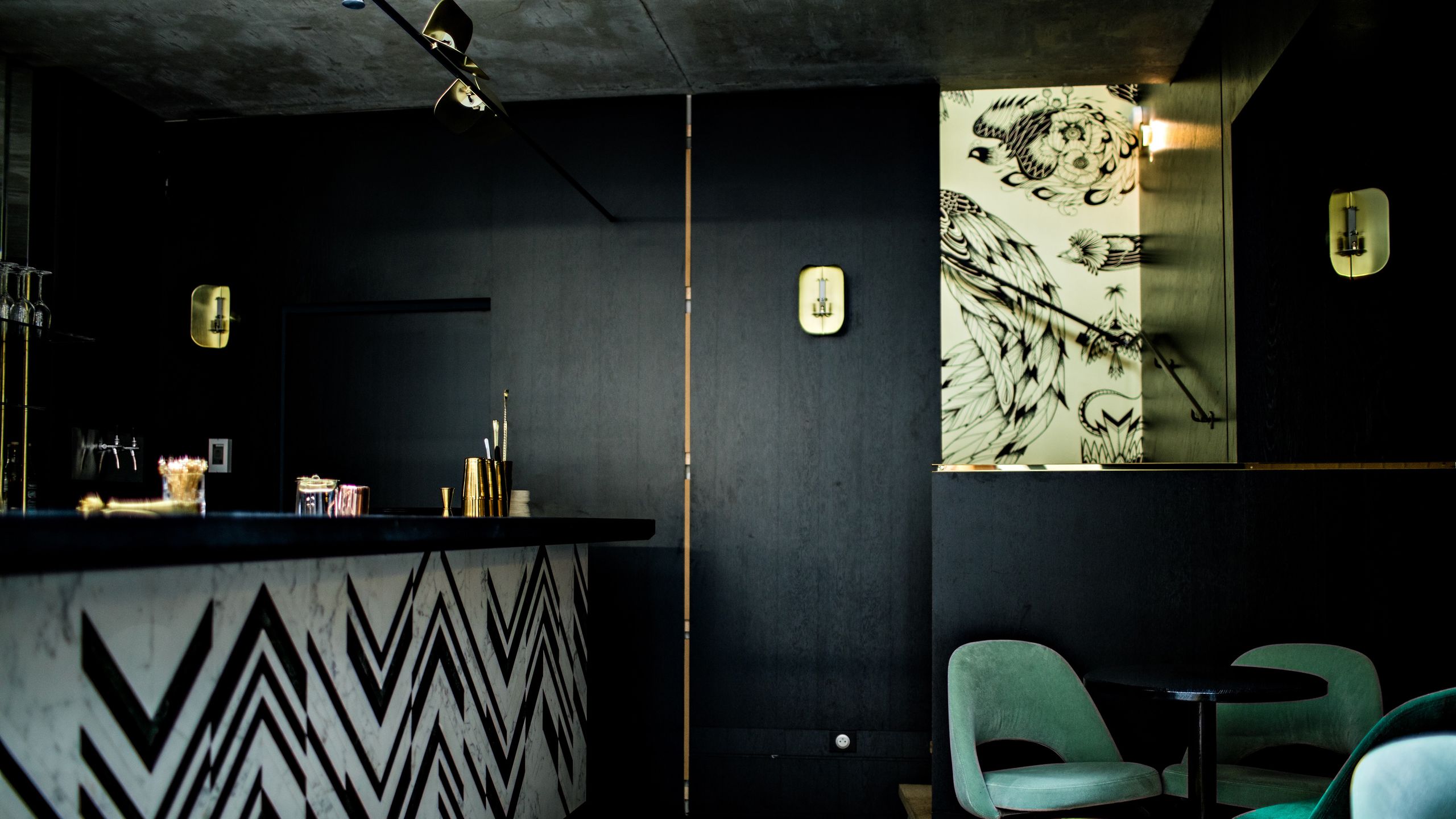
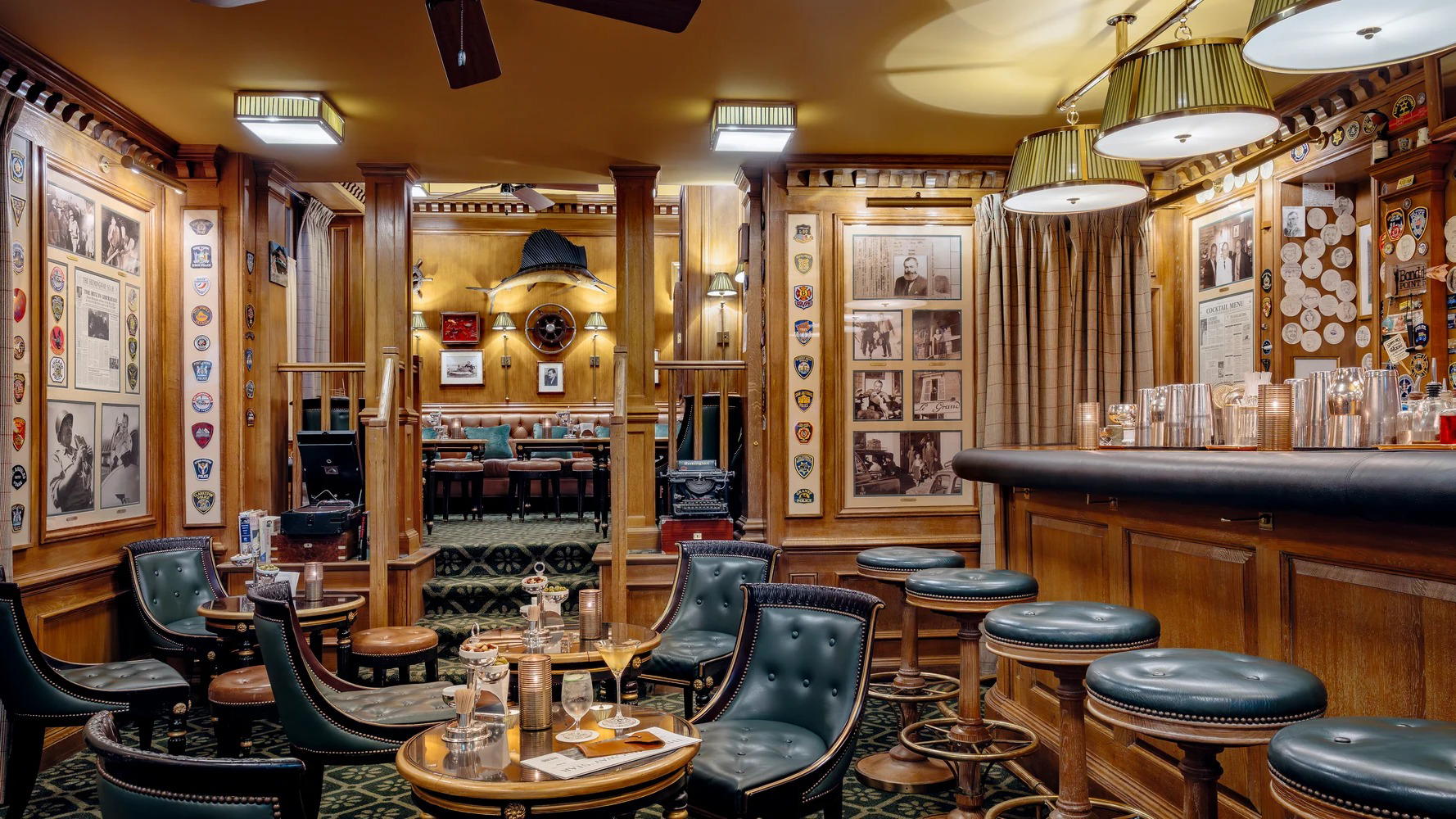
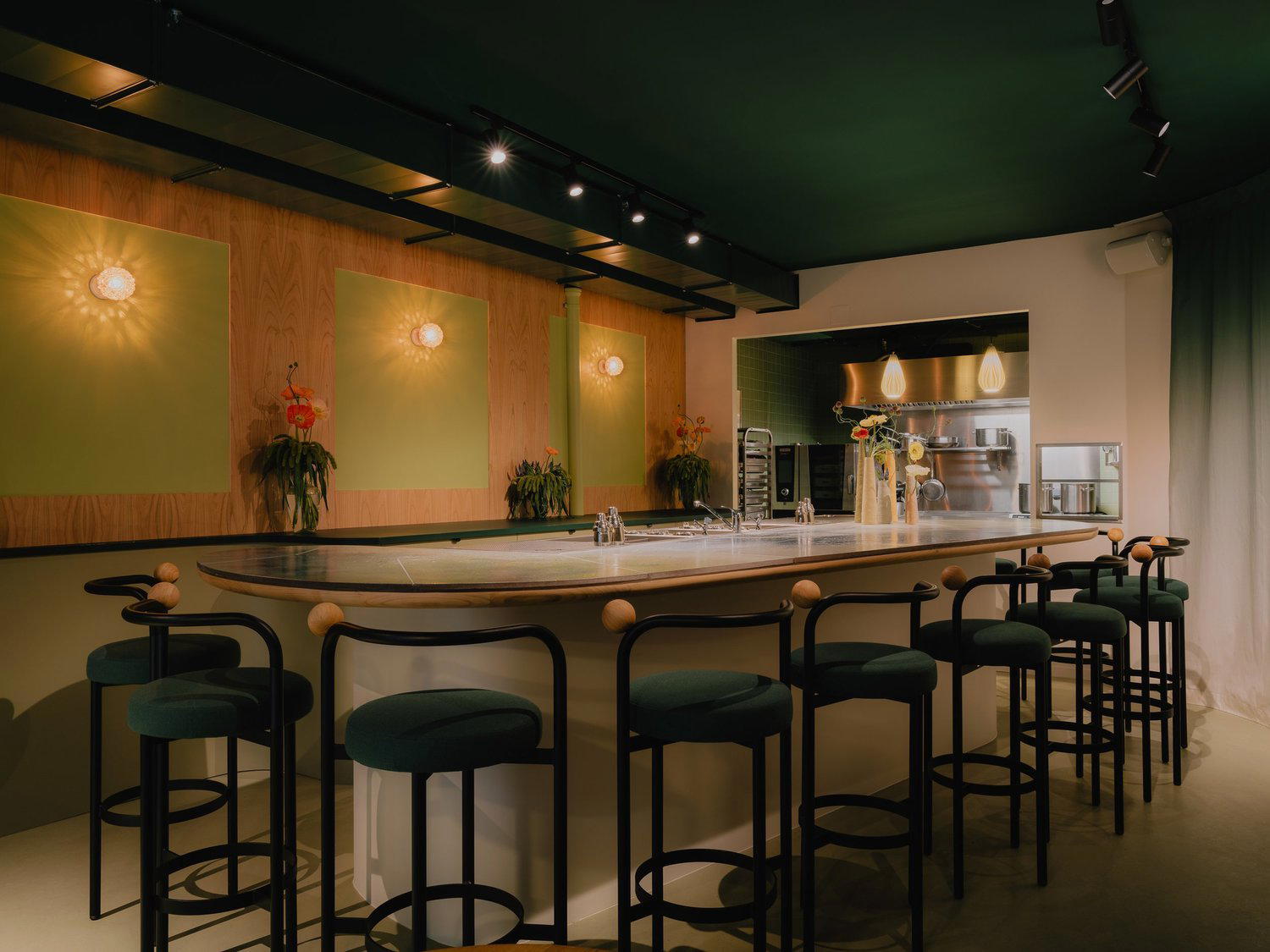
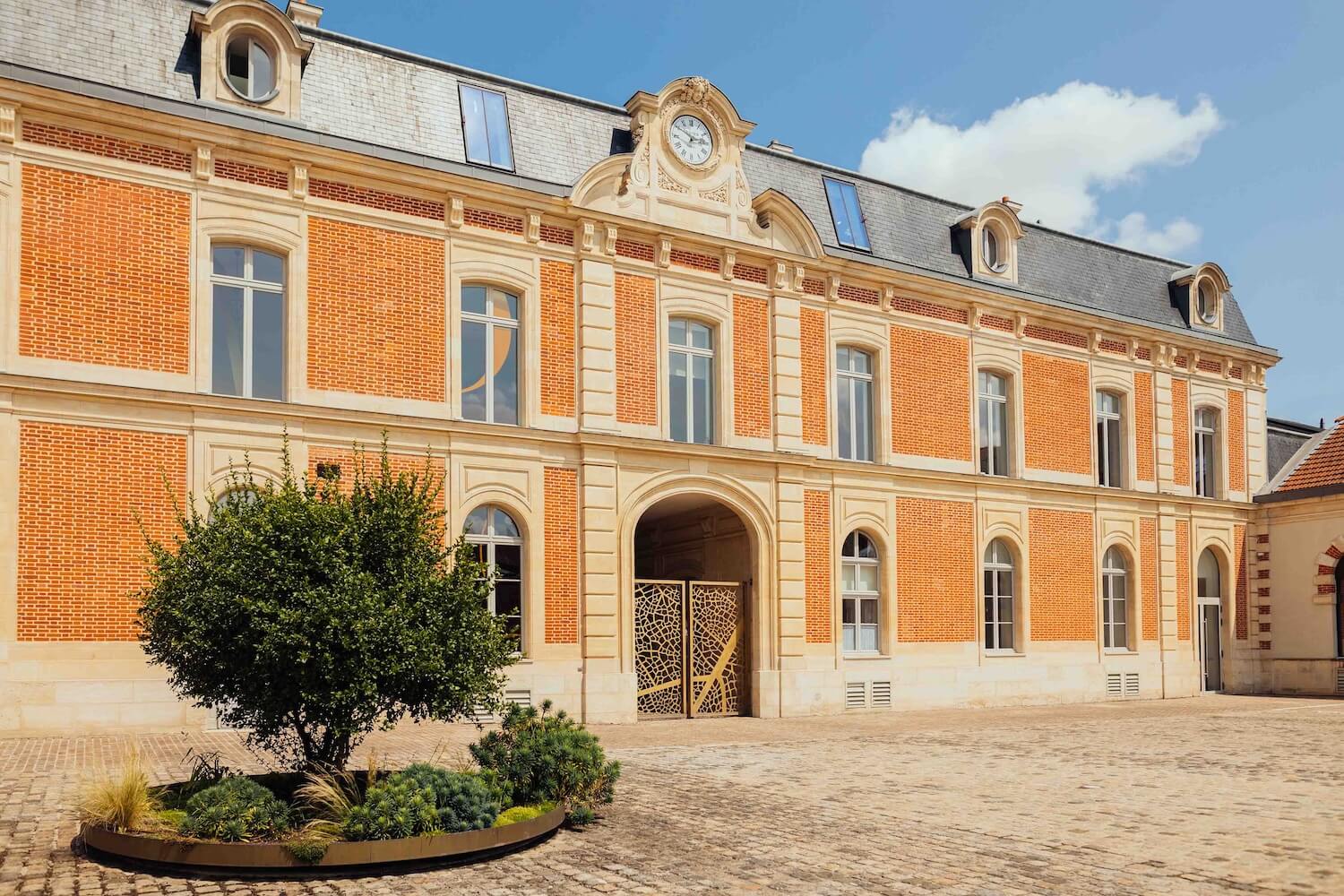
Minimalist yet elegant décor with warm Parisian atmosphere, lively front room by the bar and cozy back room under glass roof overlooking courtyard.