On Rue Saint-André des Arts, one of the Left Bank's most characterful streets, Brasserie des Arts occupies a stretch of Saint-Germain-des-Prés where literary café culture and neighbourhood dining have coexisted for generations. The address places it squarely in the 6th arrondissement's working dining circuit, distinct from the destination-restaurant tier of Paris's €€€€ bracket and closer to the everyday rhythms of the quarter.
Pearl is the En Primeur Club membership app — saves, bookings, and concierge access live there. Same editors, same standards.
- Address
- 28 Rue Saint-André des Arts, 75006 Paris, France
- Phone
- +33181704570
- Website
- brasserie-des-arts.com
- Directions
- Get directions
 Saves & bookings on Pearl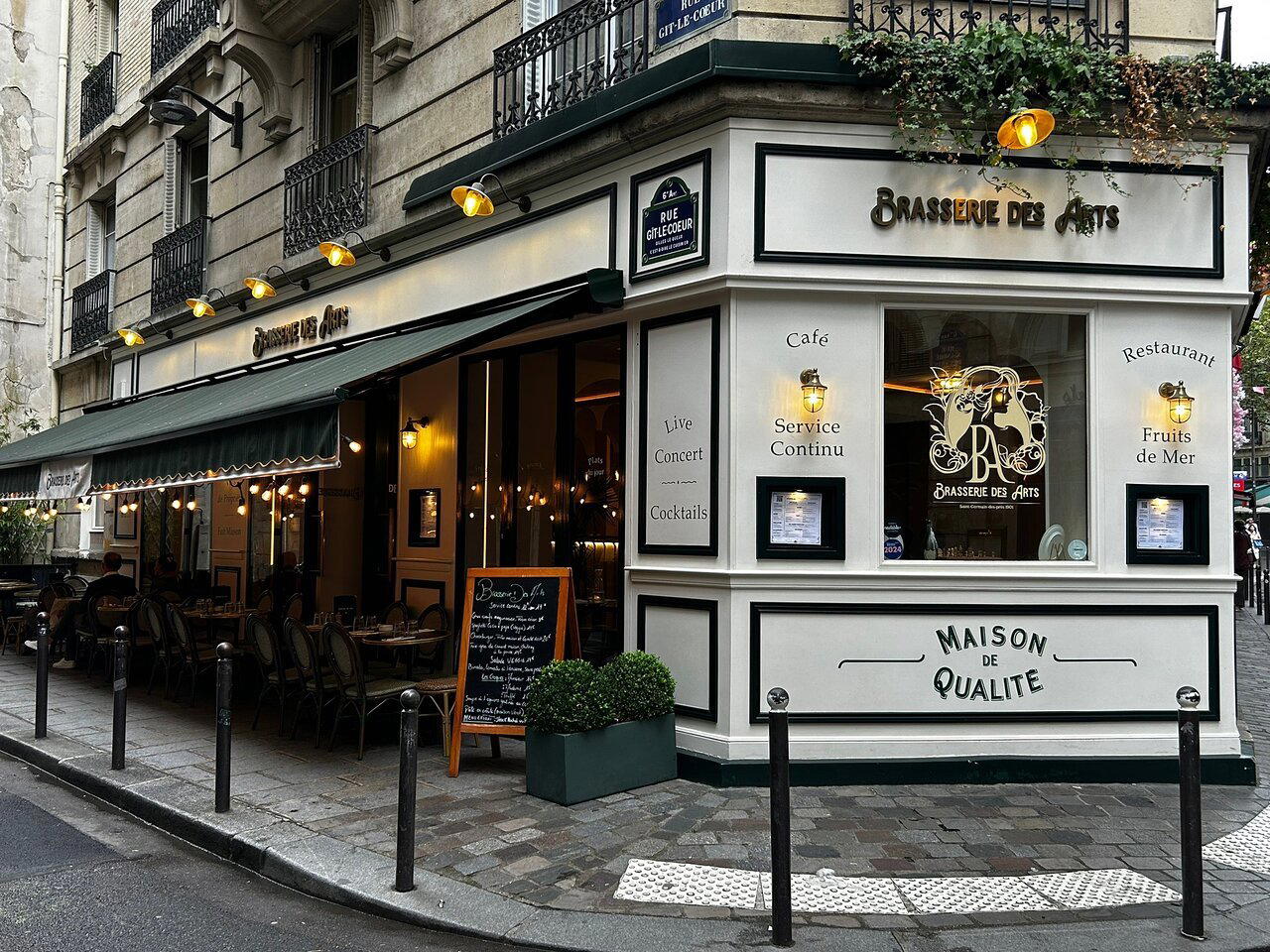
Rue Saint-André des Arts and What It Means to Eat Here
There is a particular quality to the streets that run south from Boulevard Saint-Germain toward the Seine, and Rue Saint-André des Arts captures it about as well as any in the 6th arrondissement. The street is narrow enough that traffic slows to a shuffle, wide enough that its ground-floor façades — bookshops, small galleries, café terraces — remain legible as you walk. This is not the Saint-Germain of fashion flagships or hotel bars priced for visiting finance. It is the arrondissement's older, slightly rougher-edged interior, where the density of daily life still crowds out the purely decorative. Brasserie des Arts sits at number 28, and the address is, in the most literal sense, the first thing to understand about the experience.
The 6th arrondissement's dining character has always been split along roughly class and purpose lines. Toward the river, Place de l'Odéon and the streets around it carry the weight of literary mythology, Procope, the oldest continuously operating café in Paris, is a five-minute walk. Toward Boulevard Raspail and beyond, the arrondissement shades into the expensive residential calm of the 7th. Rue Saint-André des Arts sits between these registers, in a corridor that functions as neighbourhood dining infrastructure rather than destination pilgrimage. That context shapes what a venue here is expected to do: it is asked to serve the street, not to transcend it.
The Left Bank Brasserie Tradition and Where It Sits Now
The Parisian brasserie is one of the more durable dining formats in European cities, and also one of the most internally varied. At one end, you have the grand establishments, Bofinger near the Bastille, La Coupole on Boulevard du Montparnasse, where architectural scale and historical identity are as much a part of the visit as the food. At the other, you have the neighbourhood brasserie functioning closer to a corner bistro: regular clientele, reliable plats du jour, a wine list built for Tuesday evenings rather than anniversary dinners. The name Brasserie des Arts suggests the latter orientation, with an address on one of the Left Bank's most pedestrian-trafficked streets providing a natural catchment of students, residents, and the kind of tourist who has done enough Paris visits to stop chasing the Eiffel Tower view and start asking where the locals actually eat.
Paris's most highly decorated restaurants operate in a completely different register. The €€€€ tier, represented by addresses like Alléno Paris au Pavillon Ledoyen, Arpège, Kei, L'Ambroisie, and Le Cinq at the Four Seasons Hôtel George V, demands advance booking, formal dress, and multi-course commitment. Brasserie des Arts does not compete in that bracket, and the Rue Saint-André des Arts address makes clear it does not try to.
France's regional dining traditions, from the Michelin-laden kitchens of Flocons de Sel in Megève and Mirazur in Menton to the historic addresses of Troisgros in Ouches, Paul Bocuse in Collonges-au-Mont-d'Or, Bras in Laguiole, Auberge de l'Ill in Illhaeusern, Les Prés d'Eugénie in Eugénie-les-Bains, La Table du Castellet, Georges Blanc in Vonnas, and Auberge du Vieux Puits in Fontjoncouse, remind you how deep the French dining infrastructure runs outside the capital. Paris's neighbourhood brasseries occupy a very different but equally important position in that infrastructure: they are the daily-use layer that keeps the city's relationship with its own food culture functional rather than ceremonial.
What the Address Promises and Delivers
The relationship between a Paris address and a diner's expectations is rarely accidental. On Rue Saint-André des Arts, the surrounding neighbourhood provides specific cues. The street feeds directly into Place Saint-Michel, which is perpetually crowded with students and visitors from the nearby Sorbonne and Sciences Po campuses. A few blocks north, the Seine separates the 6th from the Île de la Cité. A few blocks south, the Odéon Théâtre de l'Europe draws a theatre-going crowd in the evenings. The street itself, lined with covered passageways, independent restaurants, and the occasional specialist food shop, operates on a rhythm that is both commercial and genuinely residential.
For the diner, this means that Brasserie des Arts exists within a dense, competitive local market where a single poor-value meal has immediate consequences for repeat trade. The Left Bank dining corridor along this axis, stretching from Odéon through the side streets of Saint-Germain, contains a high density of options in the same price range, which disciplines the individual operator. This is the structural condition that makes consistent neighbourhood brasseries worth paying attention to: they cannot rely on destination status or a single annual visit from a tourist ticking boxes. The regulars know the alternatives too well.
International parallels exist for this format. Le Bernardin in New York City or Lazy Bear in San Francisco represent the destination-dining pole in their respective cities. The neighbourhood brasserie occupies a position that is structurally closer to a corner restaurant than to either of those addresses, which is not a critique but a clarification of purpose. The most useful frame for evaluating a place like Brasserie des Arts is not how it compares to a three-Michelin-star table, but how reliably it delivers what its street and neighbourhood actually require.
Planning Your Visit
Brasserie des Arts is located at 28 Rue Saint-André des Arts, 75006 Paris, in the 6th arrondissement. The nearest metro stations are Odéon (lines 4 and 10) and Saint-Michel (line 4), each within a short walk. The street is pedestrian-friendly and easily reached on foot from the Left Bank's main artery. Dress: Rue Saint-André des Arts is a casual dining corridor; smart-casual is appropriate. For a broader view of where Brasserie des Arts sits within the city's dining options, see our full Paris restaurants guide.
How Brasserie des Arts Paris compares with similar nearby venues.
| Venue | Cuisine | Price |
|---|---|---|
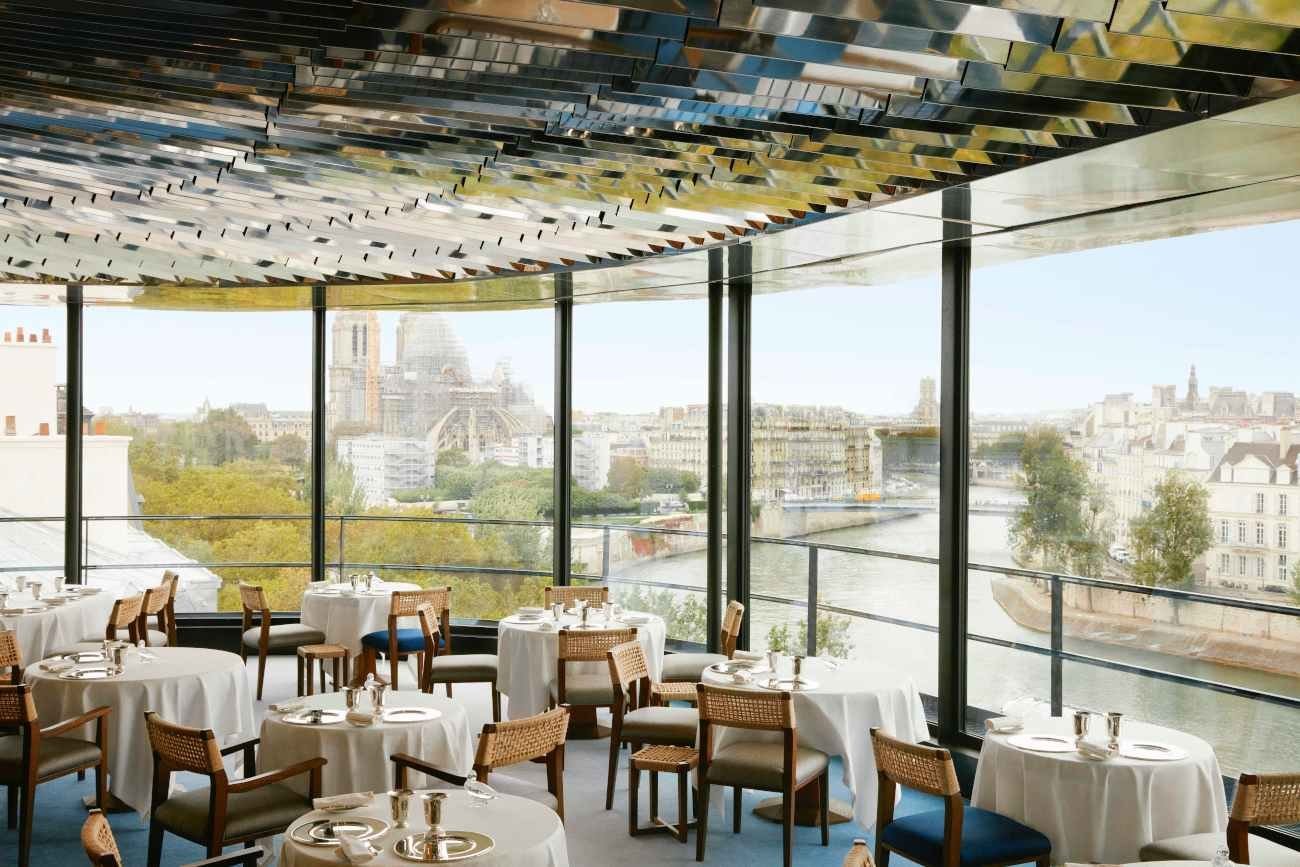
| Ze Kitchen Galerie | Asian Fusion, Creative | €€€€ |
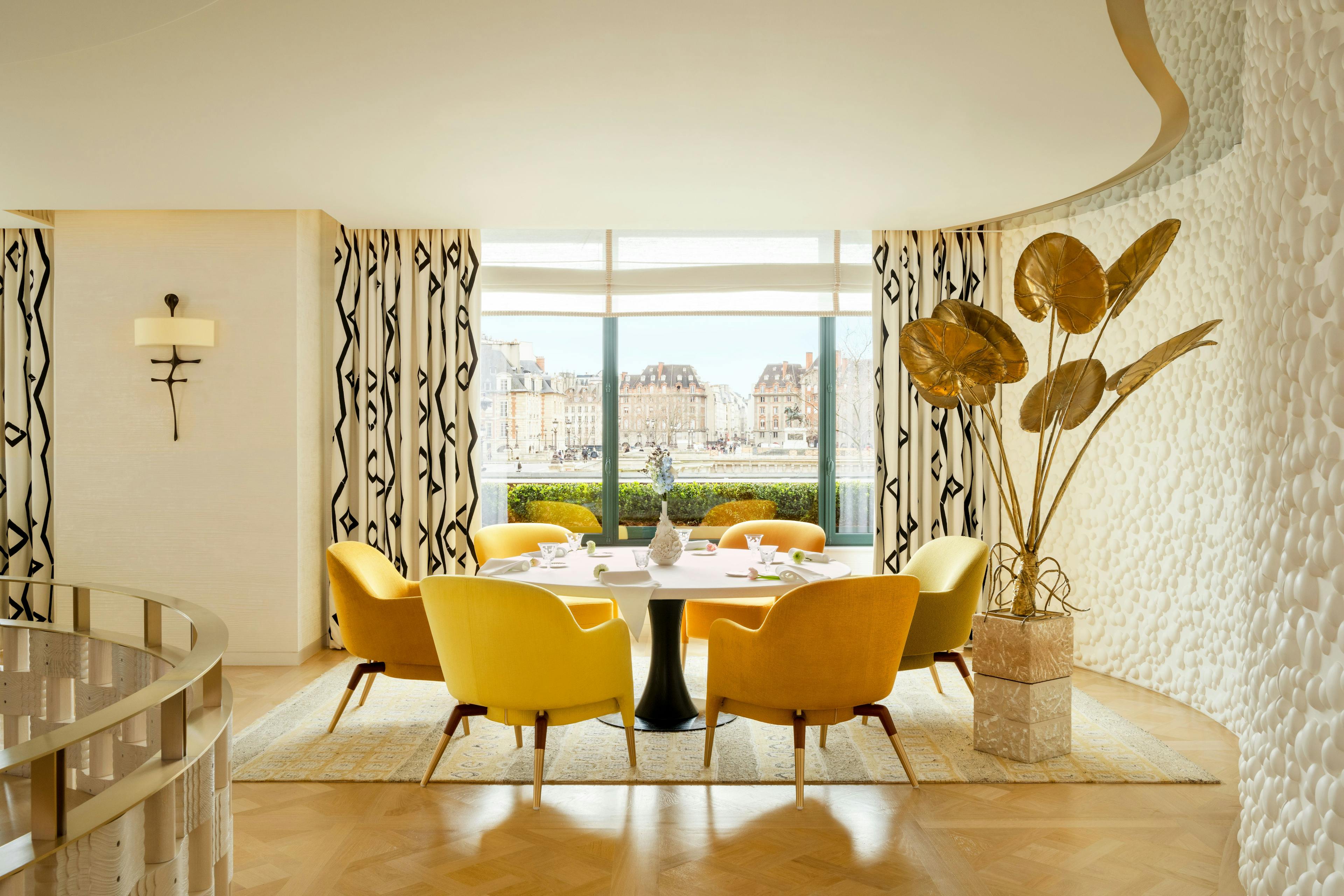
| Relais Louis XIII | French, Classic Cuisine | €€€€ |
| Le Christine | Modern Cuisine | €€€ |
| Allard | Traditional Cuisine | €€€ |
Continue exploring
More in Paris
Restaurants in Paris
Browse all →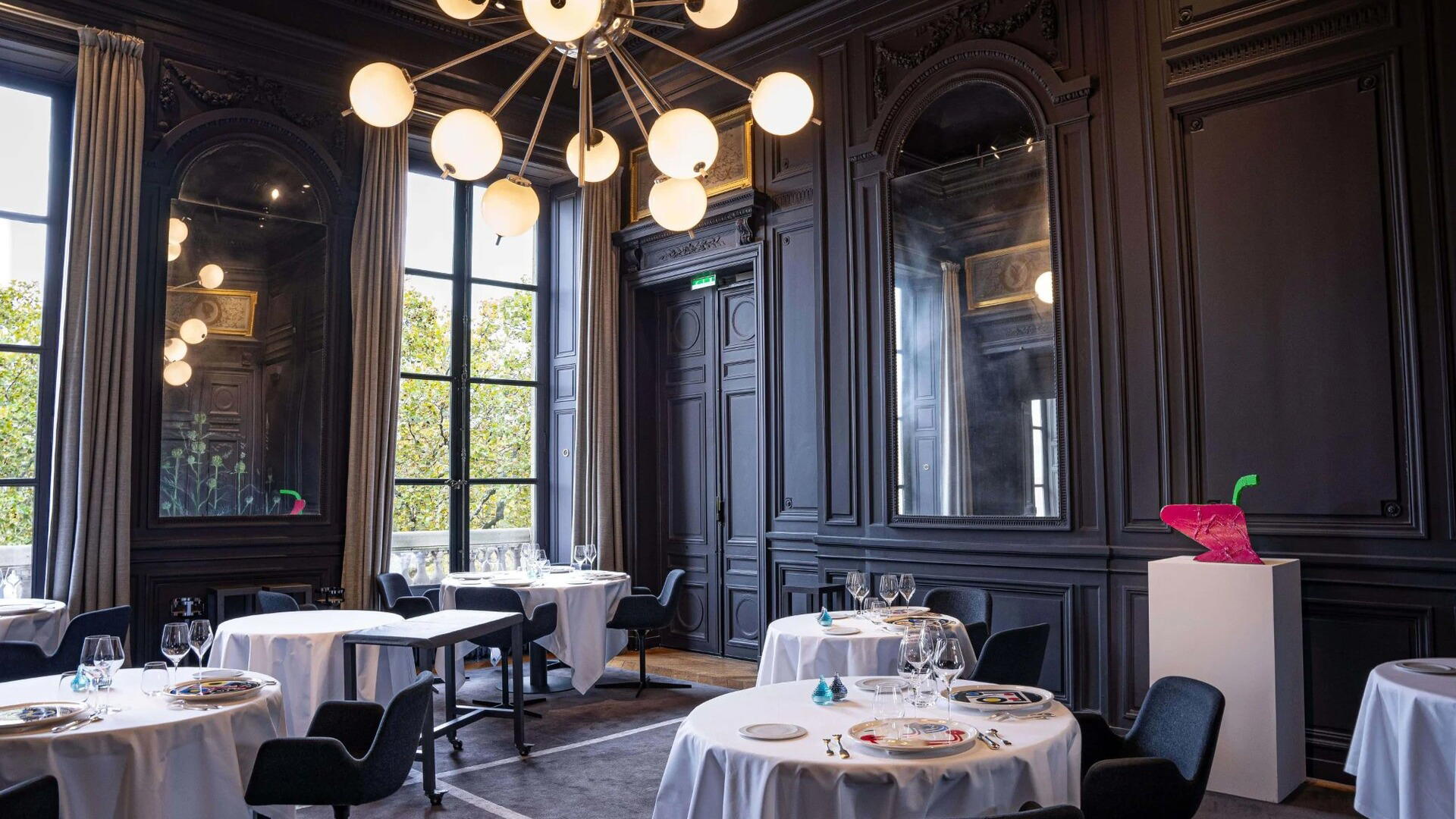
Bars in Paris
Browse all →
Hotels in Paris
Browse all →



At a Glance
- Lively
- Elegant
- Classic
- Brunch
- Casual Hangout
- Terrace
- Craft Cocktails
- Local Sourcing
- Street Scene
Current opening hours
- Monday
- 12 PM–1 AM
- Tuesday
- 12 PM–1 AM
- Wednesday
- 12 PM–1 AM
- Thursday
- 12 PM–1 AM
- Friday
- 12 PM–1 AM
- Saturday
- 12 PM–5 AM
- Sunday
- 11:30 AM–2 AM
Hours can change for holidays and private events. Last verified .
Festive yet warm atmosphere with chic Art Deco decor, cozy interior, and lively terrace.
Know Before You Go
- Getting there
- 28 Rue Saint-André des Arts, 75006 Paris, France