Our verdict
Aerosteak sits in Čavle, a small inland municipality just east of Rijeka in the Kvarner region of Croatia. The name signals a meat-forward kitchen in a country more often associated with Adriatic seafood, positioning it as a counterpoint to the coastal dining mainstream. For visitors moving between the Istrian interior and the Kvarner coast, it represents a different register of Croatian table culture.

Pearl is the En Primeur Club membership app, where members save venues, book tables and use the concierge.
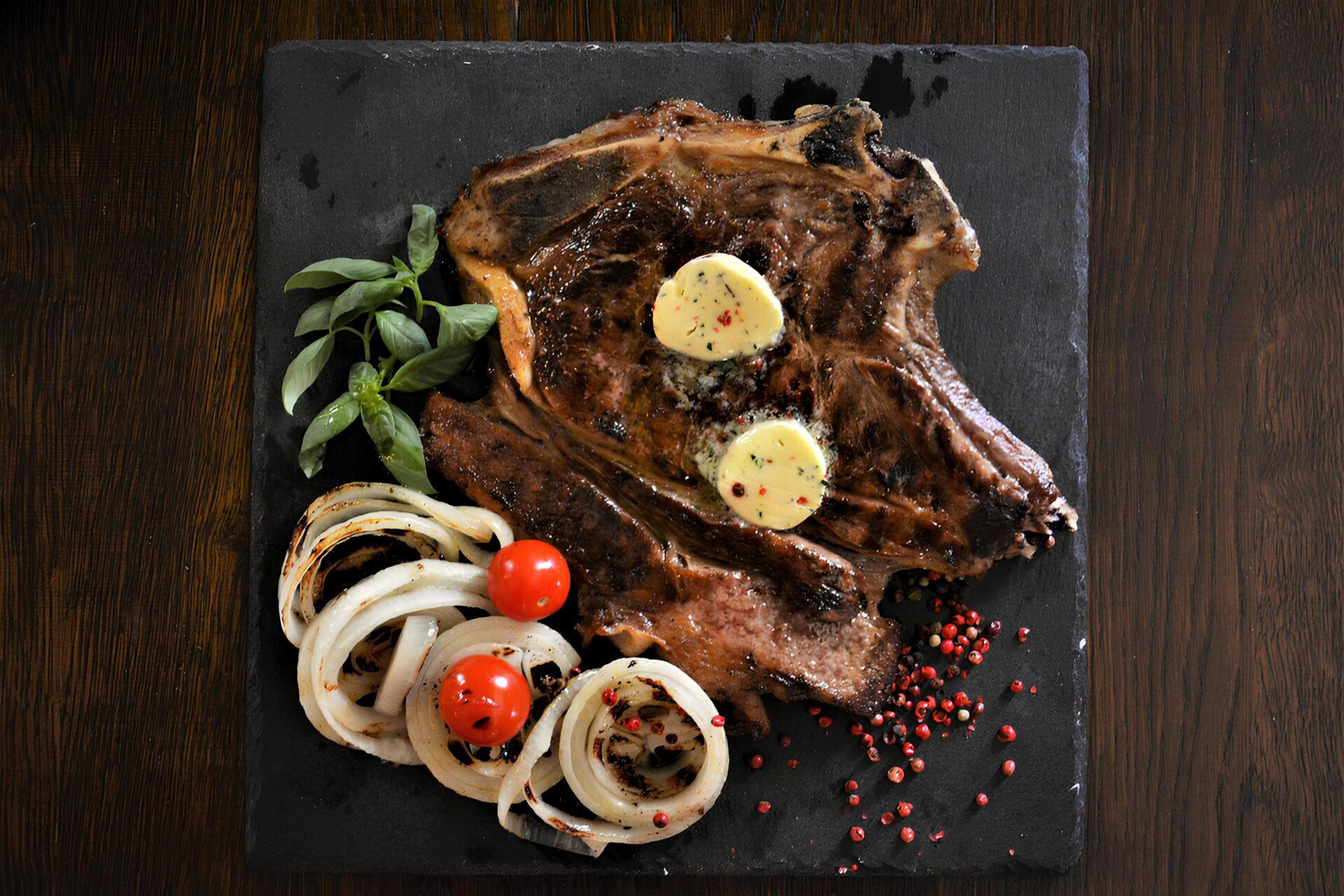
Where the Inland and the Coast Collide
Croatia's dining conversation is almost entirely coastal. The country's restaurant recognition flows through Dalmatian harbours, Istrian hill towns, and Kvarner islands, venues like Pelegrini in Sibenik, Restaurant 360 in Dubrovnik, and Agli Amici Rovinj in Rovinj define the country's external image as one of fish, shellfish, and olive oil. What gets less attention is the inland belt running east from Rijeka, where the Gorski Kotar uplands and the Kvarner hinterland maintain a distinct tradition centred on roasted and grilled meat, game, and heavier preparations rooted in central European rather than Mediterranean patterns. Čavle sits at the edge of that inland belt, close enough to Rijeka to serve the city's working population, far enough from the waterfront to operate by a different culinary logic entirely.
Aerosteak works within that inland meat-centric tradition. The name is direct: this is a kitchen that has staked its identity on grilled and roasted beef at a moment when Croatia's premium dining scene remains overwhelmingly seafood-oriented. That positioning is not accidental. In a country where Nebo by Deni Srdoč in Rijeka and similar coastal-influenced addresses attract the critical attention, a meat-forward restaurant in Čavle occupies a deliberately different register.
Sourcing Logic in a Meat Kitchen
The editorial angle that matters most for a steakhouse in this part of Croatia is supply chain. Croatia's beef tradition has historically drawn from local breeds, Slavonian and Posavina cattle in the east, highland cattle from the Gorski Kotar region, but the country's premium steakhouse tier has increasingly sourced from outside its borders, pulling in aged beef from Western Europe and beyond to meet the expectations set by restaurants in Zagreb and the coast. That tension between local agricultural identity and imported prestige product is the defining question for any serious meat kitchen in Croatia right now.
Inland Kvarner has the geography to support genuine local sourcing: the karst uplands east of Rijeka provide grazing conditions that produce distinct flavour profiles in both beef and lamb. The question for any kitchen in this corridor is whether it leans into that local identity or curates from further afield. The most credible meat restaurants in the Croatian interior, and comparable addresses in neighbouring Slovenia and northern Italy, have found their strongest editorial position by doing both: local and regional product for everyday cuts, with selective imports for specific aging and marbling requirements. That dual-sourcing logic is what separates a thoughtful meat program from a generic grill house.
For context on what a sourcing-driven approach looks like at the higher end of the Croatian market, Boskinac in Novalja and San Rocco in Brtonigla both demonstrate how Adriatic and Istrian kitchens have built their identity around provenance-first thinking. The same discipline applied to an inland meat kitchen is what gives a restaurant like Aerosteak its potential distinctiveness in the wider Croatian dining map.
The Čavle Context
Čavle itself is not a destination town. It functions as a residential and light-industrial municipality in the immediate orbit of Rijeka, Croatia's principal northern port city. Approaching from Rijeka takes roughly fifteen minutes by road; from the Istrian peninsula, Čavle sits along the main corridor connecting the coast to the continental interior. That transit-zone geography shapes what a restaurant here can be: it serves a local population, captures passing traffic from the A7 and A8 motorway connections, and sits below the threshold of destination dining in the way that Rijeka's better-known addresses manage.
That is not a limitation so much as a category definition. Some of Croatia's most consistent eating happens in exactly these transitional towns, where kitchens are not performing for tourist audiences or international critics but cooking for regulars who return weekly. Korak in Jastrebarsko operates on similar geographic logic south of Zagreb, and Humska Konoba in Hum demonstrates how a small, non-tourist town can support a restaurant with genuine character. The pattern holds: kitchens outside the main coastal circuits often show more consistency precisely because they are not calibrated to seasonal tourist flows.
Visitors arriving from Rijeka would find Aerosteak a reasonable stop on any itinerary that extends inland from the Kvarner coast. For those moving between Istrian addresses, EatIstria in Pluj or Alfred Keller in Mali Lošinj further south, Čavle marks the point where the landscape shifts from karst coast to forested upland and the kitchen logic shifts accordingly. See our full Čavle restaurants guide for broader context on dining in the municipality.
Where It Sits Among Croatian Meat Addresses
Croatia's steakhouse tier is thinner than its seafood equivalent. The country's Michelin-recognised addresses, LD Restaurant in Korčula, Dubravkin Put in Zagreb, Krug in Split, Restaurant Filippi in Curzola, and Trg Sv. Stjepana 3 in Lesina, skew heavily toward seafood, modern Croatian, and Mediterranean formats. The inland meat tradition has fewer high-profile representatives in the critical record. That gap creates space for a competent steakhouse in the Rijeka hinterland to occupy a position without direct local competition at the same tier.
For international reference points in the meat-forward fine dining space, venues like Lazy Bear in San Francisco illustrate how a kitchen can build critical credibility around a focused protein program combined with narrative sourcing. The Croatian context is different in scale and register, but the underlying logic, a clear protein identity, a credible supply story, consistency over novelty, translates across markets. Le Bernardin in New York City demonstrates at the opposite end of the spectrum how total commitment to a single ingredient category can define a restaurant's entire identity for decades.
Planning a Visit
Čavle is accessible by car from Rijeka in under twenty minutes, and the town sits along established road routes between Istria and the Croatian interior. Given the limited publicly available information about Aerosteak's hours, booking process, and current format, prospective visitors should verify details directly before travelling specifically for a meal. The address is confirmed at 51219, Čavle, a postcode that places the restaurant in the central part of the municipality. For those already moving through the Kvarner corridor, it represents a low-friction addition to an itinerary rather than a standalone destination journey.
Frequently asked questions
Would Aerosteak be comfortable with kids?
Čavle is a residential municipality rather than a tourist destination, which typically means local restaurants here skew toward family clientele. A steakhouse format in this context tends to be relaxed rather than formally paced, which generally suits families with older children.
What kind of setting is Aerosteak?
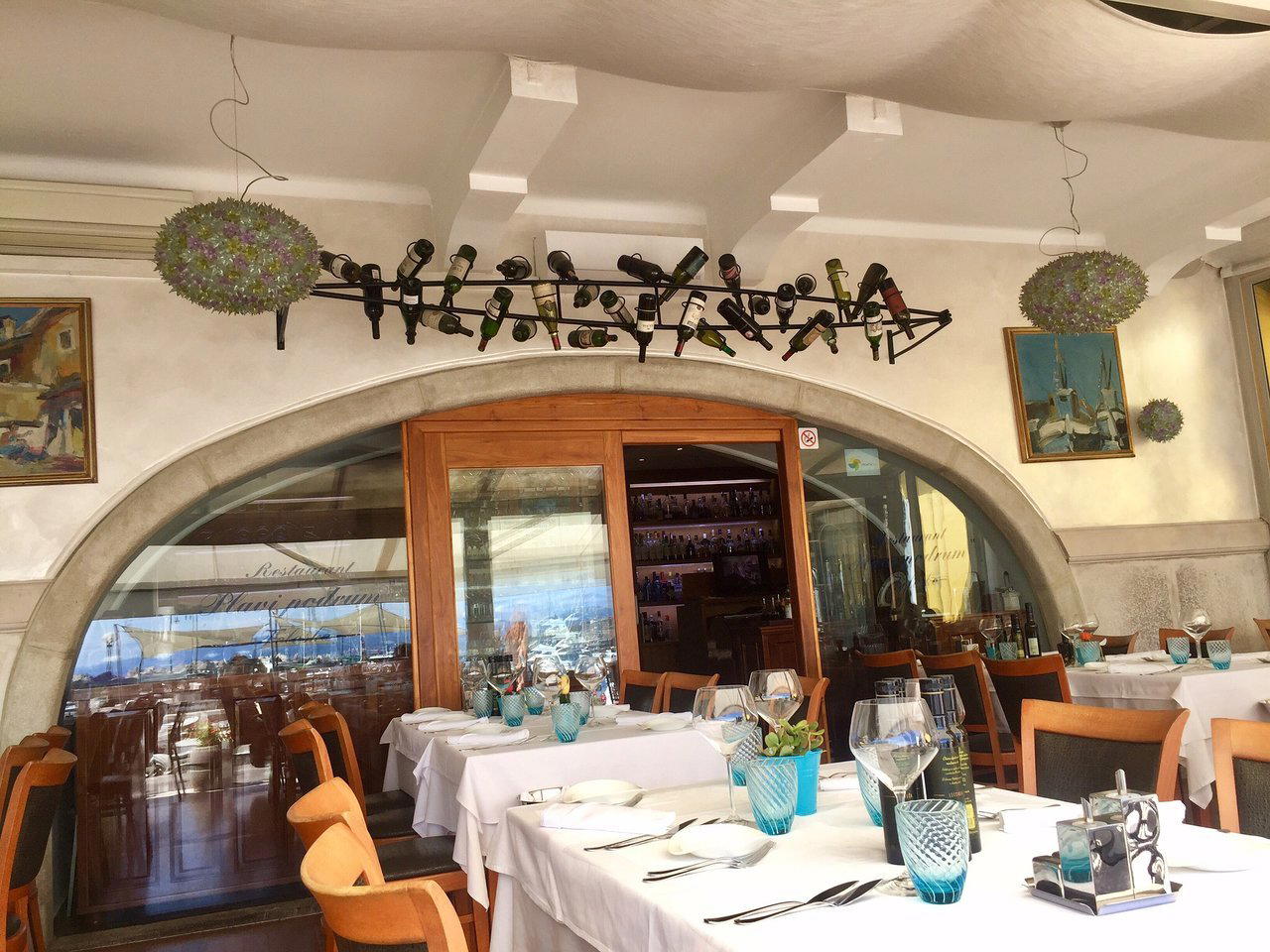
Aerosteak sits in Čavle, a light-industrial and residential municipality on the immediate edge of Rijeka, Croatia's principal northern port city. The location places it firmly outside the coastal dining circuit, so expect a grounded, neighbourhood-oriented room rather than a harbour-view tourist setting. The steakhouse format itself signals a focus on the plate over the scenery.
Is Aerosteak a good option for dinner before or after driving between Istria and Rijeka?
Čavle sits along the main road corridor connecting Istria to Rijeka, making Aerosteak a practical stop for travellers on that route. The town is reachable from Rijeka in under twenty minutes by car. For a steakhouse meal outside the coastal tourist track, it represents one of the few meat-focused addresses in this part of the Kvarner region.
What's the must-try dish at Aerosteak?
Croatia's beef supply has historically drawn from continental and regional sources, so cuts and preparation styles at this type of address tend to reflect central European grilling traditions rather than coastal fish-forward cooking. Ask the kitchen directly about current cuts and sourcing.
What's the address for Aerosteak?
Aerosteak is located at 51219, Čavle, Croatia, Cavle.
How It Stacks Up
| Venue | Cuisine | Price | Awards | Notes |
|---|---|---|---|---|
| AerosteakThis venue (the venue you are viewing) | Croatian Steakhouse | $20–30 | Not listed | Not listed |
| Pelegrini | Modern Dalmatian Fine Dining | $100–150 | 1 Michelin Star · La Liste Top Restaurants | Mediterranean, Modern Cuisine |
| Restaurant 360 | Modern Mediterranean with Asian and French Influences | $200–300 | 1 Michelin Star · La Liste Top Restaurants | International, Modern Cuisine |
| Foša | Modern Seafood | $50–100 | Michelin Plate | Croatian, Classic Cuisine |
| Nautika | Traditional Mediterranean Seafood | $100–150 | Michelin Plate · Star Wine List | Modern European, Classic Cuisine |
| Agli Amici Rovinj | Modern Mediterranean Fine Dining | $200–300 | 2 Michelin Stars · La Liste Top Restaurants | Italian Contemporary |
Continue exploring
More in Cavle
Restaurants in Cavle
All restaurants in Cavle →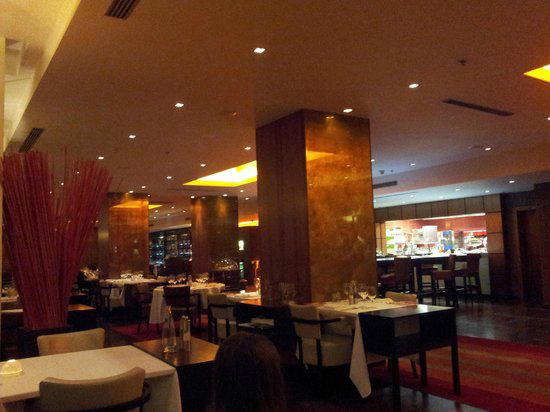
Hotels in Cavle
Browse all →
Wineries in Cavle
Browse all →
Details
- Classic
- Family
- Standalone
- Beer Program
- Local Sourcing
- A La Carte
- Beer
Current opening hours
- Monday
- 9 AM–11 PM
- Tuesday
- Closed
- Wednesday
- 9 AM–11 PM
- Thursday
- 9 AM–11 PM
- Friday
- 9 AM–11 PM
- Saturday
- 9 AM–11 PM
- Sunday
- 9 AM–11 PM
Hours can change for holidays and private events. Hours as of .
Peaceful and relaxed atmosphere ideal for family lunches.