Ae do Paanche sits in Gruaro, a small comune in the Veneto hinterland where the agricultural rhythms of the Friulian plain still shape what ends up on the plate. The address alone signals an orientation toward locality over spectacle. For those following ingredient-led cooking through northeastern Italy's quieter corridors, it belongs on the itinerary alongside the region's more decorated tables.
Pearl is the En Primeur Club membership app — saves, bookings, and concierge access live there. Same editors, same standards.
- Address
- Via Tiziano, 2, 30020 Gruaro VE, Italy
- Phone
- +39421280498
- Website
- aedopaanche.it
- Directions
- Get directions
 Saves & bookings on Pearl
Where the Veneto Plain Sets the Agenda
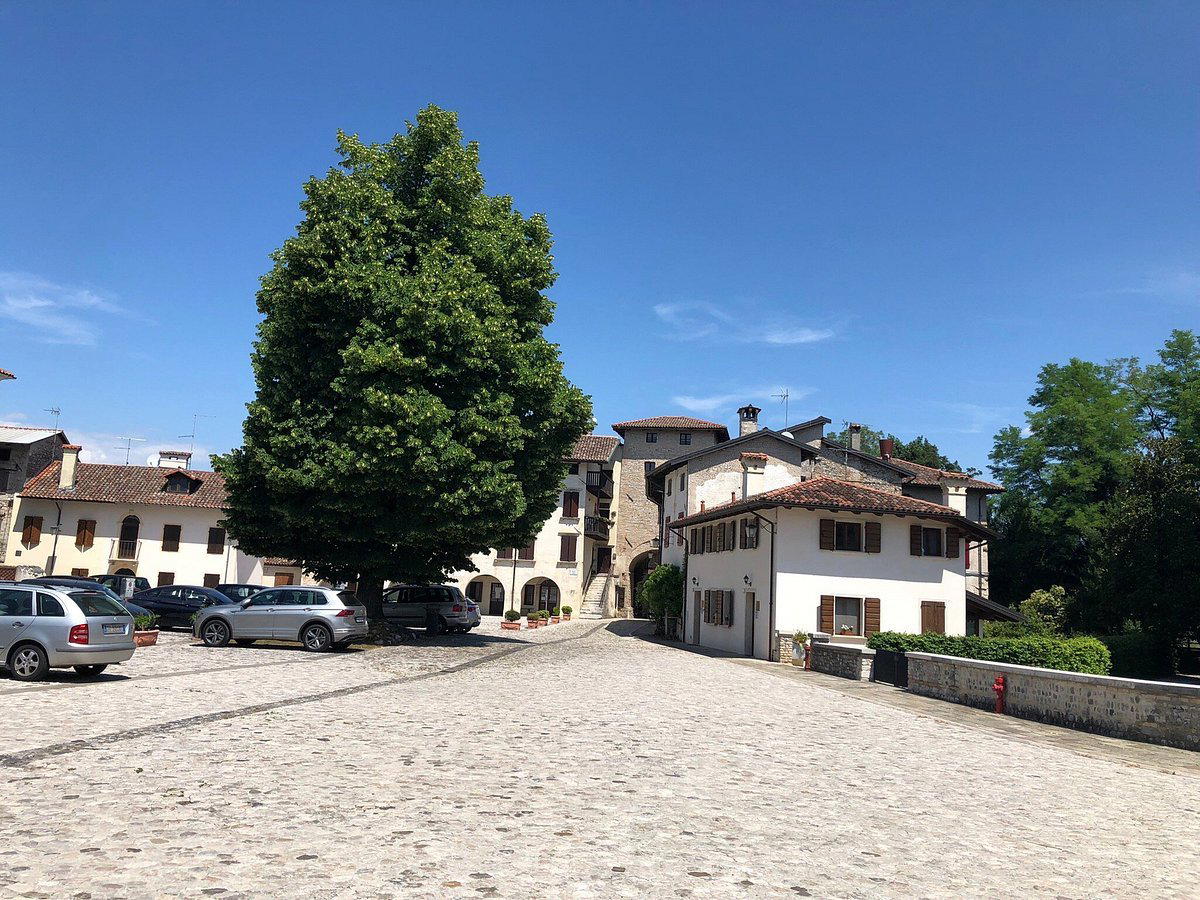
The road into Gruaro offers little by way of preamble. The comune sits in the low, flat country between Venice and the Friulian border, where the land is given over to smallholdings, market gardens, and the kind of agricultural specificity that only survives when restaurants nearby are willing to source it. Arriving at Via Tiziano, the surrounding environment does more contextual work than any signage: this is not a destination engineered around spectacle, and the cooking at Ae do Paanche should be understood against that backdrop first.
In northeastern Italy, the most interesting dining often happens at tables that are deeply calibrated to their immediate territory rather than to trends filtering in from Milan or Rome. The Veneto hinterland operates on a different logic from the Adriatic coast or the Dolomite resort circuit. Ingredient cycles are short, producers are local, and the kitchen's relationship with the surrounding plain is often the most accurate guide to what distinguishes one table from another. Ae do Paanche belongs to this tradition, and Gruaro itself is part of the argument the restaurant makes about where good food comes from.
The Sourcing Argument in Northeastern Italy
Italy's northeast has always been a productive corridor for ingredient-focused cooking, but the case is strongest in the smaller comuni where the supply chain between field and kitchen remains compressed. The Friulian border region produces radicchio varieties, freshwater fish from the Tagliamento and Livenza river systems, foraged greens, and grain-fed pork traditions that rarely travel far before they are used. A kitchen in Gruaro can, in principle, operate on ingredients that a kitchen in Venice cannot access with the same freshness or traceability.
This is the logic that places restaurants like Ae do Paanche in a different conversation from the celebrated tables further along Italy's dining circuit. Venues such as Dal Pescatore in Runate or Le Calandre in Rubano have built national profiles on the strength of their regions' ingredients, but they operate with the infrastructure and visibility that recognition brings. The quieter end of northeastern Italian dining, where Ae do Paanche sits, tends to work with fewer intermediaries and more direct producer relationships, a structural fact that affects the food even before any culinary decision is made.
Across northern and central Italy, the restaurants doing the most sustained sourcing work are often the ones with the lowest public profiles. Atelier Moessmer Norbert Niederkofler in Brunico has brought international attention to the Alpine sourcing model, and Uliassi in Senigallia has made the Adriatic's ingredient range central to a critically recognised program. Both demonstrate what sustained commitment to a specific territory can yield over time. The pattern repeats across the country at very different scales and price points.
Gruaro in the Context of Veneto Dining
Gruaro is not a dining destination in any conventional sense. It lacks the historic gravity of Verona, where Casa Perbellini 12 Apostoli draws visitors specifically to the table, or the coastal pull that makes the Adriatic towns natural stops. What it has is agricultural density and proximity to a supply network that larger towns have largely traded away for convenience and consistency.
For the reader planning a route through the Veneto, this matters. The decision to eat in Gruaro rather than defaulting to the better-documented tables in Venice or Treviso is itself a statement about what you want from a meal. It places the emphasis on territory over theatre, on a kitchen responding to what is available locally rather than constructing a program around imported prestige ingredients. That orientation, present across a number of Italy's smaller comuni, tends to produce cooking that is harder to replicate and, when it works, harder to forget than the technically polished but less place-specific cooking found at more prominent addresses.
Readers building broader Italian itineraries can find complementary perspectives in our coverage of Quattro Passi in Marina del Cantone, Reale in Castel di Sangro, and Piazza Duomo in Alba, each of which addresses its own regional ingredient tradition from a different angle. For contrast at the high-production end of Italian dining, Osteria Francescana in Modena and Enoteca Pinchiorri in Florence represent what sustained critical attention and formidable cellars can build over decades. Enrico Bartolini in Milan, Da Vittorio in Brusaporto, and Villa Crespi in Orta San Giulio round out the northern Italian fine dining picture from different regional vantages. Further afield, La Pergola in Rome, Gambero Rosso in Marina di Gioiosa Ionica, and Uliassi in Senigallia illustrate how the sourcing imperative plays out differently when the ingredient base shifts from the Po plain to the Calabrian coast or the Adriatic.
Planning a Visit
Gruaro is most practically reached by car from Venice (roughly 70 kilometres northwest, depending on route) or from Portogruaro, the nearest town with a rail connection. The address at Via Tiziano, 2 places the restaurant within the comune itself. Given the venue's scale and setting, advance contact to confirm hours and availability is advisable; small trattorie in the Veneto hinterland frequently adjust their schedules seasonally or around local events, and arriving without a confirmed table at a room this size is a genuine risk. No phone or website appears in current public records, so local tourism contacts or a platform search may be the most reliable way to make contact before travelling. For broader context on eating and drinking in the area, our full Gruaro restaurants guide covers the town's dining options with the same editorial lens applied here.
For those constructing a trip around the ingredient-led tables of northeastern Italy, the sequencing matters. Ae do Paanche works well as part of a slower route through the Veneto plain rather than a standalone day trip from Venice; the surrounding countryside rewards time, and the logic of the kitchen becomes easier to read when you have spent some time in the agricultural environment it draws from. Visitors with an appetite for comparative reference across Italy's ingredient-focused dining spectrum may also find value in the global context provided by Le Bernardin in New York City and Lazy Bear in San Francisco, both of which demonstrate what a defined sourcing philosophy produces in very different settings.
How Ae do Paanche Gruaro compares with similar nearby venues.
| Venue | Cuisine | Price |
|---|---|---|
| Il Credenziere | Seafood | €€ |
| Al Cjasal | Country cooking | €€ |
Continue exploring
More in Gruaro
Restaurants in Gruaro
Browse all →
Bars in Gruaro
Browse all →
Hotels in Gruaro
Browse all →
At a Glance
- Elegant
- Rustic
- Classic
- Intimate
- Date Night
- Special Occasion
- Business Dinner
- Historic Building
- Standalone
- Local Sourcing
- Sustainable Seafood
Current opening hours
- Monday
- Closed
- Tuesday
- 12:30–2 PM, 7:30–10 PM
- Wednesday
- 12:30–2 PM, 7:30–10 PM
- Thursday
- 12:30–2 PM, 7:30–10 PM
- Friday
- 12:30–2 PM, 7:30–10 PM
- Saturday
- 12:30–2 PM, 7:30–10 PM
- Sunday
- 12:30–2 PM, 7:30–10 PM
Hours can change for holidays and private events. Last verified .
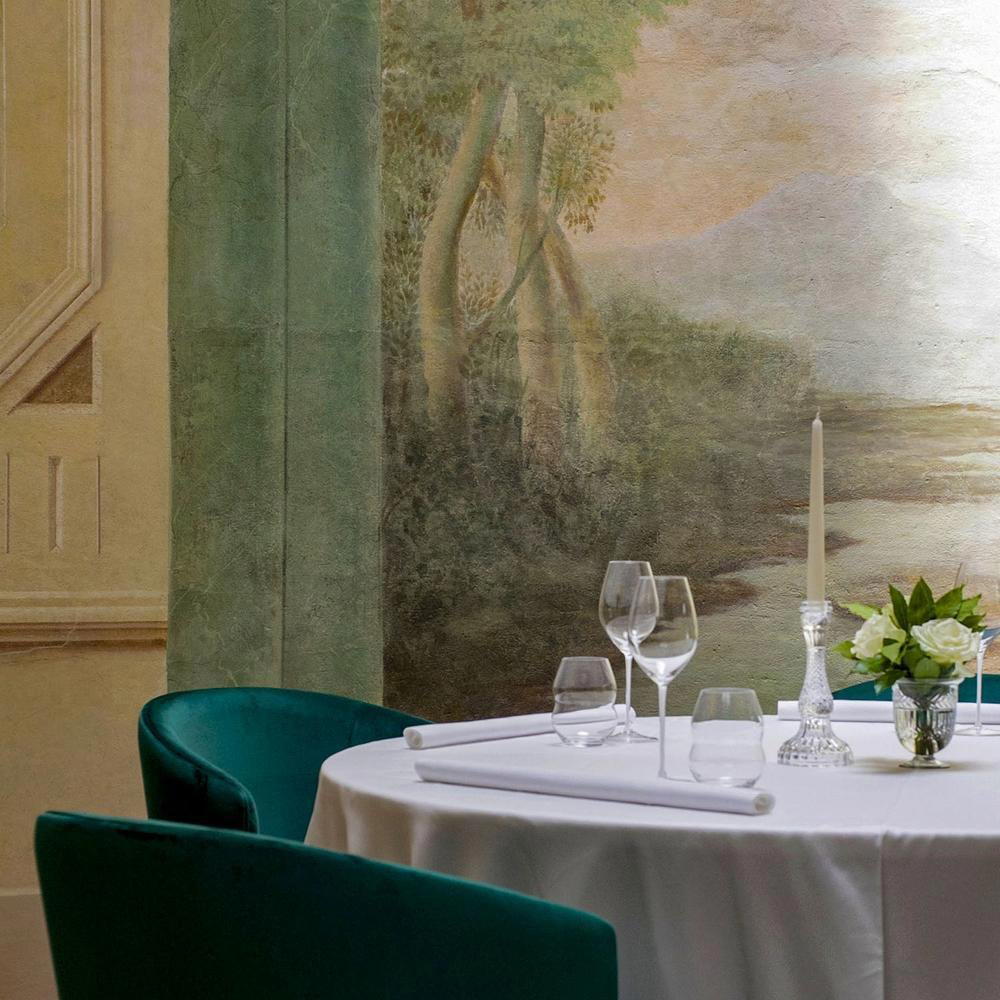
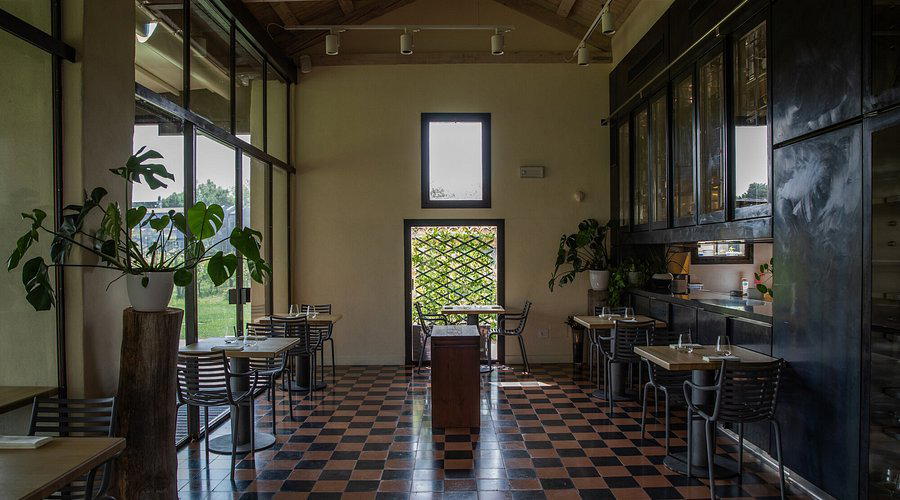
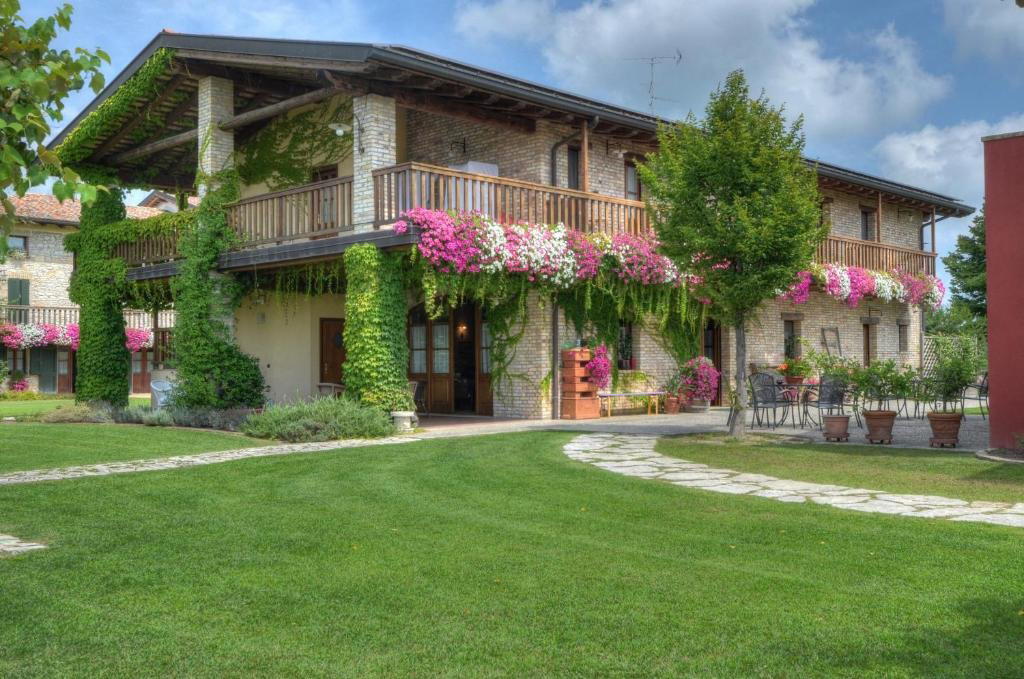
Elegant yet rustic setting in a converted colonial house with refined, sophisticated atmosphere suited to intimate dining experiences.
Know Before You Go
- Getting there
- Via Tiziano, 2, 30020 Gruaro VE, Italy