Agosti
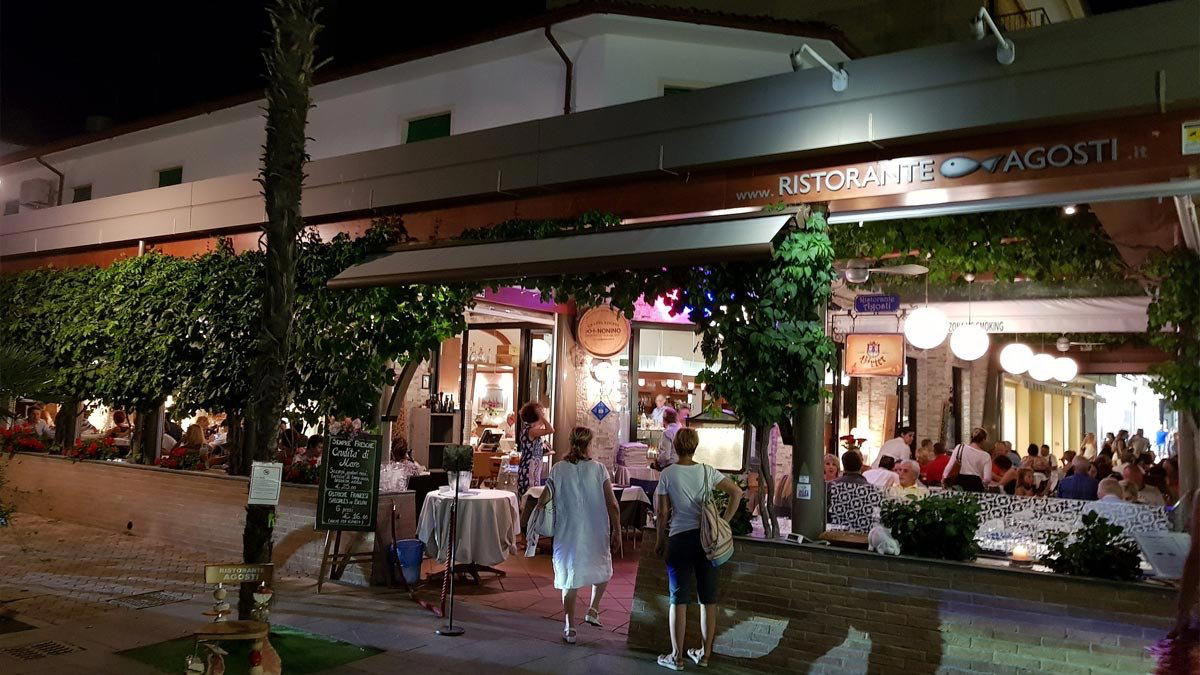
Agosti sits on Via Tolmezzo in Lignano Sabbiadoro, a coastal resort town on the Adriatic where the Friuli-Venezia Giulia hinterland shapes what ends up on the plate. The address places it within a dining scene that runs from casual grilled meat to refined seafood, and the kitchen draws from one of Italy's most ingredient-rich northern regions. Readers researching Lignano's restaurant options will find Agosti a recurring name among local recommendations.
- Address
- Via Tolmezzo, 42, 33054 Lignano Sabbiadoro UD, Italy
- Phone
- +393943171215
- Website
- ristoranteagosti.it
- Directions
- Get directions
Lignano Sabbiadoro and the Ingredients Behind It
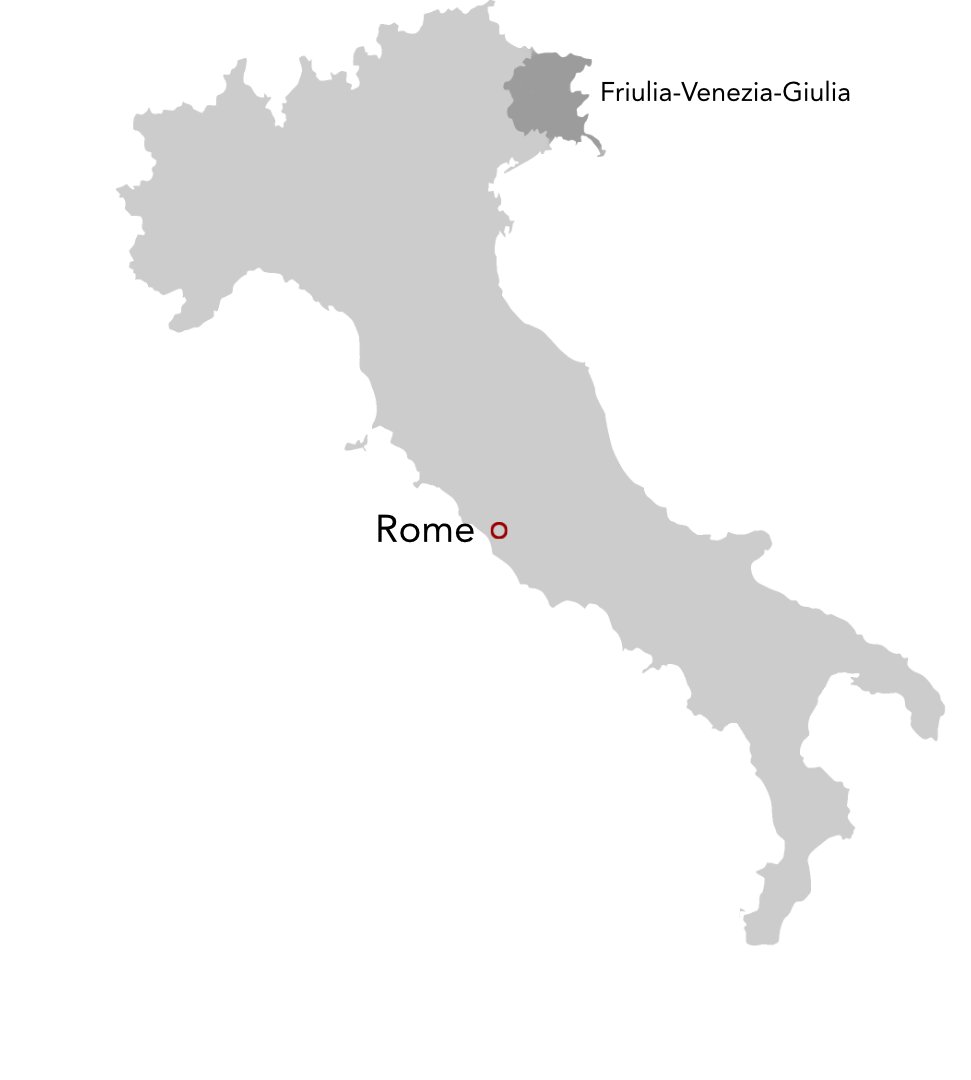
Lignano Sabbiadoro sits at the mouth of the Tagliamento, where a long sandy peninsula separates the Adriatic from the Marano Lagoon. The geography matters at the table. The lagoon produces clams, mussels, and grey mullet that move through local kitchens with minimal distance between water and heat. The Friuli-Venezia Giulia hinterland, rising toward the Carnic Alps, supplies white asparagus from Tavagnacco, montasio cheese, San Daniele prosciutto, and a wine culture built on Friulano, Ribolla Gialla, and the Collio whites. Restaurants in this part of the Adriatic coast operate with access to a larder that few Italian resort towns can match.
That context explains why Lignano, despite its reputation as a summer beach destination, sustains a genuine dining scene year-round. The town's restaurant culture splits broadly between two registers: the grill-led, meat-forward formats represented by places like Rueda Gaucha (Grills) and the seafood and regional trattoria tradition that draws on the lagoon and the coast.
Where Agosti Sits in This Scene
Agosti operates from Via Tolmezzo 42, in a residential address slightly removed from the main tourist spine of Lignano Sabbiadoro. That positioning is common among the town's more locally-oriented establishments, which tend to sit apart from the beachfront strip and rely on repeat custom and word-of-mouth rather than foot traffic from the promenade. In a resort economy, the distinction matters: kitchens that serve the local population through the shoulder season operate under different pressures than those whose trade peaks in July and August.
The venue recurs in local recommendations alongside other established names in the town's restaurant circuit, including Croce del Sud, La Botte, O Sole Mio, and Sacheburache. Each occupies a slightly different register within Lignano's mid-range to traditional dining bracket, and together they represent the core of the town's year-round restaurant culture.
The Ingredient Case for This Corner of Italy
The sourcing argument for Friuli-Venezia Giulia dining is worth making plainly. The region sits at a crossroads between the Italian peninsula, the Austro-Hungarian culinary tradition, and the Slovenian border, producing a food culture that is denser and more layered than its relative obscurity on international itineraries might suggest. San Daniele prosciutto is produced roughly 60 kilometres from Lignano, cured in the specific microclimate of the Tagliamento valley. Montasio DOP, the region's defining cheese, comes in aging grades from fresh to stravecchio and appears across traditional kitchen preparations. The lagoon system at Marano and Grado produces a distinctive category of small-scale seafood, including the locally prized canestrello (a small scallop) and the sea bass and bream farmed in the lagoon's brackish waters.
This proximity to raw material is what separates coastal Friuli dining from the more generic Adriatic seafood restaurant model found further south. Kitchens with direct access to the Marano Lagoon catch and the regional agricultural supply chain operate with ingredients that travel hours, not days. Comparing this to the sourcing chains behind the highest-tier Italian seafood cooking, places like Uliassi in Senigallia or Quattro Passi in Marina del Cantone, the underlying logic is the same: proximity to source compresses time and preserves quality. In Lignano, that logic operates at a trattoria rather than fine-dining scale, but the ingredient geography is no less advantageous.
Friuli also runs one of Italy's more interesting wine cultures, with white wine production in particular drawing attention from critics and sommeliers who have tracked the Collio and Colli Orientali del Friuli appellations closely over the past two decades. The regional wine list at a Lignano table, when assembled with attention, can read as a quiet argument for a wine region that sits in the shadow of Piedmont and Tuscany internationally but delivers consistent quality in both indigenous and international varieties. The contrast with the Michelin-decorated northern Italian rooms such as Piazza Duomo in Alba or Le Calandre in Rubano is one of register and ambition, not of underlying ingredient quality.
Planning a Visit
Lignano Sabbiadoro is accessible from Venice Marco Polo or Trieste airports, with the town approximately 90 minutes from Venice by road. The summer season runs from June through August, when the resort population peaks and restaurant demand rises sharply across the town. Shoulder season, particularly May and September, offers a more measured version of the same dining scene with shorter waits and a more local clientele. Agosti's address on Via Tolmezzo places it within the residential fabric of Lignano Sabbiadoro proper, accessible by foot from the central areas of the town.
For readers calibrating Lignano within a wider Italian dining itinerary, the northeast sits within reasonable range of some of Italy's most decorated kitchens: Dal Pescatore in Runate, Atelier Moessmer Norbert Niederkofler in Brunico, and further afield, Reale in Castel di Sangro for those extending south. The contrast between Lignano's trattoria-register dining and the formal multi-course cooking at rooms like Osteria Francescana in Modena or Enoteca Pinchiorri in Florence illustrates how wide a range Italian restaurant culture covers, from the lagoon catch served simply at a coastal table to the elaborate tasting menus of the country's most formally recognised kitchens. At the international scale, the seafood sourcing discipline visible at Le Bernardin in New York City or the community-driven format at Lazy Bear in San Francisco point to how different markets have resolved the same question of how to connect kitchen to source. Locally, that question is answered by geography as much as philosophy.
A Quick Peer Check
Comparable venues nearby, for context on price, style, and recognition.
| Venue | Cuisine | Price | Notes |
|---|---|---|---|
| AgostiThis venue — the venue you are viewing | Classic Italian Seafood | $$$ | Not listed |
| Willy | Grilled Seafood Italian | $$ | Lignano Riviera |
| The Taste & Al Bancut | Modern Italian Seafood | $$$ | Lignano Sabbiadoro |
| Croce del Sud | Neapolitan Pizza and Seafood | $$ | Lignano Sabbiadoro |
| Sacheburache | Traditional Italian Osteria | $$ | Lignano Sabbiadoro |
| O Sole Mio | Italian Pizza and Seafood | $$ | Lignano Sabbiadoro |
Continue exploring
More in Lignano Sabbiadoro
Restaurants in Lignano Sabbiadoro
Browse all →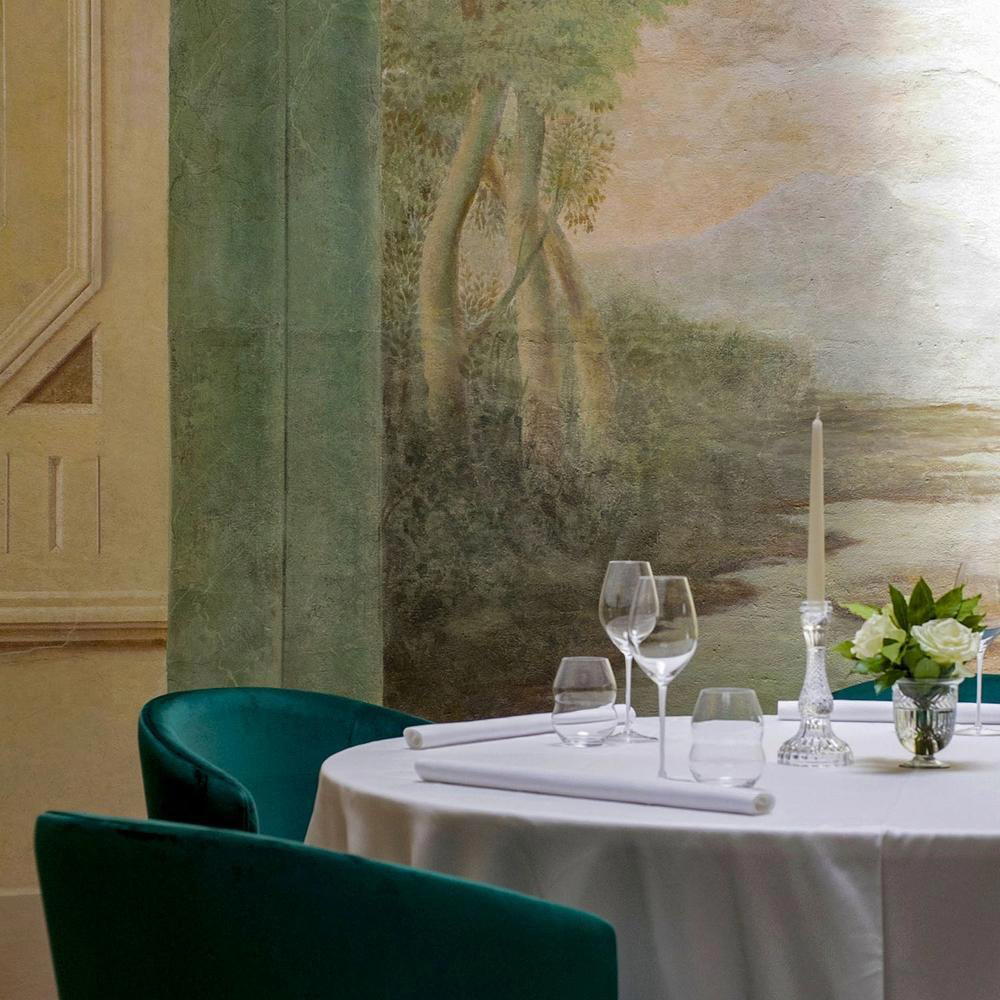
Bars in Lignano Sabbiadoro
Browse all →

Hotels in Lignano Sabbiadoro
Browse all →

At a Glance
- Romantic
- Classic
- Scenic
- Elegant
- Date Night
- Family
- Group Dining
- Celebration
- Terrace
- Waterfront
- Standalone
- Extensive Wine List
- Craft Cocktails
- Local Sourcing
- Sustainable Seafood
- Street Scene
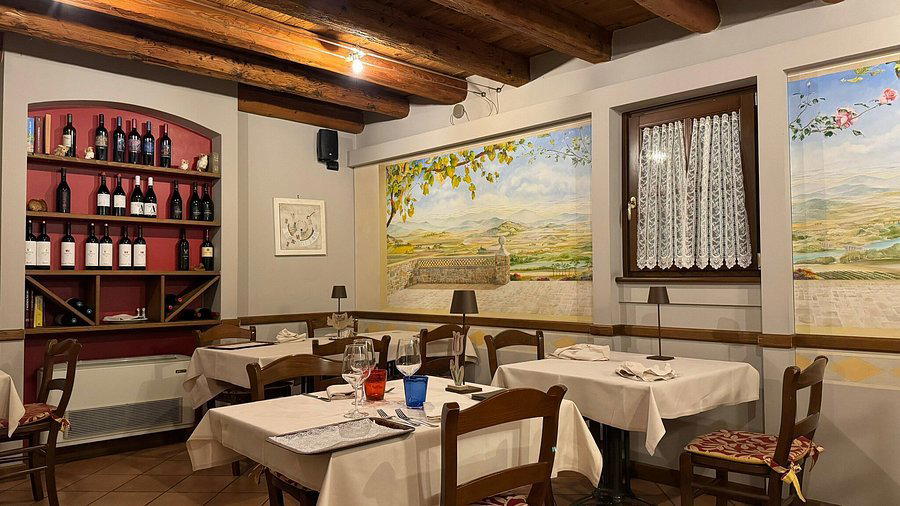
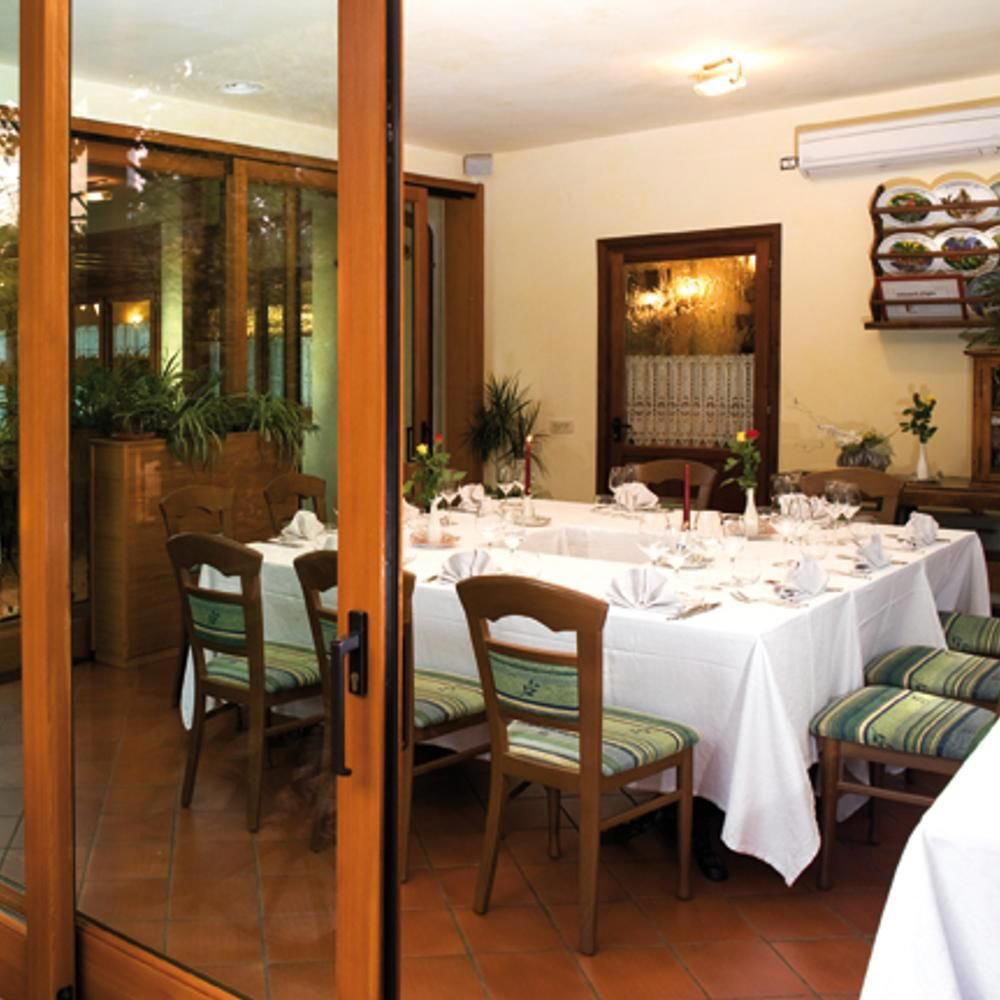
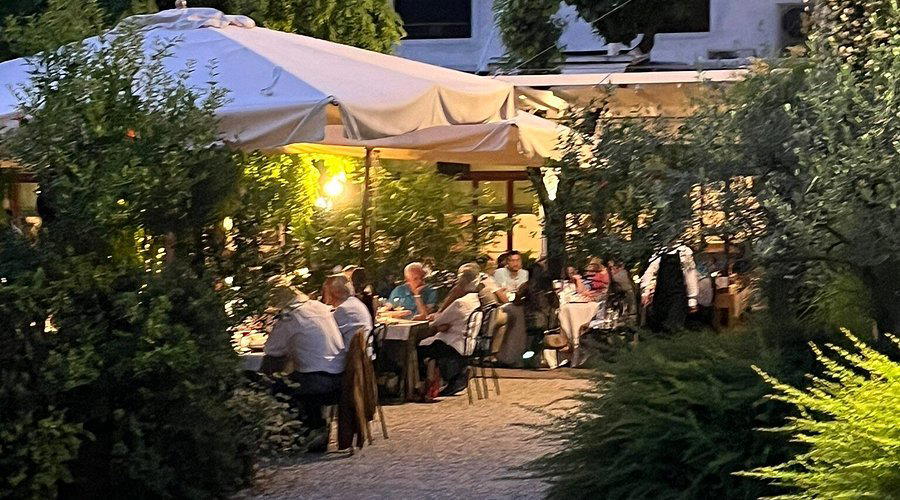
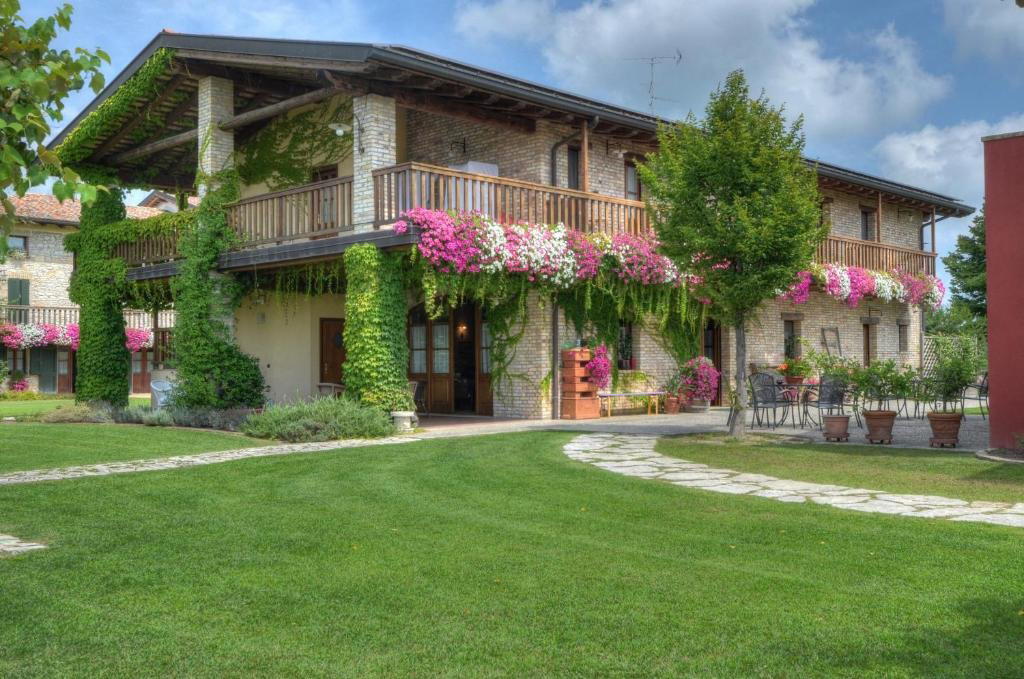
Pleasant, relaxed atmosphere created by pergola-covered outdoor seating with flowers and walls providing privacy from the bustling main avenue; warm, welcoming service from attentive staff and friendly owners.