4 Sajons

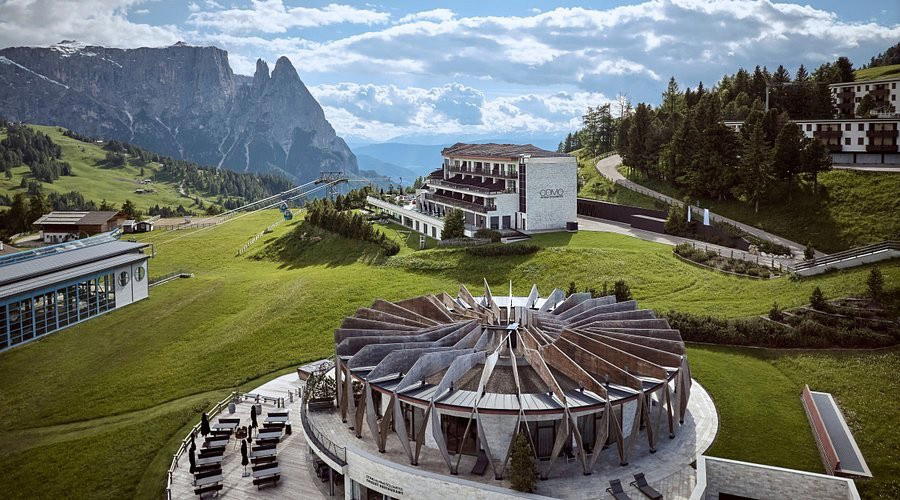
4 Sajons belongs to the contemporary South Tyrolean register: mountain ingredients, local seasonality, and a kitchen that treats Dolomite tradition as material for reinterpretation rather than nostalgia. In Ortisei Val Gardena, where dining often splits between alpine comfort and polished hotel gastronomy, Chef Carlo Tollin’s cooking gives terroir the editorial weight, not the postcard.
Pearl is the En Primeur Club membership app — saves, bookings, and concierge access live there. Same editors, same standards.
- Address
- Via Vidalong, 39040 Oltretorrente BZ, Italy
- Phone
- +39 0471 796315
- Website
- gardena.it
- Directions
- Get directions
 Saves & bookings on Pearl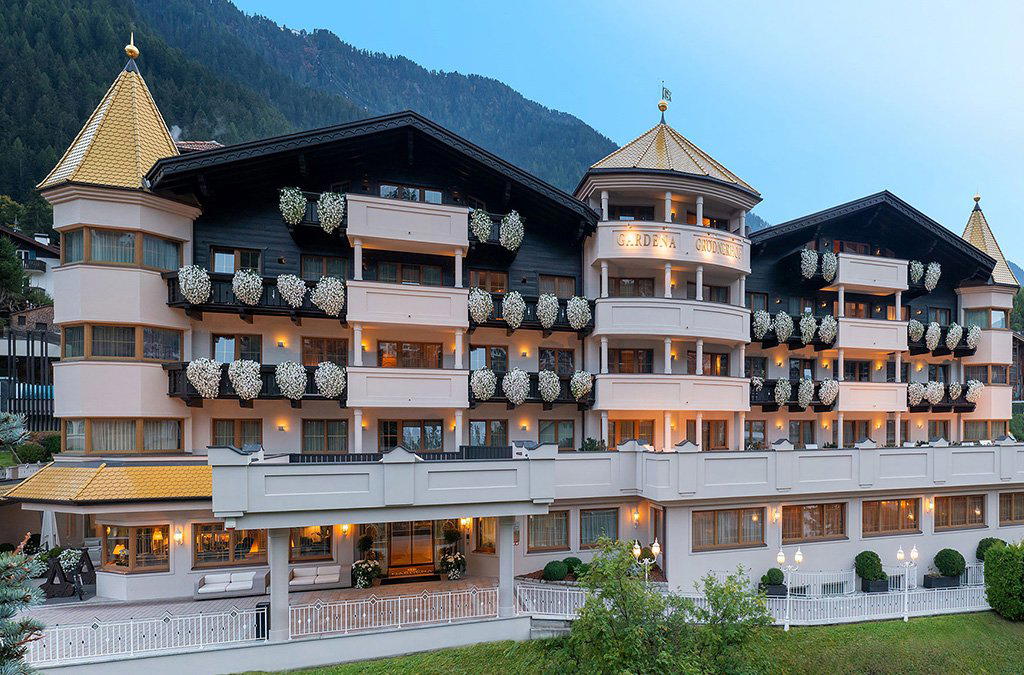
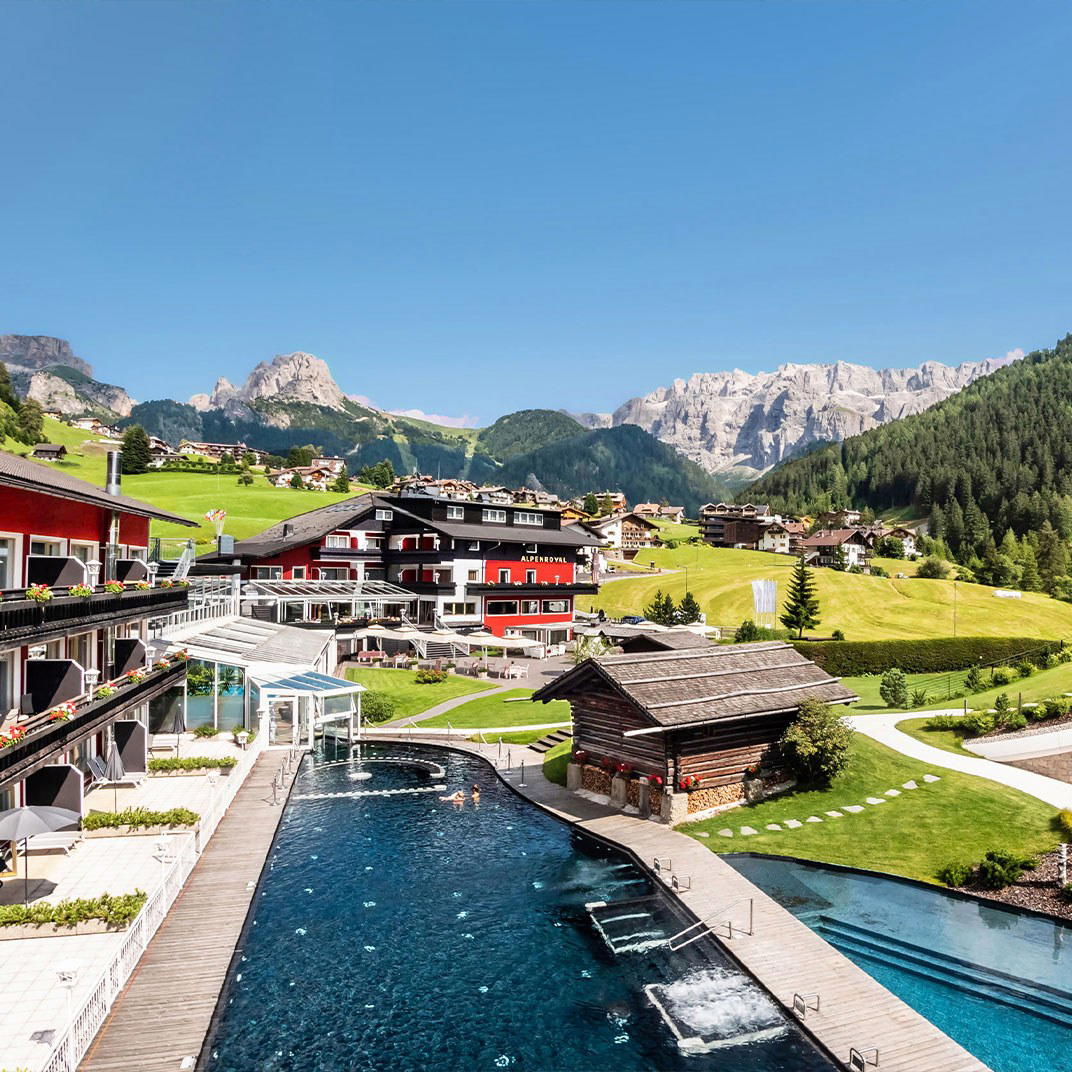
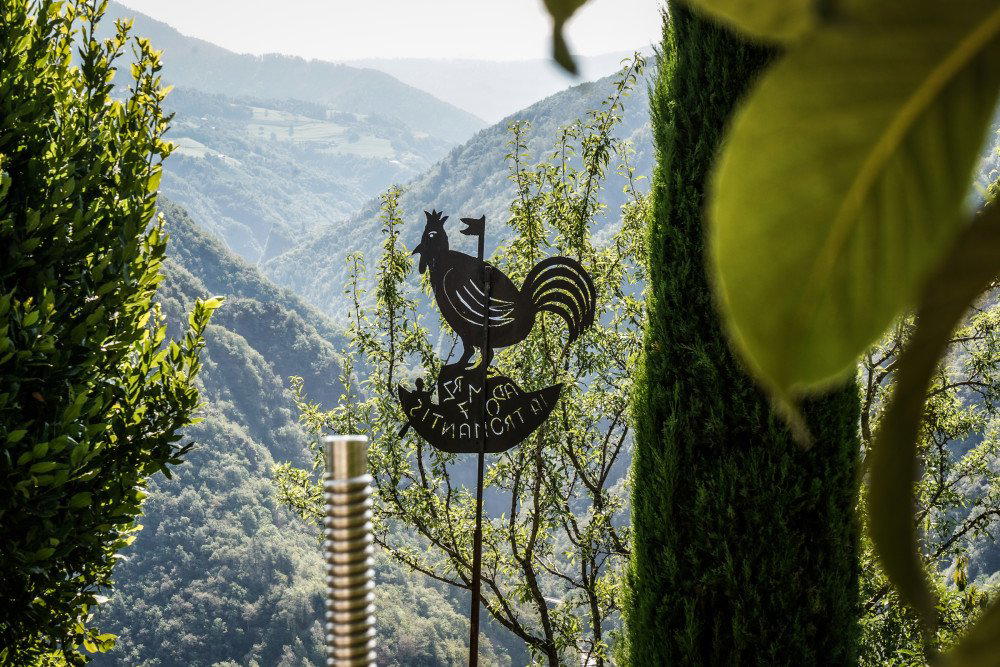
Ortisei Val Gardena does not need theatrical dining to announce itself. The valley speaks first: pale Dolomite rock above the village, Ladin place names, and a pantry of dairy, herbs, game, grains, and preserved mountain flavors. In that setting, 4 Sajons belongs to a sharper regional movement, where South Tyrolean food is no longer only hut fare or hotel dining, but a contemporary language built from altitude, season, and restraint.
The question in Val Gardena is not whether a restaurant feels alpine, but how it handles that inheritance. The weaker version leans on timber-room sentiment and heavy plates; the stronger treats mountain produce as discipline: shorter supply chains, seasonal limits, and the sense that winter and summer should not taste the same. Chef Carlo Tollin’s kitchen sits in that second camp, with a stated focus on local, seasonal ingredients and a contemporary reinterpretation of South Tyrol’s culinary traditions. In the Dolomites, terroir cooking is not a slogan; geography makes it a constraint.
South Tyrolean terroir without the souvenir-shop treatment
South Tyrol’s cuisine sits at a useful cultural fault line. Italian technique, Austrian structure, and Ladin mountain habits overlap, often on the same table. The cooking can move from speck, rye, dumplings, and alpine cheese to lighter vegetable-led plates and exact modern presentations without leaving its own vocabulary. 4 Sajons works inside that tension, using the Dolomites as source material rather than decoration.
That ingredient-led approach places the restaurant closer to contemporary alpine kitchens than generic Italian fine dining. The point is not importing coastal luxury into the mountains, but asking what a modern restaurant can do with the valley’s pantry. Expect cuisine of place rather than luxury signifiers. Local and seasonal are the operative words, and where produce, dairy, herbs, and preserved foods shift across the year, they carry more weight than on an all-season city menu.
For wider context, Our full Ortisei Val Gardena restaurants guide maps the village’s broader dining range, while nearby planning often benefits from pairing meals with Our full Ortisei Val Gardena hotels guide, Our full Ortisei Val Gardena bars guide, Our full Ortisei Val Gardena wineries guide, and Our full Ortisei Val Gardena experiences guide. In a mountain destination, the meal is rarely isolated from the day: walking routes, hotel location, weather, and late-afternoon appetite all shape dinner.
Why ingredient sourcing is the real luxury in the Dolomites
In large Italian cities, contemporary regional cooking often competes through concept, design, or chef visibility. In Val Gardena, the stronger argument is supply. A kitchen tied to local, seasonal ingredients works with a narrower field, and that limitation can produce more convincing food than a menu chasing national fashions. The Dolomites reward kitchens that understand rhythm: spring herbs, summer mountain pastures, autumn density, winter preservation. A restaurant built around that cycle is judged less by novelty than by whether it respects place.
This is 4 Sajons’ clearest editorial angle. Its declared focus, an expression of terroir through a modern reading of South Tyrolean tradition, emphasizes origin. That does not mean rusticity. Contemporary mountain cooking can be polished, but loses authority when polish erases the region. The better reading is precision in service of recognizable territory: modern structure making local ingredients more articulate, not less.
Italy has many versions of place-based cooking, and the contrasts are useful. Campania’s trattoria grammar at 'E Curti Ristorante Tipico di Angela Ceriello & Co SAS in Sant Anastasia speaks a different regional dialect from the street-food directness of 'l Trippaio di San Frediano in Florence, the Emilia-Romagna pizza lens at ‘O Fiore Mio in Faenza, or the Tuscan-Neapolitan casual register at ‘O Scugnizzo in Arezzo. These addresses underline the broader point: Italian regional identity is not one cuisine but local arguments shaped by terrain, agriculture, and habit.
More contemporary expressions sharpen the comparison. [àbitat] in San Fermo della Battaglia, [bu:r] in Milan, and /gu.stà.re/ oltrecucina in Rome show how modern Italian kitchens frame locality through different urban and regional pressures. Against that field, a Dolomite restaurant has a narrower but more distinctive assignment: to make altitude legible on the plate without turning the meal into folklore.
How to read the restaurant within Ortisei
Ortisei’s dining culture serves skiers, hikers, hotel guests, families, and travelers wanting a more composed dinner after a day outside. The restaurant sits in the more considered part of that spectrum. Chef Carlo Tollin matters as a credential, but the biography is not the story. The story is a mountain village supporting restaurants that reinterpret local tradition for diners who want specificity rather than volume.
That distinction sets expectations. This is not the address to judge by generic Italian restaurant markers, nor only against coastal seafood rooms, Roman trattorie, or Milanese tasting-menu culture. Its closest logic is alpine: season, preservation, dairy, grains, herbs, and the valley’s agricultural economy. Out-of-metro terroir-led formats such as Fondue Gondola, Römerhof Stüberl, and S-Lounge point to the same wider category, where place and product do the heavy lifting, though each belongs to its own setting.
For travelers building an Italy itinerary around regional cooking, the useful comparison is breadth. 12 Morsi in Naples, 12 Ristorante in Cesenatico, 13 Comuni in Velo Veronese, and 1477 Reichhalter Restaurant in Lana each make sense through their own local economies and dining habits. Beyond Italy, terroir-led restaurants such as ALMA Restaurant, Expression of the terroir in Tr Na and Atth, Expression of the terroir in Patiala show how the same editorial category changes when land, climate, and pantry change.
The verdict is concise: choose the restaurant for a contemporary South Tyrolean meal rooted in local seasonality, not a generic celebration dinner that could happen anywhere. In Ortisei Val Gardena, that specificity is the point. The Dolomites are not just scenery outside the room; they are why the cooking has a claim to authority.
How It Stacks Up
Comparable venues by cuisine and price in the same metro.
| Venue | Cuisine | Price | Notes |
|---|---|---|---|
| 4 Sajons | Seasonal South Tyrolean Fine Dining | $$$ | Ortisei |
| Taverna Posta Zirm | Traditional Italian Pizzeria & Grill | $$$ | Corvara |
| Haselburg | Modern Italian-South Tyrolean Fine Dining | $$$ | Aslago |
| Alpenrestaurant Elisabeth | South Tyrolean Regional | $$$ | Sarntal |
| Anett restaurant | Modern Italian with Alpine Influences | $$$ | Ratschings |
| Salis | Modern Italian Fine Dining | $$$ | Valdobbiadene |
Recognition history
Dated appearances from independent guides and award organizations, with the underlying list record or original source where available.
Relais Chateaux Award
Relais Chateaux
Continue exploring
More in Ortisei Val Gardena
Restaurants in Ortisei Val Gardena
Browse all →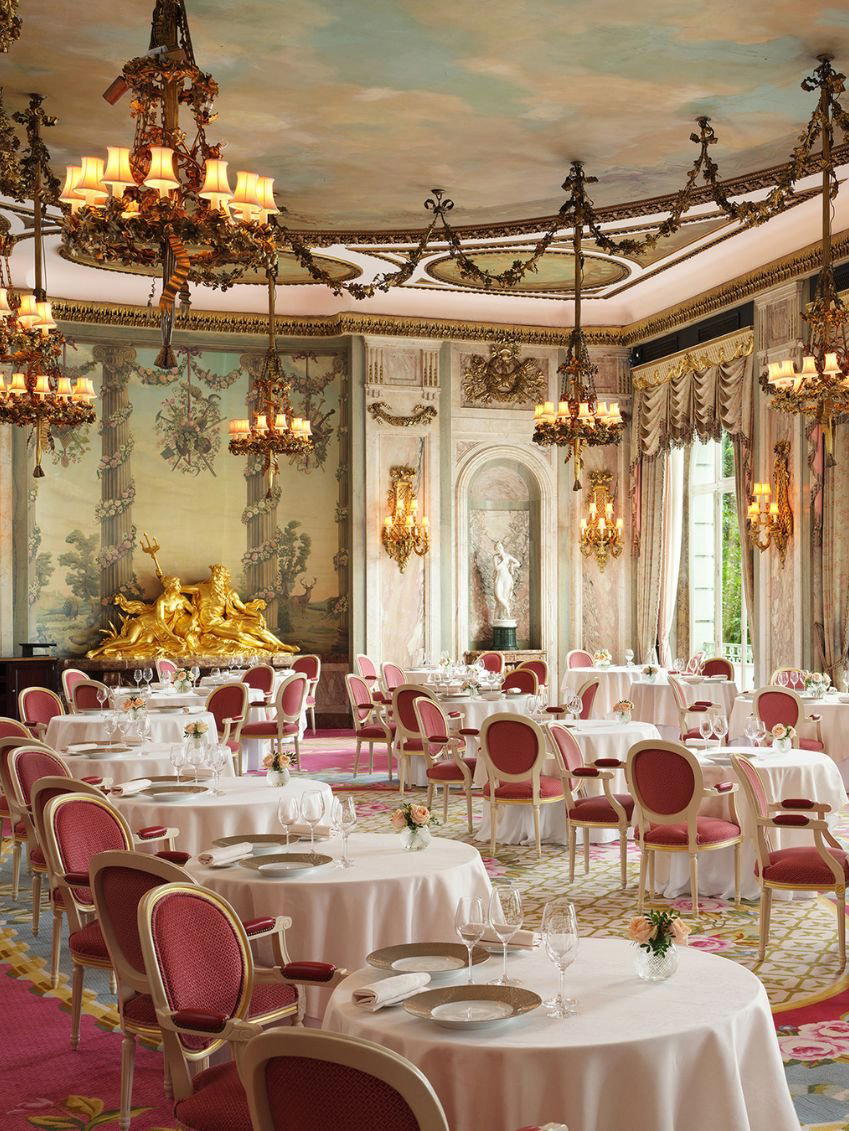
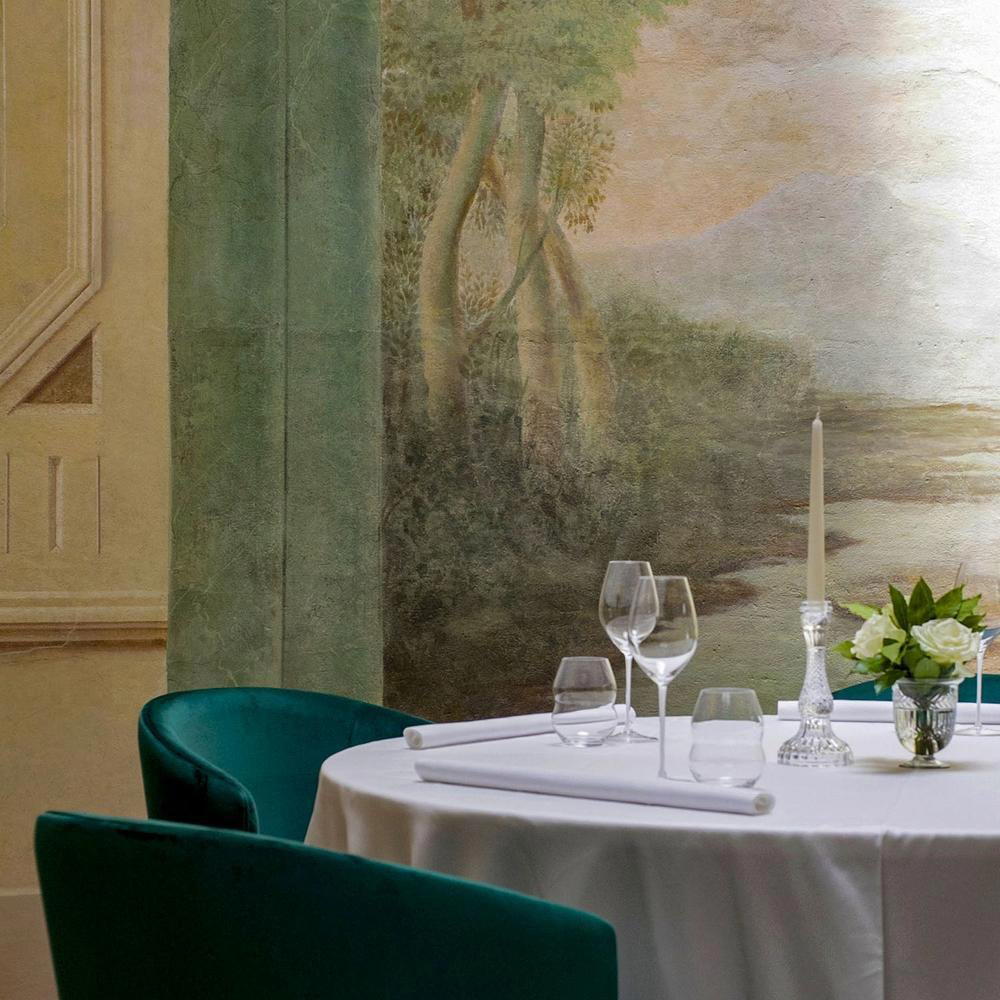
Bars in Ortisei Val Gardena
Browse all →
Hotels in Ortisei Val Gardena
Browse all →
At a Glance
- Scenic
- Cozy
- Elegant
- Sophisticated
- Modern
- Date Night
- Special Occasion
- Business Dinner
- Hotel Restaurant
- Standalone
- Local Sourcing
- Mountain
Current opening hours
- Monday
- 7–9:30 PM
- Tuesday
- 7–9:30 PM
- Wednesday
- 7–9:30 PM
- Thursday
- 7–9:30 PM
- Friday
- 7–9:30 PM
- Saturday
- 7–9:30 PM
- Sunday
- 7–9:30 PM
Hours can change for holidays and private events. Last verified .
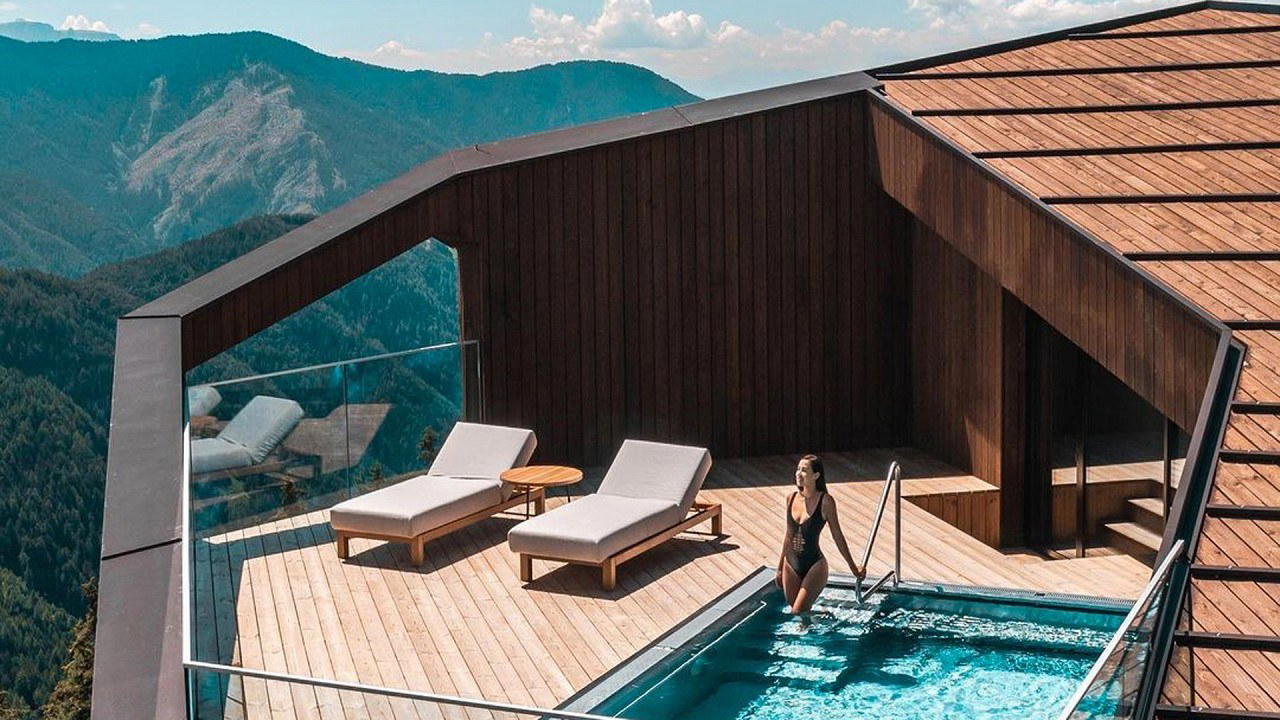
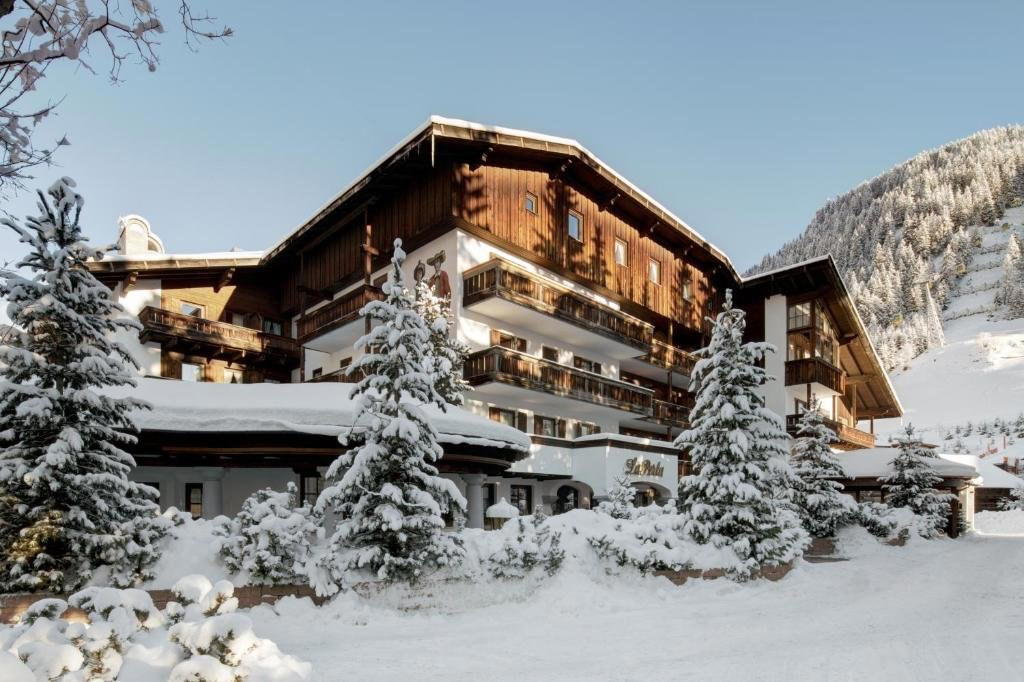
Warm, inviting, and refined, with a strong alpine character and a focus on a memorable menu progression in a distinctive 5-star setting.