
Tabelog 100 #72
Our verdict
ADI occupies a residential stretch of Kamimeguro, a neighbourhood that has become one of Tokyo's more considered addresses for serious dining away from the Ginza or Shinjuku circuits. The address alone signals intent: this is a restaurant that expects guests to seek it out rather than stumble upon it. For those who do, the experience sits within a broader shift in Tokyo dining toward tight, collaborative service formats built on front-of-house fluency as much as kitchen output.

Pearl is the En Primeur Club membership app, where members save venues, book tables and use the concierge.
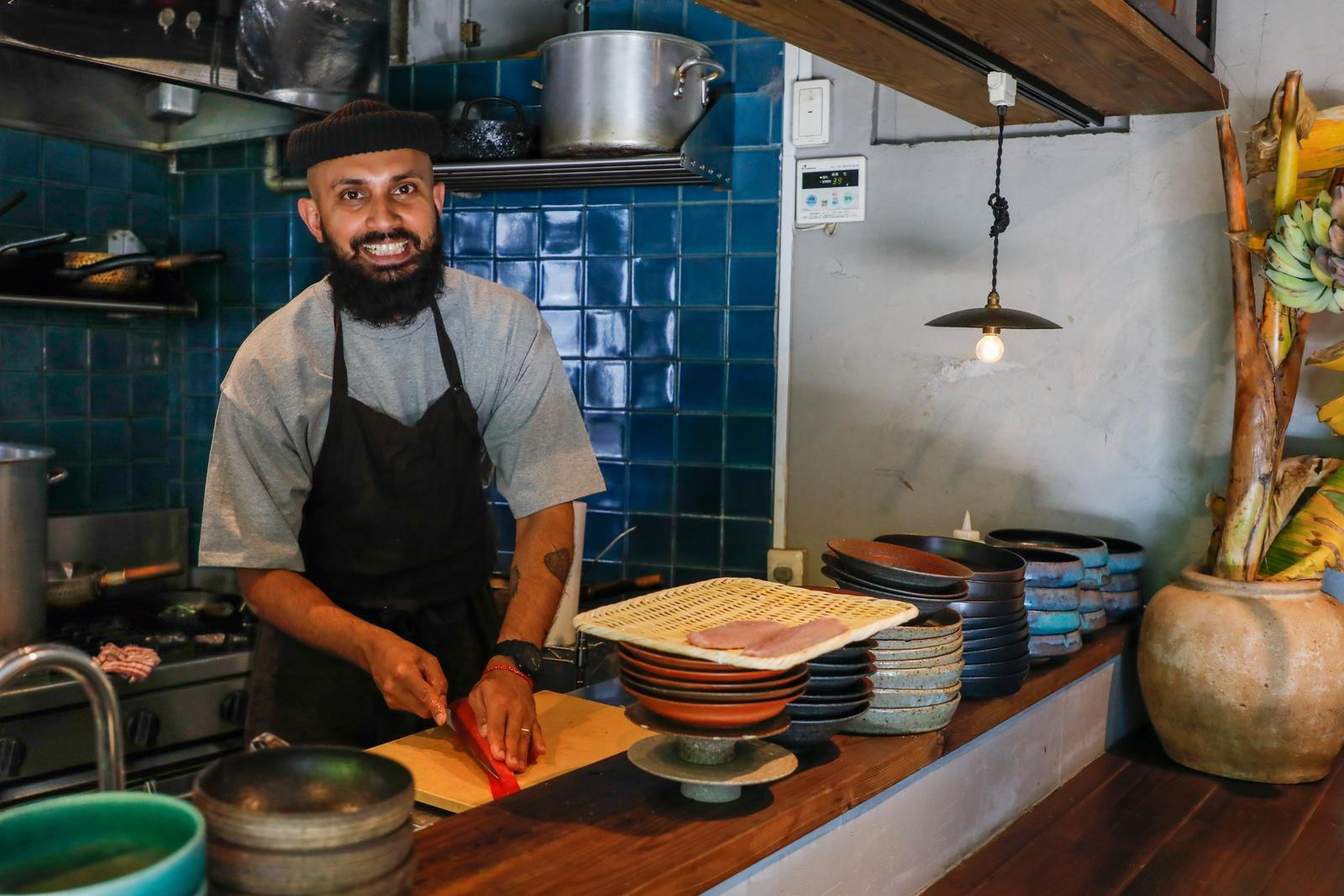
Kamimeguro and the Case for Dining Off the Main Circuit
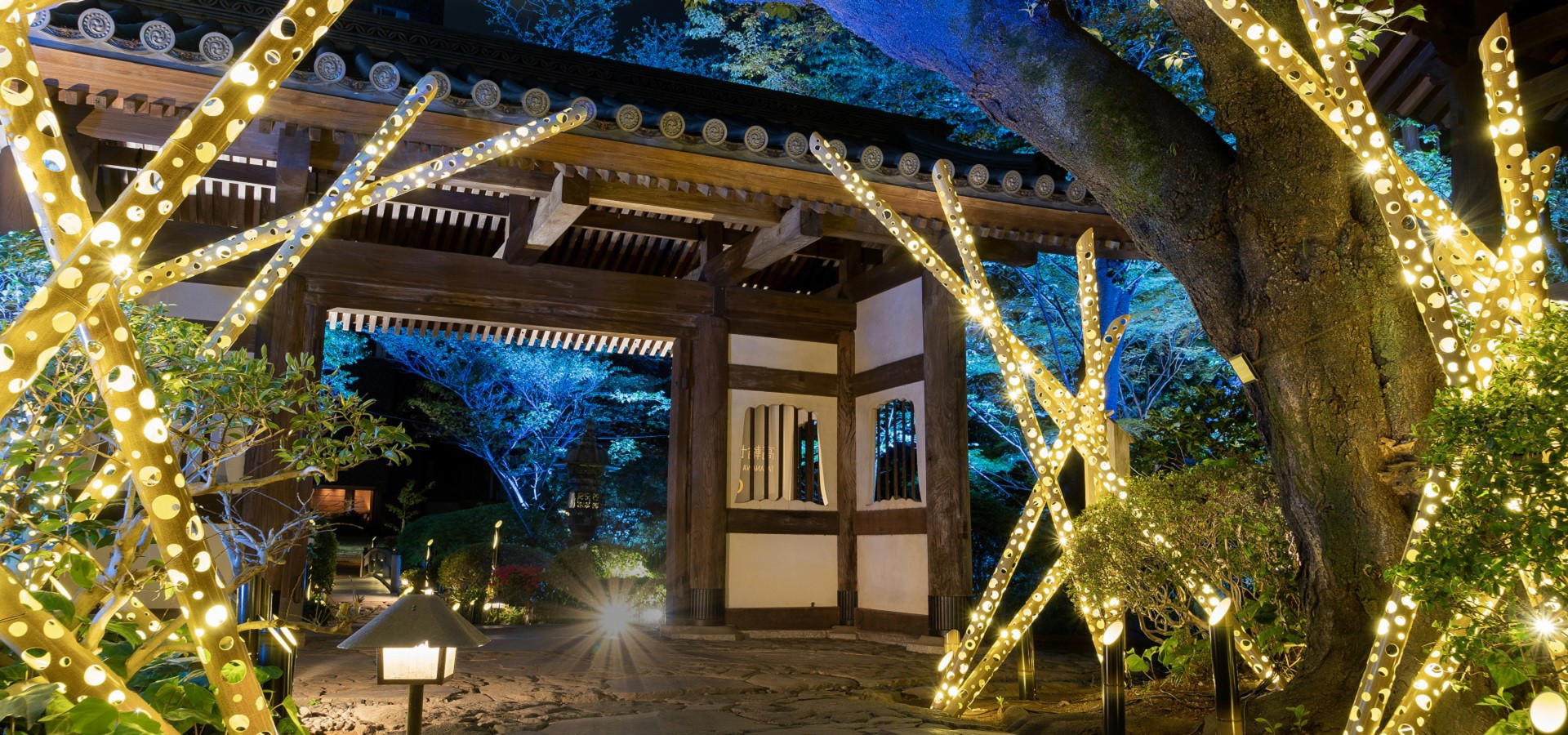
Tokyo's premium dining has long concentrated in predictable postal codes: Ginza for sushi and French, Minami-Aoyama for understated kaiseki, Nishi-Azabu for the kind of counter that requires three months and a Japanese phone number. What has shifted in the past decade is a meaningful dispersal into residential neighbourhoods, where rents run lower and the format can be shaped more freely. Kamimeguro, the address that puts ADI at 2 Chome-46-7, belongs to that second wave. The area runs along the Meguro River, familiar to Tokyoites for its spring cherry blossoms and its concentration of independent coffee shops and small-batch wine bars. As a dining address, it carries a different register than Ginza: quieter, more deliberate, without the ambient pressure of international hotel dining or the theatre of a Roppongi destination.
That neighbourhood context matters because it pre-selects the guest. Arriving in Kamimeguro for dinner is a considered act. You have looked up the address, planned the route from the nearest station, and decided that the experience is worth the navigation. In this sense, the physical location is already part of the editorial, a signal about what kind of evening is on offer before anyone has taken a seat.
The Collaborative Service Model That Defines This Format
Across Tokyo's serious restaurant tier, the past several years have seen a quiet rebalancing of where credit is attributed. The chef-as-protagonist narrative, exported globally through documentary culture and social media, has softened in practice inside the rooms that matter most. At the tighter, more considered end of the Tokyo dining scene, what distinguishes an evening is increasingly the coherence between kitchen, floor, and cellar, a three-way calibration that requires significant operational discipline to sustain across every service.
This is the context in which ADI operates. The Kamimeguro address suggests a format built on restraint and coordination rather than volume or spectacle. In restaurants of this type, the front-of-house carries as much interpretive weight as the kitchen: explaining provenance without lecturing, pacing courses to match a table's conversation rather than a kitchen clock, reading when to step in and when to disappear. The sommelier's role in this model is not to perform wine knowledge but to translate it, connecting what is in the glass to what is on the plate in terms that add to the evening without dominating it. Restaurants that achieve this three-way coherence over multiple years are in a distinct minority in any city, and Tokyo is no exception.
The broader comparison is instructive. At the ¥¥¥¥ tier in Tokyo, venues like L'Effervescence and Sézanne have built reputations precisely on this kind of integrated service, kitchens that are technically accomplished, yes, but also floors and cellars that are fluent enough to hold the room. At the boundary of Japanese and French approaches, Crony has demonstrated that an innovative French format can carry serious front-of-house depth. Even further afield, RyuGin, the kaiseki counter that has long anchored high-end Japanese dining, treats the floor as a precision instrument, not a secondary concern. ADI operates within this tradition.
Tokyo's Dispersed Dining Scene in Broader Context
Understanding ADI's position also requires understanding where Tokyo fine dining sits relative to the rest of Japan's serious restaurant circuit. The cities that compete for the country's most considered dining are not simply ranked by size. HAJIME in Osaka runs at a technical level that draws international comparison. Gion Sasaki in Kyoto is among the references for kaiseki at its most rigorous. Outside the major cities, venues like akordu in Nara, Goh in Fukuoka, Abon in Ashiya, affetto akita in Akita, Aji Arai in Oita, Ajidocoro in Yubari District, and Akakichi in Imabari and aki nagao in Sapporo demonstrate that Japan's serious dining culture is genuinely national, not concentrated in a single grid square of Tokyo.
Within Tokyo itself, the dispersal is also real. Harutaka, one of the city's referenced sushi counters, holds its position in the Ginza orbit, where the sushi format and pricing structure remain tightly bound to that address. ADI's Kamimeguro location places it in a different competitive register, closer to the emerging residential-neighbourhood format than to the established Ginza or Roppongi tiers.
The international comparisons are worth noting too. Collaborative dining formats built on tight floor-kitchen-cellar integration are not exclusive to Japan. Le Bernardin in New York City has long been cited as a reference for how a serious kitchen and a serious floor can function as a single organism rather than adjacent departments. Lazy Bear in San Francisco takes a different approach, more communal, more theatrical, but the underlying investment in service coherence belongs to the same category of ambition. ADI, operating in a quieter Kamimeguro register, is playing the same game at a different volume.
Planning a Visit: What to Know Before You Go
ADI's residential Kamimeguro address is a short walk from Nakameguro Station, served by the Tokyu Toyoko Line and the Tokyo Metro Hibiya Line, making it accessible from central Tokyo without significant inconvenience. The neighbourhood is leading explored on foot, and arriving slightly early allows time to take in the character of the area before sitting down. For restaurants at this format tier in Tokyo, reservation lead times of several weeks to a couple of months are standard; arriving without a booking is not a viable strategy. For a broader orientation to serious dining in the city, our full Tokyo restaurants guide maps the relevant tiers, neighbourhoods, and decision points in detail.
Frequently asked questions
What is ADI known for?
ADI is associated with the residential Kamimeguro dining format that has emerged as an alternative to Tokyo's more established fine dining addresses in Ginza and Roppongi. The restaurant operates in a tier where integrated service, kitchen, floor, and cellar working in coherent alignment, defines the experience as much as the food itself. Its address on a quieter stretch of Meguro City signals a deliberate choice of context over profile.
at ADI?
At restaurants of this format tier in Tokyo, the tasting menu or chef's selection is typically the primary format, ordering à la carte where it exists is a secondary option. The safe approach is to let the kitchen lead and discuss dietary requirements when booking.
Do I need a reservation for ADI?
At serious Tokyo restaurants operating in tight, considered formats, walk-in availability is rarely a realistic option. The standard across the category, whether at Ginza counters or neighbourhood-based formats like Kamimeguro, is advance booking, often several weeks ahead. Contacting ADI directly to confirm current availability and booking procedure is the necessary first step before planning a visit.
Is ADI suitable for a special occasion dinner in Tokyo?
The Kamimeguro location and the collaborative, considered service format that characterises restaurants of this type in Tokyo make ADI a plausible choice for occasions where the evening itself is the point rather than simply a meal. The neighbourhood's lower ambient pressure compared to Ginza or Nishi-Azabu contributes to a more private register. Confirming format, duration, and any special arrangements directly with the restaurant before the date is advisable.
City Peers
Comparable venues nearby, for context on price, style, and recognition.
| Venue | Cuisine | Price | Awards | Notes |
|---|---|---|---|---|
| ADIThis venue (the venue you are viewing) | Modern Nepalese Omakase | $100–150 | Tabelog 100 #72 | Not listed |
| seiohtei Shinjuku ten | Japanese-style Western (Yoshoku) | $30–50 | Tabelog 100 #79 | Shinjuku |
| LITTLE SMITH | Cocktail Bar | Not listed | Tabelog 100 #73 | Chūō |
| MORI BAR | Cocktail Bar | $30–50 | Tabelog 100 #46 | Chūō |
| Atami | Wood-Fired Hamburgers | $50–100 | Tabelog 100 #72 | Minato |
| Le Parang | Cocktail Bar | $50–100 | Tabelog 100 #4 | Shinjuku |
Recognition history
Dated appearances from independent guides and award organizations, with the underlying list record or original source where available.
Tabelog 100 #72 · No. 72
Tabelog · Tabelog 100 - Asian cuisine / Ethnic cuisine - TOKYO - 2024

Continue exploring
More in Tokyo
Restaurants in Tokyo
All restaurants in Tokyo →

Bars in Tokyo
All bars in Tokyo →




Details
- Cozy
- Modern
- Intimate
- Elegant
- Date Night
- Special Occasion
- Solo
- Chefs Counter
- Open Kitchen
- Standalone
- Local Sourcing
- Omakase
- Counter Dining
- Vegetarian Friendly
Current opening hours
- Monday
- Closed
- Tuesday
- 6–10 PM
- Wednesday
- 11:30 AM–2 PM, 6–10 PM
- Thursday
- 11:30 AM–2 PM, 6–10 PM
- Friday
- 11:30 AM–2 PM, 6–10 PM
- Saturday
- 11:30 AM–2 PM, 6–10 PM
- Sunday
- Closed
Hours can change for holidays and private events. Hours as of .
Cozy and tranquil atmosphere in a small, intimate space located along railway tracks in Nakameguro, featuring natural and creative presentation with warm, welcoming design.