Adega Gaucha Orlando
Adega Gaucha brings the Brazilian churrascaria format to Orlando's International Drive corridor, where the rodízio tradition of tableside meat carving intersects with a fixed-price abundance model. The experience sits in a distinct tier within Orlando's premium dining scene, defined by volume, ceremony, and the rhythm of the passadores working the room. For a city built on spectacle, the format fits.
Pearl is the En Primeur Club membership app — saves, bookings, and concierge access live there. Same editors, same standards.
- Address
- 8204 Crystal Clear Ln #1700, Orlando, FL 32809
- Phone
- +14072504455
- Website
- adegagaucha.com
- Directions
- Get directions
 Saves & bookings on Pearl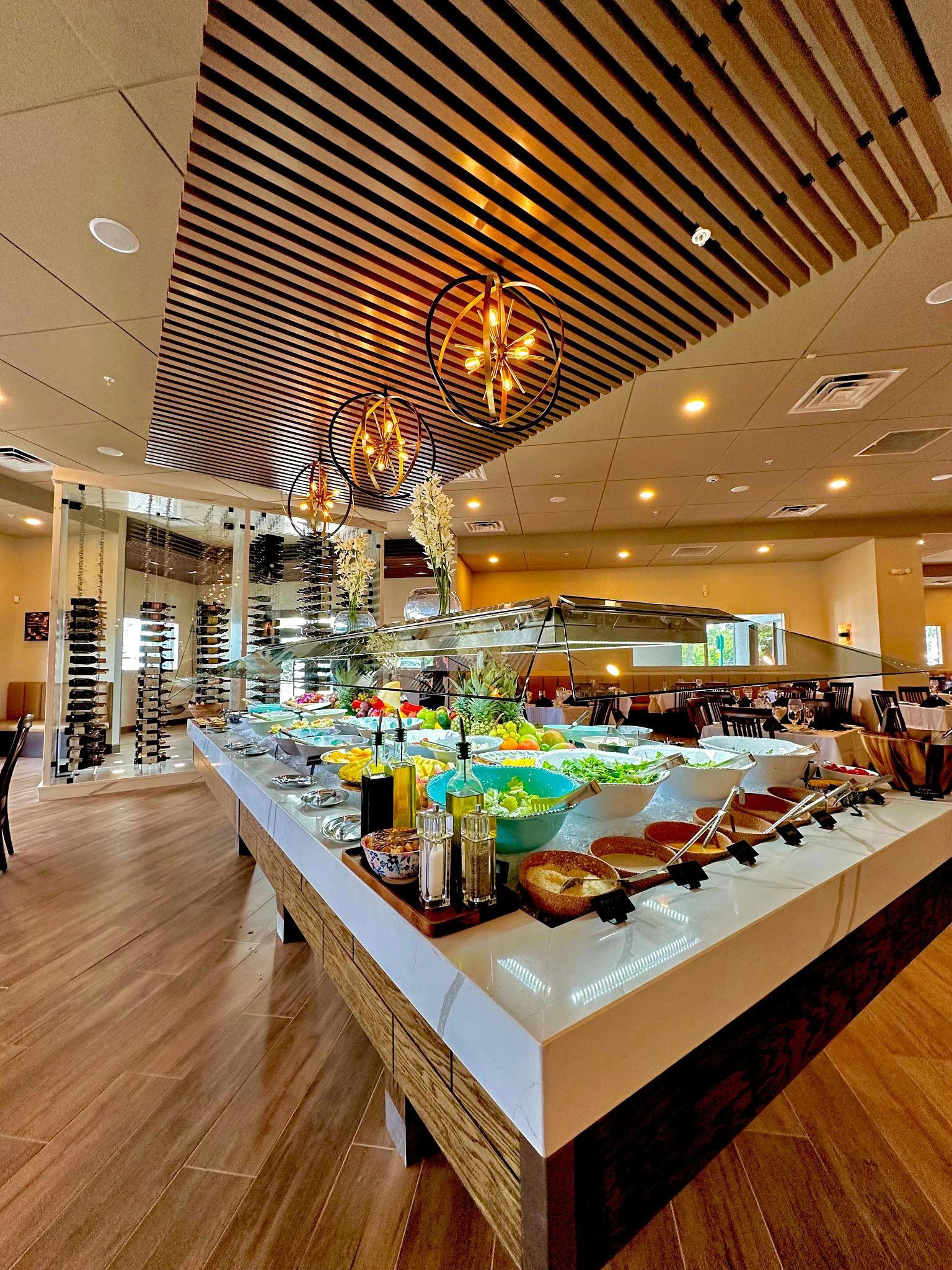
The Theater of the Grill
There is a particular kind of restaurant that operates on ceremony as much as cuisine. The Brazilian churrascaria, in its rodízio form, is one of the clearest examples: a continuous parade of skewered meats brought tableside by passadores, the carved portions landing directly on your plate, the tempo of arrival controlled by a small token flipped between green and red. It is a format with deep roots in the cattle culture of southern Brazil's Rio Grande do Sul state, where the gaucho tradition of open-fire grilling shaped not just a cooking method but an entire social ritual around meat, fire, and abundance. Adega Gaucha Orlando is a Brazilian churrascaria steakhouse in Orlando, priced around $63 per person, and it operates within that tradition on Crystal Clear Lane.
Orlando's dining scene has evolved considerably over the past decade. The theme-park corridor that once defined the city's restaurant culture has been supplemented by a serious independent dining tier, venues like Capa, the Forbes Five-Star steakhouse at Four Seasons Resort Orlando, and Japanese counters such as Kadence and Sorekara that have drawn national attention. Within that broader shift, the churrascaria format occupies a specific and durable position: high-volume, high-theater, anchored by a fixed-price model that makes the value proposition immediately legible to first-time visitors and regulars alike.
Smoke, Salt, and the Logic of Rodízio
The sensory arc of a churrascaria meal is fairly consistent across the format's better practitioners. You arrive to the smell of wood smoke and rendered fat before you reach the table. The salad and side stations, feijoada, farofa, pão de queijo, grilled vegetables, frame the perimeter, but they are supporting structure, not the main event. The main event is fire-cooked protein in rotation: picanha (the prized rump cap, cut against the grain to expose a rim of fat), fraldinha (flank), costela (short rib), and a rotation of sausages and chicken that bridges the heavier cuts. At a well-run churrascaria, the passadores read the table, knowing when to press, when to give space, when to pivot from beef to lamb to pork.
The picanha is the reference point. In Brazilian churrascaria culture, it functions the way otoro functions at a sushi counter: the cut against which everything else is measured. A kitchen that handles picanha well, correct seasoning, correct internal temperature, the fat cap rendered but not sacrificed, signals competence across the board. It is the dish to order, or more precisely, the cut to flag a passador for when it comes around.
That rhythm, the waiting, the flagging, the receiving, is what separates rodízio from a conventional steakhouse. There is no single plate composition to judge. The meal is assembled in time, cut by cut, and the experience lives or dies on pacing and the quality of the rotation. It also demands a different posture from the diner: you are not ordering so much as curating, accepting and declining as the evening moves.
Where It Sits in Orlando's Dining Tier
Orlando's premium restaurant tier is anchored by a handful of venues that draw food-focused travelers as a primary motivation rather than a secondary amenity. Camille and Natsu represent the more intimate, counter-driven end of that spectrum. Adega Gaucha operates on a different axis entirely, volume, ceremony, and a format that scales to groups, celebrations, and corporate tables without losing its structural coherence. That is not a limitation; it is a design choice that aligns with a specific kind of dining occasion.
The comparison set for a venue like this is not the eight-seat omakase counter or the chef's tasting menu. It is the broader category of occasion dining where the format itself carries meaning, where the shared table, the communal abundance, and the visual theater of carving at tableside are the product. Measured against that comparable set, the churrascaria format has proven durable across American cities precisely because it offers a complete experience that requires minimal interpretation from the guest.
For readers who track the national fine dining circuit, Le Bernardin in New York, The French Laundry in Napa, Smyth in Chicago, Providence in Los Angeles, Adega Gaucha represents a different category of ambition. It is not chasing Michelin recognition or tasting menu format innovation in the mode of Blue Hill at Stone Barns or Addison. It is doing something more culturally specific: translating a regional Brazilian tradition into a format that works at scale for an American audience, in a city that receives tens of millions of visitors annually.
Planning Your Visit
The address, 8204 Crystal Clear Lane, Suite 1700, puts the restaurant in the International Drive area south of downtown Orlando. Booking ahead is recommended. The rodízio model is fixed-price, which means the planning calculus is simple: arrive hungry, pace deliberately, and use the salad station as prologue rather than main course.
Sorekara or the Vietnamese-influenced tasting menu at Camille, both of which operate at the opposite end of the pacing and portion logic spectrum. The contrast is instructive and, across two or three nights, gives a more complete read on what Orlando's dining tier has become.
Lazy Bear in San Francisco, Emeril's in New Orleans, Single Thread Farm in Healdsburg, The Inn at Little Washington, Atomix in New York, and Atelier Moessmer Norbert Niederkofler in Brunico, each representing a distinct approach to what a destination restaurant can be.
Same-City Peers
Comparable venues nearby, for context on price, style, and recognition.
| Venue | Cuisine | Price | Notes |
|---|---|---|---|
| Adega Gaucha OrlandoThis venue — the venue you are viewing | Brazilian Churrascaria Steakhouse | $$$ | Not listed |
| Eskina Brazilian Restaurant | Authentic Brazilian Steakhouse | $$ | International Drive |
| Wolfgang Puck Bar & Grill Orlando | Modern American Grill with Mediterranean Influences | $$$ | Vistana |
| Chima Steakhouse Orlando | Brazilian Rodizio Steakhouse | $$$ | Little Sand Lake |
| The Nectar Room | Modern International Small Plates | $$$ | Lake Nona South |
| La Luce | Modern Italian Trattoria | $$$ | Bonnet Creek |
At a Glance
- Elegant
- Sophisticated
- Lively
- Group Dining
- Celebration
- Family
- Special Occasion
- Open Kitchen
- Extensive Wine List
Current opening hours
- Monday
- 11:30 AM–9 PM
- Tuesday
- 11:30 AM–10 PM
- Wednesday
- 11:30 AM–10 PM
- Thursday
- 11:30 AM–10 PM
- Friday
- 11:30 AM–10 PM
- Saturday
- 11:30 AM–10 PM
- Sunday
- 11:30 AM–9 PM
Hours can change for holidays and private events. Last verified .
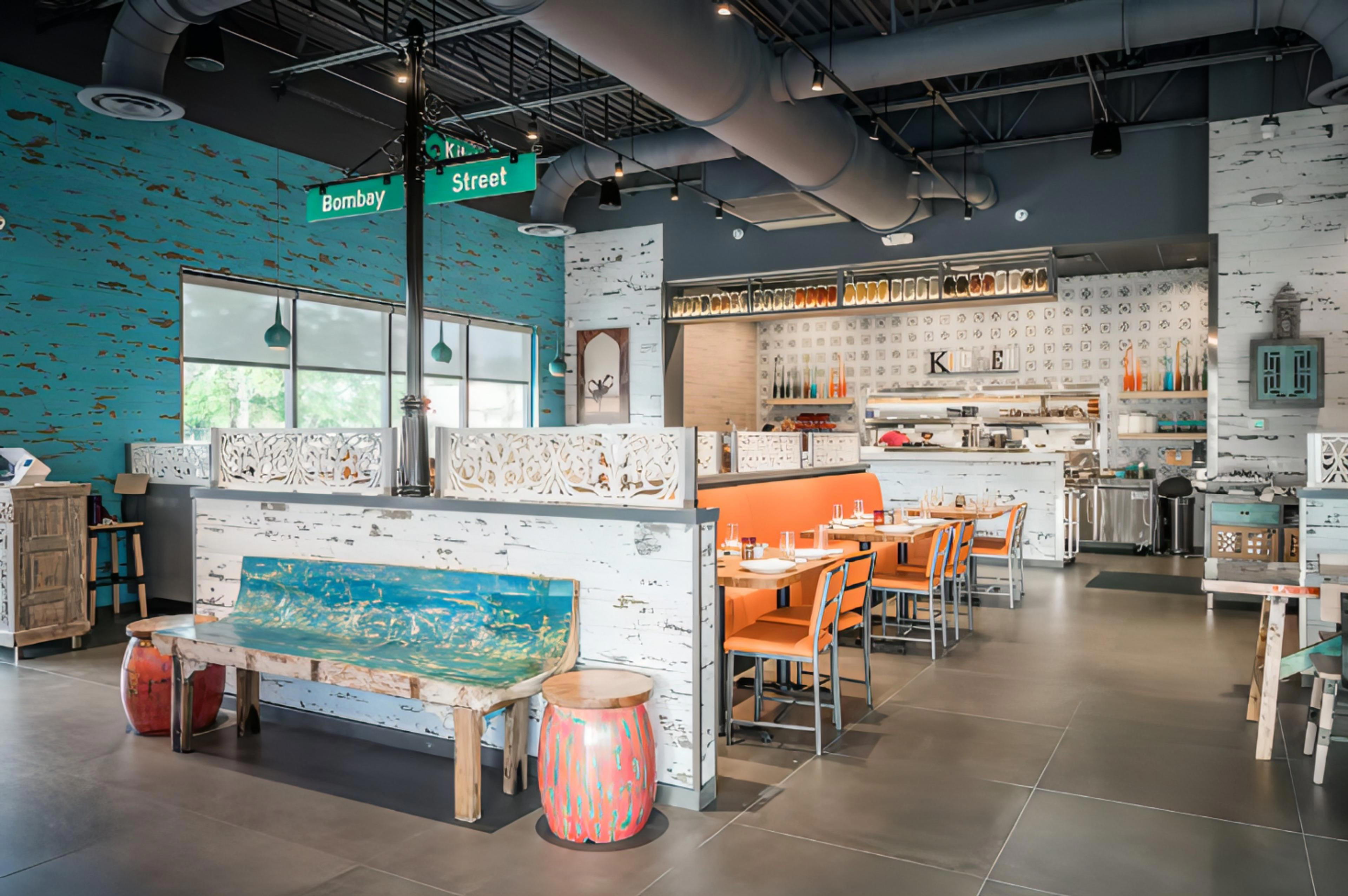
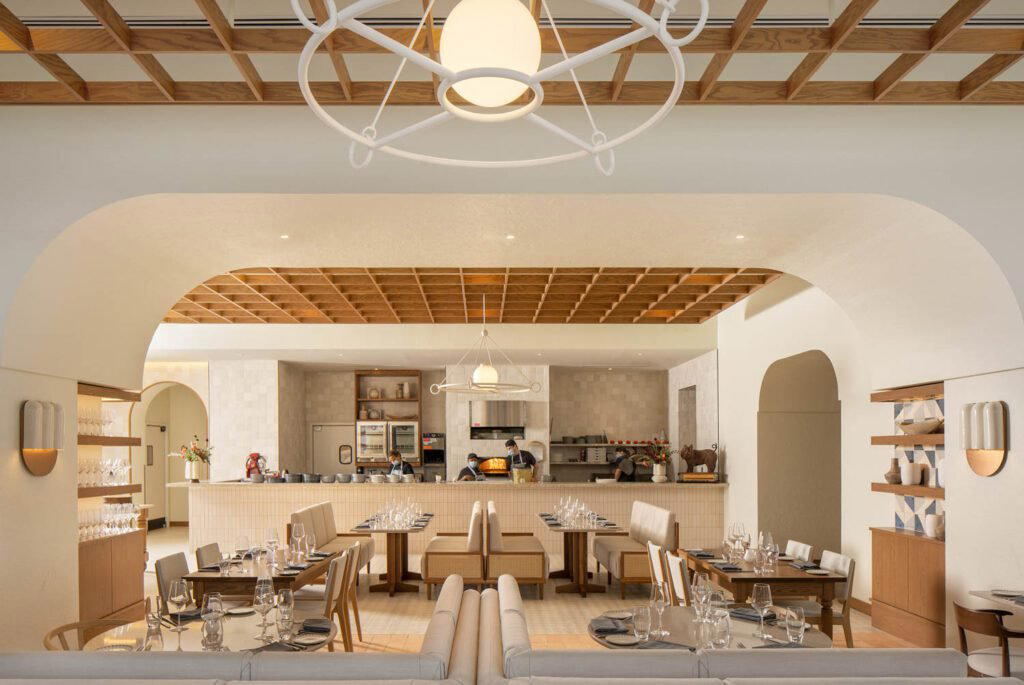
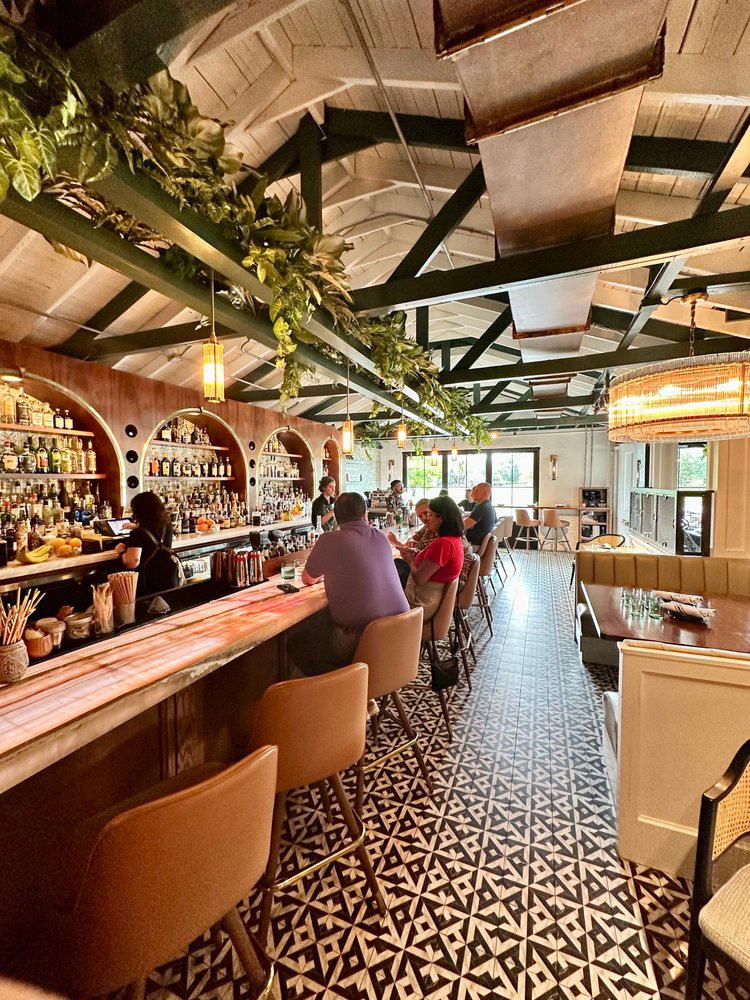
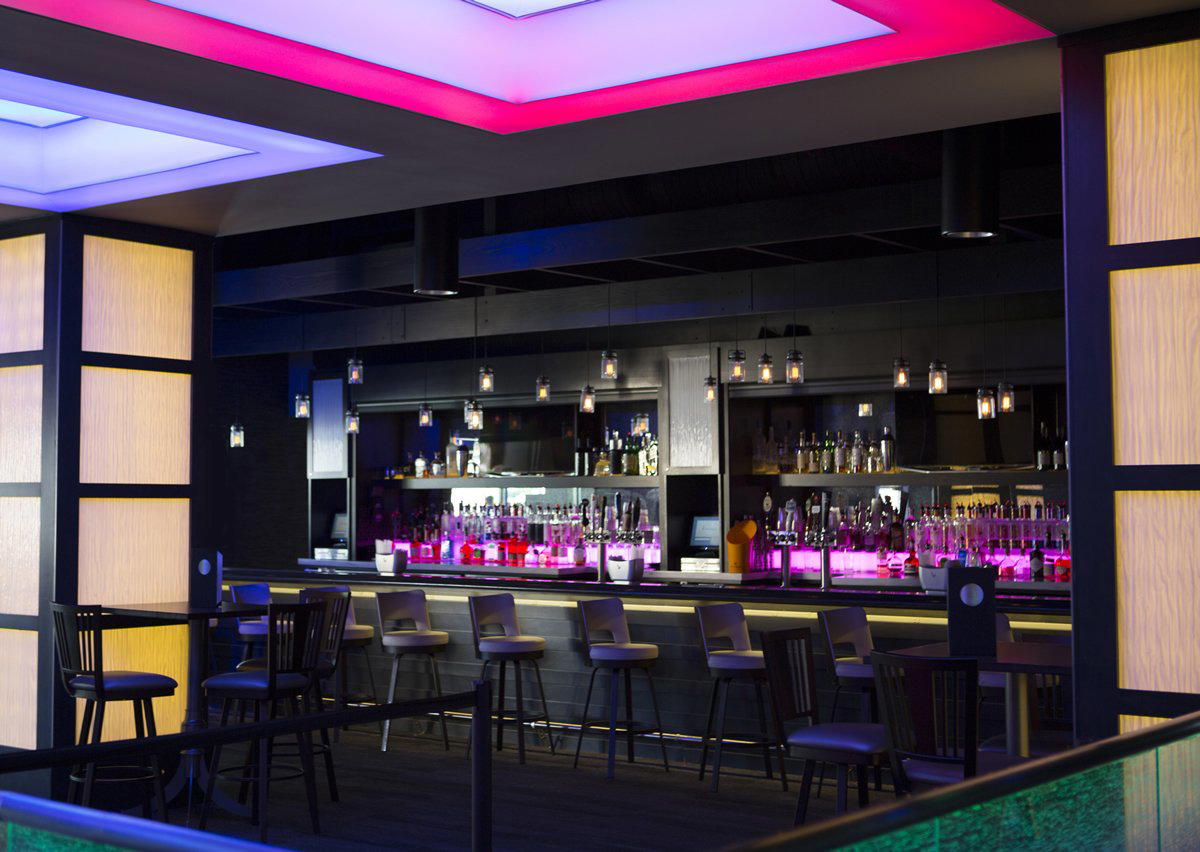
Bright and sophisticated with an inviting, elegant atmosphere blending modern steakhouse style and Brazilian hospitality.