Adana sits on Favoritenstraße in Vienna's 10th district, a stretch that functions as one of the city's more honest cross-sections of immigrant food culture. The address places it outside the Innere Stadt dining circuit, which is precisely what gives it a different register from the white-tablecloth rooms that dominate Vienna's formal restaurant conversation. For occasion dining at a different pitch, the neighbourhood itself is part of the experience.
Pearl is the En Primeur Club membership app — saves, bookings, and concierge access live there. Same editors, same standards.
- Address
- Favoritenstraße 113, 1100 Wien, Austria
- Phone
- +436642201189
- Website
- adana.wien
- Directions
- Get directions
 Saves & bookings on Pearl
Favoritenstraße and the Other Vienna Dining Scene
Vienna's reputation for serious eating tends to concentrate along the Ring, in the Naschmarkt corridor, and in the 1st and 4th districts, where rooms like Steirereck im Stadtpark, Amador, and Konstantin Filippou operate at the summit of the Austrian tasting-menu tier. Adana is a Turkish Adana Kebab restaurant at Favoritenstraße 113, 1100 Wien, Austria, with casual dress and walk-in-friendly service. The 10th district, Favoriten, tells a different story. Favoritenstraße runs south from the Südbahnhof area through one of the city's most densely populated and ethnically mixed working-class districts, and the food on that street reflects the population rather than the tourist circuit. Adana takes its name from the Turkish city on the Seyhan River, a reference that signals the kitchen's orientation immediately and without ambiguity.
That geographic and cultural specificity matters for anyone thinking about occasion dining in Vienna. The formal end of the city's restaurant scene, represented by places like Mraz & Sohn and Doubek, operates in a register where ceremony is part of the value proposition. Adana operates in a different register entirely: the occasion here is not announced by a sommelier or a tasting-menu format, but by the quality of the cooking and the atmosphere of a room that is doing something distinct from what surrounds it in either direction along the street.
What the Address Tells You Before You Walk In
Approaching Adana from the U1 stop at Keplerplatz or from the tram lines that run along Favoritenstraße, the neighbourhood reads as everyday Vienna rather than destination Vienna. That contrast is not incidental. Particularly consistent regional cooking in any European city happens in districts like this one, where the customer base is drawn from a community with strong culinary expectations rooted in the source culture, rather than from tourists or expense-account diners with looser reference points.
Turkish and Middle Eastern restaurants in Favoriten occupy a spectrum from fast-casual döner and lahmacun counters to more serious table-service operations that work with the grilled meat and meze traditions of southern Anatolia. The Adana reference specifically points toward a tradition of long, spiced minced-meat kebabs cooked over charcoal, a preparation that has its own strict regional identity in Turkey and is not interchangeable with the broader kebab category. In Vienna, that specificity is part of what distinguishes an address worth tracking from a generic entry in an already crowded category.
Occasion Dining Outside the Tasting-Menu Circuit
Austria's high-end dining scene extends well beyond Vienna: Döllerer in Golling an der Salzach, Obauer in Werfen, Landhaus Bacher in Mautern an der Donau, and a cluster of Tyrolean and Vorarlberg rooms including Gourmetrestaurant Tannenhof in Sankt Anton am Arlberg and Stüva in Ischgl all operate within the same national conversation about what serious Austrian cooking looks like. But occasion dining does not have to mean a multi-course progression with wine pairings. Across European cities, particularly memorable milestone meals often happen at restaurants where the cooking is rooted in a specific regional tradition, the room has genuine character, and the experience doesn't feel designed for the Michelin inspector's notebook.
That model has parallels in other markets. Le Bernardin in New York City and Lazy Bear in San Francisco both demonstrate, at their respective price points, that a clearly defined culinary identity is a more reliable foundation for a special-occasion meal than format alone. In Vienna's 10th district, the same logic applies at a different scale: a restaurant with a specific regional reference and a consistent approach to that tradition offers something more reliable for a celebratory meal than a generic international restaurant without a clear point of view.
The Wider Context: Immigrant Food Culture in Vienna
Vienna's Turkish community, one of the city's largest immigrant groups, has been present since the mid-20th century, and the food infrastructure that community has built across districts like Favoriten, Simmering, and Ottakring represents decades of culinary development rather than a recent trend. The southern Anatolian tradition that Adana references, with its emphasis on charcoal grilling, specific spice profiles, and a meze culture that functions as a serious first act rather than an afterthought, is well-represented in Vienna at various levels of ambition and execution.
For visitors planning a meal that sits outside the Austrian fine-dining circuit, the 10th district offers a different kind of evening. The practical logistics are manageable: Favoritenstraße 113 is accessible from the city centre by U1 in under fifteen minutes, and the neighbourhood's density means the street itself is active in the evenings. Alongside the broader Vienna dining picture covered in our full Vienna restaurants guide, addresses like this one represent the city's parallel food culture, one that operates on a different economy and with different reference points than the rooms the guides tend to prioritize.
Other Austrian addresses that have built reputations by working within a specific regional identity rather than a pan-European fine-dining grammar include Ois in Neufelden, Schwarzer Adler in Hall in Tirol, Restaurant 141 by Joachim Jaud in Mieming, Kräuterreich by Vitus Winkler in Sankt Veit im Pongau, and Taubenkobel in Schützen am Gebirge. The logic connecting those addresses applies to Adana too: a clear identity, rooted in a specific place and tradition, is more durable than trend-driven positioning.
Planning a Visit
Adana sits at Favoritenstraße 113 in the 10th district, a direct journey from the city centre via the U1 line. Adana is open Monday through Sunday from 11 AM to 10 PM, and its walk-in-friendly setup suits casual dining. The price point is about $15 per person.
Comparable Venues
Comparable venues nearby, for context on price, style, and recognition.
| Venue | Cuisine | Price | Notes |
|---|---|---|---|
| AdanaThis venue — the venue you are viewing | Turkish Adana Kebab | $$ | Not listed |
| Sems Inegöl Köfte | Traditional Turkish Inegöl Köfte | $$ | Prater |
| Diwan Holzkohlegrill | Turkish Charcoal Grill | $$ | Rudolfsheim |
| Nar | Turkish & Levantine Kebab House | $$ | Rudolfsheim |
| Köfteci | Turkish Köfte Street Food | $$ | Favoriten |
| Bacco | Authentic Tuscan Italian | $$ | Wieden |
Continue exploring
More in Vienna
Restaurants in Vienna
Browse all →
![[aend] restaurant in Vienna](https://cdn.enprimeurclub.com/storage/v1/object/public/images/locations/recsVyRkMfzCxPmp0/hero2.jpg?width=3840&quality=75)
Bars in Vienna
Browse all →
Hotels in Vienna
Browse all →
At a Glance
- Casual Hangout
- Local Sourcing
Current opening hours
- Monday
- 11 AM–10 PM
- Tuesday
- 11 AM–10 PM
- Wednesday
- 11 AM–10 PM
- Thursday
- 11 AM–10 PM
- Friday
- 11 AM–10 PM
- Saturday
- 11 AM–10 PM
- Sunday
- 11 AM–10 PM
Hours can change for holidays and private events. Last verified .
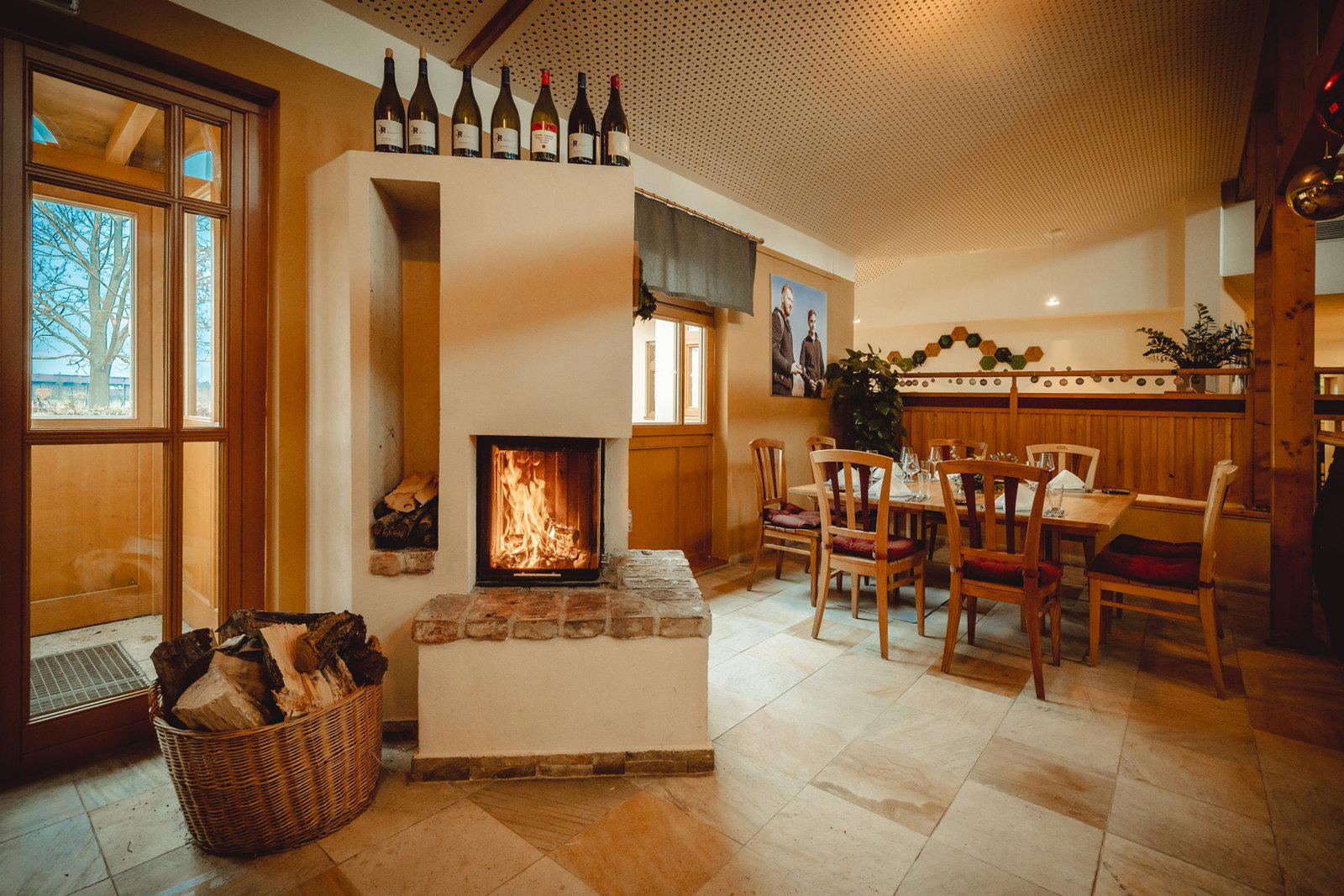
Casual kebabhouse atmosphere focused on fresh, regional Turkish street food.