Adachi occupies a quiet lane in Taipei's Xinyi District, operating within a city that has positioned itself as one of Asia's more serious addresses for Japanese-influenced fine dining. The restaurant's Zhuangjing Road address places it in a residential pocket removed from the district's commercial core, signalling the kind of destination dining that rewards deliberate planning rather than chance discovery.
Pearl is the En Primeur Club membership app — saves, bookings, and concierge access live there. Same editors, same standards.
- Address
- No. 12號, Lane 239, Zhuangjing Rd, Xinyi District, Taipei City, Taiwan 110
- Phone
- +886287860126
- Directions
- Get directions
 Saves & bookings on Pearl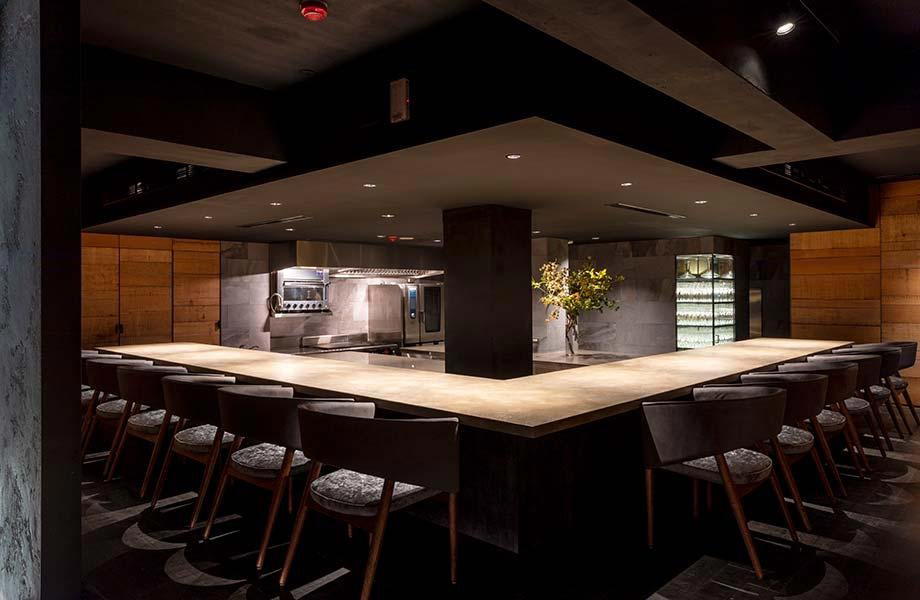
A Quiet Lane, a Considered Meal
Xinyi District presents two faces to the visitor. The commercial face is all glass towers and department store concourses along Xinyi Road. The residential face, tucked into the lanes off Zhuangjing Road, is quieter, lower, and considerably more interesting for dining. Adachi sits on the latter, at a lane address that announces nothing loudly, no neon, no pavement queue, no street-facing theatre. In a city where the premium Japanese dining category has grown substantially over the past decade, this kind of address has become a recognisable signal.
Taipei's relationship with Japanese cuisine runs deeper than geography would suggest. Decades of cultural and historical exchange have produced a local dining public that treats Japanese technique with serious literacy, not as novelty but as a second culinary language. The city's higher-end Japanese counters and kaiseki-influenced rooms operate inside that literacy, and the competition for positioning in that tier is genuine. Venues like Taïrroir and logy demonstrate how Taipei's fine dining scene absorbs and reinterprets outside influences with confidence rather than deference. Adachi sits within this broader context: a Japanese name on a Xinyi lane, in a city that knows exactly what to expect from that proposition.
The Arc of the Meal
Progressive tasting formats in Taipei's premium tier now follow a logic that mirrors what you would encounter in Tokyo's better kaiseki rooms or at destination tables like Lazy Bear in San Francisco or Le Bernardin in New York City: the meal is structured as a sequence with internal rhythm, not a parade of independent dishes. The opening moves matter disproportionately. They establish register, signal whether the kitchen is working from restraint or abundance, and set the diner's calibration for everything that follows.
At a venue of Adachi's type and address, the early courses typically do compositional work, lighter preparations that orient the palate and introduce the kitchen's flavour logic before committing to heavier proteins or more complex layering. Mid-sequence is where the argument develops. In Japanese-influenced tasting formats, this often means a dashi-anchored dish or a piece of aged fish that asks you to pay attention to temperature and texture simultaneously. The final savoury position and the transition into sweets carry the resolution, and in well-run rooms that transition feels earned rather than mechanical.
What the address and category context make clear is that this is a deliberate-meal venue, not a drop-in proposition. The Xinyi residential pocket it occupies has supported that kind of dining in other contexts, and the lane format is consistent with operations that prioritise a controlled, unhurried pace over volume.
Where It Sits in Taipei's Premium Tier
Taipei has developed a premium dining tier that competes with comparable tiers in Hong Kong and Singapore on price, technique, and ambition. The Michelin Guide's presence in the city has formalised some of that competition. Le Palais anchors the Cantonese end of the city's formal dining spectrum. L'Atelier de Joël Robuchon and Molino de Urdániz represent European formats adapted to the local market. The Japanese-influenced category sits alongside all of these, serving a diner who moves between them with some fluency.
Adachi's Xinyi positioning places it in a neighbourhood that supports premium spend and has an established dining infrastructure. It is in Xinyi District, which means its audience is likely a mix of residents, repeat visitors with neighbourhood knowledge, and referred diners. That diner profile tends to produce a room with less tourist transience and more returning faces, a dynamic that shapes both the service register and the kitchen's freedom to build a menu that rewards familiarity over time.
For those building a broader Taiwan itinerary around serious dining, the island's quality extends well beyond the capital. JL Studio in Taichung holds its own in the Southeast Asian contemporary conversation. Akame in Wutai Township operates in an indigenous ingredients format that has attracted significant critical attention. Amei in Tainan and GEN in Kaohsiung anchor the south. Closer to Taipei, Chi Yuan in New Taipei and Volando Urai Spring Spa and Resort in Wulai District offer compelling alternatives for those with a day or two outside the city.
Planning Your Visit
Adachi is at No. 12, Lane 239, Zhuangjing Road, Xinyi District, a residential lane that requires deliberate navigation rather than casual foot traffic. The address is in the southeastern section of Xinyi, accessible by MRT to Xinyi-Anhe station and a short walk east, or by taxi or ride-share from the broader district. Lane addresses in this part of Taipei are typically low-signage, so confirming the exact entry point before arriving is advisable. Reservations are essential.
Awards and Standing
Comparable venues nearby, for context on price, style, and recognition.
| Venue | Cuisine | Price | Awards | Notes |
|---|---|---|---|---|
| AdachiThis venue — the venue you are viewing | Traditional Japanese Omakase | $$$$ | Not listed | Not listed |
| Qi 27 (Sushi 27) | Edomae Omakase | $$$$ | Not listed | Quan'an |
| Sasa | Traditional Edomae Omakase | $$$$ | Michelin Plate | Zhongshan |
| 大腕燒肉 | Michelin-Starred Japanese Yakiniku | $$$$ | Not listed | Zhongshan District |
| Sushi Touryuumon | Japanese Omakase | $$$$ | Michelin Plate | Checeng |
| Uosho | Kanto-style Unagi | $$$$ | Michelin Plate | Sanzhong |
Continue exploring
More in Taipei
Restaurants in Taipei
Browse all →
Bars in Taipei
Browse all →
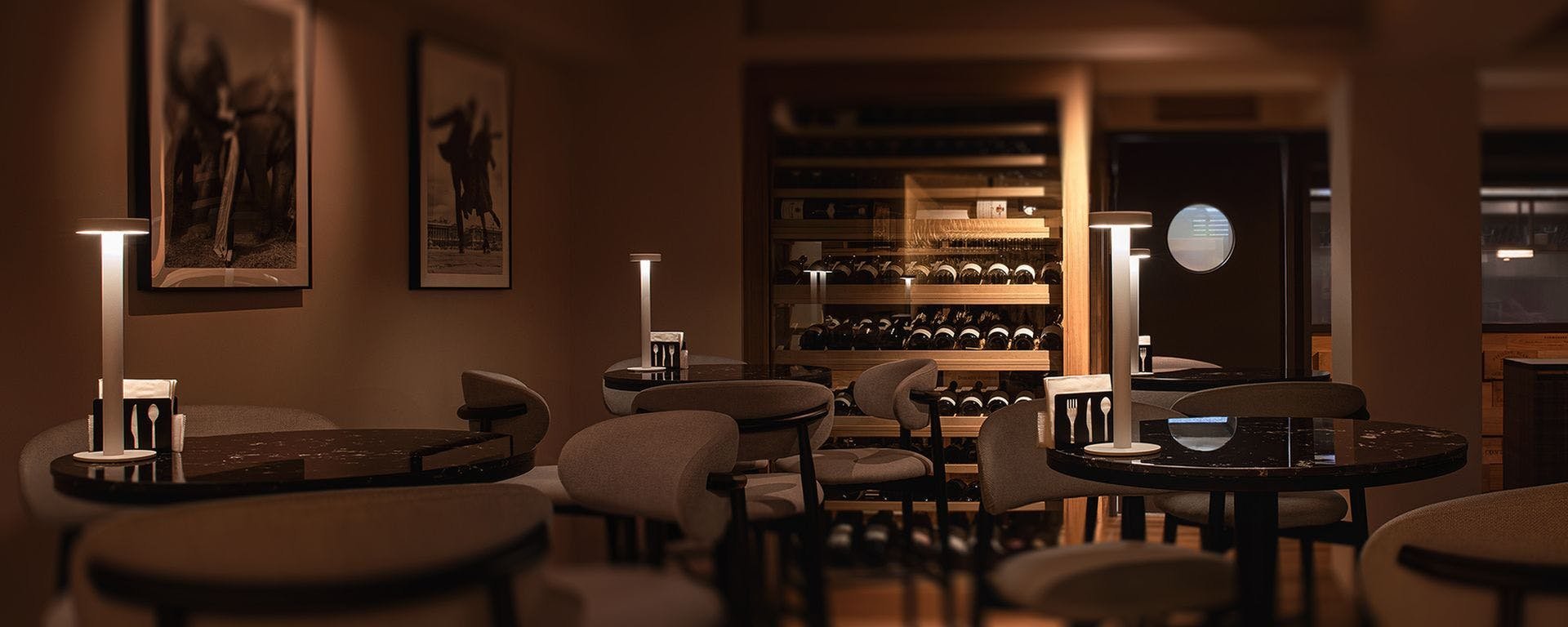
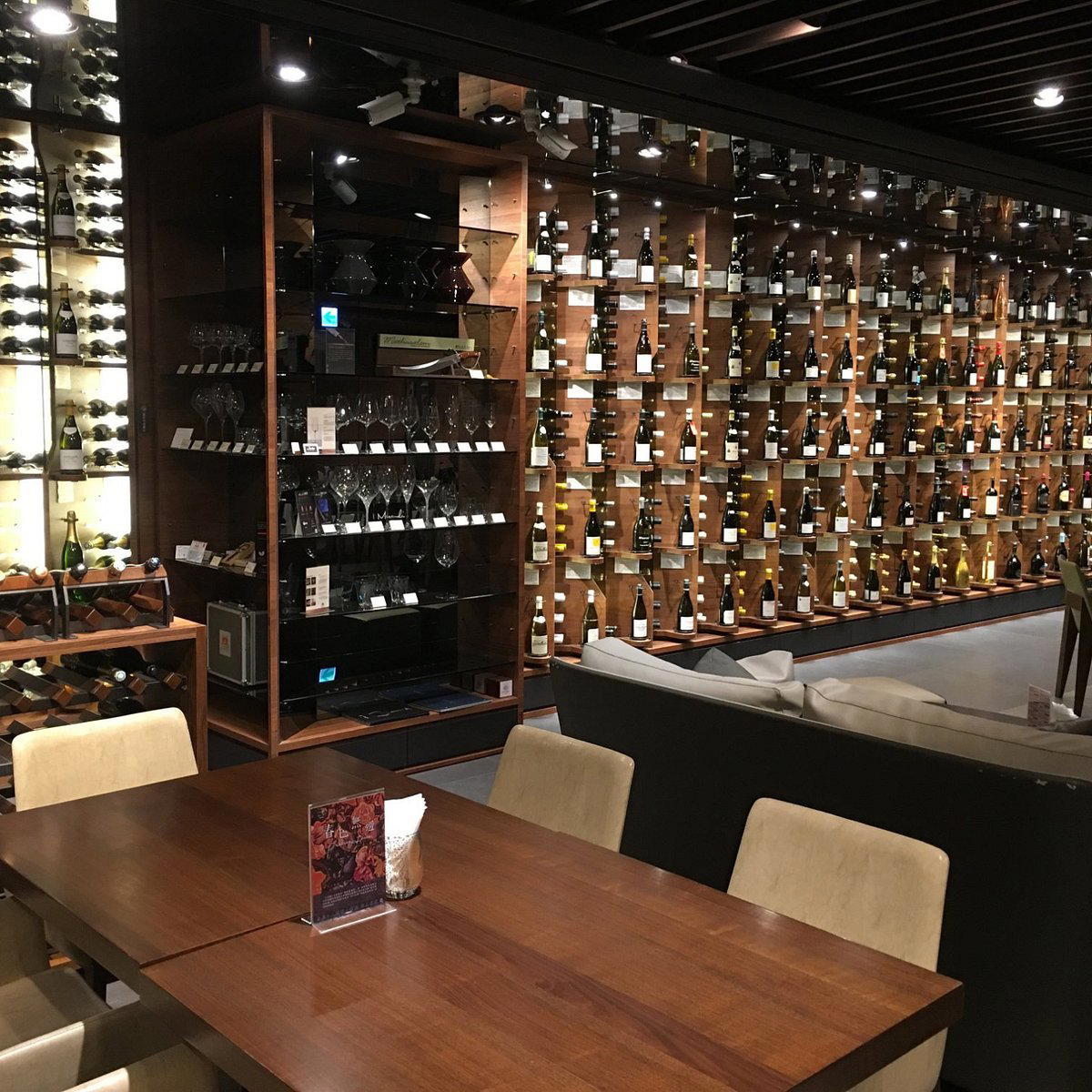
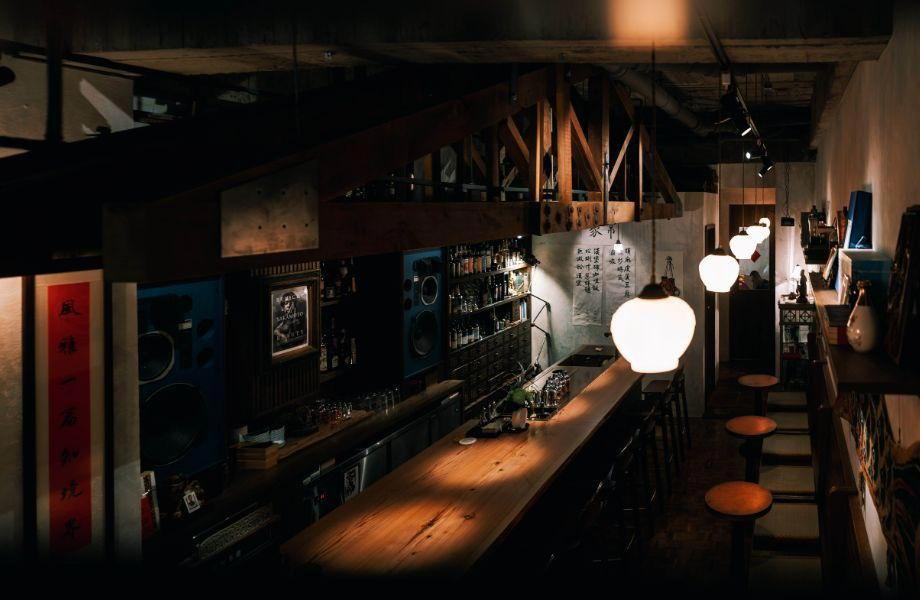
Hotels in Taipei
Browse all →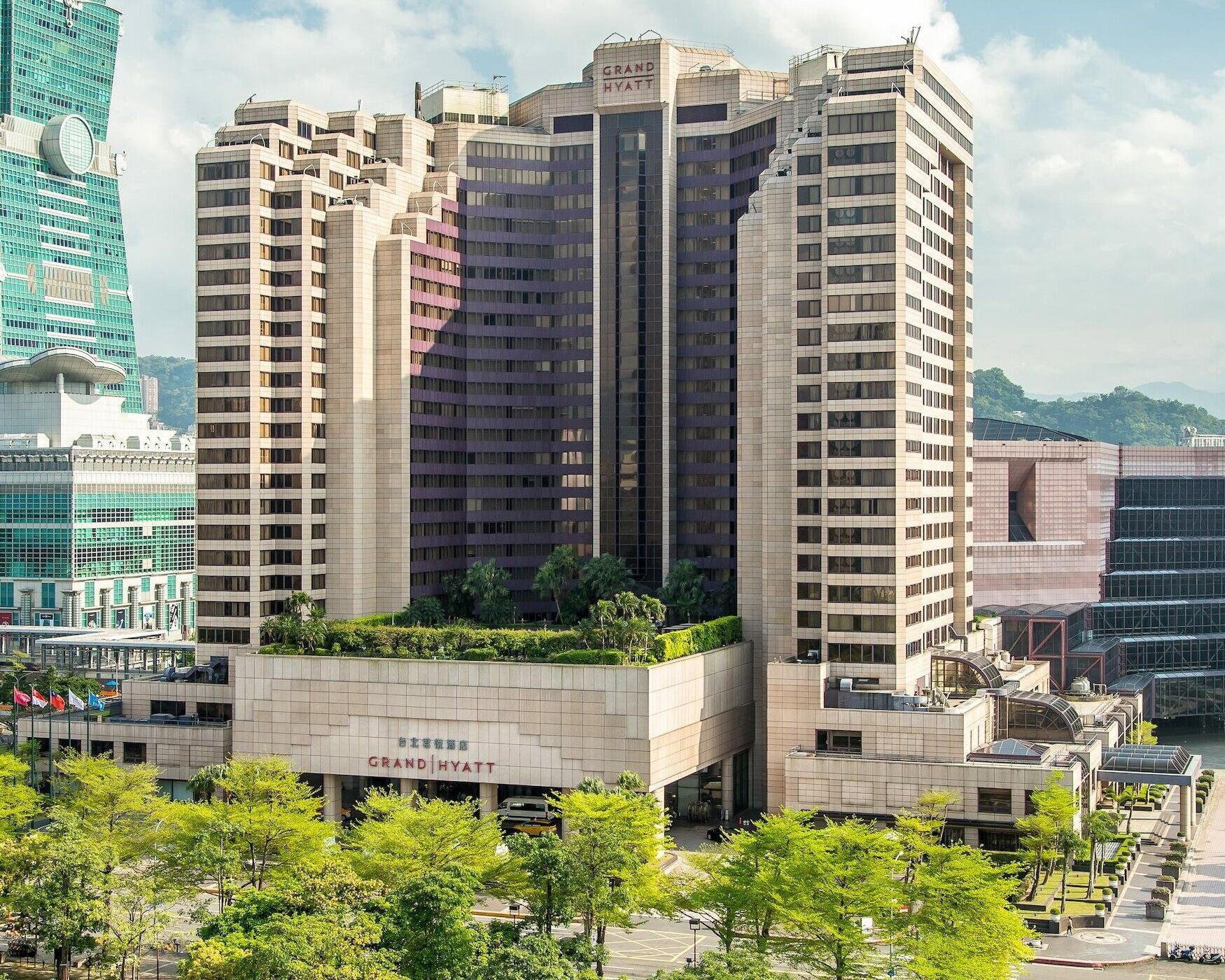
Wineries in Taipei
Browse all →
At a Glance
- Intimate
- Elegant
- Sophisticated
- Date Night
- Special Occasion
- Chefs Counter
- Sake Program
Current opening hours
- Monday
- Closed
- Tuesday
- 6:30–9:30 PM
- Wednesday
- 6:30–9:30 PM
- Thursday
- 6:30–9:30 PM
- Friday
- 6:30–9:30 PM
- Saturday
- 6:30 AM–9:30 PM
- Sunday
- Closed
Hours can change for holidays and private events. Last verified .
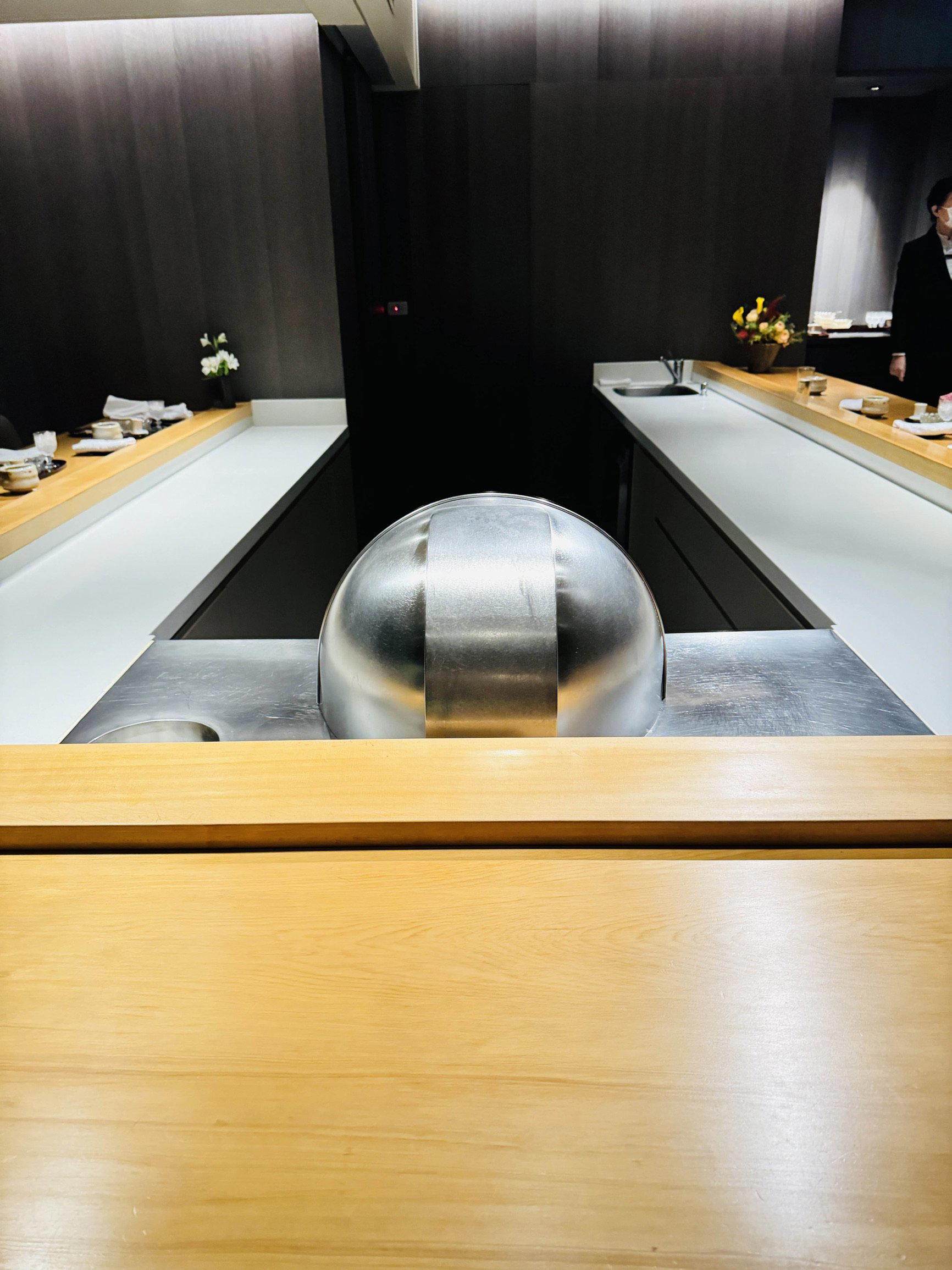
Intimate counter seating with a focused, attentive atmosphere centered on the chef's craft and fresh sushi preparation.