Our verdict
大腕燒肉 occupies a lane address off Dunhua South Road in Taipei's Da'an District, positioning itself within the city's more considered tier of yakiniku dining. The name, roughly translating to 'big shot' or 'heavyweight', signals intent before you arrive. For visitors calibrating Taipei's premium grilled-meat scene, this is a reference point worth understanding.

Pearl is the En Primeur Club membership app, where members save venues, book tables and use the concierge.
The menu
What to order
- 幻切牛舌
- 日本和牛翼板
- 和牛板腱
A Lane Address That Sets the Register
Taipei's yakiniku scene has undergone a quiet but meaningful shift over the past decade. What was once a category dominated by Korean-influenced chain formats and mid-market all-you-can-eat operations has fractured into tiers, with a smaller cohort of addresses pursuing the Japanese yakiniku model more seriously: premium cuts, restrained interiors, and a pace of service that treats the grill as a course structure rather than a free-for-all. 大腕燒肉, the name carries the sense of a heavyweight or power player, sits within that upper register, on a small lane off Dunhua South Road in Da'an District, one of Taipei's more composed residential and dining neighbourhoods.
The address itself communicates something. Lane 177, off Dunhua South Road Section 1, is the kind of location that requires a deliberate decision to find. Da'an's dining grid rewards that deliberateness: the neighbourhood holds some of Taipei's most considered restaurants across formats, from the tasting-menu tier occupied by venues like Taïrroir and logy to the Cantonese formalism of Le Palais. Placing a yakiniku operation in this context is itself a positioning statement.
How the Category Evolved Around It
The evolution of premium yakiniku in Taipei broadly mirrors what happened in Tokyo's mid-tier neighbourhoods in the 2000s and early 2010s: operators began importing wagyu programs, training staff in cut sequencing, and designing spaces that moved the category away from its casual, smoke-filled origins. That shift arrived in Taipei with a lag but accelerated sharply after 2015, when Taiwanese diners' appetite for Japanese beef culture, already apparent in the growth of omakase counters and premium tempura formats, began to pull yakiniku upmarket alongside it.
大腕燒肉 entered this environment and, by the evidence of its name and location, chose the premium lane deliberately. The venue's placement on a quiet residential lane mirrors a pattern seen across Taipei's more serious dining addresses: the less trafficked the approach, the more the experience is expected to justify the effort. This is a structural preference in how Taipei's confident dining operators frame exclusivity, not through hotel lobbies or high-street frontage, but through address specificity and word-of-mouth legibility.
That positioning connects 大腕燒肉 to a broader current in the city. Taipei has spent the better part of a decade building out a recognisable fine-dining infrastructure, one that now registers internationally, with venues such as L'Atelier de Joël Robuchon and Molino de Urdániz anchoring the European-format tier. The yakiniku category's upward move runs parallel to that infrastructure development, drawing on the same diner base that has been trained to read quality signals, cut specificity, provenance, service rhythm, across formats.
What the Name Implies About the Room
In Japanese and Taiwanese Chinese usage, 大腕 (dàwàn) refers to a major figure, someone with weight and standing. For a restaurant to take that as its name is a choice that either requires the operation to deliver on the register or risk irony. Premium yakiniku venues that commit to this framing typically do so through a combination of cut sourcing, interior restraint, and a service model that positions the grill as a guided experience rather than a self-directed one.
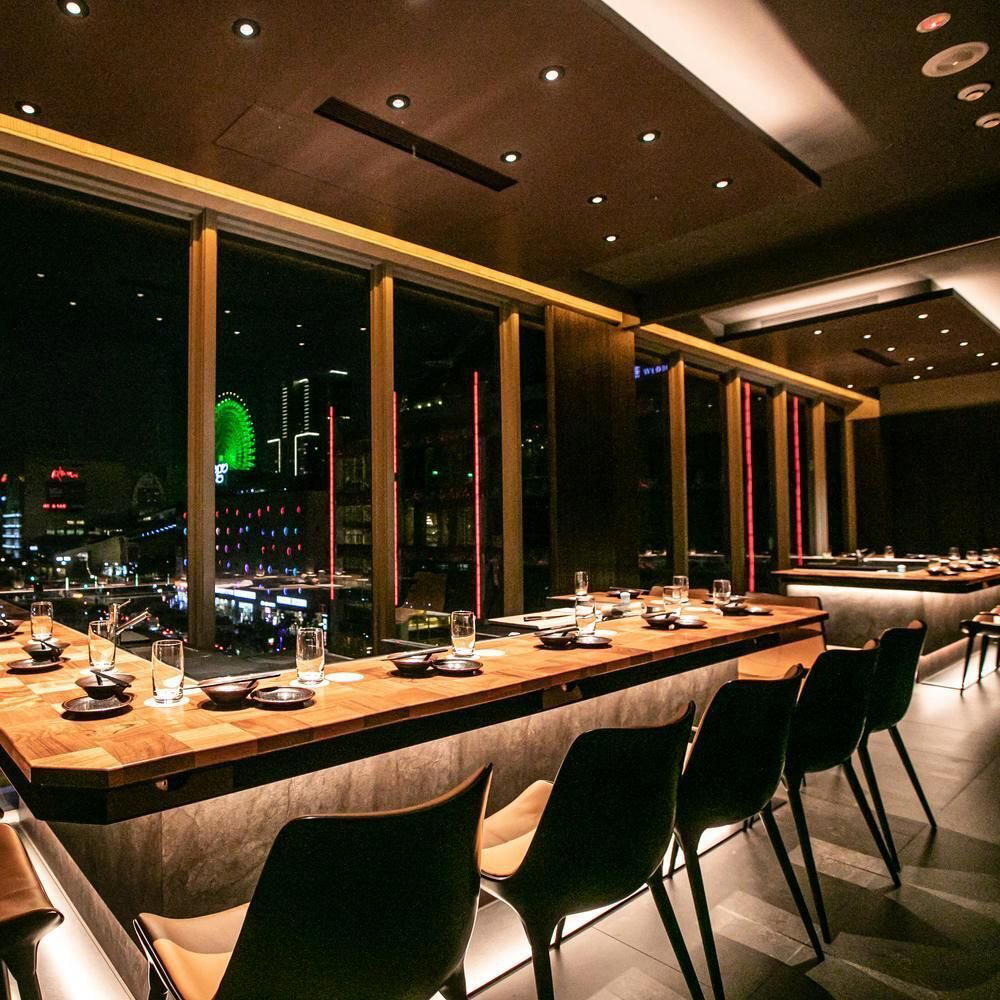
The atmospheric expectation at a venue with this kind of positioning and address is one of controlled intimacy. Da'an's lane dining tends toward quieter rooms, smaller capacities, and a pace that accommodates conversation. That atmospheric model suits yakiniku particularly well: the sequential arrival of cuts, the grill as a shared focal point, and the built-in pause between courses all create a rhythm that rewards the right room size and the right noise floor.
Situating the Experience in Taipei's Wider Dining Map
For visitors building a Taipei dining itinerary, the city now offers enough depth across formats to spend a week eating well without repetition. Our full Taipei restaurants guide maps that depth across neighbourhoods and price tiers. Within the grilled-meat and protein-led category specifically, 大腕燒肉 occupies a different register than the street-level beef noodle and barbecue formats that define Taipei's popular dining identity, it is operating in the same deliberate, reservation-led tier as the tasting-menu rooms nearby.
Taiwan's broader restaurant scene has also been expanding outward from Taipei, with serious operations now running in Taichung (where JL Studio has drawn international attention), in Kaohsiung (see GEN), and in Tainan (A Xia represents the southern city's more refined dining output). The common thread across these operations is a willingness to invest in format discipline and sourcing specificity, traits that 大腕燒肉's positioning in Da'an suggests it shares.
For those mapping comparative dining across Asia, the yakiniku-at-a-premium model has international analogues. The investment in provenance and cut sequencing that defines the top tier in Tokyo finds echoes in how venues in Seoul, Singapore, and now Taipei frame their beef programs. Internationally framed tasting-menu operations like Atomix in New York have demonstrated how deeply Asian protein culture can translate into a fine-dining idiom; yakiniku venues like 大腕燒肉 are making a version of that argument within their own format.
Planning a Visit
大腕燒肉 is located at 敦化南路一段177巷22號 in Da'an District (postal code 106), reachable from the Zhongxiao Dunhua or Da'an MRT stations. Given its lane address and the general booking pressure on premium yakiniku in Taipei, reservations in advance are advisable, the format and scale of the venue mean walk-in availability is unlikely on weekends.
Frequently asked questions
Q: What should I expect atmosphere-wise at 大腕燒肉?
The atmospheric register at 大腕燒肉 is shaped primarily by its address and format category. A lane venue in Da'an, in the premium yakiniku tier, typically runs a quieter, more controlled room than the mid-market grilled-meat formats Taipei is better known for abroad. If the venue operates as its name and positioning suggest, expect a pace and noise level calibrated to the grill as a course structure, though specific interior details should be confirmed directly, as the venue's current format is not fully documented in public sources.
Q: at 大腕燒肉?
What the venue's category and positioning imply is a program organised around cut sequencing, typically moving from leaner, more delicate pieces toward richer, fattier cuts as the meal progresses. In premium yakiniku, the house's sourcing decisions tend to be the most reliable signal of what to pursue: asking staff about the current featured beef origin is generally more useful than defaulting to a fixed dish recommendation.
Q: How does 大腕燒肉 compare to other premium dining options in Taipei's Da'an District?
Da'an holds a concentration of Taipei's most serious restaurant addresses across multiple formats, including tasting-menu rooms with international recognition. 大腕燒肉 occupies the premium yakiniku niche within that neighbourhood, a format with a distinct dining logic (grill-centred, cut-sequential, protein-focused) that sits alongside rather than in direct competition with European or contemporary Taiwanese tasting formats. For diners who have already covered the tasting-menu tier through venues like Taïrroir or logy, 大腕燒肉 represents a different kind of focused, premium meal in the same neighbourhood calibre.
Cuisine and Awards Snapshot
A quick peer check to anchor this venue’s price and recognition.
| Venue | Cuisine | Price | Awards | Notes |
|---|---|---|---|---|
| 大腕燒肉This venue (the venue you are viewing) | Michelin-Starred Japanese Yakiniku | $100–150 | Not listed | Not listed |
| logy | Modern Japanese-Taiwanese Fusion Omakase | $100–150 | 2 Michelin Stars · World's 50 Best #22 | Modern European, Asian Contemporary |
| Le Palais | Fine Dining Cantonese | $150–200 | 3 Michelin Stars · La Liste Top Restaurants | Cantonese |
| Taïrroir | Taiwanese-French Fusion Fine Dining | $150–200 | 3 Michelin Stars · La Liste Top Restaurants | Taiwanese/French, Taiwanese contemporary |
| Mudan Tempura | Michelin-Starred Tempura | Not listed | 2 Michelin Stars · La Liste Top Restaurants | Tempura |
| Golden Formosa | Traditional Taiwanese | $20–30 | 1 Michelin Star | Taiwanese |
Continue exploring
More in Taipei
Restaurants in Taipei
All restaurants in Taipei →
Bars in Taipei
All bars in Taipei →
Hotels in Taipei
All hotels in Taipei →


Wineries in Taipei
Browse all →
Details
- Elegant
- Sophisticated
- Modern
- Special Occasion
- Date Night
- Group Dining
- Open Kitchen
- Sake Program
- Street Scene
- A La Carte
- Set Menu
Refined atmosphere with good lighting, open kitchen views, and attentive service creating an elegant dining experience.