Our verdict
In the Bosque district of Cuiabá, Haru Cozinha Oriental represents a distinct strand of Brazilian dining: Asian cuisine transplanted to the interior of the continent, far from the coastal nikkei corridors of São Paulo and Rio. The address on Rua Senador Vilas Bôas places it within a residential pocket of the city, where the sourcing decisions that define any serious Oriental kitchen take on a different weight than they would at sea level and port proximity.

Pearl is the En Primeur Club membership app, where members save venues, book tables and use the concierge.
The menu
What to order
- Salmon nigiri with black truffles
- Peruvian-Japanese ceviche
- Shrimp teppanyaki
Asian Cooking in the Brazilian Interior: Why Sourcing Defines Everything Here
The further you get from a coast, the more a kitchen's ingredient decisions reveal its actual priorities. Cuiabá sits roughly 1,500 kilometres from any major Brazilian port city, in the heart of the Cerrado, the vast tropical savanna that covers much of central Brazil. For a restaurant operating under the banner of cozinha oriental, that geography is not incidental. It shapes every decision about what arrives on the plate and what doesn't make the cut.
Haru Cozinha Oriental, on Rua Senador Vilas Bôas in the Bosque neighbourhood, occupies a position in the city's dining mix that has few direct equivalents. Cuiabá's food culture is defined primarily by its proximity to the Pantanal and the Cerrado: river fish like pacu and pintado dominate traditional menus, and the surrounding agricultural land produces ingredients that rarely appear in coastal Asian-influenced kitchens. The question that any Oriental restaurant in this city has to answer is how it bridges those two realities.
The Bosque District and What It Signals About the Room
Bosque is a residential district, not a restaurant corridor in the conventional sense. Arriving along the tree-lined streets of this part of Cuiabá, the shift from commercial noise to neighbourhood quiet sets a particular tone before you reach the door. In cities where Oriental cuisine has consolidated into ethnic dining enclaves, the Bosque address would read as an outlier. In Cuiabá, where the dining scene spreads across neighbourhoods rather than clustering by cuisine type, it reads as deliberate positioning: a kitchen that draws its clientele by reputation and word-of-mouth rather than foot traffic from competing formats.
That dynamic is common to interior Brazilian cities with populations large enough to sustain specialist restaurants but not yet dense enough to support dedicated dining districts. Cuiabá's food scene runs along similar lines to Bistro Fitz Carraldo in Manaus in this respect: non-mainstream cuisine formats establish themselves across residential and commercial mixed-use streets rather than clustering, which puts the weight of discovery on the diner rather than on proximity to similar venues.
Ingredient Supply Lines in the Cerrado
Any serious Oriental kitchen operating in central Brazil faces a sourcing calculation that its coastal counterparts do not. The ingredients that define Japanese, Chinese, Korean, or pan-Asian cooking at a high level, from specific cuts of fish and shellfish to particular fermented condiments and fresh aromatics, require reliable supply chains that become progressively harder to maintain the further you move from refrigerated logistics hubs. The Cerrado, for all its agricultural significance, is not a natural source of the proteins that anchor most Oriental menus.
What the region does offer is a different kind of ingredient intelligence. The freshwater fish of the Pantanal and the rivers feeding into Cuiabá's catchment area represent proteins with real quality credentials: pacu and pintado are delicate, high-fat fish that hold up to Asian-style preparations in ways that some farmed marine fish do not. Restaurants in this bracket, whether they operate within a defined Asian framework or at the edges of it, increasingly work with this local supply as both an economic and culinary decision. For context, the approach mirrors what D.O.M. in São Paulo built its reputation on at a much larger scale: Brazilian ingredients taken seriously on their own terms rather than substituted reluctantly for imported alternatives.
Further along the sourcing spectrum, the Cerrado's native fruits and vegetables, including cagaita, baru, and pequi, have entered the vocabulary of chefs willing to work outside the conventional ingredient palettes of their chosen cuisine type. That kind of cross-regional sourcing represents a meaningful commitment because it requires the kitchen to develop new preparation knowledge rather than applying inherited technique to familiar materials.
Oriental Cuisine in Cuiabá: A Small but Distinct Category
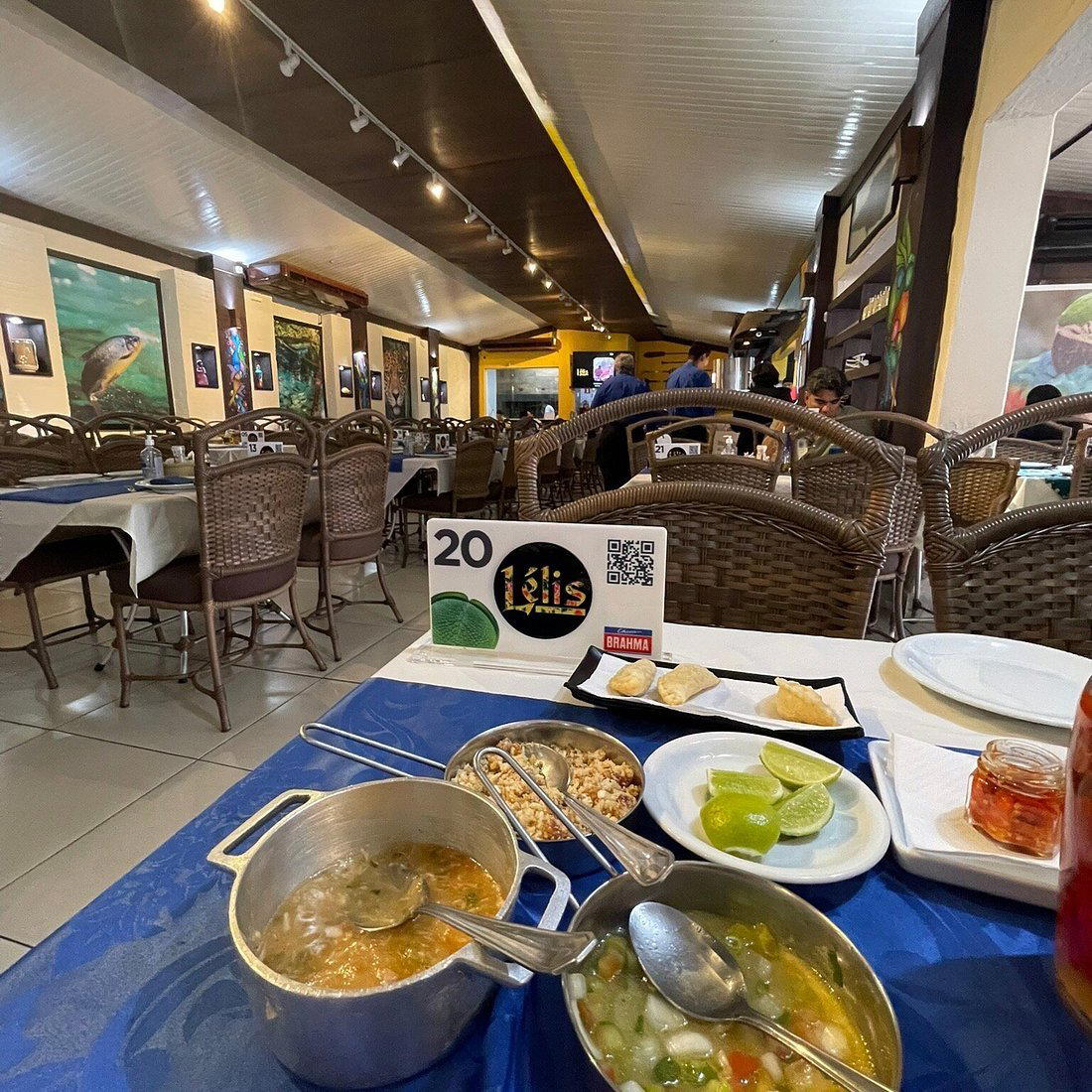
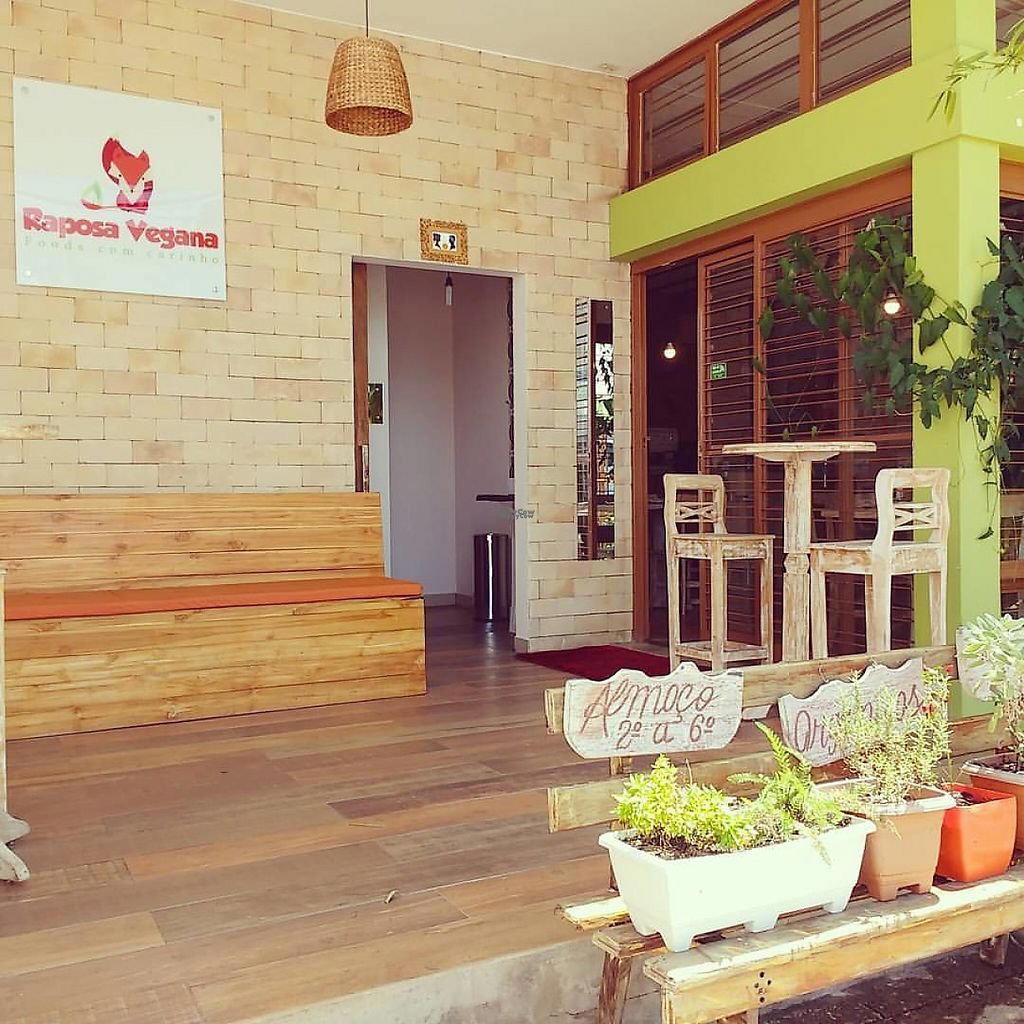
Cuiabá's restaurant scene skews heavily toward regional Brazilian formats. The city's reputation as a gateway to the Pantanal means that fish restaurants like Lélis fish restaurant occupy a central place in how locals and visitors eat. The plant-forward segment has grown, with venues like Raposa Vegana Foods Com Carinho establishing a following. European-heritage formats, represented by addresses like Taberna Portuguesa, round out a scene that is more diverse than the city's size might suggest.
Within this mix, Oriental cuisine operates as a genuine minority category. The city's Japanese-Brazilian community, while present, is smaller than the communities in São Paulo, Paraná, or the Amazonian cities that received larger waves of Meiji-era immigration. That demographic reality means Oriental restaurants in Cuiabá draw from a broader, more mixed clientele than comparable venues in coastal cities, which tends to shift menu construction toward accessibility without necessarily lowering technical standards. Haru sits within this category at a Bosque address that suggests it is targeting an established local clientele rather than positioning for tourist capture.
For comparison, the nikkei corridor in São Paulo, which produced many of the techniques now circulating through Brazilian Oriental kitchens, operates in an entirely different competitive and demographic context. What works there, high-volume, price-competitive, proximity-driven, does not automatically translate to an interior city like Cuiabá, where the demand base is smaller and the sourcing conditions are structurally different.
Planning a Visit
Haru Cozinha Oriental is located at Rua Senador Vilas Bôas, 94, in the Bosque district of Cuiabá, Mato Grosso. The address sits in a residential part of the city, and first-time visitors should expect a neighbourhood setting rather than a commercial strip. For a broader view of where Haru fits within Cuiabá's dining options, see our full Cuiabá restaurants guide, which also covers regional staples including Açaí Cuiabano and the city's fish-forward tradition.
Frequently asked questions
Where do I go for Haru Cozinha Oriental?
Haru Cozinha Oriental is located at R. Sen. Vilas Bôas, 94 - Bosque, Cuiabá - MT, 78045-220, Brazil, Cuiaba.
Is Haru Cozinha Oriental worth visiting if I'm based in Cuiabá rather than passing through?
For Cuiabá residents, Haru represents access to a cuisine category the city offers in very limited supply, Oriental cooking has no meaningful venue cluster here the way it does in São Paulo's Liberdade district or coastal cities with established Japanese-Brazilian communities. That scarcity gives the restaurant a local significance that goes beyond the food itself. Located in the Bosque district, it draws a neighbourhood crowd rather than a tourist circuit, which typically means the kitchen is cooking for repeat guests with higher baseline expectations.
What's the must-try dish at Haru Cozinha Oriental?
What the kitchen's position does clarify is that any Oriental venue operating 1,500 kilometres from Brazil's nearest major coast has to make deliberate sourcing choices, and those choices tend to shape which dishes are worth ordering. Ask staff what is coming in fresh and build from there.
Do I need a reservation for Haru Cozinha Oriental?
Haru operates in Bosque, a residential district of Cuiabá rather than a conventional dining corridor, which points to a smaller-format room. Oriental cuisine venues with limited local competition in cities of this scale tend to fill their seats on weekends without much walk-in margin. Calling ahead is the practical move, particularly given that Haru's phone number is not listed publicly, making a direct visit or social media inquiry the most reliable approach.
What's the standout thing about Haru Cozinha Oriental?
The venue sits in a category with almost no density in Cuiabá, a city whose restaurant scene runs heavily toward regional Brazilian and Pantanal fish formats. Operating an Oriental kitchen in the Brazilian cerrado interior, at Rua Senador Vilas Bôas 94 in the Bosque district, is itself a structural distinction, the sourcing constraints and the audience it serves are unlike anything a comparable venue in São Paulo or Rio would face.
A Quick Peer Check
Comparable venues nearby, for context on price, style, and recognition.
| Venue | Cuisine | Price | Notes |
|---|---|---|---|
| Haru Cozinha OrientalThis venue (the venue you are viewing) | Japanese Asian Fusion | Not listed | Not listed |
| Lélis fish restaurant | Brazilian Fish Rodizio | $20–30 | Not listed |
| Açaí Cuiabano | Brazilian Açaí | Not listed | Cuiaba |
| Taberna Portuguesa | Traditional Portuguese Seafood | Not listed | Goiabeiras |
| Raposa Vegana Foods Com Carinho | Vegan Brazilian & International | $10–20 | Consil |
| Charco | Modern Brazilian with South American and Asian influences | $30–50 | Jardim Paulista |
Continue exploring
More in Cuiaba
Details
- Elegant
- Sophisticated
- Modern
- Special Occasion
- Date Night
- Terrace
- Craft Cocktails
- Street Scene
- A La Carte
- Vegetarian Friendly
- Gluten Free Options
Current opening hours
- Monday
- Closed
- Tuesday
- 6 PM–12 AM
- Wednesday
- 6 PM–12 AM
- Thursday
- 6 PM–12 AM
- Friday
- 6 PM–1 AM
- Saturday
- 6 PM–1 AM
- Sunday
- 6 PM–12 AM
Hours can change for holidays and private events. Hours as of .
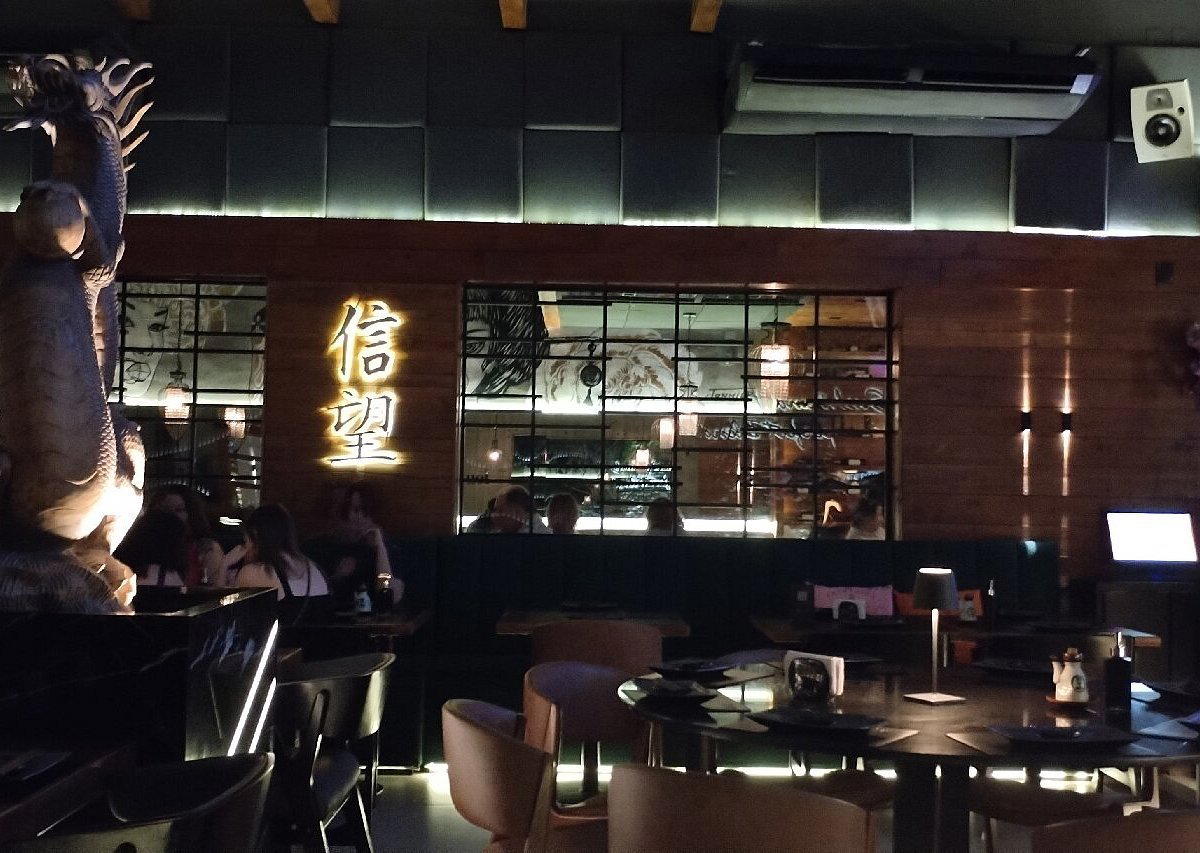
Nicely decorated with an elegant atmosphere and large terrace overlooking the street.