Our verdict
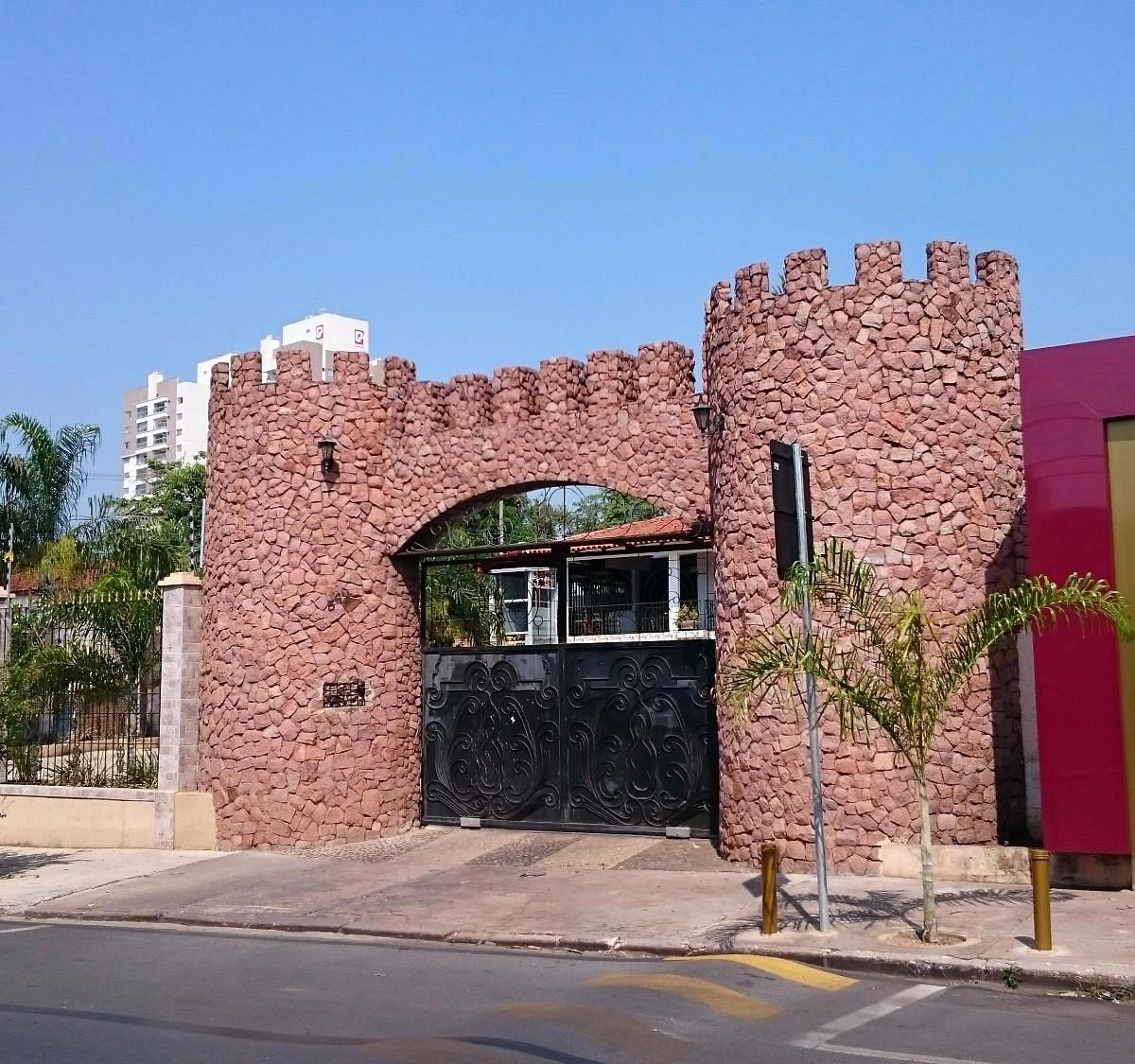
Among Cuiabá's dining options that stretch well beyond the Pantanal pantry, Taberna Portuguesa brings a European tradition to Mato Grosso's capital, located on Av. Ipiranga in the Goiabeiras district. Portuguese-influenced cooking occupies a small but consistent niche in Brazilian cities, and this address represents that strand in a city better known for river fish and cerrado ingredients. For visitors moving between regional and international reference points, it offers a different register entirely.

Pearl is the En Primeur Club membership app, where members save venues, book tables and use the concierge.
A European Dining Tradition in Brazil's Geographical Centre
Cuiabá sits almost precisely at the centre of South America, a fact that shapes the city's self-image as a crossroads rather than a periphery. Its restaurant scene reflects that positioning: alongside the river-fish counters and cerrado-ingredient kitchens that define the region's culinary identity, the city accommodates a range of transplanted traditions that have found steady local audiences. Portuguese-influenced dining is one of the older of those transplants, carried into Brazil across centuries and woven deeply enough into the country's food culture that it rarely registers as foreign at all. In Cuiabá, Taberna Portuguesa on Av. Ipiranga in the Goiabeiras district represents that tradition at a neighbourhood level, operating in a part of the city where the dining scene is practical and local rather than tourist-facing.
The Goiabeiras Address and What It Signals
Goiabeiras is not where visitors typically begin their exploration of Cuiabá. The neighbourhood functions as a residential and commercial zone rather than a gastronomy district, which means the restaurants that operate there tend to serve a repeat local clientele rather than first-time arrivals. This dynamic matters for understanding the kind of experience on offer. A restaurant at Av. Ipiranga, 560 is anchored to its immediate community in a way that venues in more central or tourist-heavy zones are not. Longevity in such a context is earned through consistency with regulars rather than novelty with passing trade, and that typically produces a more settled, less performative dining environment.
For visitors arriving from São Paulo or Rio de Janeiro, where European-influenced dining ranges from the refined tasting menus at D.O.M. in São Paulo to the produce-driven precision of Lasai in Rio de Janeiro
Portuguese Cooking in a Brazilian Interior City
The presence of a Portuguese-style taberna in Cuiabá connects to one of the broadest patterns in Brazilian food culture. Portuguese settlement left a deep structural imprint on Brazilian cooking: the use of salt cod, the preference for slow-cooked stews, the role of olive oil and garlic as foundational flavourings, and the integration of bread-based dishes that persist across the country's regional variations. In cities far from the Atlantic coast, those traditions either assimilate into regional cooking or survive in more explicitly European formats at dedicated restaurants. A taberna format specifically implies informality and directness: the word carries connotations of wine-focused tavern dining rather than elaborate plating, a tradition that runs from Lisbon's bairro restaurants through to Brazilian cities where Portuguese communities established themselves over generations.
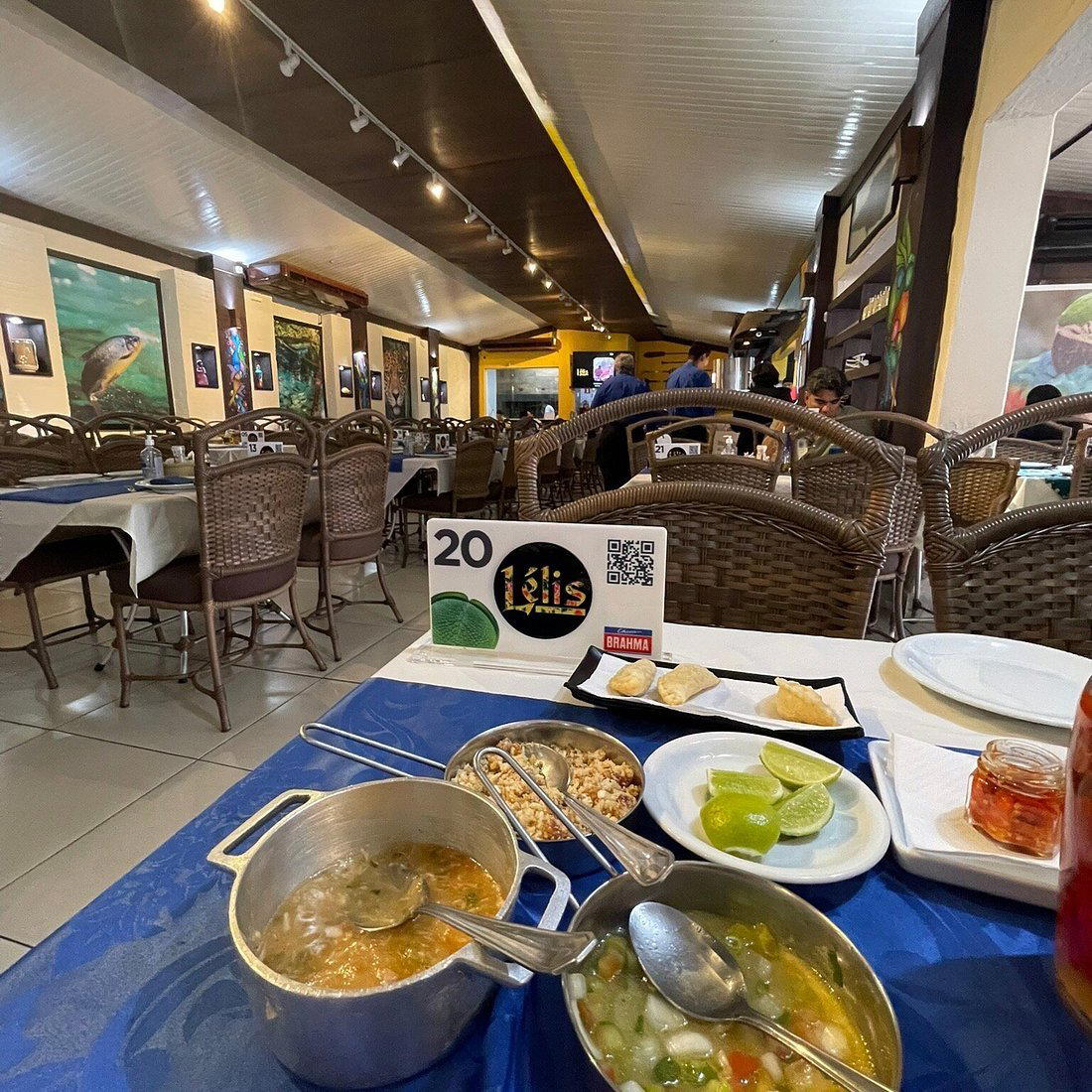
Cuiabá's broader restaurant scene is more commonly associated with Pantanal and cerrado ingredients. Visitors interested in that regional direction will find relevant options across the city: Lélis fish restaurant represents the river-fish tradition, while Açaí Cuiabano reflects the Amazonian-edge ingredient culture that bleeds into Mato Grosso from the north. For those seeking something outside that regional frame, a Portuguese-format table offers a useful contrast, the kind of European baseline that can clarify what makes the local cooking distinct when placed beside it.
Context Among Cuiabá's International-Leaning Tables
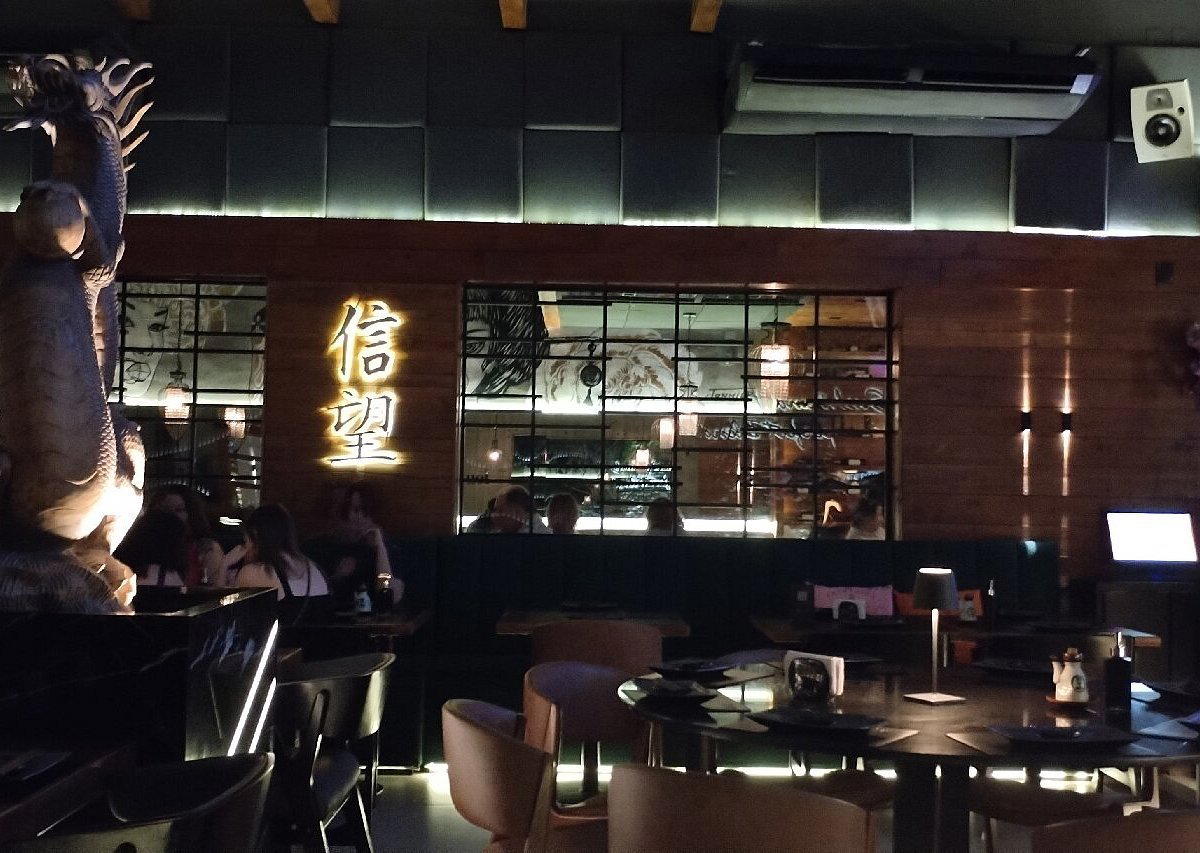
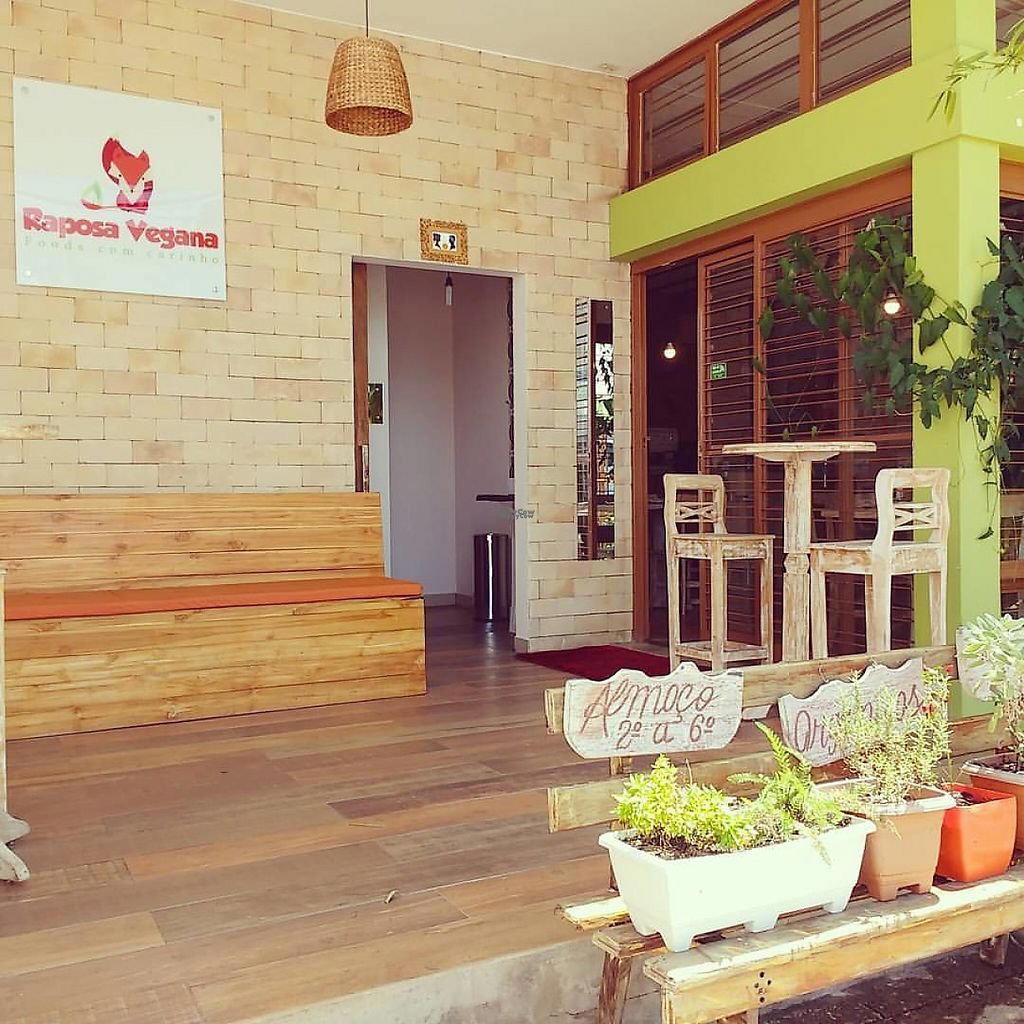
Brazilian interior cities have developed more varied international dining options over the past decade as urbanisation and income growth broadened the local middle class. Cuiabá is no exception. The city now supports Japanese-influenced cooking at Haru Cozinha Oriental, plant-based formats at Raposa Vegana Foods Com Carinho, and a range of international reference points that would have been harder to find in the city two decades ago. Within that expanding field, Portuguese-influenced dining occupies a particular position: it is neither as novel as East Asian formats nor as locally rooted as cerrado cooking, but sits in a middle territory that Brazilians tend to receive as both familiar and subtly distinct from the food they cook at home.
Across Brazil more broadly, restaurants working in European traditions without major-city resources and audiences operate in different conditions from their counterparts in São Paulo or the coastal capitals. Venues like Cantina Pozzobon in Santa Maria or Bistro Fitz Carraldo in Manaus illustrate how European-rooted dining adapts to interior and regional Brazilian contexts, typically serving local professionals and families rather than the internationally-oriented dining public of Rio or São Paulo. Taberna Portuguesa fits within that pattern.
Planning a Visit: What to Know Before You Go
The venue's address at Av. Ipiranga, 560 in Goiabeiras places it outside the immediate centre of Cuiabá, making a taxi or rideshare the most practical approach for visitors staying in the city's hotel zones. No phone number, website, booking method, or hours data is available in the public record for this address, which means planning requires either a direct visit to check opening times or a local inquiry. In a neighbourhood-oriented restaurant of this type, walk-in dining is a reasonable approach for weekday visits; weekend evenings in Brazilian dining culture tend toward fuller houses, so earlier arrival is a sensible precaution in the absence of a reservations system.
Visitors building a full picture of Cuiabá's dining options will find the EP Club Cuiabá restaurants guide a useful starting point for cross-referencing the city's different culinary directions. For those interested in how other European-influenced formats operate in Brazilian cities outside the main urban centres, further reference points include Casa da Flor Restaurante in Dourados and Arte e café Imperial in Angra Dos Reis, both of which illustrate how dining with European reference points functions in non-metropolitan Brazilian settings.
Frequently asked questions
Where do I go for Taberna Portuguesa?
Taberna Portuguesa is located at Av. Ipiranga, 560 - Goiabeiras, Cuiabá - MT, 78032-035, Brazil, Cuiaba.
Is Taberna Portuguesa the only Portuguese-style taberna in Cuiabá?
Cuiabá's international dining options have expanded over the past decade alongside broader urbanisation across Brazil's interior cities, but a dedicated Portuguese taberna remains a relatively narrow category in a city whose restaurant scene skews toward regional Mato Grosso cooking. Taberna Portuguesa's positioning on Av. Ipiranga, 560 in Goiabeiras places it outside the central dining corridor, which tends to reduce competition from similarly formatted concepts.
What do people recommend at Taberna Portuguesa?
The venue's Portuguese taberna format points toward the classics of Iberian cooking: salt cod preparations, grilled meats, and hearty stews rooted in continental tradition. Given the taberna format and Cuiabá's distance from Portugal's supply chains, the kitchen likely draws on locally available proteins interpreted through Portuguese technique.
Do I need a reservation for Taberna Portuguesa?
For a neighbourhood address in Goiabeiras rather than a high-traffic tourist zone, walk-in availability is plausible on weekday evenings, though weekend visits carry more risk. Contacting the venue directly via the address at Av. Ipiranga, 560 or through a local concierge is the safest approach before arriving.
The Quick Read
Comparable venues nearby, for context on price, style, and recognition.
| Venue | Cuisine | Price | Notes |
|---|---|---|---|
| Taberna PortuguesaThis venue (the venue you are viewing) | Traditional Portuguese Seafood | Not listed | Not listed |
| Lélis fish restaurant | Brazilian Fish Rodizio | $20–30 | Not listed |
| Raposa Vegana Foods Com Carinho | Vegan Brazilian & International | $10–20 | Consil, Vegan Brazilian & International |
| Açaí Cuiabano | Brazilian Açaí | Not listed | Cuiaba, Brazilian Açaí |
| Haru Cozinha Oriental | Japanese Asian Fusion | Not listed | Bosque, Japanese Asian Fusion |
| Must Restaurant & Bar | Modern Brazilian with Indigenous Flavors | Not listed | Belem, Modern Brazilian with Indigenous Flavors |
Continue exploring
More in Cuiaba
Details
- Cozy
- Rustic
- Classic
- Family
- Casual Hangout
- Historic Building
- Extensive Wine List
- A La Carte
- Wine
Current opening hours
- Monday
- 10:30 AM–2 PM, 6–11 PM
- Tuesday
- 10:30 AM–2 PM, 6–11 PM
- Wednesday
- 10:30 AM–2 PM, 6–11 PM
- Thursday
- 10:30 AM–2 PM, 6–11 PM
- Friday
- 10:30 AM–2 PM, 6 PM–12 AM
- Saturday
- 10:30 AM–3 PM, 6 PM–12 AM
- Sunday
- 10:30 AM–3 PM
Hours can change for holidays and private events. Hours as of .
Cozy family-friendly environment with themed interior showcasing Portuguese cultural paintings.