Our verdict
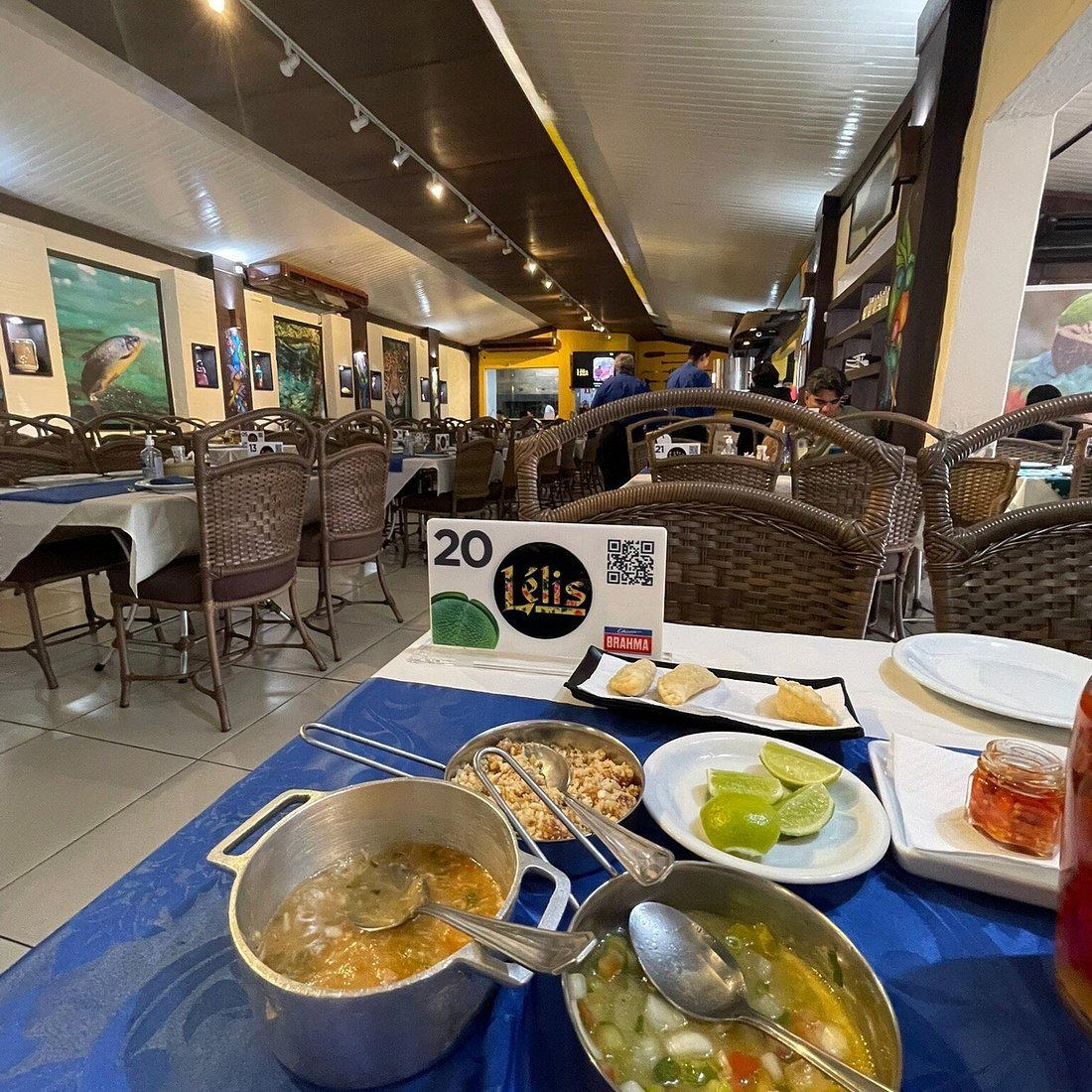
Lélis fish restaurant operates in Cuiabá’s Duque de Caxias II neighborhood, grounded in the freshwater fish tradition of the Pantanal basin. Its residential address signals a kitchen built for regulars rather than passing visitors, centered on the river species and regional preparations that define Mato Grosso’s culinary identity. A practical stop for travelers using Cuiabá as a gateway to the Pantanal.

Pearl is the En Primeur Club membership app, where members save venues, book tables and use the concierge.
Fish at the Edge of the Pantanal
Cuiabá sits at the threshold of the Pantanal, the world’s largest tropical wetland, and that geography shapes everything about how the city eats. The rivers that feed the floodplains, the Cuiabá, the São Louço, the Manso, have historically provided the protein at the center of Mato Grosso’s table. Freshwater fish here is not a category on a menu. It is the culinary identity of a landlocked state that happens to sit atop one of the richest aquatic ecosystems in South America.
Lélis fish restaurant, located on Rua Mal. Mascarenhas de Moraães in the Duque de Caxias II neighborhood, operates inside that tradition. Its address places it away from the tourist center, in a residential quarter where eating fish is a weekday habit rather than a weekend occasion. That residential anchor is itself a signal: places that survive in Cuiabá’s working neighborhoods without tourist foot traffic tend to do so on the strength of their cooking and their regulars, not their visibility.
The Freshwater Table of Mato Grosso
To understand what a fish restaurant means in Cuiabá, it helps to understand what fish means to the Pantanal region. Pintado, pacu, and dourado are not exotic species in this context, they are the local equivalents of beef in the south or bacalhau in coastal Portugal. The Pantanal’s seasonal flooding cycle produces fish populations of exceptional density, and generations of Cuiabano families have built their kitchen traditions around those catches.
The most characteristic regional preparation is peixe na telha, fish cooked directly on a roof tile with herbs and citrus, a technique born from the practical constraints of riverside cooking. There is also caldeirada pantaneira, a slow-cooked stew with tomatoes, peppers, and coriander that draws comparison to Portuguese caldeirada in method but diverges sharply in flavor profile, shaped by the cassava flour, pequi, and local herbs that define Mato Grosso’s pantry. This is the culinary lineage that Pantanal-focused fish restaurants in Cuiabá inherit and, when they are working well, sustain.
Across Brazil, the relationship between regional ingredients and restaurant culture has become increasingly sophisticated. High-profile examples like D.O.M. in São Paulo and Lasai in Rio de Janeiro have built international reputations by placing native Brazilian ingredients at the center of their programs. But in Cuiabá, that project is not a fine-dining experiment, it is a day-to-day fact of the local table, carried forward in neighborhood restaurants where the ingredient sourcing is local by default rather than by design philosophy.
Where Lélis Sits in Cuiabá’s Dining Picture
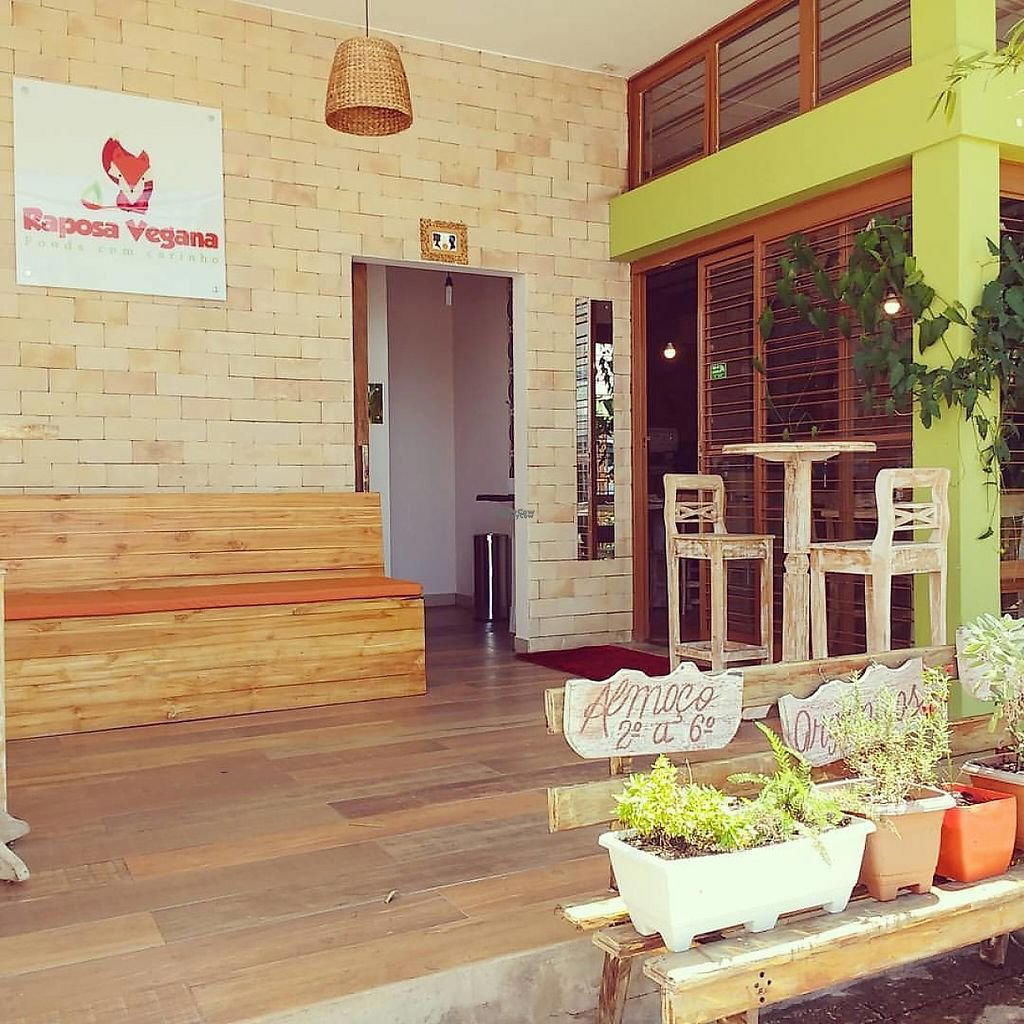
Cuiabá’s restaurant scene is narrower in international profile than Brazilian cities on the coastal axis, but it is not shallow. The city has practitioners across multiple registers: Haru Cozinha Oriental represents the city’s appetite for Asian-influenced cooking, Taberna Portuguesa anchors the Iberian tradition that runs through Brazilian food culture, and Raposa Vegana Foods Com Carinho signals the plant-focused wave that has reached even the cattle heartland of Mato Grosso. Açaí Cuiabano speaks to the city’s connection to Amazonian produce. Lélis operates in a different register from all of them: the specifically regional, specifically fish-focused category that connects most directly to Pantanal geography.
That positioning matters for the reader considering where to spend a meal in Cuiabá. Fish restaurants in this tradition are not interchangeable with seafood restaurants of the coastal type you would find in Rio or Fortaleza. The freshwater species, the slow-cooked preparation methods, and the regional spicing are a distinct culinary dialect. A meal at a properly grounded Pantanal fish house delivers something that a coastal churrascaria or a city-center bistro cannot replicate regardless of execution quality. For those making decisions about how to construct a day in Cuiabá, our full Cuiaba restaurants guide maps the broader territory.
Across Brazil’s interior cities, the fish-house format has been in quiet competition with the expanding reach of urban dining chains and imported food styles. Restaurants in similar positions, neighborhood-embedded, tradition-focused, freshwater-centered, can be found in Manaus and other Amazonian-basin cities. Bistro Fitz Carraldo in Manaus offers a point of comparison for how Amazonian-region restaurants handle the relationship between local ingredients and restaurant format.
Planning a Visit
Lélis is located at R. Mal. Mascarenhas de Moraães, 36, Duque de Caxias II, Cuiabá, MT 78043-370. The neighborhood sits outside the central commercial corridor, which means the most practical approach is by car or ride-share rather than on foot from the city center. Cuiabá is reachable by air via Marechal Rondon International Airport, and the city is increasingly visited as a gateway for Pantanal ecotourism, particularly between July and October when wildlife visibility in the wetlands peaks and river levels are lower. For travelers structuring a Pantanal trip, Cuiabá is the standard entry point, which makes meals in the city an extension of the regional experience rather than a detour from it.
Because no booking contact details are currently listed in public records, visiting in person or through local accommodation recommendations is the practical path. The restaurant’s residential neighborhood setting suggests a lunch-forward operation, as is common for fish houses in the Brazilian interior, where the midday meal carries the most cultural weight. Arriving earlier in the day is likely to coincide with the freshest preparation and the fullest room.
Frequently asked questions
What part of town is Lélis fish restaurant in?
Lélis fish restaurant is located at R. Mal. Mascarenhas de Morães, 36 - Duque de Caxias II, Cuiabá - MT, 78043-370, Brazil, Cuiaba.
What is the signature dish at Lélis fish restaurant?
What is well-documented is that Cuiabá restaurants of this type are built around Pantanal freshwater species: pintado, pacu, and dourado are the regional staples, typically prepared with techniques rooted in Mato Grosso tradition. Arriving at Lélis at R. Mal. Mascarenhas de Moraães, 36, Duque de Caxias II, with those species in mind is a reasonable starting point for any first visit. Check the venue's official channels for the latest details.
How far ahead should I plan for Lélis fish restaurant?
Cuiabá draws its largest visitor numbers between July and October, when Pantanal wildlife tourism is at its seasonal peak and demand for regional restaurants rises accordingly. Outside that window, a neighborhood address like Duque de Caxias II typically operates at a pace that does not require weeks of advance planning. check the venue's official channels before your trip, particularly if you are arriving during the high season.
Is Lélis fish restaurant a suitable option for eating the regional cuisine of Mato Grosso, not just standard Brazilian fare?
Cuiabá's food culture is shaped by the Pantanal, not by the coastal Brazilian traditions that dominate internationally recognized restaurant categories. A dedicated fish restaurant at this address, in a city that sits at the edge of the world's largest tropical wetland, is oriented toward that local freshwater tradition rather than the churrascaria or seafood formats that define Brazilian dining elsewhere. For travelers specifically seeking Mato Grosso regional identity on the plate, that distinction matters.
A Pricing-First Comparison
Comparable venues nearby, for context on price, style, and recognition.
| Venue | Cuisine | Price | Notes |
|---|---|---|---|
| Lélis fish restaurantThis venue (the venue you are viewing) | Brazilian Fish Rodizio | $20–30 | Not listed |
| Taberna Portuguesa | Traditional Portuguese Seafood | Not listed | Goiabeiras, Traditional Portuguese Seafood |
| Haru Cozinha Oriental | Japanese Asian Fusion | Not listed | Bosque, Japanese Asian Fusion |
| Açaí Cuiabano | Brazilian Açaí | Not listed | Cuiaba, Brazilian Açaí |
| Raposa Vegana Foods Com Carinho | Vegan Brazilian & International | $10–20 | Consil, Vegan Brazilian & International |
| Koni Store | Japanese Hand Rolls (Konis) | $10–20 | Asa Sul, Japanese Hand Rolls (Konis) |
Continue exploring
More in Cuiaba
Details
- Cozy
- Family
- Group Dining
- Beer Program
- Local Sourcing
- A La Carte
Current opening hours
- Monday
- 11 AM–3 PM, 6–11 PM
- Tuesday
- 11 AM–3 PM, 6–11 PM
- Wednesday
- 11 AM–3 PM, 6–11 PM
- Thursday
- 11 AM–3 PM, 6–11 PM
- Friday
- 11 AM–3 PM, 6–11 PM
- Saturday
- 11 AM–3:30 PM
- Sunday
- 11 AM–3:30 PM
Hours can change for holidays and private events. Hours as of .
Cozy atmosphere with comfortable seating and a welcoming, warm environment.