

Michelin Plate · Macarfi 8 Food Rating
Our verdict
A Michelin Plate-recognised seafood address on Calle Melquiades Álvarez, Abarike centres the Cantabrian catch with rare transparency: a logbook-style à la carte traces ingredient traceability, while three omakase-format tasting menus move through the tidal rhythms of the coast. Oysters, razor clams, cured sea bass, and gilda-style tapas built on blue lobster and smoked eel make the case for Gijón as one of northern Spain's most compelling seafood tables.

Pearl is the En Primeur Club membership app — saves, bookings, and concierge access live there. Same editors, same standards.
- Address
- C. Melquiades Álvarez, 3, bajo izq, Centro, 33201 Gijón, Asturias, Spain
- Phone
- +34 985 75 56 51
- Hours
- Mon–Tue ClosedWed–Sat 1:30–5 p.m., 8:30 p.m.–12 a.m.Sun 1:30–5 p.m.
- Website
- abarike.es
- Directions
- Get directions
- Booking
- Book on TheFork
Where the Cantabrian Sea Sets the Menu
Gijón's relationship with the sea is practical before it is romantic. The city's fishing port has supplied the Asturian coast for centuries, and the leading restaurants here do not dramatise that connection — they simply honour it. The growing tier of mid-price, ingredient-led seafood restaurants in the city represents a different proposition from the white-tablecloth tradition found at Auga (Traditional Cuisine) or the creative modernism of Marcos (Modern Cuisine).
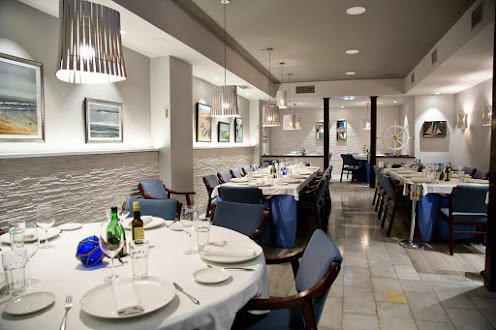
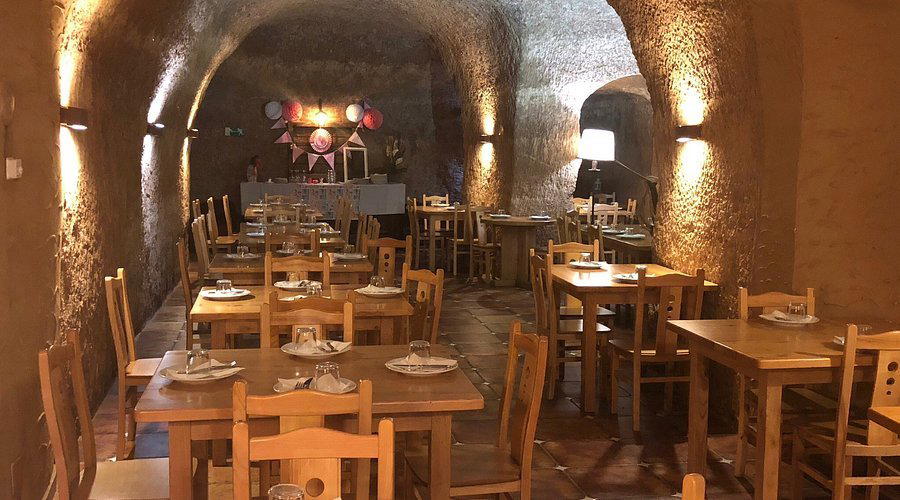
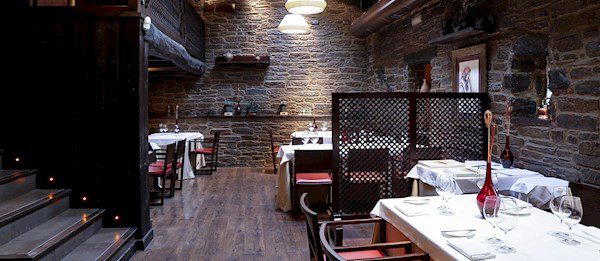
The room communicates its priorities immediately. Maritime décor here functions less as theme and more as orientation — the sea is, in the kitchen's own framing, the undisputed centrepiece of the menu rather than a backdrop to culinary technique. That clarity of focus is what separates Abarike from the broader category of Spanish seafood restaurants that use coastal produce as one element among many. Here, the cast is specific: oysters, scallops, razor clams, cockles, prawns, shrimp, and a range of both white and oily fish. The sourcing fidelity required to maintain that kind of menu means that what appears on the plate on any given evening reflects what the boats returned with, not a stable product list engineered for consistency.
The Logbook and What It Signals
The most operationally interesting element at Abarike is the format of its à la carte. In the context of seafood specifically, traceability carries real weight. The distance between a catch and a plate, the vessel that landed it, the port it came through, these details determine freshness in a way that no amount of skilled cooking can compensate for if they are wrong.enprimeurclub.com/restaurants/gambero-rosso-marina-di-gioiosa-ionica-restaurant">Gambero Rosso in Marina di Gioiosa Ionica and Alici Restaurant on the Amalfi Coast, where the sourcing document is itself a signal of intent. At the high end, kitchens like Aponiente in El Puerto de Santa María have built entire culinary identities around the documentation and reappraisal of marine ingredients. At the more accessible price point where Abarike operates (the restaurant sits at the €€ tier, consistent with El Recetario (Contemporary) and Farragua (Modern Cuisine) in Gijón's mid-market), that same rigour has practical implications for value: the reader understands not just what they are eating but why it costs what it does.
Three Tides, Three Menus
Alongside the logbook à la carte, Abarike runs three omakase-format tasting menus. The names, Marea Baja (Low Tide), Marea Viva (Spring Tide), and Marea Alta (High Tide), describe a progression in depth and scope rather than simply in price. The tidal metaphor is apt for an omakase format: the chef determines sequence and selection, and the diner commits to following the rhythm of the kitchen rather than directing it. That structure is relatively unusual in a Gijón restaurant at this price point, and positions Abarike as a more considered evening than its mid-market tier might initially imply.
The omakase model, when applied to seafood specifically, rewards kitchens with genuine daily sourcing relationships. A menu built on what arrived this morning from the Cantabrian fleet functions differently from one engineered around a stable list of premium imports. The format at Abarike implies the former. Whether a visitor books the à la carte or one of the three tasting menus, the logic of the room is the same: the sea has been consulted first, and the kitchen follows. It is salt-forward, acidic, and built on preserved fish. Abarike's interpretation extends that grammar outward: a series of gilda-style tapas incorporating prawns, cured sea bass, smoked eel, and blue lobster. The form is recognisable, but the ingredients come from the same Cantabrian sourcing philosophy that runs through the rest of the menu. These tapas function as an accessible entry point into the kitchen's thinking, and, practically, as a strong reason to visit even without booking one of the longer tasting menus. For context, starred Asturian and northern Spanish tables such as Arzak in San Sebastián or Azurmendi in Larrabetzu operate several tiers above in both complexity and price. Abarike is not competing in that register. What the consecutive Michelin Plates confirm is that the kitchen executes its stated programme, Cantabrian seafood, traced to source, with considered preparation, at a standard the Guide considers worth flagging to travellers. Gijón's port culture produces restaurants where product selection and provenance do more work than creative intervention. Abarike belongs to that tradition while adding a structural layer, the logbook documentation, the tidal menus, that gives it more operational and editorial definition than a simple marisquería. Visitors exploring the city's restaurant options can cross-reference the full picture through our full Gijón restaurants guide.
The kitchen also draws on influences beyond the Cantabrian tradition, other food cultures appear in the choice of accompaniments and preparation methods without displacing the central ingredient focus. This is a familiar tension in Spanish seafood cooking: how far to travel conceptually without losing the product that justifies the journey. The evidence from the menu structure and Michelin recognition suggests Abarike manages that balance with some discipline. At the €€ price tier, it represents one of the more accessible entry points to Gijón's seafood programme. Visitors building a broader picture of the city's hospitality options will find additional resources through our full Gijón hotels guide, our full Gijón bars guide, our full Gijón wineries guide, and our full Gijón experiences guide. For broader Spanish culinary context, the restaurant sits in a national scene that also includes Cocina Hermanos Torres in Barcelona, DiverXO in Madrid, and El Celler de Can Roca in Girona, though the ambition and format at Abarike occupy a different and more tightly focused register. Booking in advance is advisable, particularly for the tasting menus. Also worth exploring in Gijón's contemporary dining scene: Fūmu.
Frequently asked questions
What is the signature dish at Abarike?
Abarike does not operate around a fixed signature dish in the conventional sense. The kitchen's identity is built on daily Cantabrian sourcing, which means the menu shifts with the catch. That said, the gilda-style tapas series, built on ingredients including prawns, cured sea bass, smoked eel, and blue lobster, has drawn specific Michelin attention and functions as the clearest expression of the kitchen's approach: a recognisable northern Spanish form applied to the specific marine produce of the Cantabrian coast. The three tidal tasting menus (Marea Baja, Marea Viva, Marea Alta) offer the most complete picture of what the kitchen can do with its sourcing programme.
In Context: Similar Options
| Venue | Cuisine | Price | Awards | Notes |
|---|---|---|---|---|
| AbarikeThis venue — the venue you are viewing | Modern Cantabrian Seafood | $50–100 | Michelin Plate · Macarfi 8 Food Rating | Not listed |
| Auga | Modern Spanish Seafood | $100–150 | 1 Michelin Star · Guía Repsol 2 Soles | Traditional Cuisine |
| Marcos | Modern Asturian Fine Dining | $150–200 | 1 Michelin Star · Macarfi 8.7 Food Rating | Modern Cuisine |
| El Recetario | Modern Asturian with Market-Inspired Seasonal Cuisine | $50–100 | Michelin Bib Gourmand | Contemporary |
| Fūmu | Modern Japanese Omakase | Not listed | Michelin Plate | Not listed |
| Farragua | Modern Spanish with Asturian and Extremaduran Roots | $50–100 | Michelin Bib Gourmand · Macarfi 8.7 Food Rating | Modern Cuisine |
Recognition history
Dated appearances from independent guides and award organizations, with the underlying list record or original source where available.
Michelin Plate
Michelin
Macarfi 8 Food Rating
Macarfi
Full recognition history (4 entries)
Michelin Plate
Michelin
Michelin Plate
Michelin
Continue exploring
More in Gijón
Restaurants in Gijón
Browse all →
Details
- Cozy
- Intimate
- Date Night
- Special Occasion
- Open Kitchen
- Local Sourcing
- Sustainable Seafood
- Tasting Menu
- A La Carte
- Small Plates
Current opening hours
- Monday
- Closed
- Tuesday
- Closed
- Wednesday
- 1:30–5 p.m., 8:30 p.m.–12 a.m.
- Thursday
- 1:30–5 p.m., 8:30 p.m.–12 a.m.
- Friday
- 1:30–5 p.m., 8:30 p.m.–12 a.m.
- Saturday
- 1:30–5 p.m., 8:30 p.m.–12 a.m.
- Sunday
- 1:30–5 p.m.
Hours can change for holidays and private events. Last verified .
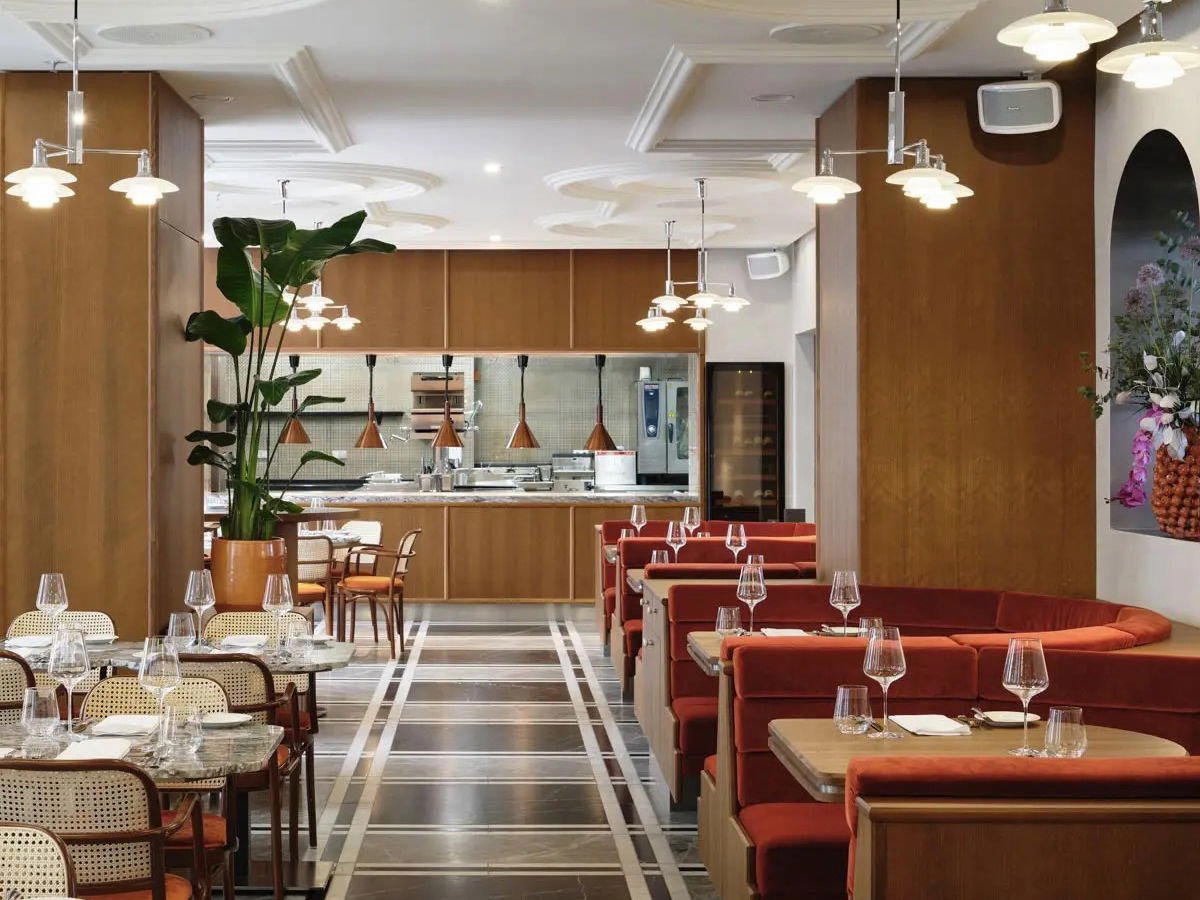
Warm, inviting lighting with wooden accents and maritime decor creating a small, cozy, seaworthy atmosphere focused on the open kitchen.