
Michelin Plate
Our verdict
At a sushi bar eight seats wide, just off Gijón's marina, Fūmu runs a tight menu built around house-aged Bay of Biscay fish and an omakase format designed for sharing. The nigiris draw on Japanese technique applied to Cantabrian and Mediterranean ingredients, making this one of the few places in Asturias where Japanese precision and northern Spanish product converge at the counter.

Pearl is the En Primeur Club membership app — saves, bookings, and concierge access live there. Same editors, same standards.
- Address
- C. Marqués de San Esteban, 5, Centro, 33206 Gijón, Asturias, Spain
- Phone
- +34 985 07 95 94
- Hours
- Mon–Tue ClosedWed 8:30–11 PMThu–Sun 1:30–3:30 PM, 8:30–11 PM
- Website
- fumuomakase.es
- Directions
- Get directions
- Booking
- Book on CoverManager
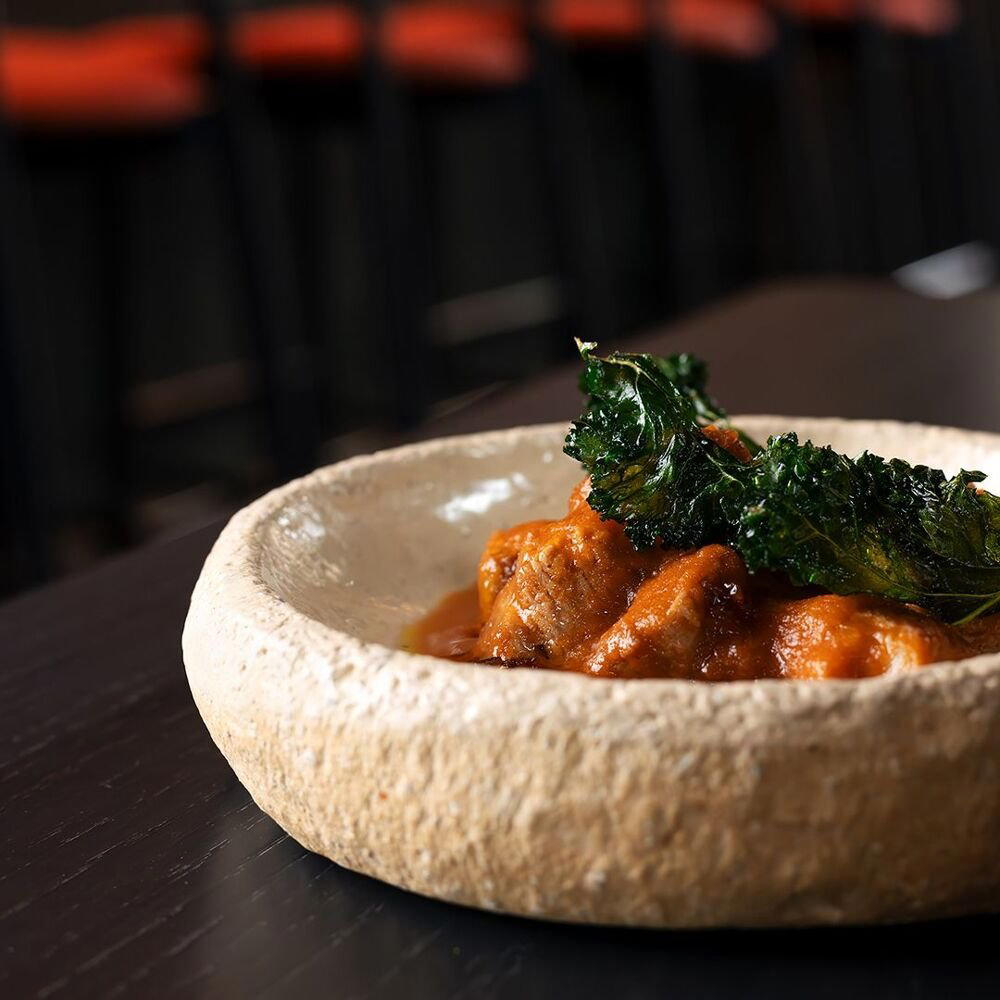
Counter Dining at the Water's Edge
The stretch of Gijón's Centro district nearest the Fomentín dock has always carried the smell of salt water and the kind of casual confidence that comes from proximity to the source. On Calle Marqués de San Esteban, a short walk from the marina, Fūmu occupies that geography in a specific way: a sushi counter for eight, a handful of tables, and a menu whose architecture tells you immediately what kind of restaurant this is. The atmosphere skews young, the format is deliberate, and the underlying argument — that Bay of Biscay fish deserves the same technical consideration as Tokyo market tuna — is made through the food itself, not the decor.
It is worth placing that argument in context. Gijón already has a well-developed premium dining register: Auga holds a Michelin star for traditional Asturian cuisine at the €€€ tier, while Marcos operates at €€€€ in the modern cuisine bracket with its own star. The mid-range is occupied by places like El Recetario, Abarike, and Farragua, each working within broadly European idioms. Fūmu sits in a category that has no direct local peer: a Japanese-rooted counter using Cantabrian product, with fish aging handled in-house. That specificity of category is itself a signal about what the kitchen is trying to do.
The Logic of the Menu
The menu structure at Fūmu is not accidental. It splits between a small selection of bite-size nibbles and a sharing omakase menu, and the split does real editorial work. The nibbles format allows the kitchen to move laterally, pulling from Mediterranean recipes and Bay of Biscay produce without the constraint of a single through-line. The omakase, designed for sharing rather than the single-diner sequence typical of Japanese counter tradition, reframes the format as social rather than contemplative.
This hybrid approach to omakase is worth examining. The conventional omakase at high-end Japanese counters in cities like New York, see Atomix for a Korean-rooted parallel, operates on a progression logic where the chef controls pace and sequence entirely. Fūmu's shared format opens the counter to a different kind of conversation: between the two chefs, Álvaro Gragera and Carlos Fraguas, and between the diners themselves. The eight-seat counter makes that conversation physically possible in a way that tables never quite do.
The nigiris are where the technical case gets made most directly. At a counter doing Japanese-rooted work with Bay of Biscay product, nigiri is a particularly demanding test: the ratio of rice to fish, the temperature management, and the seasoning of the shari all require discipline that either shows or doesn't within a single bite. The size and technique of Fūmu's nigiris have drawn consistent notice, they are the most commented-upon element of the menu and the clearest signal that the kitchen is working at a level of precision uncommon in this part of Spain.
The Fish Aging Question
In-house fish aging is the detail that most sharply positions Fūmu relative to its local peers. Aging fish, whether through dry-aging, konbu-jime, or other methods, is a practice borrowed from Japanese fine dining that requires controlled environments, careful timing, and a supplier relationship strong enough to deliver fish at the right stage of freshness. In Spain, a handful of kitchens have pushed this seriously: Aponiente in El Puerto de Santa María has done some of the most rigorous work on the science of marine product, while the Basque axis, anchored by places like Arzak and Azurmendi, has pushed the broader category of creative Spanish cuisine outward in ways that make ingredient-level innovation a credible marker of ambition.
For a counter-format restaurant in Gijón, aging fish in-house is a substantial operational commitment. It implies a cold chain with enough slack to allow for the process, a kitchen team with the knowledge to execute it, and a menu flexible enough to absorb variance in what's ready on any given day. That last point connects back to the omakase structure: a chef-led format designed for sharing is also, practically speaking, a format suited to a kitchen that works with what's at the right stage rather than what's on a fixed list.
The Cantabrian Sea, the Spanish name for the Bay of Biscay, produces some of the most significant marine product in Europe: bonito, sea bass, turbot, anchovies, percebes. For a Japanese-influenced kitchen, the intersection of that product quality and a Japanese approach to fish aging creates a distinct register that no strictly traditional Asturian kitchen, however accomplished, is trying to occupy. Auga's Michelin-starred traditional approach and Fūmu's counter format are addressing the same raw material from opposite technical traditions.
Where This Fits in the Broader Spanish Context
The broader wave of Japanese-influenced dining in Spain has tended to concentrate in Madrid and Barcelona. DiverXO in Madrid and Cocina Hermanos Torres in Barcelona work at very different scales and price points, but both reflect a Spanish fine dining culture that has absorbed Asian technique without fully subordinating to it. El Celler de Can Roca in Girona made cross-cultural technique central to its identity early enough that it became definitional rather than derivative. Fūmu operates at a completely different scale, eight counter seats, a bite-format menu, no stated awards tier, but the conceptual lineage is recognisable: Spanish product, Japanese method, local geography as the organising principle.
What distinguishes the Gijón version is the specificity of the Bay of Biscay claim. The restaurant is not doing generic Japanese-Spanish fusion. It is doing Japanese technique applied to a highly specific marine geography, in a city where that geography is the foundational fact of the food culture. That specificity is either very focused or geographically redundant, depending on your view of how broadly the Cantabrian pantry can sustain Japanese technical treatment. The evidence from the menu suggests a kitchen that has thought carefully about where the overlap is and has built its format around the answer.
Planning Your Visit
Fūmu is on Calle Marqués de San Esteban, 5, in Gijón's Centro district, close enough to the Fomentín marina that the walk from the waterfront takes under five minutes. The eight-seat counter means capacity is tightly constrained, advance booking is advisable, particularly for the omakase format, which benefits from confirmation of group size given its shared structure. The restaurant has a young atmosphere that skews toward an engaged, food-interested clientele rather than a formal occasion crowd. For a fuller picture of what the city's dining scene offers across different registers, our full Gijón restaurants guide covers the range from traditional Asturian to contemporary formats. Accommodation options are covered in our Gijón hotels guide, and the wider food and drink context, including bars and producers, is mapped in our Gijón bars guide, wineries guide, and experiences guide.
Frequently asked questions
What awards or recognition does Fūmu have?
Fūmu has received recognition including: This restaurant, just a stone's throw from the marina and the Fomentín dock, boasts a young atmosphere and has a good sushi bar (for eight diners), although it also has a few tables. The two chefs in charge, Álvaro Gragera and Carlos Fragua….
Where is Fūmu in Gijón?
Fūmu is located at C. Marqués de San Esteban, 5, Centro, 33206 Gijón, Asturias, Spain, Gijón.
What's the signature dish at Fūmu?
The nigiris are the most technically noted element on the menu. Chefs Álvaro Gragera and Carlos Fraguas age the fish in-house and work with Bay of Biscay catch, which distinguishes their nigiris by technique, size, and depth of flavour in a way that sets them apart from standard sushi counters in northern Spain.
What's the best way to book Fūmu?
The counter holds only eight diners, making it one of the tightest-capacity restaurants in Gijón. If the omakase is your target, booking well ahead is advisable. Fūmu is located at Calle Marqués de San Esteban, 5, in the Centro district, close to the Fomentín marina.
What's the signature at Fūmu?
The clearest signature is in-house fish aging combined with an omakase format designed for sharing. Both are uncommon in Asturian dining, and together they reflect the kitchen's Japanese technique applied directly to Atlantic produce from the Bay of Biscay and Mediterranean recipes.
Is Fūmu good for vegetarians?
The menu is built around Bay of Biscay fish and seafood, with Japanese technique as the organising principle. The omakase format and the counter's focus on aged fish and nigiris mean the kitchen's core identity is seafood-driven, so vegetarians will find limited options here.
Where the Accolades Land
Comparable venues nearby, for context on price, style, and recognition.
| Venue | Cuisine | Price | Awards | Notes |
|---|---|---|---|---|
| FūmuThis venue — the venue you are viewing | Modern Japanese Omakase | Not listed | Michelin Plate | Not listed |
| El Recetario | Modern Asturian with Market-Inspired Seasonal Cuisine | $50–100 | Michelin Bib Gourmand | Cimadevilla |
| Gloria | Modern Spanish Tapas | $30–50 | Michelin Plate · Macarfi 8 Food Rating | Centro |
| KO Burger | Modern Gourmet Burgers | $10–20 | Not listed | Gijón |
| Camila Cañas, Vinos y Raciones | Mexican Gastrobar | Not listed | Not listed | Centro |
| Restaurante La Tabla | Modern Asturian | Not listed | Michelin Plate · Star Wine List | countryside |
Recognition history
Dated appearances from independent guides and award organizations, with the underlying list record or original source where available.
Michelin Plate
Michelin
Continue exploring
More in Gijón
Restaurants in Gijón
Browse all →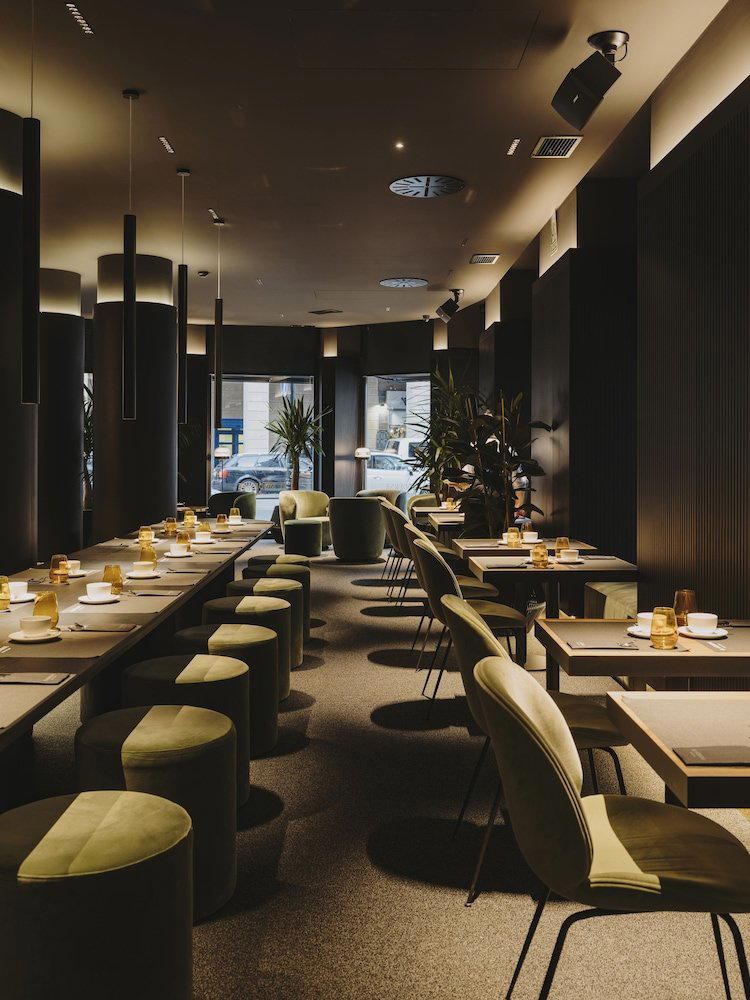
Details
- Modern
- Intimate
- Trendy
- Date Night
- Special Occasion
- Waterfront
- Street Scene
- Omakase
Current opening hours
- Monday
- Closed
- Tuesday
- Closed
- Wednesday
- 8:30–11 PM
- Thursday
- 1:30–3:30 PM, 8:30–11 PM
- Friday
- 1:30–3:30 PM, 8:30–11 PM
- Saturday
- 1:30–3:30 PM, 8:30–11 PM
- Sunday
- 1:30–3:30 PM, 8:30–11 PM
Hours can change for holidays and private events. Last verified .
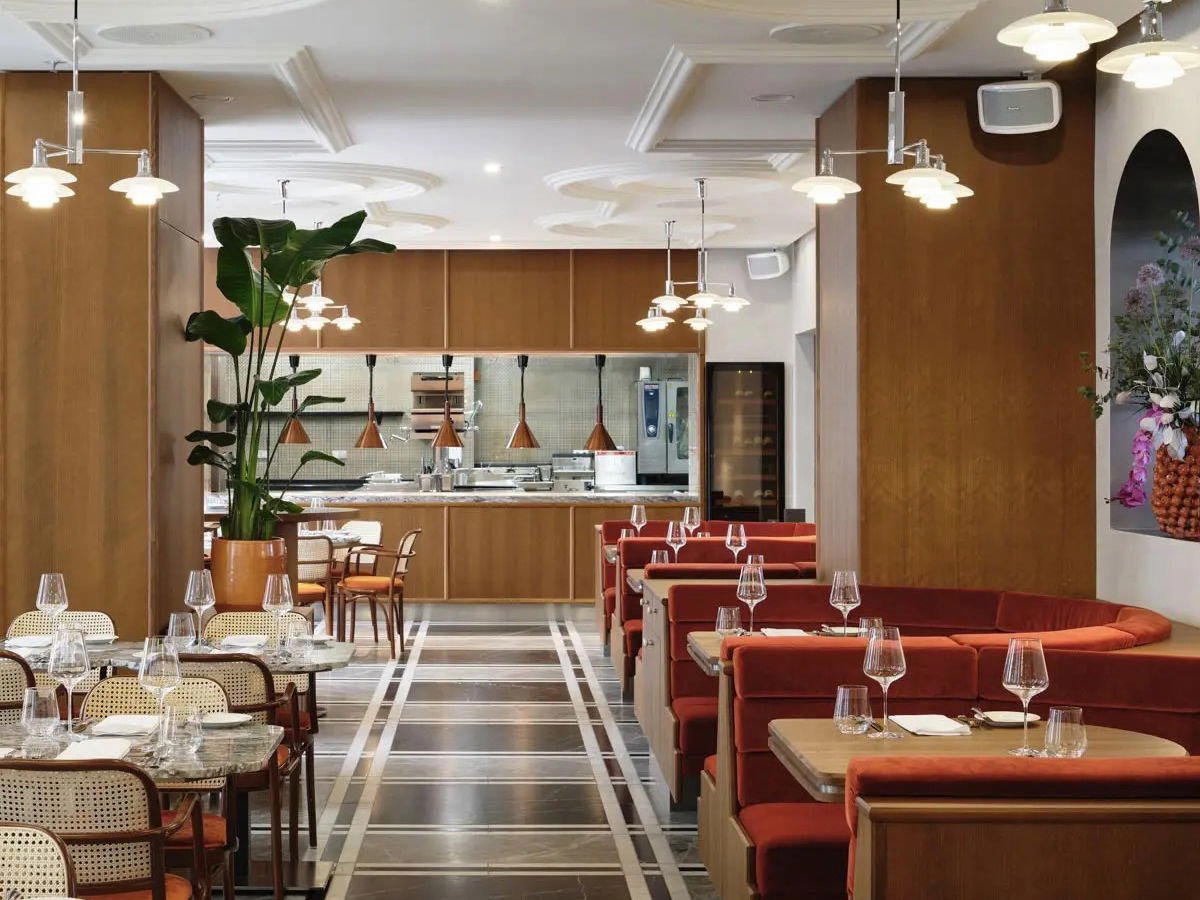
Young atmosphere with a sushi bar for eight diners.