
Step through a time-worn doorway into A Velha, where chef Rodrigo Castelo elevates the soul of Portuguese tradition with quiet, assured artistry. Housed in a lovingly preserved former tasca, the restaurant pairs heirloom flavors with contemporary finesse, oxtail croquettes that melt into deep, savory richness; glistening sea bass laid over silken arroz de tomate; and whimsical velhoses reimagined with salted caramel and ham. For the informed traveler, A Velha is a rare intersection of cultural memory and modern luxury, an intimate stage where the warmth of old Portugal meets the precision of a celebrated chef.
Pearl is the En Primeur Club membership app — saves, bookings, and concierge access live there. Same editors, same standards.
- Address
- Alameda de Santo António 18, 2200-297 Abrantes, Portugal
- Phone
- +351 963 815 466
- Directions
- Get directions
 Saves & bookings on Pearl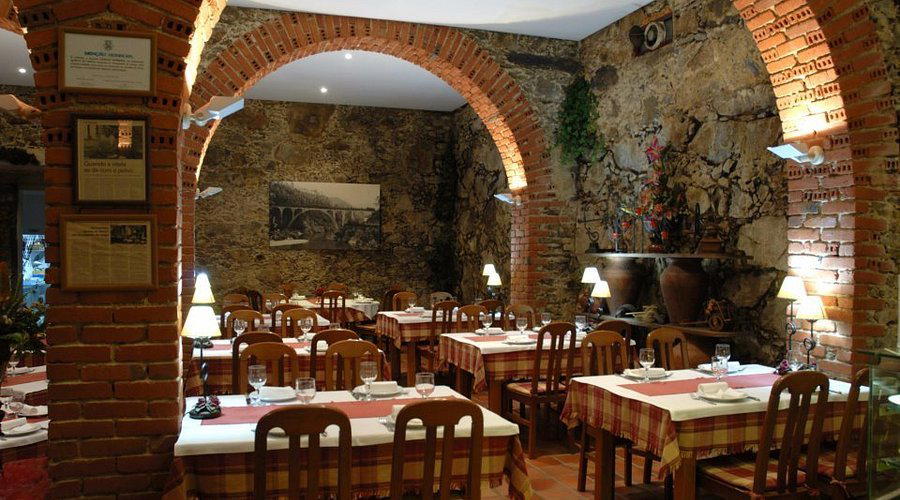
A Tasca That Held Its Ground
The door at Alameda de Santo António 18 does not announce itself. It belongs to a different era of Abrantes, one in which a tasca was a neighbourhood institution rather than a concept, where the walls accumulated decades of ordinary life rather than being curated to suggest them. Step inside A Velha and that accumulated past is still present: photographs, objects, and mementoes of the people who shaped this stretch of the Ribatejo before the town acquired its current shape. The physicality of the space is the first editorial statement the kitchen makes, before a single dish arrives.
This matters for understanding what Portuguese traditional cuisine is doing at its most considered. Across Portugal, the Michelin Guide has increasingly distinguished between restaurants that reference tradition and those that actually practise it with rigour. A Velha holds a Michelin Plate (2025), a recognition that positions it in the tier of serious regional cooking rather than either tourist-facing rusticity or metropolitan modernism. The peer comparison is instructive: while two-star addresses like Belcanto in Lisbon and Casa de Chá da Boa Nova in Leça da Palmeira operate at the summit of Portugal's fine-dining pyramid with tasting menus priced accordingly, A Velha sits at the single-euro price tier, making its Michelin recognition among the strongest value propositions in the country's recognised dining circuit.
What the Ribatejo Puts on the Plate
The Ribatejo region, the broad agricultural corridor that follows the Tagus north of Lisbon, has a specific identity in Portuguese food culture. Cattle, river fish, and strong vegetable cookery have defined this territory for centuries, and the ingredients that reach Abrantes kitchens carry those regional signatures. Oxtail, a cut that requires long, careful braising and rewards patience with depth, appears here as croquettes: a format that concentrates the flavour into a shareable, structured bite rather than a slow-cooked main. The decision to work with secondary cuts of beef is not a nostalgic affectation but a reflection of how Ribatejo cooking has always used the whole animal.
The tomato rice, arroz de tomate, served alongside sea bass fillet, connects two traditions: the inland agricultural staple of slow-cooked rice dishes and the freshwater and Atlantic fish that have moved through this river corridor for generations. Where some contemporary Portuguese restaurants treat such combinations as raw material for creative transformation, the approach here is closer to preservation with refinement. Chef Rodrigo Castelo has built a public reputation around precisely this commitment, carrying recognition as someone who keeps the traditions of Portuguese cuisine functional rather than frozen. That is a different task from the creative Portuguese cooking found at addresses like Antiqvvm in Porto or A Cozinha in Guimaraes, both of which work from tradition toward new expression. The restaurant works from tradition toward its clearest possible articulation.
Velhoses are the dish that most precisely illustrates this philosophy. A traditional fritter form common to Portuguese festive and domestic cooking, they appear here with salted caramel and ham, a pairing that holds sweet, salt, and fat in a careful balance that reads as both familiar and deliberate. The modification is not innovation for its own sake but an argument about what the base recipe can sustain when handled with precision.
Abrantes in the Wider Portuguese Dining Picture
Abrantes sits roughly midway between Lisbon and Coimbra, close enough to both for day-trip traffic but sufficiently removed that it operates on its own culinary logic. The town has not attracted the sustained international dining attention that coastal Algarve addresses like Ocean in Porches or Al Sud in Lagos have accumulated, nor the prestige cluster that the Douro Valley and Lisbon generate. That absence of external pressure has preserved something: the kind of place-specific cooking that disappears when a town's restaurants start performing for visitors rather than feeding a community.
Across Portugal's broader recognised dining scene, from Vila Joya in Albufeira to Il Gallo d'Oro in Funchal and The Yeatman in Vila Nova de Gaia, the recognised tier tends to cluster around high-investment urban and resort formats. The restaurant's position as a single-euro Michelin Plate restaurant in an inland Ribatejo town is a structural anomaly in that picture, and an instructive one. The equivalent pattern appears elsewhere in Iberia and northern France, where tradition-led regional restaurants at modest price points hold recognition that larger-market addresses sometimes fail to earn: see Auga in Gijón or Auberge Grand'Maison in Mûr-de-Bretagne for structural parallels.
For visitors planning time in Abrantes, the dining options extend beyond the restaurant. Casa Chef Victor Felisberto covers the meats and grills end of the local spectrum.
Planning Your Visit
The restaurant is located at Alameda de Santo António 18 in Abrantes, a town accessible by rail from Lisbon in under two hours and by road via the A23. The price tier, marked at a single euro symbol, makes it among the more accessible Michelin-recognised addresses in Portugal by cost, and the venue's size and neighbourhood positioning suggest that booking ahead is worthwhile, particularly for weekend evenings. The combination of Michelin Plate recognition, an honest price point, and a menu built on Ribatejo ingredients places it firmly in the category of Portuguese dining worth structuring a detour around.
Side-by-Side Snapshot
Comparable venues nearby, for context on price, style, and recognition.
| Venue | Cuisine | Price | Awards | Notes |
|---|---|---|---|---|
| A VelhaThis venue — the venue you are viewing | Modern Portuguese | $$ | Michelin Plate | Not listed |
| Casa Chef Victor Felisberto | Regional Portuguese Meats and Grills | $$ | Bib Gourmand | Abrantes |
| Plano | Modern Portuguese Tasting Menu | $$$ | Michelin Plate | Mouraria |
| Elemento | Wood-Fire Fine Dining | $$$ | Michelin Plate | Vitória |
| Drogaria | Modern Portuguese | $$$ | Michelin Plate | Madragoa |
| Cavalariça Évora | Dining | Not listed | Michelin Plate | Évora |
Recognition history
Dated appearances from independent guides and award organizations, with the underlying list record or original source where available.
Michelin Plate
Michelin
Michelin Plate
Michelin
Michelin Plate
Michelin
Continue exploring
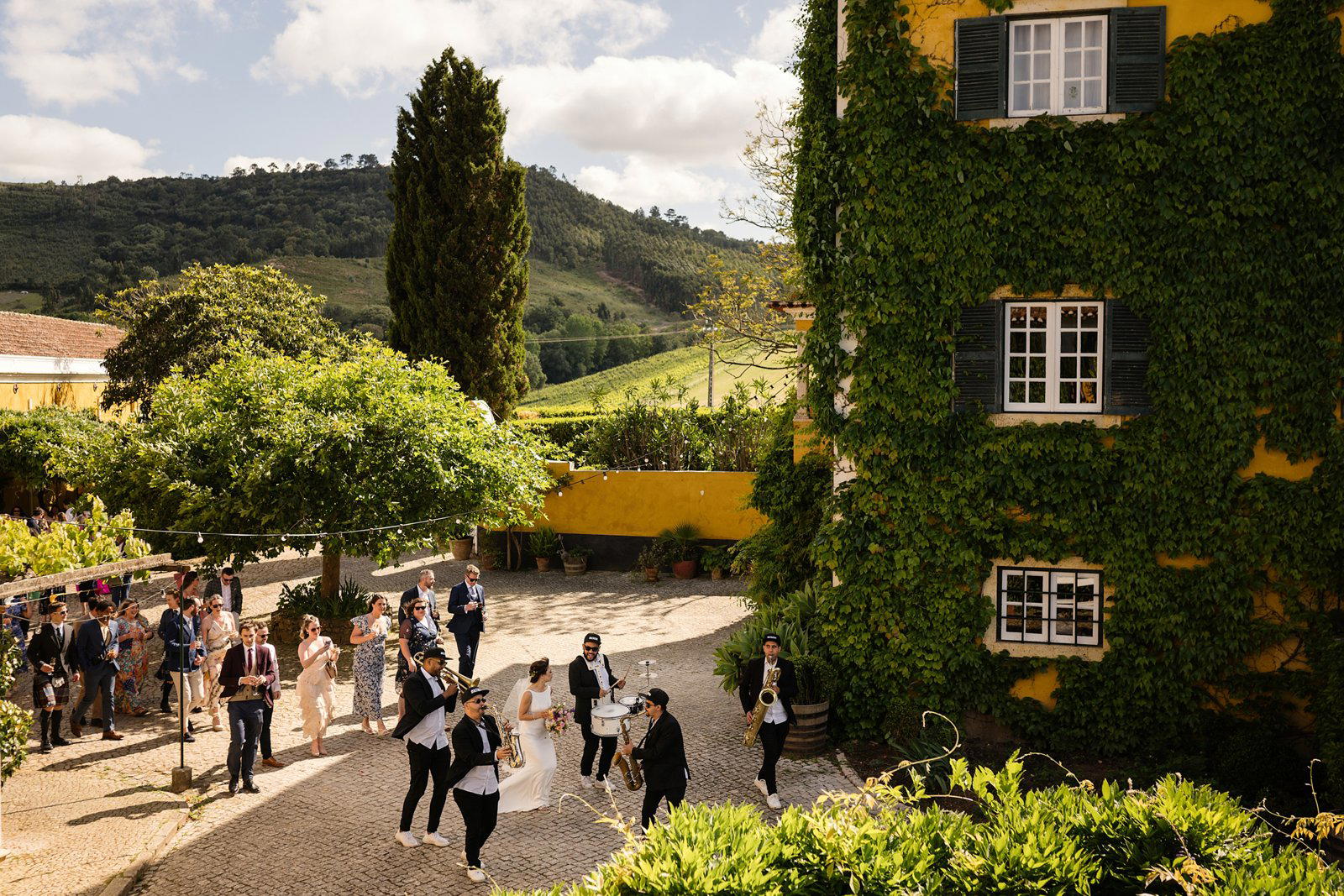
More in Abrantes
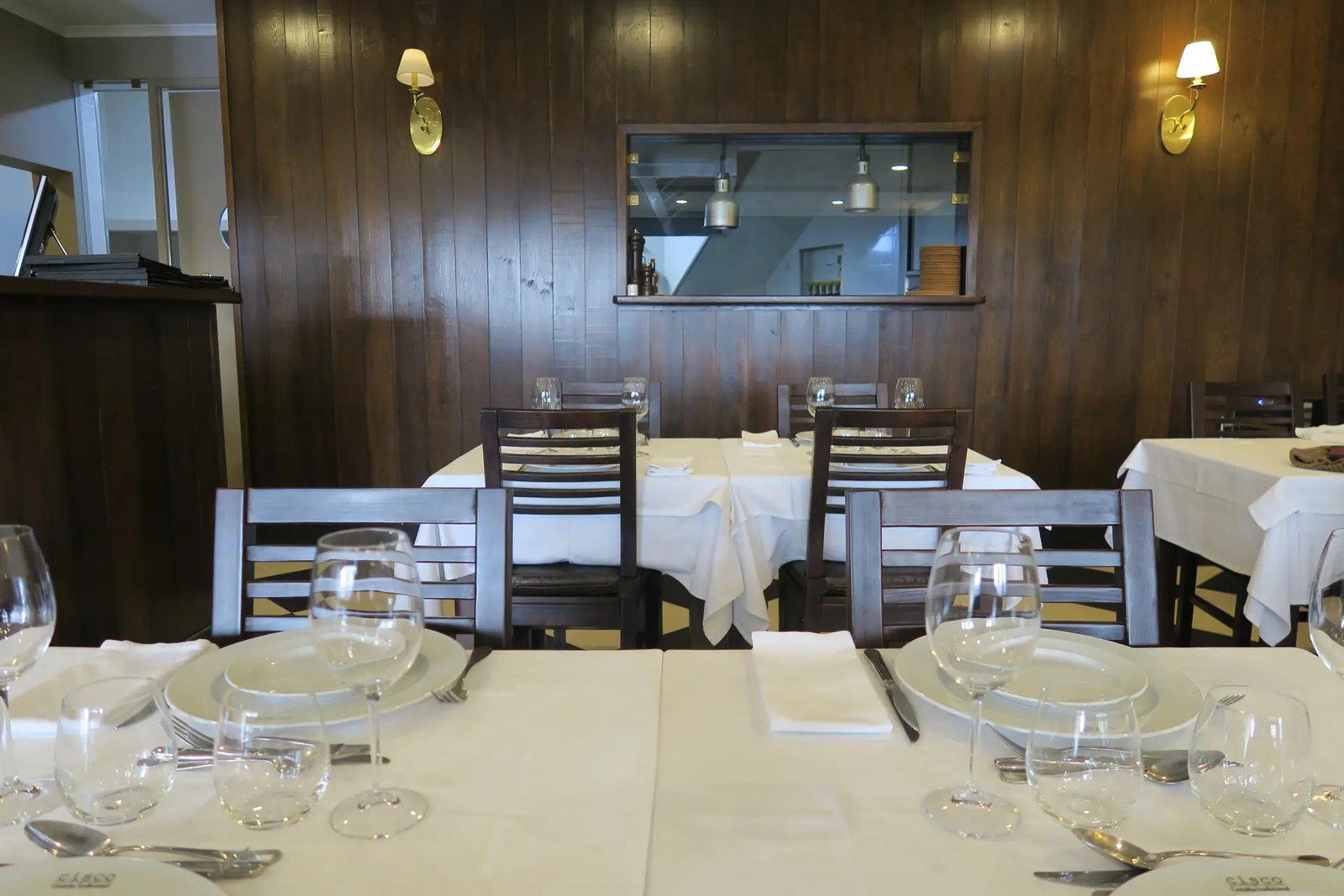
Restaurants in Abrantes
Browse all →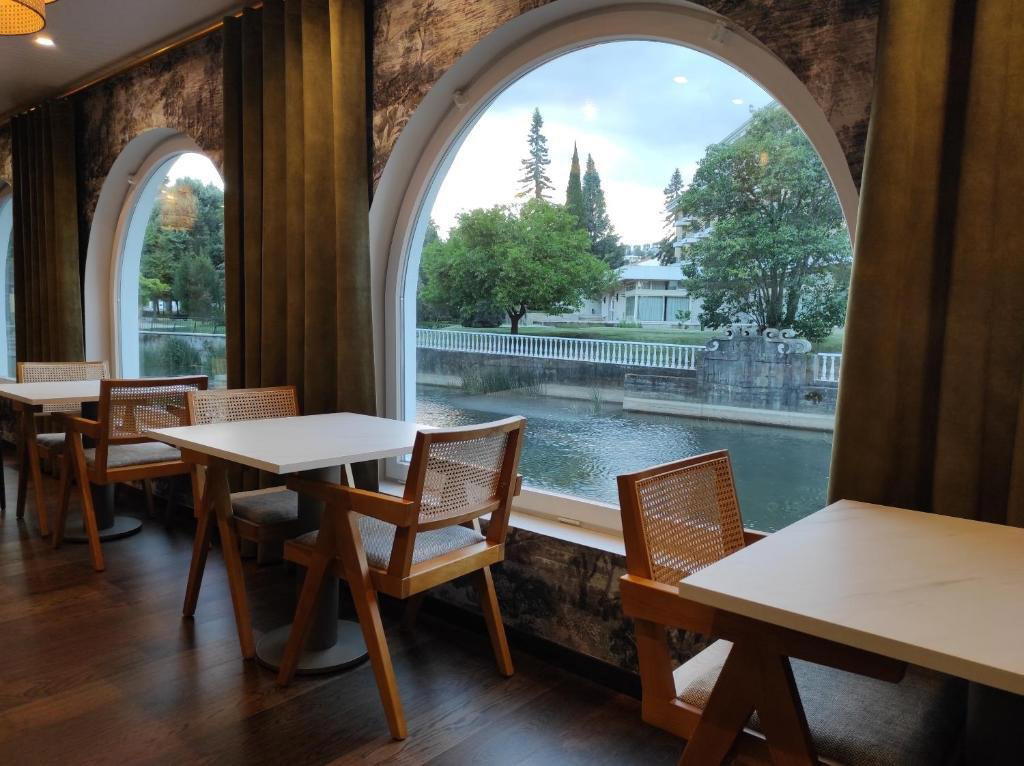
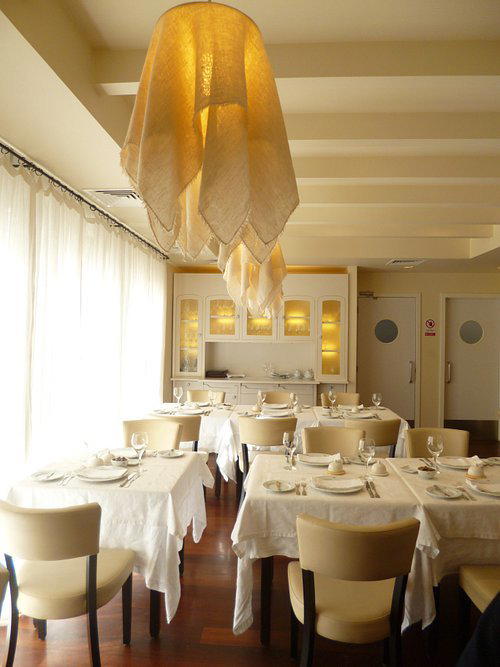
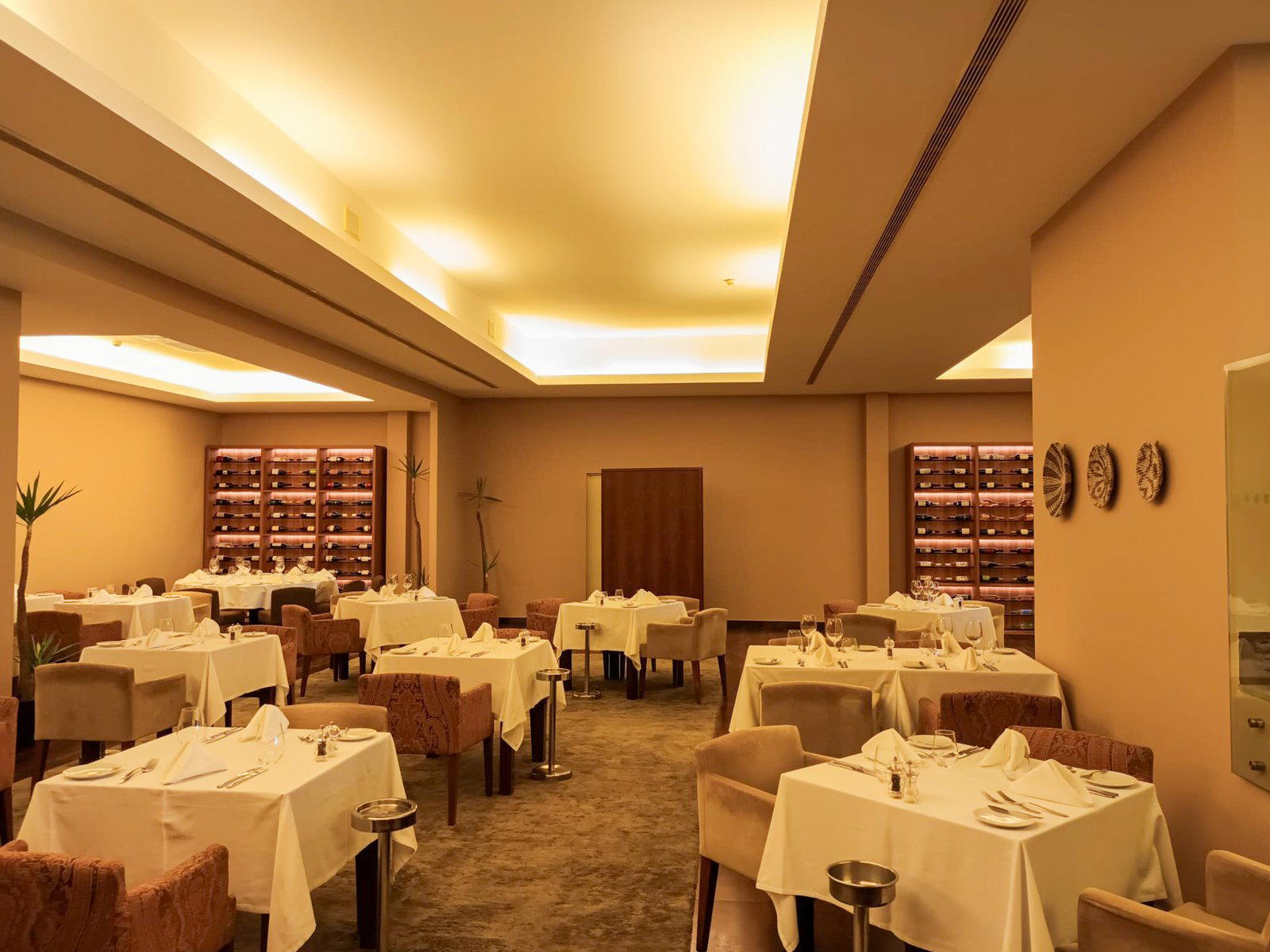
Hotels in Abrantes
Browse all →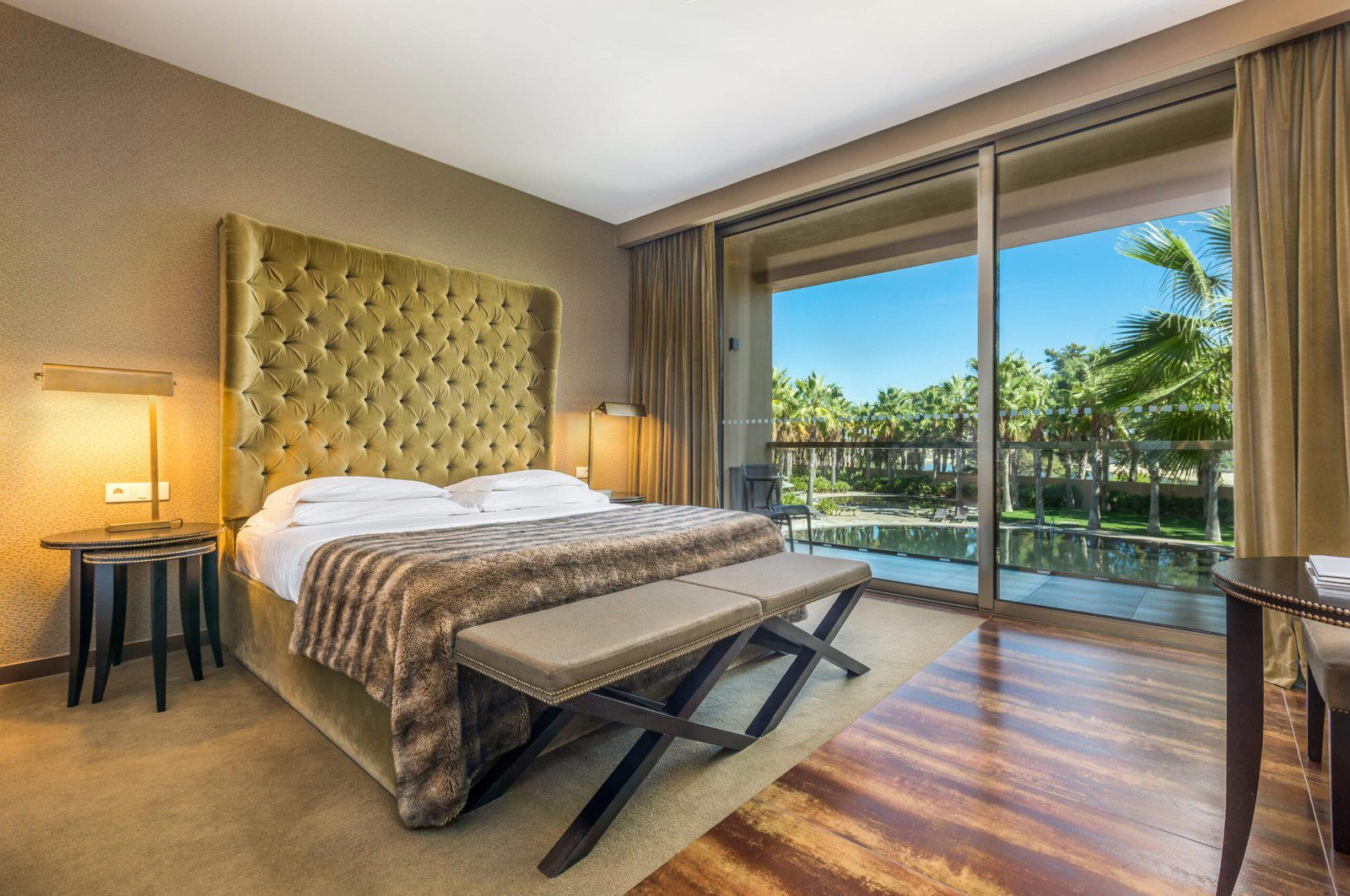
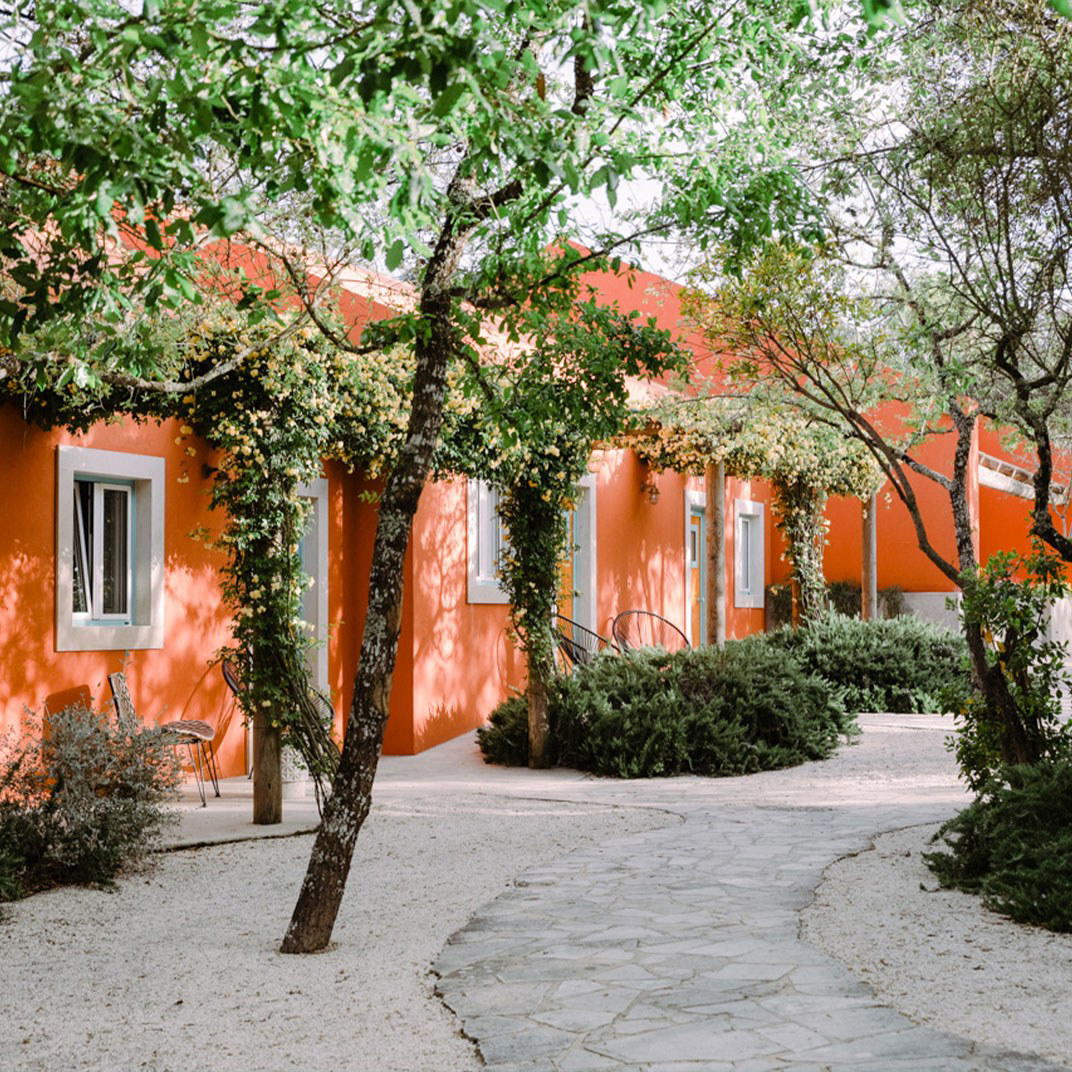
Wineries in Abrantes
Browse all →
At a Glance
- Cozy
- Rustic
- Scenic
- Date Night
- Special Occasion
- Terrace
- Extensive Wine List
- Local Sourcing
- Garden
- Mountain
Current opening hours
- Monday
- Closed
- Tuesday
- 12–3 PM, 7:30–10 PM
- Wednesday
- 12–3 PM, 7:30–10 PM
- Thursday
- 12–3 PM, 7:30–10 PM
- Friday
- 12–3 PM, 7:30–10 PM
- Saturday
- 12–3 PM, 7:30–10 PM
- Sunday
- Closed
Hours can change for holidays and private events. Last verified .
Rustic dining room with old house charm, cozy atmosphere, citrus trees view, pleasant terrace lighting during sunset.