89Anju occupies a quiet stretch of Luisenstraße in Munich's Maxvorstadt district, placing it among a small tier of addresses where the dining room's internal rhythm matters more than street-level visibility. The address sits within walking distance of several of Munich's Michelin-tier counters, making it a natural point of comparison for anyone mapping the city's fine-dining geography.
Pearl is the En Primeur Club membership app — saves, bookings, and concierge access live there. Same editors, same standards.
- Address
- Luisenstraße 47, 80333 München, Germany
- Phone
- +498990901189
- Website
- 89anju.com
- Directions
- Get directions
 Saves & bookings on Pearl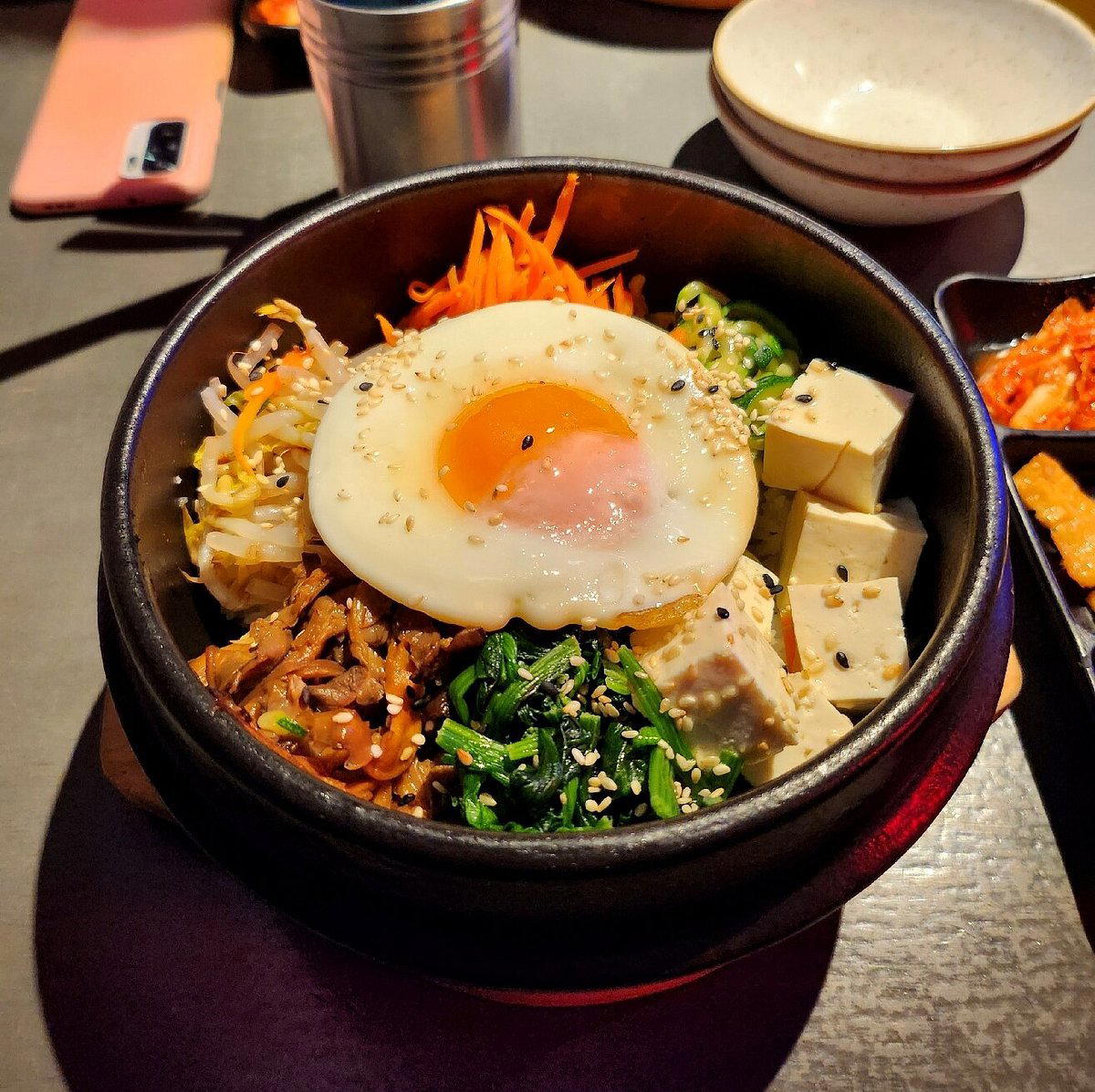
Maxvorstadt After Dark: Where Munich's Fine-Dining Fringe Operates
Munich's premium restaurant scene has long organised itself around a handful of institutional addresses: the grand rooms near the Englischer Garten, the hotel dining rooms in the city centre, and the newer wave of chef-driven spaces that have pushed into residential neighbourhoods over the past decade. Luisenstraße sits in that latter current. The street runs through Maxvorstadt, a district better known for its university buildings and museum cluster than for gastronomy, which means restaurants here earn their audience on merit rather than foot traffic. 89Anju is a restaurant serving Authentic Korean Street Food at Luisenstraße 47 in Munich, priced at about $25 per person.
That kind of neighbourhood placement tends to self-select a particular diner. The crowd at addresses like this is rarely spontaneous. In Munich's broader context, where Tantris and Atelier anchor the market with decades of institutional weight, younger or less-decorated rooms compete on specificity: a tighter format, a more defined culinary point of view, or a service culture that distinguishes itself through attention rather than ceremony.
The Team Dynamic at the Centre of the Experience
In the current generation of European fine dining, the front-of-house and kitchen relationship has become a more openly discussed variable. The era of the solo-genius chef operating in isolation from sommelier and service staff has given way, at least in the better rooms, to a more integrated model. The sommelier is no longer simply the person who arrives after the order is placed; in the strongest operations, wine choices are threaded through the menu's development from early in the creative process. Front-of-house teams at the higher end of the German market now frequently carry hospitality training that matches the kitchen's technical depth, and the pacing of a meal reflects decisions made collectively rather than handed down from the pass.
This shift is visible across Germany's decorated addresses. At JAN in Munich, the coordination between the kitchen and the room has become part of the restaurant's critical identity. At Tohru in der Schreiberei, the interplay between German and Japanese culinary logic requires a front-of-house team that can translate that dialogue for a guest who may be encountering it for the first time. The broader German fine-dining circuit, from Aqua in Wolfsburg to Vendôme in Bergisch Gladbach, has consistently rewarded the rooms where that internal coherence is legible to the guest without being announced.
For an address operating at the intersection of Korean and European dining codes, as the name 89Anju implies through its reference to the Korean tradition of anju, small dishes designed to accompany drink, the team dynamic carries particular weight. Anju as a culinary framework is inherently social and collaborative in its structure: the food exists in relation to what is being drunk, and the pacing of the table is a conversation rather than a sequence. Translating that register into a European fine-dining context demands a front-of-house team with enough fluency in both traditions to hold the frame together, and a sommelier who can build a drinks programme that reads as an integral part of the meal rather than an afterthought.
Where 89Anju Sits in Munich's Competitive Tier
Munich's fine-dining market at the leading end operates within a narrow band. Alois - Dallmayr Fine Dining and Atelier represent the city's most decorated creative addresses, both with Michelin recognition and long critical track records. The Korean-European fusion register that 89Anju appears to occupy is a narrower niche within that market, one with more direct comparators outside Germany than within it. In New York, Atomix has set the benchmark for what Korean fine dining can look like when it operates at the highest technical level, running a tasting counter with two Michelin stars and a drinks programme developed in close parallel with the kitchen. The reference point matters because it establishes what is possible within the genre, and what a diner who has experienced that standard will carry into any room attempting something adjacent.
Within Germany, the closest analogues are rooms that have built a reputation by fusing a non-European culinary tradition with German technique: Tohru in der Schreiberei is one direct Munich example, while CODA Dessert Dining in Berlin demonstrates how a format built around an unconventional dining logic, in that case dessert as the organising principle, can find a serious critical audience when the execution is disciplined. The common thread across these addresses is that the concept must be structurally coherent, not just thematically interesting, and the team must be able to sustain it across a full service.
Planning a Visit: Practical Orientation
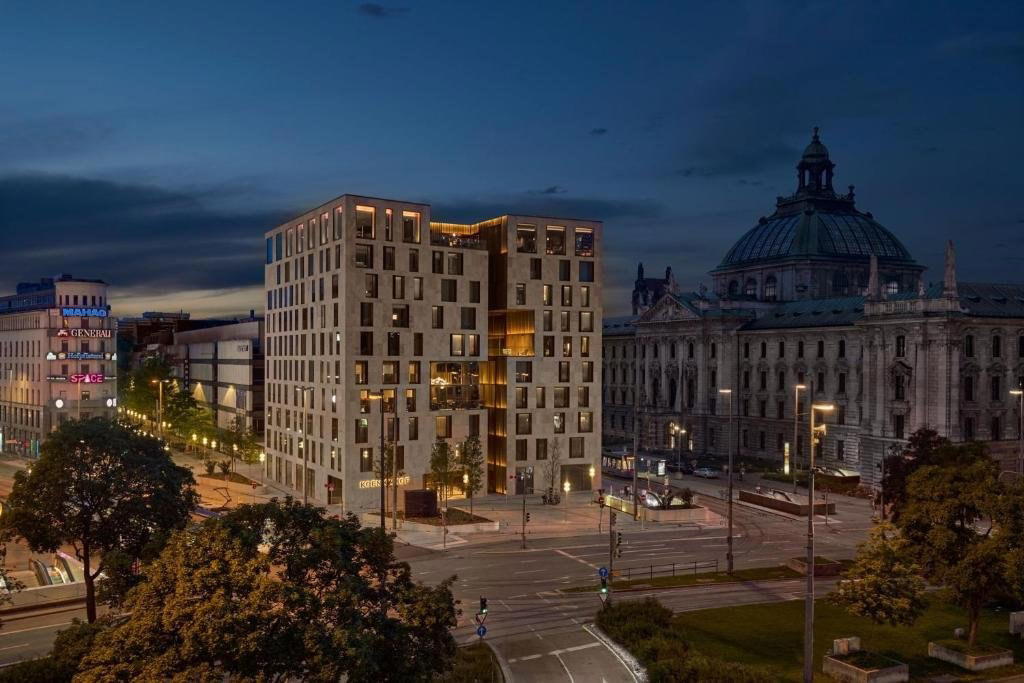
89Anju is at Luisenstraße 47 in Munich's Maxvorstadt, within the 80333 postcode and a short distance from Königsplatz. Maxvorstadt is walkable from the central stations, and the neighbourhood's relative quiet in the evening means arrival by foot or taxi is direct. For visitors building a Munich itinerary around the city's fine-dining circuit, the area sits conveniently near several cultural landmarks that work well as pre-dinner anchors. Those mapping the broader German fine-dining geography alongside a Munich visit might also consider Schwarzwaldstube in Baiersbronn, ES:SENZ in Grassau within day-trip range, or further afield at Waldhotel Sonnora in Dreis and Schanz in Piesport. For a complete view of Munich's restaurant geography across price tiers and formats, the EP Club Munich restaurants guide maps the full picture.
Comparable Venues
Comparable venues nearby, for context on price, style, and recognition.
| Venue | Cuisine | Price | Notes |
|---|---|---|---|
| 89AnjuThis venue — the venue you are viewing | Authentic Korean Street Food | $$ | Not listed |
| Löwenbräukeller | Traditional Bavarian Beer Hall | $$ | Neuhausen |
| Zum Koreaner | Authentic Korean Bistro | $ | Schwabing |
| Mokum | Modern Creative International Bistro | $$ | Theresienwiese |
| The Potting Shed Bar & Kitchen | Gourmet Burgers & Peruvian Tapas | $$ | Schwabing |
| Zen Panasia Cuisine | Pan-Asian Sushi | $$ | Au |
At a Glance
- Trendy
- Modern
- Lively
- Cozy
- Casual Hangout
- Date Night
- After Work
- Open Kitchen
- Beer Program
Current opening hours
- Monday
- 11:30 AM–2:30 PM, 5:30–11 PM
- Tuesday
- 11:30 AM–2:30 PM, 5:30–11 PM
- Wednesday
- 11:30 AM–2:30 PM, 5:30–11 PM
- Thursday
- 11:30 AM–2:30 PM, 5:30–11 PM
- Friday
- 11:30 AM–2:30 PM, 5 PM–12 AM
- Saturday
- 11:30 AM–2:30 PM, 5 PM–12 AM
- Sunday
- 11:30 AM–2:30 PM, 5–11 PM
Hours can change for holidays and private events. Last verified .
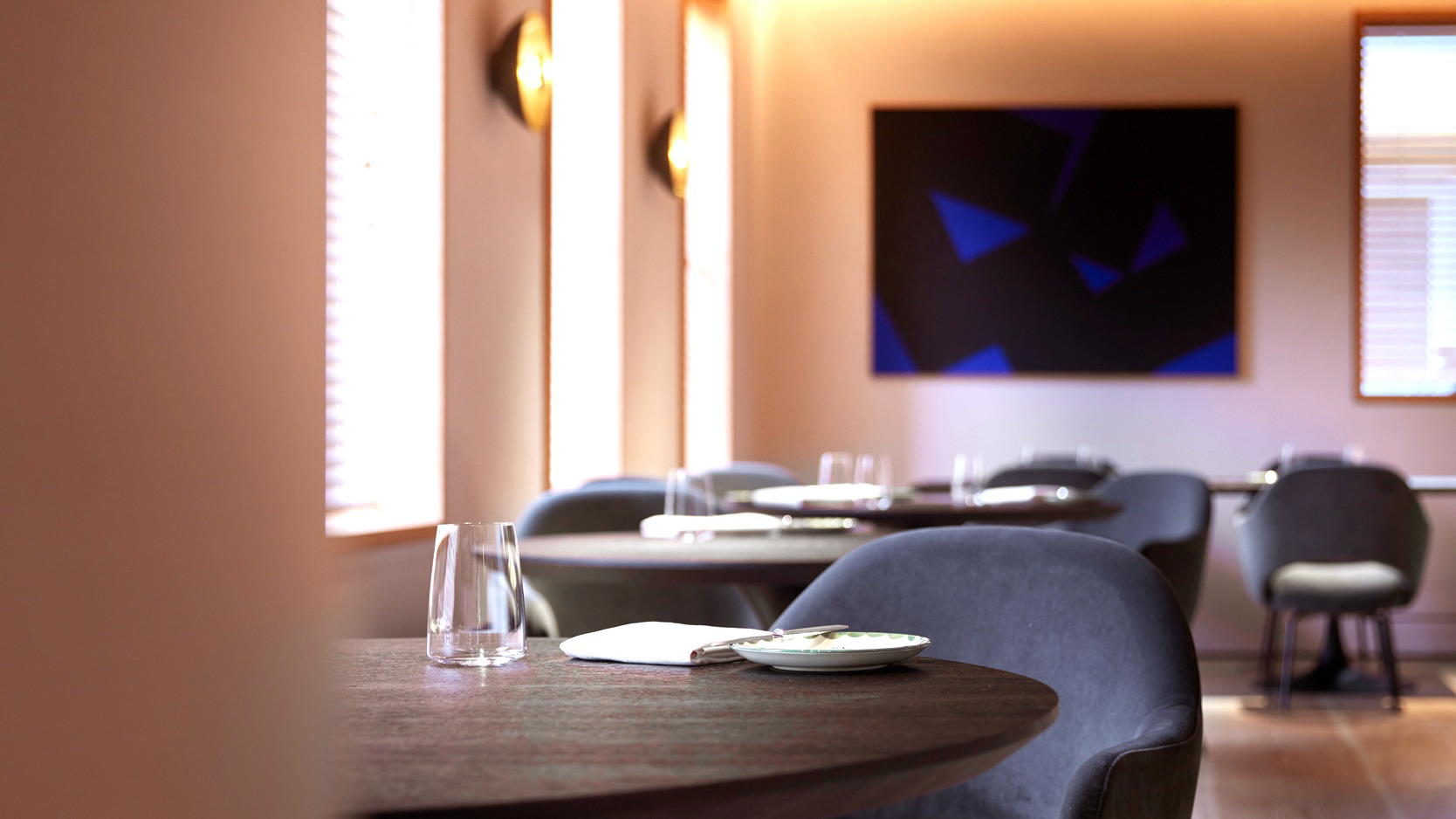
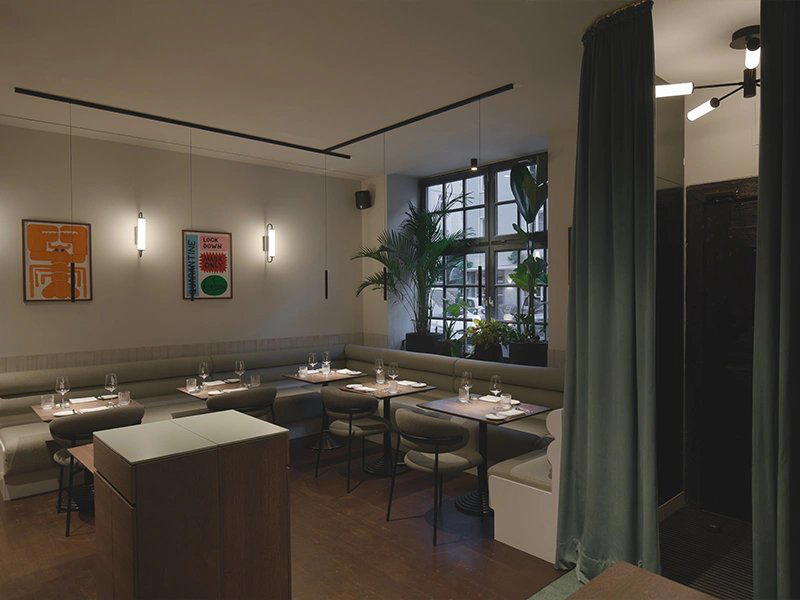
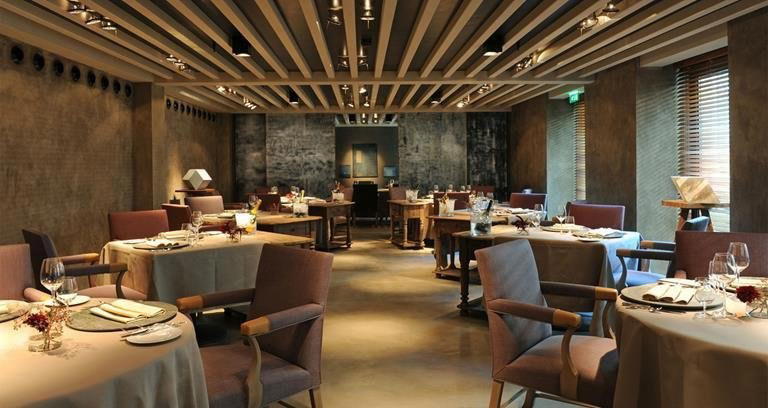
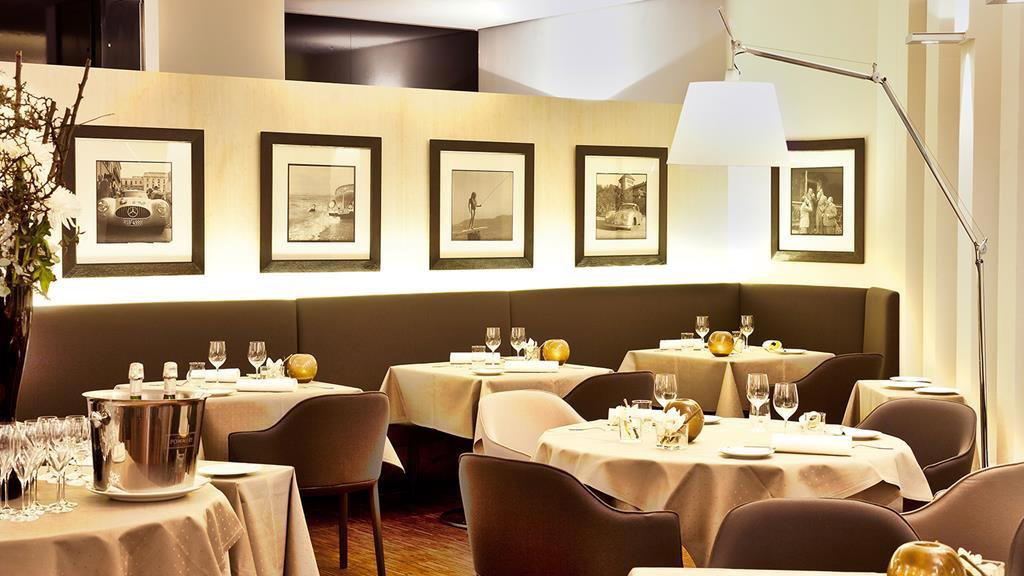
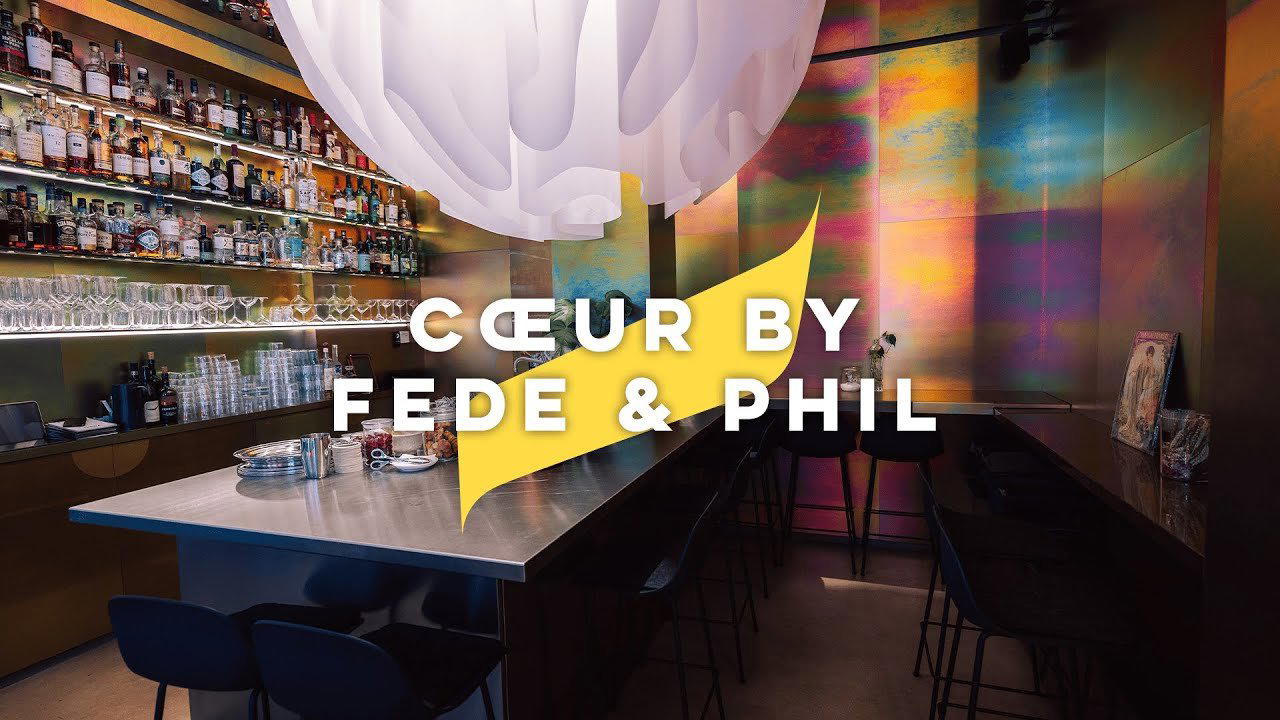
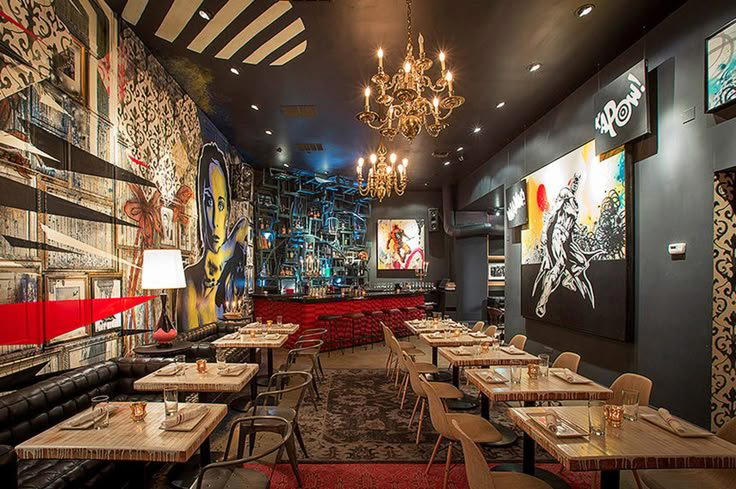
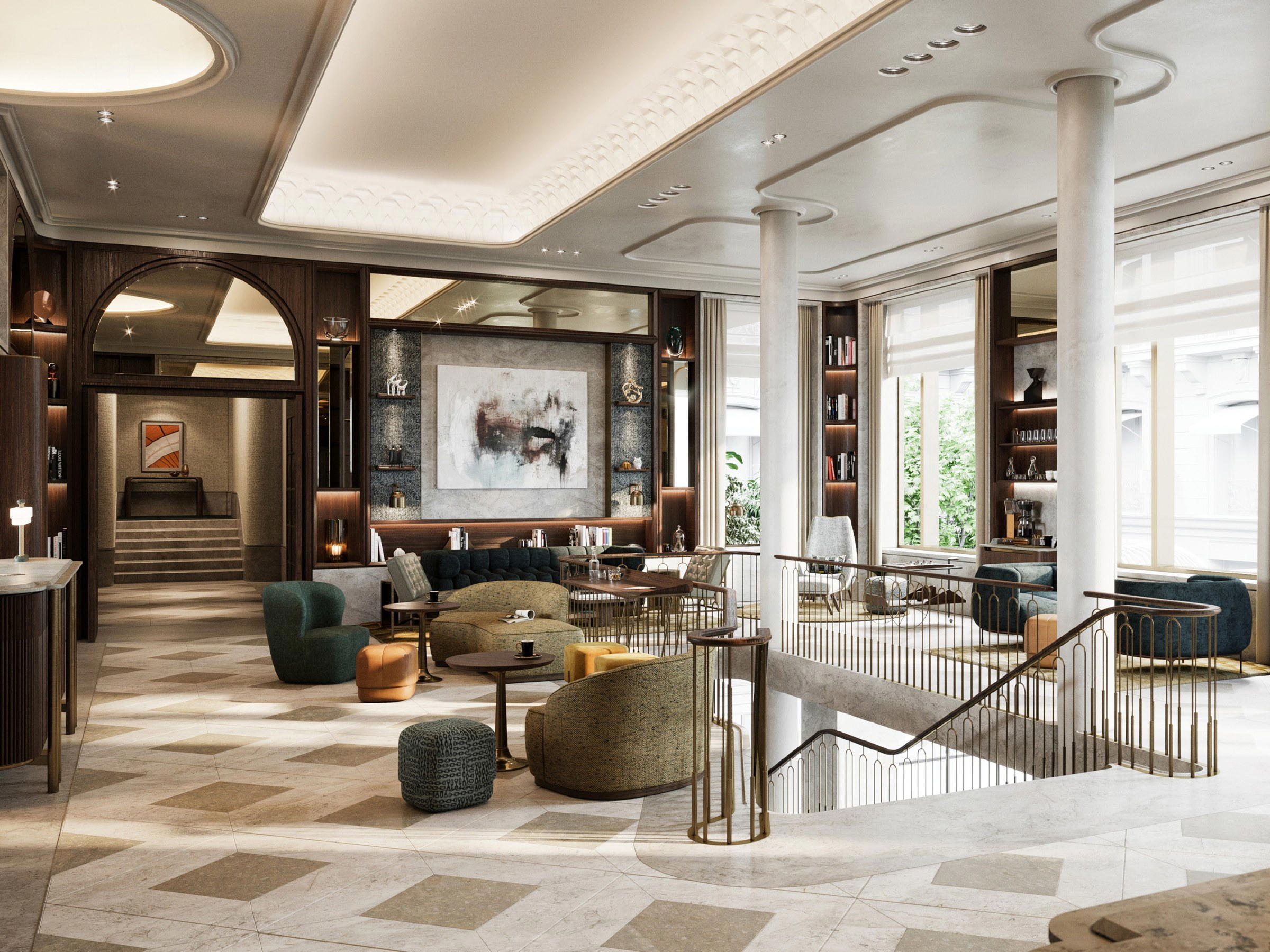
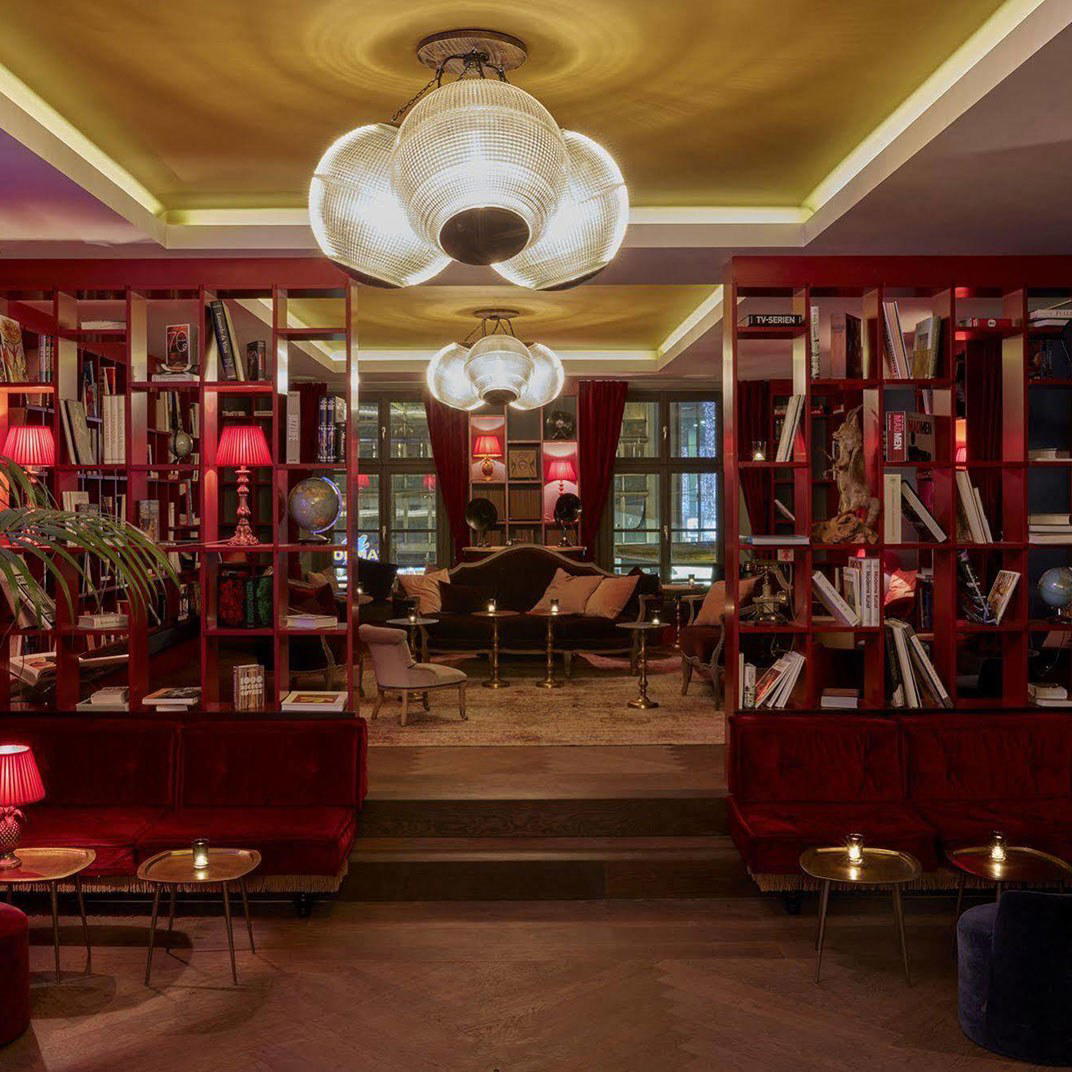
Electric urban vibe with exposed brick walls, sleek wooden accents, neon lights, and Korean posters creating a cool, trendy street food atmosphere.