Zum Koreaner sits on Amalienstraße in Munich's Maxvorstadt district, where the city's student-facing streets give way to a quieter, more considered dining register. The restaurant brings Korean cooking into a neighbourhood better known for beer gardens and Italian trattorias, offering a counterpoint to Munich's dominant Bavarian and French-inflected fine-dining scene. It occupies a specific niche in a city still building its Korean food vocabulary.
Pearl is the En Primeur Club membership app — saves, bookings, and concierge access live there. Same editors, same standards.
- Address
- Amalienstraße 51, 80799 München, Germany
- Phone
- +494989283115
- Website
- zum-koreaner.de
- Directions
- Get directions
 Saves & bookings on Pearl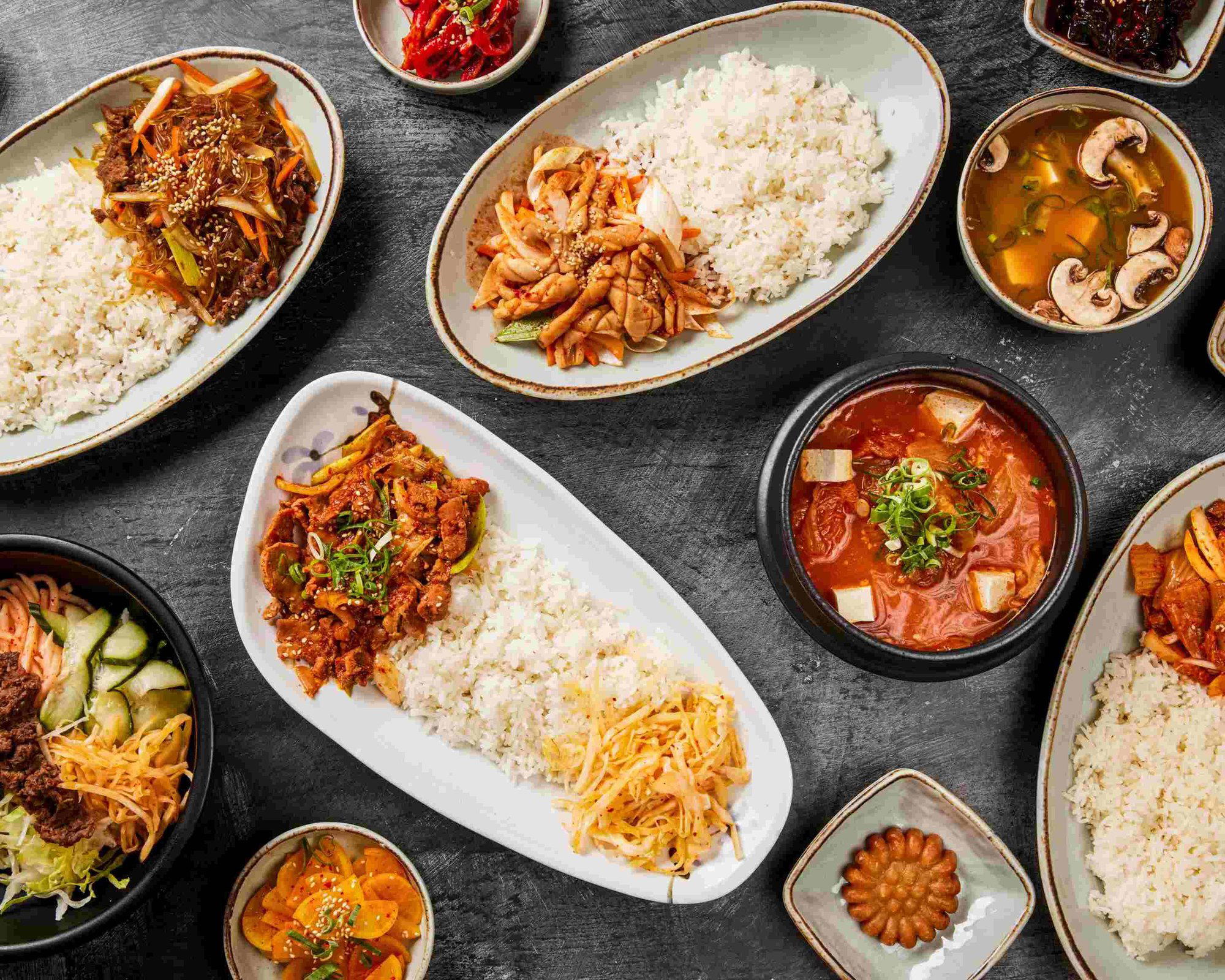
Where Maxvorstadt Meets the Korean Table
Amalienstraße runs through one of Munich's most intellectually dense neighbourhoods: Maxvorstadt, the strip between the university, the Pinakothek museums, and the inner ring. The street-level register here is casual, coffee shops, wine bars, the occasional Bavarian Gasthaus, which makes the appearance of a Korean restaurant on this block less a novelty than a logical extension of a neighbourhood that has always absorbed international influence more quietly than, say, the tourist-heavy Altstadt. Zum Koreaner occupies that position: a Korean address in a city where the cuisine remains genuinely underrepresented relative to its dining ambition.
Munich's premium dining identity is shaped overwhelmingly by French technique and Bavarian product. The Michelin-decorated tier includes houses like Tantris, Atelier, and Alois - Dallmayr Fine Dining, all operating in the creative-French or European-contemporary register. Below that, the city has a solid mid-range Italian and Japanese presence, with Tohru in der Schreiberei representing the serious German-Japanese hybrid format at the decorated end. Korean cooking occupies a smaller, less institutionalised corner of that picture, which gives a restaurant like Zum Koreaner a clearer role: it is not competing with the Michelin tier; it is filling a gap in the city's Asian food map that remains genuinely sparse.
The Atmosphere Korean Food Produces in a German Street Setting
Korean restaurants in European cities often face a tension between the communal, table-filling logic of the food and the architectural reality of dining rooms designed for smaller parties and quieter service styles. The cuisine is built for sharing: banchan spread across the table, grilled proteins carved at the seat, fermented condiments arriving in small vessels that accumulate as the meal progresses. That format produces a particular kind of noise and movement that contrasts with the more contained rhythm of a French or Italian service style. In a Maxvorstadt street-front setting, that contrast becomes part of the atmospheric proposition, the warmth and informality of the Korean table format read differently against the cooler, more restrained German dining context around it.
The sensory profile of Korean cooking is distinctive even before the food arrives: the funk of gochujang and doenjang, the clean smoke of a grill, the faint sweetness of sesame oil. These are not background notes. They define the room. Compared to the kitchen aromas that drift through the French-leaning dining rooms of JAN or the butter-and-reduction register of European fine dining, Korean cooking signals its presence differently, and that signal is part of what makes the experience of sitting down at a Korean restaurant in Munich feel genuinely distinct from the rest of the city's dining offer.
Korean Cooking in Context: What the Cuisine Brings to the Table
Korean food in Germany has historically been available in a handful of cities, Berlin, Hamburg, Frankfurt, with Munich trailing slightly behind in terms of both venue count and format range. The genre spans from fast-casual bibimbap counters through to restaurants that take banchan seriously as a cuisine in its own right, where the fermentation programme, the quality of the kimchi, and the sourcing of protein matter as much as they would in any European kitchen with comparable ambitions. The distinction between these tiers is not always legible from the outside, which is part of what makes understanding a restaurant like Zum Koreaner useful for anyone planning a Korean meal in Munich: knowing what the cuisine can deliver at its more considered end sets the right expectations.
For comparison, the Korean fine-dining format has been codified in cities like New York, where Atomix operates at the decorated, multi-course end of Korean cuisine. That tier has not yet arrived in Munich with the same institutional weight, but the mid-range Korean table, grilled meats, stewed proteins, a broad banchan spread, and the fermented backbone that anchors the whole meal, remains one of the more satisfying formats for a group dinner anywhere in the world, and it travels well into the European context.
Munich's Korean Restaurant Niche and Where Zum Koreaner Sits
The Korean restaurant category in Munich sits in a different competitive register from the city's Michelin-decorated French and creative houses. It does not compete with JAN or Alois for the same diner on the same night. It competes for the evening when the table wants something communal, warm, and flavour-forward rather than technically precise and individually plated. That is a real and distinct category, and in Munich it remains less populated than in comparable European cities of similar size and dining sophistication.
Across Germany more broadly, the decorated dining tier is well-represented: Aqua in Wolfsburg, Schwarzwaldstube in Baiersbronn, and Vendôme in Bergisch Gladbach all sit at the upper end of German fine dining. Berlin has developed its own contemporary dining identity, with formats like CODA Dessert Dining pushing at the edges of what a tasting menu can be. Munich's contribution to that national conversation is strong at the French and creative-European end but thinner at the Asian mid-range, which is precisely where Korean restaurants operate.
What to Eat and When to Go
The seasonal logic of Korean cooking maps partly onto European patterns: fermented and preserved elements dominate in cooler months, lighter preparations and cold noodle formats appear in summer. In Munich's context, the colder half of the year, October through March, is when a Korean table makes atmospheric sense, with braised and stewed dishes carrying particular resonance against the Bavarian cold. The warmth of a doenjang jjigae or a slow-braised galbi translates well to the Maxvorstadt winter.
The Amalienstraße address also benefits from the neighbourhood's rhythm: the area is quieter than the city centre, which means the lunch and early-evening windows are less pressured than they would be in Schwabing or near the Marienplatz. That said, Korean restaurants in Germany at the mid-range tend to attract consistent local followings, and weekend evenings at well-regarded addresses book up. Planning a visit midweek, or arriving early in the dinner service, generally produces a calmer experience.
For diners building a broader Munich itinerary that includes Korean alongside the city's French and creative-European options, the contrast is part of the value. A meal at the restaurant sits in a different register from an evening at Tantris or Atelier, and that difference, in pace, format, and flavour profile, is a reason to include both in a longer stay rather than a reason to choose between them.
Planning Your Visit
The restaurant is located at Amalienstraße 51, 80799 München, in the Maxvorstadt district, within walking distance of the university and the Pinakothek museums. For current hours, check the restaurant’s regular schedule: Mon to Sun, 10 AM to 10 PM.
Similar Picks
Comparable venues nearby, for context on price, style, and recognition.
| Venue | Cuisine | Price | Notes |
|---|---|---|---|
| Zum KoreanerThis venue — the venue you are viewing | Authentic Korean Bistro | $ | Not listed |
| Mr. Gogi-Korean BBQ Restaurant | Korean BBQ | $$ | Schwabing |
| Kartoffelkönig | Vegan Turkish Fast Food | $ | Schwabing |
| Burrito Company | Californian-Style Mexican Burritos | $ | Isarvorstadt |
| Kleiner Ochsnbrater | Traditional Bavarian Organic Street Food | $ | Altstadt |
| Vietsoup | Vietnamese Street Food | $ | Altstadt |
At a Glance
- Cozy
- Casual
- Casual Hangout
- Open Kitchen
- Local Sourcing
Current opening hours
- Monday
- 10 AM–10 PM
- Tuesday
- 10 AM–10 PM
- Wednesday
- 10 AM–10 PM
- Thursday
- 10 AM–10 PM
- Friday
- 10 AM–10 PM
- Saturday
- 10 AM–10 PM
- Sunday
- 10 AM–10 PM
Hours can change for holidays and private events. Last verified .
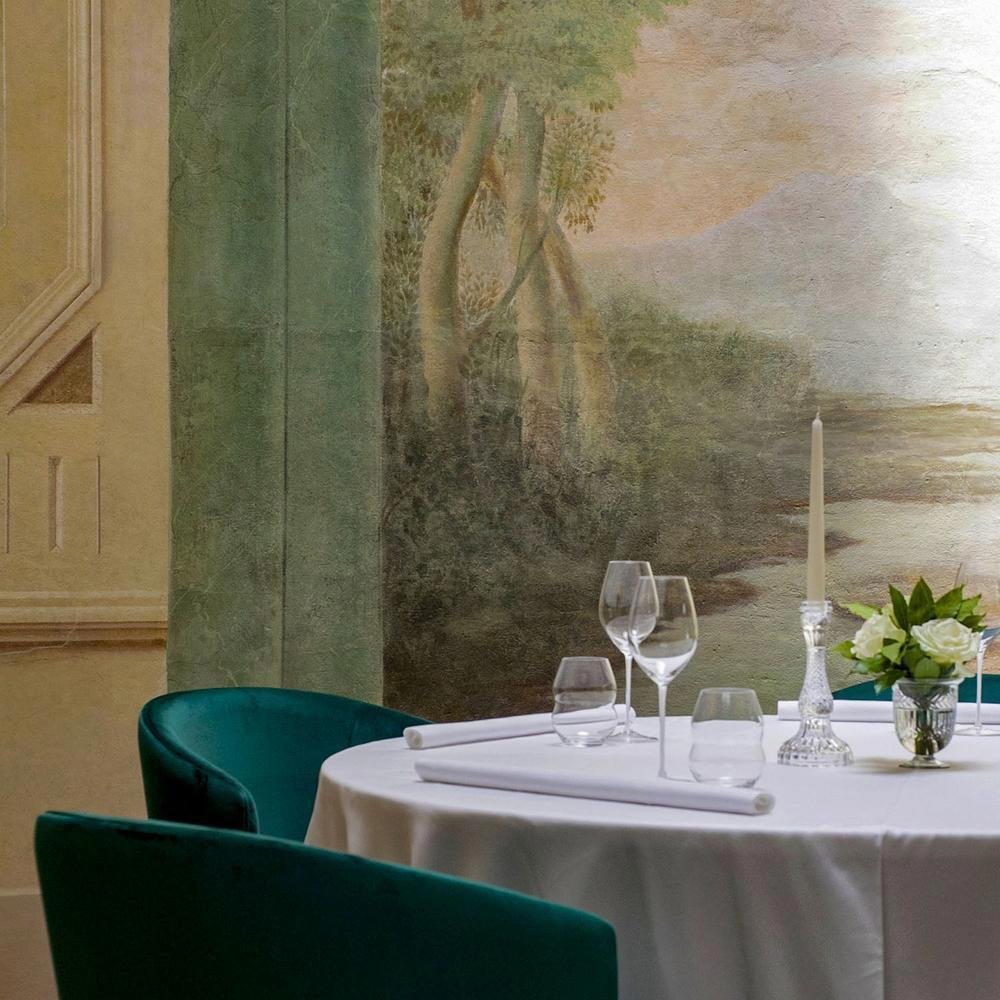
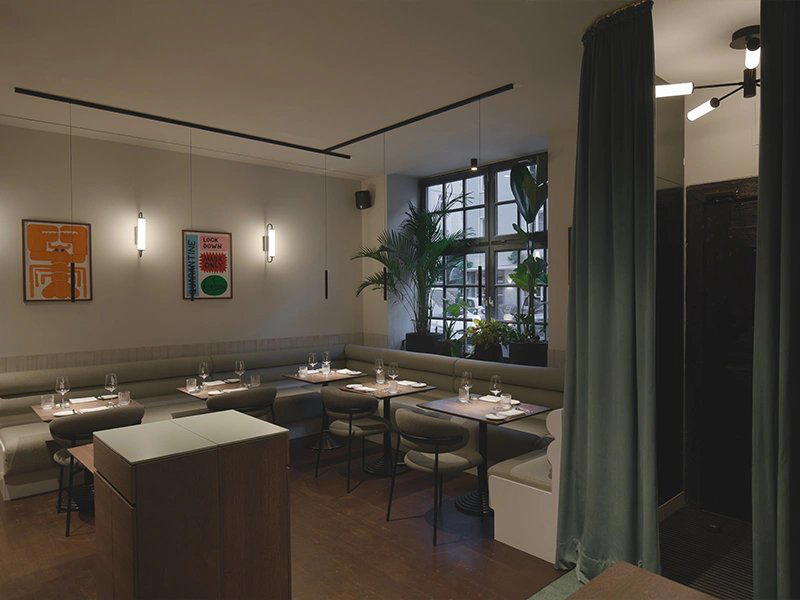
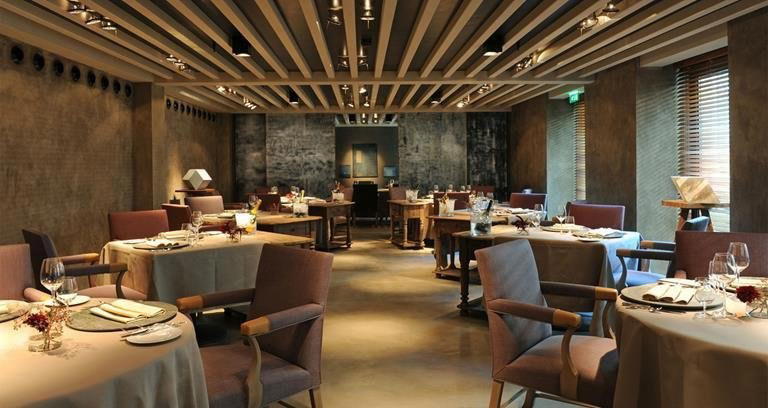
Cozy but down-to-earth with an open kitchen; simple and unassuming atmosphere.