Our verdict
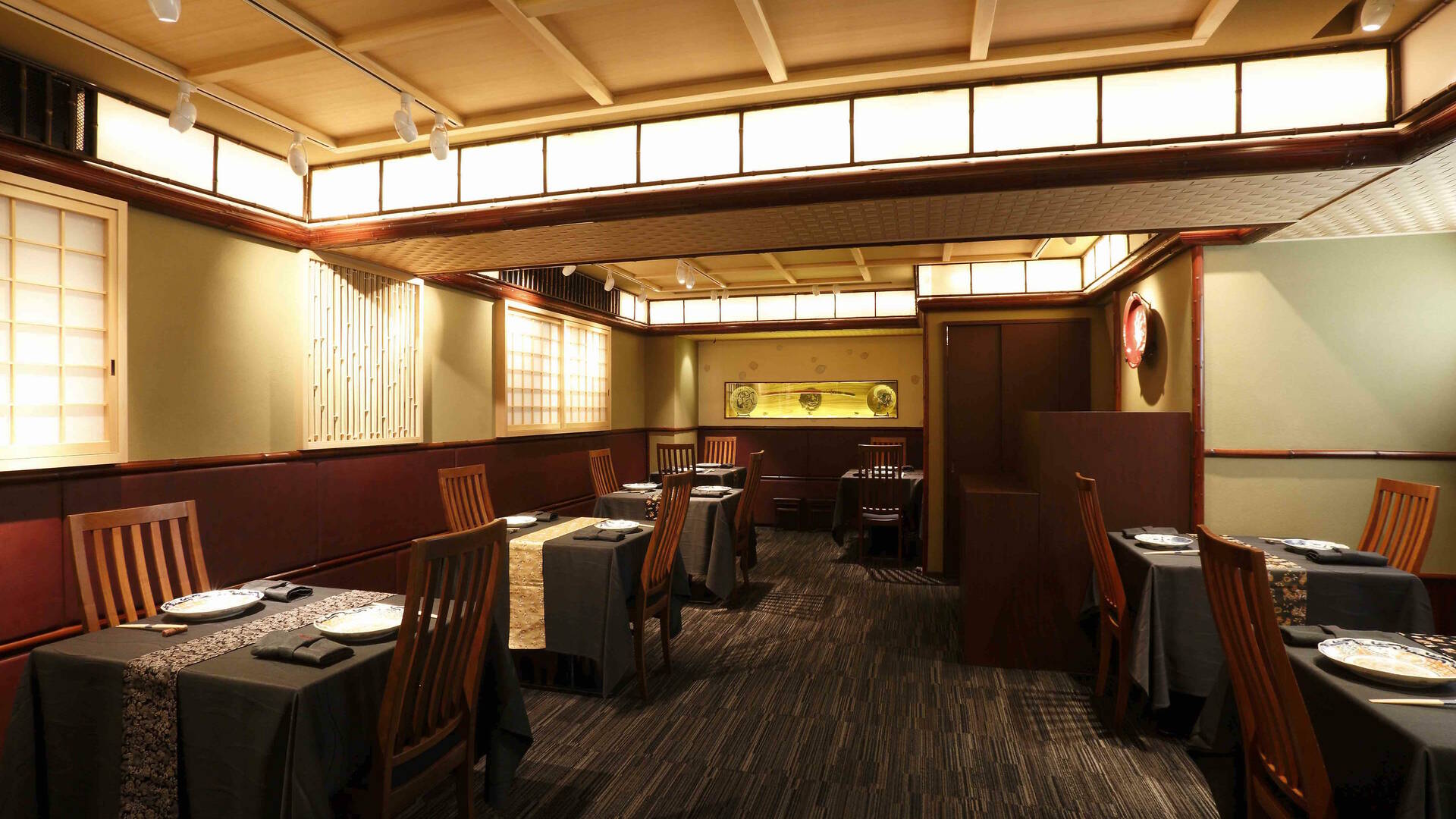
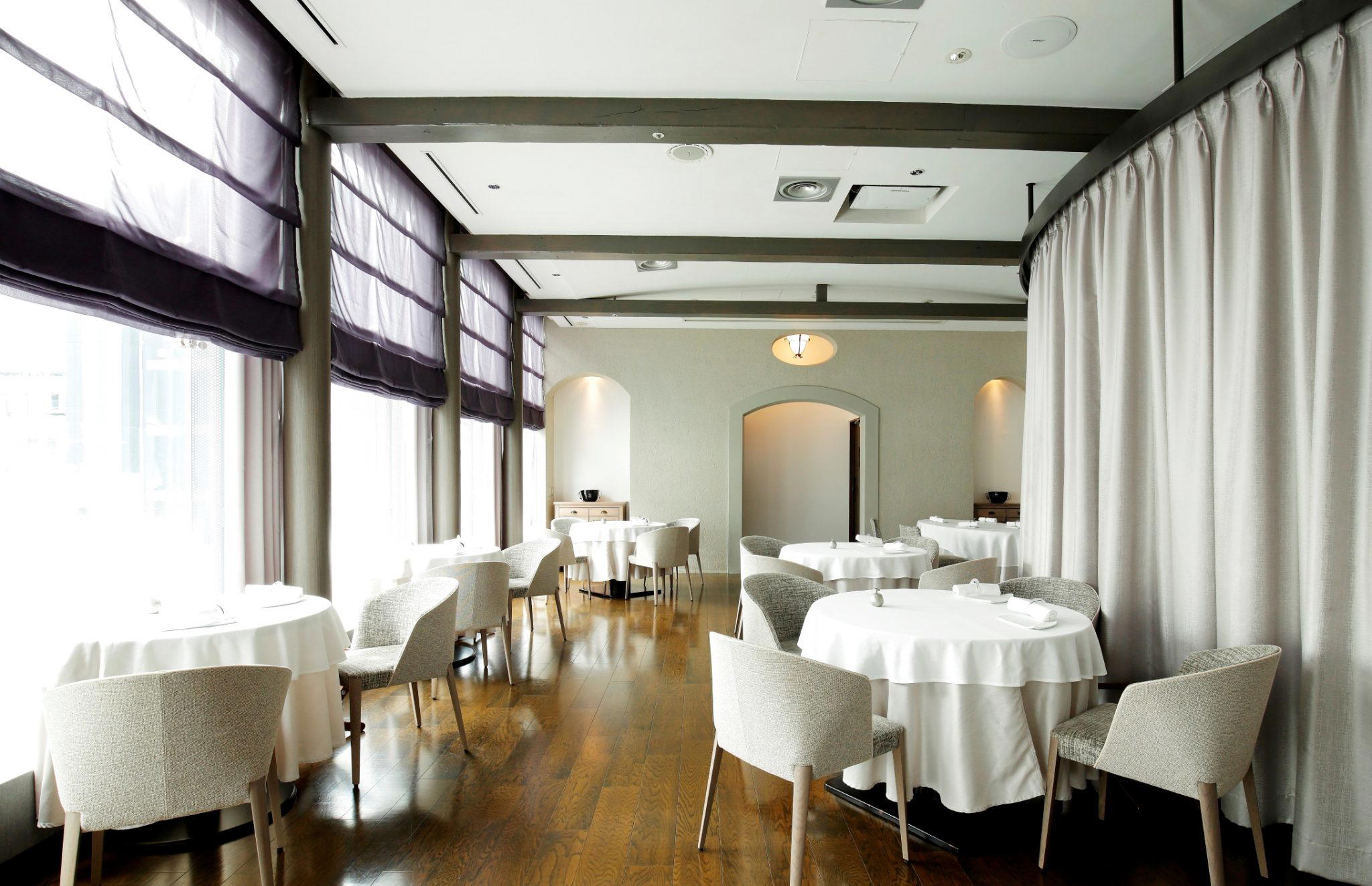
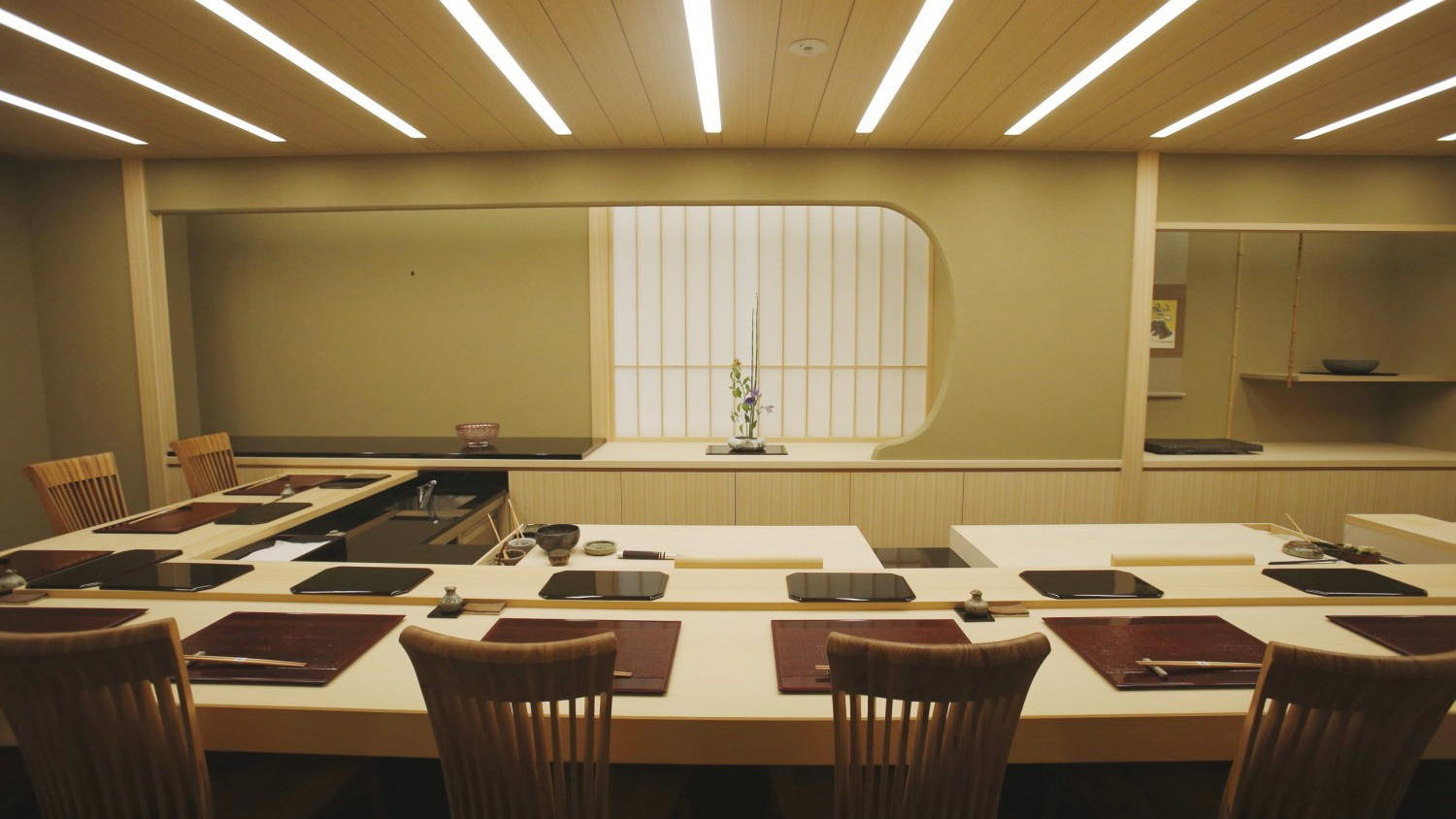
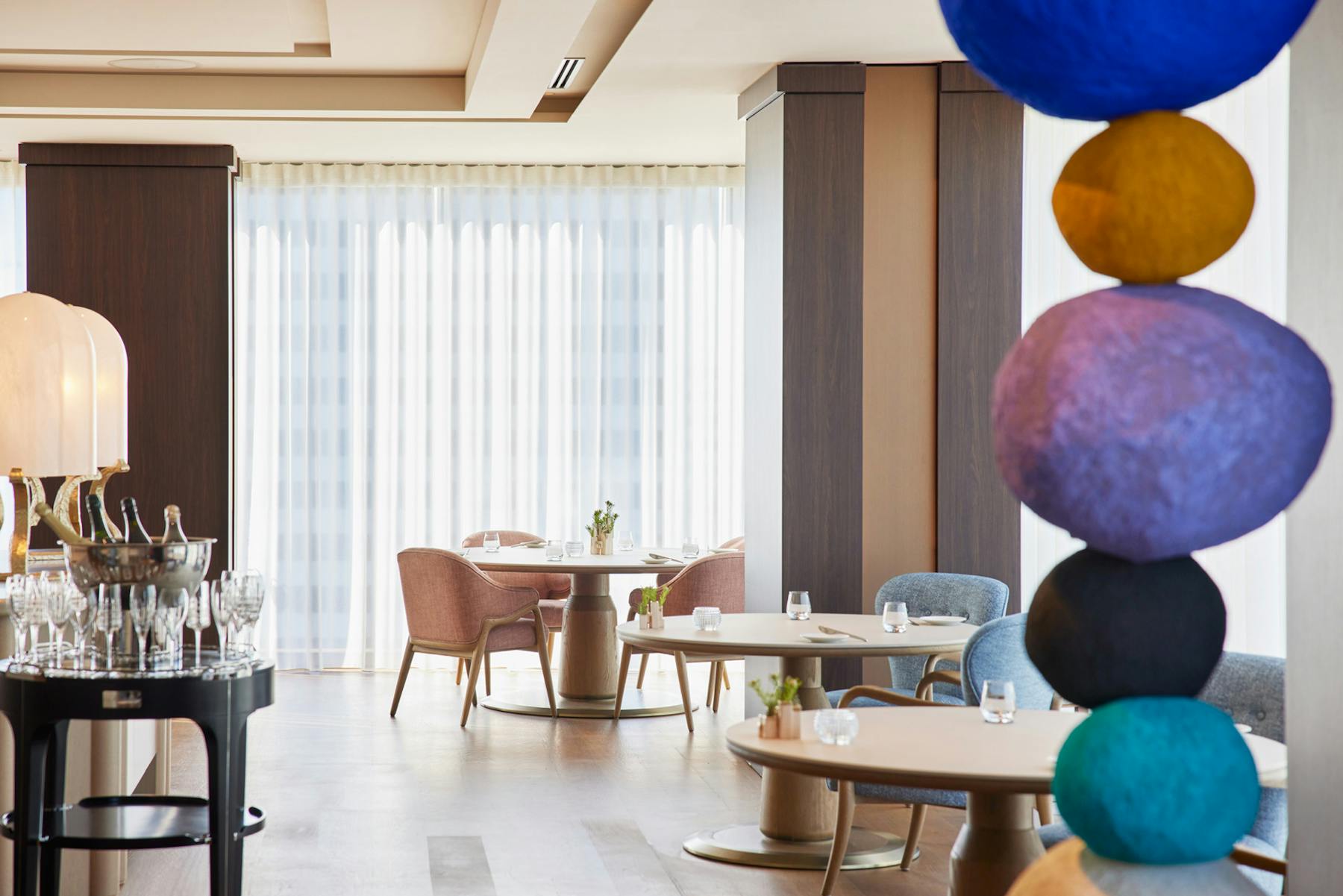
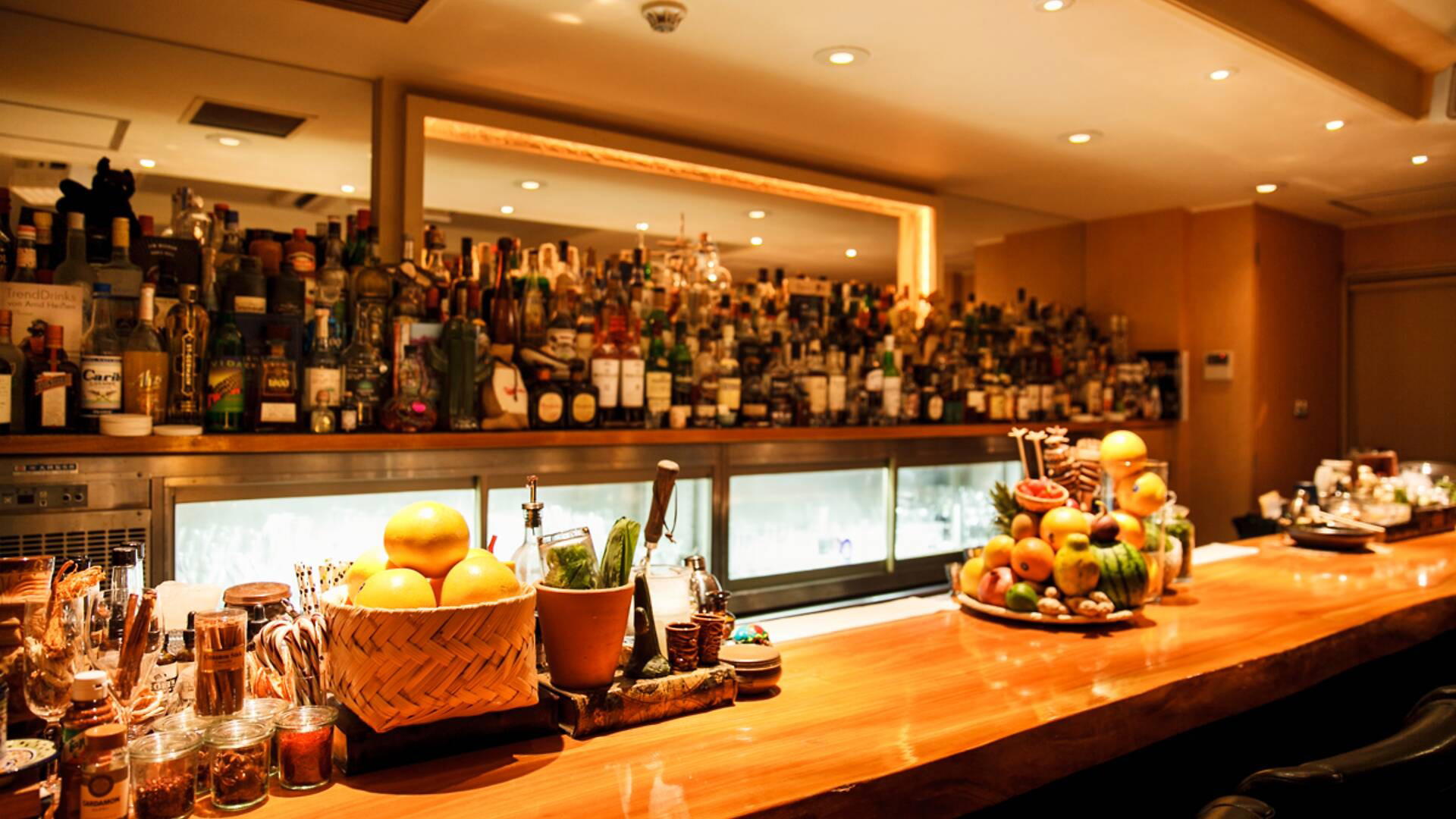
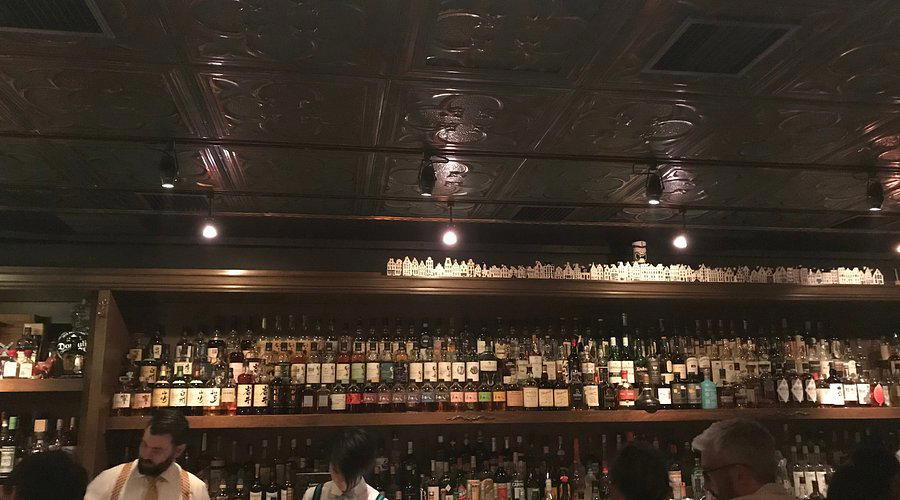
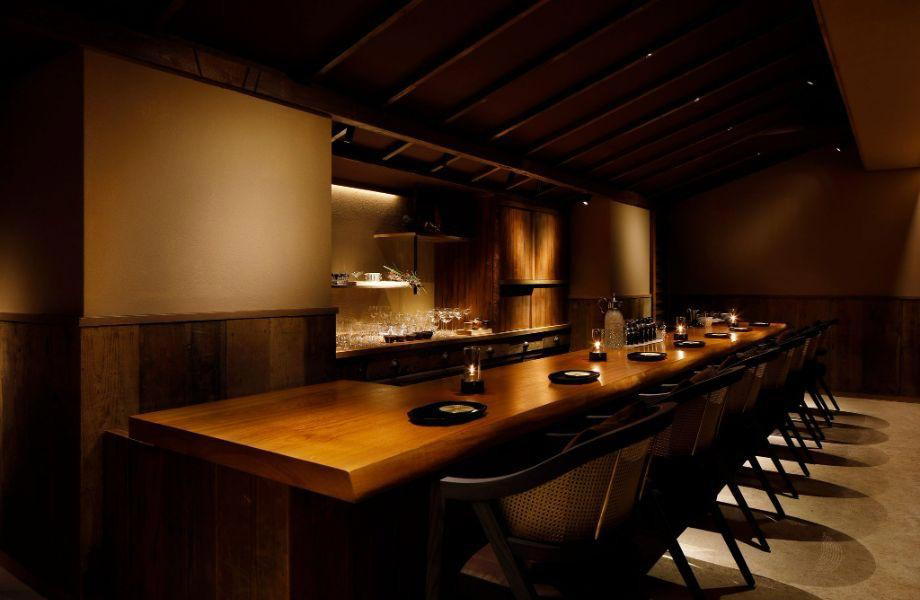
Located in Tokyo's Yurakucho district within the Hibiya Town complex, 安福 寺 磁亭 日比谷店 sits inside one of central Tokyo's more quietly serious dining corridors, where salaryman lunch trade and evening regulars coexist. The venue's address in Chiyoda City places it among the city's more purposeful restaurant destinations, drawing those who return for reasons that go beyond occasion dining.

Pearl is the En Primeur Club membership app — saves, bookings, and concierge access live there. Same editors, same standards.
- Address
- Japan, 〒100-0006 Tokyo, Chiyoda City, Yurakucho, 1 Chome−1−2 東京ミッドタウン日比谷 3F
- Phone
- +81 3-6811-2303
- Website
- hyotei.co.jp
- Directions
- Get directions
- Booking
- Book on TableCheck
Yurakucho's Quieter Register
Tokyo's dining geography is rarely accidental. Chiyoda City, and Yurakucho in particular, operates on a different frequency from the high-visibility blocks of Ginza or the chef-celebrity density of Roppongi. The area around Hibiya Town has long attracted a particular kind of regular: office workers who have graduated from convenience-food lunch culture, after-work drinkers who prefer a room with some editorial conviction, and the kind of out-of-neighbourhood visitor who researches before they travel rather than following foot traffic. It is the sort of corridor where a restaurant can build a genuinely loyal clientele without the amplification that comes from being in a neighbourhood with more tourist throughput.
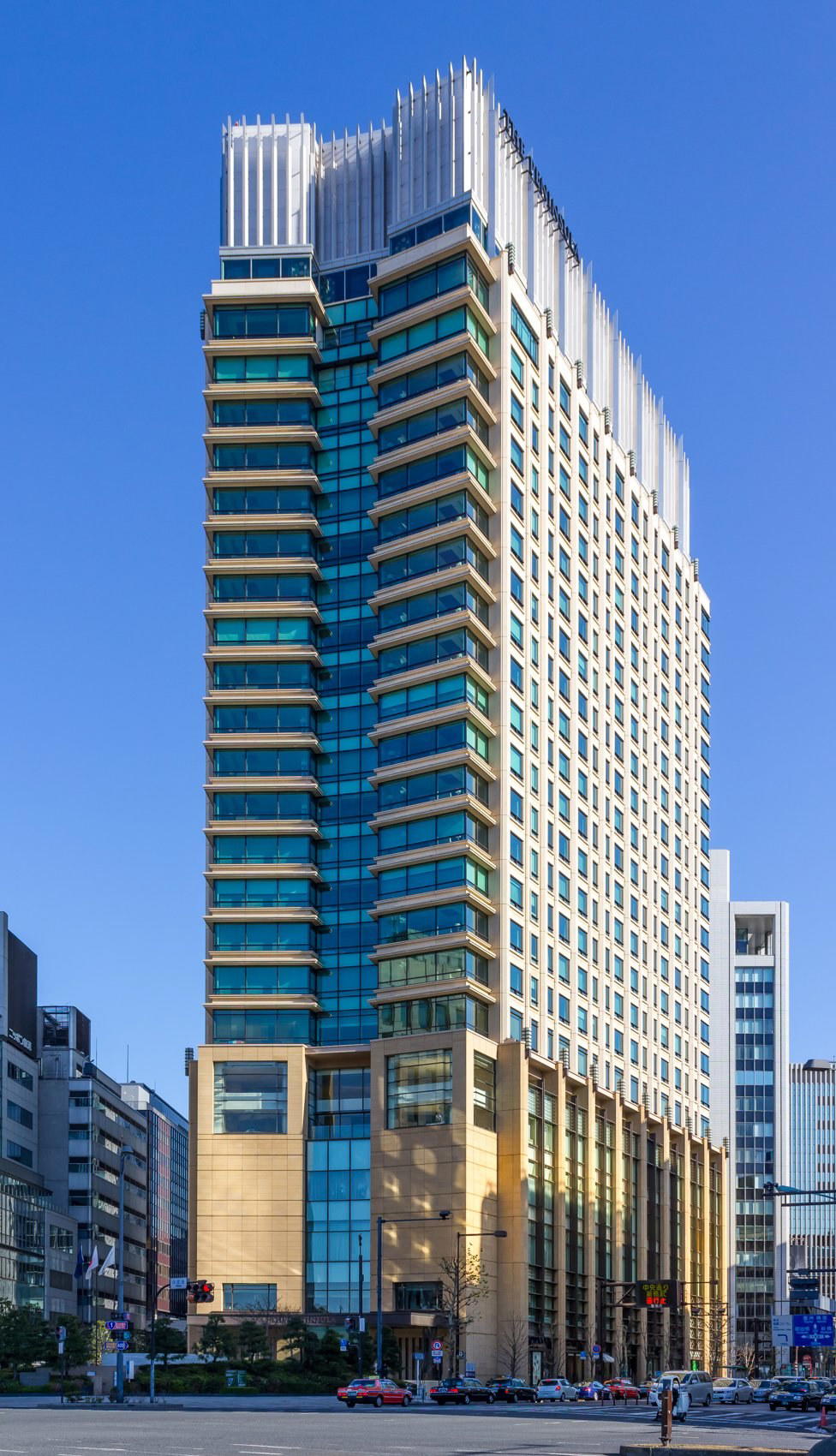
安福 寺 磁亭 日比谷店 occupies a floor within Hibiya Town, one of the area's more considered mixed-use buildings. The approach from Yurakucho Station is fast by Tokyo standards — the station exits deposit you directly into the commercial fabric of the block, with no long walk through residential streets required.
What Regulars Know That Newcomers Don't
The editorial angle most useful for a venue in this tier and location is not the occasion-dining lens — that framing belongs to the one-time visitor chasing a milestone meal. The more revealing question is what the repeat visitor is actually optimising for. In areas like Yurakucho, where competition for the regular's loyalty is dense and the average customer has strong existing opinions, a restaurant earns that loyalty through consistency in things that are harder to fake: room atmosphere that doesn't feel performed, a pace of service that reads the table rather than the clock, and a kitchen that treats the Tuesday dinner the same as a Saturday booking.
This dynamic is well-documented across Japan's more serious mid-tier and premium dining rooms. Venues that develop a regular clientele in business-adjacent districts tend to run tighter operations than those in tourist-facing neighbourhoods, because the repeat customer is a far more demanding quality signal than the review-driven first-timer. The regulars at venues in this corridor are not typically chasing novelty; they are returning because something worked before and they expect it to work again. That is a different kind of pressure on the kitchen, and it produces a different kind of discipline.
For context, Tokyo's competitive dining field across this district includes heavily Michelin-weighted rooms like RyuGin in Roppongi and innovative Japanese formats like Crony, as well as French-anchored destinations like L'Effervescence. The Yurakucho corridor sits adjacent to this competitive set without fully belonging to it, its draw is more neighbourhood-specific, and that specificity is precisely what makes its regulars loyal rather than migratory.
Chiyoda City in Season
The seasonality question matters more in Tokyo's business districts than it is sometimes given credit for. Yurakucho and Hibiya change character across the year in ways that affect the dining room as much as the street. Spring brings Hibiya Park into full use, and the foot traffic patterns around the Hibiya Town building shift accordingly: early evening tables fill faster from late March through April as the park draws after-work crowds who want to extend the evening indoors. Late autumn and winter evenings produce a different kind of regular, the long-dinner crowd who treat a two-hour table as shelter as much as occasion.
Tokyo's dining scene rewards those who time visits to the city's internal rhythms rather than simply picking a season from a travel calendar. The Chiyoda corridor is particularly useful in the shoulder months, when Ginza's higher-profile rooms are fully subscribed and the Yurakucho alternatives are operating at a pace that gives the regular diner more room to breathe. For those building a Tokyo itinerary around serious eating, the broader picture across Japan includes rooms like Gion Sasaki in Kyoto, HAJIME in Osaka, and Goh in Fukuoka, each with its own seasonal logic and regular-versus-visitor balance.
The Hibiya Town Address as Practical Logic
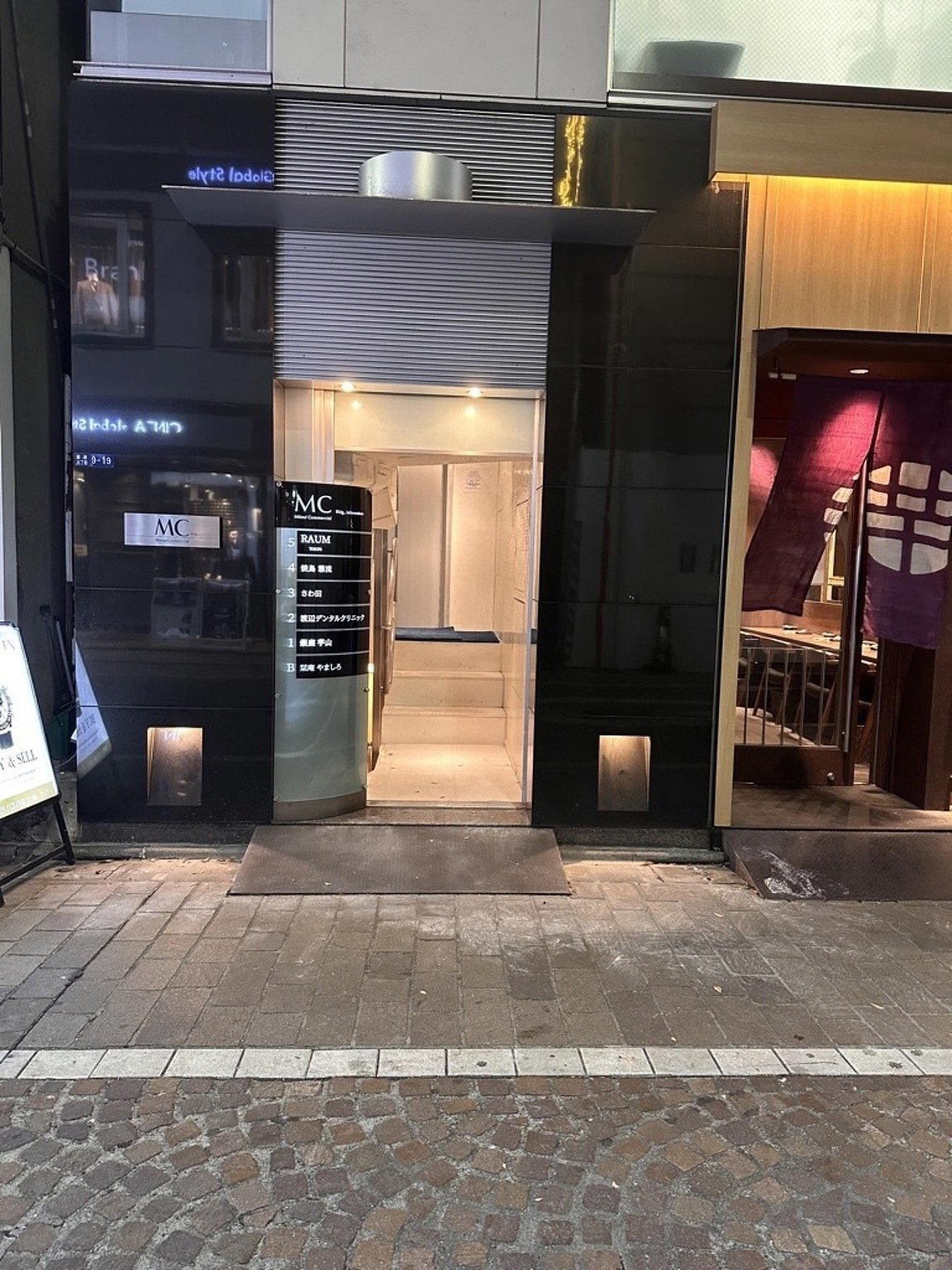
Restaurant addresses within mixed-use buildings in central Tokyo carry specific practical implications. Hibiya Town in Yurakucho is a building with commercial, dining, and cultural tenants across multiple floors, meaning the venue operates within a self-contained ecosystem rather than on a standalone street-front. For the regular, this is convenient: the building's layout means the dining room is reachable from multiple transport nodes without weather exposure, and the surrounding tenants create a rhythm of pre- and post-dinner movement that differs from a street-front address in a purely residential block.
That address logic connects to a wider pattern across Tokyo's serious dining rooms. Venues in complex buildings, from the upper floors of Ginza Six to the basement-level counters of Aoyama, often develop more loyal local clienteles because the friction of the visit is lower. The regular who already knows which exit, which lift, and which floor to request is operating with the kind of embedded knowledge that shortens the gap between intention and arrival. This is a distinct advantage in a city where even a two-minute navigational error can cost you a reservation timeslot.
For those extending dining exploration beyond Tokyo, the same embedded-knowledge dynamic plays out in cities across Japan: akordu in Nara, Abon in Ashiya, and aki nagao in Sapporo each reward the visitor who arrives knowing the address logic rather than relying on first-time navigation. Further afield, internationally-minded Tokyo diners comparing notes with peers in other markets often reference Le Bernardin in New York City and Lazy Bear in San Francisco as examples of the regulars-versus-occasions split playing out in a non-Japanese context. See our full Tokyo restaurants guide for a broader map of the city's dining tiers.
Know Before You Go
- Location: Hibiya Town, 1-1-2 Yurakucho, Chiyoda City, Tokyo (3F)
- Access: Direct access from Yurakucho Station; also walkable from Hibiya and Ginza stations
- Phone: Not publicly listed, check the building directory on arrival
- Website: Not available; reservation enquiries are leading made in person or via concierge
- Hours: Not confirmed, verify current operating hours before visiting
- Booking: Not confirmed, the Hibiya Town concierge or your hotel concierge is the most reliable first contact
Frequently asked questions
What part of town is 南ç¦ 寺 瓢亭 日比谷店 in?
南ç¦ 寺 瓢亭 日比谷店 is located at Japan, 〒100-0006 Tokyo, Chiyoda City, Yurakucho, 1 Chome−1−2 東京ミッドタウン日比谷 3F, Tokyo.
What should I order at 安福寺磁亭 日比谷店?
What the Chiyoda City context does signal is a dining room that serves the rhythms of the surrounding government and corporate quarter — meaning set-format options are common at this address tier, and ordering through whatever structured course is offered tends to be the practical path for first visits.
How hard is it to get a table at 南ç¦ 寺 瓢亭 日比谷店?
Reservations are recommended for 南ç¦ 寺 瓢亭 日比谷店 in Tokyo. Confirm current policy via the venue's official channels.
How hard is it to get a table at 安福寺磁亭 日比谷店?
Yurakucho and the broader Chiyoda City dining corridor does see heavier midweek lunch pressure from nearby office and government workers, with evenings at Hibiya Town addresses tending to be more accessible.
Same-City Peers
| Venue | Cuisine | Price | Awards | Notes |
|---|---|---|---|---|
| åç¦ å¯º ç¢äº æ¥æ¯è°·åºThis venue — the venue you are viewing | This venue | Not listed | Not listed | Not listed |
| Harutaka | Edo-Style Omakase Sushi | $200–300 | 3 Michelin Stars · World's 50 Best #76 | Sushi |
| L'Effervescence | Modern French with Japanese Influences | $200–300 | 3 Michelin Stars · World's 50 Best #69 | French |
| RyuGin | Modern Kaiseki | $500+ | 3 Michelin Stars · World's 50 Best #41 | Kaiseki, Japanese |
| Crony | Modern French with Japanese Influences | $150–200 | 2 Michelin Stars · World's 50 Best #34 | Innovative, French |
| Den | Modern Japanese Kaiseki | $150–200 | 2 Michelin Stars · World's 50 Best #51 | Innovative, Japanese |