
Shiomi Skippers is a Tokyo hamburger specialist in Koto’s Shiomi area, selected for Tabelog 100 - Hamburger - 2026. Its reputation rests on a menu built around house-made buns, a casual dining format, and a price band that keeps it closer to everyday Tokyo dining than destination tasting-menu culture.
Pearl is the En Primeur Club membership app — saves, bookings, and concierge access live there. Same editors, same standards.
- Address
- 東京都江東区潮見2-1-10 メゾンデラメール 1F
- Phone
- +81366597062
- Website
- skippers-shiomi.com
 Saves & bookings on Pearl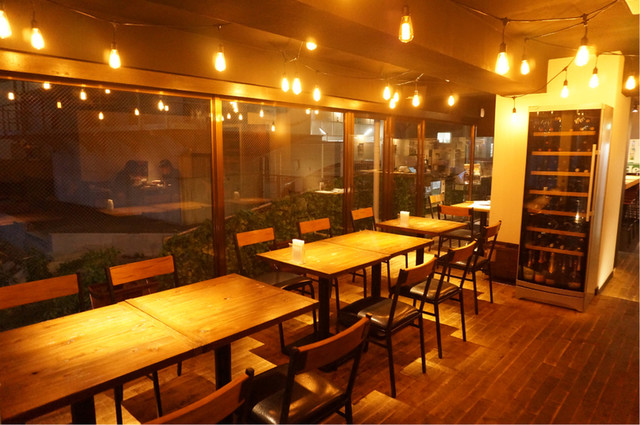
Shiomi is not the Tokyo of lacquered counters and hotel-lobby dining rooms. Around the station, the rhythm is residential, waterside, and practical: commuters, families, and local regulars rather than visitors chasing a grand evening out. That context matters for hamburgers in Tokyo, because the category has grown in a different direction from the city’s luxury sushi and French-led tasting menus. The serious burger shop here is judged less by ceremony than by structure: bun, patty, drink, seating, repeatability.
Shiomi Skippers enters that conversation as a Koto address with a Tabelog 100 - Hamburger - 2026 selection, a useful signal in a category where national recognition is thinner than in ramen, sushi, or tempura. The room’s scale also separates it from the counter-only model that dominates many Tokyo specialist formats. With counter seats and table seating in play, the experience reads as casual restaurant rather than cramped snack counter, which suits a menu category built for lunch, early dinner, family use, and takeout as much as for destination dining.
A burger menu where the bun carries the argument
Tokyo’s hamburger scene has spent years absorbing American references, then filtering them through Japanese expectations around texture, portion control, and craft repetition. The difference between a passable burger and a serious one often sits in the bread. A dense bun turns the whole thing heavy; a fragile one collapses before the last bite. Here, the menu’s public claim is unusually direct: original buns are baked every morning at an in-house factory. That is not a decorative detail. It tells the reader how the restaurant wants the burger to be assessed.
In a city where many specialist restaurants build authority around sourcing, aging, or chef lineage, this is a more workmanlike kind of authorship. The bun becomes the organizing principle of the menu, not an accessory. That choice puts the restaurant in a different register from broader casual-dining peers around eastern Tokyo. Tandoor Bar Kamalpur Kiba ten sits in a similar spending band but answers a different craving; Rairai Ken and Mon Cher Touyouchou koujou occupy lower everyday price territory; BAR Opa Monzennakachou ten is built around drinking rather than the architecture of a plate. The comparison is not about hierarchy. It shows how Koto dining rewards specificity: one format, clearly executed, with enough structure to justify repeat visits.
The Tabelog score of 3.57 is also worth reading in category context. Japanese review platforms tend to compress ratings, and casual specialists rarely receive the same international attention as Michelin-facing rooms. A 2026 Hamburger 100 selection places Shiomi Skippers inside a national category list rather than a neighbourhood-only conversation. For travellers, that distinction is useful: it suggests a focused detour rather than a place chosen only because it happens to be nearby.
Casual by format, more considered than the label suggests
The practical shape of the restaurant matters because hamburgers in Tokyo can split between tiny independent counters, American-style diners, and multi-use local rooms that function across the day. This address belongs closer to the last category. The presence of table seating, counter seating, takeout, child-friendly facilities, and payment flexibility makes it unusually adaptable for a specialist burger stop. That does not make it anonymous. It makes the format legible: a restaurant built to handle different dining situations without turning the burger into a theme.
Drinks note is also telling. Wine is listed as a point of attention, which is not automatic in a hamburger specialist. Tokyo casual dining has become increasingly comfortable pairing low-formality food with better drinks, especially in neighbourhoods where guests want quality without the full choreography of a tasting menu. That shift has helped categories such as curry, yakitori, burgers, and pizza earn more serious attention. For a broader read on the city’s range, see Our full Tokyo restaurants guide, then compare how casual formats sit beside bars, hotels, and cultural stops in Our full Tokyo bars guide, Our full Tokyo hotels guide, Our full Tokyo wineries guide, and Our full Tokyo experiences guide.
Within Tokyo, the useful lens is not whether a hamburger can compete with omakase or kaiseki. It cannot, and it does not need to. The better question is whether the restaurant understands the category’s engineering. Shiomi Skippers’ public identity points to buns, and that gives the menu a clear centre of gravity. For diners mapping a day across the east side of the city, it works as a focused meal rather than a long-form occasion.
Where it fits in a Tokyo itinerary
Koto and the bay-side wards reward travellers who do not treat every meal as a trophy reservation. The area’s appeal is cumulative: stations with local rhythms, practical restaurants, and a slower pace than Shinjuku or Ginza. A hamburger specialist with national category recognition fits that pattern neatly. It is easier to slot into a day than a formal tasting menu, but it carries enough editorial weight to justify planning around it.
Readers building a wider Tokyo dining map can place this stop among sharply different formats: seafood and grill at. 鮪と炭火焼き うお炭 秋葉原店, urban casual dining at 12/10 Shinjuku ten, skewers at 124. KAGURAZAKA (Yakitori), graphic café culture at 2D Cafe, and curry-focused comfort at 3 Chome no Curry Ya San. For a broader Japan circuit, contrast the category with -Grilled beef Sukiyaki- KAMAKURA TANUKIAN 鎌倉 たぬき庵 in Kamakura.cafe in Osaka.know in Kumamoto, (Shoku) Vietnam in Kawasaki, [Curry Senmon Ten] Maruyama Kyoju. in Sapporo, and [ki:] in Kyoto. Across the Pacific, Jōdo Saké Bar in Los Angeles and Onigiri Time in Pasadena show how Japanese casual formats translate abroad.
The editorial case is clean: this is not a luxury dining play, and that is the point. Tokyo’s food culture is strongest when small categories are taken seriously. A burger shop recognized in the 2026 Tabelog Hamburger 100, built around a bun-first menu logic, gives travellers a grounded way to read that side of the city.
Budget Reality Check
Comparable venues to calibrate price, style, and recognition.
| Venue | Cuisine | Price | Notes |
|---|---|---|---|
| Shiomi SkippersThis venue — the venue you are viewing | Kōtō, Casual Burger & Grill | $$ | Not listed |
| McLean -old burger stand- | Not listed | $$ | Taitō, Classic American-style burger stand |
| CANNONBALL DINER | Taitō, Gourmet American Burger Diner | $$ | Not listed |
| TEDDY BROWN | Shibuya, Wagyu Burger & Cafe | $$ | Not listed |
| fummy's grill | Not listed | $$ | Shibuya, California Cuisine with Asian-Western Fusion |
| FIRE HOUSE | Bunkyō, American-style Gourmet Burgers | $$ | Not listed |
Recognition history
Dated appearances from independent guides and award organizations, with the underlying list record or original source where available.
Tabelog 100 #98 · No. 98
Tabelog · Tabelog 100 - Hamburger - 2026


At a Glance
- Modern
- Cozy
- Scenic
- Lively
- Casual Hangout
- Family
- Group Dining
- Solo
- After Work
- Waterfront
- Standalone
- Beer Program
- Waterfront
- Street Scene
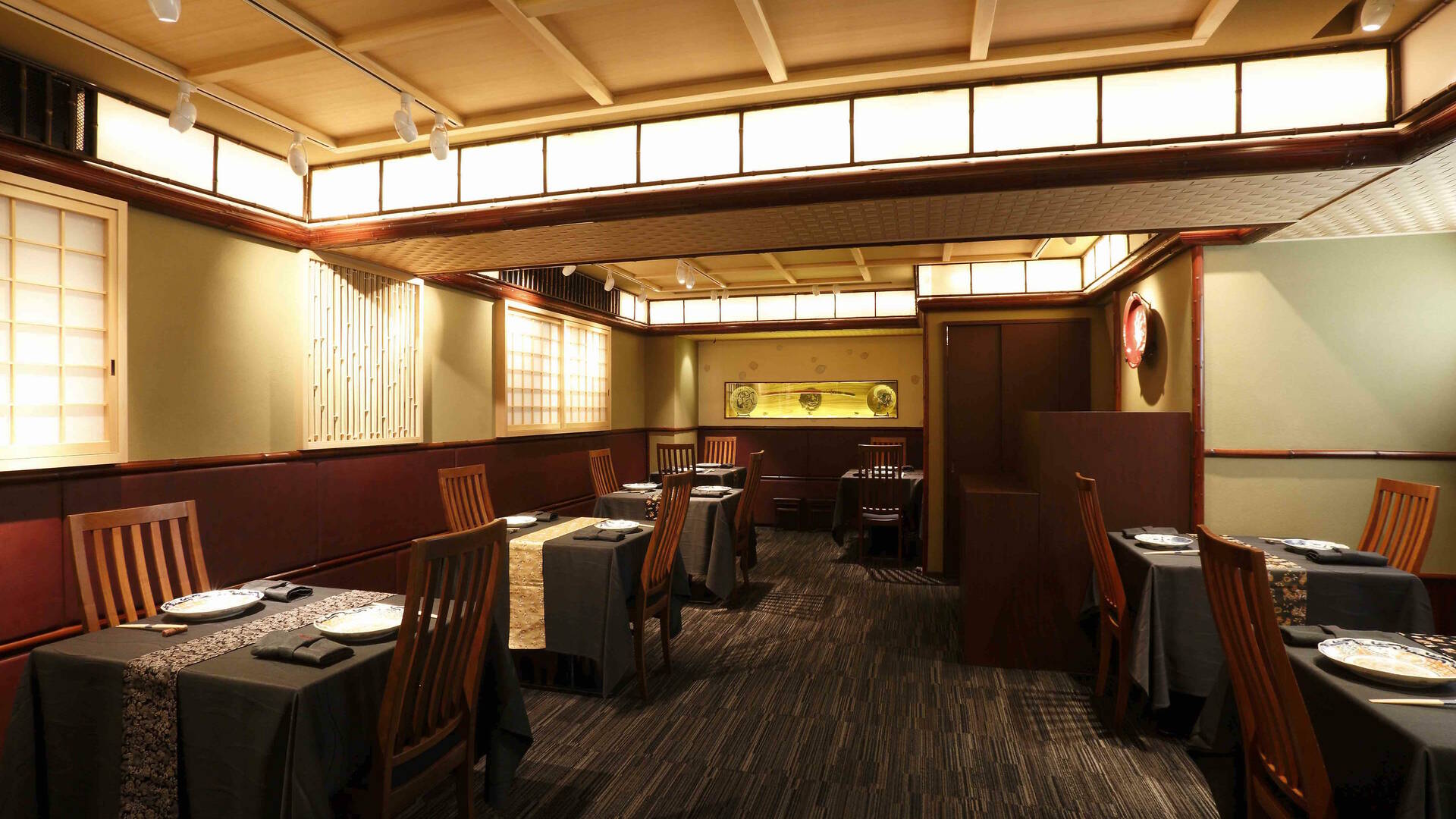
Modern and relaxed with a clean, sleek interior, canal views through large windows, and a casual neighborhood feel that works for both families and small groups.