


La Liste Top Restaurants · Tabelog Gold #28
Our verdict
Shimbashi Hoshino holds Tabelog Gold recognition every year from 2017 through 2026 and ranks 7th on Opinionated About Dining's Japan list for 2025, placing it among the most consistently decorated kaiseki tables in Tokyo. Dinner runs JPY 60,000–79,999 and operates Tuesday through Saturday from 18:00. Access is by referral only, making early planning essential.

Pearl is the En Primeur Club membership app, where members save venues, book tables and use the concierge.
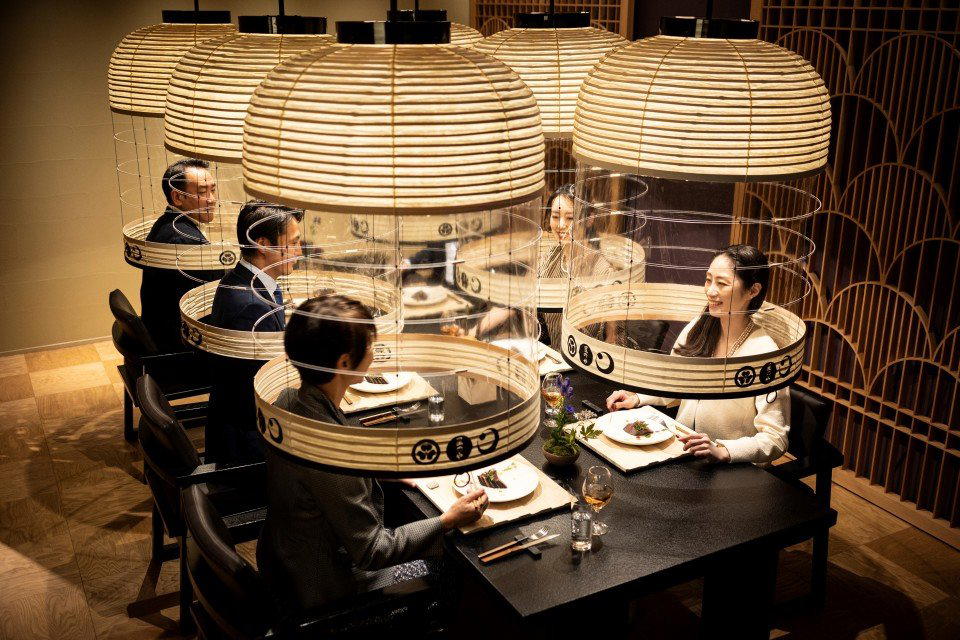
The menu
What to order
- Souffle Pancakes
- Hand-dripped Coffee
- Ricotta Hot Cake
A Shinbashi Address at the top of Tokyo Kaiseki
The Shinbashi district sits between the salaryman izakayas of Shimbashi station and the quieter residential pockets pushing toward Shiodome, an area that hosts an outsized number of serious Japanese restaurants relative to its tourist profile. In that context, Shimbashi Hoshino occupies a position that Tokyo's kaiseki circuit has come to treat as a fixed reference point. A Tabelog score of 4.69 in 2026, Gold recognition on the Tabelog Award every year from 2017 through 2026, and a ranking of 7th on the Opinionated About Dining Japan list for 2025 place it inside a very small group of kaiseki tables that sustain consistent critical consensus across multiple independent evaluation systems. La Liste assigned 98 points in both 2025 and 2026, confirming the same position from a third framework. Restaurants at this level, think RyuGin in the kaiseki tier or Harutaka at the top of the parallel sushi track, are not judged against the broad field but against each other, and Hoshino has held its place in that conversation for over a decade.
Kaiseki's Operating Logic and Where Hoshino Sits Within It
Kaiseki is among the most structurally demanding formats in Japanese cooking. The sequence moves through a fixed progression, sakizuke, hassun, yakimono, shinogi, and so on, and each stage sets up the next. The discipline is less about individual dishes than about the argument the full sequence makes: about the season, the region, the ingredients at their current moment. Kyoto remains the canonical address for the format, with rooms like Ifuki and Ankyu maintaining the tradition in its home city, and Gion Sasaki in Kyoto extending it with its own critical standing. Tokyo's kaiseki scene operates with a different energy, more compressed, more shaped by the density of the city's ingredient supply chains and the expectations of a dining public that also has access to the best of the sushi and French tiers simultaneously. Kikunoi Tokyo represents the Kyoto school transplanted with institutional backing. Hoshino under Chef Yoshiaki Hoshino represents something that grew within the Tokyo framework and has been recognised on its own terms.
Local Ingredients, Technique, and the Gap Between Them
The editorial angle that defines serious Tokyo kaiseki in the current decade is the relationship between Japanese seasonal ingredients and the technical vocabulary available to the chef. Japan's ingredient infrastructure is among the most granular anywhere: fish markets where single-prefecture sourcing is the baseline, vegetable networks connecting restaurant kitchens directly to growers in Kyushu and Tohoku, and domestic wagyu supply chains that have developed their own internal hierarchy. The question facing any kaiseki chef operating at this price point is not whether the ingredients are available, at JPY 60,000 to 79,999 per head at dinner, they are, but what technical choices leading express them without overriding what makes them compelling in the first place.
The Tabelog platform description of Hoshino positions it around maximising the inherent quality of ingredients rather than technique as spectacle. That framing puts it in a specific camp within contemporary kaiseki: closer to restraint than to the innovation-forward approach associated with venues like HAJIME in Osaka or the creative Japanese registers at akordu in Nara. It is not that the technical register is simple, kaiseki at this level requires knife work, broth construction, and temperature discipline that takes years to develop, but that the technique is in service of the ingredient rather than the reverse. That distinction matters to how the sequence reads at the table.
Other Tokyo Japanese tables in the same critical tier approach the question differently. Hirosaku and Ajihiro each operate within the broader nihon ryori spectrum with their own ingredient and technique priorities. Akasaka Ogino and Aoyama Jin represent further points on the map. The diversity of approach at the top of Tokyo's Japanese dining tier means that the sequence at Hoshino reads as one considered position among several, not as a default. That coherence of position is part of what Tabelog's consistently high scores reflect.
The Weight of Consistent Recognition
A single strong year on a platform like Tabelog can reflect novelty, timing, or a moment of particular form. Ten consecutive years of Gold recognition, from 2017 through 2026, is a different signal. The Tabelog Gold tier is drawn from a pool of thousands of Tokyo restaurants and is reserved for a small number at the top of each category. Hoshino's inclusion in the Tabelog 100 for Japanese cuisine in Tokyo in 2021, 2023, and 2025 layers another evaluation framework on top of the annual award, indicating that the recognition is not confined to a single metric. The Opinionated About Dining ranking places it at 7th in Japan for 2025, having been 10th in 2023 and 11th in 2024, a trajectory that moves in the right direction. La Liste's 98-point score in both 2025 and 2026 confirms a stable upper position on an aggregated international frame that draws from multiple sources. What this accumulation of data points tells the prospective diner is not that Hoshino is infallible but that the critical consensus around it has been unusually durable.
That durability matters in a city where restaurant trajectories can shift quickly. Tokyo's leading dining tier, whether at the kaiseki level, in French rooms like L'Effervescence, or at precision-led tables like those in the Goh in Fukuoka or 1000 in Yokohama registers, is well documented and competitive. A restaurant that holds its ranking across multiple independent systems over multiple years is making a consistent argument, not a lucky one.
Booking Reality and Who This Table Is For
Hoshino operates on a referral-only reservation system. That is not a procedural inconvenience but a structural filter. Tables at venues operating this way are almost never available to cold approaches regardless of timing or persistence. The practical route is through a hotel concierge at a property with established relationships in Tokyo's top-end restaurant circuit, through a known regular, or through a specialist dining concierge service. Anyone without one of those access points is unlikely to secure a seat regardless of how far in advance they plan. The venue opened in February 2012 and has operated at the top of the Tabelog rankings with no extended interruption, which means the waiting list and referral network are both well established.
Dinner service runs Monday through Saturday, 18:00 to 23:00. Sundays and public holidays are closed. The budget range of JPY 60,000 to 79,999 per person at dinner positions it at the same price tier as the leading sushi omakase counters and the serious French tasting menu rooms. Payment by major credit card is accepted. The restaurant is non-smoking throughout.
For readers building a wider picture of Tokyo's dining options or planning across the city, our full Tokyo restaurants guide, full Tokyo hotels guide, full Tokyo bars guide, full Tokyo wineries guide, and full Tokyo experiences guide provide broader context. For Japanese restaurant comparisons outside Tokyo, 6 in Okinawa represents a different geographic and stylistic register entirely.
Planning Details
Reservations: Referral only, approach via hotel concierge or specialist dining service. Hours: Mon–Sat, 18:00–23:00; closed Sunday and public holidays. Budget: JPY 60,000–79,999 per person at dinner. Payment: Credit cards accepted (VISA, Mastercard, JCB, AMEX, Diners). Smoking: Non-smoking throughout. Address: Shimbashi 5-31-3, Minato City, Tokyo. Access: Approximately 416 metres from Onarimon Station.
Frequently asked questions
What days is Hoshino closed?
Hours at Hoshino: Mon, Tue, Wed, Thu, Fri, Sat 18:00 - 23:00.
Which chef is Hoshino associated with?
The chef associated with Hoshino is Yoshiaki Hoshino.
Cuisine-First Comparison
Comparable venues nearby, for context on price, style, and recognition.
| Venue | Cuisine | Price | Awards | Notes |
|---|---|---|---|---|
| HoshinoThis venue (the venue you are viewing) | Japanese Coffee Shop & Souffle Pancakes | $10–20 | La Liste Top Restaurants · Tabelog Gold #28 | Not listed |
| Kan Coffee Fujifuji | Izakaya with Coffee | $30–50 | Michelin Plate | Shinjuku |
| Tompachitei | Traditional Tonkatsu | $20–30 | Michelin Bib Gourmand · Tabelog 100 #10 | Taitō |
| Chukasoba KOTETSU | Classic Shoyu Chukasoba | $10–20 | Michelin Bib Gourmand | Setagaya |
| Hakodate Shioramen Goryokaku | Hakodate-Style Shio Ramen | $10–20 | Michelin Bib Gourmand | Suginami |
| Sobakiri Suzuki | Traditional Soba | $10–20 | Michelin Bib Gourmand | Nerima |
Recognition history
Dated appearances from independent guides and award organizations, with the underlying list record or original source where available.
La Liste Top Restaurants
La Liste
Opinionated About Dining Top Restaurants in Japan Ranked #5
Opinionated About Dining
Tabelog Gold #28
Tabelog
Full recognition history (9 entries)
La Liste Top Restaurants
La Liste
Opinionated About Dining Top Restaurants in Japan Ranked #7
Opinionated About Dining
Tabelog Gold
Tabelog
Tabelog 100 #24 · No. 24
Tabelog · Tabelog 100 - Japanese cuisine - TOKYO - 2025
Opinionated About Dining Top Restaurants in Japan Ranked #11
Opinionated About Dining
Opinionated About Dining Top Restaurants in Japan Ranked #10
Opinionated About Dining
Hoshino
Featured Guides
Continue exploring
More in Tokyo
Restaurants in Tokyo
All restaurants in Tokyo →

Bars in Tokyo
All bars in Tokyo →


Details
- Cozy
- Modern
- Casual
- Casual Hangout
- Brunch
- Solo
- Family
- Open Kitchen
- Street Scene
- A La Carte
- Counter Dining
- Specialty Coffee
- Tea
Current opening hours
- Monday
- 6 PM–12 AM
- Tuesday
- 6 PM–12 AM
- Wednesday
- 6 PM–12 AM
- Thursday
- 6 PM–12 AM
- Friday
- 6 PM–12 AM
- Saturday
- 6 PM–12 AM
- Sunday
- 6 PM–12 AM
Hours can change for holidays and private events. Hours as of .
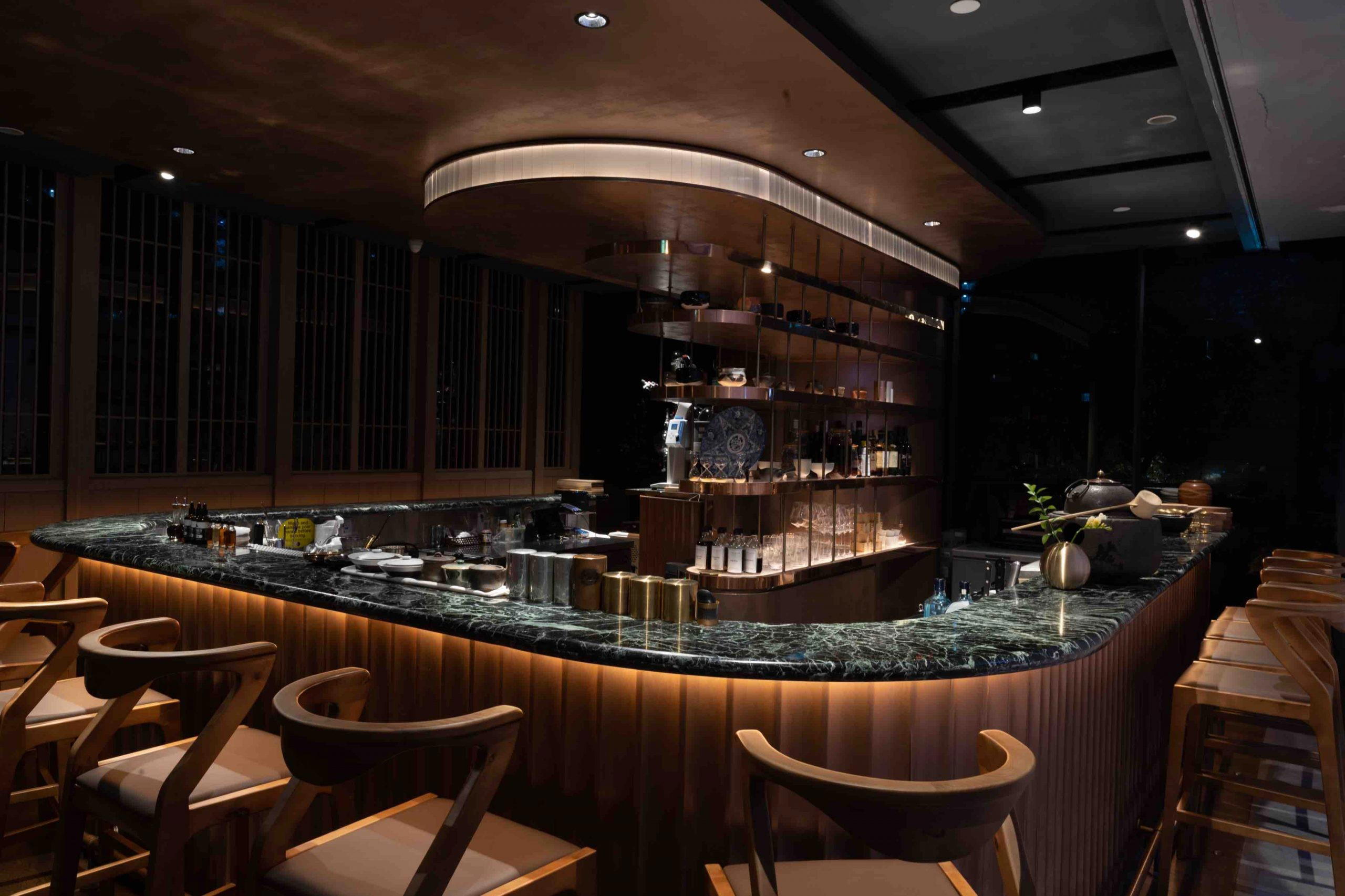
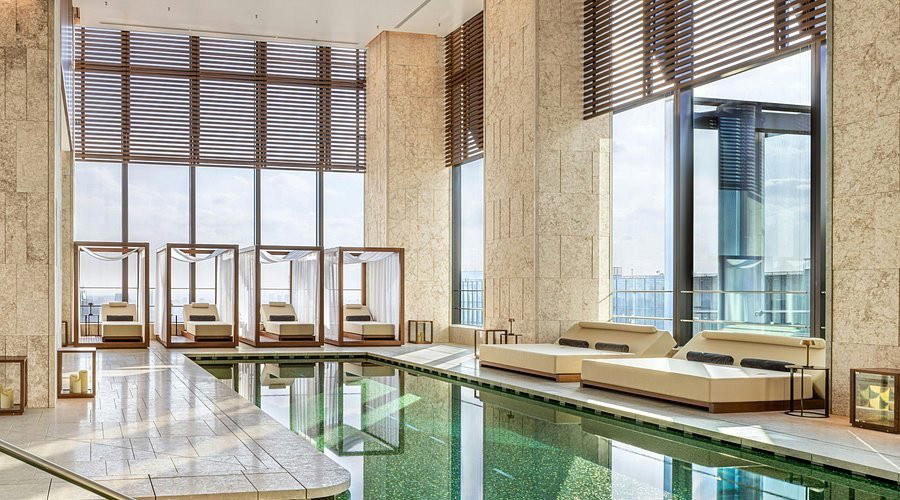
Light and pleasant interior with antique sofas and clocks, large windows overlooking busy street intersections, comfortable and relaxing space ideal for people-watching.