Nihonbashikabutocho and the Architecture of the Back Bar Tokyo's drinking culture has long separated itself from the rest of the world through one particular discipline: the depth and intentionality of what sits behind the counter. In Ginza, that manifests through the classicist precision of venues like Bar High Five and Bar Orchard Ginza. In Shinjuku, it takes a more forager's form at places such as Bar Benfiddich. But Nihonbashikabutocho, the old financial district east of Ginza, once the heartbeat of Japan's stock exchange, has been cultivating its own drinking identity since the mid-2010s, when low rents and high-ceilinged Meiji-era bank buildings began attracting operators who cared more about programme than foot traffic. AKAI BAR sits inside the K5 building on Nihonbashikabutocho 3-5, a converted bank structure that anchors the neighbourhood's current cultural moment. The building's history is visible in the bones, thick stone walls, a scale that no developer would sanction today, and it frames the bar's atmosphere before a single drink is ordered. This is not a room designed to compete with Ginza's polished hotel bars or the theatrical precision of Roppongi. It operates in a different register entirely: quieter, more considered, the kind of place where the back bar functions as an argument rather than a backdrop. The Curation Logic Behind the Counter Japan's most serious whisky bars have spent decades teaching their clientele that a bottle's origin story matters as much as its contents. The country's appetite for aged Scotch, Japanese single malts, and rare American whiskey created a collector's culture at the bar level that has no direct equivalent in Europe or North America. AKAI BAR operates within that tradition, in a neighbourhood where the typical visitor arrives with a specific bottle in mind rather than a vague preference for something brown and aged. The back bar at venues of this type functions less as a selection and more as a curatorial position. The bottles present, their age statements, distilleries, and discontinued expressions, signal where the operator has placed their bets over years of acquisition. In Tokyo's more serious drinking rooms, this curation is the primary trust signal. Awards and magazine recognition follow; the bottles precede them. For a bar in Nihonbashikabutocho rather than Ginza or Ebisu, the implicit argument is that the programme justifies the location rather than the other way around. This mirrors a pattern seen across Japan's second-tier bar destinations, not second-tier in quality, but in profile. Lamp Bar in Nara and Bar Nayuta in Osaka both operate in cities or districts that require a degree of deliberate travel, and both have built reputations where the spirits collection is the primary draw. AKAI BAR belongs to this cohort, a bar that rewards the visit rather than accommodating the casual passerby. The Room Itself Approaching the K5 building, the exterior signals permanence rather than trend. The conversion has preserved the structural character of the original bank, and the ground-floor bar space inherits that weight. The atmosphere tends toward intimate rather than expansive, the kind of room where conversation at the counter is the default mode and background noise is low enough to discuss what's in the glass with some precision. Within Tokyo's broader bar typology, this positions AKAI BAR closer to the counter-culture model than the lounge format. Venues in this category, including Bar Libre, tend to prioritise the bartender-guest exchange over ambient atmosphere. The physical environment supports concentration on the drink programme rather than competing with it. For visitors arriving from Kyoto's Bee's Knees or Kumamoto's Yakoboku, the register will feel familiar: the room serves the spirits, not the reverse. Planning Your Visit Nihonbashikabutocho sits a short walk from Kayabacho Station on the Tokyo Metro Tozai and Hibiya lines, which makes it accessible from both central Tokyo and the eastern waterfront. The district is quieter than Ginza and considerably less polished in its street-level presentation, which is precisely why the bars that have opened here tend to attract a more purposeful crowd. Visitors who know what they are looking for arrive; those chasing novelty tend to stay west. Publicly available booking details for AKAI BAR are limited, and no website or phone number is currently listed in accessible directories. For venues of this type in Tokyo, direct contact through the building or neighbourhood inquiry is the practical approach. Turning up without a reservation is possible, but the bar's capacity and the neighbourhood's general operating rhythm suggest that early-evening timing carries less risk than late-night walk-ins. For a broader orientation to Tokyo's bar scene and dining options, our full Tokyo restaurants guide covers the major districts and the venues worth prioritising. Those planning a wider Japan itinerary that takes in serious drinking rooms might also consider the Hotel Okura Kyoto bar in Kyoto Shi, which sits at the more formal end of the hotel bar spectrum, or Tempura Tarojiro in Osaka Shi for the intersection of food and drink programming. Internationally, Café La Trova in Miami offers a reference point for how spirits curation operates in a completely different cultural context, useful for calibrating what makes Tokyo's approach distinctive. Frequently Asked Questions Is AKAI BAR more formal or casual?The bar sits somewhere between the strict formality of Ginza's classicist rooms and the more relaxed neighbourhood bars of Shimokitazawa or Nakameguro. The K5 building setting and the curation-led programme suggest a venue that takes its drinks seriously without imposing a dress code or ceremonial atmosphere. If you are arriving from a higher-end Tokyo experience, you will find the register slightly less rigid; if arriving from a casual izakaya crawl, noticeably more considered.What's the must-try cocktail at AKAI BAR? What the bar's programme and setting suggest is that spirit-forward serves, where the quality of the base bottle is the primary variable, are likely to be where the bar expresses its strongest point of view. Asking the bartender for a recommendation based on a preferred spirit category is the approach that works well in venues of this type across Tokyo.What's the standout thing about AKAI BAR?The location is the clearest signal. A bar operating in Nihonbashikabutocho, inside a converted Meiji-era bank, is making a deliberate statement about its intended audience. It is not positioned for walk-in traffic or tourists following a guidebook's standard circuit. The combination of the K5 building's architectural weight and the back bar's curation logic places it in a distinct tier among Tokyo's serious drinking rooms, comparable in intent, if not geography, to venues like Bar Benfiddich or Bar High Five.Can I walk in to AKAI BAR? For a bar in a converted heritage building in a district that attracts deliberate visitors rather than passing trade, the safer approach is to make contact in advance. No website or phone number is currently listed in public directories, which suggests the bar operates through direct inquiry or local word of mouth rather than online reservation systems.Is AKAI BAR good value for a bar?No pricing data is available in public records, so a direct value assessment is not possible. In Tokyo's bar market, venues in converted heritage buildings with serious spirits collections tend to price against their curation and location costs rather than neighbourhood averages. Nihonbashikabutocho commands lower rents than Ginza, which historically allows operators to allocate more budget to the bottle programme without passing all costs to the guest, though this is a general pattern, not a confirmed detail for AKAI BAR specifically.What kind of spirits does AKAI BAR specialise in?Verified menu data is not available, but the bar's position within Nihonbashikabutocho, a district that has drawn curation-led operators since the mid-2010s, and its presence inside the K5 building places it within a Tokyo tradition where whisky collections (Japanese single malts, aged Scotch, and rare American expressions) anchor the back bar. Whether the programme extends to craft gin, armagnac, or other categories cannot be confirmed without direct inquiry, but the neighbourhood context and building character both point toward a spirits-forward rather than cocktail-theatre approach.

Pearl is the En Primeur Club membership app, where members save venues, book tables and use the concierge.
Nihonbashikabutocho and the Architecture of the Back Bar
Tokyo's drinking culture has long separated itself from the rest of the world through one particular discipline: the depth and intentionality of what sits behind the counter. In Ginza, that manifests through the classicist precision of venues like Bar High Five and Bar Orchard Ginza. In Shinjuku, it takes a more forager's form at places such as Bar Benfiddich. But Nihonbashikabutocho, the old financial district east of Ginza, once the heartbeat of Japan's stock exchange, has been cultivating its own drinking identity since the mid-2010s, when low rents and high-ceilinged Meiji-era bank buildings began attracting operators who cared more about programme than foot traffic.
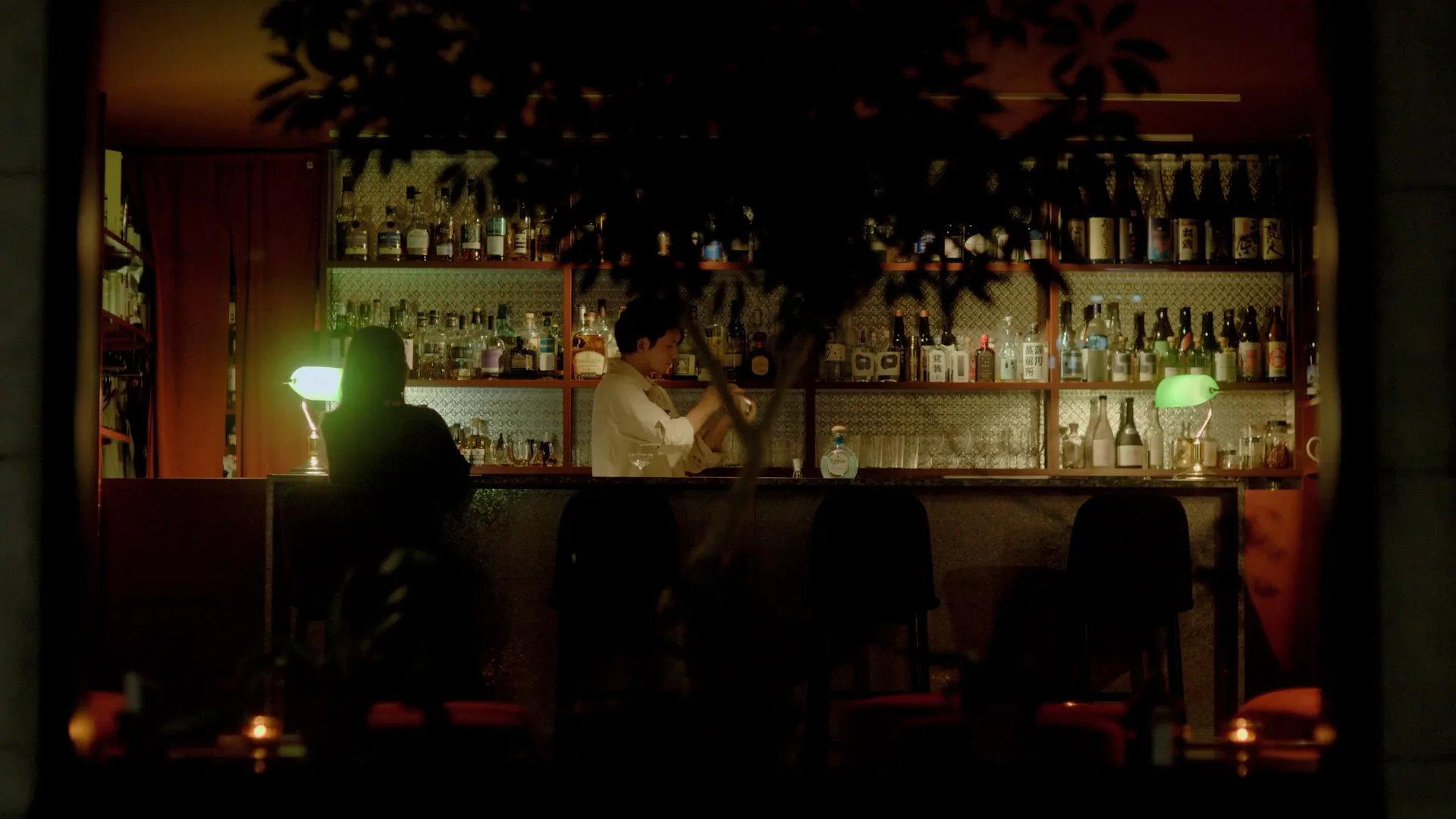
AKAI BAR sits inside the K5 building on Nihonbashikabutocho 3-5, a converted bank structure that anchors the neighbourhood's current cultural moment. The building's history is visible in the bones, thick stone walls, a scale that no developer would sanction today, and it frames the bar's atmosphere before a single drink is ordered. This is not a room designed to compete with Ginza's polished hotel bars or the theatrical precision of Roppongi. It operates in a different register entirely: quieter, more considered, the kind of place where the back bar functions as an argument rather than a backdrop.
The Curation Logic Behind the Counter
Japan's most serious whisky bars have spent decades teaching their clientele that a bottle's origin story matters as much as its contents. The country's appetite for aged Scotch, Japanese single malts, and rare American whiskey created a collector's culture at the bar level that has no direct equivalent in Europe or North America. AKAI BAR operates within that tradition, in a neighbourhood where the typical visitor arrives with a specific bottle in mind rather than a vague preference for something brown and aged.
The back bar at venues of this type functions less as a selection and more as a curatorial position. The bottles present, their age statements, distilleries, and discontinued expressions, signal where the operator has placed their bets over years of acquisition. In Tokyo's more serious drinking rooms, this curation is the primary trust signal. Awards and magazine recognition follow; the bottles precede them. For a bar in Nihonbashikabutocho rather than Ginza or Ebisu, the implicit argument is that the programme justifies the location rather than the other way around.
This mirrors a pattern seen across Japan's second-tier bar destinations, not second-tier in quality, but in profile. Lamp Bar in Nara and Bar Nayuta in Osaka both operate in cities or districts that require a degree of deliberate travel, and both have built reputations where the spirits collection is the primary draw. AKAI BAR belongs to this cohort, a bar that rewards the visit rather than accommodating the casual passerby.
The Room Itself
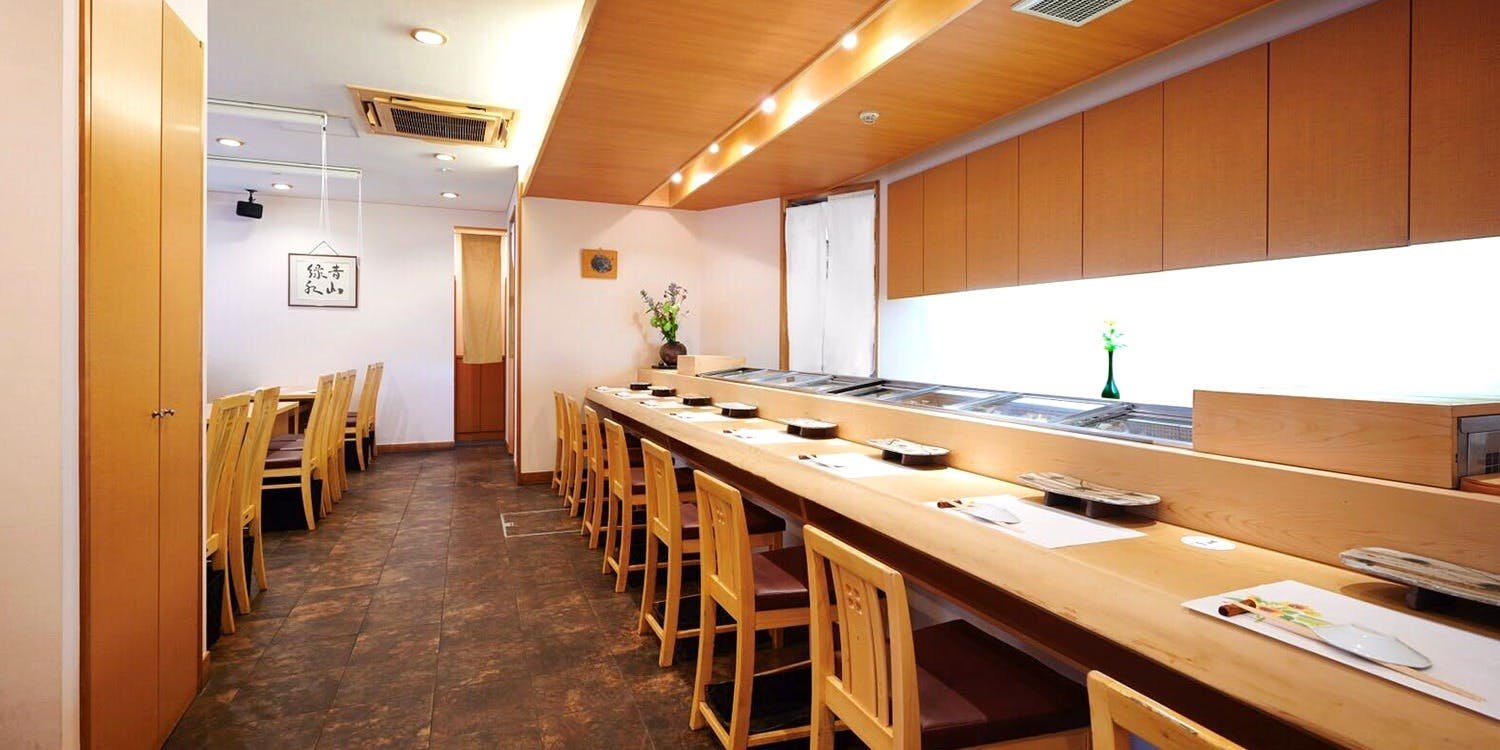
Approaching the K5 building, the exterior signals permanence rather than trend. The conversion has preserved the structural character of the original bank, and the ground-floor bar space inherits that weight. The atmosphere tends toward intimate rather than expansive, the kind of room where conversation at the counter is the default mode and background noise is low enough to discuss what's in the glass with some precision.
Within Tokyo's broader bar typology, this positions AKAI BAR closer to the counter-culture model than the lounge format. Venues in this category, including Bar Libre, tend to prioritise the bartender-guest exchange over ambient atmosphere. The physical environment supports concentration on the drink programme rather than competing with it. For visitors arriving from Kyoto's Bee's Knees or Kumamoto's Yakoboku, the register will feel familiar: the room serves the spirits, not the reverse.
Planning Your Visit
Nihonbashikabutocho sits a short walk from Kayabacho Station on the Tokyo Metro Tozai and Hibiya lines, which makes it accessible from both central Tokyo and the eastern waterfront. The district is quieter than Ginza and considerably less polished in its street-level presentation, which is precisely why the bars that have opened here tend to attract a more purposeful crowd. Visitors who know what they are looking for arrive; those chasing novelty tend to stay west.
Publicly available booking details for AKAI BAR are limited, and no website or phone number is currently listed in accessible directories. For venues of this type in Tokyo, direct contact through the building or neighbourhood inquiry is the practical approach. Turning up without a reservation is possible, but the bar's capacity and the neighbourhood's general operating rhythm suggest that early-evening timing carries less risk than late-night walk-ins. For a broader orientation to Tokyo's bar scene and dining options, our full Tokyo restaurants guide covers the major districts and the venues worth prioritising.
Those planning a wider Japan itinerary that takes in serious drinking rooms might also consider the Hotel Okura Kyoto bar in Kyoto Shi, which sits at the more formal end of the hotel bar spectrum, or Tempura Tarojiro in Osaka Shi for the intersection of food and drink programming. Internationally, Café La Trova in Miami offers a reference point for how spirits curation operates in a completely different cultural context, useful for calibrating what makes Tokyo's approach distinctive.
Continue exploring
More in Tokyo
Bars in Tokyo
All bars in Tokyo →


Restaurants in Tokyo
All restaurants in Tokyo →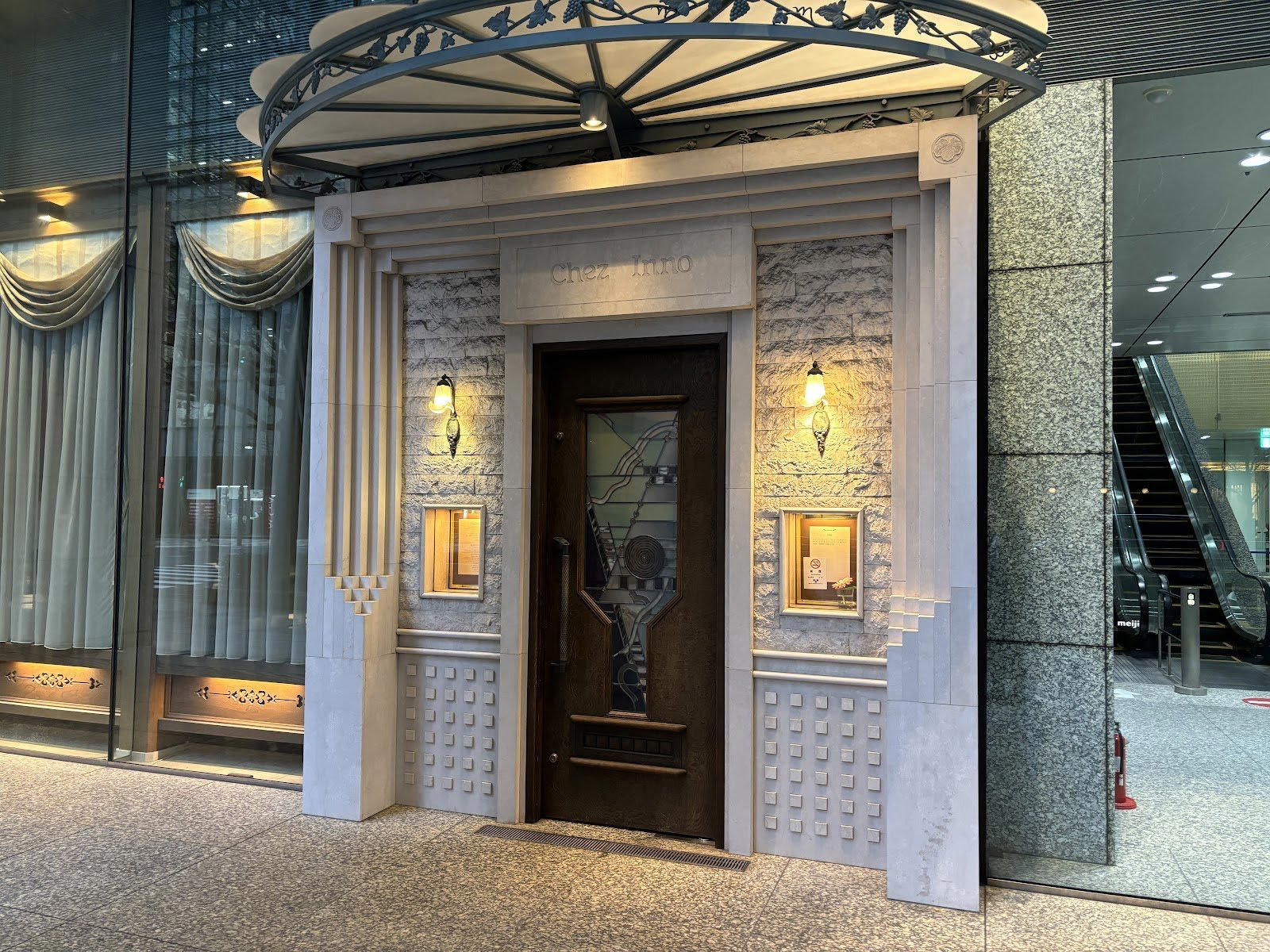


AKAI BAR
The drinks
- Craft cocktails
- Classic cocktails
- Zero-proof drinks
Signature drinks: Pornstar Martini, Espresso Martini, Mojito, Lychee Martini, Akai Martini.
Details
- Intimate
- Sophisticated
- Modern
- After Work
- Date Night
- Solo
- Casual Hangout
- Design Destination
- Standalone
- Seated Bar
- Craft Cocktails
- Classic Cocktails
- Sake
- Gin
- Whiskey
- Zero Proof
Current opening hours
- Monday
- 5–11 PM
- Tuesday
- 5–11 PM
- Wednesday
- 5–11 PM
- Thursday
- 5–11 PM
- Friday
- 6 PM–12 AM
- Saturday
- 6 PM–12 AM
- Sunday
- 5–11 PM
Hours can change for holidays and private events. Last verified .
Chic, refined, and design-forward, with authentic design and subtle Japanese details that create a distinctive nightlife atmosphere.