BAR Kyu Kon belongs to Tokyo’s small-format cocktail culture around Shinjuku, where the room, pacing, and bartender-led structure matter as much as the drink list. The available record places it on the 2nd floor of Hotel Sunroute Plaza Shinjuku in Yoyogi, useful for travellers who want a central Tokyo bar stop without crossing the city late at night.
Pearl is the En Primeur Club membership app — saves, bookings, and concierge access live there. Same editors, same standards.
- Address
- Japan, 〒151-0053 Tokyo, Shibuya, Yoyogi, 2 Chome−3−1 2F
- Phone
- +81 3-5352-6319
- Website
- kukon.jp
- Directions
- Get directions
 Saves & bookings on Pearl
Shinjuku's hotel-floor bar culture, viewed through BAR Kyu Kon
Approaching a Tokyo bar often means reading small signals rather than following spectacle: a building directory, an elevator button, a quiet second-floor corridor, a door that gives little away from the street. BAR Kyu Kon sits in that grammar. Its listed address places it on the 2nd floor of Hotel Sunroute Plaza Shinjuku, in Yoyogi, just south of the main Shinjuku station area. That setting matters because Tokyo drinking culture is not built only around street-facing energy. Some of its serious cocktail rooms work in upper floors, hotel corners, and compact rooms where the threshold itself edits the crowd.
For travellers, Shinjuku can be misleading. The district is associated with neon, late trains, izakaya lanes, and the dense nightlife of Kabukicho, but the southern side around Yoyogi has a different rhythm: transit convenience, hotel foot traffic, and a slightly more controlled pace. A bar in this part of the city does not need to compete with the louder theatre of Golden Gai. It can work through concentration instead, the kind of Tokyo bar format where the drink is a conversation between technique, restraint, and the person behind the counter rather than a menu engineered for volume.
The cocktail programme as the real lens
The useful way to read BAR Kyu Kon is through the cocktail programme, not through the usual checklist of nightlife claims. The venue database does not publish a chef name, cuisine type, price range, seat count, awards, phone number, website, or hours. It also points to a familiar Tokyo reality: many serious bars communicate less through public information than through the experience of a small room, a short exchange, and a drink made to order.
Tokyo’s cocktail tradition rewards control. Ice is cut with intention, stirring is treated as a skill rather than a gesture, and glassware temperature can carry as much meaning as garnish. Those are general traits of the city’s bar culture, not venue-specific claims about BAR Kyu Kon. In this context, a bar near Shinjuku Station has to decide whether it wants to chase the international hotel-bar model, the listening-bar mood, the Ginza-style counter ritual, or the more experimental Shinjuku school associated with ingredient work and improvisation. BAR Kyu Kon’s public record gives the traveller a location rather than a manifesto, so the editorial stance should be conservative: treat it as a compact Tokyo cocktail stop whose value depends on the room’s pacing and the bartender’s choices on the night, not on a pre-announced signature serve.
How it fits among Tokyo cocktail peers
Tokyo’s better-known cocktail conversation tends to cluster around a few reference points. Bar Benfiddich is associated with Shinjuku’s apothecary-like ingredient culture and a bartender-led approach that has shaped how international drinkers talk about the city. Bar High Five anchors the Ginza school for many visitors, where classical technique and counter etiquette carry real weight. Bar Libre shows another Tokyo path, with cocktail creativity framed through a more flexible, contemporary bar idiom. Bar Orchard Ginza belongs to the fruit-driven side of the city’s drinking culture, where seasonality can be expressed through produce rather than through a long written list.
Its editorial interest is more local and practical: it occupies the Shinjuku-Yoyogi corridor, a location that can make sense before a late train, after dinner nearby, or as a quieter alternative to crossing into busier nightlife zones. In Tokyo, convenience is not a minor detail. The city rewards drinkers who understand the map as much as the menu.
Why the second-floor address matters
The 2nd-floor hotel address gives BAR Kyu Kon a different set of expectations from a basement Ginza counter or a street-level standing bar. Hotel-adjacent bars in Tokyo can serve mixed audiences: domestic business travellers, international guests, locals using the hotel as a landmark, and drinkers who prefer a controlled entry point over a district crawl. That does not make the room casual by default. In Tokyo, a hotel building can contain anything from a lobby lounge to a serious independent-feeling bar, and the address alone cannot settle the matter.
What the address does clarify is planning logic. Shinjuku is one of Tokyo’s major rail hubs, and the Yoyogi side is useful for visitors staying around the station, moving between the west-side hotels and restaurants, or ending an evening without adding a long taxi ride. The safer use is to place BAR Kyu Kon within a flexible Shinjuku plan, with another nearby option in mind if the room is full, closed for the evening, or operating on a limited schedule.
Reading the room before reading the menu
In Tokyo bars, the menu is often only part of the contract. Some rooms lead with a printed list; others begin with a conversation about base spirits, sweetness, acidity, texture, or mood. The better advice is methodological: arrive with a clear sense of what kind of drink is wanted, then let the bartender define the execution within the house format.
That approach suits Tokyo better than ordering by trend. The city’s cocktail culture has long valued the calibrated classic, the seasonal variation, and the omakase-like exchange at the counter. For a visitor, asking for a Martini, Highball, Negroni variation, sour, or spirit-forward drink is less about testing the bar than giving it a frame. If the room operates with a short list, follow it. If it operates by conversation, be specific without micromanaging. The difference between a good night and a confused one often lies in the first thirty seconds of communication.
Shinjuku versus Ginza, and why that changes the night
Ginza cocktail rooms often carry a formal charge: polished counters, older drinking rituals, and a sense that the guest is entering a lineage. Shinjuku has a broader range. It can be experimental, late-night, eccentric, cramped, or hotel-polished depending on the block and building. BAR Kyu Kon’s Yoyogi address places it on the more navigable edge of Shinjuku rather than the denser bar maze to the north and east. That makes it especially relevant for travellers who want the Tokyo cocktail idiom without turning the evening into a multi-stop search.
The distinction matters for expectations. A Ginza bar may feel like a destination in itself, while a Shinjuku-Yoyogi bar can function as part of a larger evening: dinner, one serious drink, then a train or hotel return. That is not a lesser category. Tokyo is a city where the strongest nights are often assembled from tight, precise decisions rather than long itineraries. BAR Kyu Kon’s centrality gives it that potential, provided the traveller treats the lack of public practical data as a planning constraint.
Where it sits in a broader Tokyo itinerary
For dining-led travellers, Shinjuku is rarely isolated from the rest of the city. A night might begin with sushi or yakitori elsewhere, pass through Shinjuku for a drink, then end near the hotel. EP Club’s full Tokyo restaurants guide is the better planning layer for the meal side, while the full Tokyo bars guide helps compare BAR Kyu Kon with counters in Ginza, Shibuya, and other drinking districts. The useful question is not whether one bar can represent Tokyo. It cannot. The question is whether its address, format, and available information match the kind of night being built.
Travellers using Tokyo as part of a wider Japan route should also understand how different the bar cultures feel outside the capital. Bar Nayuta in Osaka belongs to a city with a looser nocturnal temperament, while Lamp Bar in Nara shows how a smaller city can turn a bar into a focused destination rather than a station-adjacent stop. For a transpacific comparison, Café La Trova in Miami sits in a completely different tradition, where live music and Cuban cocktail culture shape the room’s energy. These comparisons sharpen the point: BAR Kyu Kon’s relevance is tied to Tokyo’s quiet precision and the practical geography of Shinjuku.
Planning notes for BAR Kyu Kon
That means travellers should verify current access through their hotel concierge, local search, or the building directory before committing to a late-evening plan. In Tokyo, small bars can have irregular closures, private bookings, or limited seating, and the absence of published details should be treated as a real logistical signal.
Dress expectations should also be handled with restraint. No dress code is listed, so there is no basis for claiming a jacket requirement or casual policy. A polished-casual approach is the safest Tokyo default for a cocktail bar in a hotel building: clean footwear, no beachwear, and enough formality to sit at a quiet counter without feeling out of place. Since Tokyo cocktail bars can range widely by district, spirit selection, cover charge, and service style, visitors should be ready for a premium cocktail spend without assuming a specific figure.
What to pair with the evening
BAR Kyu Kon works most logically as part of a Shinjuku-focused night rather than a cross-city expedition. Pair it with dinner nearby, use it as a single-drink stop after a restaurant reservation, or keep it as a flexible option if staying around the station. For travellers building a fuller Tokyo plan, EP Club’s full Tokyo hotels guide helps locate the stay around the right rail lines, while the full Tokyo experiences guide is useful for daytime structure before an evening in Shinjuku. The full Tokyo wineries guide is a narrower planning tool, but it can help readers interested in wine-led stops alongside cocktail rooms.
The editorial recommendation is measured: use BAR Kyu Kon when the appeal lies in a central Tokyo cocktail setting with a discreet hotel-floor address, not when the evening depends on a published award trail, a famous bartender biography, or a named signature drink. Tokyo has bars for all three of those needs.
Quick questions
What kind of setting is BAR Kyu Kon?
BAR Kyu Kon is listed in Tokyo’s Yoyogi area of Shibuya ward, on the 2nd floor of Hotel Sunroute Plaza Shinjuku.
What should readers know about BAR Kyu Kon?
That makes BAR Kyu Kon a venue to approach through Tokyo cocktail context and Shinjuku logistics, not through claims about a named creative lead or a documented accolades list.
What's the defining thing about BAR Kyu Kon?
The defining confirmed detail is its placement: Tokyo, Yoyogi, Hotel Sunroute Plaza Shinjuku 2F.
Can I walk in to BAR Kyu Kon?
Do not assume walk-in access. In Tokyo, that absence matters; verify locally before going, and keep an alternative Shinjuku bar in mind if the room is full or closed.
What's the must-try cocktail at BAR Kyu Kon?
No signature cocktail is listed in the verified venue data, and there are no awards or cuisine notes attached to the record. The smarter order is conversational: give the bartender a base spirit and style preference, then let the house format guide the drink rather than chasing an undocumented signature.











At a Glance
- Quiet
- Cozy
- Intimate
- Classic
- After Work
- Solo
- Casual Hangout
- Group Outing
- Hotel Bar
- Standalone
- Seated Bar
- Private Rooms
- Classic Cocktails
- Conventional Wine
- Whiskey
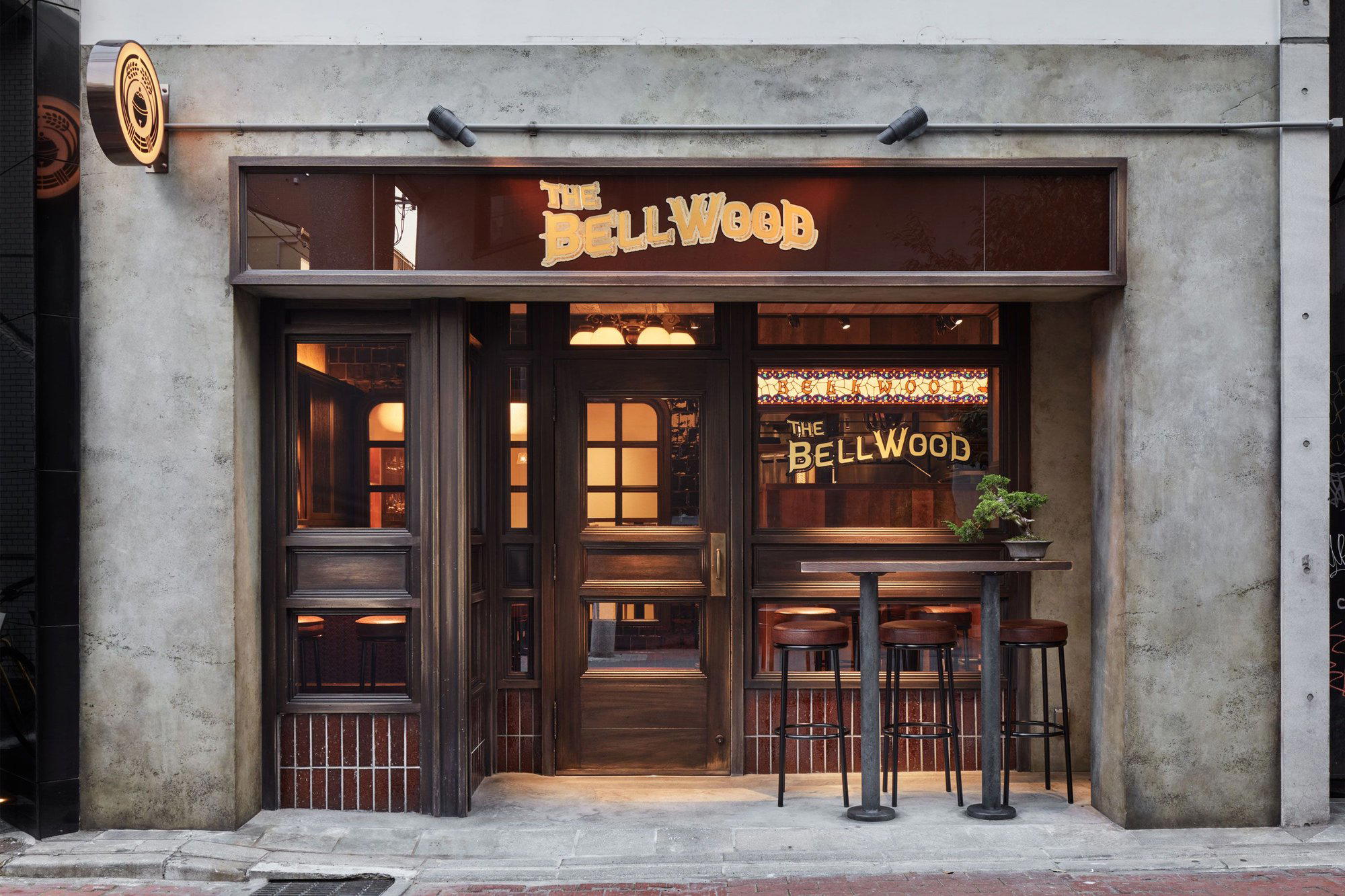
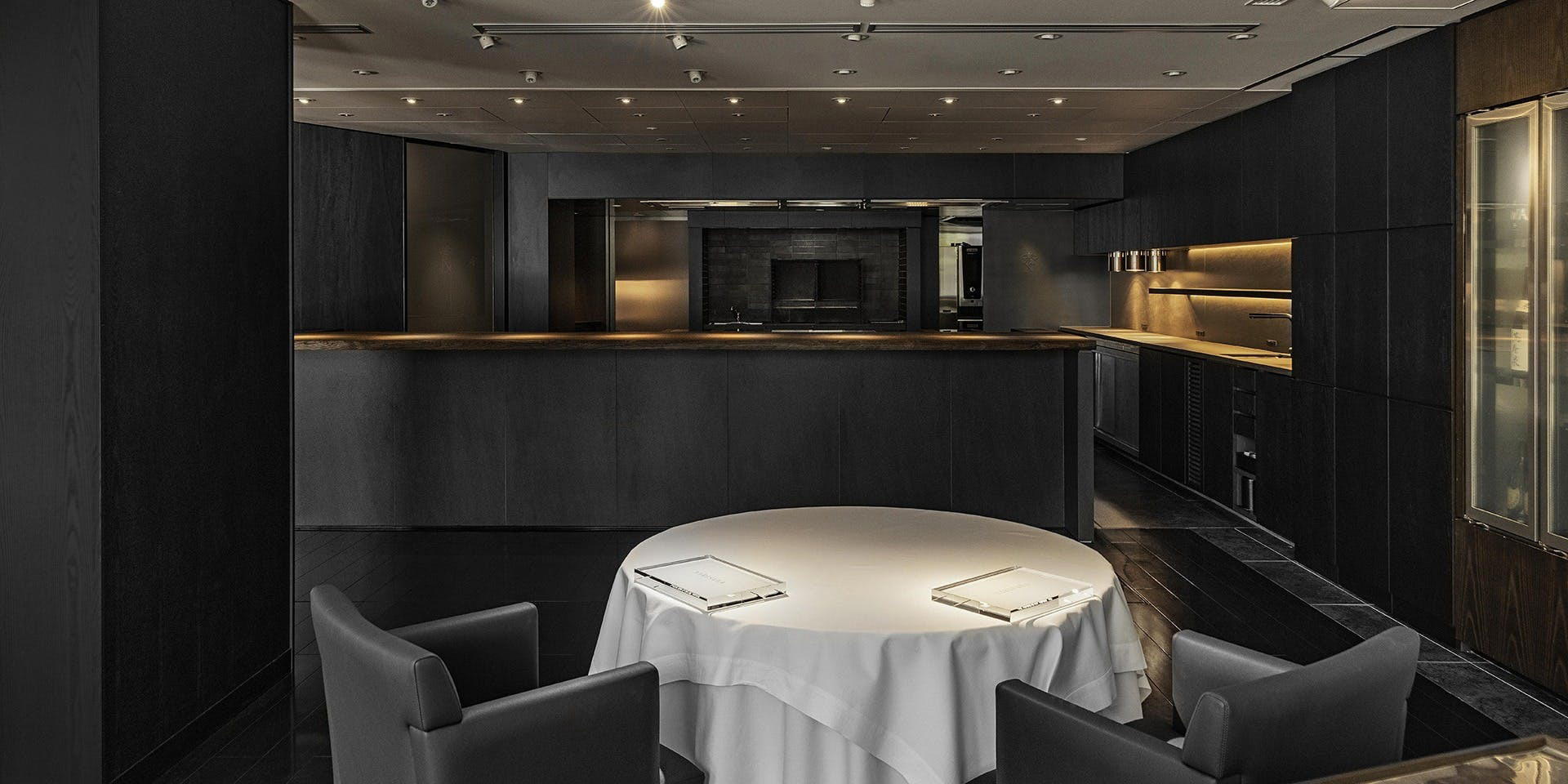
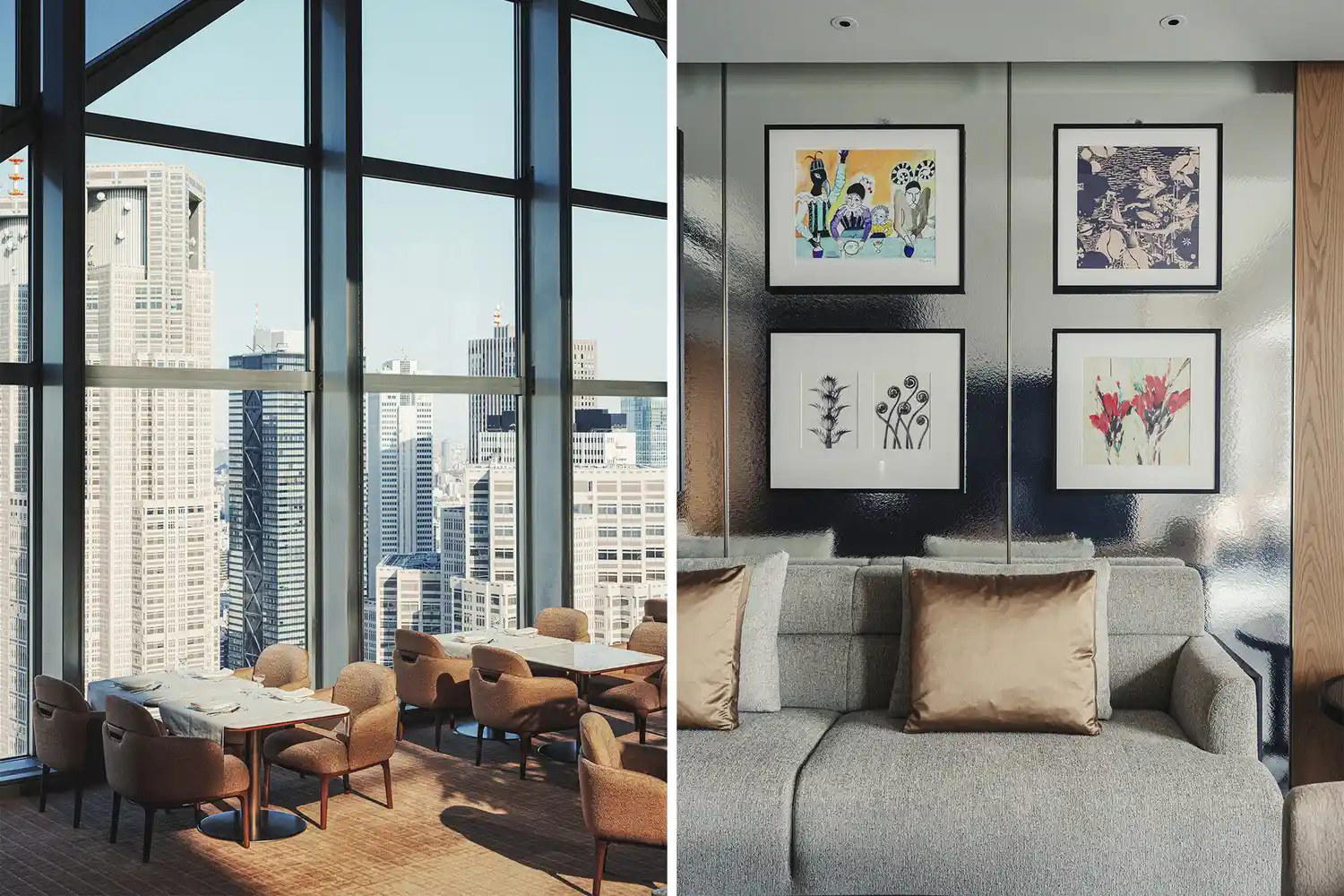
Relaxed and subdued, with a wooden interior and a comfortable mood that makes it suited to lingering over drinks.
Know Before You Go
- Getting there
- Japan, 〒151-0053 Tokyo, Shibuya, Yoyogi, 2 Chome−3−1 2F