56 WESTOW
56 Westow occupies a quieter corner of south London's Crystal Palace neighbourhood, sitting at a remove from the central London fine dining circuit that clusters around Mayfair and Notting Hill. Where venues like CORE by Clare Smyth or The Ledbury operate at the summit of a well-documented tier, 56 Westow represents the more grounded, neighbourhood-anchored end of London's serious dining spectrum, a category that rewards those willing to travel beyond zone one.
Pearl is the En Primeur Club membership app — saves, bookings, and concierge access live there. Same editors, same standards.
- Address
- 56 Westow Hill, London SE19 1RX, United Kingdom
- Phone
- +447354847991
- Website
- 56westow.com
- Directions
- Get directions
 Saves & bookings on Pearl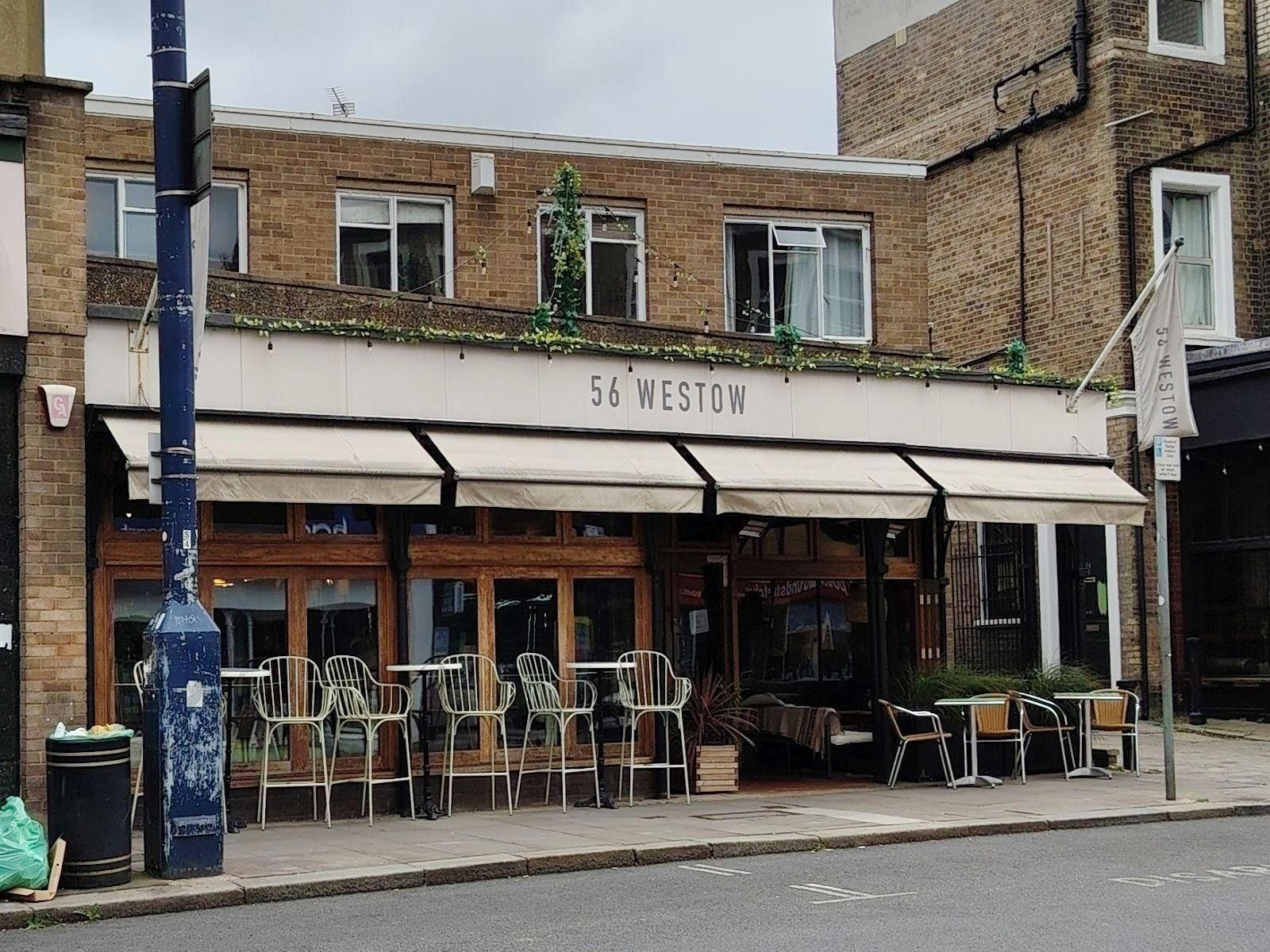
Crystal Palace and the Case for Neighbourhood Dining
London's serious dining conversation has, for most of the past two decades, been conducted in a handful of postcodes. Mayfair holds the trophy cabinet: Restaurant Gordon Ramsay, Sketch, The Lecture Room and Library, and a cluster of ££££ tasting-menu operations that price against each other and calibrate ambition accordingly. Notting Hill has The Ledbury. Knightsbridge has Dinner by Heston Blumenthal. And CORE by Clare Smyth has cemented the idea that Modern British cooking at its most precise belongs in west London's Georgian streets. What this geography leaves out is the city's southern fringe, where Crystal Palace's Westow Hill sits at a meaningful remove from the circuits that produce critical noise and booking queues.
That remove is not a failing. Neighbourhood dining in London operates under different conditions than central destination restaurants, and those conditions tend to shape what ends up on the plate. Without the overhead pressure of Mayfair rents or the expectation of a £200-per-head experience, kitchens on Westow Hill can make different decisions about sourcing, portion logic, and what a meal is actually for. The question worth asking about any serious address in this part of London is not how it compares to a three-Michelin-star room in SW1, it is what it offers the neighbourhood it actually serves.
Where the Sourcing Argument Lives
The ingredient-sourcing conversation in British dining has shifted substantially over the past fifteen years. What was once a differentiating point, provenance-led menus, named farms, seasonal calendars, has become a baseline expectation at any address charging above a certain threshold. The more interesting split now is between venues that treat sourcing as marketing language and those where it visibly alters the menu's structure. In the latter category, the weekly card changes not because a chef wants to signal effort, but because the supply dictates the decision. Dishes appear when the produce is ready, not when the print run demands it.
South London's dining strip along Westow Hill sits in a tradition where that second approach is more common than the first. The neighbourhood's scale and rent profile attract operators who have made a considered decision to prioritise produce relationships over location premium. Compare this to the sourcing models visible at venues further afield: L'Enclume in Cartmel runs its own farm to supply the kitchen directly; Moor Hall in Aughton has built its reputation in part around Lancashire produce specificity; Le Manoir aux Quat'Saisons in Oxford has maintained kitchen gardens as a culinary infrastructure for decades. These are not casual choices, they represent a long-term commitment to supply chain as creative foundation.
At the neighbourhood level, that commitment takes a different form. The scale is smaller, the farm relationships fewer, and the turnaround more immediate. But the logic is the same: the sourcing decision comes first, and the menu follows. For diners who have tracked the broader trajectory of British ingredient-led cooking, from the River Café's produce orthodoxy through to the current generation represented by venues like hide and fox in Saltwood or Gidleigh Park in Chagford, a neighbourhood address on Westow Hill sits inside a recognisable lineage, even if it operates at a smaller register.
The SE19 Address and What It Signals
Crystal Palace has spent the better part of a decade becoming the kind of area that produces independently owned, cook-led restaurants rather than chain formats. The SE19 postcode has attracted operators precisely because it offers a residential customer base with enough spending depth to support serious cooking, without the saturated competition of more established dining neighbourhoods. The pattern mirrors what happened to Peckham, Hackney, and Dalston over the preceding decade: genuine operator interest arrives before the rents do, and the window it creates tends to produce the interesting eating.
Westow Hill itself is the neighbourhood's main commercial artery, a street with enough passing trade to sustain a variety of formats. The proximity to Crystal Palace Park, one of south London's larger green spaces, means the street functions as a destination for weekend visitors as well as a local resource, which in practice broadens the audience a restaurant on that strip can reach without requiring a reservation made three months ahead.
For visitors approaching from central London, the comparison worth making is not to the West End's formal dining circuit but to the kind of independently operated rooms that have defined British neighbourhood cooking at its most considered, venues like Hand and Flowers in Marlow or Midsummer House in Cambridge, which built reputations outside the capital without the institutional framework of a city's fine dining ecosystem. Those venues proved that address is not an argument against quality. The same logic applies in SE19. For reference points in other cities, the dynamic is not entirely unlike what Opheem in Birmingham or Restaurant Andrew Fairlie in Auchterarder represent in their respective settings: serious cooking that operates at a remove from the primary critical circuit, on its own terms.
Placing 56 Westow in the Broader Picture
The venue sits at 56 Westow Hill, SE19, in a neighbourhood that has consolidated its identity as a serious independent dining destination over the past several years. This is a south London neighbourhood address, not a central London destination restaurant, and the expectations that apply to it are correspondingly different. For international visitors who have already covered the Michelin circuit, Le Bernardin in New York City, Atomix in New York City, or the upper tier of London's full restaurant circuit, an address like this represents the kind of local knowledge that sits outside formal ranking systems.
The Waterside Inn in Bray has spent decades demonstrating that distance from London is no barrier to sustained critical recognition. What 56 Westow represents is a different scale of the same argument: that serious cooking in London does not require a central postcode.
At a Glance
Comparable venues nearby, for context on price, style, and recognition.
| Venue | Cuisine | Price | Notes |
|---|---|---|---|
| 56 WESTOWThis venue — the venue you are viewing | Gipsy Hill, Modern Iberian Small Plates | $$ | Not listed |
| L'angolo | Not listed | $$ | Clerkenwell, Mediterranean Italian Tapas & Sharing Plates |
| Cinder St John's Wood | Not listed | $$$ | St. John's Wood, Fire-Kissed Mediterranean Grill |
| Queens Head & Artichoke | Euston, Modern Mediterranean Gastropub | $$ | Not listed |
| 28°-50° Marylebone | Marylebone, Modern European Wine Bar | $$$ | Not listed |
| Cinder Belsize Park | Not listed | $$$ | Swiss Cottage, Modern Mediterranean Grill |

At a Glance
- Trendy
- Lively
- Modern
- Date Night
- Group Dining
- Casual Hangout
- Open Kitchen
- Extensive Wine List
- Local Sourcing
Current opening hours
- Monday
- Closed
- Tuesday
- 12–11 PM
- Wednesday
- 12–11 PM
- Thursday
- 12–11 PM
- Friday
- 12 PM–12 AM
- Saturday
- 12 PM–12 AM
- Sunday
- 12–8 PM
Hours can change for holidays and private events. Last verified .
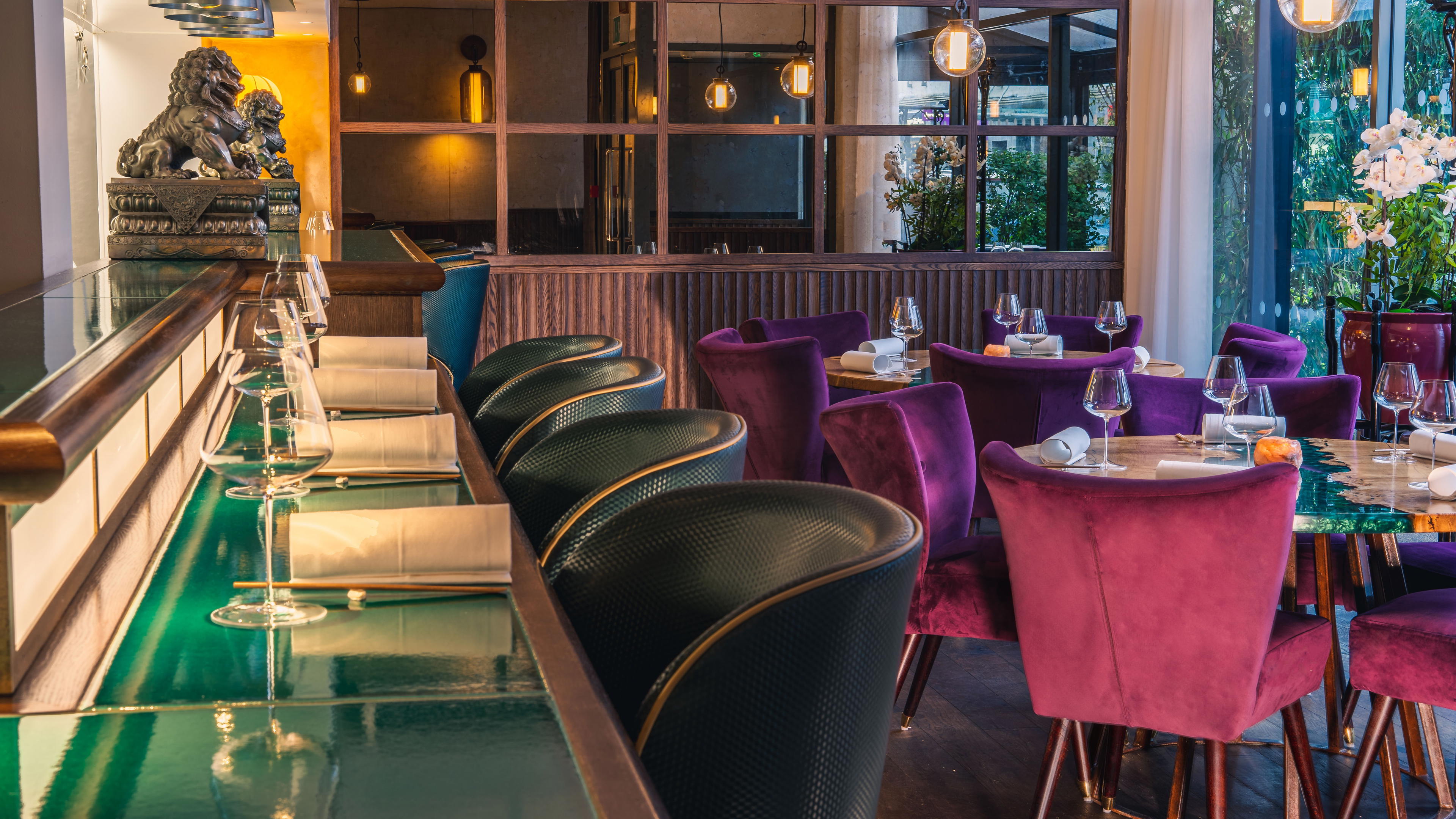
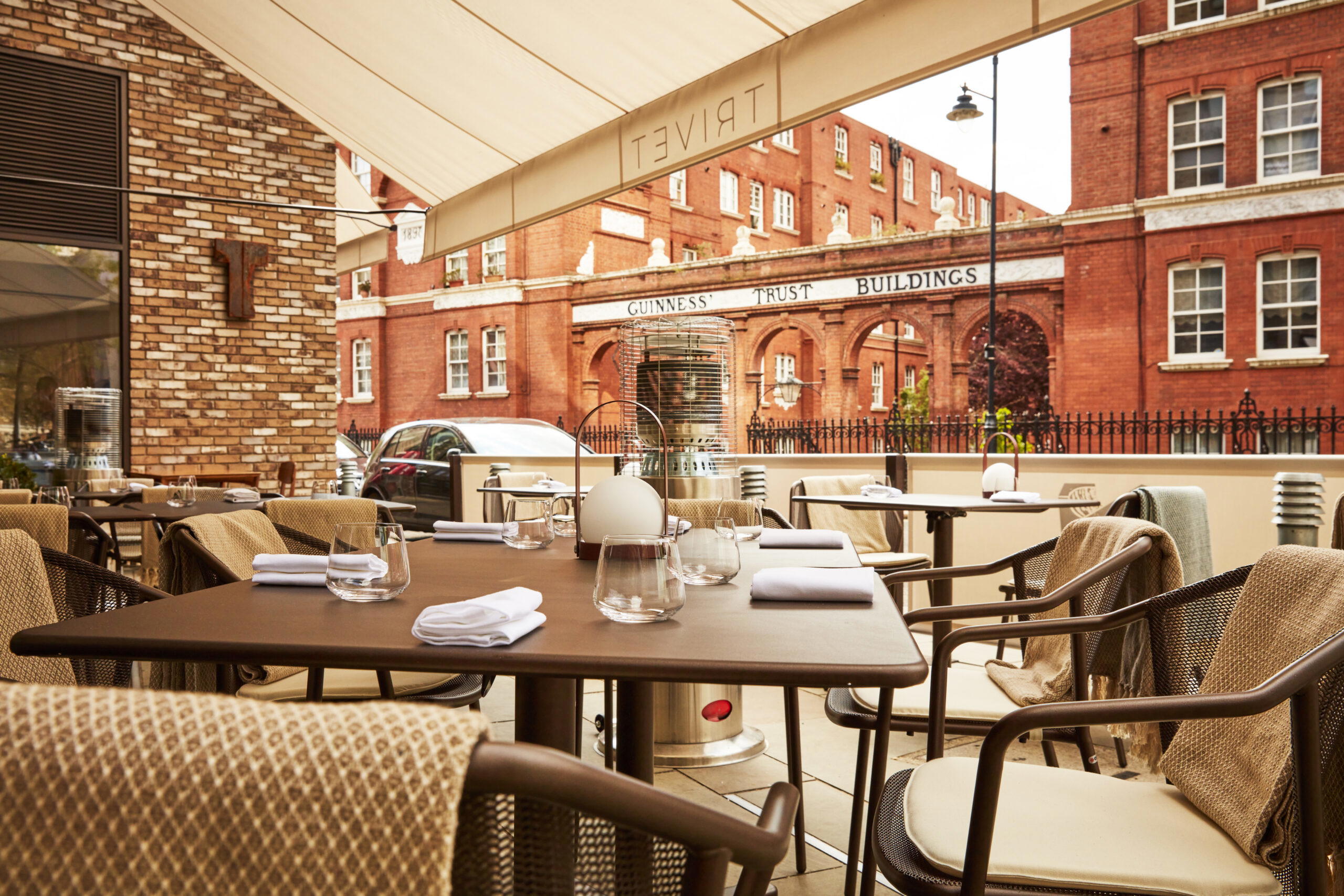
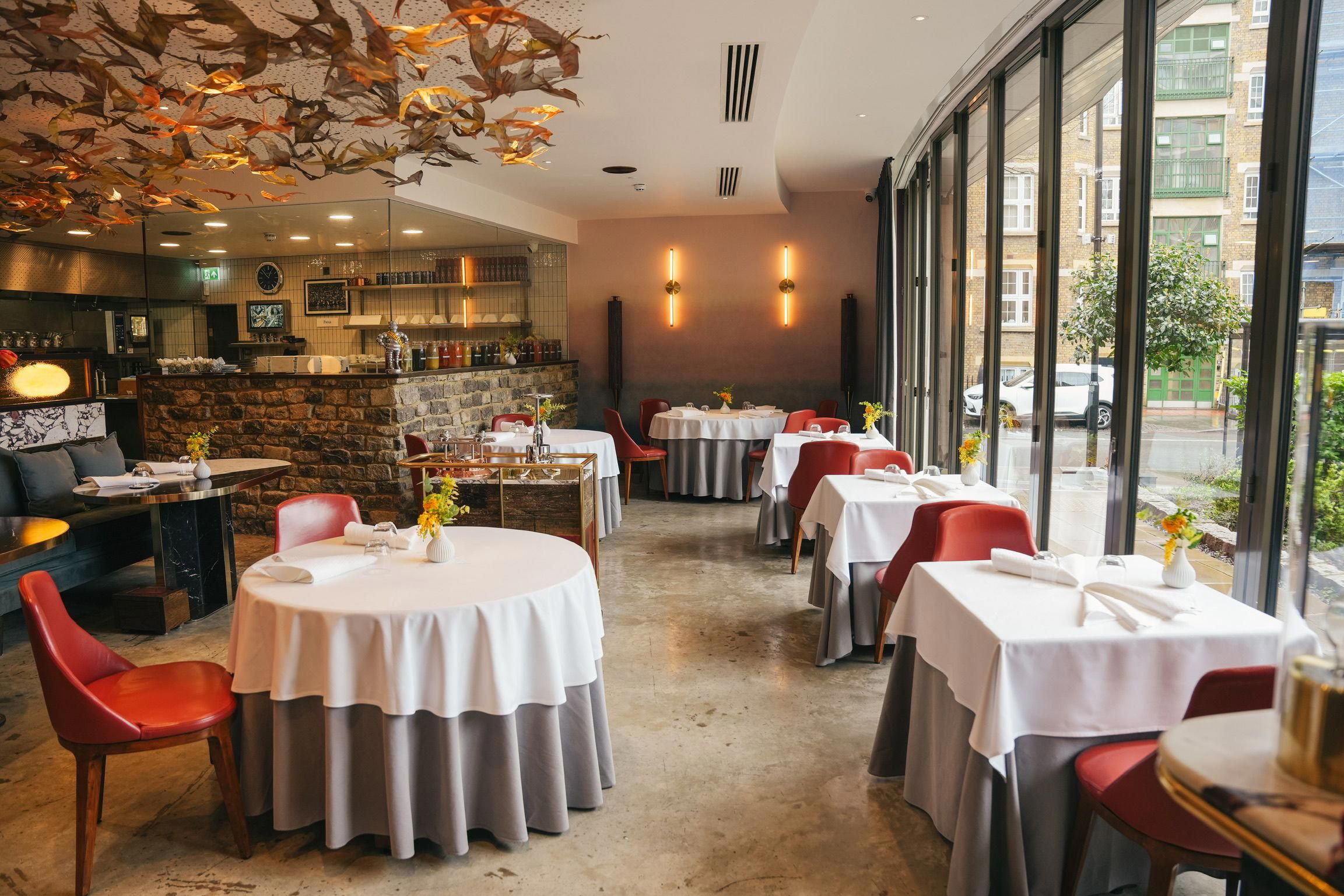
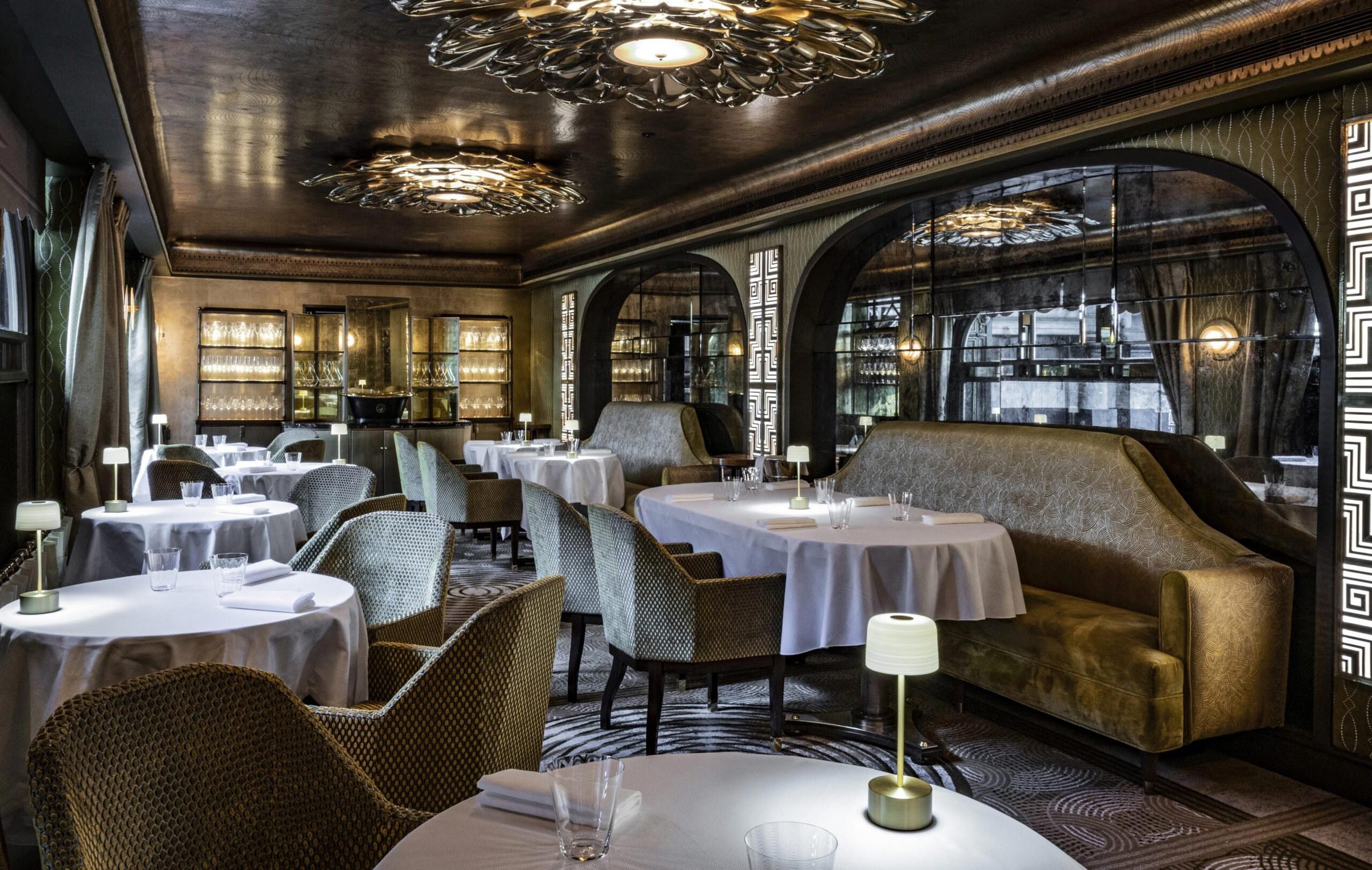
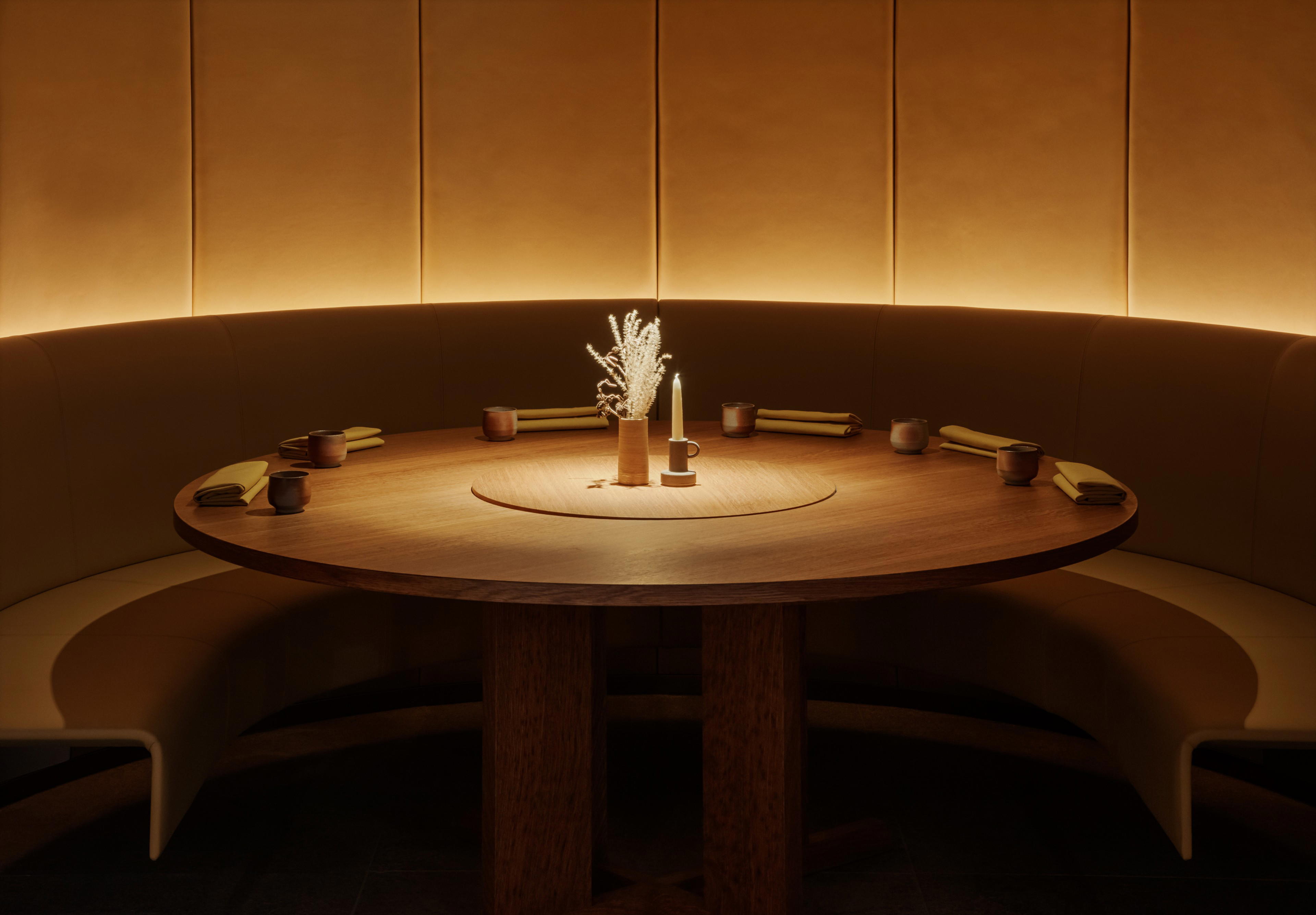
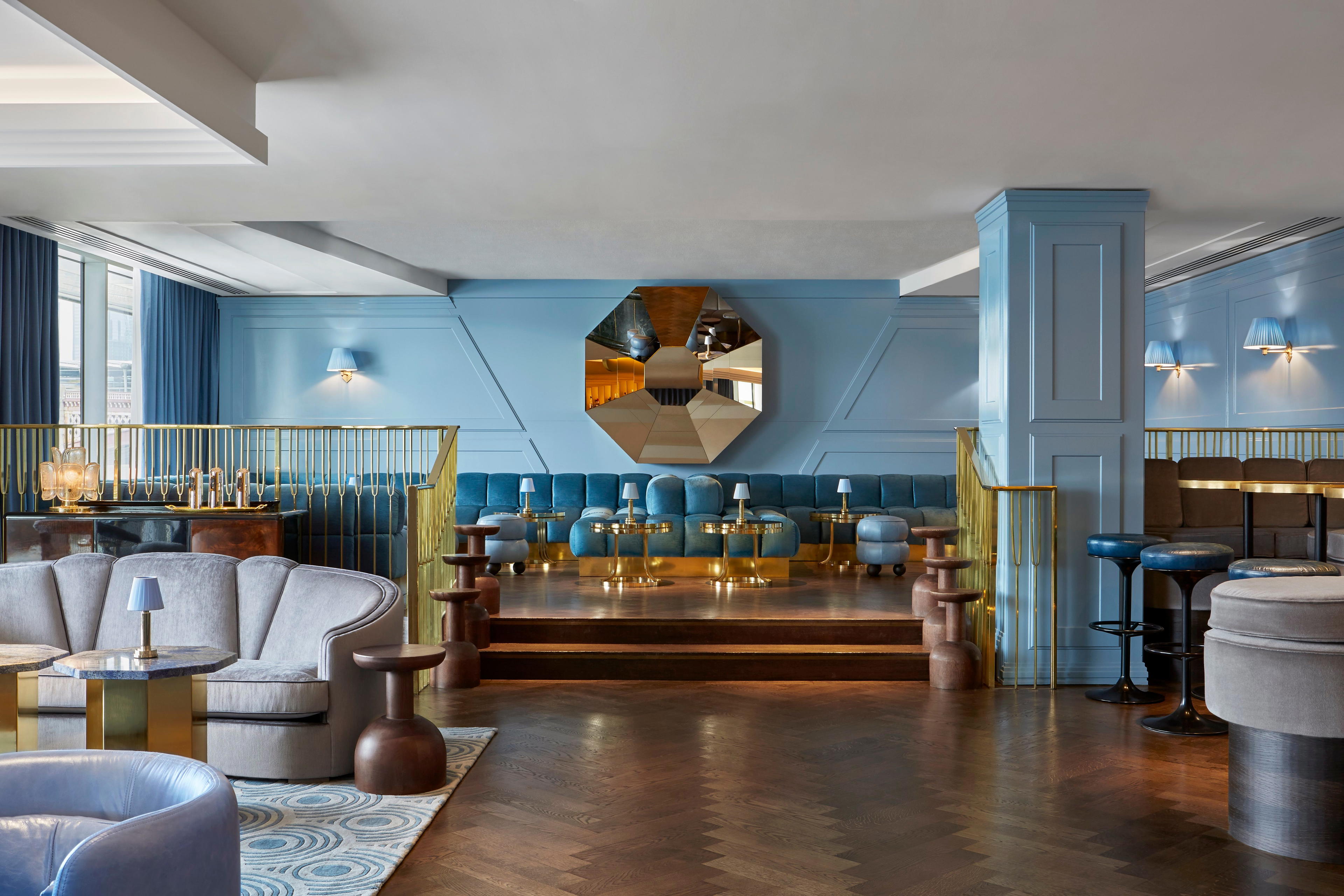
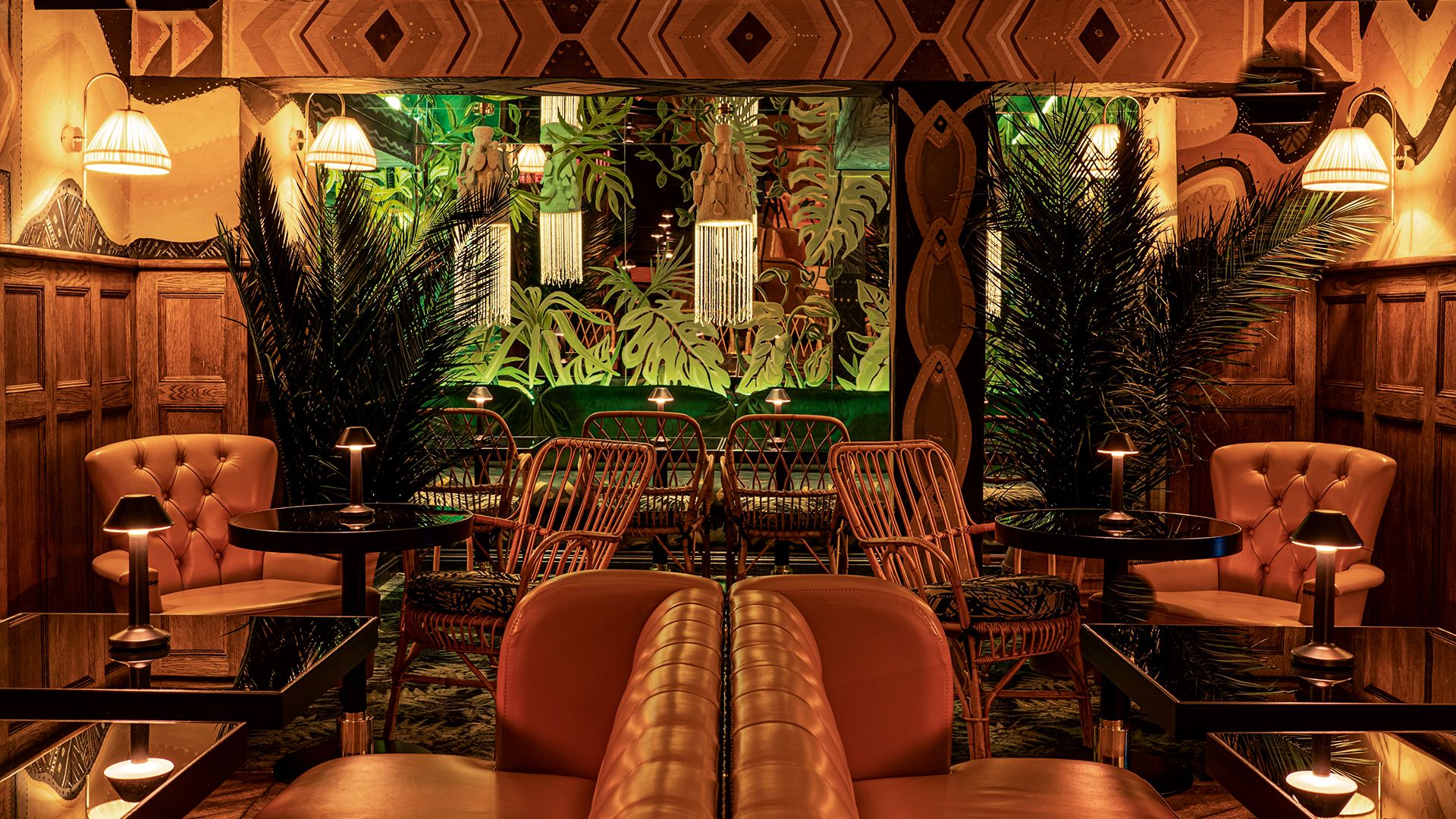
Stylish and inviting modern interior with lively, energetic atmosphere suitable for sharing meals and cocktails.