28°-50° Marylebone

A wine-bar and restaurant hybrid on Marylebone Lane, 28°-50° runs one of London's more serious by-the-glass programs, with more than 30 options available at any sitting alongside a considered bottle list. The setting is stylish and rustic-industrial, and the kitchen produces modern European cooking calibrated to pair well with wine rather than compete with it. A practical, well-edited address for Marylebone's lunch and dinner circuit.
Pearl is the En Primeur Club membership app — saves, bookings, and concierge access live there. Same editors, same standards.
- Address
- 15-17 Marylebone Ln, London W1U 2NE, United Kingdom
- Phone
- +44 20 7499 1076
- Website
- 2850.co.uk
- Directions
- Get directions
 Saves & bookings on Pearl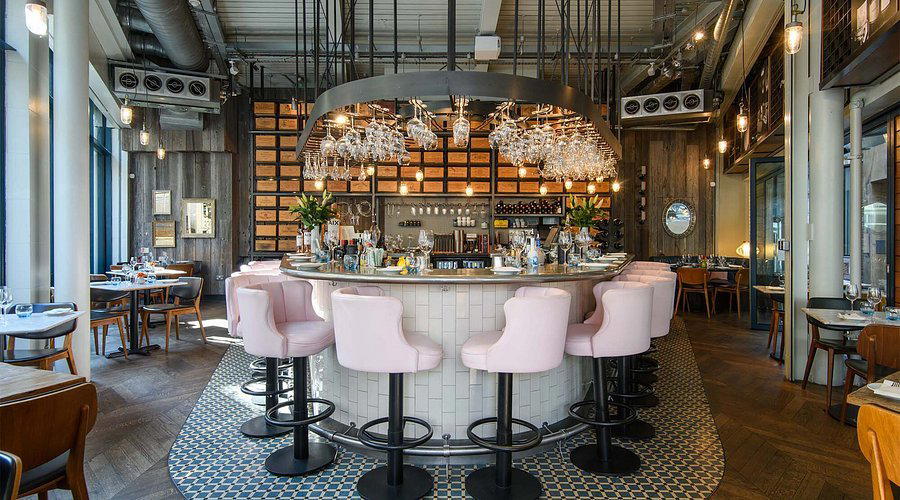
Where Wine Sets the Agenda
Marylebone Lane has a particular character among central London's dining streets. Narrower and quieter than the surrounding grid, it attracts the kind of address that values a repeat local crowd over destination foot traffic. 28°-50° Marylebone, at numbers 15 to 17, fits that pattern: a wine-bar and restaurant hybrid with a rustic-industrial interior where exposed materials and a relaxed but deliberate design sensibility signal that the drinking program is as considered as the food. The name refers to the latitudinal band in which most of the world's major wine regions sit, a fact that functions less as gimmick and more as a statement of intent about what drives the menu's logic.
London has developed a clear split in its wine-bar format over the past decade. On one side sit the natural-wine rooms, often small, often no-reservation, built around producer relationships and short rotating lists. On the other are the more structured programs, where the by-the-glass selection is broad enough to function as a full exploration rather than a supporting role to food. 28°-50° belongs firmly in the second category. More than 30 wines available by the glass at any sitting is a substantial commitment in a city where many comparable addresses offer ten to fifteen. It places the venue in a comparable set defined by depth and accessibility rather than exclusivity or rarity.
Modern European Cooking Calibrated for the Glass
The kitchen produces modern European cuisine, which in this context means a style that prioritises clean flavour and seasonal produce over heavy reduction or architectural plating. Modern European cooking in London has a long and sometimes contested history: it became the default register for ambitious British restaurants in the 1990s and 2000s, then was gradually displaced by more specific national cuisines and creative tasting-menu formats. What remains in the category now tends toward the genuinely useful, food that works in a social context, pairs well with wine, and doesn't demand the kind of concentrated attention that a twelve-course tasting menu requires.
That positioning distinguishes 28°-50° from the tier of destination restaurants operating in the same city. Places like CORE by Clare Smyth, The Ledbury, and Alain Ducasse at The Dorchester operate in a different register entirely, with tasting menus, long booking windows, and a formal architecture to the meal. So do more creative formats like Ikoyi and The Clove Club, where the kitchen's singular point of view shapes every element. 28°-50° is doing something different: it is a room where the wine list earns equal billing with the food, and where the format serves conversation and return visits rather than a single-occasion meal.
The Latitudinal Premise and What It Means in Practice
The conceptual basis of the 28°-50° brand, that name referencing the global wine belt, carries genuine editorial weight when it's applied to a list of this breadth. Wines grown between those two parallels in the northern hemisphere include Burgundy, Bordeaux, the Rhône, Rioja, Tuscany, and most of Germany's key regions. The southern hemisphere equivalent captures Marlborough, Mendoza, the Cape Winelands, and much of Chile and Australia. A by-the-glass program that takes that range seriously gives a diner the ability to move across regions and styles within a single meal, which is a different experience from the tightly curated short lists that dominate smaller wine bars.
For context on how this compares across the broader European dining tradition, the model has some precedent in France, where the cave à manger format has long prioritised the cellar above the kitchen without treating food as an afterthought. In the UK, that balance has historically been harder to maintain, partly because British licensing structures shaped the format of restaurants differently, and partly because the country's wine culture developed later and with more emphasis on retail than hospitality. A venue with more than 30 by-the-glass options in London represents a significant operational commitment, requiring both capital investment in open bottles and a sufficiently high turnover to keep quality stable.
Marylebone as a Dining District
Marylebone's dining character has shifted considerably since the early 2000s, when it was primarily known for a cluster of smart neighbourhood restaurants around Marylebone High Street. It now sits in a more competitive position relative to Fitzrovia, Soho, and the Mayfair edge, attracting a mix of local residents, office professionals from the surrounding streets, and visitors using the area as a base for the West End. The lane itself, running south from Wigmore Street, operates at a slightly slower pace than the main drag, which suits an address built around lingering over wine.
For those exploring the wider range of London's dining and drinking addresses, the EP Club guides cover the full spread. Beyond Marylebone, the full London restaurants guide maps the city's range from neighbourhood staples to destination tasting-menu rooms. The London bars guide covers the cocktail and wine-bar circuit in detail, and the London hotels guide helps with placing yourself well for any of it. For those extending beyond the capital, the UK has a number of serious dining addresses worth the travel: Waterside Inn in Bray, Moor Hall in Aughton, L'Enclume in Cartmel, Gidleigh Park in Chagford, Hand and Flowers in Marlow, and hide and fox in Saltwood each represent a distinct regional dining register. For international reference points on European cooking at the highest level, Le Bernardin in New York City and Emeril's in New Orleans offer useful comparisons for how wine-forward European traditions translate across the Atlantic. London's own winery scene and experiences guide round out the city picture for those spending more than a night or two.
Planning a Visit
28°-50° Marylebone is at 15-17 Marylebone Lane, W1U 2NE, a short walk from Bond Street Underground station on the Central and Jubilee lines. The rustic-industrial setting suits both a focused wine lunch and a longer dinner, and the by-the-glass depth means the visit works well for solo diners at the bar or for groups wanting to work through different regional styles across a meal. Given the neighbourhood's density of office and residential demand, booking ahead for dinner is advisable, particularly mid-week. The format, part wine bar, part restaurant, means the rhythm of a visit can be flexible, with wine-led ordering as natural an entry point as starting from the food menu.
Budget Reality Check
Comparable venues nearby, for context on price, style, and recognition.
| Venue | Cuisine | Price | Notes |
|---|---|---|---|
| 28°-50° MaryleboneThis venue — the venue you are viewing | Marylebone, Modern European Wine Bar | $$$ | Not listed |
| Cinder Belsize Park | Not listed | $$$ | Swiss Cottage, Modern Mediterranean Grill |
| Towpath | Not listed | $$ | De Beauvoir Town, Seasonal Mediterranean Canal-Side Café |
| 56 WESTOW | Gipsy Hill, Modern Iberian Small Plates | $$ | Not listed |
| Gold, Notting Hill | Not listed | $$$ | Notting Hill, Modern Mediterranean Small Plates |
| Haylaz Brasserie | Upper Holloway, Mediterranean Brasserie | $$$ | Not listed |
Recognition history
Dated appearances from independent guides and award organizations, with the underlying list record or original source where available.
Star Wine List
Star Wine List
Continue exploring
More in London
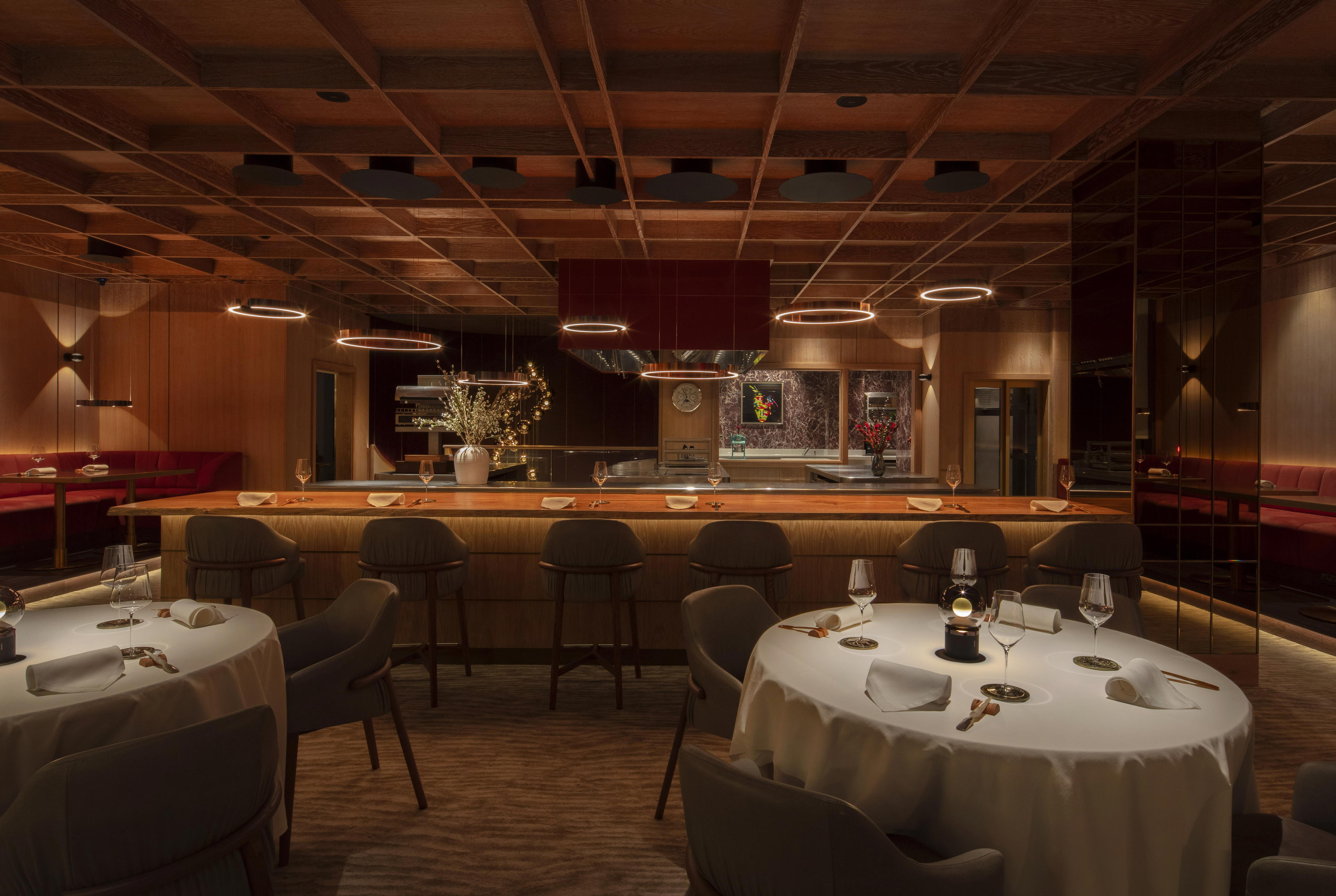
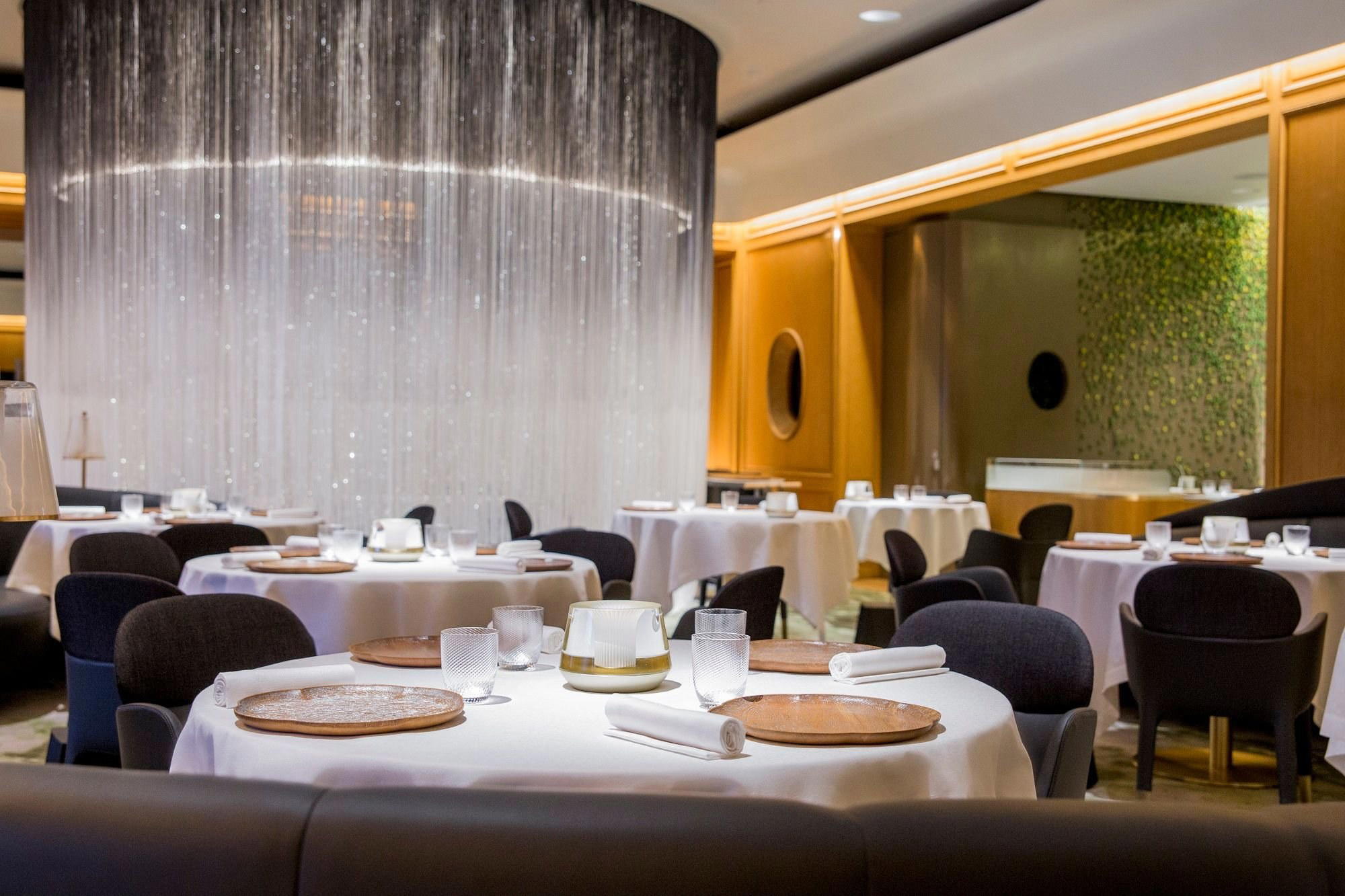
Restaurants in London
Browse all →
Bars in London
Browse all →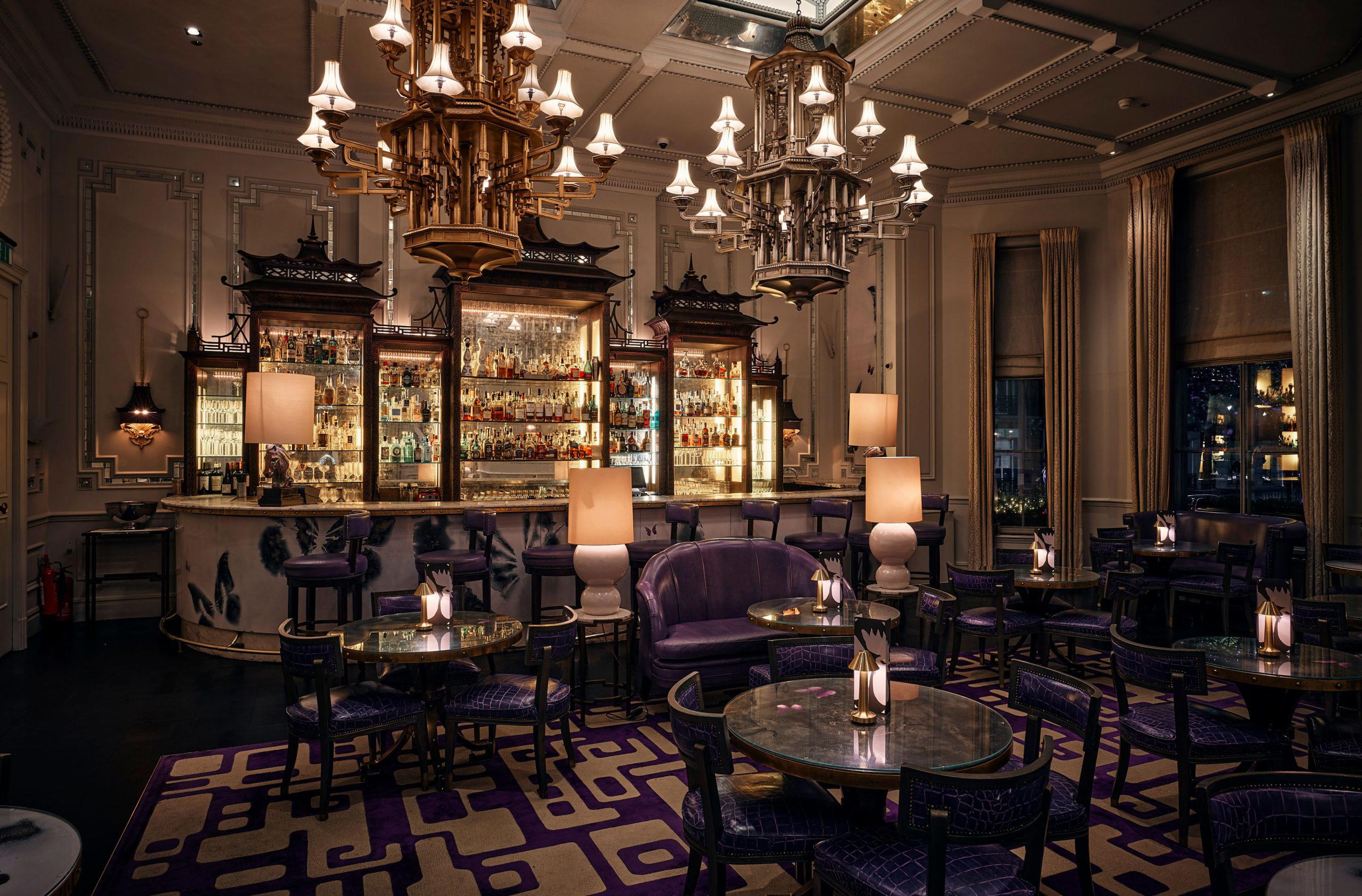
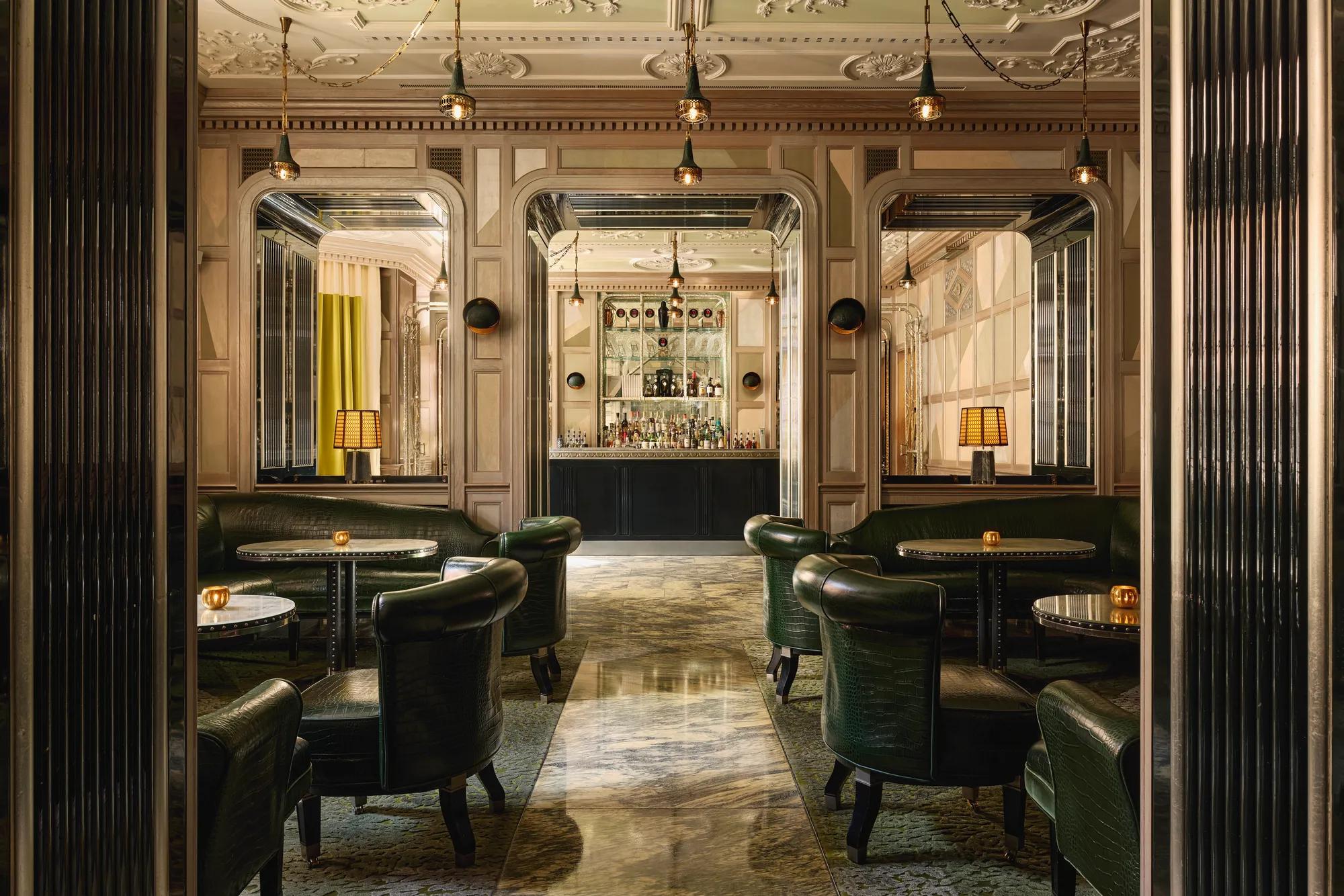
Hotels in London
Browse all →



At a Glance
- Elegant
- Cozy
- Sophisticated
- Modern
- Date Night
- Business Dinner
- Casual Hangout
- Open Kitchen
- Extensive Wine List
- Sommelier Led
Current opening hours
- Monday
- 12–11:30 PM
- Tuesday
- 12–11:30 PM
- Wednesday
- 12–11:30 PM
- Thursday
- 12–11:30 PM
- Friday
- 12 PM–12 AM
- Saturday
- 12 PM–12 AM
- Sunday
- 12–10:30 PM
Hours can change for holidays and private events. Last verified .
Cosy and inviting with dim lighting, floor-to-ceiling windows, contemporary decor, and a gentle buzz of conversation.