達美樂披薩 溪湖員鹿店
Located along Yuanlu Road in Xihu Township, Changhua County, 飛鳳山楓葉 溪畔莊鹿廳 sits in Taiwan's agricultural heartland, where the surrounding countryside shapes what ends up on the plate. This is regional Taiwanese dining anchored to its specific geography, a counterpoint to the polished urban dining circuits of Taipei and Taichung. Visitors to Changhua's rural dining scene will find it listed in our full Xihu Township restaurants guide.
Pearl is the En Primeur Club membership app — saves, bookings, and concierge access live there. Same editors, same standards.
- Address
- No. 75號, Section 3, Yuanlu Rd, Xihu Township, Changhua County, Taiwan 51443
- Phone
- +88648855522
- Website
- dominos.com.tw
- Directions
- Get directions
 Saves & bookings on Pearl
Where Changhua's Farmland Meets the Plate
Taiwan's central agricultural belt rarely draws the same international attention as the Michelin-mapped restaurants of Taipei or the modernist kitchens of Taichung. Yet the counties between the mountain spine and the western coastal plain have long sustained a different kind of table: one calibrated to what the surrounding land produces rather than to what a metropolitan dining audience expects. Xihu Township, situated in Changhua County's interior, sits squarely inside that tradition. The road along Section 3 of Yuanlu Road that leads to 達美樂披薩 溪湖員鹿店 passes rice paddies and vegetable plots that signal, before you arrive, the kind of sourcing logic that organises the kitchen's priorities.
This is not the Taiwan of logy in Taipei or JL Studio in Taichung, where European technique and Asian contemporary frameworks dominate tasting menus. Changhua's rural dining circuit operates at a distance from that competitive set, both geographically and philosophically. The ingredient sourcing here is regional by proximity rather than by curatorial statement: what grows nearby, what local farmers bring in, what the season makes available. That proximity is the point.
The Ingredient Logic of Central Taiwan
Changhua County accounts for a significant share of Taiwan's domestic vegetable and grain production. The alluvial plains around Xihu Township are particularly productive, and restaurants embedded in this environment have access to supply chains that urban kitchens typically cannot replicate without deliberate sourcing programmes. The relationship between a rural Taiwanese kitchen and its immediate agricultural surroundings tends to be structural rather than aspirational: the farm is not a story the menu tells about itself, it is simply where the food comes from.
This contrasts sharply with the approach seen at places like A Xia in Tainan or GEN in Kaohsiung, where Taiwanese culinary identity is framed through a more deliberate, often research-led lens. Both are worthwhile reference points for understanding how Taiwan's dining scene articulates its relationship to local produce at the premium end. 達美樂披薩 溪湖員鹿店 occupies a different register: the ingredient connection here is functional and immediate, built into the geography of the address rather than constructed as a positioning strategy.
Elsewhere in western Taiwan, similar dynamics play out. Ah Zhen Rou Bao in Lukang, a short drive northwest along the coast, represents another node in Changhua's food culture, one where the product is inseparable from the specific traditions of its town. Chenggong Douhua in Chenggong offers a parallel study in how a single, locally produced ingredient can anchor an entire establishment's identity. These examples illustrate a pattern across Taiwan's non-metropolitan dining: specificity of place tends to generate specificity of product.
Situating Xihu in Taiwan's Broader Dining Map
For readers accustomed to Taiwan's urban dining circuit, Xihu Township requires a recalibration of reference points. The Taipei-Taichung axis concentrates most of the island's internationally recognised restaurant activity. Golden Formosa Taiwanese Cuisine 金蓬萊遵古台菜餐廳 represents the kind of long-established Taiwanese culinary institution that sets a benchmark for traditional technique, while Good Good Hainan Chicken Rice illustrates how single-dish precision can build a loyal following in a densely competitive urban market. Neither model maps cleanly onto what Changhua's rural townships offer.
The Changhua dining experience, at its most coherent, is about territory. The mountainous eastern edge of the county, where the foothills of the Central Mountain Range begin, produces different ingredients than the flat western plain. Xihu Township sits within the agricultural lowland, giving restaurants there access to the county's staple crops. That positioning is relevant context for understanding what any kitchen in this area is working with, regardless of what specific dishes appear on a given day's menu.
Readers planning a wider sweep of central Taiwan's food culture might also consider 東方龍大魚大肉新店 in Taichung City or 禾穀粿食 in Hengshan as complementary stops that illustrate how traditional Taiwanese ingredients get handled across different county contexts. Further afield, Volcanic Rock in Zhubei City and GARDENh in Yonghe District demonstrate how northern Taiwan kitchens position themselves relative to local sourcing. For comparison at the international level, Le Bernardin in New York City and Atomix in New York City represent how ingredient sourcing becomes a premium editorial story in a global fine-dining context, a useful counterpoint when thinking about how Taiwan's rural kitchens handle the same underlying question without the same institutional apparatus.
Planning a Visit to Xihu Township
Xihu Township is not served by Taiwan's high-speed rail network, so reaching the area requires either a local train connection from Changhua Station followed by a bus or taxi, or a direct drive from Taichung or Changhua City. The address at No. 75號, Section 3, Yuanlu Road places the restaurant in a residential-agricultural part of the township where road navigation is more reliable than pedestrian wayfinding. Visitors planning a day in Changhua County might combine a stop here with a broader circuit of the county's food producers and market towns.
Arriving without a prior booking carries risk, and reservations are recommended.
For those building a longer itinerary through western Taiwan's food culture, 馬家香滷味辣辣粉 in the same township provides another point of reference for the area's local food habits, as do 廟前魯鰻蛇飯 in Sanchong District and 老壺館香飯 in Hsinchu City for understanding how northern and central Taiwanese comfort-food traditions overlap and diverge.
At-a-Glance Comparison
Comparable venues nearby, for context on price, style, and recognition.
| Venue | Cuisine | Price | Notes |
|---|---|---|---|
| 達美樂披薩 溪湖員鹿店This venue — the venue you are viewing | Taiwanese Venison Lakeview | $$$ | Not listed |
| æ家é¦æ»·å³é ¸è¾£ç² | Taiwanese Flavor Restaurant | Not listed | Xihu Township |
| 滬舍餘味 | Modern Taiwanese Fine Dining | $$$ | Sanhe |
| 龍都酒樓 Dragon Restaurant (龍都酒樓) | Cantonese Dim Sum & Roast Duck | $$$ | Zhongshan District |
| 養心殿精緻鍋物 | Refined Taiwanese Hot Pot | $$$ | Da'an District |
| Golden Formosa Taiwanese Cuisine 金蓬萊遵古台菜餐廳 | Traditional Taiwanese Banquet Cuisine | $$$ | Shilin |
Continue exploring
More in Xihu Township
Restaurants in Xihu Township
Browse all →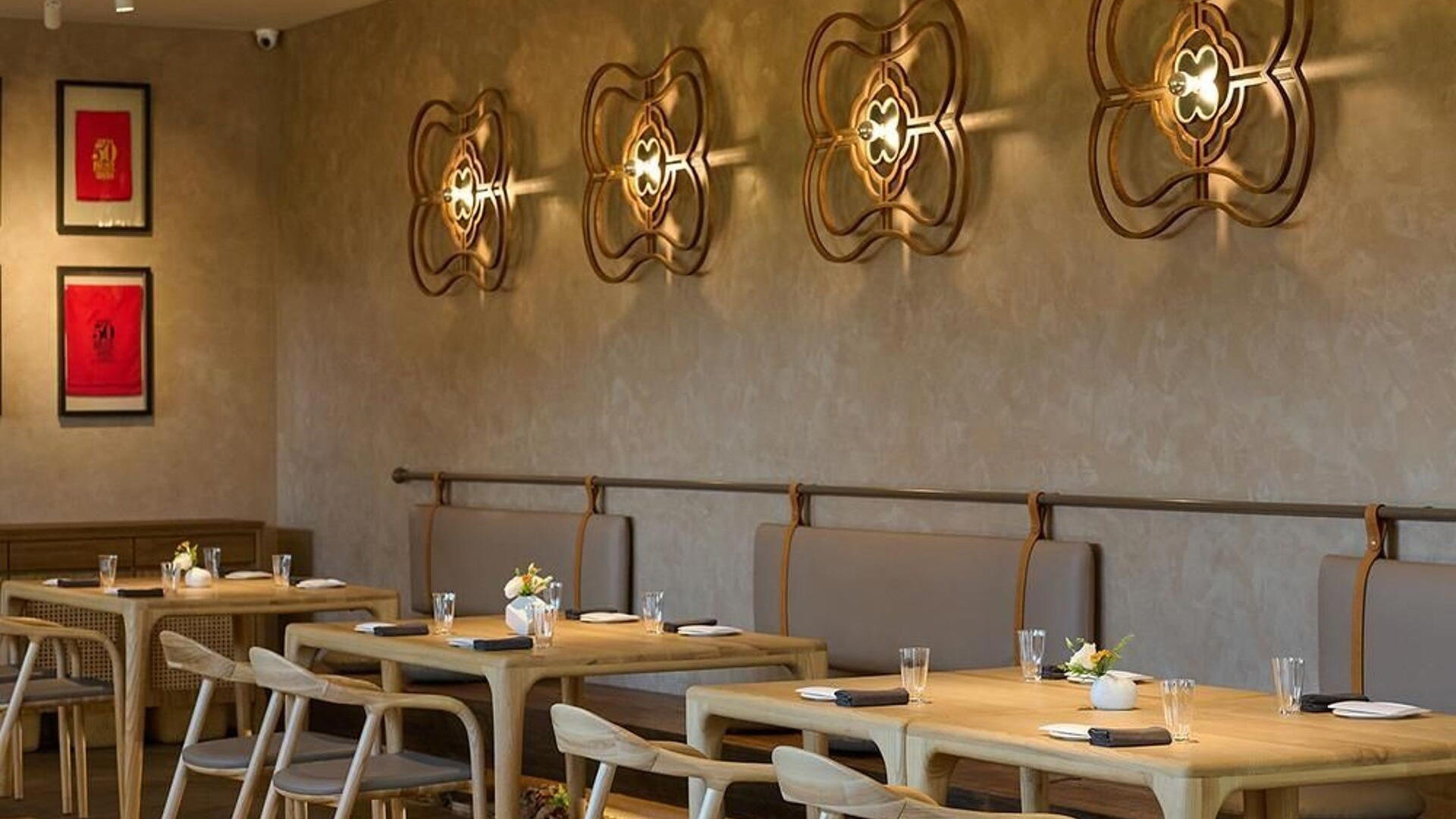

Bars in Xihu Township
Browse all →




At a Glance
- Scenic
- Romantic
- Elegant
- Date Night
- Special Occasion
- Family
- Waterfront
- Local Sourcing
- Waterfront
- Mountain
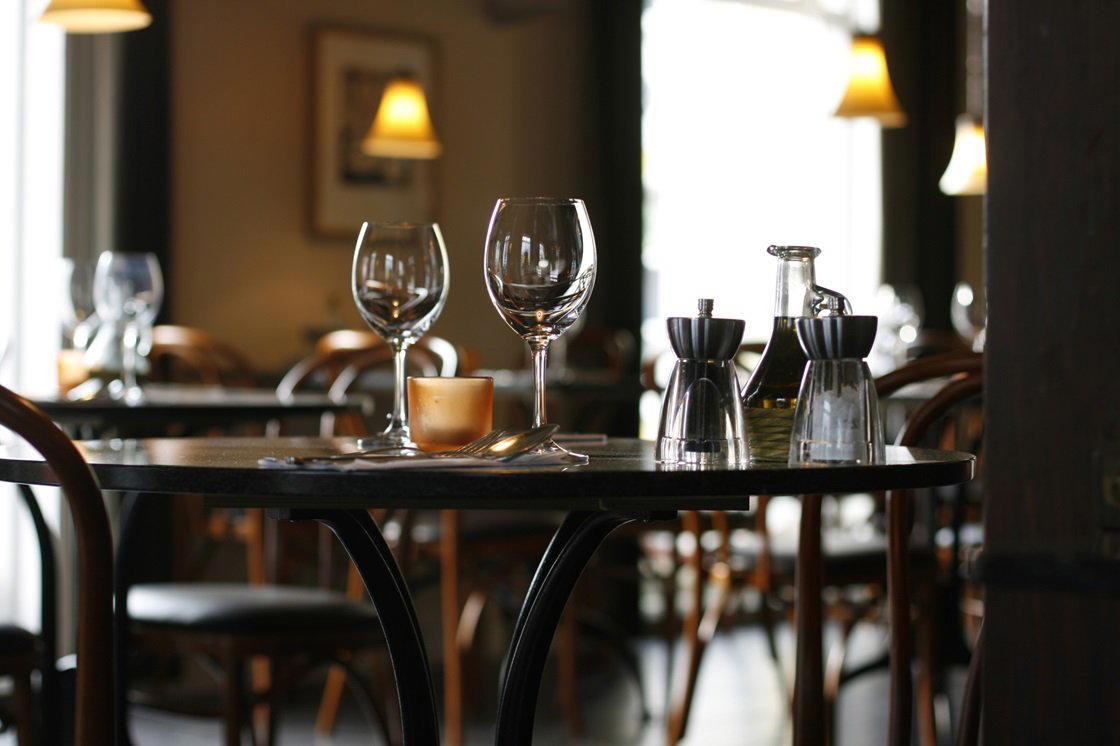
Romantic and tranquil with soft lighting, wooden decor, and panoramic windows overlooking the misty lake and mountains.