Our verdict
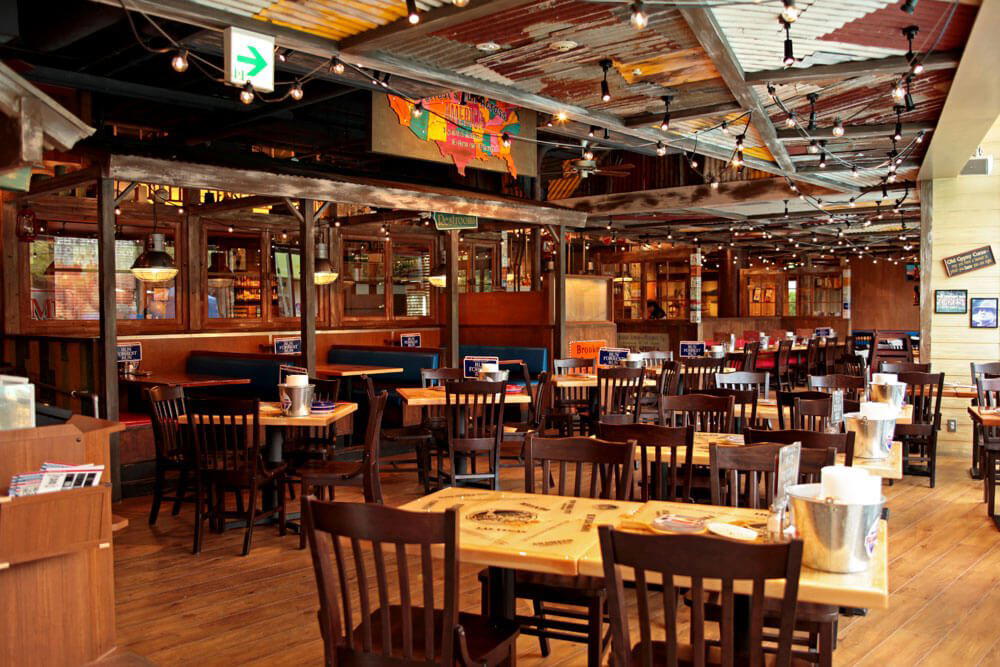
Baba Gump Shrimp Toyosu occupies the third floor of Urban Dock LaLaport Toyosu, the sprawling waterfront shopping complex in Koto City that draws families and tourists to this redeveloped former shipyard district. The restaurant is part of the international Baba Gump Shrimp chain, which traces its origins to the 1994 film Forrest Gump. It sits in a casual, mid-market tier within a city that competes at every level of dining seriousness.

Pearl is the En Primeur Club membership app, where members save venues, book tables and use the concierge.
The menu
What to order
- Shrimp Cocktail
- Popcorn Shrimp
- Fish & Chips
- Cajun Chicken
American Chain Dining in Tokyo's Waterfront Redevelopment Zone
The Toyosu district of Koto City tells a particular story about how Tokyo repurposes industrial land. The peninsula, once home to Tokyo Gas's largest plant, was progressively converted through the 2000s into a mixed-use waterfront zone anchored by the LaLaport shopping complex, the relocated Toyosu Market (which succeeded Tsukiji in 2018), and a grid of apartment towers aimed at young families and urban professionals. Ababababababab Gump Shrimp Toyosu, the Toyosu branch of the American chain that opened internationally on the back of the 1994 Forrest Gump film, sits on the third floor of Urban Dock LaLaport Toyosu, a mall format that has become the neighbourhood's social and commercial centre.
That context matters when assessing what this restaurant is doing in Tokyo. The Baba Gump Shrimp Company was founded in 1996 in Monterey, California, two years after the film's release, built explicitly around the movie's shrimping storyline as a licensed hospitality concept. Its Tokyo presence is not an organic outgrowth of American Gulf Coast shrimp culture transplanted to Japan; it is a theme-restaurant chain operating in a retail environment that prioritises accessibility and family convenience over culinary seriousness. That distinction shapes every expectation a reader should bring to the address.
Where Toyosu Sits in Tokyo's Dining Geography
Tokyo's dining map distributes seriousness unevenly. The premium counters, the tasting-menu kaiseki rooms, the omakase sushi seats, the French kitchens drawing Michelin attention, cluster in Ginza, Azabu-Juban, Minami-Aoyama, and the Shinjuku and Shibuya corridors. Toyosu operates in a different register entirely. Its dining identity is tied to the mall-and-market axis: casual chains, family-friendly formats, and the afterthought meal that follows a trip to the fish market or a waterfront walk.
For readers planning a serious food trip through the city, the relevant comparison set sits elsewhere. Harutaka and RyuGin represent the tier of Tokyo dining where international visitors tend to concentrate research energy. L'Effervescence, Sézanne, and Crony anchor Tokyo's French contingent, each working in a different register of precision and seasonality. Those tables require advance planning, often weeks or months out, and sit at the ¥¥¥¥ price tier. The LaLaport Toyosu dining floor operates without those constraints.
The Cultural Arc of American Shrimp in Japan
Shrimp, ebi in Japanese, already occupies a significant position in the country's food culture. Tempura traditions going back centuries treat shrimp as a primary subject; convenience store onigiri and supermarket sushi trays lean on prawn heavily; fast-food chains including domestic players have run shrimp-themed seasonal campaigns for decades. The idea of shrimp as a focus food is not alien to Japanese consumers.
What the Baba Gump format imports is not the ingredient but a specific American coastal-casual template: large portions, film-branded décor, laminated menus with nostalgic photography, and a service style designed for groups and children rather than solo diners or couples seeking a quiet table. This format has found a consistent audience across Asia in shopping-mall environments, where the recognisable branding of an international concept provides a comfort anchor for mixed-age groups who may disagree sharply about what to eat. In Toyosu's LaLaport, that dynamic is direct to observe on any weekend afternoon.
For comparison, the international chain-in-mall dining model is also well represented in other Japanese cities. HAJIME in Osaka and Gion Sasaki in Kyoto illustrate the other end of the regional spectrum, deeply localised, highly seasonal, and far removed from the branded-entertainment format. Both those cities, like Tokyo, carry a wide dining range from street-level casual to kaiseki formality.
Planning a Visit: Practical Context
LaLaport Toyosu's standard retail and dining hours have historically aligned with shopping-mall patterns in Japan, mid-morning opening through late evening, but these vary by season and public holidays.
Getting to Toyosu from central Tokyo is direct. The Yurikamome Line, which runs refined above the waterfront, connects Shimbashi to Toyosu in roughly 20 minutes. The Tokyo Metro Yurakucho Line also serves Toyosu Station with connections from Ikebukuro and the central business district. LaLaport Toyosu is a short walk from the station's main exit.
The neighbourhood also warrants a broader half-day frame if the visit extends beyond the mall. The Toyosu Market observation decks offer a public-facing window into Japan's wholesale seafood infrastructure, which remains one of the world's most operationally sophisticated. The waterfront promenade between LaLaport and the market area provides a clean sense of how Tokyo's eastern bay zone is evolving as urban territory.
How This Location Compares to Alternative Toyosu-Area Dining
| Venue / Format | Price Range | Booking Required | Cuisine Focus |
|---|---|---|---|
| Baba Gump Shrimp Toyosu | Not confirmed | Not confirmed | American casual / shrimp-themed chain |
| Harutaka (Ginza) | ¥¥¥¥ | Weeks to months ahead | Omakase sushi |
| L'Effervescence (Minami-Aoyama) | ¥¥¥¥ | Advance booking advised | French tasting menu |
| Crony (Tokyo) | ¥¥¥¥ | Advance booking advised | Innovative French |
For readers building a broader Japan itinerary, the dining options extend well beyond Tokyo. Akordu in Nara, Goh in Fukuoka, and regional options such as Nanao, Sapporo, Takashima, and Nishikawa Machi illustrate the geographic spread of dining worth tracking in Japan. The full Tokyo restaurants guide provides a structured overview of the city's dining tiers. For international comparison, Le Bernardin in New York and Atomix in New York, the latter a Korean-American tasting menu with a direct Japan culinary lineage, offer reference points for what the upper tier of seafood-focused and Asia-influenced dining looks like at its most formalised. Additional regional references include Birdland in Sakai and Bistro Ange in Toyohashi.
Frequently asked questions
What do regulars order at ババ・ガンプ・シュリンプ 豊洲店?
As a branch of the Baba Gump Shrimp Company, a chain built around shrimp-centric American coastal dishes, the menu typically centres on preparations derived from the Forrest Gump film's shrimping references: fried, grilled, and sauced shrimp in various formats. Readers should check the current menu directly with LaLaport Toyosu's dining directory before visiting.
How far ahead should I plan for ババ・ガンプ・シュリンプ 豊洲店?
As a casual chain restaurant in a shopping-mall setting, walk-in availability is the norm at this price and format tier, a significant contrast to Tokyo's tasting-menu counters, where Harutaka and similar omakase seats require weeks of advance planning. Busy weekend afternoons at LaLaport Toyosu may produce queues for popular mall-dining tenants, so an off-peak timing preference is worth noting.
What is ババ・ガンプ・シュリンプ 豊洲店 renowned for?
Within the Baba Gump Shrimp Company's international footprint, the format is defined by its film licensing, American casual-dining portions, and shrimp-forward menu. The Toyosu branch sits in a shopping-mall context aimed at families and mixed-age groups in one of Tokyo's newer waterfront districts, positioning it as a recognisable branded experience in an otherwise Japan-specific dining environment. Awards data is not available for this location.
Is ババ・ガンプ・シュリンプ 豊洲店 a good option for visitors who have already eaten at Tokyo's serious dining rooms and want a lower-key meal?
For travellers who have already spent time at omakase counters or multi-course French rooms, the LaLaport Toyosu location functions as a gear-shift: an accessible, no-reservation-required format with familiar American branding in a waterfront mall environment. The Toyosu district itself, connected to Shimbashi via the Yurikamome Line in roughly 20 minutes, is worth visiting for the Toyosu Market observation area regardless of where lunch ultimately lands. The Baba Gump format is most coherent as a family-occasion or group-convenience choice rather than a destination-dining decision.
Cuisine-First Comparison
Comparable venues nearby, for context on price, style, and recognition.
| Venue | Cuisine | Price | Awards | Notes |
|---|---|---|---|---|
| ババ・ガンプ・シュリンプ 豊洲店This venue (the venue you are viewing) | American Southern Seafood | $30–50 | Not listed | Not listed |
| CLINTON ST. BAKING COMPANY & RESTAURANT Minami aoyama ten | American pancakes & all-day brunch cafe | $20–30 | Tabelog 100 #26 | Minato |
| BOSSA BURGER | Classic American-style Burgers & Bar | $20–30 | Tabelog 100 #67 | Adachi |
| OVERWHELM HAMBURGER & BAR STAND | Gourmet Hamburger & Bar | $10–20 | Tabelog 100 #28 | Meguro |
| shake tree burger&bar | Gourmet American Burger Bar | $20–30 | Tabelog 100 #38 | Sumida |
| THE GREAT BURGER | Southern California–style American Burger Diner | $20–30 | Tabelog 100 #92 | Shibuya |
Continue exploring
More in Tokyo
Restaurants in Tokyo
All restaurants in Tokyo →


Details
- Whimsical
- Lively
- Well Known
- Family
- Group Dining
- Casual Hangout
- Waterfront
- Panoramic View
- Standalone
- Waterfront
- A La Carte
- Family Style
- Pescatarian Friendly
Current opening hours
- Monday
- 11 AM–9 PM
- Tuesday
- 11 AM–2 PM
- Wednesday
- 11 AM–9 PM
- Thursday
- 11 AM–9 PM
- Friday
- 1:30–9 PM
- Saturday
- 11 AM–9 PM
- Sunday
- 11 AM–9 PM
Hours can change for holidays and private events. Hours as of .
Spacious, bright, and entertainment-focused with a Disney-like atmosphere; casual and lively with movie-themed décor inspired by Forrest Gump scenes.