401 Biscayne Blvd
Our verdict
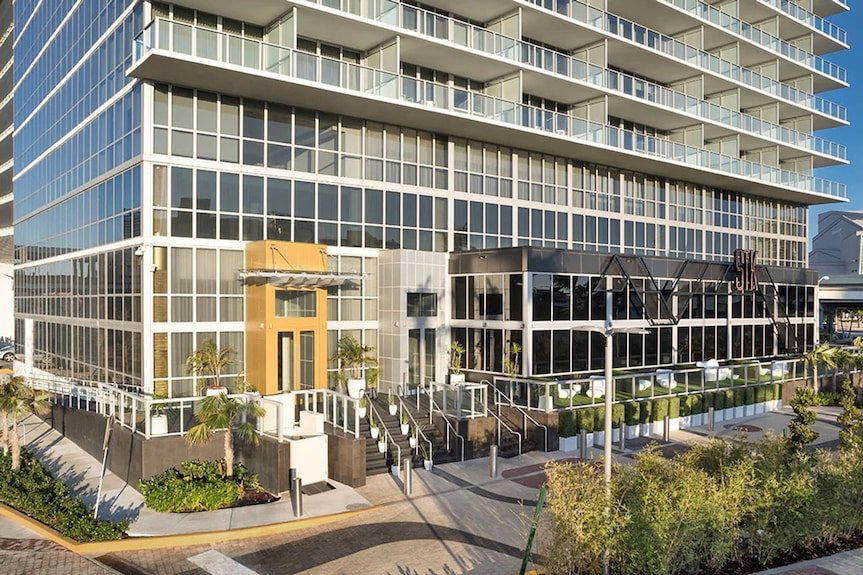
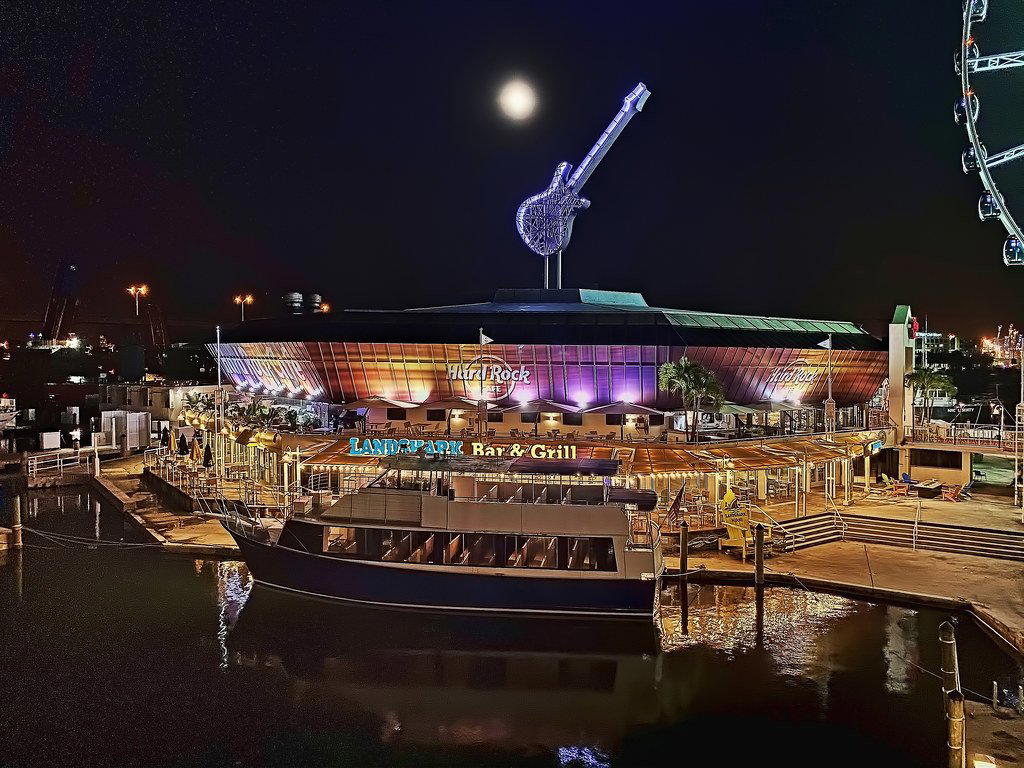
At the address 401 Biscayne Boulevard, Downtown Miami places you at the intersection of the city's waterfront ambition and its evolving dining scene. The location sits within one of Miami's most transit-connected corridors, steps from Bayfront Park and the broader urban core, making it a reference point for visitors orienting themselves across the city's restaurant geography.

Pearl is the En Primeur Club membership app — saves, bookings, and concierge access live there. Same editors, same standards.
The menu
What to order
- Well-known Steak Burgers
- Shrimp dishes
- Cuban-inspired plates
- Street tacos
Downtown Miami's Waterfront Axis
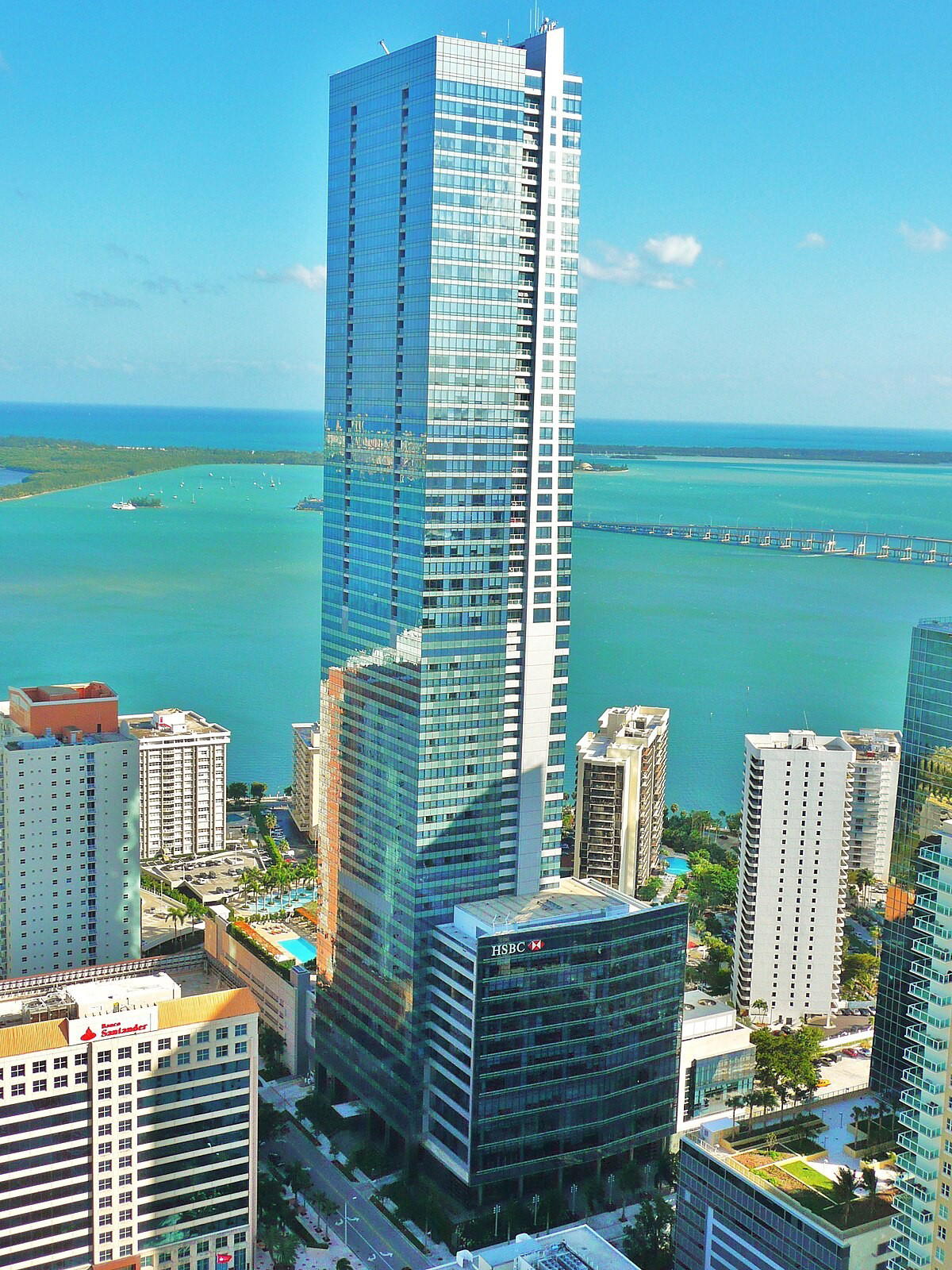
Biscayne Boulevard is one of those addresses that tells you something about Miami before you've walked through a single door. The corridor running along the bay separates the density of downtown's financial and hotel infrastructure from the open water of Biscayne Bay, and the block around 401 sits squarely in the zone where the city has concentrated its highest-footfall hospitality. For visitors arriving from the port, from Brightline's MiamiCentral station a few blocks north, or from the convention center district, this stretch of Biscayne reads as a natural orientation point. The bay breeze arrives consistently off the water; the skyline is visible in three directions; the urban energy is distinct from Wynwood's gallery corridors or the dense beachside strip of South Beach.
That location matters for understanding what the dining options in this part of the city are competing for and against. Downtown Miami has historically lagged behind Miami Beach and Brickell as a dining destination, despite its transit advantages and tourist volume. The gap has narrowed considerably over the past decade as the urban core has attracted more residential density and the convention crowd has grown more sophisticated in its expectations. Restaurants near 401 Biscayne are now benchmarked against a Miami-wide standard, not just a downtown convenience tier.
The Biscayne Corridor in Miami's Restaurant Geography
Miami's dining scene operates across distinct geographic clusters that function almost as separate markets. Wynwood and the Design District anchor the creative-contemporary end, where venues like Boia De (Italian, contemporary, $$$) have built reputations on tightly edited menus and neighborhood loyalty rather than tourist volume. Brickell runs a parallel track toward the high-spend corporate and finance crowd, with Cote Miami (Korean steakhouse, $$$) demonstrating how Korean barbecue formats have entered that tier at serious price points. Coconut Grove, further south, maintains a different rhythm altogether, with Ariete ($$$$ Modern American) representing the neighborhood-rooted, chef-driven model that has become a benchmark for the city's more considered dining.
The Biscayne Boulevard corridor, particularly around the 400 block, sits geographically between these clusters without fully belonging to any one of them. That positioning is both a structural challenge and a practical advantage. Visitors can reach Wynwood by rideshare in under ten minutes from this address. Brickell is a similar distance south. The waterfront location, close to Bayfront Park and the American Airlines Arena district, creates a distinct context: high-footfall, visitor-facing, and increasingly oriented toward the kind of programming that services the city's growing convention and entertainment calendar.
For a broader orientation to Miami's restaurant geography, the EP Club Miami restaurants guide maps the full spread of options across neighborhoods and price tiers.
Where 401 Biscayne Sits in the City's Wider Ambition
Miami has spent the past decade asserting itself as a serious dining city, not simply a leisure destination with good cocktails and beachside ceviche. The evidence is structural: Michelin arrived in Florida in 2022, and Miami's starred table count has grown since. Venues like ITAMAE have drawn national attention for Peruvian technique at a high level, and L'Atelier de Joël Robuchon Miami brought one of France's most recognizable fine-dining formats to the city's upper tier. This is the environment that the addresses along Biscayne Boulevard are now operating within.
That context places meaningful pressure on anything opening or operating along this corridor. The comparison set for downtown Miami dining is no longer just other downtown options. A visitor with two nights in the city is now genuinely weighing options that would compete on quality with comparable restaurants in other major American cities. Miami's ambition is now measured against that standard.
Further reference points for this national conversation: The French Laundry in Napa, Single Thread Farm in Healdsburg, Blue Hill at Stone Barns in Tarrytown, The Inn at Little Washington, Emeril's in New Orleans, and internationally, 8 1/2 Otto e Mezzo Bombana in Hong Kong and Atomix in New York City represent the kinds of programs that serious diners now use to calibrate expectations before visiting a new city.
Practical Context for Planning Around This Address
The 401 Biscayne Boulevard address sits in a part of Miami that is straightforwardly accessible by multiple modes. Brightline rail connects MiamiCentral to Fort Lauderdale and West Palm Beach, with the station within walking distance of this corridor. The Miami Metromover, the city's free downtown circulator, runs nearby stops that link to the broader Metrorail network. For visitors arriving by car, parking structures are distributed throughout the downtown grid, with waterfront-adjacent options along the bay.
The Bayfront Park area immediately south is a programming anchor for the district: concerts, cultural events, and the New Year's Eve crowd all concentrate here, which affects the surrounding restaurant environment seasonally. Miami's peak tourism season runs roughly November through April, when the weather is dry and cooler. Summer brings heat and humidity but also lower hotel rates and less competition for restaurant reservations across the city.
Frequently asked questions
How do I find 401 Biscayne Blvd?
401 Biscayne Blvd is located at 401 Biscayne Blvd, Miami, FL 33132, Miami.
Is 401 Biscayne Blvd easy to reach without a car in Miami?
The address at 401 Biscayne Blvd, Miami, FL 33132 is one of the more transit-accessible points in the city. MiamiCentral, the downtown Brightline rail hub, sits within the immediate area, and the Metromover network loops through the district at no fare cost. For visitors staying outside Downtown Miami, this makes the address a practical anchor point compared to dining destinations in car-dependent corridors further north.
What do people recommend at 401 Biscayne Blvd?
What the address does signal is context: 401 Biscayne Blvd sits within a Downtown Miami corridor where dining concepts tend to skew toward broad accessibility and high foot traffic rather than the tasting-menu format you'd find in the Design District. Checking the venue directly for current programming will give you the most accurate picture.
Do they take walk-ins at 401 Biscayne Blvd?
No booking policy is confirmed in the available record for this address. Downtown Miami venues along Biscayne Boulevard generally operate with more walk-in flexibility than reservation-driven counters in Wynwood or Brickell, though that varies by operator and day of week. Contacting the venue or checking at the door will confirm current practice.
Cuisine and Awards Snapshot
Comparable venues nearby, for context on price, style, and recognition.
| Venue | Cuisine | Price | Notes |
|---|---|---|---|
| 401 Biscayne BlvdThis venue — the venue you are viewing | Multi-Cuisine Waterfront Dining | $20–30 | Not listed |
| Niño Gordo Wynwood | Asian-Argentine Fusion Grill | $50–100 | Wynwood Art District |
| Calle Dragones | Cuban-Asian Fusion | $30–50 | Little Havana |
| Pubbelly Sushi | Japanese-Latin Fusion Gastropub | $30–50 | Miami Riverwalk |
| BELLILLO US | Authentic Neapolitan Pizza | $30–50 | Miami Riverwalk |
| Osaka Miami | Nikkei Japanese-Peruvian Fusion | Not listed | Miami Financial District |