Osaka Miami
Our verdict
Osaka Miami occupies a prominent address on Brickell Bay Drive, positioning itself within Miami's most competitive fine-dining corridor. The restaurant draws on Japanese-Peruvian culinary traditions, a Nikkei framework that has gained serious traction across Latin American dining capitals, and translates that influence into a Brickell setting where the gap between lunch and dinner service defines two distinct experiences.

Pearl is the En Primeur Club membership app, where members save venues, book tables and use the concierge.
The menu
What to order
- Inca Nigiri
- Hamachi Brasa
- Tuna Crispy Rice
- Hot-Stone Wagyu
Brickell After Dark and Before It: How the Hour Changes Everything
Miami's Brickell district has matured considerably from its identity as a purely financial corridor. The stretch of Brickell Bay Drive now anchors a dining scene dense enough to draw comparisons with comparable urban corridors in New York or Los Angeles, where the same block might contain four or five restaurants operating in genuinely different price and ambition tiers. Osaka Miami, at 1300 Brickell Bay Drive, sits within that competitive cluster and draws on the Nikkei tradition, the Japanese-Peruvian culinary fusion that evolved through decades of Japanese immigration to Peru and has since become one of the more consequential cross-cultural cooking frameworks in contemporary fine dining globally.
That tradition has found strong footing in Miami, a city whose Latin American demographic connections give Peruvian cooking a naturalness that it might lack in, say, Chicago or San Francisco. Where restaurants like ITAMAE have built a following around the more casual registers of Nikkei cooking, Osaka Miami approaches the tradition at a higher pitch, calibrated for the Brickell clientele that also supports destinations like Cote Miami and L'Atelier de Joël Robuchon Miami.
The Lunch Proposition: A Different Calculation
In any restaurant where dinner is the primary event, lunch tells a different story about value and pacing. Brickell's weekday lunch crowd is largely professional, corporate and financial sector workers who want a credible table without committing to a full evening. Restaurants operating in this zone learn quickly that the daytime service must offer a tighter, more accessible version of what makes the evening worthwhile. For a Nikkei kitchen, that often means ceviche-anchored plates, tiradito preparations, and lighter sashimi formats that read cleanly in the midday light without the drama of a curated omakase progression.
Lunch at a venue like this tends to carry a quieter energy: smaller groups, faster turns, and an atmosphere shaped more by the bay view than by the social theater that animates Brickell's late evenings. That makes it, in some ways, the more considered way to assess the kitchen, stripped of the ambient buzz that a full dinner service generates, the cooking has nowhere to hide.
After Dark: When Brickell's Dining Character Shifts
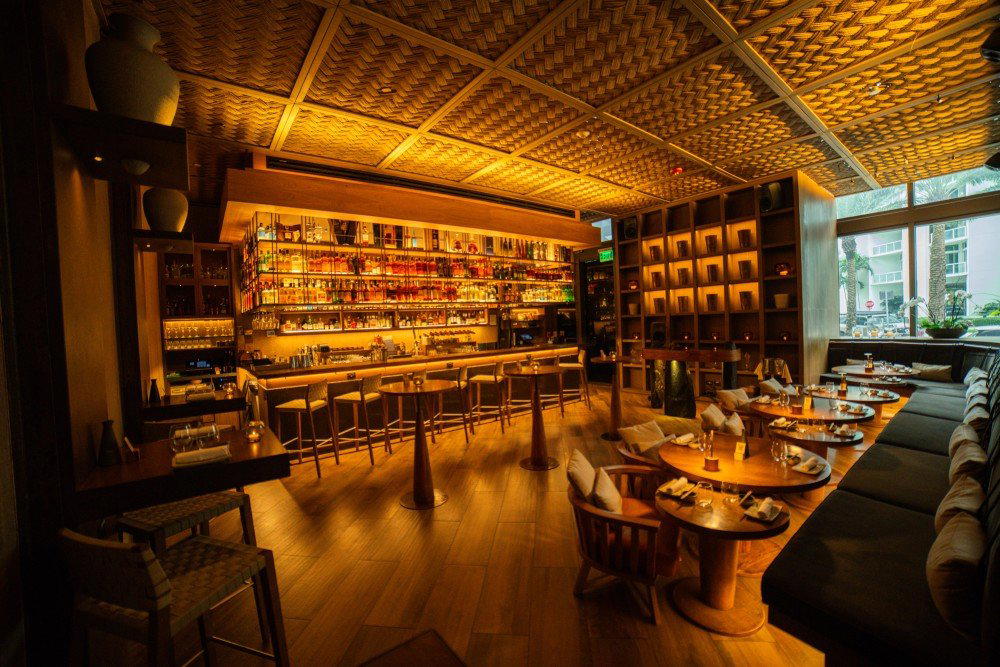
Miami's evening dining culture runs later than most American cities, a rhythm shaped by Latin American social patterns and reinforced by a hospitality industry that understands its clientele. By nine in the evening on a weekend, Brickell's better restaurants are still filling rather than winding down. At this hour, the Nikkei format becomes more theatrical: dishes that lean into the visual contrast between Japanese precision and Peruvian brightness, yuzu against ají amarillo, clean protein cuts against complex ceviches, play more compellingly in a dimly lit room where the bay outside has gone dark and the room itself becomes the entire frame.
That shift in atmosphere is not incidental to how Osaka Miami positions itself. The same culinary tradition produces different impressions depending on the hour, the lighting, and the social context in which it lands. The Miami market has room for both registers, and the Brickell address is well-suited to capturing both the business lunch and the late Saturday dinner.
Where Osaka Miami Sits in the Miami Fine Dining Picture
Miami's serious dining tier has diversified meaningfully over the past decade. The city's fine-dining conversation now includes venues as formally ambitious as Ariete on the modern American side, and as technically precise as Boia De on the Italian-contemporary front. Osaka Miami occupies a different corner of that map: it represents a category that Miami has historically under-indexed on relative to Lima, São Paulo, or Tokyo, serious Nikkei cooking at full-service restaurant scale.
Nationally, the restaurants that receive the most sustained critical attention in the Nikkei and Japanese-adjacent space tend to cluster in New York and Los Angeles. Venues like Atomix in New York City and Providence in Los Angeles have established benchmarks for how Asian culinary traditions operate at the highest tier of American fine dining. Miami is catching up, and the Brickell corridor is where that catch-up is most visible. For broader context on how the city's dining scene maps out, the full Miami restaurants guide covers the competitive set across neighborhoods and price tiers.
The comparison set extends internationally, too. Nikkei cooking has its most developed institutional presence in Lima, where it is effectively a national culinary identity, and in Tokyo, where the Japanese side of the equation sets the reference point for ingredient handling and precision. What venues like Osaka Miami attempt is a translation that serves a Miami audience without losing the tension between the two parent traditions that gives Nikkei cooking its interest. For reference points at the very best of the discipline, Le Bernardin in New York City remains the benchmark for how seafood-focused kitchens operate at maximum precision, while The French Laundry in Napa and Alinea in Chicago define the ceiling for experiential fine dining in the American market more broadly.
Other reference points worth considering for comparison: Lazy Bear in San Francisco, Single Thread Farm in Healdsburg, Blue Hill at Stone Barns in Tarrytown, Addison in San Diego, The Inn at Little Washington, Emeril's in New Orleans, and 8 1/2 Otto e Mezzo Bombana in Hong Kong, each illuminates a different facet of how serious restaurants calibrate ambition to market context.
Planning Your Visit
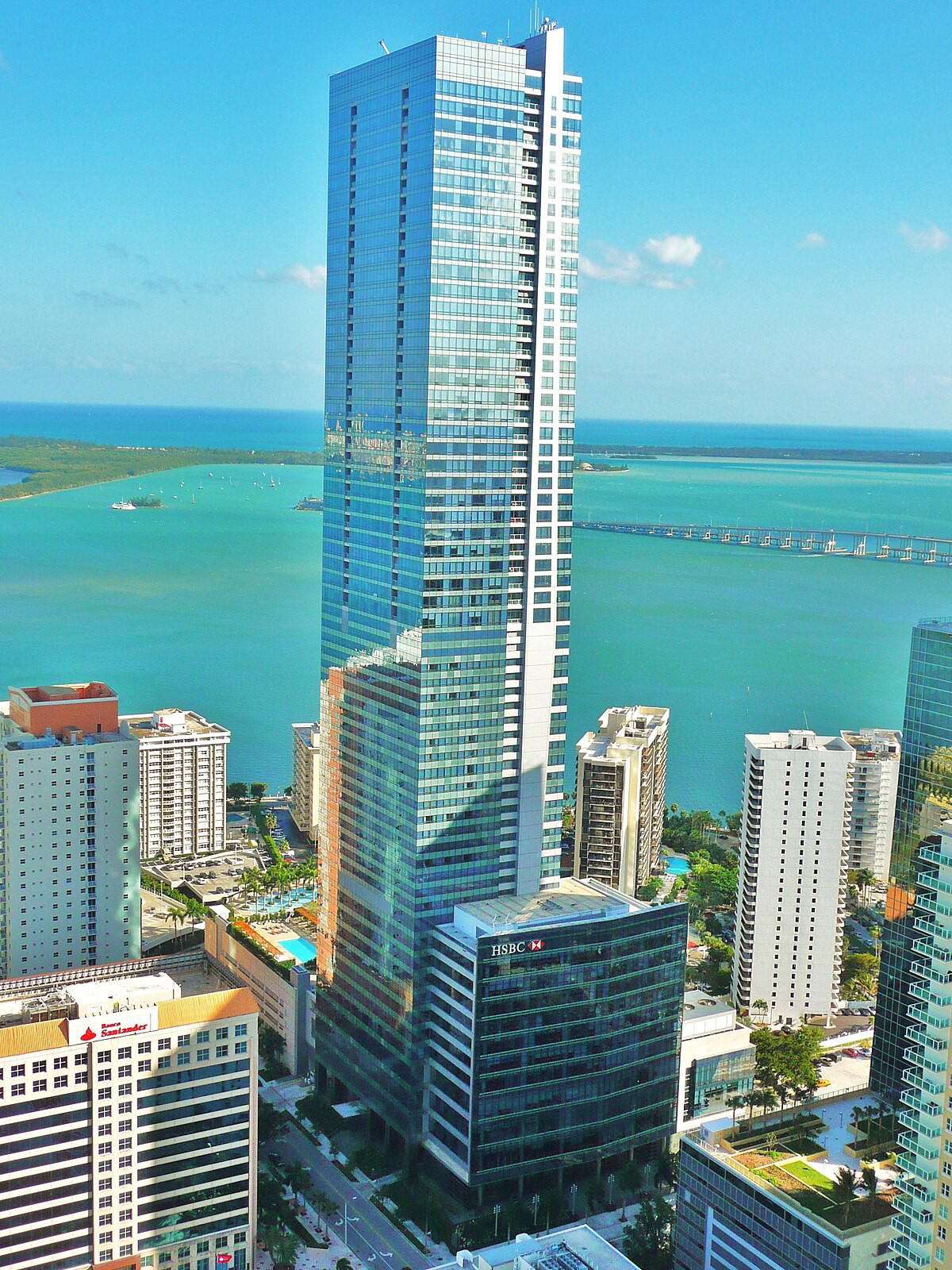
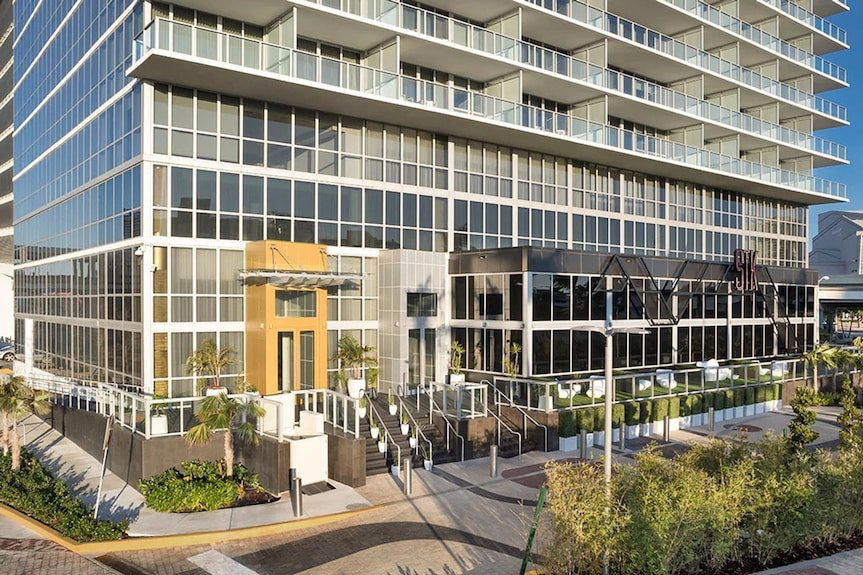
Osaka Miami is located at 1300 Brickell Bay Drive, placing it within walking distance of the core Brickell hotel corridor and accessible from the Brickell City Centre by a short walk. Given the address and price tier, this is a reservation-led dining environment; turning up without a booking during peak dinner service on a Thursday through Saturday would be a gamble not worth taking. For those primarily interested in value, the lunch service offers the more favorable cost-to-quality equation, though dinner delivers the fuller expression of what the kitchen and the room are designed to produce.
Frequently asked questions
What has Osaka Miami built its reputation on?
Start with the Nikkei framework itself. Osaka Miami's reputation rests on the Japanese-Peruvian culinary tradition, a cooking discipline that demands fluency in both raw fish handling at Japanese standards and the acidic, chili-driven flavors of Peruvian coastal cuisine. In Miami's Brickell corridor, that combination places the restaurant in a category with few direct competitors.
What do regulars order at Osaka Miami?
Within a Nikkei kitchen, the anchoring preparations are tiraditos and ceviches, both built on high-quality raw seafood treated with citrus and Peruvian chili rather than the soy-and-wasabi framework of Japanese tradition. Regulars at restaurants in this category tend to navigate toward those dishes as the clearest expression of what makes the cuisine distinct from either Japanese or Peruvian cooking in isolation.
What's the vibe at Osaka Miami?
If you are arriving on a weekday for lunch, expect a controlled professional atmosphere, the Brickell crowd, bay light, and a room that runs at medium pace. If you are there on a Friday or Saturday evening, the room shifts considerably: later tables, more social energy, and a lighting scheme that transforms the bay-facing setting. The more formal dinner mood fits better if you want the full theatrical experience; lunch suits those who want to assess the kitchen without the surrounding noise.
Is Osaka Miami reservation-only?
For dinner, treat it as reservation-required. Brickell's better dining rooms at this price point fill Thursday through Saturday, and a Nikkei concept with a distinctive identity in a limited competitive set has enough of a following to make walk-in dinner seats a low-probability outcome. Lunch may carry more flexibility, but booking ahead remains the prudent approach regardless of day.
Is Osaka Miami child-friendly?
At this price tier in Brickell, the room skews toward adult diners, both the formal dinner service and the professional lunch crowd create an atmosphere that is better suited to older children or teenagers who are comfortable in a structured fine-dining setting than to young families.
How does Osaka Miami compare to other Nikkei restaurants in the United States?
Nikkei restaurants in the United States remain relatively concentrated in New York and Los Angeles, making Miami's Brickell location a meaningful outlier in terms of geography. The format, Japanese technique applied to Peruvian ingredients and flavor logic, is well established in Lima and increasingly present in major American cities, but venues operating at full fine-dining scale in this tradition are still uncommon enough that Osaka Miami occupies a distinct position in South Florida's dining map.
Comparison Snapshot
Comparable venues nearby, for context on price, style, and recognition.
| Venue | Cuisine | Price | Notes |
|---|---|---|---|
| Osaka MiamiThis venue (the venue you are viewing) | Nikkei Japanese-Peruvian Fusion | Not listed | Not listed |
| Amazónico | Latin American rainforest-inspired fine dining with Japanese, Brazilian & Peruvian influences | $100–150 | Brickell |
| Bargean Miami | LatinAegeo (Latin-Mediterranean Fusion) | $50–100 | Little Havana |
| Marion | Mediterranean-Asian Fusion | $50–100 | Brickell |
| Amelia's 1931 | Contemporary Latin-Asian Fusion | $50–100 | Sweetwater |
| Calle Dragones | Cuban-Asian Fusion | $30–50 | Little Havana |
Continue exploring
More in Miami
Restaurants in Miami
All restaurants in Miami →
Bars in Miami
All bars in Miami →
Details
- Trendy
- Modern
- Sophisticated
- Elegant
- Date Night
- Celebration
- Special Occasion
- Open Kitchen
- Sake Program
- Craft Cocktails
- A La Carte
- Small Plates
- Sake
- Pisco
- Vegetarian Friendly
Current opening hours
- Monday
- 6–11 PM
- Tuesday
- 12–2:30 PM, 6–11 PM
- Wednesday
- 12–2:30 PM, 6–11 PM
- Thursday
- 12–2:30 PM, 6–11 PM
- Friday
- 12–2:30 PM, 6 PM–12 AM
- Saturday
- 6 PM–12 AM
- Sunday
- 12–4 PM, 6–10 PM
Hours can change for holidays and private events. Hours as of .
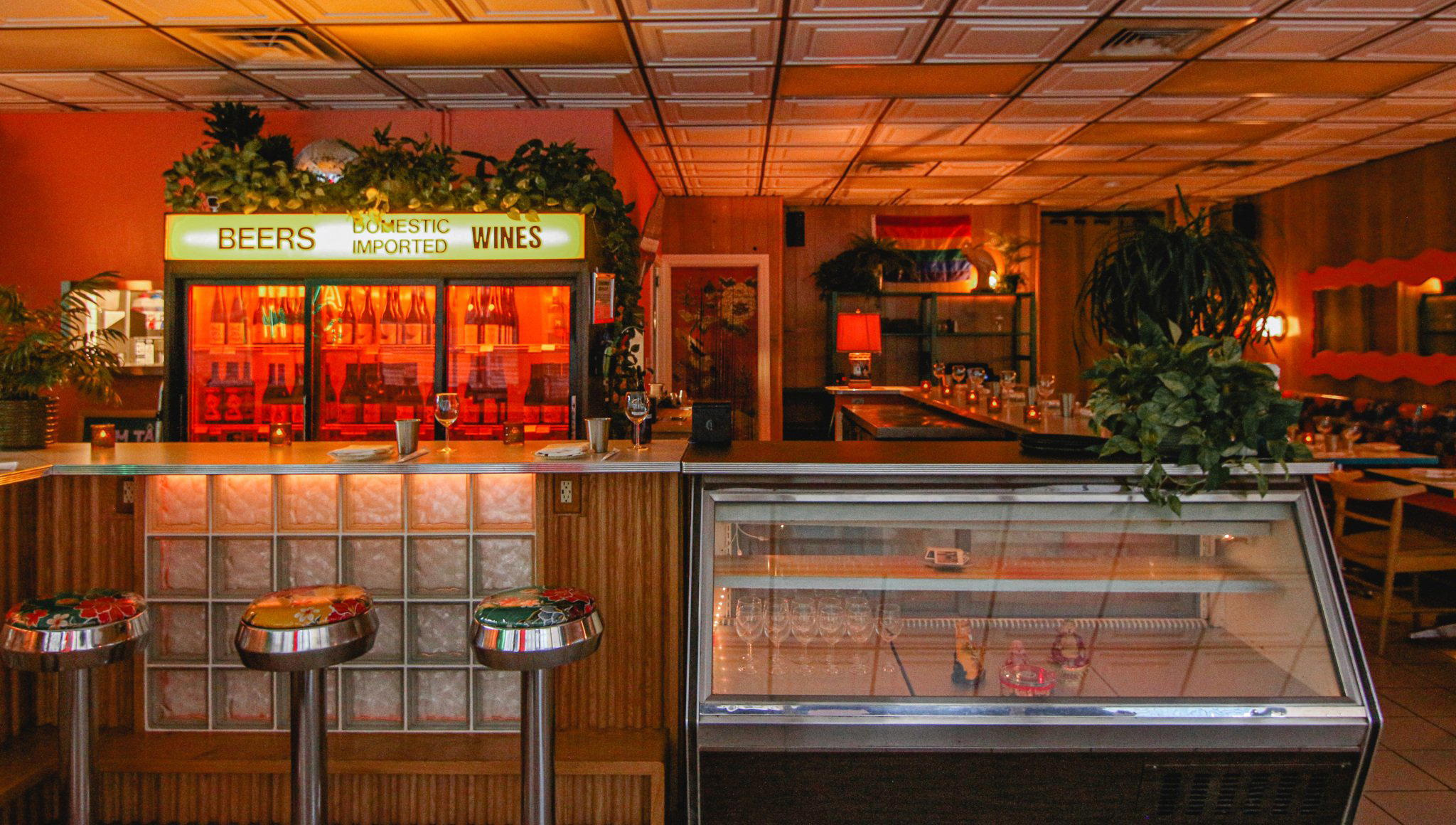
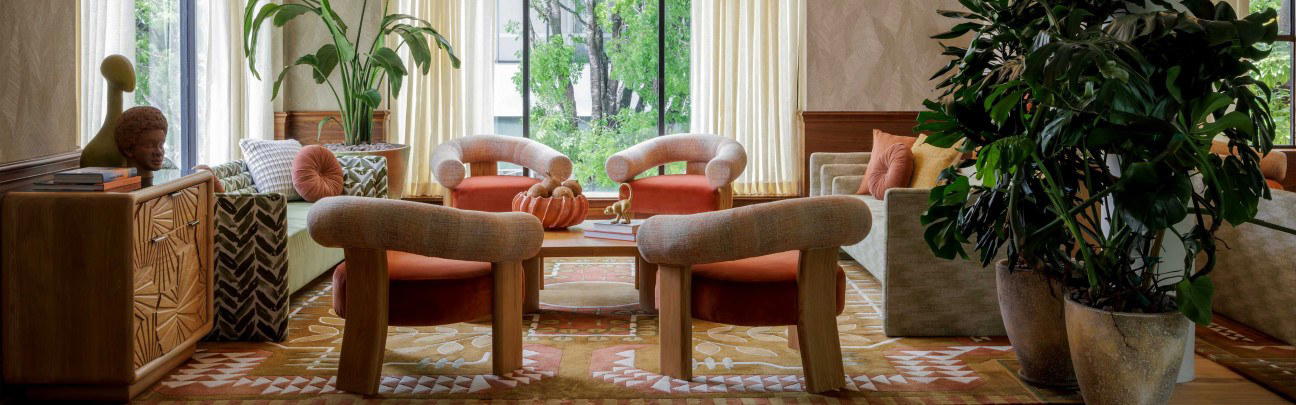
Sleek and modern atmosphere with captivating decor blending Japanese and Peruvian influences, creating a refined and exciting dining space.