Tenjinbashi-suji and the Ramen Counter Ritual Tenjinbashi-suji, the long covered arcade that threads through Kita-ku, runs past the kind of neighbourhood that Osaka does quietly and without ceremony: thick with shotengai commerce, older...
Pearl is the En Primeur Club membership app — saves, bookings, and concierge access live there. Same editors, same standards.
- Address
- 北区天神橋6-1-28, 大阪市, 大阪府, 530-0041
 Saves & bookings on Pearl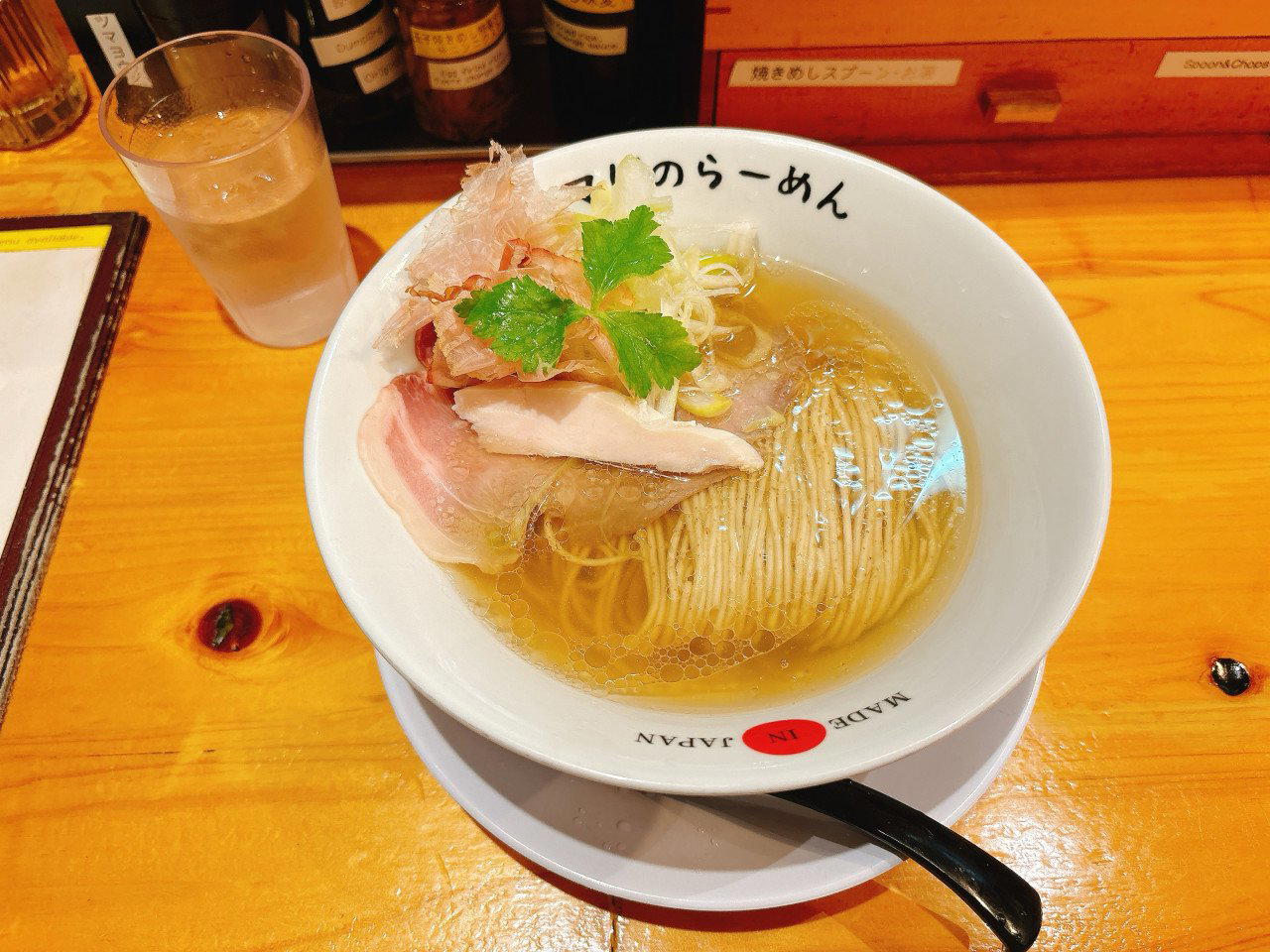
Tenjinbashi-suji and the Ramen Counter Ritual
Tenjinbashi-suji, the long covered arcade that threads through Kita-ku, runs past the kind of neighbourhood that Osaka does quietly and without ceremony: thick with shotengai commerce, older residential blocks, and the kind of eating places that operate on repeat custom rather than reservation lists. Ramen Chonmage at the Tenjinroku end of that corridor sits inside this pattern. The address, 天神橋6-1-28, places it in the deeper residential stretch of the arcade. That alone shapes the dining rhythm here. The crowd is local, the pace is decided by the kitchen, and the ritual of arrival, order, and departure follows the compressed, unsentimental beat of a working ramen shop.
In Osaka's dining conversation, the names that circulate internationally tend to cluster at the formal end: the kaiseki rooms of Taian, the Michelin-decorated French precision of HAJIME and La Cime, the seasonal Japanese craft of Kashiwaya Osaka Senriyama and Fujiya 1935. The ramen tier exists in a separate register entirely, one where the metrics are bowl price, broth depth, and queue length rather than tasting menus and wine pairings. Chonmage occupies that register at the Tenjinroku location, functioning as a neighbourhood anchor rather than a destination piece.
How the Counter Works
The ritual of the ramen counter in Japan has a compressed, almost choreographic logic. You arrive, you assess the queue, you order by ticket machine or counter call, and you eat without extended ceremony. The bowl arrives within minutes. You finish, you leave space for the next person. This pacing is not incidental; it is structural to how these places sustain themselves and how the broth stays consistent through service. Chonmage's Tenjinroku branch runs on this model, embedded in a neighbourhood where lunch breaks are real and dinner means something you fit in before catching the subway. The contrast with the extended tasting rhythms at formal Osaka rooms is total. Where kaiseki paces the meal across two hours and multiple courses, the ramen counter compresses everything into twenty minutes of focused eating.
Across Japan, ramen shops at this neighbourhood scale share common customs worth knowing before you arrive. The ticket machine, if present, requires a decision before you sit, which means knowing your order from the menu board posted outside or near the entrance. At busy periods, particularly the lunch window and the post-work dinner rush, queuing outside is normal and expected. The counter etiquette discourages extended phone use, lingering over an empty bowl, or loud conversation that breaks the focused quiet of service. These are not posted rules; they are absorbed through observation. Visiting ramen shops in other Japanese cities, from Fukuoka to Tokyo, reveals local variations, but the core discipline of the counter holds everywhere.
Osaka's Ramen Position in the National Map
Osaka is not the city that defines ramen nationally. That conversation is dominated by Sapporo (miso, butter, corn), Fukuoka (tonkotsu), Tokyo (shoyu, shio, tsukemen), and Kitakata. Osaka's ramen identity is harder to pin to a single regional style; the city's food culture is more strongly associated with kushikatsu, takoyaki, and the broader kuidaore tradition of eating well and eating often without restraint. What Osaka ramen does well, and this applies across the city's better neighbourhood shops, is absorb influences from multiple regional traditions and serve them to a local population that judges a bowl on practical, repeat-visit terms rather than trend signals.
Shops along the Tenjinbashi corridor and the wider Kita-ku area serve a mixed demographic: students from the nearby university zones, families from the residential blocks, and working adults who know exactly what they want and how long they have to eat it. That audience keeps standards grounded. A bowl that doesn't hold up on a Tuesday at noon will not survive on reputation alone. The same practical accountability applies to comparable neighbourhood operations across Japan, from the shotengai-adjacent shops in smaller regional cities to the dense ramen clusters around transit hubs in Sapporo.
Planning a Visit
The Tenjinroku location is accessible directly from Tenjinbashisuji Rokuchome Station, served by the Osaka Metro Sakaisuji Line and the Hankyu Senri Line, making it a direct stop from central Osaka without requiring a taxi or transfer. The neighbourhood around the address on 天神橋6-1-28 is pedestrian-friendly and compact. The shop is walk-in friendly. Visiting without a reservation is the standard approach; arriving slightly before the peak lunch or dinner window improves your chances of a shorter wait. Dress code is entirely informal, as with all shops operating at this category and price point in Japan.
The comparison is not about price or prestige; it is about format discipline as a form of quality signal.
Price and Recognition
Comparable venues nearby, for context on price, style, and recognition.
| Venue | Cuisine | Price | Awards | Notes |
|---|---|---|---|---|
| ラーメン チョンマゲ 大阪天六店This venue — the venue you are viewing | $ | , | ||
| isato | Suita, Ramen shop in Suita | $ | , | |
| Mensho Jikon | Moriguchi, Ramen & Tsukemen Shop | $ | , | |
| Tai Paitan Ramen ○de▽ | Yodogawa, Sea bream paitan ramen | $ | , | |
| Zeroku Honmachi ten | $ | , | Chūō, Traditional Japanese kissaten with coffee and monaka ice cream | |
| Aji no Mise Ichiban | $ | , | Nakamozu, Tonkatsu & yoshoku (Japanese Western-style) |









At a Glance
- Trendy
- Lively
- Cozy
- Casual Hangout
- Late Night
- Solo
- Open Kitchen
- Sake Program
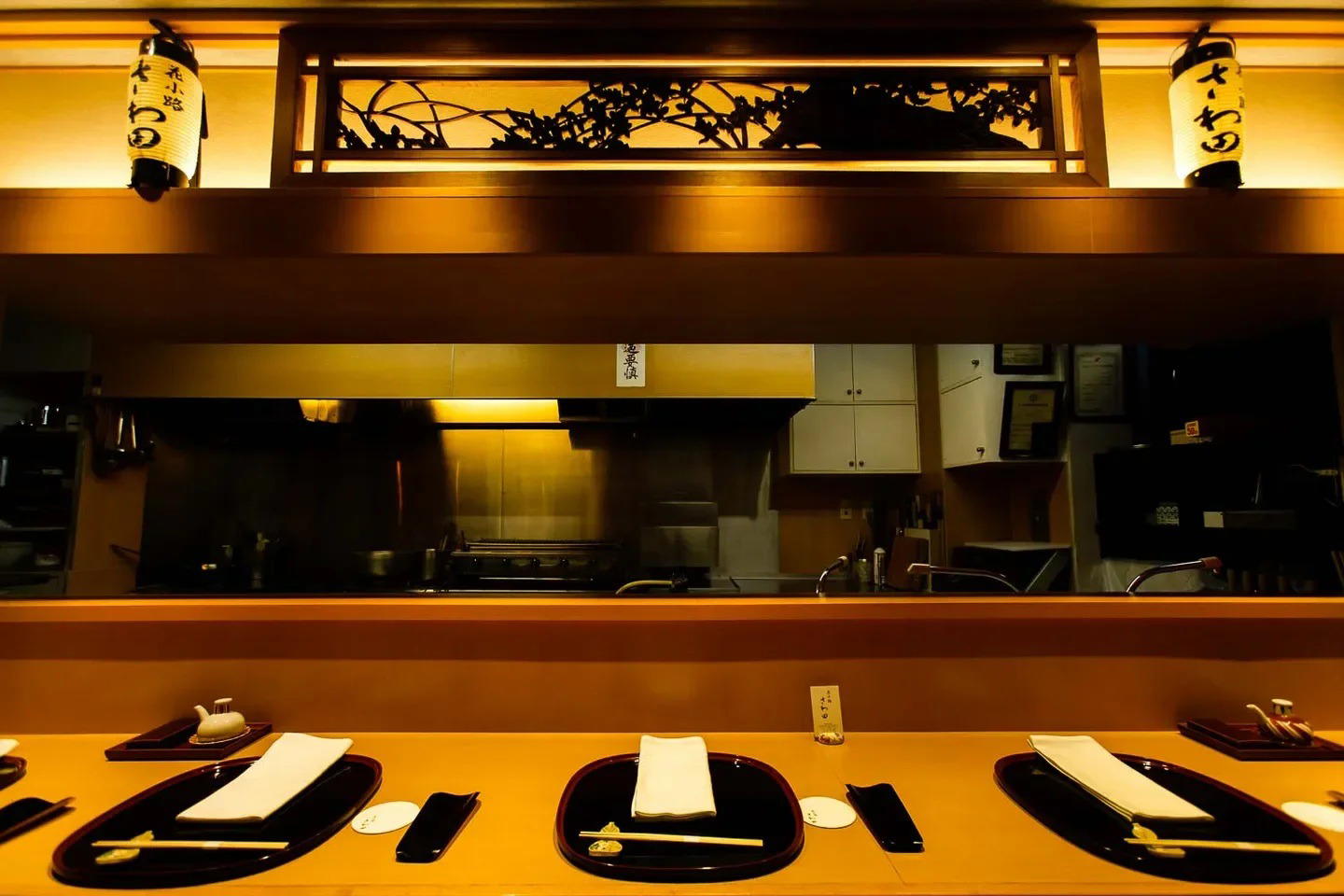
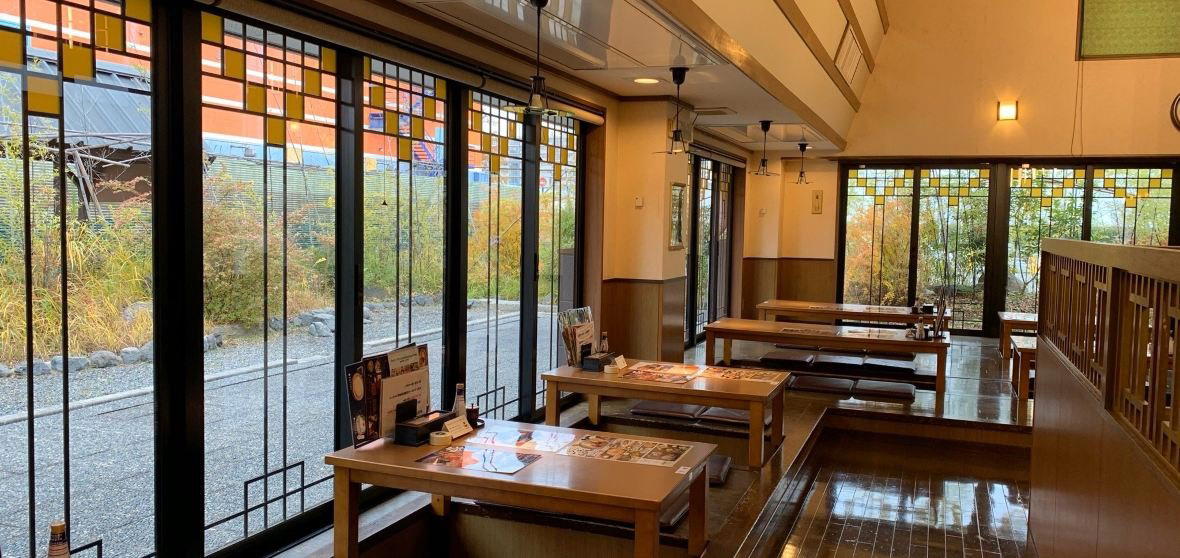
Casual counter and small table seating with a lively, popular atmosphere drawing crowds for its trendy ramen experience.