
isato belongs to Osaka’s serious ramen tier: a seven-seat counter in Suita with repeated Tabelog Ramen OSAKA “Tabelog 100” selections from 2023 through 2025. The appeal is structural rather than theatrical, with a compact counter format, modest ramen pricing, and a city-fringe location that suits diners who read ramen as craft, not convenience.
Pearl is the En Primeur Club membership app — saves, bookings, and concierge access live there. Same editors, same standards.
- Address
- 大阪府吹田市朝日町5-24
- Website
- tabelog.com
 Saves & bookings on Pearl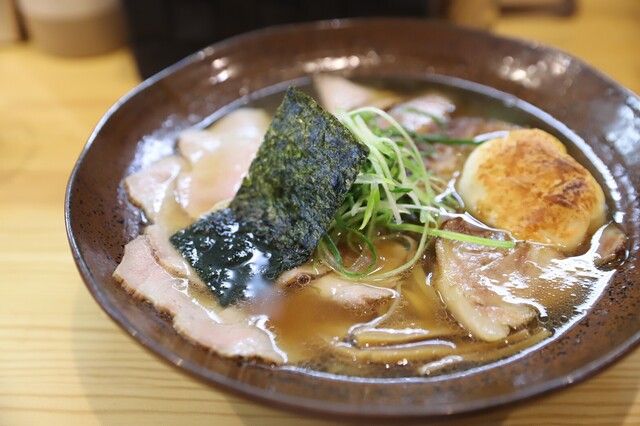
A seven-seat ramen counter changes how a meal behaves: no lounge drift, wine-list delay, or committee ordering. Osaka’s ramen culture spans station bowls, late-night tonkotsu, and specialist counters, but the smallest rooms ask a sharper question: what does the menu say when there is almost no space for distraction?
That is the useful way to read isato. The restaurant sits in Suita, outside the city’s denser tourist dining corridors, and its recognition on Tabelog Ramen OSAKA “Tabelog 100” in 2023, 2024, and 2025 puts it where repeat selection matters more than one burst of attention. Its 3.68 score is not a Western luxury-guide number; in Japan’s user-review culture, especially for ramen, it signals sustained local approval in a crowded field where broth, noodle handling, and pacing are heavily scrutinised.
For travellers building a wider Osaka eating schedule, this differs from department-store grazing, market snacking, or long-form kappo. It belongs to the city’s disciplined counter side, where format is part of the criticism. Compare it with Our full Osaka restaurants guide, then separate it from bakery runs such as 52CHO-ME BAKERY, casual local stops like .cafe, and famous takeaway culture represented by 551 Horai (551蓬莱).
A seven-seat ramen counter where the menu has to do the editing
Menu architecture matters more in ramen than many visitors realise. A compact shop cannot hide behind range; it must control broth, noodle, topping, and portion choices while keeping counter rhythm. At seven seats, turnover, bowl temperature, and the kitchen’s ability to repeat the same standard across a short service loop all carry weight.
isato’s public category is simply ramen, which is revealing. Osaka has imported and reworked nearly every major idiom, from Hakata-style pork-bone bowls to lighter soy-led and salt-led expressions. A specialist counter with repeated Tabelog 100 placement belongs to the latter-day ramen economy, where a bowl in the JPY 1,000 to JPY 1,999 band can be judged with the seriousness once reserved for tasting menus. That tier keeps it democratic, while recognition and seat count make the experience selective by capacity rather than tariff.
Comparison sharpens the point. Gokumen Aonisai and Ramenya Akagi sit in a lower listed budget band, while Hakata Tonkotsu Tenjinki and KUCHE share the JPY 1,000 to JPY 1,999 range. Épais Coup is listed higher, moving toward another spend bracket. These figures do not rank the bowls; they map the competitive set. isato reads as a small-format specialist inside the mid-priced ramen band, where craft must justify attention without fine-dining insulation.
Approach the menu less like a catalogue and more like a statement of priorities. Ramen menus often signal their argument through restraint: fewer branches, clearer sequencing, and emphasis on the shop’s base style rather than novelty scatter. At this size, excess choice slows the room and blurs intent. Let the core bowl define the visit; treat add-ons and sides as secondary.
Suita gives the bowl a different Osaka context
Suita changes expectations before the first order. Central Osaka rewards density: one neighbourhood can cover standing sushi, wine bars, kushikatsu, coffee, and late-night noodles within a short walk. A Suita ramen stop asks for a deliberate route, pulling the meal out of the tourist circuit and into rail-linked suburbs where repeat local customers set severe everyday standards.
The nearest station is Suita on the JR Kyoto Line, so this is not remote destination dining. It is a short, focused detour for diners treating Osaka as a food city rather than a checklist. The counter format makes solo dining natural, and the listing identifies it as family friendly with children welcome, a reminder that serious ramen in Japan is not automatically precious or exclusionary.
There are trade-offs. The restaurant has no private rooms and no private-use format, so the experience is public, close, and counter-led. Payment is strictly cash-oriented: credit cards, electronic money, and QR payments are not accepted. Parking is not attached, though coin parking is listed nearby. Such details matter because a small counter does not absorb logistical mistakes gracefully; it rewards diners who arrive prepared and order decisively.
Osaka visitors often split planning across categories, and isato fits better when the day has contrast. Pair the ramen stop conceptually with Italian craft at a canto (Italian) or pizza-focused dining at 99 Pizza Napoletana Gourmet, rather than making every meal another noodle hunt. For the rest of the city’s hospitality map, keep Our full Osaka hotels guide, Our full Osaka bars guide, Our full Osaka wineries guide, and Our full Osaka experiences guide in play.
Where it sits in Japan's small-counter dining culture
Japan’s strongest casual formats often come from limitation. Sushi counters, curry specialists, onigiri shops, and ramen rooms use narrow menus to create speed, repetition, and identity. A seven-seat ramen shop can therefore belong in the same planning conversation as other tightly focused Japanese addresses, even when the cuisine differs. Travellers studying format as much as flavour might compare the discipline here with [Curry Senmon Ten] Maruyama Kyoju. in Sapporo, [ki:] in Kyoto, or (Shoku) Vietnam in Kawasaki, where category focus shapes the meal before any plate arrives.
That lens separates serious small-format dining from broader destination eating. -Grilled beef Sukiyaki- KAMAKURA TANUKIAN 鎌倉 たぬき庵 in Kamakura speaks through a different Japanese comfort register;. 鮪と炭火焼き うお炭 秋葉原店 in Tokyo moves toward seafood and charcoal;.know in Kumamoto shows how regional restaurants build identity outside the main tourist spine. Across the Pacific, Jōdo Saké Bar in Los Angeles and Onigiri Time in Pasadena show how Japanese formats travel, but Osaka ramen remains rooted in speed, compression, and local repeat custom.
The critical case for isato is not grand occasion. It represents a particularly Japanese seriousness: modest spend, limited seats, no ornamental ceremony, and enough consistency to appear repeatedly on a major Osaka ramen selection. For travellers who know a great food city is measured as much by counters as tasting menus, that is the reason to pay attention.
At-a-Glance Comparison
Comparable venues at a glance for context.
| Venue | Cuisine | Price | Notes |
|---|---|---|---|
| isatoThis venue — the venue you are viewing | Ramen shop in Suita | $ | Not listed |
| NAKAGAWA Wazu | Niboshi-focused Ramen Counter | $ | Higashiyodogawa |
| Toki Ya | Tsukemen ramen shop | $ | Yodogawa |
| Tonpito Torino Koryu Masu | Japanese Ramen | $ | Miyakojima |
| GARuRu KO-RI | Kakigori (Japanese shaved ice) specialty shop | $ | Kita |
| Gyoza Tateyama Umeda ten | Gyoza and Japanese Dumpling Bar | $ | Kita |
Recognition history
Dated appearances from independent guides and award organizations, with the underlying list record or original source where available.
Tabelog 100 #52 · No. 52
Tabelog · Tabelog 100 - Ramen - OSAKA - 2025
Continue exploring
More in Osaka
Restaurants in Osaka
Browse all →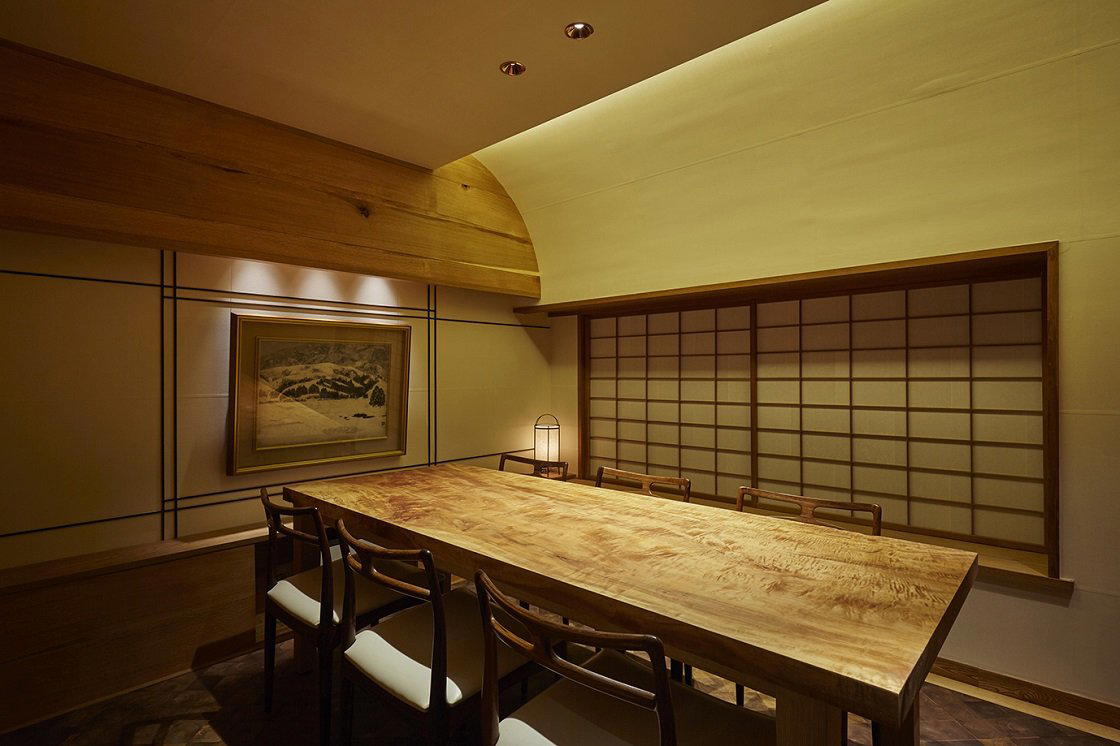




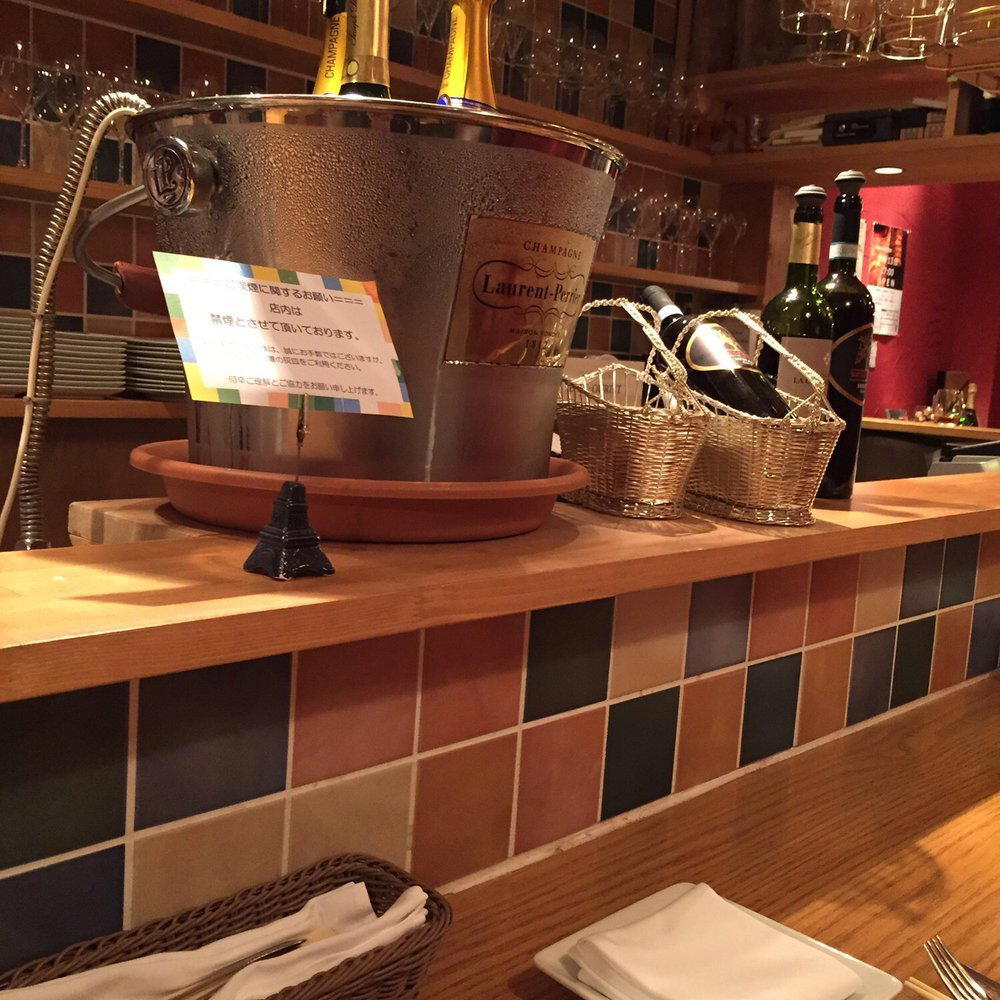
Bars in Osaka
Browse all →



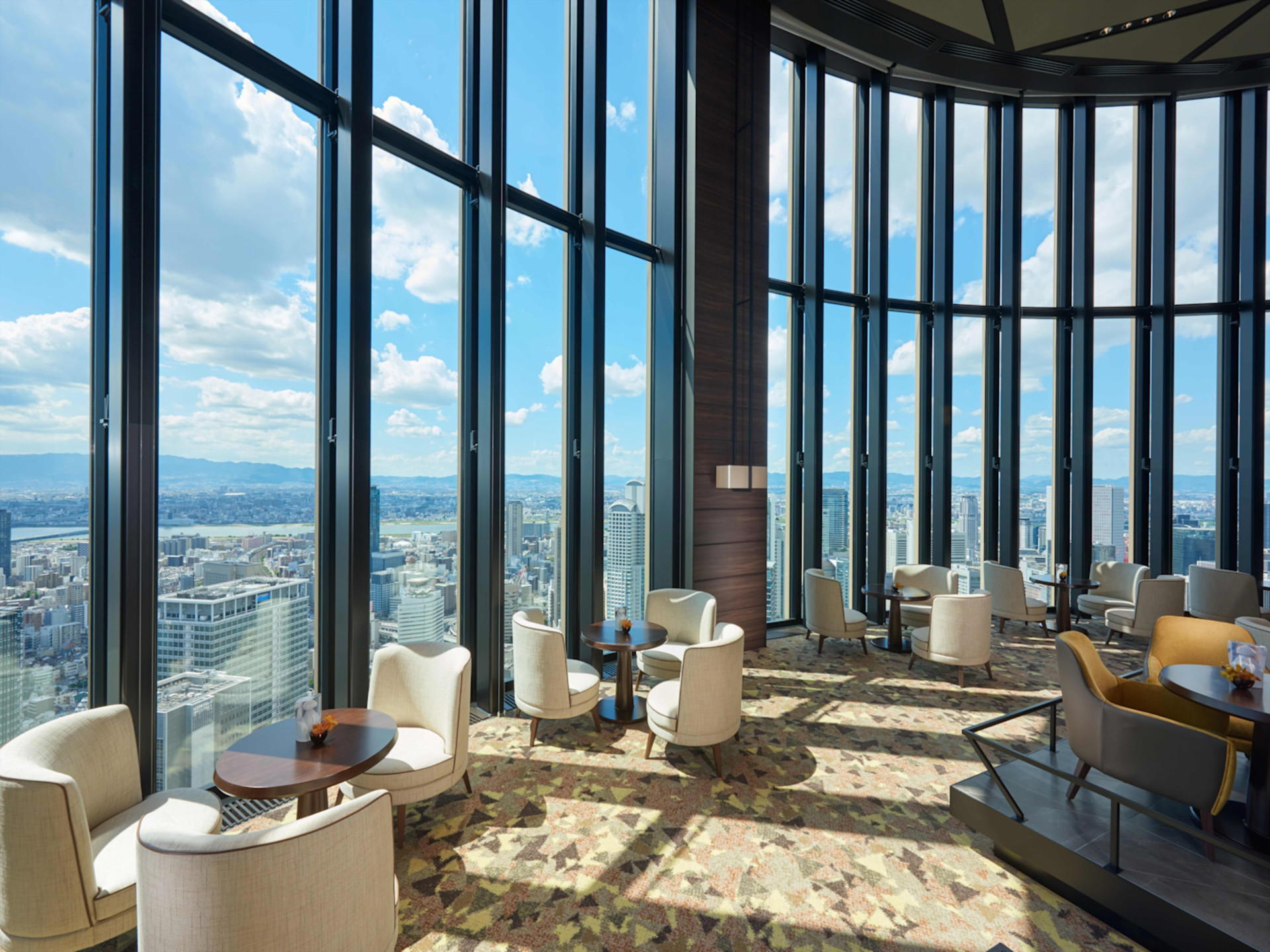
Hotels in Osaka
Browse all →



Wineries in Osaka
Browse all →
At a Glance
- Cozy
- Lively
- Solo
- Family
- Casual Hangout
- After Work
- Late Night
- Standalone
A compact, non‑smoking counter ramen shop with just seven seats, a casual and bustling atmosphere, and a direct, no-frills interior focused on efficient solo or family meals.