Lucky88 sits on Level 1 of the Ryde retail precinct, at the corner of Devlin Street and Blaxland Lane, a location that places it squarely within Sydney's north-west Chinese dining corridor rather than the inner-city restaurant strip. With the name carrying clear cultural signalling, the venue draws from a neighbourhood demographic that rewards familiarity and consistency over destination-dining spectacle.
Pearl is the En Primeur Club membership app — saves, bookings, and concierge access live there. Same editors, same standards.
- Address
- Level 1 Near Coles, Cnr Of Devlin Street &, Blaxland Ln, Ryde NSW 2112, Australia
- Phone
- +61450202999
- Website
- taogroup.com.au
- Directions
- Get directions
 Saves & bookings on Pearl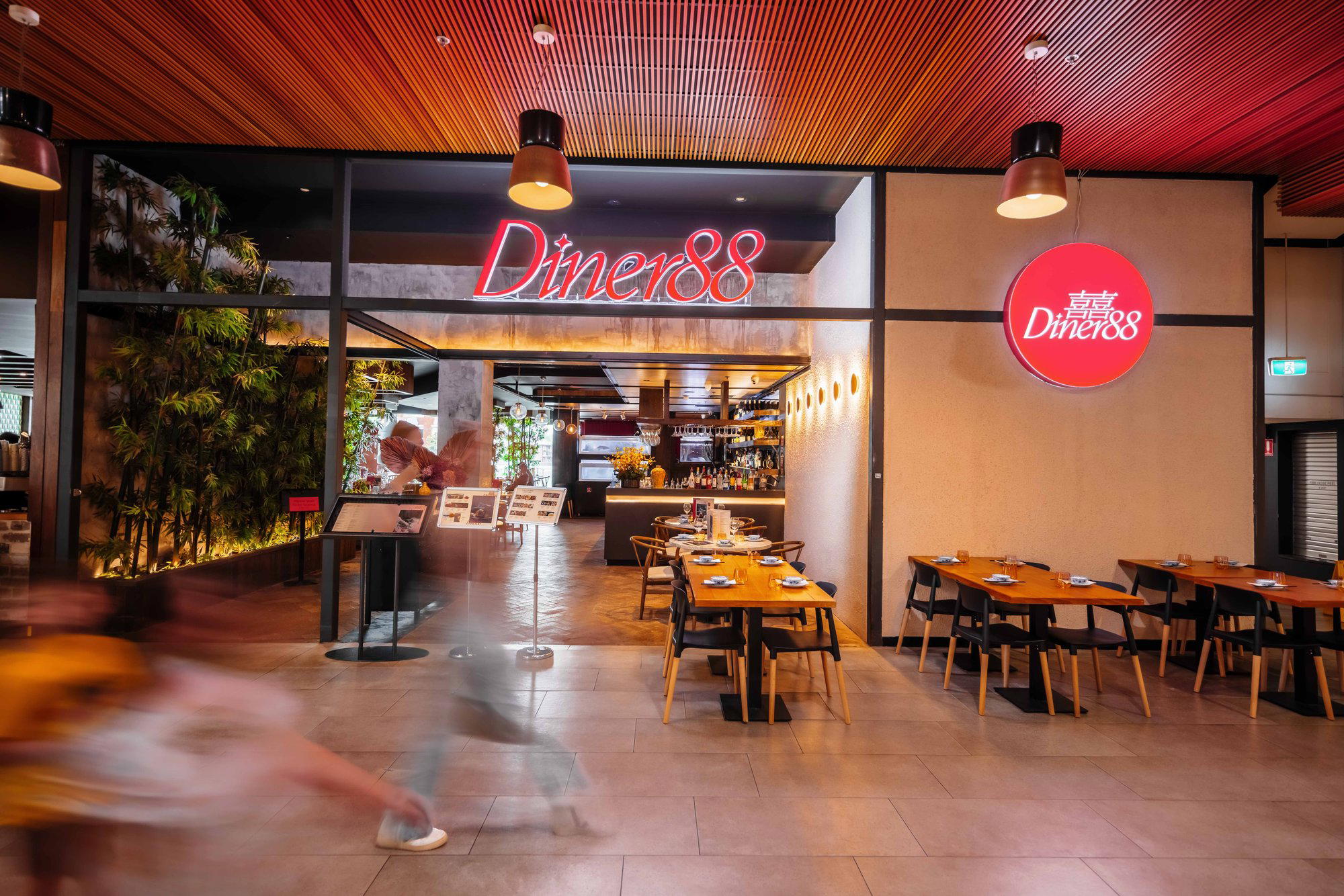
Ryde's Dining Position in Sydney's Broader Chinese Food Geography
Sydney's Chinese restaurant scene has never operated as a single, unified district. Chinatown in Haymarket carries the tourist and late-night trade; Chatswood pulls the affluent suburban crowd with its high-turnover Cantonese banquet rooms and Hong Kong-style cafes; and further north-west, suburbs like Ryde, Eastwood, and Burwood maintain a quieter, neighbourhood-first Chinese dining culture that rarely makes editorial headlines but sustains loyal regulars across generations. Lucky88 occupies this third tier, address-level at Level 1, Corner of Devlin Street and Blaxland Lane, Ryde, in a precinct anchored by everyday retail rather than destination hospitality.
That positioning matters. Ryde's dining strip functions differently from the CBD or inner-east restaurant corridors covered extensively by publications tracking venues like Rockpool (Australian Cuisine) or Saint Peter (Australian Seafood). Those venues answer to a national critical audience and international peer comparisons. Neighbourhood Chinese restaurants in Ryde answer to the table of six who've been coming every Sunday for three years. The criteria are different, the loyalty mechanisms are different, and the experience is shaped accordingly.
What the Setting Signals Before You Order
Arriving at a first-floor restaurant above a Coles in a suburban retail block sets a clear register: this is not a room designed to perform. Chinese dining rooms in this category across Sydney, from Eastwood to Burwood to Hurstville, typically prioritise functional capacity over interior theatre. The sensory experience on entry is usually one of controlled noise: the scrape of lazy Susans, the percussion of ceramic on laminate, the ambient hum of a room where most tables are occupied by people who already know what they're ordering.
These rooms don't need mood lighting or a curated soundtrack to signal confidence. The confidence is in the crowd, the pace of service, and the institutional knowledge that accumulates at a venue where regulars outnumber first-timers. That dynamic, where the room itself is the advertisement, defines a particular strand of Sydney's suburban Chinese dining that deserves more considered treatment than it typically receives from food media focused on inner-city openings.
For context on what Sydney's more formally positioned restaurants look like in structural terms, venues such as 10 William St and 1021 Mediterranean represent the design-conscious, wine-forward end of the market. Lucky88's address and precinct place it in an entirely different register, one where the measure of quality is repetition and reliability rather than critical innovation.
The Cultural Weight of the Name
Naming a restaurant Lucky88 is a deliberate cultural statement. Eight is especially auspicious number in Chinese numerology, associated with wealth and prosperity, a phonetic link to the Cantonese word for prosperity. Doubling it amplifies the intention. Across Sydney, Melbourne, and every major Australian city with a significant Chinese diaspora, this naming pattern appears in restaurants, bakeries, and grocery stores as a shorthand for cultural belonging and community rootedness. It signals, before anything else, who the primary audience is and what the venue considers its first obligation.
That kind of cultural groundedness is worth placing in a national context. Attica in Melbourne and Brae in Birregurra pursue a different kind of rootedness, one expressed through native Australian ingredients and fine-dining formalism. Lucky88's rootedness is communal and diasporic: a different tradition, a different audience, and a different definition of what it means for a restaurant to belong to a place.
Suburban Chinese Dining and the Broader Sydney Pattern
Sydney's north-west suburbs have developed one of Australia's most concentrated Chinese food corridors, driven by decades of immigration from Hong Kong, mainland China, and Taiwan. The restaurants that anchor these suburbs, whether Cantonese banquet halls, Shanghainese dumpling shops, or Sichuan specialists, tend to operate with minimal marketing infrastructure and high word-of-mouth velocity. A recommendation travels through a WeChat group faster than any review.
This ecosystem sits largely outside the critical apparatus that tracks venues like 10 Pounds or monitors the seasonal menus of inner-city Australian modern restaurants. That invisibility to mainstream food media doesn't reflect quality, it reflects a structural gap in how Australian restaurant culture gets documented and discussed. Venues serving predominantly non-English-speaking communities rarely accumulate the awards and editorial citations that make a restaurant legible to a general critical audience, even when the cooking is technically accomplished and the dining room consistently full.
For those looking at Sydney's dining scene from a broader national lens, comparable dynamics play out in Melbourne's Richmond and Box Hill precincts, where Bar Carolina in South Yarra and Barry Cafe in Northcote sit at the opposite cultural end of the spectrum. Understanding that range, from neighbourhood Chinese in Ryde to modern Australian in Northcote, is what a useful Sydney and Melbourne restaurant map actually requires.
Booking, Timing, and Practical Orientation
What the address does confirm is the precinct: Level 1 in a retail block at Devlin Street and Blaxland Lane, Ryde, a location that is pedestrian-accessible from Ryde's main shopping area and consistent with how Chinese restaurants in this suburb typically operate within or adjacent to retail centres.
Broader pattern guidance for this category of Sydney suburban Chinese dining: weekend lunches in Ryde's main dining strips are the peak session. Banquet-format venues in particular fill early, and the trade is heavily table-turn oriented. Arriving at or just before the first service sitting is the practical approach for any venue in this category where reservations may not be the primary booking mechanism.
Budget and Context
Comparable venues nearby, for context on price, style, and recognition.
| Venue | Cuisine | Price | Notes |
|---|---|---|---|
| Lucky88This venue — the venue you are viewing | Ryde, Modern Chinese | $$ | Not listed |
| 25 Spices Hunan | Haymarket, Hunan Chinese | $$ | Not listed |
| Grandfather's | Sydney, Guangdong & Sichuan Chinese | $$$ | Not listed |
| MuMian Dining | Sydney, Modern Cantonese | $$$ | Not listed |
| East West Kitchen | Not listed | $$ | Denistone, Asian-Italian-Australian Fusion |
| Golden Century | Barangaroo, Classic Cantonese Seafood | $$$ | Not listed |
Continue exploring
More in Sydney
Restaurants in Sydney
Browse all →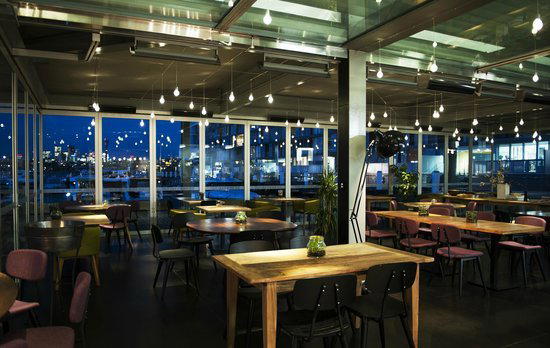
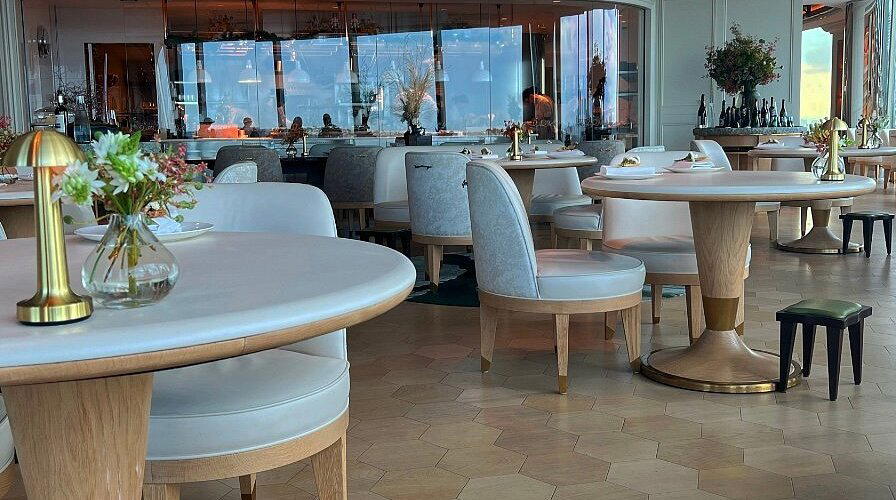
Bars in Sydney
Browse all →
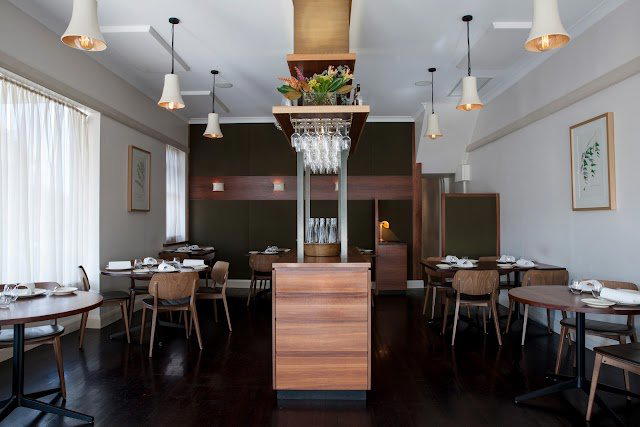
Hotels in Sydney
Browse all →
At a Glance
- Modern
- Sophisticated
- Cozy
- Group Dining
- Casual Hangout
- Brunch
- Open Kitchen
- Craft Cocktails
Current opening hours
- Monday
- 11:30 AM–3 PM, 5–9:30 PM
- Tuesday
- 11:30 AM–3 PM, 5–9:30 PM
- Wednesday
- 11:30 AM–3 PM, 5–9:30 PM
- Thursday
- 11:30 AM–3 PM, 5–9:30 PM
- Friday
- 11:30 AM–3 PM, 5–10 PM
- Saturday
- 11:30 AM–10 PM
- Sunday
- 11:30 AM–10 PM
Hours can change for holidays and private events. Last verified .
Sophisticated indoor-outdoor space with luxurious red velvet curtain partitions and soft pendant lighting creating a warm and welcoming atmosphere.