Our verdict
Positioned on Macquarie Street in the heart of Sydney's CBD, The East Chinese Restaurant occupies a city address that places it within reach of the Harbour precinct's densest concentration of formal dining. The kitchen draws on Chinese culinary tradition in a setting that reflects the considered service culture increasingly defining Sydney's upper-tier Chinese dining scene.

Pearl is the En Primeur Club membership app — saves, bookings, and concierge access live there. Same editors, same standards.
The menu
What to order
- East Duck Pancake
- Steamed Coral Trout with Ginger Shallot
- Live Lobster Sautéed with Ginger Shallot Sauce
- Glacier 51 Toothfish
- Salt & Pepper Squid
Where Chinese Dining Meets Sydney's Civic Core
Macquarie Street is not where Sydney hides its restaurants. It is where the city presents itself: the State Library, the hospital precinct, Parliament House, and the long corridor of sandstone and glass that separates the CBD grid from the Royal Botanic Garden. Dining on this strip means operating within a particular set of expectations — formality, occasion, a clientele that arrives with somewhere to be afterward. The East Chinese Restaurant, at 8/1 Macquarie Street, occupies that context directly, and the address alone signals something about the register it is playing in.
Sydney's upper-tier Chinese dining scene has shifted considerably over the past decade. What was once a circuit concentrated in Chinatown and the inner suburbs has expanded into the CBD and harbourside precincts, tracking broader shifts in how the city's dining establishment receives and positions Chinese cuisine. The more interesting operators in this tier are no longer simply importing a format; they are working through questions of service architecture, wine integration, and front-of-house coordination that have historically defined European fine dining. The East sits within that evolution.
The Team Dynamic: Service as Structure
In Chinese restaurant culture, the coordination between kitchen, floor, and the person managing the table's drinking decisions has rarely received the same codified attention it gets in European formats. That is changing at the higher end of the Sydney market, where the interplay between chef intent, front-of-house pacing, and beverage selection is increasingly treated as a structural element of the meal rather than an afterthought.
The question worth asking of any restaurant in this bracket is whether the floor team and the kitchen are working from the same script. In Chinese dining, this matters more than it might in a format where dishes arrive sequentially in a fixed order. A banquet-style service, or even a la carte with shared plates, requires a floor team that understands the kitchen's sequencing logic and can translate that to a table without disrupting the meal's rhythm. The leading operations in Sydney's Chinese dining tier have invested in this coordination in ways that were not common even five years ago, and it is increasingly the differentiating variable between a good meal and a considered one.
For reference points on how Sydney's broader fine dining conversation is being had, Rockpool and Saint Peter represent the Australian-cuisine anchor of that conversation, while the CBD's international restaurants are carving their own space within it. The East's Macquarie Street position places it geographically adjacent to the formal dining district rather than within the looser, more casual precincts further west.
The CBD Chinese Dining Tier
Chinese restaurants operating in Sydney's CBD face a different competitive logic than those in Haymarket or Eastwood. The clientele is broader — business lunches, pre-theatre dinners, hotel guests from the nearby Circular Quay properties, and the expectations around service pace and wine lists are calibrated accordingly. This is neither better nor worse than the regional Chinese dining clusters, but it is a distinct register, and the restaurants that perform well in it tend to be those that have thought carefully about how to operate across multiple service occasions within a single day.
The wine question is particularly instructive. Chinese cuisine and wine pairing has moved from an afterthought to a genuine area of sommelier attention in Sydney's better operations. The textural complexity of Cantonese roasting techniques, the acidity demands of Sichuan preparations, and the aromatic density of braised dishes each call for different approaches, and a floor team that can guide a table through those decisions adds measurable value to the meal. Across the city's restaurant scene more broadly, venues like 10 William St have demonstrated how beverage-led service can become a defining characteristic of a restaurant's identity. The same logic applies in a different key to Chinese dining at this level.
For those building a broader picture of Sydney's dining options in this precinct, 1021 Mediterranean and 10 Pounds offer nearby reference points across different cuisine categories. The full Sydney restaurants guide covers the broader spread of the city's dining scene by neighbourhood and format.
Macquarie Street: The Physical Setting
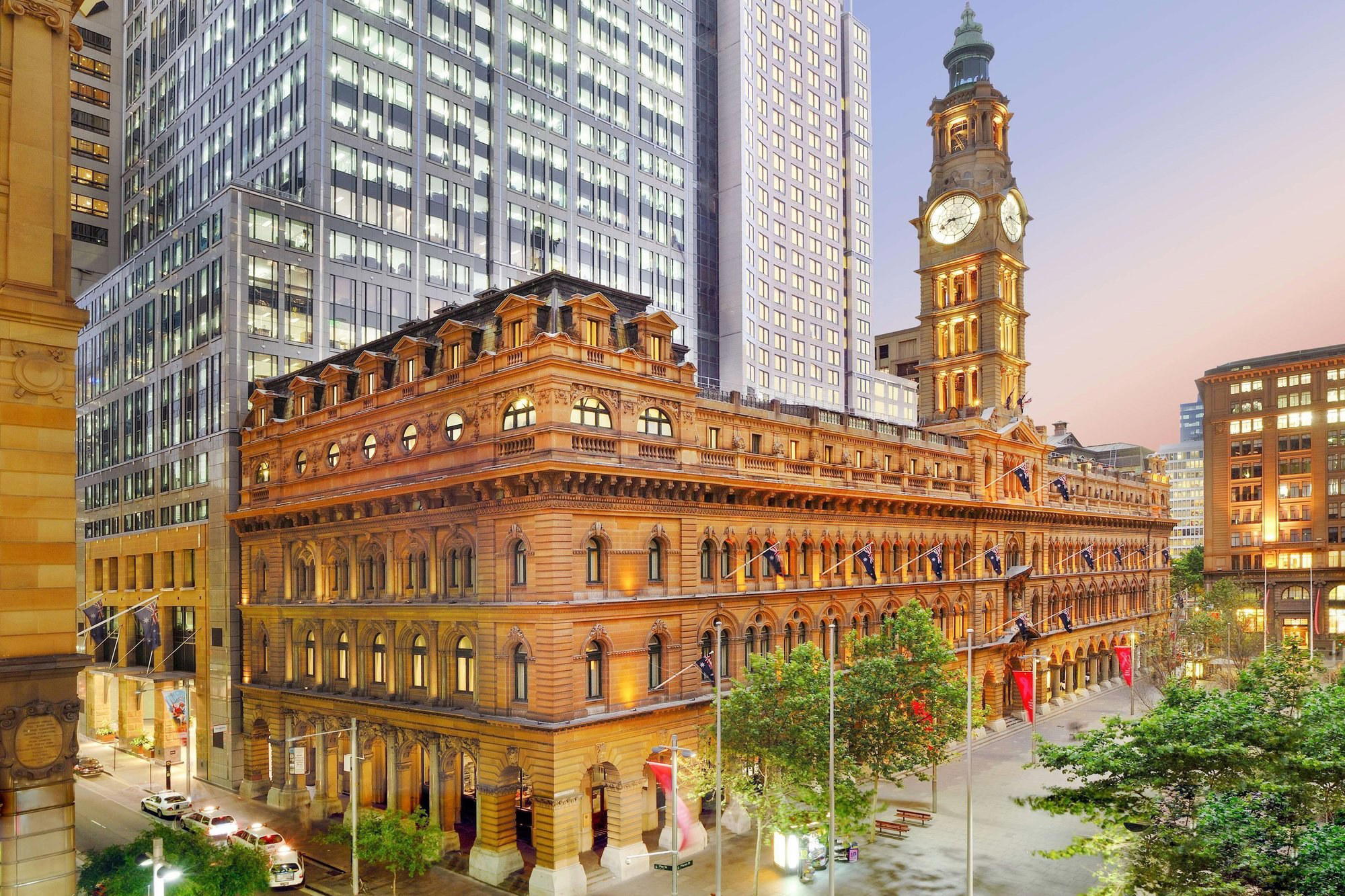
The building at 1 Macquarie Street sits at the northern end of the street's formal stretch, close to the point where the city's official precinct gives way to the Harbour. This is a high-footfall area during business hours and quieter by the standards of the CBD in the evening, which tends to produce a particular dining atmosphere: more deliberate, less transient, with tables that have been booked rather than walked into. The ground-floor retail and restaurant tenancies in buildings along this strip serve a mix of office workers at lunch and a more destination-oriented crowd at dinner, and a Chinese restaurant at this address is positioning itself for both occasions.
Sydney's harbourside dining geography has its own internal hierarchy. The Circular Quay restaurants at the waterfront end carry a premium for the view; restaurants a block or two inland trade the view for a slightly different clientele and, often, a more focused operation. The Macquarie Street corridor sits in the latter category, and the restaurants that work well there tend to be those that earn repeat visits on the strength of the meal rather than the outlook.
Broader Australian Context
Understanding any Sydney Chinese restaurant's position requires some awareness of what the broader Australian dining scene is doing. Restaurants like Attica in Melbourne and Brae in Birregurra have set a high baseline for what considered, technique-driven cooking looks like at the top of the Australian market, and that baseline has raised expectations across categories. Bayly's Bistro in Kirribilli and Johnny Bird in Crows Nest represent the kind of neighbourhood-anchored quality that Sydney diners now take as a given across the city's better postcodes.
International comparison points are also instructive. Le Bernardin in New York City demonstrates how a restaurant can maintain technical rigour across decades of service; Atomix in New York City shows how Korean fine dining has used front-of-house narrative as a structural element of the meal, a model that has relevance for how Chinese cuisine at this level might frame its own service architecture. Further afield, bills in Bondi Beach and Bar Carolina in South Yarra illustrate the range of registers Sydney and Melbourne's dining scenes accommodate simultaneously.
Planning Your Visit
The Macquarie Street address is accessible from Circular Quay station and the Martin Place precinct, placing The East within easy reach of the CBD's transport connections. Given the density of office and hotel traffic in this part of the city, lunch service on weekdays draws a different crowd than weekend dinners, and the experience varies accordingly.
For visitors building a Sydney itinerary across multiple meals, the full Sydney restaurants guide provides neighbourhood-level context across cuisine categories, with further options including Hungry Wolfs in Newcastle, Kulcha in Wollongong, Jaani Street Food in Ballarat, and Barry Cafe in Northcote for those extending beyond the city.
Quick reference: 8/1 Macquarie Street, Sydney CBD. Contact details and booking confirmation available directly through the venue.
Frequently asked questions
What should I eat at The East Chinese Restaurant?
Should I book The East Chinese Restaurant in advance?
What makes The East Chinese Restaurant worth seeking out?
Is The East Chinese Restaurant good for vegetarians?
Is a meal at The East Chinese Restaurant worth the investment?
How does The East Chinese Restaurant compare to other Chinese restaurants in the Sydney CBD?
Comparable Venues
Comparable venues nearby, for context on price, style, and recognition.
| Venue | Cuisine | Price | Awards | Notes |
|---|---|---|---|---|
| The East Chinese RestaurantThis venue — the venue you are viewing | Fine Dining Cantonese & Szechuan | $50–100 | Not listed | Not listed |
| Golden Century | Classic Cantonese Seafood | $50–100 | Not listed | Barangaroo |
| East Ocean | Traditional Chinese Dim Sum & Seafood | Not listed | Not listed | Haymarket |
| China Diner Bondi | Modern Cantonese Dumplings | Not listed | Not listed | Bondi Beach |
| Lucky88 | Modern Chinese | Not listed | Not listed | Ryde |
| Mr Wong | Modern Cantonese | $50–100 | Star Wine List · World's Best Wine Lists Awards WBWL 3-Star | Sydney |
Continue exploring
More in Sydney
Restaurants in Sydney
All restaurants in Sydney →
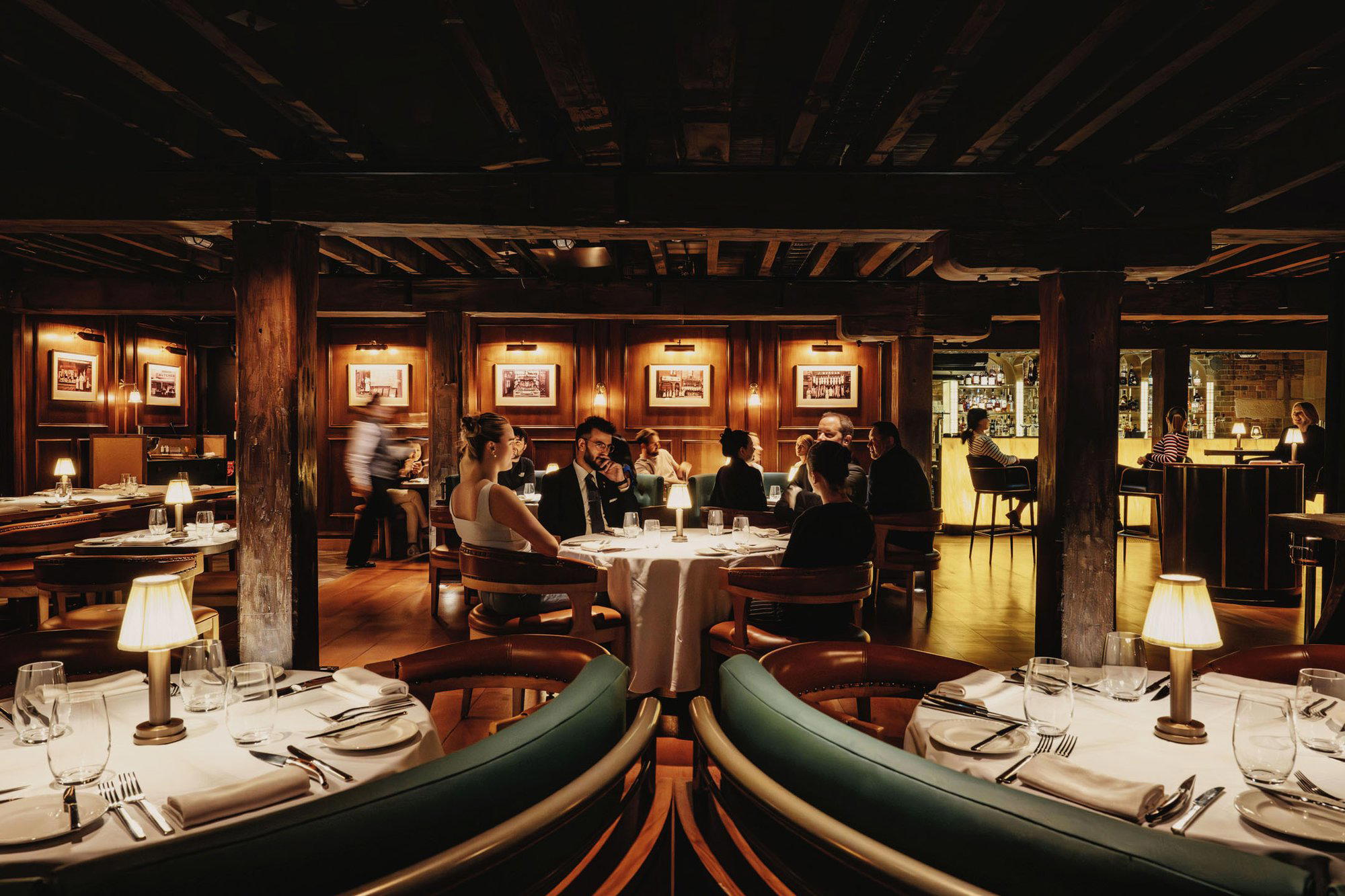
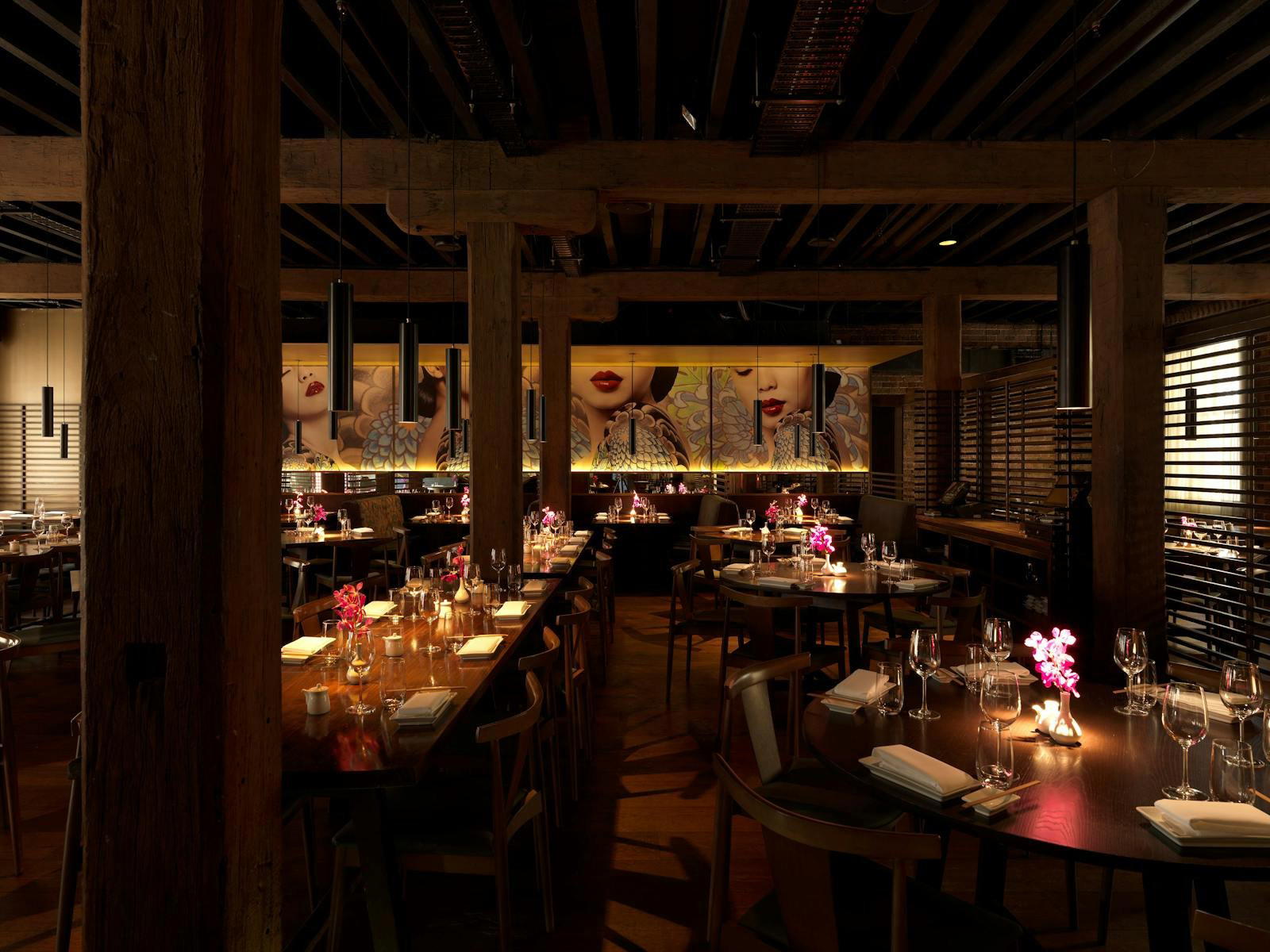
Bars in Sydney
All bars in Sydney →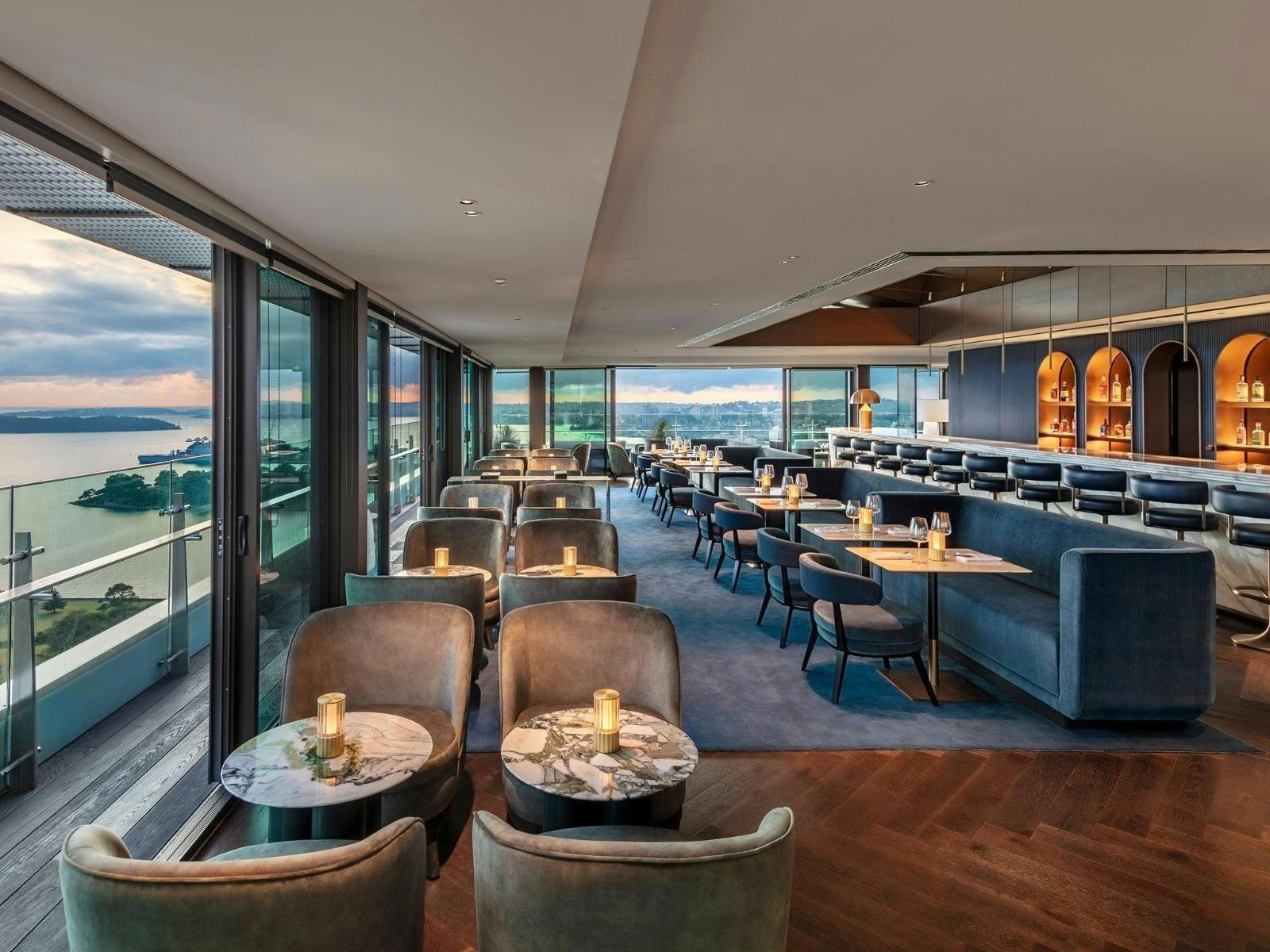
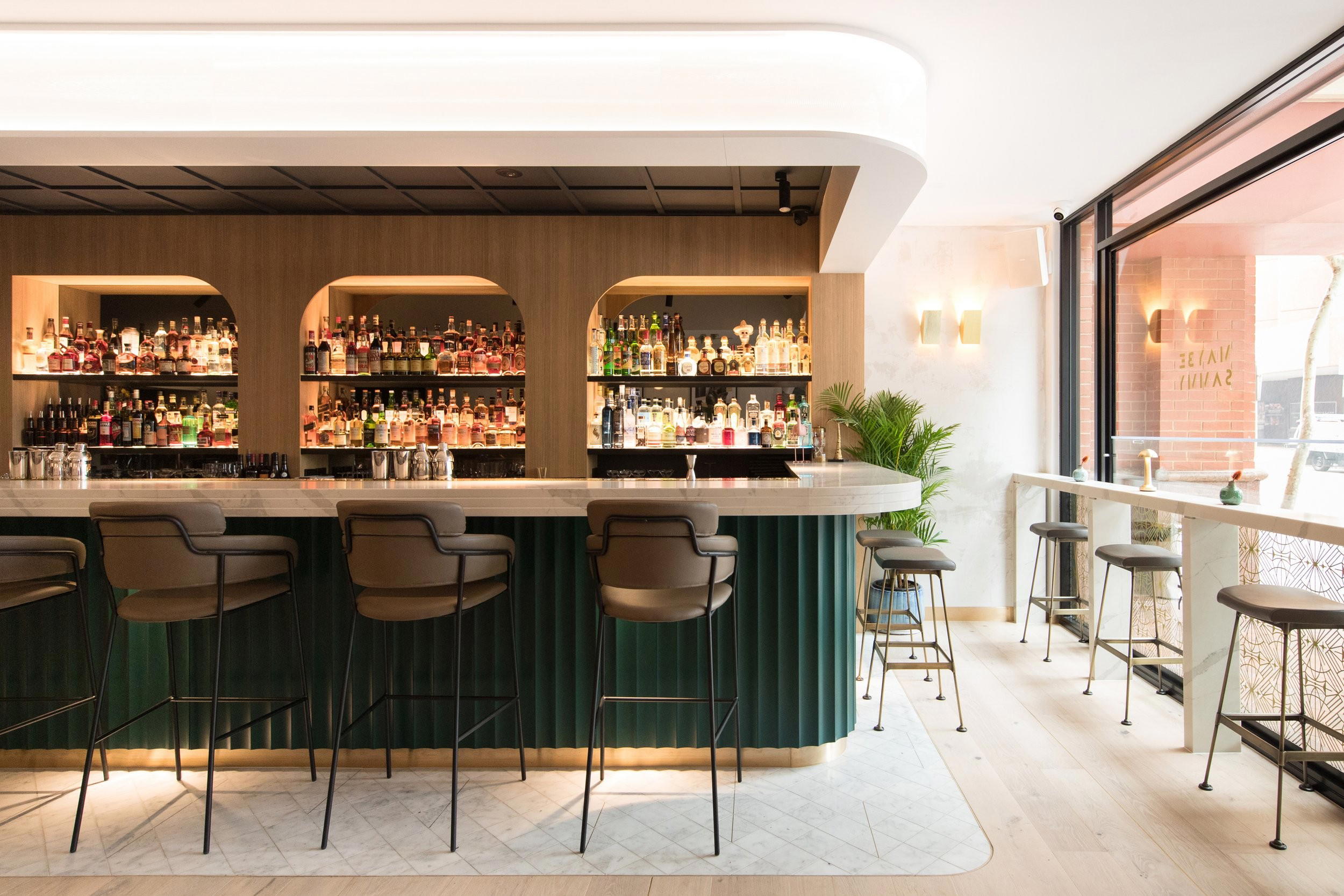

The East Chinese Restaurant
The wine
- Wine program
- Curated wine list
- Extensive wine list
- Sommelier-led
Details
- Elegant
- Scenic
- Sophisticated
- Date Night
- Business Dinner
- Group Dining
- Celebration
- Special Occasion
- Waterfront
- Panoramic View
- Private Dining
- Open Kitchen
- Extensive Wine List
- Sommelier Led
- Sustainable Seafood
- Local Sourcing
- Waterfront
- A La Carte
- Family Style
- Set Menu
- Wine
- Tea
- Vegetarian Friendly
- Vegan Options
- Gluten Free Options
Current opening hours
- Monday
- 12–3 PM, 5–9:30 PM
- Tuesday
- 12–3 PM, 5–9:30 PM
- Wednesday
- 12–3 PM, 5–9:30 PM
- Thursday
- 12–3 PM, 5–9:30 PM
- Friday
- 12–10:30 PM
- Saturday
- 12–10:30 PM
- Sunday
- 12–9:30 PM
Hours can change for holidays and private events. Last verified .
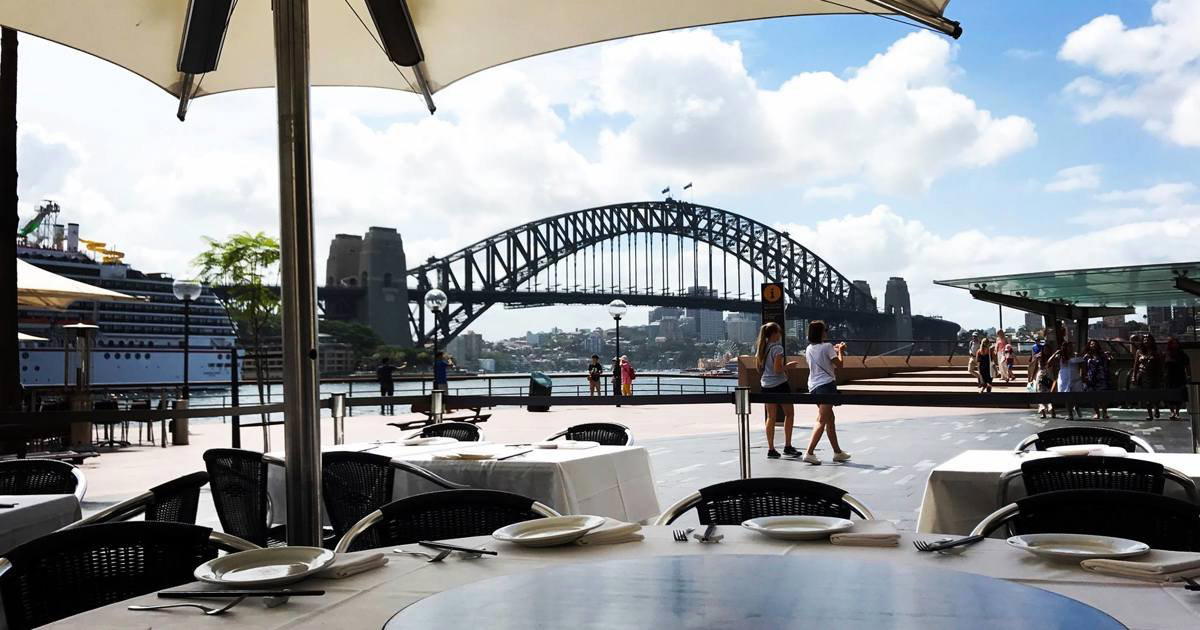
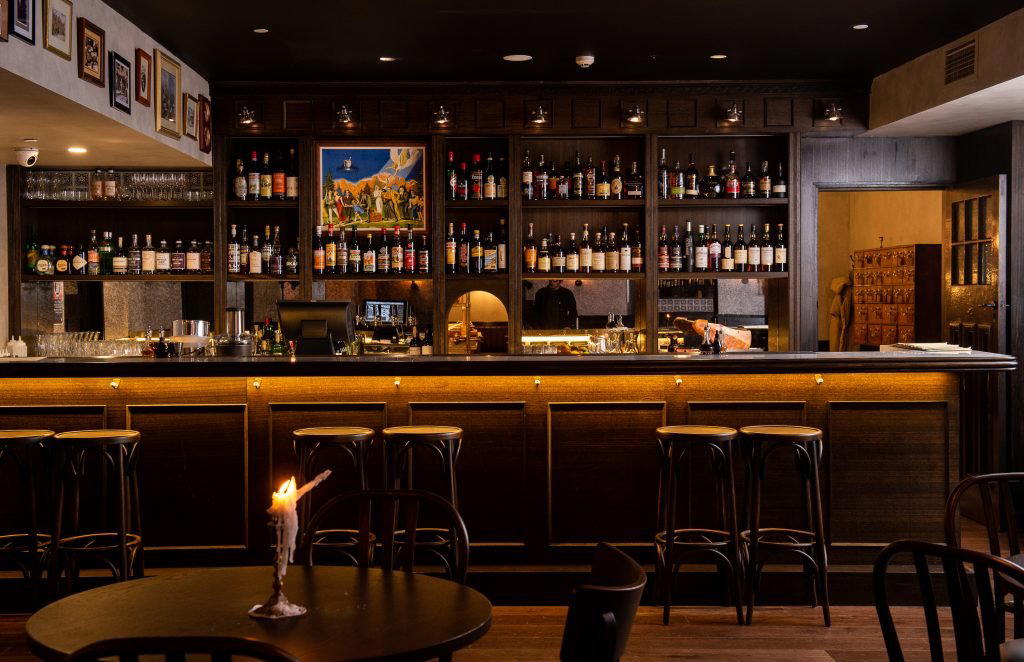
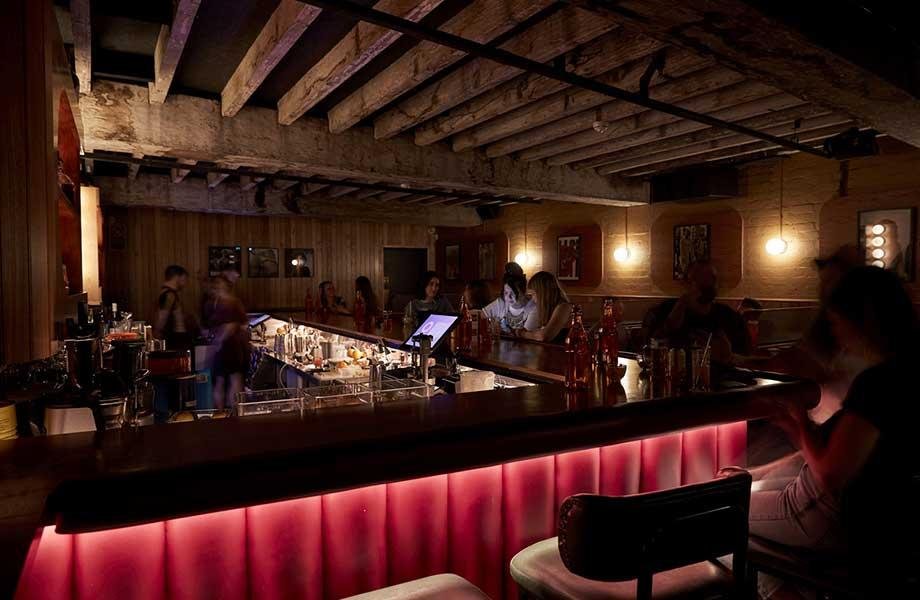
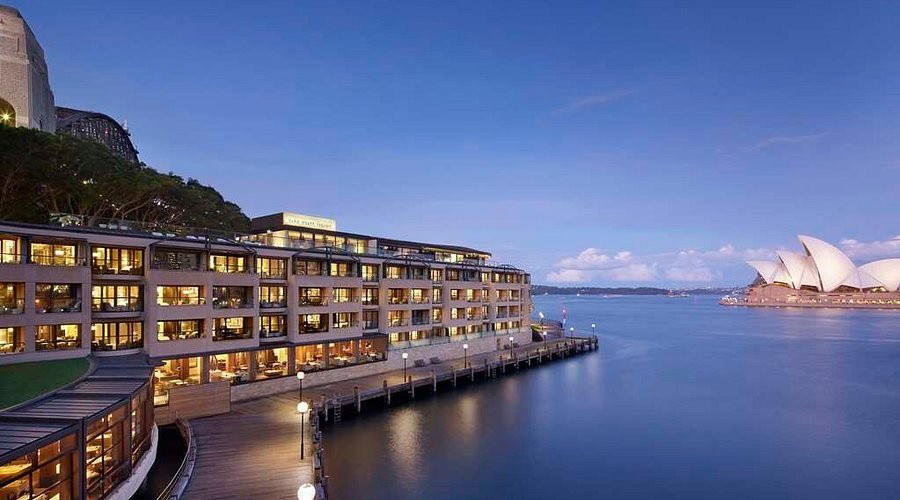
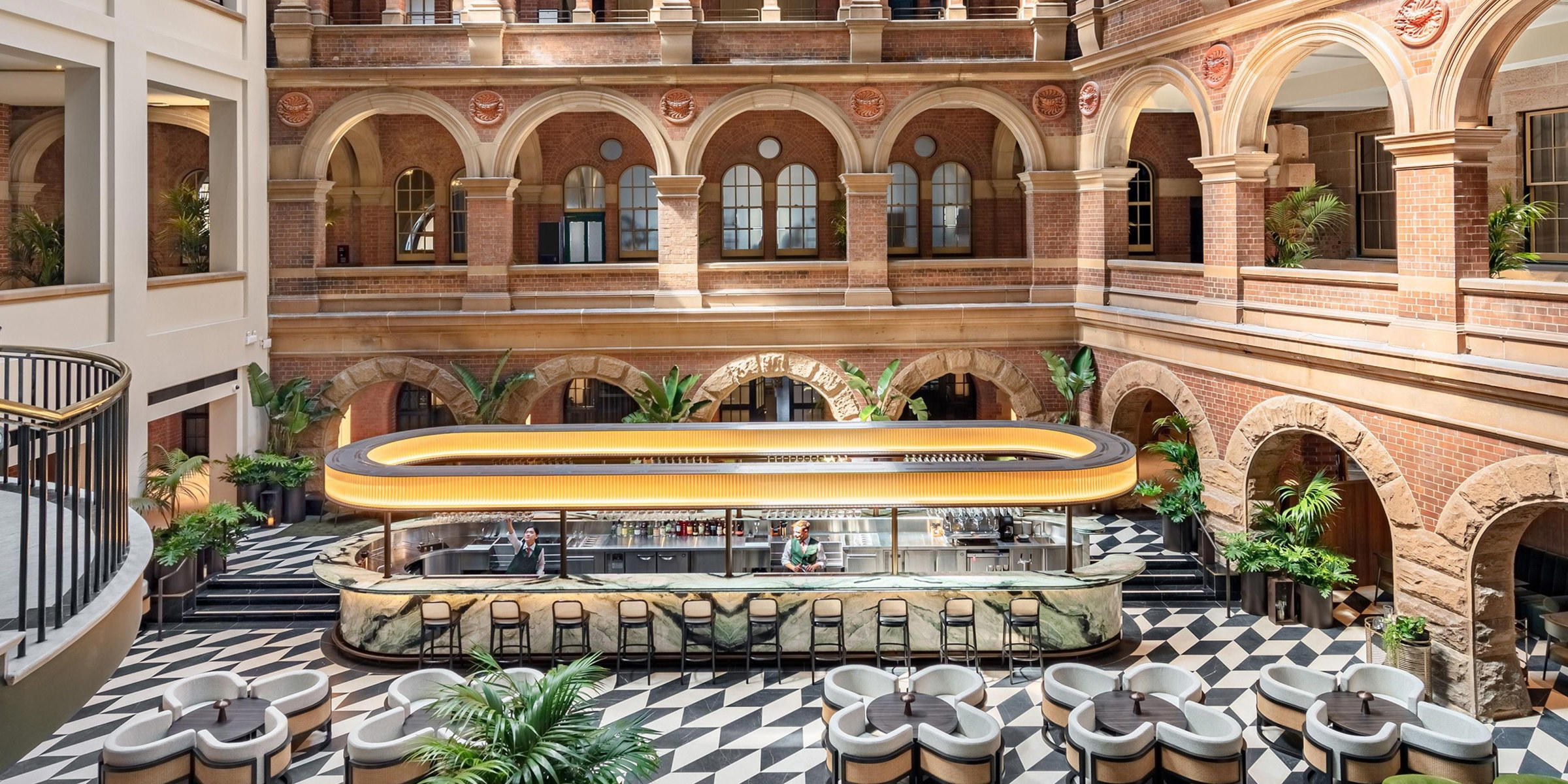
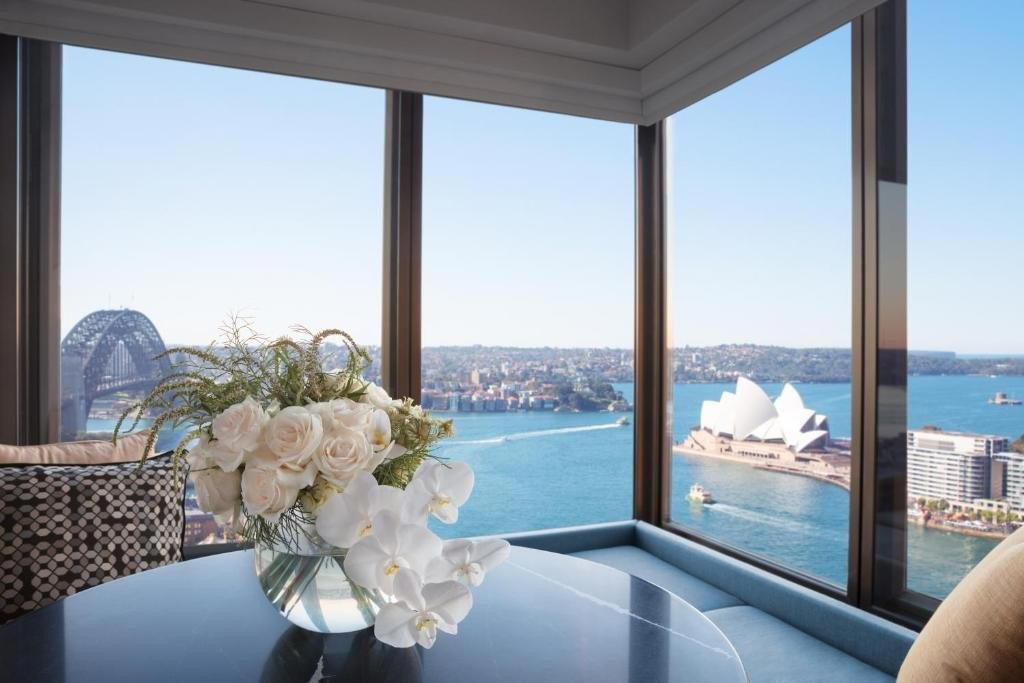
Sophisticated and refined with elegant lighting, offering both intimate indoor dining and scenic outdoor seating overlooking the harbour.