224 Boston Street
224 Boston Street serves American comfort food at 224 Boston St in Dorchester, with homestyle meatloaf, short rib mac & cheese, and tacos on homemade tortillas.
Pearl is the En Primeur Club membership app — saves, bookings, and concierge access live there. Same editors, same standards.
- Address
- 224 Boston St, Dorchester, MA 02125
- Phone
- +16172651217
- Website
- 224boston.com
- Directions
- Get directions
 Saves & bookings on Pearl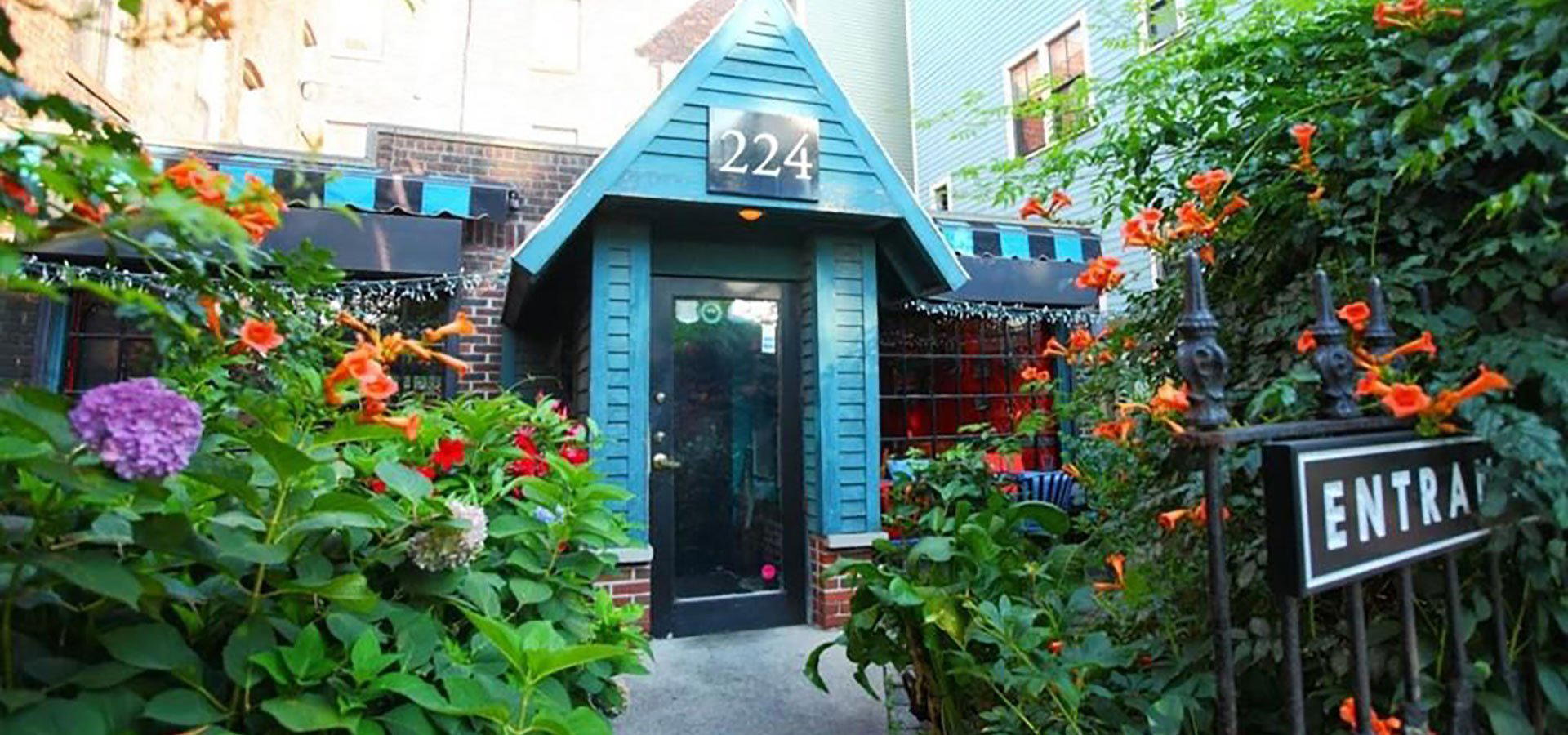
A Dorchester Address Worth Knowing
Boston's neighborhood dining scene has shifted considerably over the past decade, with Dorchester emerging as one of the more serious eating corridors in the city. The stretch around Boston Street sits in a residential pocket where the local population is mixed in income and origin, and the restaurants that have earned loyalty here tend to reflect that: they are not chasing a downtown crowd, and the ones that endure do so on the strength of their cooking rather than on proximity to the tourist circuit.
Dorchester has historically been overlooked by food media that concentrated its attention on the South End, Back Bay, and Cambridge. That gap is narrowing. Venues like Comfort Kitchen and Restaurante Cesaria have drawn attention to the neighborhood's range, while dbar and MOMO riverfront park have given the area credible bar programming. 110 Grill rounds out a peer group that now covers meaningful ground across formats and price points. 224 Boston Street fits within that broadening picture.
The Context: Ingredient-Led Cooking in a Neighborhood Setting
Across American dining, the conversation about sourcing has moved from a marketing distinction to a baseline expectation at a certain tier of restaurant. Kitchens that built identities around named farms and regional producers in the 2000s helped set a standard that now extends well below the white-tablecloth tier. What that shift means in practice varies widely: some operations use the language of provenance without the substance behind it, while others build their menus from the ground up around what is actually available from identifiable sources at a given time of year.
In New England, the argument for local sourcing is particularly legible in the seasons. The gap between a winter menu built around storage crops and root vegetables and a late-summer menu drawing on the Massachusetts growing season is not subtle. Kitchens that take this seriously produce menus that read differently in October than they do in June, and the discipline required to cook that way tends to produce more technically coherent food. Restaurants like Blue Hill at Stone Barns in Tarrytown and Single Thread Farm in Healdsburg have made the farm-to-table relationship the central organizing principle of their format, at a price point and scale that most neighborhood restaurants cannot replicate. The more interesting question is what a version of that discipline looks like at street level, in a working neighborhood, where the check average needs to stay accessible.
What the Address Signals
Boston Street in Dorchester is not a destination corridor in the way that, say, a concentrated block of restaurants functions as a draw in the South End. Diners coming specifically to this address are typically either local or arriving on a recommendation. That dynamic tends to produce a different kind of hospitality: the room is not performing for an audience of first-timers, and the kitchen is not calibrating its cooking to a demographic that needs familiar reference points. Venues that operate in this mode often develop a more direct relationship between what is in season, what is available from nearby producers, and what ends up on the plate, because there is no marketing layer that needs to be maintained for visitors who arrived via a travel magazine.
The French Laundry in Napa, Alinea in Chicago, and Providence in Los Angeles all operate with sourcing programs that are documented, publicized, and priced accordingly. At the neighborhood level, the same underlying commitment produces food that is quieter about its credentials but not necessarily less serious in execution. Le Bernardin in New York City and Emeril's in New Orleans represent the formal end of that same spectrum in their respective cities. What happens between those poles is where most diners actually eat, and where the real character of a city's food culture gets formed.
Planning Your Visit
224 Boston Street is located at 224 Boston St, Dorchester, MA 02125. The address is accessible from the Savin Hill MBTA Red Line station, which puts it within reach for diners coming from downtown Boston without a car. Dorchester is a large neighborhood, and the Boston Street corridor is its own distinct pocket, so it is worth confirming the specific location before traveling.
Lazy Bear in San Francisco, Addison in San Diego, The Inn at Little Washington in Washington, Atomix in New York City, and 8 1/2 Otto e Mezzo Bombana in Hong Kong all represent different points on the spectrum of what serious sourcing and technical ambition can look like when fully resourced and documented.
At-a-Glance Comparison
Comparable venues nearby, for context on price, style, and recognition.
| Venue | Cuisine | Price | Notes |
|---|---|---|---|
| 224 Boston StreetThis venue — the venue you are viewing | American Comfort Food | $$ | Not listed |
| Restaurante Cesaria | Cape Verdean | $$ | Meeting House Hill |
| Comfort Kitchen | African Diaspora Global Comfort Food | $$ | Upham's Corner |
| The Pearl | American Gastropub | Not listed | South Bay |
| dbar | Contemporary American | $$ | Dorchester |
| MOMO riverfront park | Dining | $$ | Park Circle |
Continue exploring
More in Dorchester
Restaurants in Dorchester
Browse all →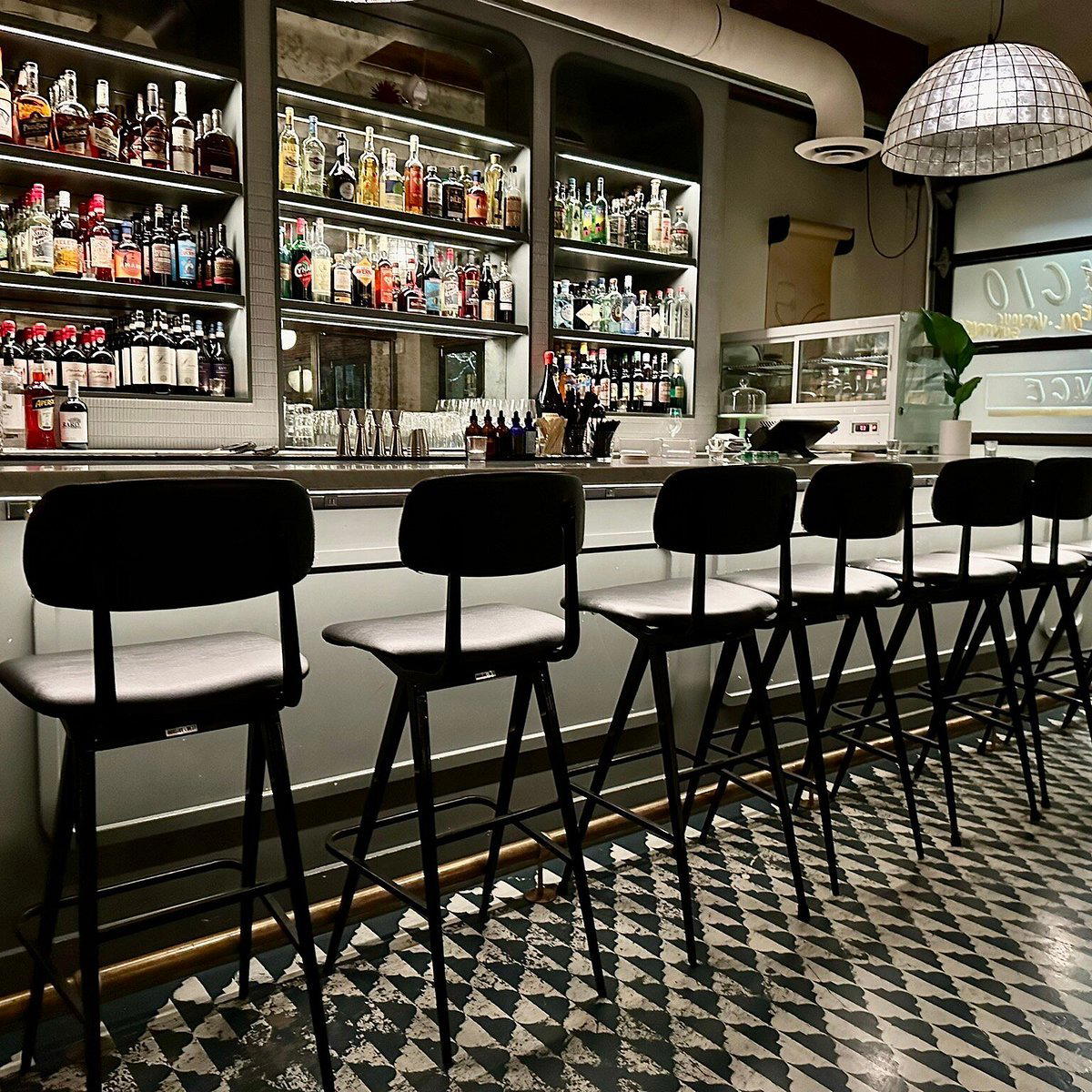
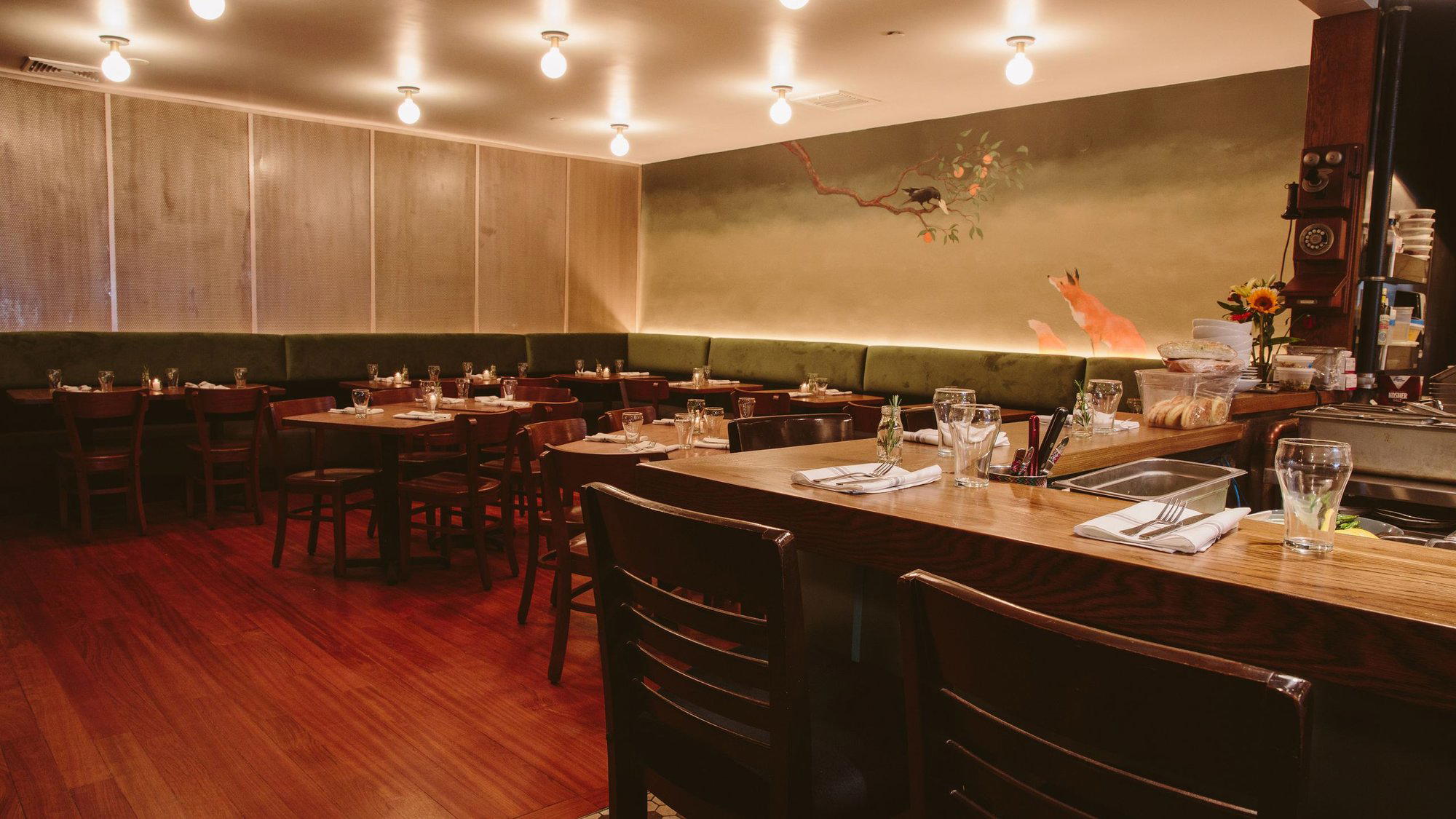
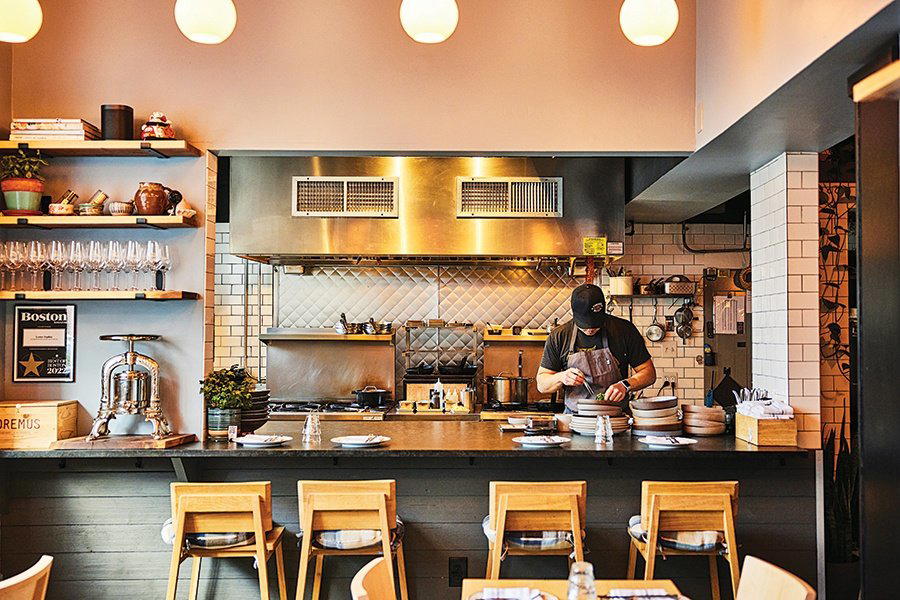
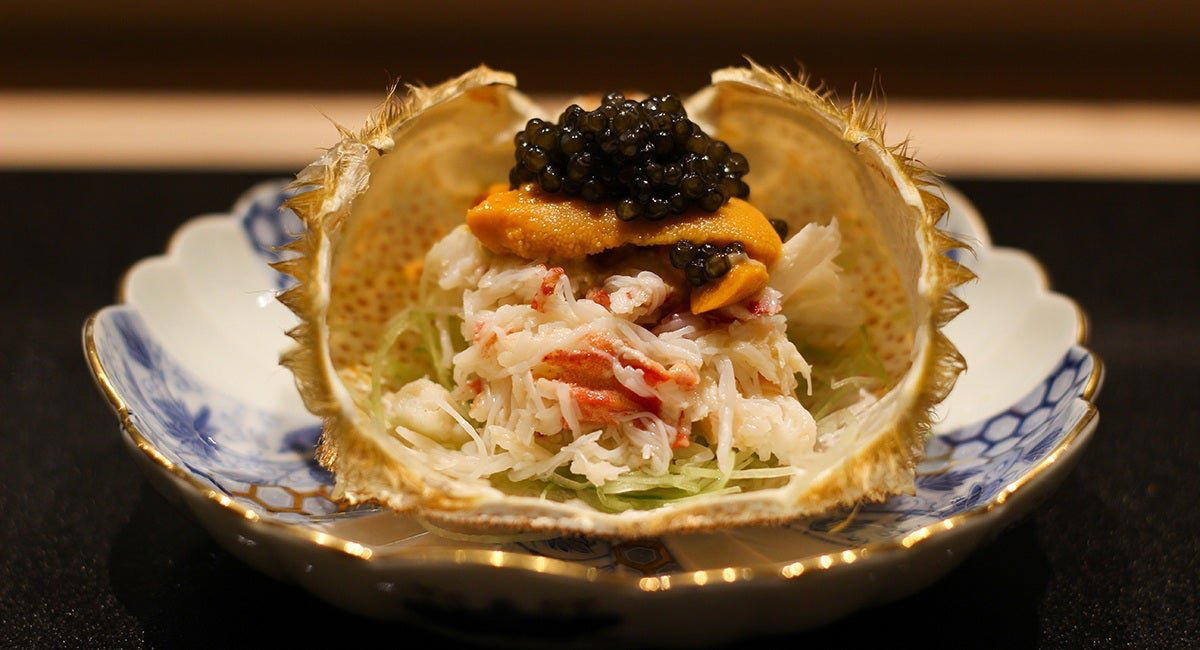
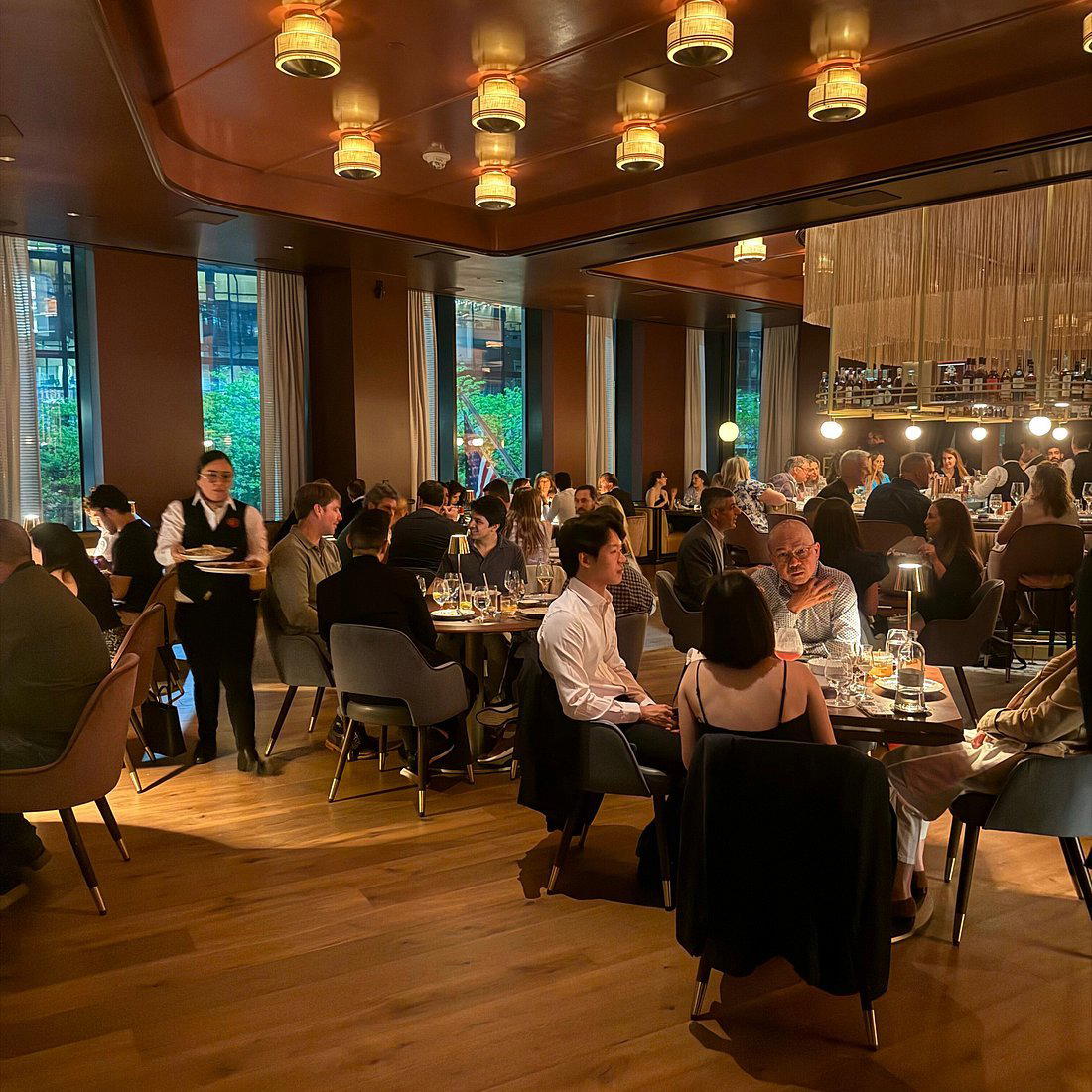
Bars in Dorchester
Browse all →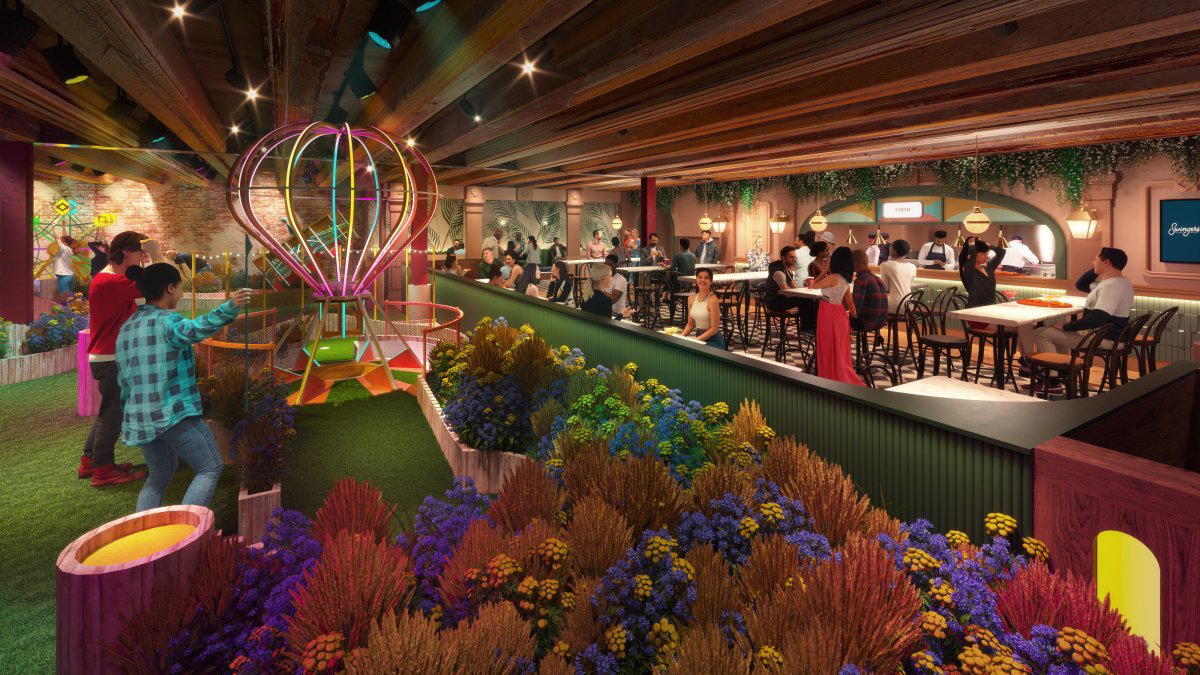
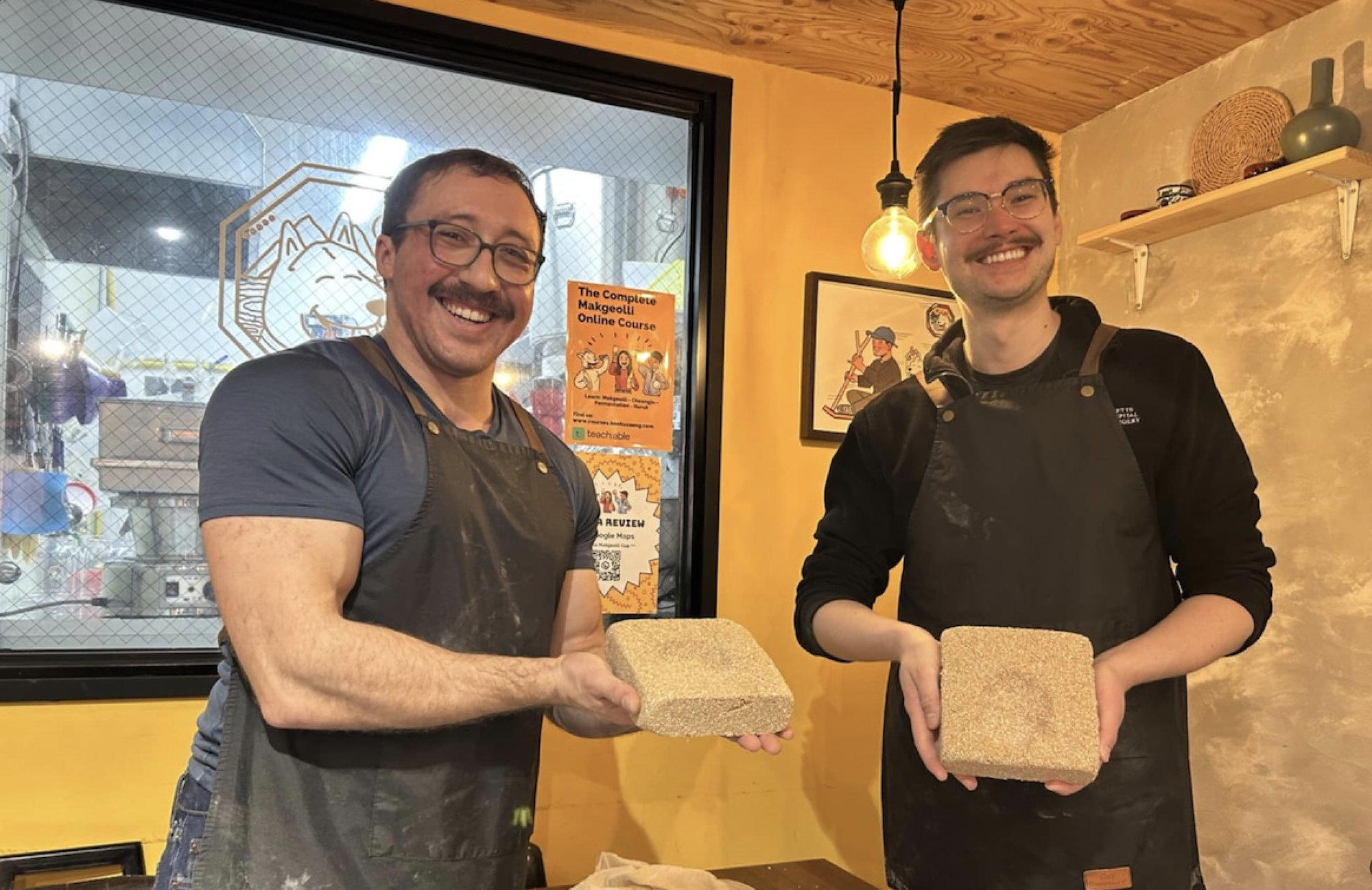
Hotels in Dorchester
Browse all →
Wineries in Dorchester
Browse all →
At a Glance
- Cozy
- Rustic
- Classic
- Casual Hangout
- Brunch
- Family
Current opening hours
- Monday
- 5–10 PM
- Tuesday
- 5–10 PM
- Wednesday
- 5–10 PM
- Thursday
- 5–10 PM
- Friday
- 5–10 PM
- Saturday
- 5–10 PM
- Sunday
- 10 AM–3 PM, 5–10 PM
Hours can change for holidays and private events. Last verified .
Homey and inviting with a pub-like, slightly boisterous atmosphere.