dbar
dbar sits on Dorchester Avenue in one of Boston's most culinarily diverse neighborhoods, where Cape Verdean, Vietnamese, and Irish-American food traditions share the same commercial strips. The venue occupies a stretch of Dot Ave that has quietly accumulated serious dining options alongside the neighborhood's longstanding community institutions. Details on format and pricing remain limited in public records.
Pearl is the En Primeur Club membership app — saves, bookings, and concierge access live there. Same editors, same standards.
- Address
- 1236 Dorchester Ave, Dorchester, MA 02125
- Phone
- +16172654490
- Website
- dbarboston.com
- Directions
- Get directions
 Saves & bookings on Pearl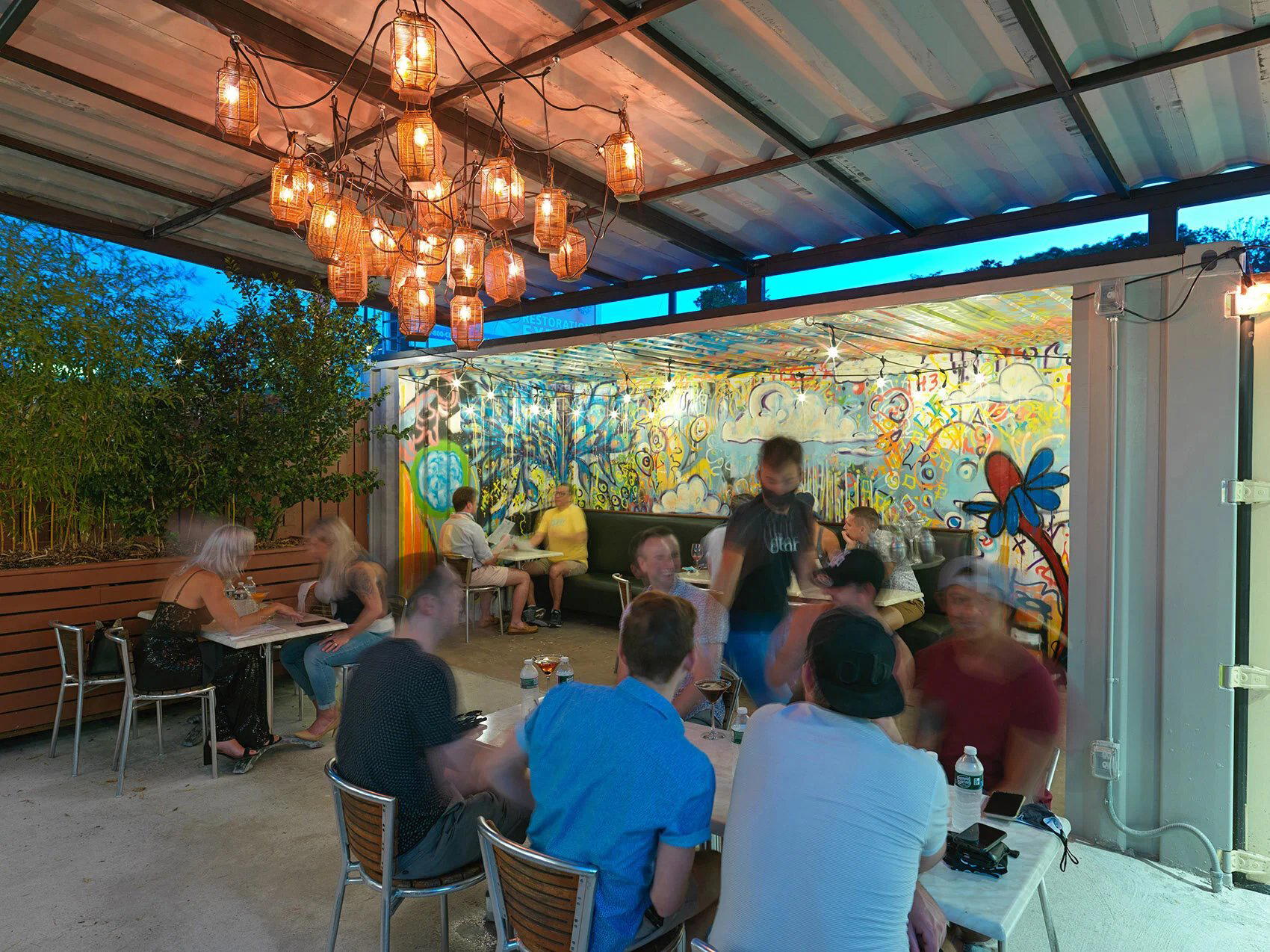
Dorchester Avenue and the Neighborhood Behind It
Dorchester Avenue runs for miles through a part of Boston that rarely appears in magazine roundups yet contains some of the city's most culturally layered eating. The stretch around 1236 Dot Ave sits in a neighborhood where Cape Verdean bakeries, Vietnamese sandwich counters, and third-generation Irish taverns occupy the same blocks, each representing a distinct wave of settlement that left a permanent mark on the food supply. That density of tradition is not incidental, it shapes what restaurants in this corridor have to work with and work against. Venues here operate in a community context that national fine-dining rooms, from Le Bernardin in New York City to The French Laundry in Napa, simply do not share.
dbar occupies a position on that avenue, at 1236 Dorchester Ave, Boston, MA 02125. It is a Contemporary American restaurant with a casual dress code, reservations recommended, and an average price of about $30 per person.
What the Dorchester Dining Scene Looks Like in Practice
To understand where dbar sits, it helps to map the broader category structure of Dorchester dining. The neighborhood supports a range of formats that span casual daytime eating through more deliberate evening rooms. Comfort Kitchen represents the community-anchored, culturally expressive end of that range, with a format that foregrounds local sourcing and neighborhood identity. Restaurante Cesaria holds a specific cultural lane as among the more documented Cape Verdean restaurants in New England, with a loyal diaspora following and a menu rooted in grogue-era Atlantic cooking traditions. The Pearl adds a bar-forward dimension to the neighborhood's evening options.
Elsewhere along the broader Boston corridor, 224 Boston Street and 110 Grill represent a more accessible, broad-audience dining register. Together, these venues sketch a neighborhood that is not operating as a single culinary identity but as a collection of distinct communities eating in ways that reflect their own histories.
The Cultural Architecture of the Dot Ave Stretch
American neighborhood dining is frequently discussed through the lens of gentrification or revival, but Dorchester's food corridor operates on different terms. The cuisine traditions here, Cape Verdean, Vietnamese, Haitian, Irish-American, were not imported as amenity. They arrived with communities that built permanent roots, which means the cooking carries a different kind of authority. Cape Verdean cachupa, for instance, is not a restaurant trend on Dot Ave; it is a household staple that restaurants reproduce for an audience that grew up eating it. That standard of cultural specificity is harder to achieve than the farm-to-table format discipline you find at rooms like Blue Hill at Stone Barns in Tarrytown or the technique-forward precision of Smyth in Chicago, because the audience includes people for whom the dish is biographical, not aspirational.
Venues operating in that context, as dbar does by address alone, inherit both the richness and the scrutiny of a community-embedded food culture. The bar for cultural authenticity is set by memory, not by critics.
Peer Context: Where Neighborhood Venues Sit in the Broader American Dining Hierarchy
It is worth placing Dorchester's dining tier in relation to the national conversation. The rooms that attract sustained critical attention, Atomix in New York City, Lazy Bear in San Francisco, Addison in San Diego, Providence in Los Angeles, or Single Thread Farm in Healdsburg, operate inside an awards infrastructure built around tasting menus, fine-dining service ratios, and a specific vocabulary of cuisine. The Inn at Little Washington in Washington and Emeril's in New Orleans represent an older model of destination dining that shaped what American food criticism considered worth covering. At the European extreme, Atelier Moessmer Norbert Niederkofler in Brunico exemplifies the chef-as-auteur format in a remote, high-altitude context.
Neighborhood venues in Boston's Dorchester do not compete in that system, and the more interesting question is whether they should want to. The dining rooms that have proved most durable in communities like this one tend to succeed precisely because they answer to a different set of demands: consistency over spectacle, pricing that reflects the local economy, and a cultural specificity that no amount of technique can manufacture.
Planning a Visit: What to Know in Advance
dbar is open Monday: Closed; Tuesday: 5 PM to 12:30 AM; Wednesday and Thursday: 5 to 10 PM; Friday: 5 PM to 2 AM; Saturday: 11:30 AM to 2 AM; Sunday: 4 to 8 PM. Reservations are recommended. The address, 1236 Dorchester Ave, Boston, MA 02125, places
Cost and Credentials
Comparable venues nearby, for context on price, style, and recognition.
| Venue | Cuisine | Price | Notes |
|---|---|---|---|
| dbarThis venue — the venue you are viewing | Dorchester, Contemporary American | $$ | Not listed |
| 224 Boston Street | Dorchester, American Comfort Food | $$ | Not listed |
| Restaurante Cesaria | Meeting House Hill, Cape Verdean | $$ | Not listed |
| Comfort Kitchen | Not listed | $$ | Upham's Corner, African Diaspora Global Comfort Food |
| The Pearl | South Bay, American Gastropub | Not listed | Not listed |
| MOMO riverfront park | Park Circle, Dining | $$ | Not listed |
Continue exploring
More in Dorchester
Restaurants in Dorchester
Browse all →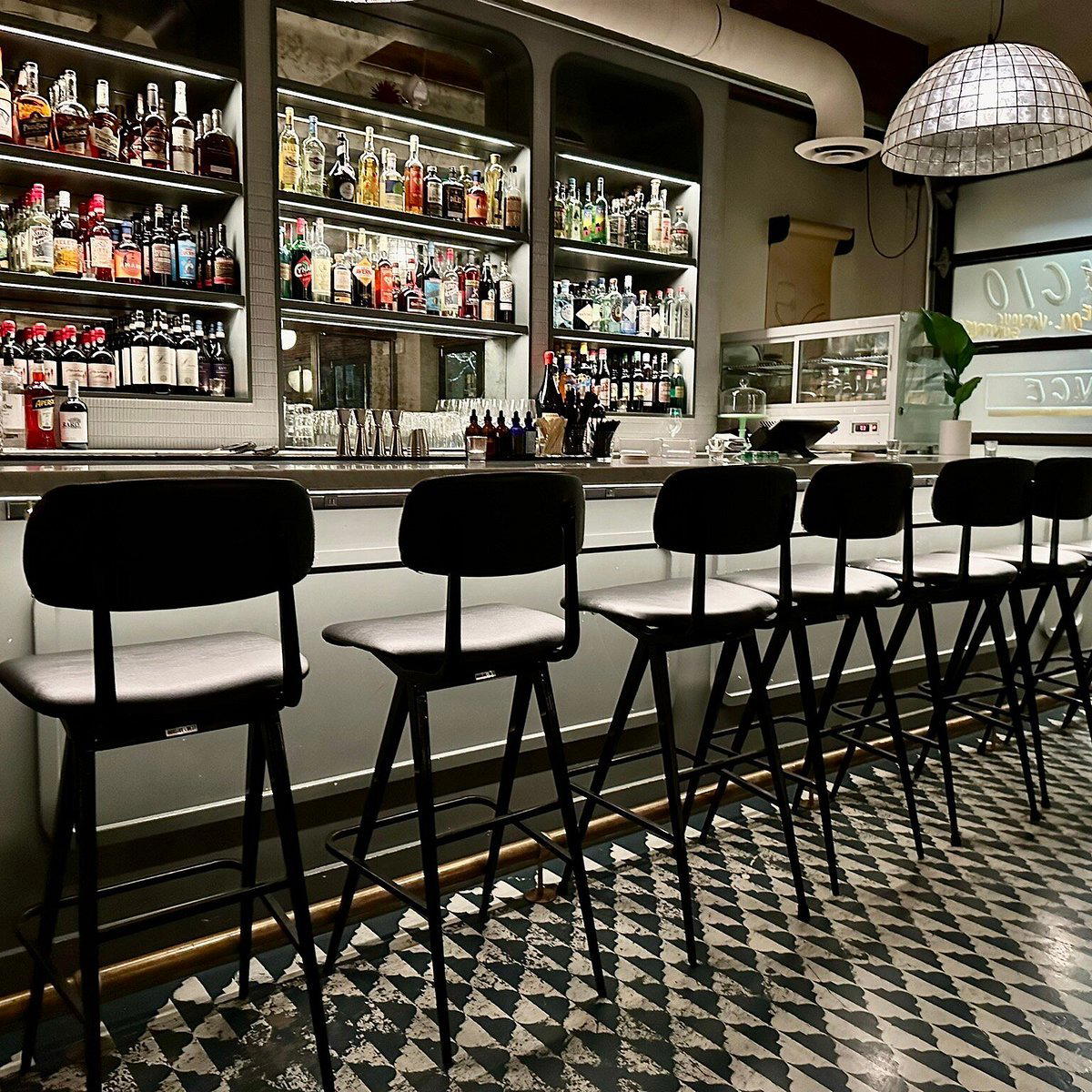
Bars in Dorchester
Browse all →
Hotels in Dorchester
Browse all →
Wineries in Dorchester
Browse all →
At a Glance
- Lively
- Trendy
- Cozy
- Casual Hangout
- Date Night
- Late Night
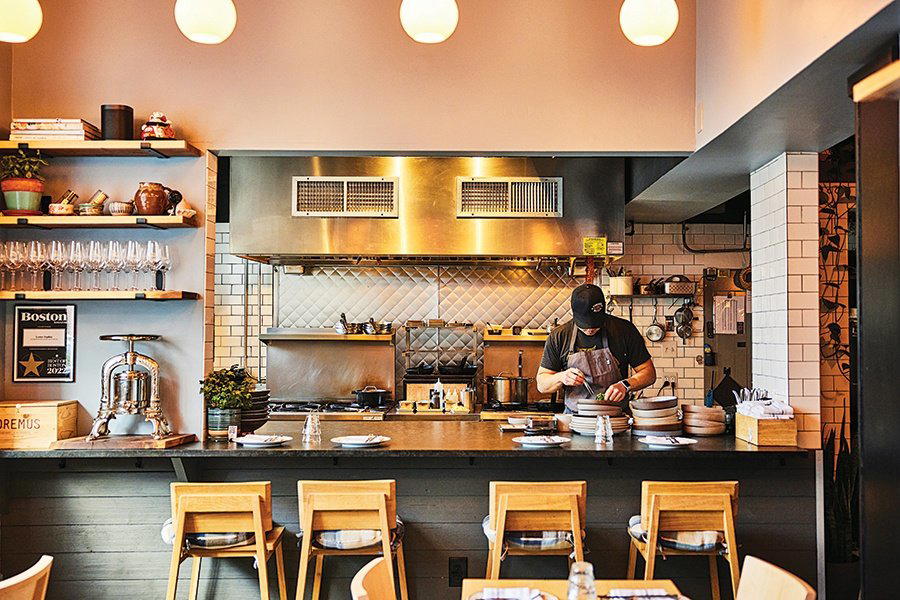
- Open Kitchen
- Terrace
- Craft Cocktails
- Extensive Wine List
- Local Sourcing
Current opening hours
- Monday
- Closed
- Tuesday
- 5 PM–12:30 AM
- Wednesday
- 5–10 PM
- Thursday
- 5–10 PM
- Friday
- 5 PM–2 AM
- Saturday
- 11:30 AM–2 AM
- Sunday
- 4–8 PM
Hours can change for holidays and private events. Last verified .
Irish pub charm blended with lounge atmosphere, featuring swaying bamboo, day beds, string lights, and a creative graffitied industrial container patio.