1-800-Lucky
A pan-Asian food hall in Miami's Wynwood district, 1-800-Lucky at 143 NW 23rd St brings together multiple vendor concepts under one roof, making it one of the neighborhood's more social dining formats. The multi-vendor structure suits groups navigating different appetites, and the setting rewards those who treat the visit as an evening rather than a meal stop.
Pearl is the En Primeur Club membership app — saves, bookings, and concierge access live there. Same editors, same standards.
- Address
- 143 NW 23rd St, Miami, FL 33127
- Phone
- +1 305 768 9826
- Website
- 1-800-lucky.com
- Directions
- Get directions
 Saves & bookings on Pearl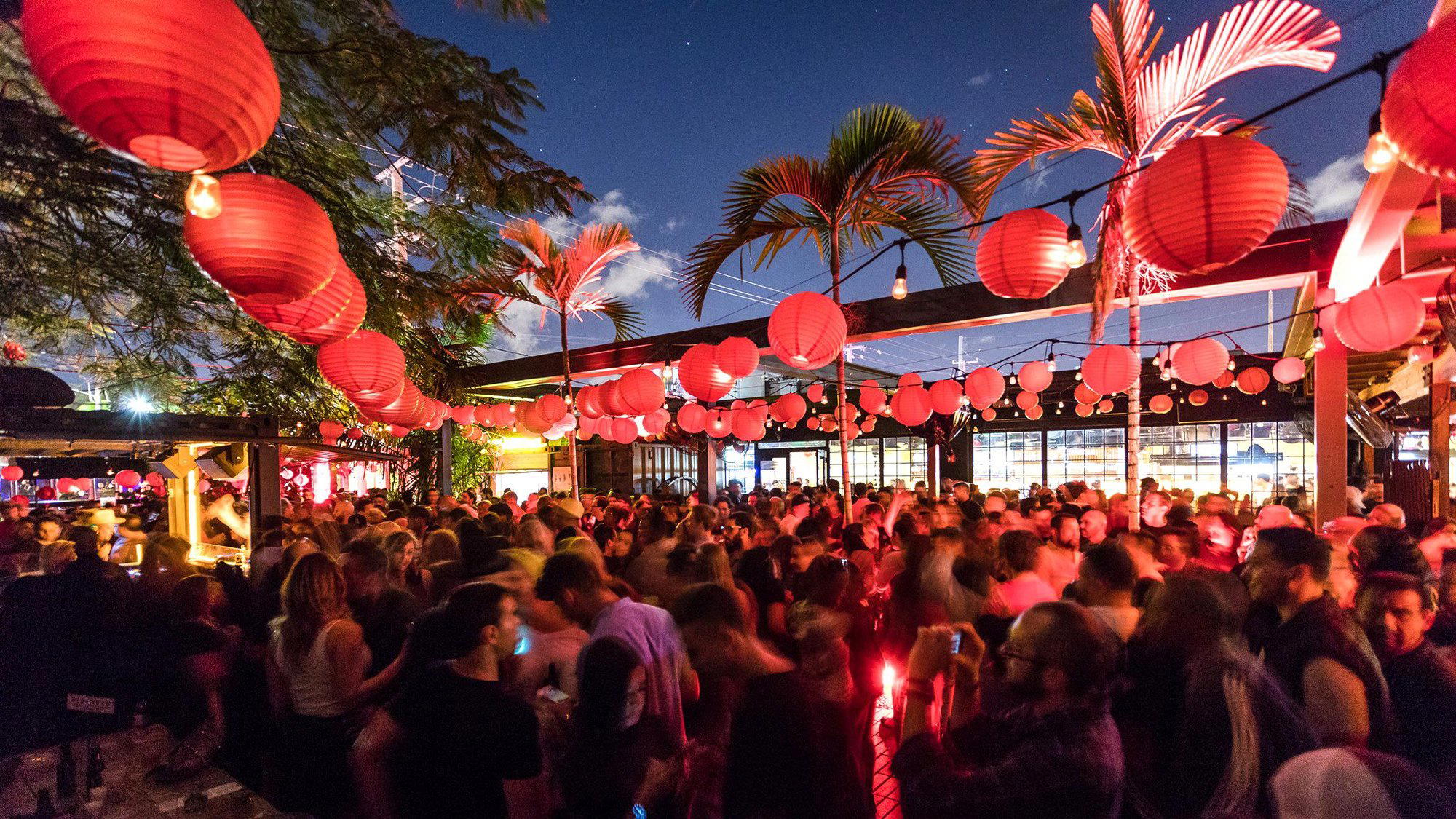
Wynwood's Food Hall Format, Placed in Context
Wynwood has become the city's clearest testing ground for the latter. The neighborhood's warehouse stock, walkable grid, and tolerance for format experimentation have attracted the kind of multi-vendor operations that struggle to find footing in South Beach's hotel-anchored restaurant culture or Brickell's corporate dining corridor.
1-800-Lucky, at 143 NW 23rd St, sits squarely inside that Wynwood food hall tradition.
The Pan-Asian Premise and What It Asks of the Room
Pan-Asian food halls operate on a specific logic. The appeal is breadth: a table can cover ramen, sushi, dim sum, and Southeast Asian dishes across a single sitting without committing to a single kitchen's interpretive lens. That breadth creates a coordination challenge. In lesser examples, the format produces a food court with ambient noise and inconsistent quality. In stronger examples, the curation is tight enough that individual vendors reinforce rather than contradict each other, and the room itself provides enough atmosphere to make the experience feel cohesive.
What separates the stronger food hall formats from the weaker ones is usually the quality of collaboration across the teams operating inside them. Miami's food hall scene, which has grown considerably since the mid-2010s, has produced both outcomes in roughly equal measure.
For context on where Miami's more formally structured restaurants sit relative to this format, venues like Ariete and Boia De occupy the single-kitchen end of the spectrum, where a unified team controls service from prep to plate. Cote Miami, with its Korean steakhouse format, runs a tighter collaborative model between grill station and floor. The food hall sits in a different tier, less concerned with per-dish precision than with energy, accessibility, and the social mechanics of a shared table.
The Team Dynamic Inside a Multi-Vendor Space
The editorial angle that matters most for understanding 1-800-Lucky is the operational relationship between vendors, bar staff, and the host space. Multi-vendor environments require a different kind of coordination than a single restaurant, and the coherence of the experience depends on whether the separate teams align on pace and on how they handle the floor between vendor stations.
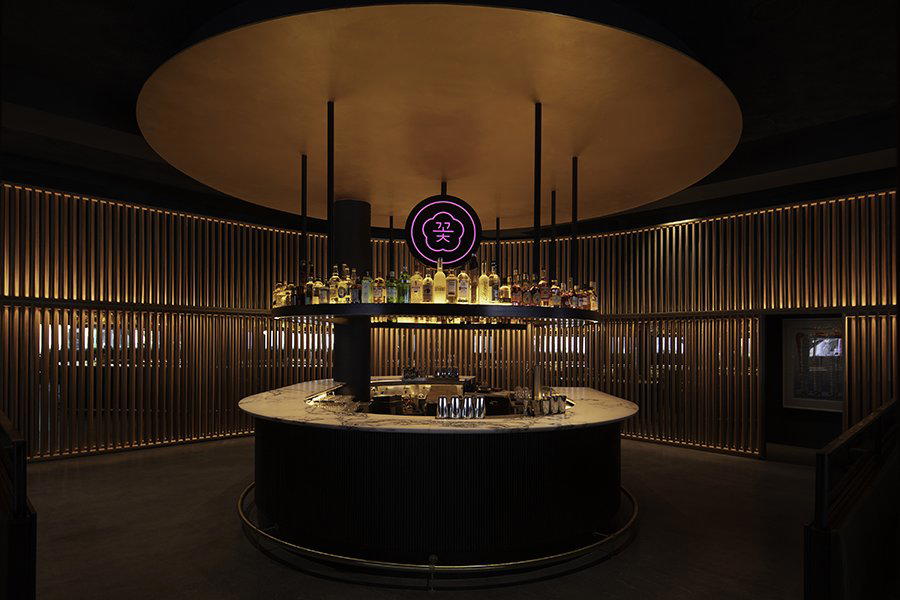
Pan-Asian drinking culture lends itself to this format, and the bar at a venue like this gives guests a reason to slow down and stay across multiple vendor rounds rather than treating the visit as a single transaction.
Nationally, the food hall model has been refined at properties that invested heavily in team integration. Operations at venues associated with more structured American fine dining, like Lazy Bear in San Francisco or the communal ethos embedded in Blue Hill at Stone Barns, demonstrate how shared-space hospitality can reach for a higher register when the team operates as a single organism rather than parallel entities. Food halls occupy a different register, but the underlying principle of staff coordination translating directly into guest experience holds across formats.
Miami's Pan-Asian Position and Peer Comparisons
For precision-driven Japanese cooking in Miami, ITAMAE represents the counter end of the spectrum, with a Peruvian-Japanese format that demands closer attention per dish.
Those are different propositions to a Miami food hall, but they establish the upper range of what Asian-focused dining can achieve when team coordination is treated as a primary design consideration.
Planning a Visit
1-800-Lucky is located at 143 NW 23rd St in Wynwood, accessible from the Design District and a short drive from Midtown Miami. The venue sits within Wynwood's walkable core, which means parking on surrounding streets or using the neighborhood's paid lots is the practical approach. The format suits groups: the multi-vendor structure allows a table to range across cuisines simultaneously, and the shared-space energy rewards a slower visit across multiple rounds rather than a single-dish stop.
Price Lens
Comparable venues nearby, for context on price, style, and recognition.
| Venue | Cuisine | Price | Notes |
|---|---|---|---|
| 1-800-LuckyThis venue — the venue you are viewing | Midtown, Pan-Asian Food Hall | $$ | Not listed |
| Baiablu | Not listed | $$ | Coconut Grove, Authentic Italian - Amalfi Coast |
| Borondo | Not listed | Not listed | Miami Beach, Latin late-night rumbeadero lounge |
| Garcia's Seafood Grille & Fish Market | Overtown, Dining | $$ | Not listed |
| Mykonos | Coral Way, Authentic Greek Mediterranean | $$ | Not listed |
| Rosa Mexicano | South Beach, Dining | Not listed | Not listed |
Continue exploring
More in Miami
Restaurants in Miami
Browse all →

At a Glance
- Lively
- Trendy
- Energetic
- Casual Hangout
- Group Dining
- Late Night
- Open Kitchen
- Craft Cocktails
- Beer Program
Current opening hours
- Monday
- 12 PM–1 AM
- Tuesday
- 12 PM–1 AM
- Wednesday
- 12 PM–1 AM
- Thursday
- 12 PM–1 AM
- Friday
- 12 PM–3 AM
- Saturday
- 12 PM–3 AM
- Sunday
- 12 PM–3 AM
Hours can change for holidays and private events. Last verified .
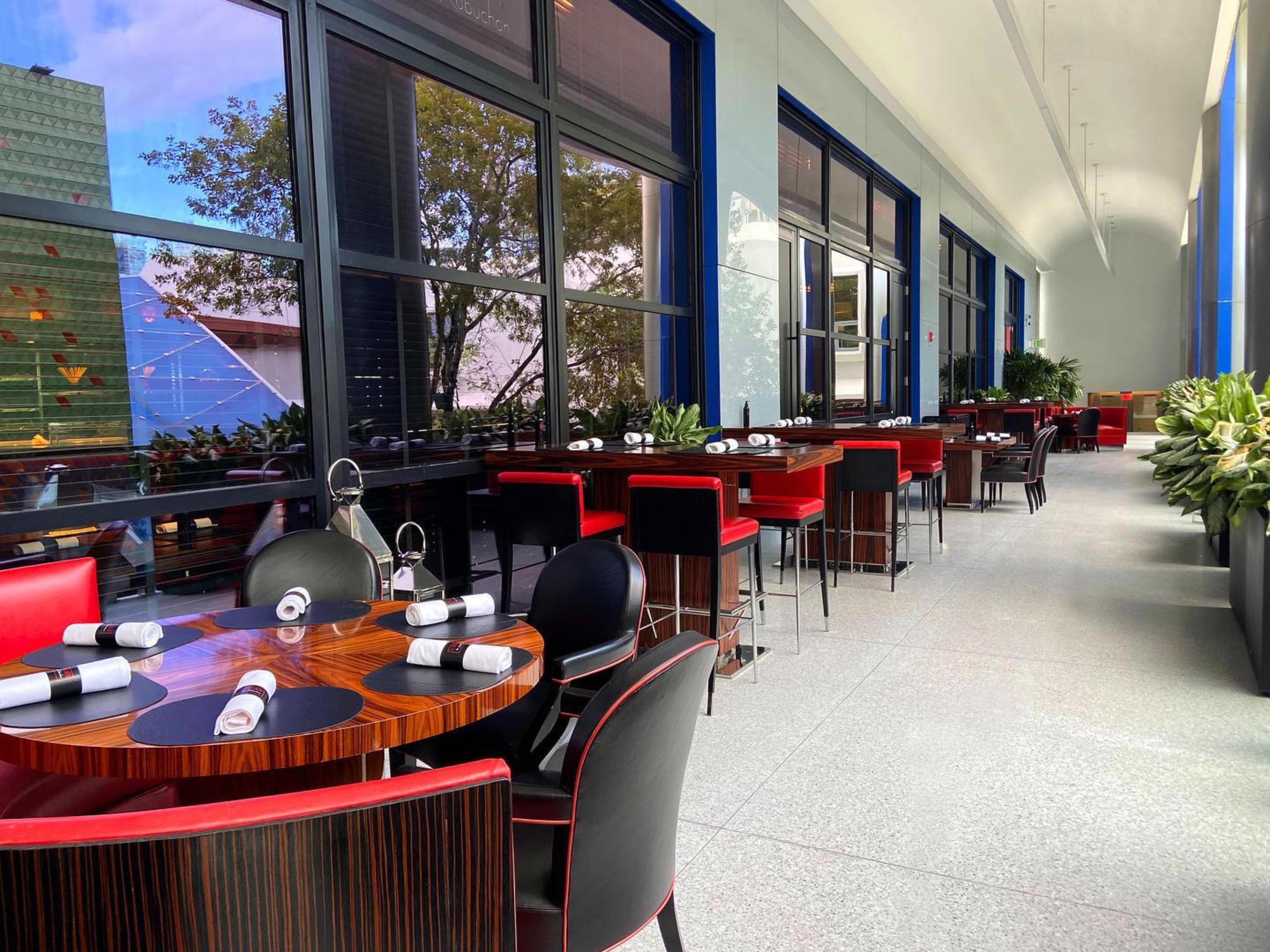
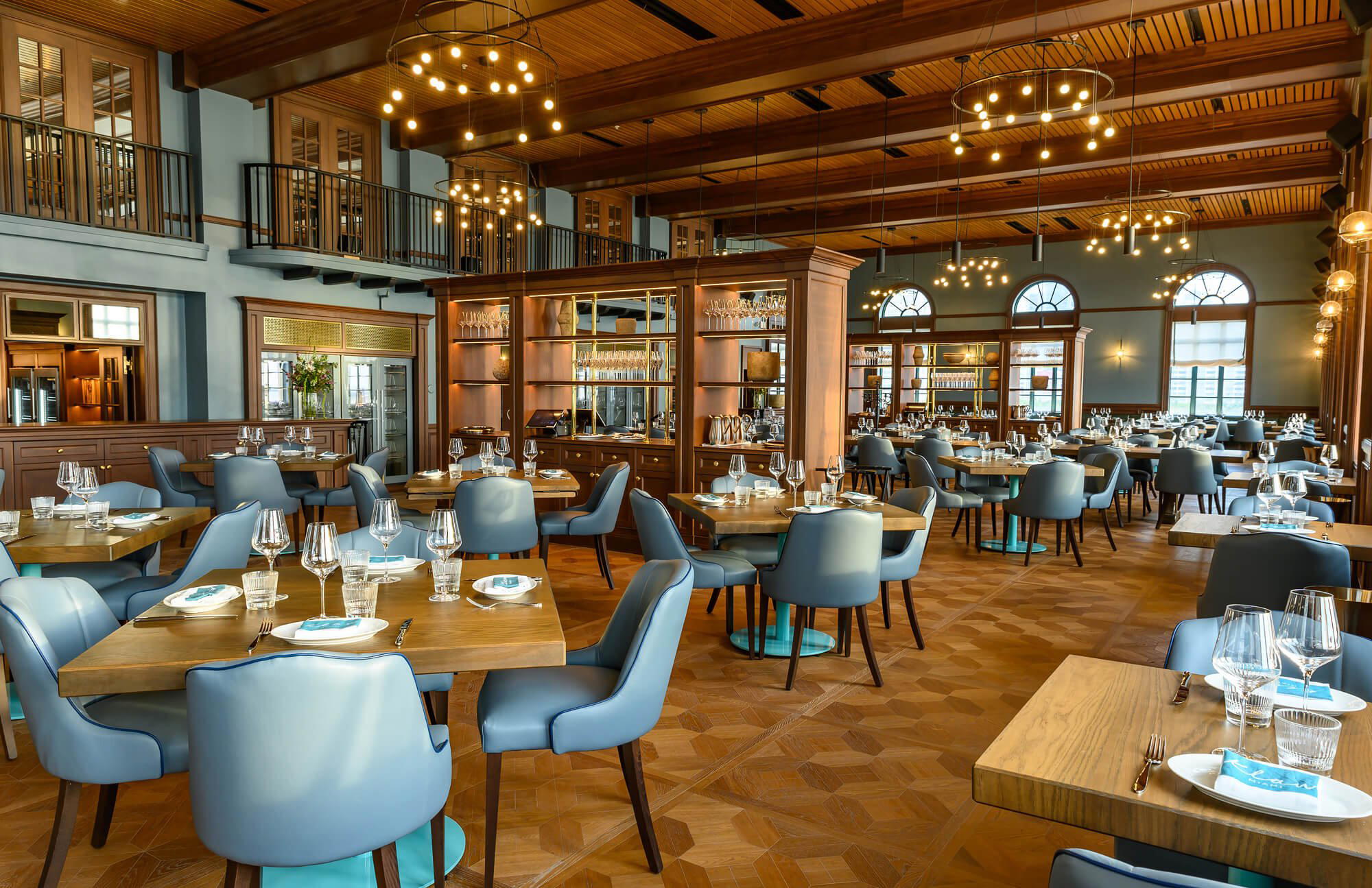
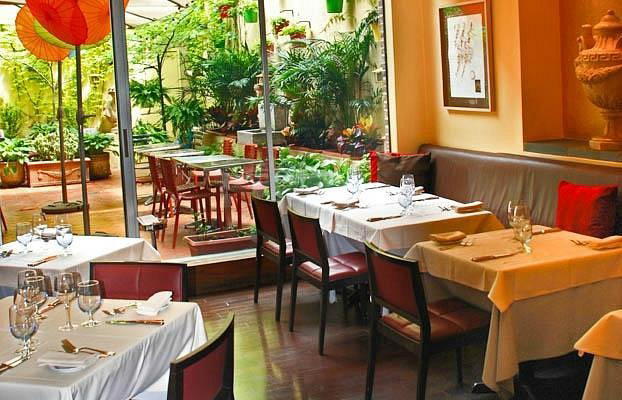
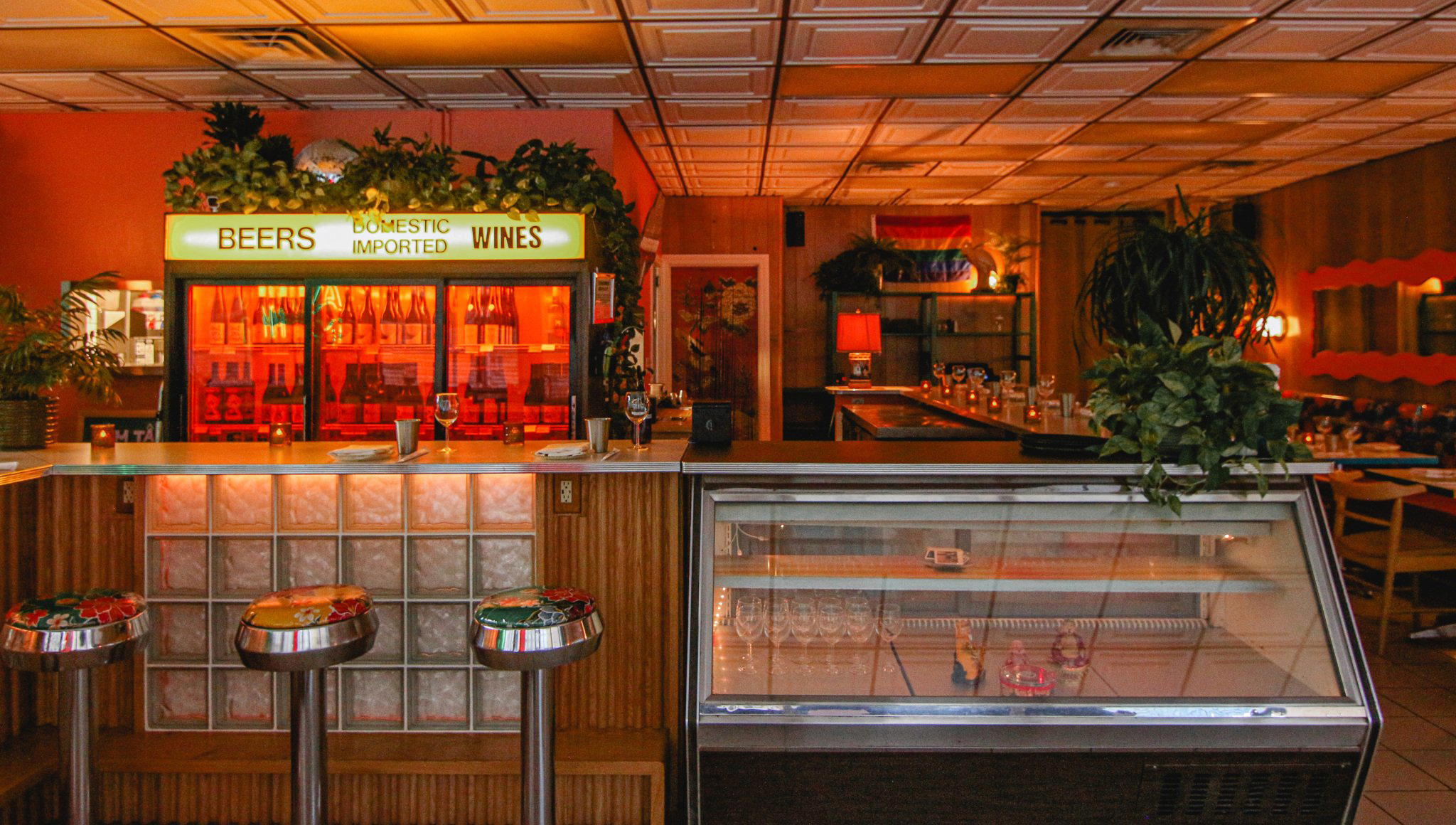
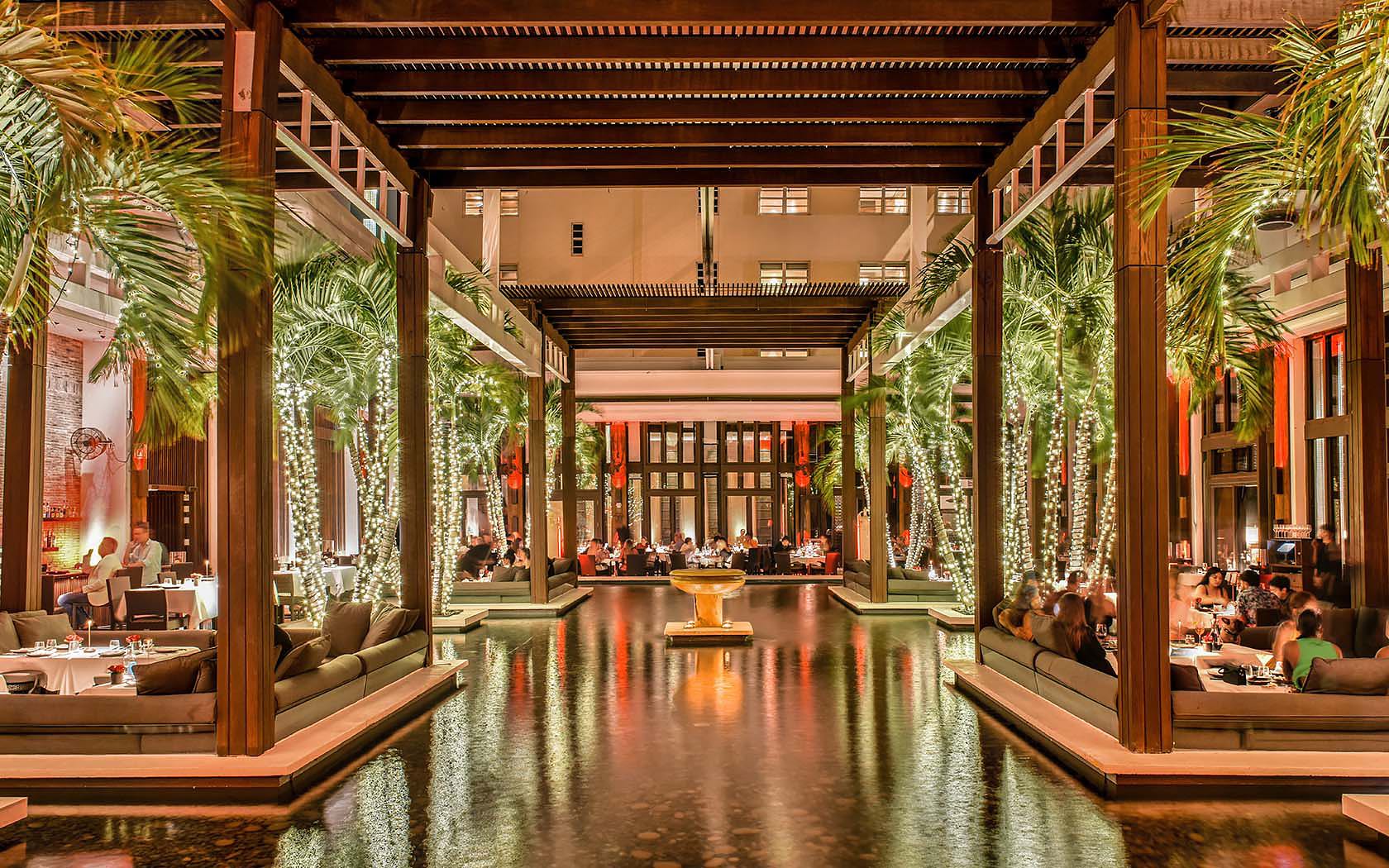
Lively and energetic atmosphere with good music, lively crowds, and a mix of modern and traditional Asian decor, turning lively with dancing around 9pm.