'O Munaciello Coral Way
Our verdict
'O Munaciello Coral Way brings the spirit of Neapolitan street culture to one of Miami's most quietly residential corridors. Sitting on Coral Way, the restaurant draws on the folklore of the munaciello — a mischievous Neapolitan spirit — as both name and atmosphere. It occupies a niche in Miami's Italian dining scene that sits closer to regional authenticity than to the polished Italian-American formats that dominate South Beach.

Pearl is the En Primeur Club membership app — saves, bookings, and concierge access live there. Same editors, same standards.
- Address
- 2250 Coral Wy, Miami, FL 33145
- Phone
- (305) 639-8298
- Hours
- Mon–Thu 12–10 PMFri–Sun 12–10:30 PM
- Website
- munaciello.com
- Directions
- Get directions
- Booking
- Book on OpenTable
Coral Way's Italian Corner
Coral Way is not the address Miami food coverage defaults to. The boulevard runs through a part of the city that feels older and more settled than Brickell or Wynwood — lined with banyan trees and low-rise buildings that predate the condo boom. Restaurants here tend to hold their following through the neighborhood rather than through destination dining traffic, which means the ones that last are usually doing something right at the ground level. 'O Munaciello Coral Way occupies that kind of position: an address with more residential loyalty than press profile, at an intersection where Italian cooking has found a durable home.
The name itself signals a deliberate connection to Naples. The munaciello — literally the "little monk", is a figure from Neapolitan folklore, a capricious domestic spirit associated with both mischief and hidden generosity. Invoking that mythology in a restaurant name is a choice that positions the place within a specific cultural register: not generic Italian, but Campanian in spirit, with the warmth and controlled disorder that the southern Italian table implies.
How the Room Reads
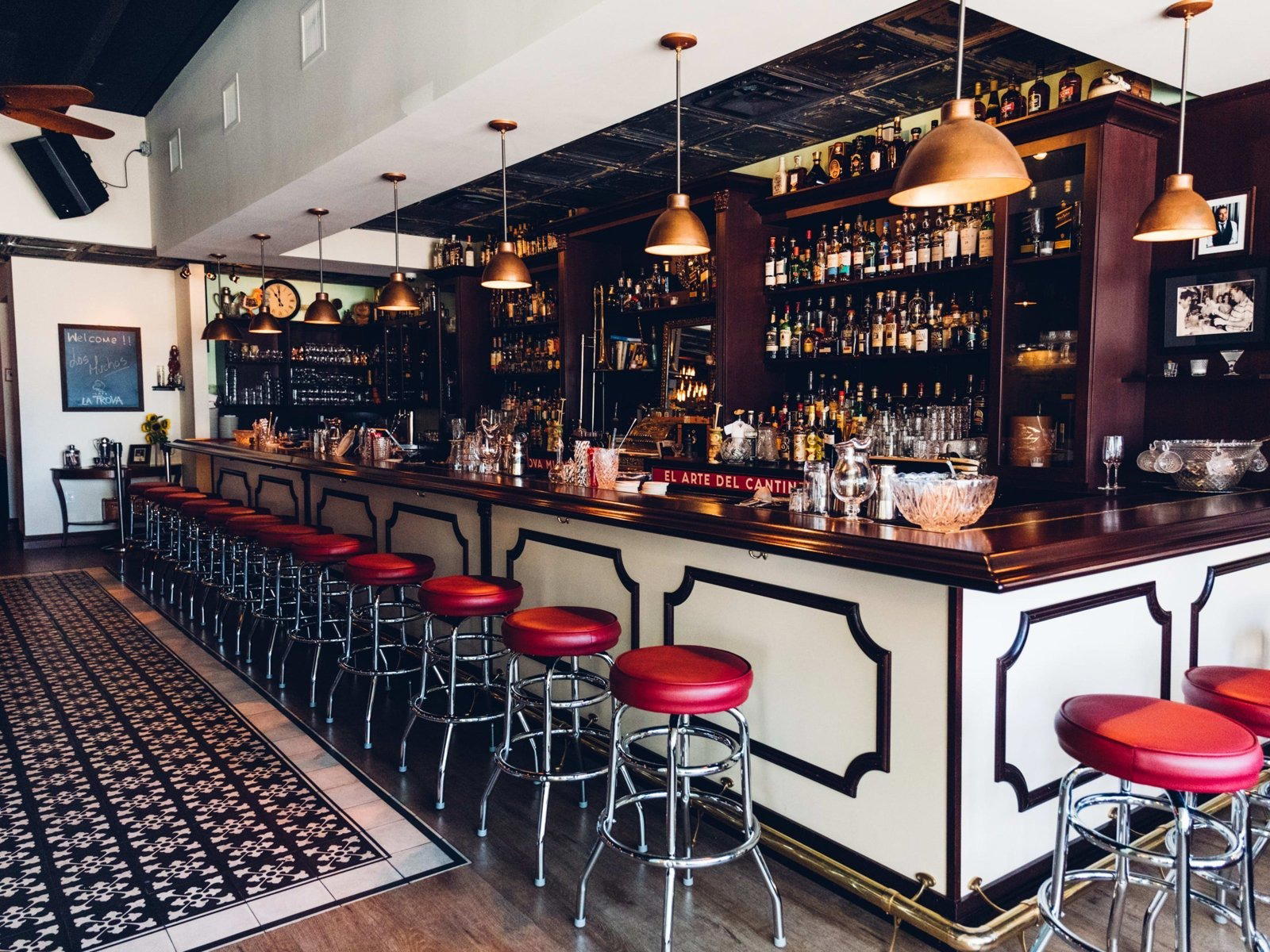
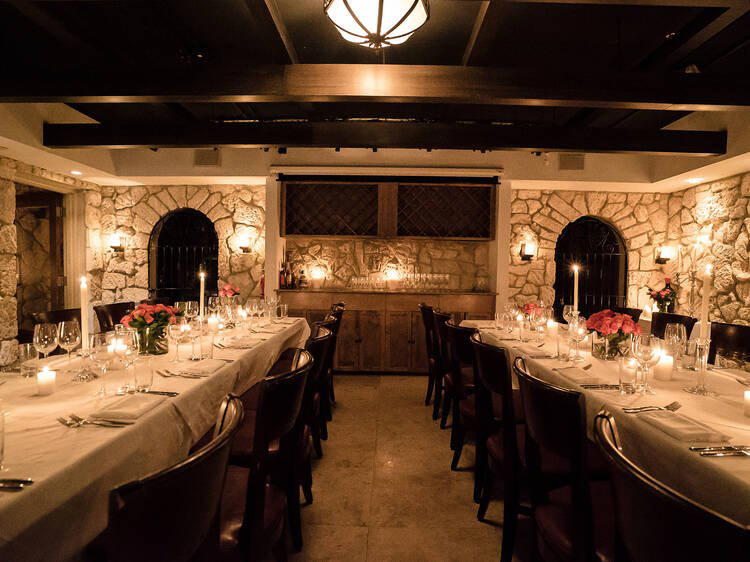
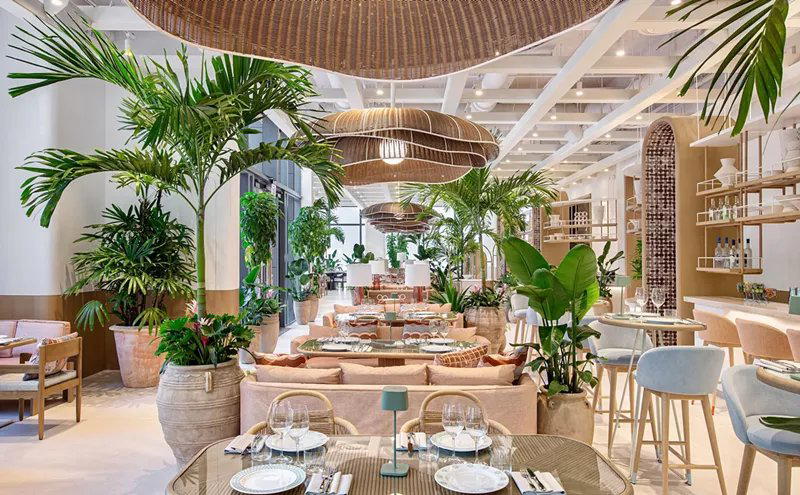
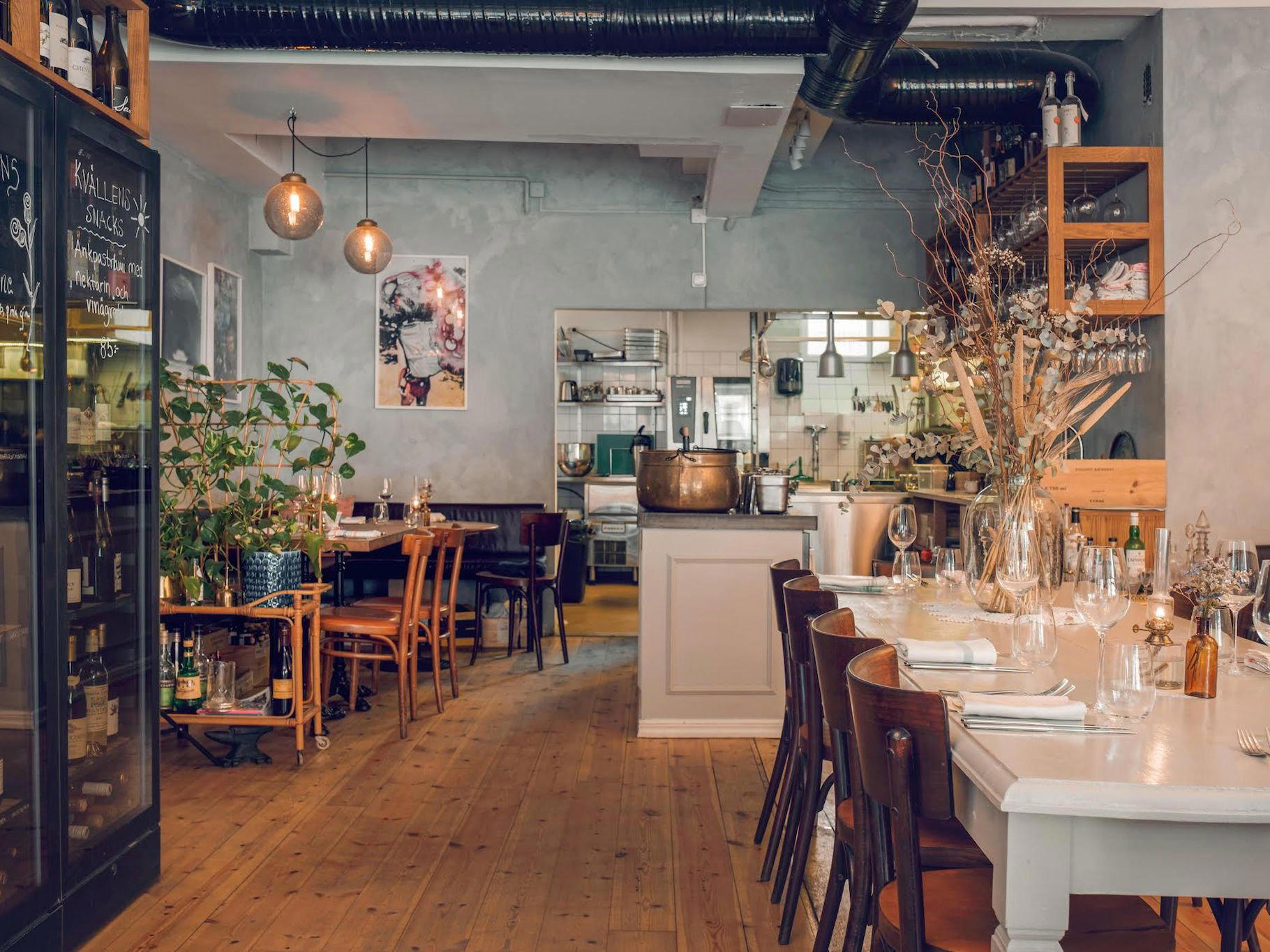
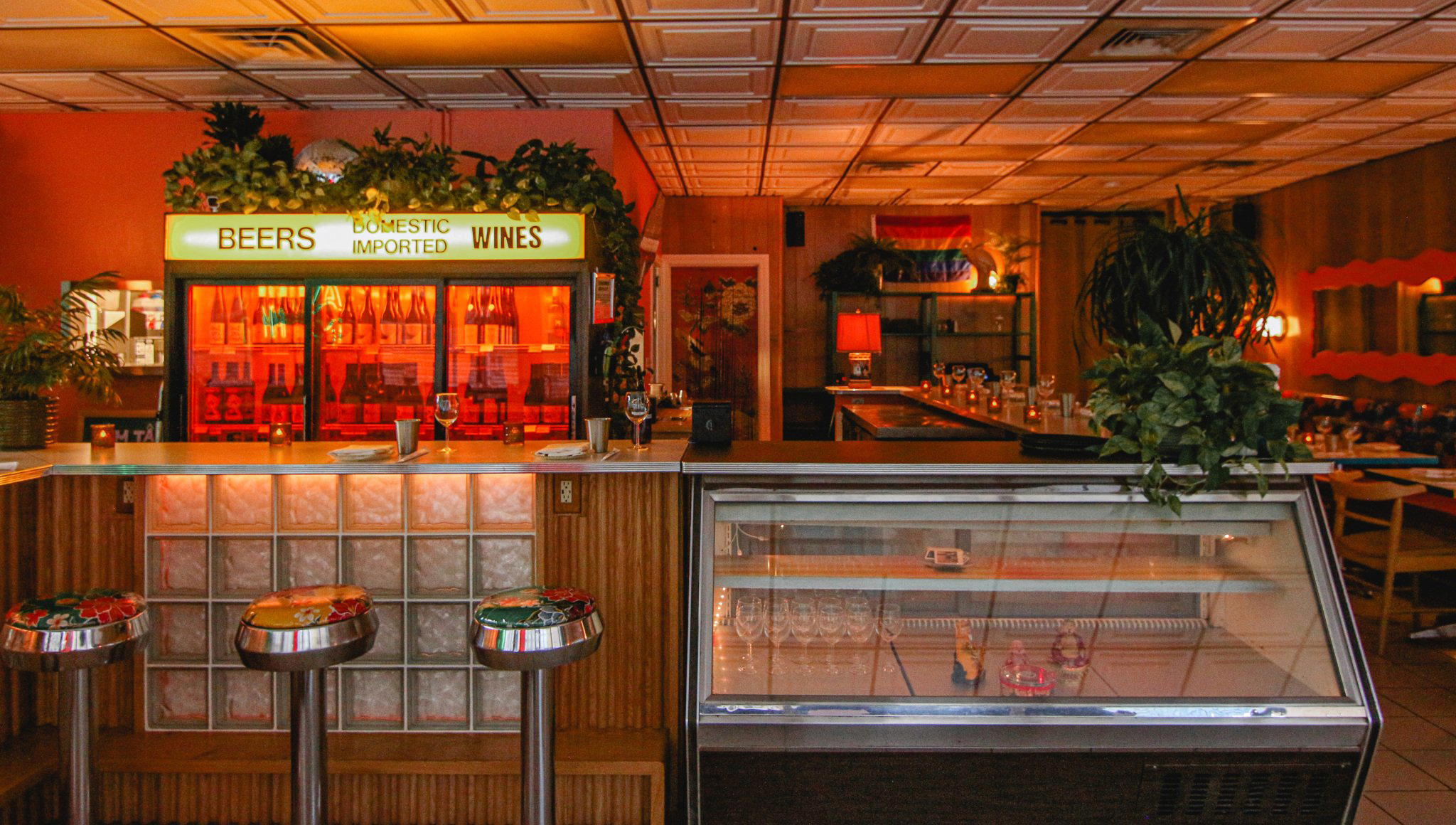
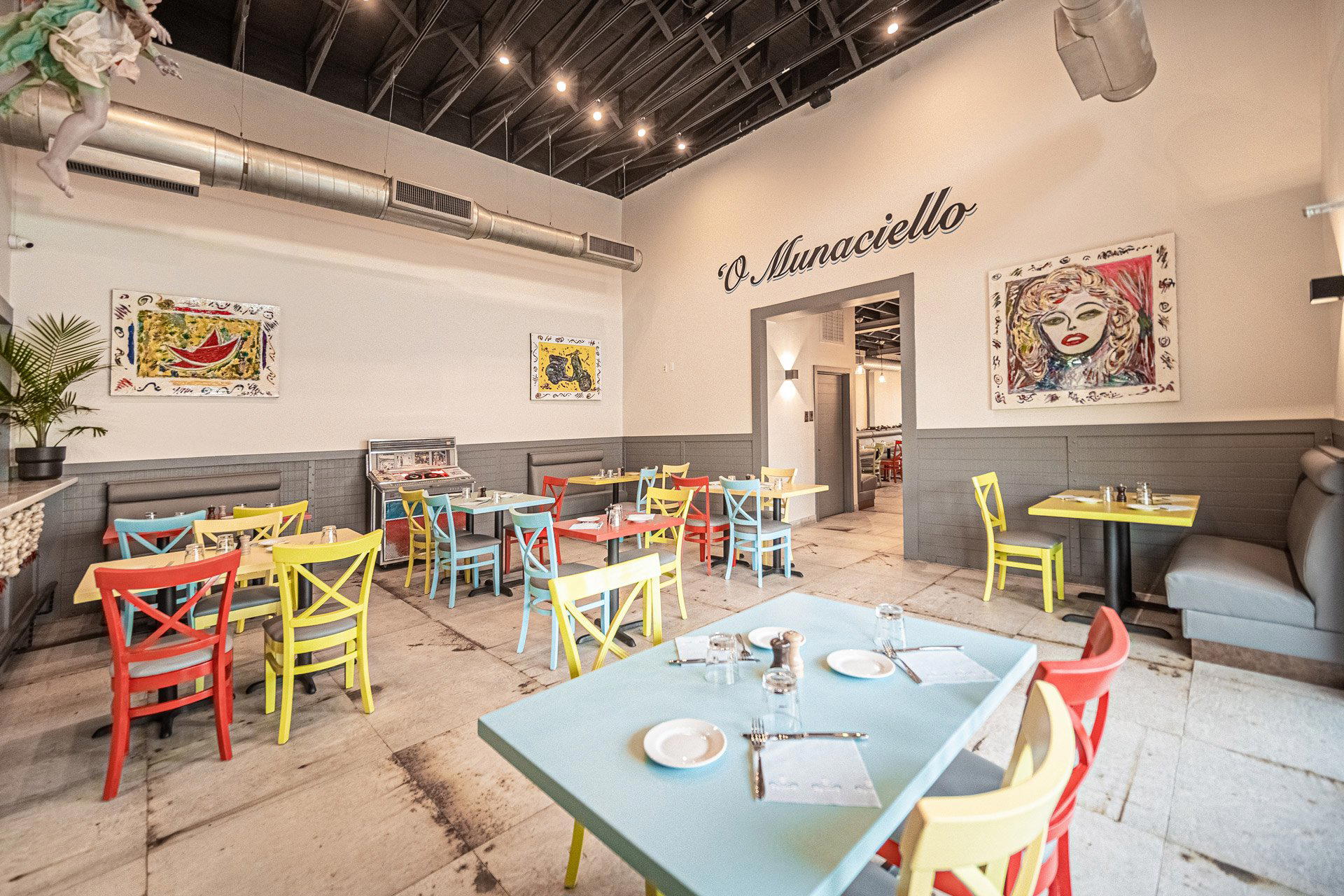
Miami's Italian dining scene covers a wide range of physical formats, from the open-plan, see-and-be-seen rooms of South Beach to the darker, more intimate spaces that have proliferated in neighborhoods like Coconut Grove and Little Havana's edges. The Coral Way location of 'O Munaciello operates closer to the latter category. The space reads as a room built for actual dining rather than for spectacle: proportioned for conversation, designed with materials that absorb rather than amplify, and arranged so that tables function as individual spaces rather than as parts of a continuous social performance.
That physical restraint is a deliberate editorial statement in a city where restaurant design frequently trends toward maximalism. Miami has produced some rooms that prioritize the arrival experience over the seated one, a format that works for certain kinds of occasions and certain price brackets. The spaces that hold local loyalty across years tend to be the ones that get the furniture right and the acoustics manageable, which is a low bar stated plainly, but not one every room in the city clears. For a neighborhood like Coral Way, where regulars return weekly rather than seasonally, a room that functions at a human scale is more valuable than one that photographs well.
Where It Sits in Miami's Italian Scene
Miami's Italian dining now spans a more differentiated range than it did a decade ago. At the upper end, restaurants like Boia De have pushed a contemporary Italian format, focused, short menus with natural wine programs, that has earned significant critical attention and a price point in the $$$ range. At the high-end contemporary bracket, international prestige formats like 8 1/2 Otto e Mezzo Bombana in Hong Kong demonstrate what European-trained Italian cooking looks like at its most formal. 'O Munaciello operates in a different register entirely: neighborhood-anchored, southern Italian in orientation, and priced for regular use rather than for special occasions.
The comparison is worth making because Miami has historically been better served at the high end of Italian dining than at the mid-level, where consistent regional cooking without theatrical ambition is harder to find. A restaurant that can hold Coral Way regulars across lunch, dinner, and the weekend overlap with families from nearby Shenandoah and Silver Bluff neighborhoods is filling a gap that the city's more celebrated addresses don't cover.
For readers who track what Miami's broader scene looks like, the city's most-discussed restaurants, Ariete, Cote Miami, and ITAMAE, operate at higher price points and with more formal ambitions. The full context for how those venues fit together is in our full Miami restaurants guide. At the national level, when thinking about what neighborhood Italian looks like when it's done with care and at scale, the model is closer to what Emeril's in New Orleans demonstrated for American regional cooking: the commitment to a local constituency first, a broader reputation second.
The Neapolitan Reference Point
Southern Italian cooking in American cities has had an inconsistent history. The first wave of Italian-American restaurants adapted Neapolitan and Sicilian recipes to local ingredient availability and mass-market tastes in ways that created a distinct cuisine, neither Italian nor fully American. The correction over the past two decades has pushed toward regional specificity: Campanian tomatoes, Neapolitan pizza standards, pasta formats tied to specific towns. 'O Munaciello's name and positioning signal alignment with that corrective tendency rather than the adapted Italian-American tradition.
Neapolitan cooking as a category rewards attention to a small number of technical questions, dough hydration and fermentation in pizza, the salt balance in a ragù, the quality of olive oil used for finishing rather than cooking. Restaurants that get those details right can operate without elaborate décor programs or high-concept menu architecture. The cooking speaks clearly enough on its own, which is part of why the format works in neighborhoods that prioritize return visits over discovery moments.
Planning a Visit
Coral Way is accessible by car with street parking available along the boulevard, and the address at 2250 Coral Way places it within the section of the street that connects the edges of Little Havana with the Coconut Grove approaches, a part of Miami that moves at a slower pace than the tourist-facing neighborhoods. For visitors staying in Brickell or the Roads neighborhood, the drive is short. The restaurant fits naturally into an evening that doesn't require a downtown parking structure or a reservation made weeks in advance, a practical consideration in a city where the most-discussed rooms, including L'Atelier de Joël Robuchon Miami, require more lead time. Phone and hours details are best confirmed directly with the venue before visiting.
Frequently asked questions
Is 'O Munaciello Coral Way child-friendly?
Coral Way's residential character and the restaurant's neighborhood positioning suggest a setting more relaxed than Miami Beach's high-volume dining rooms, which tends to suit families reasonably well. That said, the venue has not published a formal family or children's policy, so calling ahead before a weekend visit with young children is advisable.
How would you describe the vibe at 'O Munaciello Coral Way?
The address at 2250 Coral Way puts this restaurant in one of Miami's older, more settled corridors, well removed from the see-and-be-seen energy of South Beach or Brickell. Expect something closer to a neighborhood trattoria in format and feel, where the room is built around the food rather than the crowd.
How does 'O Munaciello Coral Way differ from Miami's other Italian restaurants?
Its location on Coral Way separates it geographically and tonally from the contemporary Italian rooms that dominate coverage of Miami's dining scene, such as the Boia De end of the market in Little Haiti. The Neapolitan reference embedded in the restaurant's name positions it within a southern Italian tradition rather than the modern Italian-American format common across Miami Beach, making it a distinct option in a city where Italian dining has grown considerably more differentiated over the past decade.
What do regulars order at 'O Munaciello Coral Way?
The name 'O Munaciello draws directly from Neapolitan tradition, which frames the kitchen's orientation toward southern Italian cooking. Regulars in comparable Neapolitan-leaning rooms typically return for pasta and wood-fired preparations, though specific dishes and current menu offerings should be confirmed directly with the restaurant.
Style and Standing
Comparable options at a glance, pulled from our tracked venues.
| Venue | Cuisine | Price | Awards | Notes |
|---|---|---|---|---|
| 'O Munaciello Coral WayThis venue — the venue you are viewing | Authentic Neapolitan Pizza & Italian | $30–50 | Not listed | Not listed |
| Ariete | Modern Cuban-American Fine Dining | $150–200 | 1 Michelin Star · Star Wine List | Modern American, Contemporary |
| Boia De | Modern Italian-Inspired | $50–100 | 1 Michelin Star · Star Wine List | Italian, Contemporary |
| Cote Miami | Modern Korean Steakhouse with Table-Side BBQ | $150–200 | 1 Michelin Star · La Liste Top Restaurants | Korean Steakhouse, Korean |
| Stubborn Seed | Modern American Fine Dining | $200–300 | 1 Michelin Star | Progressive American, Contemporary |
| Los Fuegos by Francis Mallmann | Argentinian Open-Fire Asado Steakhouse | $200–300 | Michelin Plate · Forbes 4-Star | Argentinian |