El Toro Loco Steakhouse Tamiami
On the western edge of Miami's Little Havana corridor, El Toro Loco Steakhouse Tamiami holds a specific address on SW 8th Street that places it inside one of the city's most food-dense community strips. The steakhouse sits within a Miami dining scene that increasingly pulls between high-concept tasting menus and neighbourhood anchors built around the grill, serving a part of the city that rarely makes the critic circuit but sustains serious, regular trade.
Pearl is the En Primeur Club membership app — saves, bookings, and concierge access live there. Same editors, same standards.
- Address
- 13800 SW 8th St, Miami, FL 33184
- Phone
- +17867177020
- Website
- eltoroloco.com
- Directions
- Get directions
 Saves & bookings on Pearl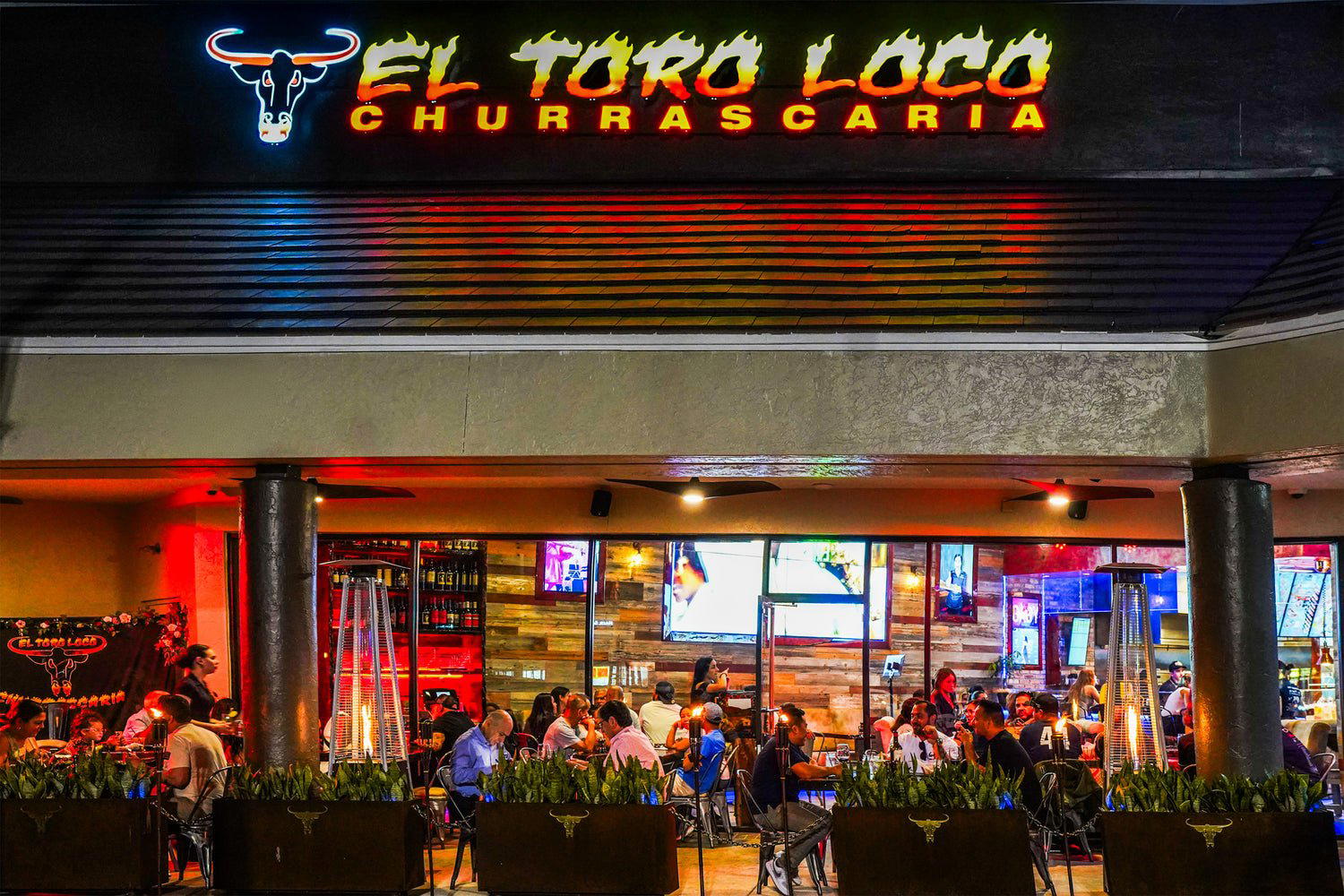
SW 8th Street and the Steakhouse Tradition
Calle Ocho, the stretch of SW 8th Street that runs through and beyond Little Havana, is one of the few corridors in Miami where the dining conversation belongs entirely to residents rather than visitors. The restaurants here are not auditioning for the Design District crowd; they are cooking for the same tables that have been coming back for years. El Toro Loco Steakhouse Tamiami sits at 13800 SW 8th St, in the Tamiami segment of that corridor, where the street widens and the strip malls give way to larger lots and a more settled commercial rhythm. The address alone signals something: this is a steakhouse built for a neighbourhood, not a destination dining room engineered for out-of-town press.
That distinction matters when you consider what Miami's broader steakhouse market looks like. The city's higher-end red-meat tier is anchored by concepts like Cote Miami, the Korean steakhouse format that brings tableside butane and a prix-fixe structure to the Brickell edge, and by Argentinian fire-cooking operations at the $$$ to $$$$ tier. Both formats lean on theatre and sourcing narratives. The neighbourhood steakhouse on the other hand trades on consistency, portion, and the kind of relationship with regulars that takes years to build. El Toro Loco's position on the western end of SW 8th places it firmly in that second category.
What the Room Communicates
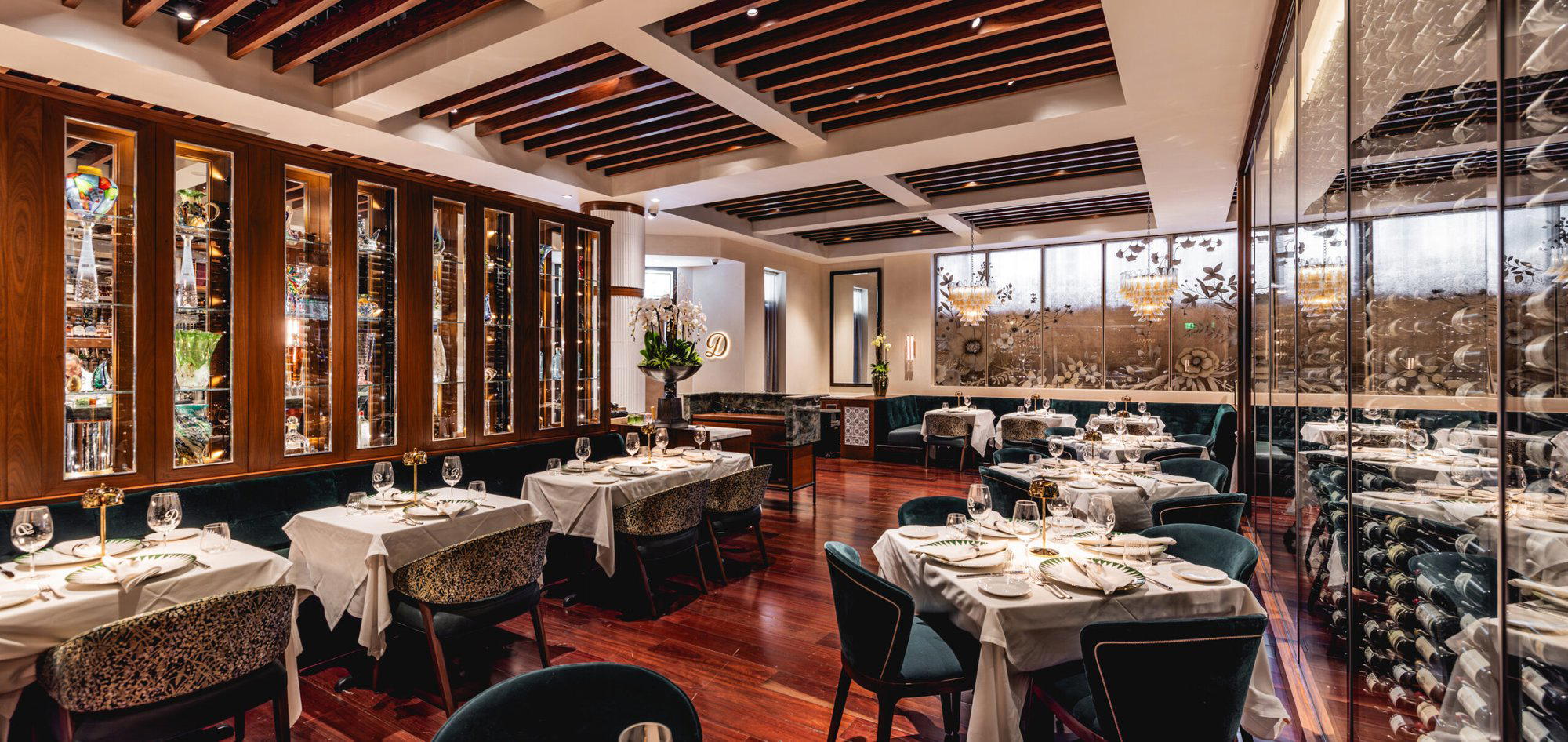
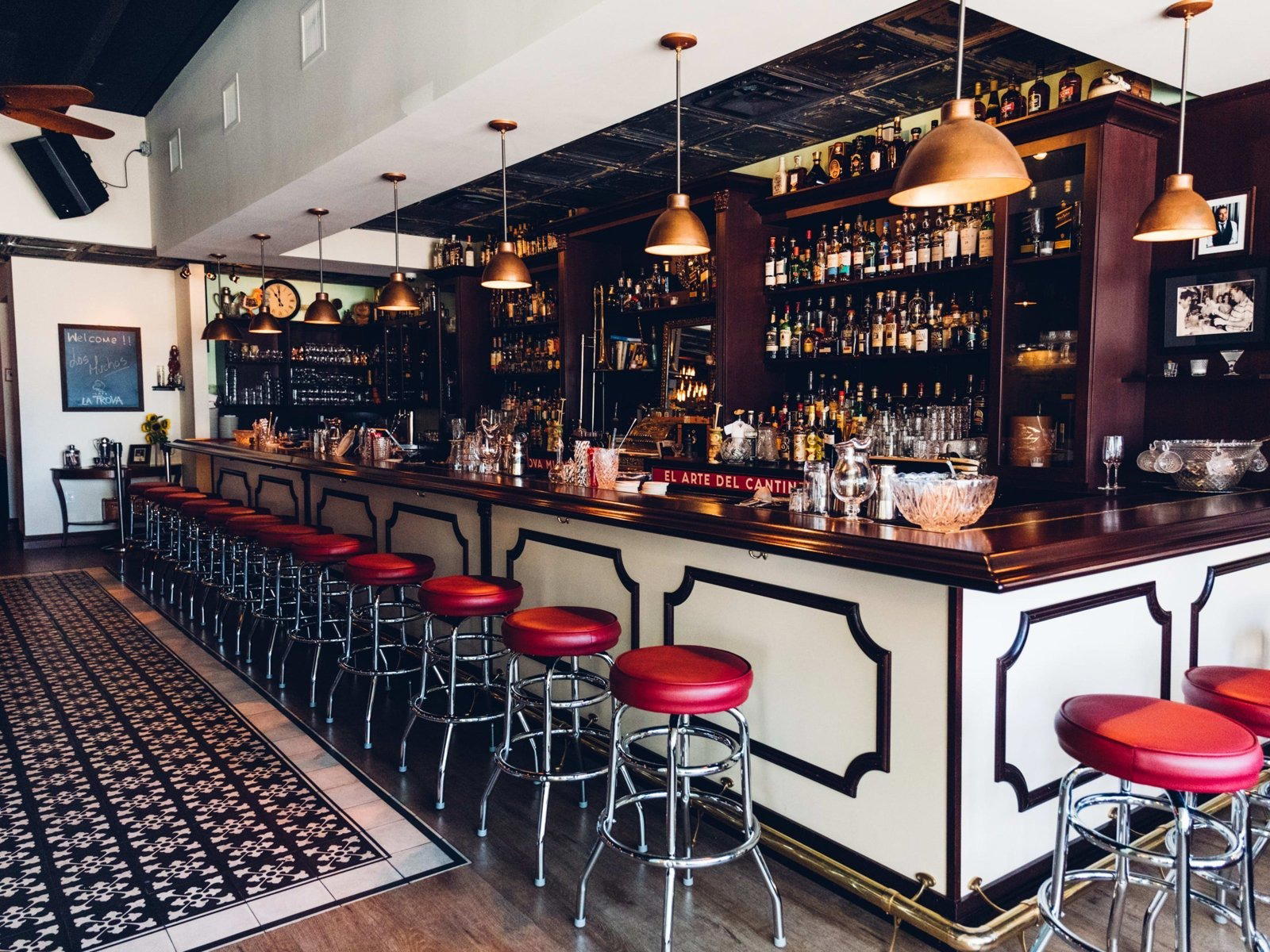
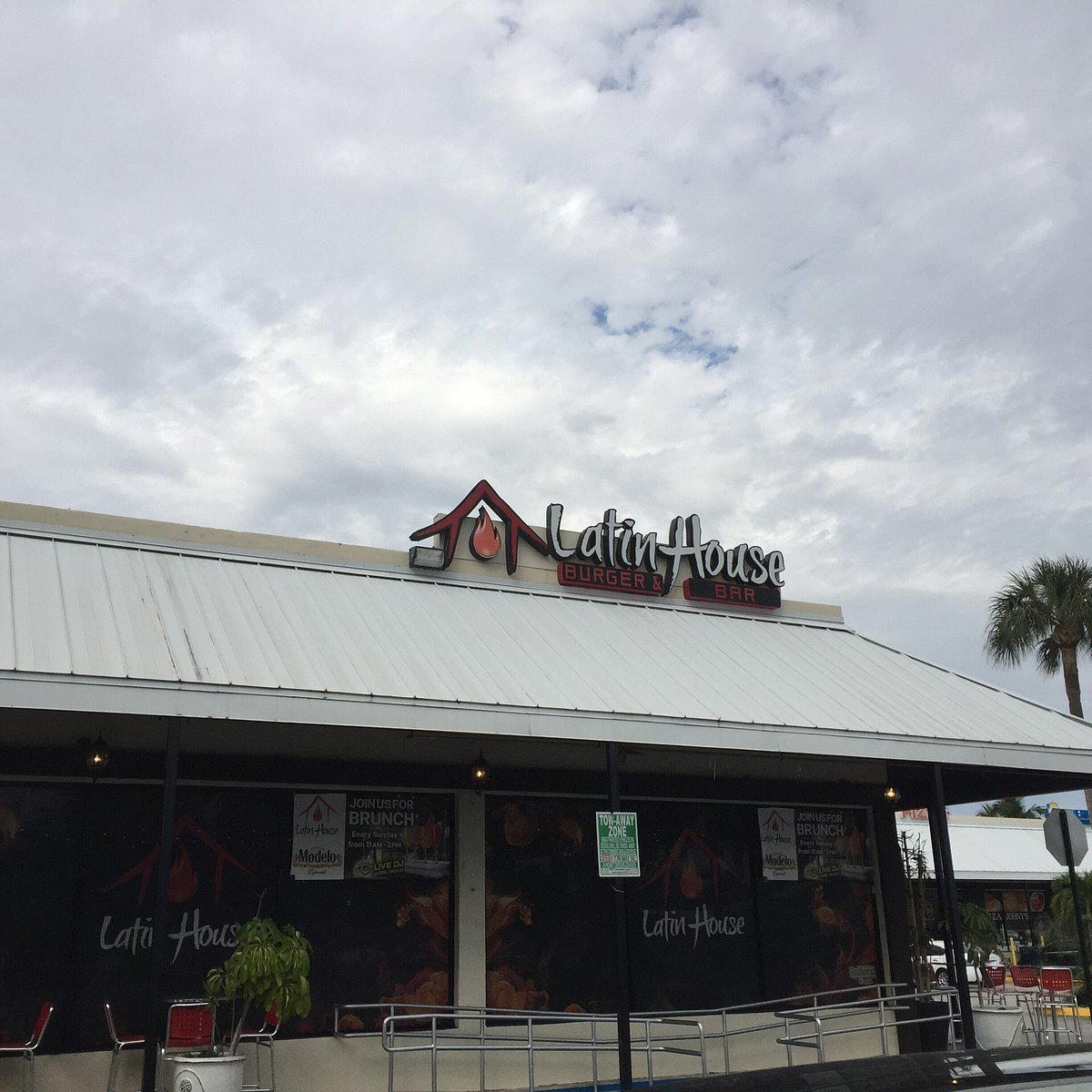
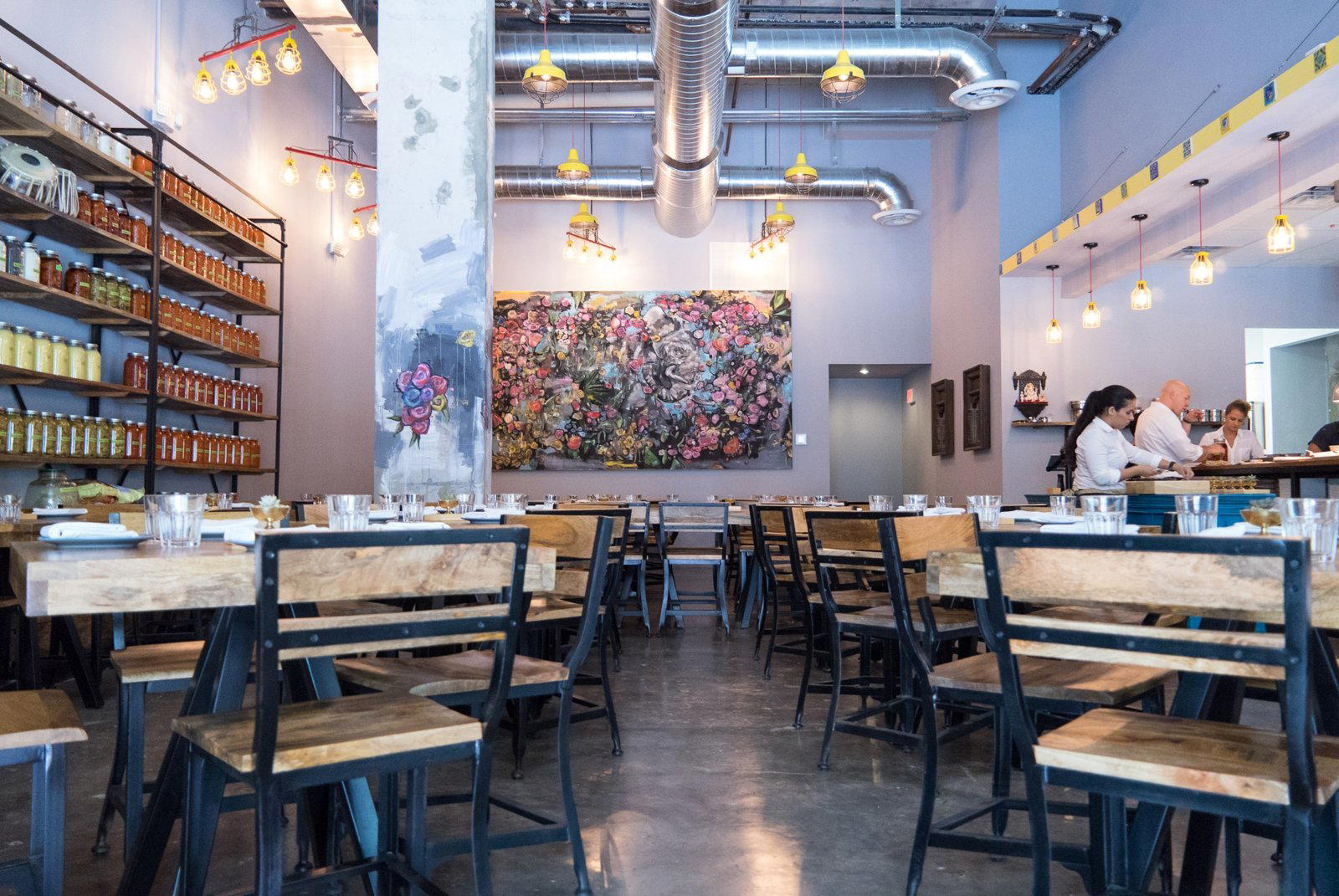
Approaching a restaurant on this stretch of Calle Ocho, the visual grammar is familiar: parking-forward layouts, signage that does not understate, and interiors where comfort is measured in space rather than design spend. This is not the compressed, gallery-lit dining room of Boia De in the upper reaches of Biscayne, nor the open-plan American contemporary room you find at Ariete in Coconut Grove. The neighbourhood signals a specific value exchange: the focus goes to the plate, not the architecture.
That approach to the dining room reflects a broader pattern in how Latin-inflected steakhouses operate across South Florida. The grill is the performance. The service style is direct and familiar rather than choreographed. The team dynamic in rooms like this tends to be built on longevity: servers who know the regulars, kitchen staff who have worked together long enough to move without instruction. Those internal rhythms are rarely visible to a first-time visitor, but they are what separate a room that feels settled from one that feels assembled.
The Steakhouse Format in Miami's Current Dining Scene
Miami's restaurant conversation in 2024 and 2025 has been shaped heavily by the Michelin Guide's arrival and the subsequent clustering of press attention around a small number of tasting-menu and chef-driven addresses. ITAMAE, the Peruvian-Japanese counter, and L'Atelier de Joël Robuchon Miami occupy the high end of that conversation. But the majority of Miami's dining trade happens outside that tier, in the kind of neighbourhood rooms that have been running for a decade or more without ever appearing on a festival lineup or an industry shortlist.
The steakhouse format specifically carries weight in Miami because the city's Cuban and Latin American communities have long treated grilled meat as a social ritual rather than an occasion meal. The parrillada, the whole roasted pork, the counter-service ventanita model: these are the reference points that shape how SW 8th Street diners read a restaurant. A steakhouse on this corridor is measured against those standards first, against the national steakhouse chain model second, and against the high-concept fire-cooking rooms almost not at all. For comparison, the fire-forward register of a room like Los Fuegos by Francis Mallmann draws from Argentinian ranching tradition and markets explicitly to that narrative. The Tamiami steakhouse operates in a different register, quieter and more rooted in the day-to-day eating patterns of the surrounding community.
Service as a Team Sport
In steakhouse formats across the country, the front-of-house dynamic tends to be less visible than in tasting-menu environments, where the sommelier and the floor captain are often as important to the experience as the kitchen. At neighbourhood-scale rooms on corridors like SW 8th, the team structure is typically flatter: a server who carries both food and drink knowledge, a kitchen that communicates through the pass rather than through a dedicated expediter, and a host presence that functions more as a neighbourhood welcome than a formal greeting ritual. The result, when it works, is a room that feels genuinely inhabited rather than staged.
That team cohesion is harder to manufacture than the sommelier-led service model favoured by the tasting-menu tier. Places like Smyth in Chicago or Single Thread Farm in Healdsburg invest heavily in front-of-house training as a separate discipline. The neighbourhood steakhouse achieves a different kind of coherence through repetition and shared context rather than formal structure. Neither model is superior; they serve different functions and different communities.
Where El Toro Loco Fits the Broader Map
Across the United States, the restaurants that generate the most sustained critical attention tend to cluster in high-visibility urban cores: the rooms covered by Le Bernardin in New York City, The French Laundry in Napa, Providence in Los Angeles, or Addison in San Diego. The neighbourhood anchor, by contrast, rarely generates the same volume of editorial coverage, but it absorbs a far larger proportion of the actual dining occasions in any given city. Miami has its share of both. The Tamiami stretch of SW 8th sits decisively in the second category, and El Toro Loco operates as the kind of address that earns its place through frequency of use rather than occasion dining.
For readers exploring Miami beyond the Brickell and Wynwood core, the SW 8th corridor rewards repeated visits rather than single high-investment evenings. The full Miami restaurants guide covers the broader range of options across neighbourhoods, from the design-led rooms in the upper tier to the community anchors on the western corridors.
Know Before You Go
- Address: 13800 SW 8th St, Miami, FL 33184
- Neighbourhood: Tamiami, western Calle Ocho corridor
- Parking: Street and lot parking typical for this stretch of SW 8th
- Leading approach: Drive; the Tamiami segment of SW 8th is not well served by transit from the urban core
- Peer context: Neighbourhood steakhouse tier, distinct from the high-concept fire-cooking rooms at the $$$$ end of the Miami market
Cuisine-First Comparison
| Venue | Cuisine | Price | Awards |
|---|---|---|---|
| El Toro Loco Steakhouse TamiamiThis venue — the venue you are viewing | This venue | Not listed | Not listed |
| Cote Miami | Korean Steakhouse, Korean | $$$ | Michelin 1 Star |
| Ariete | Modern American, Contemporary | $$$$ | Michelin 1 Star |
| Boia De | Italian, Contemporary | $$$ | Michelin 1 Star |
| Stubborn Seed | Progressive American, Contemporary | $$$$ | Michelin 1 Star |
| Los Fuegos by Francis Mallmann | Argentinian | Not listed | Argentinian, $$$$ |
At a Glance
- Lively
- Energetic
- Group Dining
- Family
- Celebration
- Open Kitchen
Current opening hours
- Monday
- 10 AM–11 PM
- Tuesday
- 10 AM–11 PM
- Wednesday
- 10 AM–11 PM
- Thursday
- 10 AM–11 PM
- Friday
- 10 AM–11 PM
- Saturday
- 10 AM–11 PM
- Sunday
- 10 AM–10 PM
Hours can change for holidays and private events. Last verified .
Energetic atmosphere with a focus on grilled meats and lively dining suitable for families and groups.
Know Before You Go
- Getting there
- 13800 SW 8th St, Miami, FL 33184